Published: November 25, 2026 Last Updated 8 hours ago by FPN
African fashion has been extending beyond the runway and magazine pages.
For decades, film has served as a powerful platform where beadwork, handwoven textiles, architectural silhouettes, and cultural codes function as storytelling devices that convey history, power, identity, and beauty.
When a movie accurately represents clothing, it does more than create visual appeal. It allows viewers to experience tradition, innovation, and the confidence of those who dress with intention.
For those who appreciate a perfectly draped iro and buba, a sculptural gele, contemporary Lagos tailoring, or the reinvention of ancestral motifs, African fashion films provide both education and entertainment.
From global blockbusters that introduced African aesthetics to mainstream audiences to Nollywood productions that highlight traditional and modern dress, these movies demonstrate the significant role fashion plays in storytelling.
Whether you are interested in African costume design, traditional textiles, contemporary Nigerian style, or the connection between clothing and cultural identity, these ten films merit a place on your watchlist.
Enjoy their stories, but also observe the clothing, which often communicates as much as the narrative itself.
Black Panther (2018)
Black Panther remains one of the most influential cinematic statements on African fashion in recent years.
Costume designer Ruth E. Carter created a visual language for Wakanda that felt both ancient and futuristic, drawing inspiration from different African cultures to develop the clothing, accessories, and ceremonial looks of the fictional nation.
The costumes reference Basotho blankets, Himba adornment, Maasai beadwork, Ndebele geometric patterns, Zulu-inspired headwear, and Yoruba-inspired elements.
Rather than reproducing these traditions directly, Carter reinterpreted them to create a distinct visual identity for Wakanda.
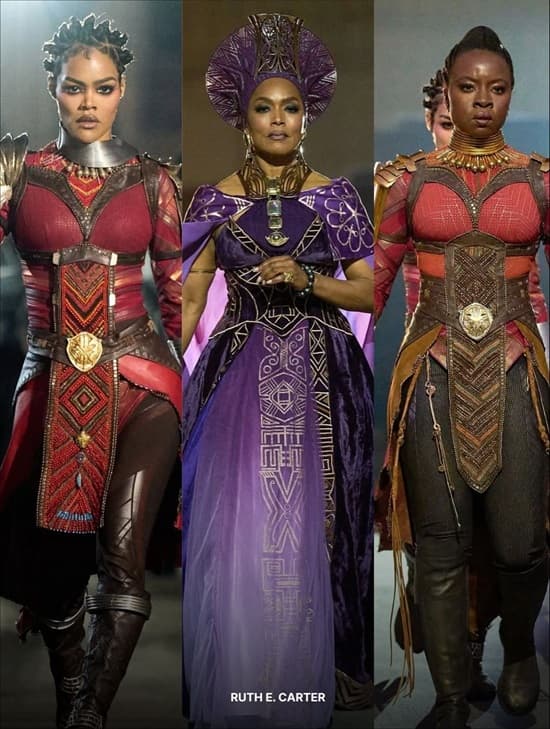 Photo Courtesy
Queen Ramonda’s sculptural headpieces, Okoye’s red Dora Milaje armour and Shuri’s contemporary outfits demonstrate how traditional references can influence futuristic fashion.
The film also gives considerable attention to clothing worn in everyday settings, particularly in its marketplace scenes, where textiles, accessories and silhouettes contribute to the world-building.
Carter’s work earned her an Academy Award for Best Costume Design, making her the first Black woman to win in the category.
For anyone interested in African fashion films and the relationship between costume design and cultural storytelling, Black Panther is essential viewing.
It demonstrated that African-inspired design could occupy the centre of a major global production without being treated as an afterthought.
Coming to America (1988)
Before Wakanda became a global fashion reference, Coming to America introduced audiences to the fictional African kingdom of Zamunda and its extravagant royal wardrobe.
Costume designer Deborah Nadoolman Landis created a world filled with embroidered robes, animal-print fabrics, elaborate headpieces, statement jewellery, and ceremonial outfits.
Prince Akeem’s wardrobe, along with the royal family’s clothing, presented an exaggerated but entertaining interpretation of African royal dress.
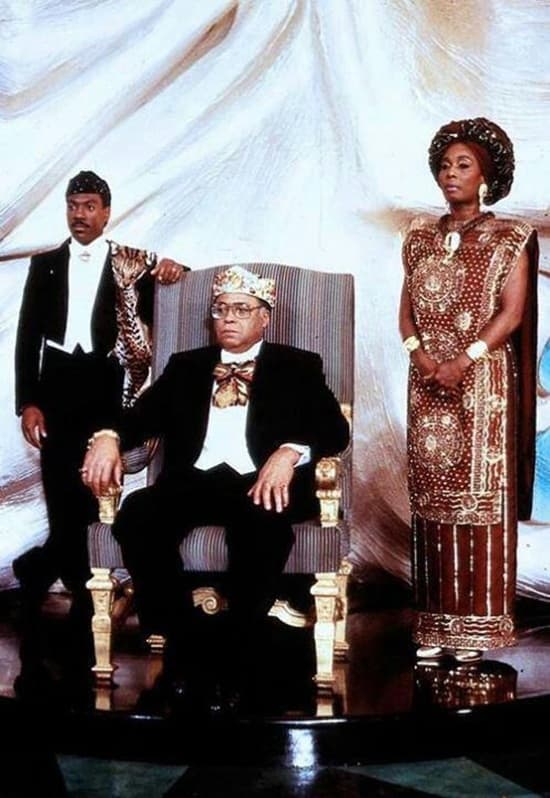 Photo Courtesy
The movie stands out for its approach to formal clothing.
Large silhouettes, rich colours and elaborate accessories communicate wealth, status and royalty. Its visual direction highlights the theatrical potential of African-inspired fashion.
Although Zamunda is fictional, the film’s costumes remain central to discussions of African-inspired screen fashion. They also capture a celebratory style recognizable in contemporary African weddings and formal occasions.
For those exploring African fashion films, Coming to America offers a unique experience.
It is humorous, colourful and unapologetically extravagant, with costumes that remain memorable decades later.
The Woman King (2022)
The Woman King explores the history of the Agojie, the all-female military regiment of the Kingdom of Dahomey.
Costume design by Gersha Phillips emphasizes the relationship between clothing, identity, status, and military function.
Unlike films that use generic interpretations of historical African dress, The Woman King bases its costumes on research into the Dahomey Kingdom’s history and visual traditions.
Leather, metal, patterned fabrics and carefully chosen body adornment define the appearance of the warriors and royal court.
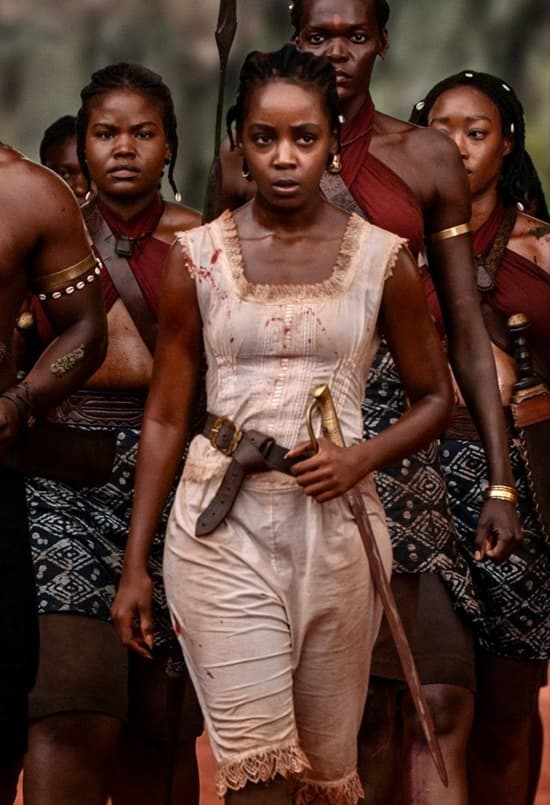 Photo Courtesy
The clothing also reflects the practical needs of the characters.
Warriors’ outfits allow for movement and combat, while royal costumes convey authority through construction, colour and decorative details.
The film is valuable for those interested in how African clothing communicates more than personal style. Here, costumes help establish characters’ positions within a military and political system.
The Woman King stands out among African fashion films for demonstrating how costume design contributes to historical storytelling and offers insight into the clothing traditions of an important African kingdom.
Aníkúlápó (2022)
For those interested in Yoruba clothing and traditional textiles, Aníkúlápó is a Nollywood production worth a closer look.
Set in historical Yoruba society, the film showcases a wide range of traditional clothing, including elaborate beadwork, aso-oke, adire-inspired fabrics, styled hairstyles, and richly coloured garments.
Costume designer Toyin Ogundeji treats clothing as integral to the film’s world, highlighting how characters dress according to their roles and circumstances.
The use of fabric is notable.
Traditional Nigerian textiles are highlighted, and the styling demonstrates various ways garments can be draped, layered, and accessorised.
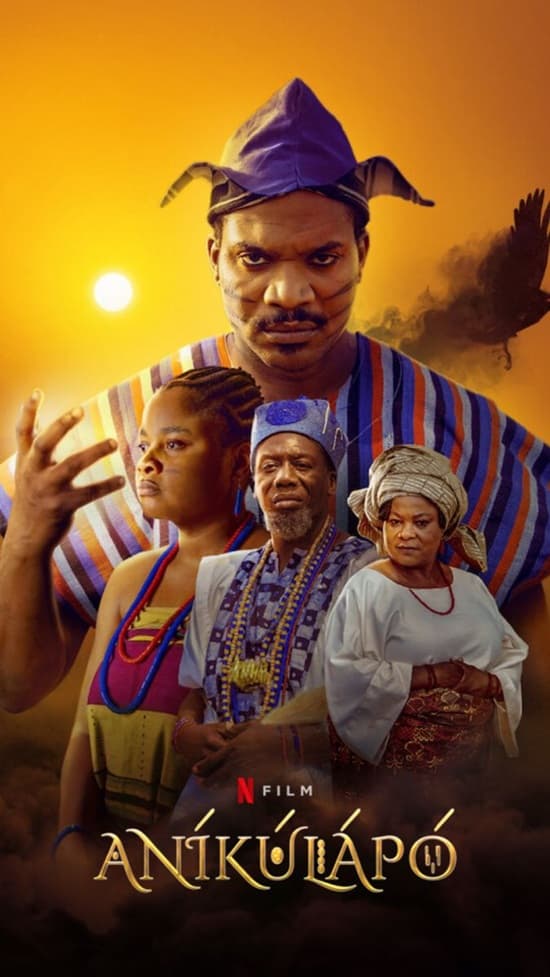 Photo Courtesy
Hairstyles and accessories also stand out. From elaborate headpieces to traditional beads, the film visually connects clothing with cultural identity and social status.
A key strength of Aníkúlápó is that the clothing feels integrated with the story. It enhances the atmosphere and helps establish the historical period.
For those interested in African fashion movies, especially those exploring Yoruba dress and traditional Nigerian craftsmanship, Aníkúlápó is a valuable addition to the watchlist.
King of Boys: The Return of the King (2021)
King of Boys: The Return of the King exemplifies the relationship between clothing and power in Nollywood productions.
Directed by Kemi Adetiba, the series continues the story of Eniola Salami, played by Sola Sobowale, whose clothing is central to her character.
Costume designer Yolanda Okereke creates a wardrobe that blends traditional Nigerian formalwear with contemporary tailoring and statement accessories.
Eniola’s agbadas, elaborate headwraps, structured outfits, and carefully selected jewellery convey authority and ambition. Her clothing is intentional, reinforcing her understanding of her position and the image she wants to project.
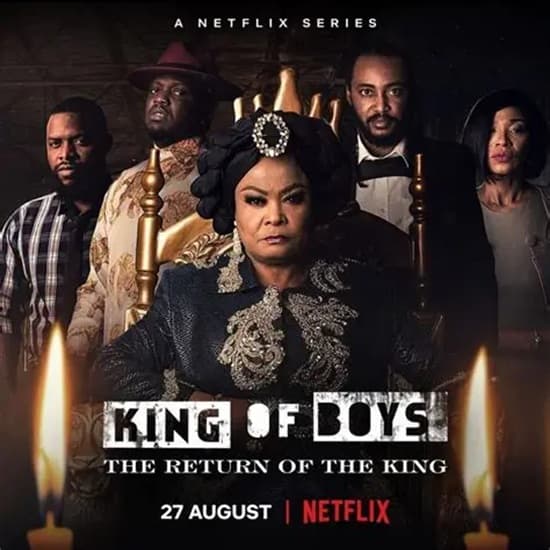 Photo Courtesy
The series also provides insight into contemporary Nigerian power dressing.
Traditional clothing is integrated with modern business and political attire, with both styles coexisting.
For viewers interested in how African fashion communicates wealth, influence, and personality, King of Boys is especially rewarding.
It demonstrates that clothing can be a powerful element of character development, particularly in stories where appearances hold significant social meaning.
Queen of Katwe (2016)
Not every movie about African fashion features elaborate ceremonial outfits or dramatic runway-inspired costumes.
Queen of Katwe provides an everyday perspective through its portrayal of life in Kampala, Uganda.
The film follows Phiona Mutesi, a young girl from Katwe whose chess talent creates new opportunities.
Costume design by Mobolaji Dawodu focuses on the community’s everyday clothing, from casual Kampala fashion to traditional Ugandan garments like the gomesi.
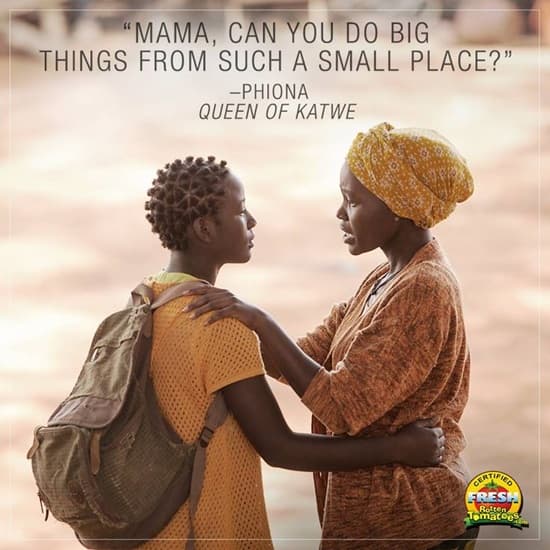 Photo Courtesy
The clothing is colourful, practical, and closely tied to the characters’ circumstances.
Rather than making every outfit a fashion statement, the movie shows how people use clothing to express personality and maintain identity in daily life.
Lupita Nyong’o’s portrayal of Phiona’s mother also illustrates how clothing can reflect changing circumstances. Her wardrobe is connected to the character and environment, rather than serving only as visual spectacle.
For those exploring African fashion films, Queen of Katwe reminds us that African fashion extends beyond elaborate occasionwear.
Everyday dressing, personal presentation, and clothing choices for ordinary experiences are equally important to fashion culture.
Black Is King (2020)
Beyoncé’s Black Is King is not a conventional narrative film.
It is a visual album that blends music, storytelling, African cultural references, and fashion into a series of carefully constructed scenes.
The project showcases a diverse group of designers and creative contributors from Africa and the diaspora.
Its wardrobe spans sculptural couture, contemporary African-inspired clothing, traditional textiles, elaborate accessories, and dramatic silhouettes.
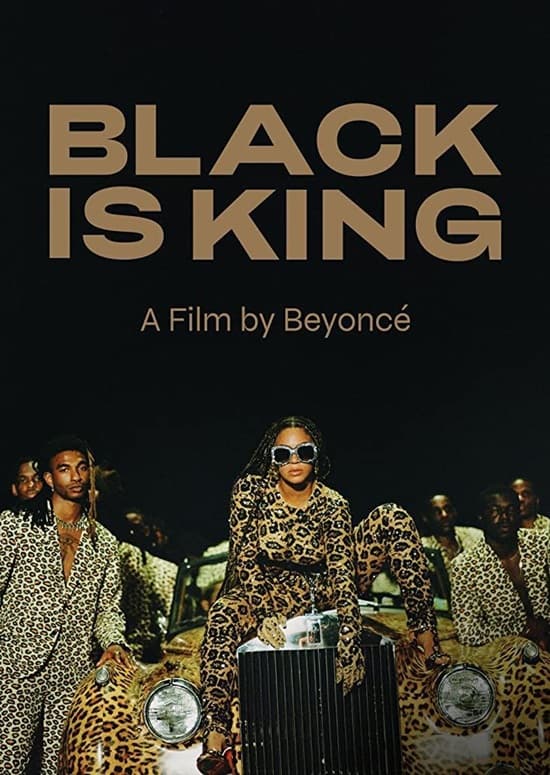 Photo Courtesy
Black Is King presents African fashion as both historical and contemporary.
By pairing traditional references with modern design, it shows that cultural identity isn’t confined to a single style of dress.
The production pays close attention to colour, texture, and styling. Each visual sequence features distinct clothing that enhances the atmosphere and meaning of the music.
For those interested in African fashion movies and global representations of African aesthetics, Black Is King serves as a key visual reference.
It unites fashion designers, artists, and cultural influences in a production that centers African creativity.
Ayinla (2021)
Set in the 1970s Yoruba music scene, Ayinla offers insight into a time when music, social life, and personal style were closely linked.
The film follows Apala musician Ayinla Omowura and explores the cultural environment around his music.
Costume design by Ade Bakare recreates the era’s styles, combining traditional Yoruba attire, period tailoring, and accessories.
The wardrobe highlights the connection between musicians and their public image.
Clothing played a key role in performers’ self-presentation, and Ayinla reflects the importance of personal appearance in the music scene.
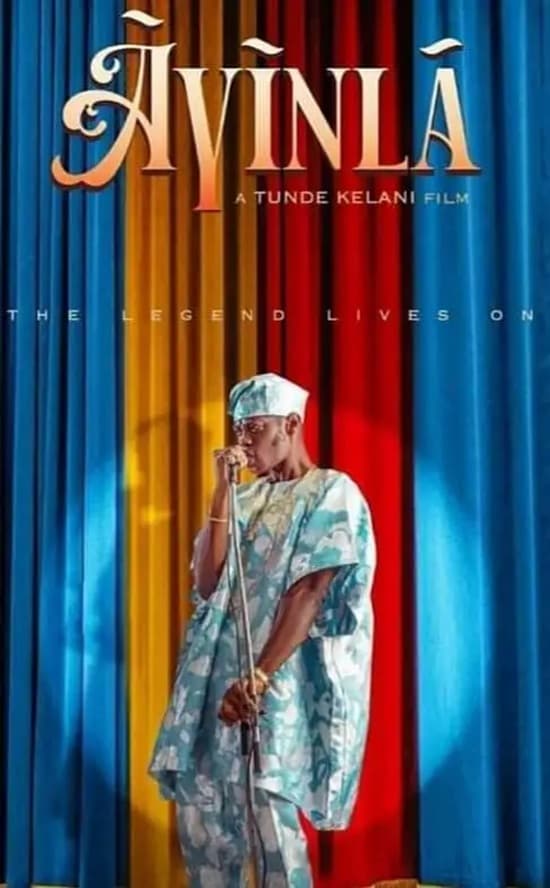 Photo Courtesy
Traditional garments, patterned fabrics, and styled outfits establish the film’s sense of time and place. The clothing also distinguishes characters and social environments within the story.
Ayinla is recommended for movie lovers interested in Nigerian fashion history, especially the links between music, popular culture, and clothing.
It shows that fashion can document a specific cultural moment.
The Wedding Party (2016)
Nigerian weddings are internationally recognized for elaborate outfits, colourful aso-ebi, statement gele styles, and coordinated traditional looks.
The Wedding Party captures this fashion culture by depicting a high-society Lagos wedding.
The film showcases a wide range of Nigerian occasionwear, from contemporary formal dresses to elaborate traditional outfits.
The clothing highlights the value placed on appearance during celebrations, where fashion expresses personality and social identity.
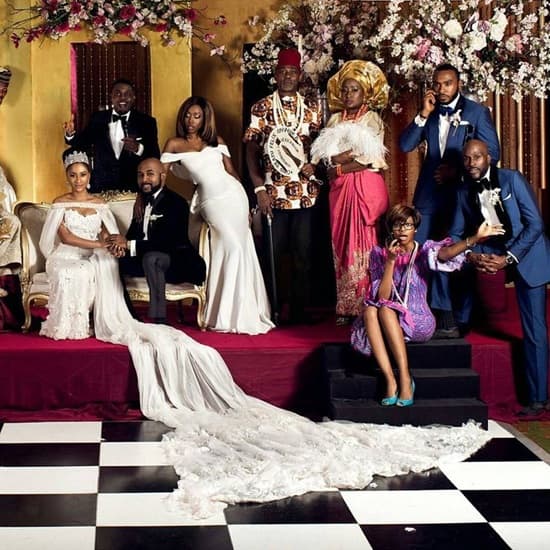 Photo Courtesy
Gele styling stands out as a key element.
Various shapes, colours and techniques showcase the creativity of Nigerian headwraps, while aso-ebi outfits highlight the importance of coordinated dressing in wedding culture.
The movie explores the contrast between traditional and contemporary fashion.
Guests wear everything from elaborate iro and buba to modern evening dresses, illustrating the range of styles in Nigerian celebrations.
For those who enjoy African fashion films focused on occasionwear, The Wedding Party is an entertaining choice.
It captures the colour, excitement and fashion competition of a Nigerian wedding.
Gangs of Lagos (2023)
African fashion extends beyond traditional ceremonies, royal wardrobes, and red-carpet appearances.
Gangs of Lagos examines contemporary urban dressing and the visual identity of Lagos street culture.
Directed by Jade Osiberu, the film follows characters shaped by their experiences in Isale Eko.
The costumes reflect various social environments, combining casual streetwear, bold prints, relaxed trousers, and selected accessories.
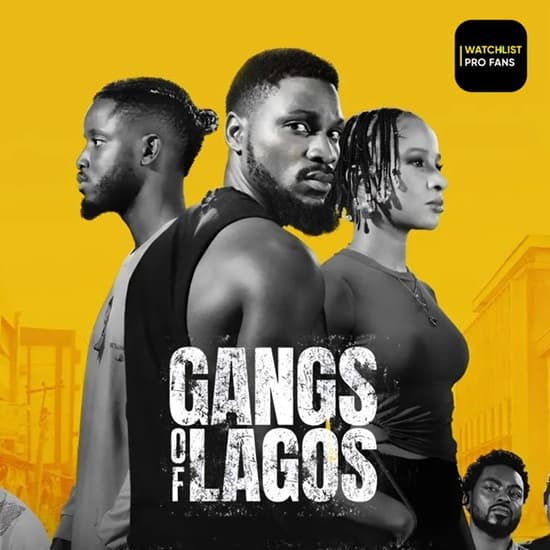 Photo Courtesy
The clothing establishes character personalities and community ties.
It also reflects contemporary Nigerian youth culture, where personal style communicates confidence, belonging, and social status.
Unlike productions focused on traditional garments, Gangs of Lagos explores contemporary Nigerian fashion. Its wardrobe captures the city’s energy and the diverse ways people use clothing to express identity.
For those interested in African fashion films beyond traditional and ceremonial dress, Gangs of Lagos offers insight into the relationship between urban life and personal style.
Together, these ten movies provide a broad view of African fashion on screen.
From Black Panther’s futuristic designs to Aníkúlápó’s traditional Yoruba clothing, The Wedding Party’s occasionwear and Gangs of Lagos’ street styles, each production explores a unique relationship between clothing and identity.
These films also highlight the role of costume designers in shaping audience experience.
Garments can communicate social position, reveal personality, establish a historical period, or connect fiction to real cultural traditions. When handled with research and care, costumes add depth beyond visual appeal.
African fashion movies also showcase the work of fashion designers, textile artisans, embroiderers, stylists, and other creatives who bring these visual worlds to life.
Their contributions remind audiences that African fashion is not a single aesthetic but encompasses diverse cultures, materials, techniques, silhouettes, and approaches to style.
For those who already appreciate African fashion, these films offer a chance to revisit familiar styles through cinema.
For newcomers, the movies provide an engaging introduction to the richness and creativity of African clothing.
Next time you watch a film, notice more than the dialogue and plot. Observe the fabrics, construction, accessories, and how each character wears their clothes.
You may discover a designer, textile tradition, or styling idea worth exploring.
This is because some of the most compelling fashion stories aren’t told on the runway but on screen.
Photo: Arnette brown/ Paramount Studio
You May Also Like:
Ejiro Amos Tafiri REVERIE Collection is Heading to Abuja
Lanre Da Silva Goes Full Bloom in the Living Colour SS27 Collection
A Guide to Building a Nigerian Fashion Label from Scratch
The African Boubou Is Having Its Fashion Moment

Rendoll's SS27 Collection Makes a Case for Dressing for Every Moment
12 Things We Want to See From African Fashion Brands in 2027
Sarah Diouf Gave Prints a New Meaning at GTCO Fashion Weekend in Lagos
Let's Talk About Imane Ayissi's Collection at the 2026 GTCO Fashion Weekend
The African Girlie Starter Pack To Follow

AFRIFF at 15: Africa's Biggest Film Festival Just Doubled Down on the Future
Lagos Fashion Week Day 4: Closing the On-site Runway in Style
Lagos Fashion Week Day 3: The People and Designs Moving Fashion Forward Beyond Craftsmanship


Esther Ejoh is a Fashion Editor at Fashion Police Nigeria, where she writes all things fashion, beauty, and celebrity style, with a sharp eye and an even sharper pen. She’s the girl who’ll break down a Met Gala look one minute, rave about a Nigerian beauty brand the next, and still find time to binge a movie or get lost in a novel. Style, storytelling, and self-care? That’s her holy trinity.