When an African woman books a hair appointment, she often feels a sense of resignation rather than pure excitement.
There is a quiet calculation of time, money, and potential discomfort, balanced by the hope that the final result will justify the investment.
For many, getting their hair done is less of a simple beauty ritual and more of a negotiation with time, finances, physical comfort, and cultural expectations.
The experience is familiar to African women and women of African descent across the diaspora, yet mainstream conversations about beauty and self-care rarely give it enough attention.
The hours spent in the salon chair, non-refundable deposits, risk of lasting hair damage, pressure to appear neat, and logistical effort required to maintain textured hair all contribute to a shared experience.
These African women’s hair appointment struggles go beyond the inconvenience of sitting for hours. They reflect the financial, physical, and social demands that often accompany the decision to get one’s hair done.
From Lagos to London, Accra to Atlanta, many women know the familiar routine: checking a stylist’s availability, calculating the cost of extensions, arranging transportation, and setting aside an entire day for an appointment.
Even after all that preparation, there is no guarantee that the stylist will arrive on time, the installation will be comfortable, or the finished look will match expectations.
For women who regularly wear braids, wigs, weaves, and other protective hairstyles, these challenges can become part of everyday life.
Understanding why these experiences persist is an important step towards making hair care more comfortable, affordable, and manageable.
Time is one of the biggest challenges associated with getting Afro-textured hair done.
While a straightforward wash and style may take less than an hour for some hair types, protective hairstyles such as box braids, knotless braids, twists, and sew-ins can require four to eight hours or longer.
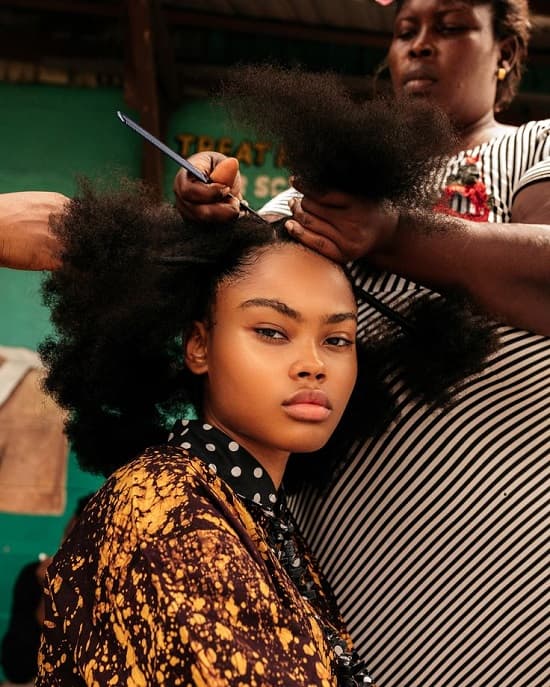 Photo Courtesy
The process may involve detangling, sectioning, adding extensions, braiding, and carefully finishing each part of the hairstyle.
The time required depends on hair length, density, the chosen style, the stylist’s experience, and the hair’s condition.
Nevertheless, a routine that should feel like personal care can easily take up most of a day.
For women with demanding jobs, businesses to run, children to care for, or other responsibilities, this presents a real scheduling problem.
An appointment booked for 9 a.m. may extend well into the evening, leaving little time for anything else. In cities like Lagos, traffic adds another layer of difficulty, especially when the salon is far from home or work.
The experience is not always relaxing, either.
Sitting in one position for several hours can cause back pain, stiffness, and general discomfort. Some women leave with headaches or tender scalps, while others need time to recover after a particularly long installation.
These are important aspects of African women’s hair appointment struggles because the cost of a hairstyle is not measured in money alone.
Time spent in the salon is time that could have been used for work, rest, family, or other personal commitments.
Frequency makes the situation more complicated.
Although protective hairstyles can reduce the need for daily styling, they still require maintenance and eventual removal.
Braids must be taken down, hair detangled and washed, and another appointment may be needed shortly afterward. Wigs and sew-ins also require cleaning, adjustment, and proper care of the natural hair underneath.
What appears to be a convenient way to manage hair can therefore become a recurring demand on a woman’s schedule.
For someone who gets her hair done regularly, the hours accumulate over weeks and months.
The Rising Cost of Looking Presentable
The financial burden is another major part of the conversation.
The cost of getting one’s hair done includes more than the stylist’s fee.
Depending on the hairstyle she chooses, a woman may need to buy braiding extensions, a wig, a closure, a frontal, treatments, shampoo, conditioner, and other products before paying for installation.
Prices also vary according to the salon, stylist’s experience, location, hair length, and complexity of the style.
In Nigeria, changes in the cost of imported hair extensions and other supplies can affect the amount customers pay.
Styles that once seemed affordable may now require careful budgeting, especially for women who get their hair done several times a year.
Seasonal demand can make it harder.
During festive periods such as Detty December, salons in Lagos and other popular destinations may experience increased bookings.
Nigerians returning from abroad for the holidays can increase demand, especially at salons known for specific styles or experienced braiders. Some businesses may charge higher seasonal rates, while popular appointment slots become harder to secure.
For women managing their monthly expenses, these costs can create difficult decisions.
Should they choose a less expensive style, postpone an appointment, buy cheaper extensions, or spend more to achieve a result they know will last? Each option comes with its own considerations.
The pressure to look presentable adds another dimension.
Hair is highly visible and can influence how a woman feels about her appearance.
In some professional and social settings, a neat hairstyle is associated with competence, attractiveness, and personal care. Although these assumptions aren’t always fair, they can shape the choices women make.
For some, wearing their natural hair without a particular style feels uncomfortable because of comments from colleagues, relatives, or friends.
Others prefer protective styles because they reduce daily maintenance and help them manage their hair in different weather conditions. Whatever the reason, the expectation to look consistently put together can make hair appointments feel necessary rather than optional.
This is why African women’s hair appointment struggles cannot be separated from the financial realities of maintaining textured hair.
A hairstyle may be a personal choice, but social expectations can make it feel like an obligation.
The expense does not always end when the appointment is over.
If the style loosens quickly, the installation is poorly done, or the hair becomes damaged, you may need to spend more. A woman who pays for a protective style and later needs treatment for breakage has effectively paid twice.
People often choose protective hairstyles to reduce daily manipulation, limit heat exposure, and make natural hair easier to manage. However, a hairstyle isn’t automatically protective just because it involves braids, extensions, or a wig.
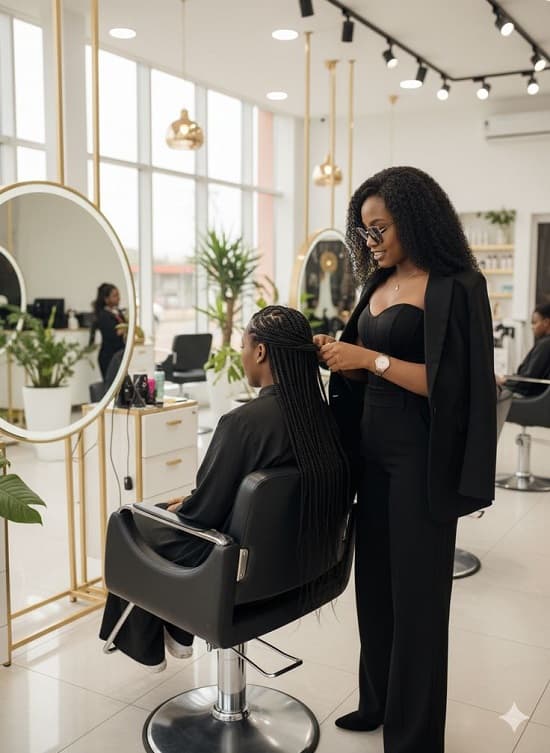 Photo Courtesy
Excessive tension, heavy extensions, repeated pulling, and prolonged wear can place stress on the scalp and hair follicles. One possible consequence is traction alopecia, a form of hair loss caused by repeated pulling.
It can lead to thinning around the hairline and other affected areas.
If the tension continues for a long time, some of the damage may become permanent.
Many women have experienced the disappointment of noticing thinner edges after removing a hairstyle they expected to protect their hair.
Others discover breakage, tender patches, or excessive shedding during takedown.
This can be upsetting, especially when the style was expensive and meant to support healthy hair growth.
The problem is not limited to one hairstyle.
Tight braids, heavy extensions, firmly secured ponytails, and some wig installations can create tension when they aren’t applied or worn carefully.
In some cases, discomfort begins during the appointment itself.
A client may feel pulling around her temples or notice that her scalp hurts when she moves her head.
She may hesitate to complain because she wants the style to look neat or last for several weeks. Others have become accustomed to the idea that painful braiding is simply part of the process.
It should not be.
A hairstyle should not require a woman to endure significant pain to achieve a particular appearance. Persistent scalp pain, bumps, redness, or noticeable hair loss are reasons to remove the source of tension and seek medical advice where appropriate.
These physical concerns are an important part of African women’s hair appointment struggles because the desire for a long-lasting style can sometimes take priority over scalp health.
A hairstyle that looks good for weeks is of little benefit if it causes damage that takes months or years to address.
Stylists also play an important role.
Understanding hair density, choosing suitable extension weights, avoiding excessive tension, and explaining proper maintenance can help reduce the risk of damage.
Clients should feel comfortable asking for adjustments, requesting a lighter style, or speaking up when something hurts.
The conversation around protective styling needs to move beyond how long a hairstyle lasts. Hair health, comfort, and scalp condition should matter just as much.
The Booking and Salon Experience Struggle
Finding a stylist is one challenge. Getting through the appointment without unexpected complications is another.
Many women have stories about arriving at a salon at the agreed time only to wait for hours.
Some have experienced last-minute cancellations, delayed responses, double bookings, or additional charges that were not explained before the appointment.
Others are asked to arrive with their hair washed, detangled, and blow-dried, even when they believed these services were included in the original price.
None of these practices is universal, and many stylists run professional businesses with clear policies and reliable service.
However, inconsistent communication and unclear expectations can turn an otherwise straightforward appointment into a frustrating experience.
Deposits are another common concern.
A stylist may require an upfront payment to secure a booking, which is reasonable when the terms are clearly explained. Problems arise when cancellation policies are vague, appointment changes are handled inconsistently, or a client loses her deposit after the stylist cancels.
The situation can leave customers feeling that they must accommodate the service provider regardless of the inconvenience.
They rearrange their schedules, pay transportation costs, and prepare their hair, only to find that the appointment is no longer going ahead as planned.
For women who have already taken time away from work or arranged childcare, a cancellation can affect more than their appearance. It can disrupt an entire day.
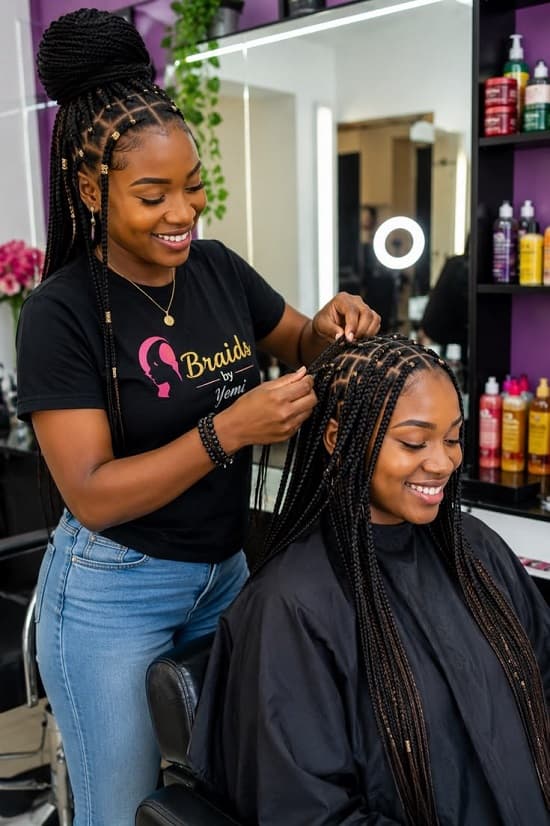 Photo Courtesy
Communication also matters.
Before booking, clients should be able to confirm the total price, estimated duration, required preparation, extension requirements, and any additional charges. Without this information, customers may arrive expecting one experience and receive another.
The challenge of finding a reliable stylist often leads to extensive research.
Women compare photos, read reviews, ask friends for recommendations, and check social media pages before deciding. Even then, a stylist’s online portfolio may not tell the full story about punctuality, hygiene, comfort, or customer service.
Once you find a dependable professional, loyalty can run deep. Some women continue travelling long distances or paying higher prices because they trust the person handling their hair.
Others hesitate to try a new stylist, even when their current arrangement is inconvenient, because they do not want to risk a disappointing result.
This uncertainty is a familiar part of African women’s hair appointment struggles.
The challenge is not simply finding someone who can create a beautiful hairstyle.
It is finding someone who can deliver the agreed service with consistency, care, and respect for the client’s time.
Cultural Weight and the Pressure to Be “Done”
For African women, hair means more than appearance.
It can express identity, heritage, creativity, personal taste, and community.
Braiding, threading, twisting, and other styling techniques have long histories across African societies, with different methods and traditions reflecting the continent’s diversity.
Today, hairstyles continue to communicate individuality.
A woman may choose knotless braids because she likes their appearance, wear a wig for convenience, or keep her natural hair because she enjoys its texture. These decisions are personal, and no single hairstyle should be treated as the correct choice for every African woman.
However, social expectations can complicate that freedom.
Some women have experienced criticism for wearing their natural hair to work or attending an event without a professionally styled look. Others are expected to maintain a particular appearance because of their profession, family expectations, or the standards within their social circles.
These pressures can make it difficult to take a break from salon appointments, even when time or money is limited.
A woman may want to leave her hair alone for a few weeks but worry about how others will perceive her. She may choose a style that takes hours to install because it is considered more acceptable or easier to maintain.
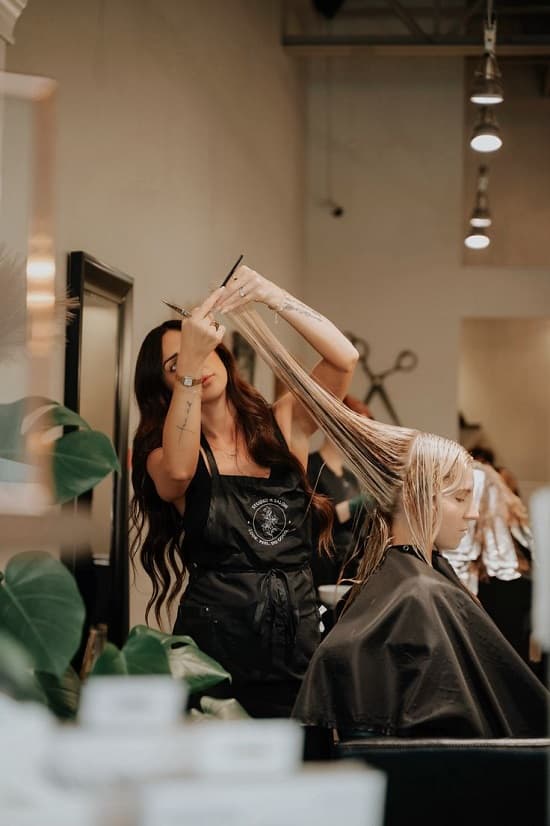 Photo Courtesy
The pressure is not always spoken aloud.
Sometimes it appears in casual comments about someone’s edges, the neatness of their braids, or how long they have worn the same hairstyle. Over time, these observations can influence how women view their own hair.
At the same time, natural hair acceptance has grown, and more women are exploring styles that work with their texture rather than constantly changing it. Online communities have made it easier to share maintenance advice, discuss hair loss, and learn about products suited to different curl patterns.
Still, access to reliable information and suitable services remains uneven.
Women who want to wear their natural hair may struggle to find stylists who understand their texture, while those who prefer extensions need professionals who can install them safely.
The deeper issue is the freedom to choose without feeling that every hairstyle must meet someone else’s standard. Hair care should support personal expression, not create another source of pressure.
Why the Struggle Persists
Several factors help explain why these challenges remain common.
First, Afro-textured hair can require specialised knowledge and techniques.
Detangling, sectioning, stretching, braiding, and caring for tightly coiled hair may take considerable time, depending on its condition and the chosen style.
Professional styling is skilled labour, and fair pricing should reflect the time, training, and materials involved.
Second, supply costs affect the final price.
Extensions, specialist products, equipment, rent, transportation, and other business expenses all contribute to what a stylist charges. In markets that rely heavily on imported products, currency fluctuations and supply costs can affect pricing.
Third, customer expectations are not always aligned with the realities of the service.
A client may expect an appointment to take three hours when the style requires six. A stylist may advertise a starting price without clearly explaining the additional cost of longer or thicker hair.
Clear communication before booking can prevent many of these disagreements.
 Photo Courtesy
Fourth, the demand for neat, long-lasting hairstyles can encourage practices that are not always healthy.
Customers may prioritise tight braids because they want a style to remain in place, while stylists may feel pressure to deliver a particular finish.
Better education about tension, scalp care, and appropriate styling methods can help address this issue.
Finally, affordable alternatives are not equally accessible to everyone.
Learning to style one’s own hair can reduce salon visits, but not everyone has the time, patience, skill, or physical ability to complete complicated styles independently.
Wig installations, quality extensions, and professional natural hair services can also be expensive.
These factors explain why African women’s hair appointment struggles continue even as hair care information becomes more widely available.
The issue is not that women are unwilling to change their routines. Many work within systems where alternatives may be limited, inconvenient, or costly.
Toward a Better Hair Appointment Experience
Acknowledging these challenges is not an argument against salons, braids, wigs, or professional hairstyling.
These services support skilled professionals and help women express themselves in ways they enjoy. The goal is to make the experience healthier, more predictable, and less demanding for everyone involved.
For clients, one practical step is to assess the full cost of a hairstyle before booking.
This includes the price, expected duration, cost of extensions, transportation, maintenance, and removal. Knowing these details makes it easier to choose a style that fits both your budget and schedule.
Booking well in advance can also help, especially during busy seasons.
Confirming the appointment a day or two beforehand, asking for a clear price estimate, and checking whether preparation services are included can reduce unpleasant surprises.
It is equally important to choose hairstyles that suit the condition of the hair and scalp. Heavy extensions may not suit fragile edges, and tightly installed braids should not be treated as a requirement for a neat finish.
When a hairstyle causes significant pain or persistent discomfort, the client should speak up rather than assume that the sensation is normal.
Reducing salon visits can also help, provided the alternative suits the person’s needs.
Some women learn to maintain their natural hair between appointments, install simple styles at home, or alternate between extensions and lower-manipulation looks. Others choose shorter styles or wigs that require less time to install.
No single solution works for everyone.
A busy professional, a university student, a new mother, and someone managing hair loss may have very different priorities.
The key is to choose based on comfort, practicality, personal preference, and hair health, not pressure alone.
Stylists can contribute by setting realistic appointment times, communicating prices clearly, maintaining hygienic workspaces, and explaining aftercare.
They should also be willing to adjust their technique when a client experiences pain or discomfort. These practices benefit customers while helping professionals build trust and encourage repeat bookings.
More broadly, better training in textured hair care, more accessible information about traction alopecia, and greater recognition of the time professional braiding takes could improve the experience.
Reliable service should not be treated as an unexpected bonus.
It should be part of what customers can reasonably expect when they pay for an appointment.
Getting one’s hair done can be enjoyable.
It can be a chance to catch up with friends, experiment with a new look, or take time away from daily responsibilities. For many women, a fresh hairstyle can boost confidence.
 Photo: Instagram/digitalhighlife
However, enjoyment becomes difficult when appointments come with high costs, unexplained delays, painful installations, or concerns about hair damage.
Women should not have to accept these experiences simply because they are familiar.
The struggles African women face with hair appointments reflect a broader relationship between beauty, culture, economics, and the expectations placed on women’s appearance.
They show how a routine personal decision can involve considerable planning, expense, and physical effort.
Change does not have to begin with a complete overhaul of the hair care industry.
It can start with more honest conversations about pricing, better appointment policies, safer styling techniques, and a willingness to challenge the idea that every hairstyle must be tight, expensive, or time-consuming to look good.
It can also begin with individual choices.
Not every occasion requires an elaborate installation, and not every hairstyle needs to remain in place for weeks.
Taking a break from extensions, wearing natural hair, or choosing a simpler look should be reasonable options, not decisions that invite criticism.
Ultimately, every woman deserves access to hair care that respects her time, budget, comfort, and personal preferences. The aim is not to remove the cultural significance or enjoyment of hairstyling, but to make the process more manageable and healthier.
For the African woman who has spent an entire Saturday in a salon, paid more than expected, endured an uncomfortable installation, or rearranged her week around a booking, the experience needs little explanation.
She understands the calculation that begins long before she sits in the chair.
Recognising these challenges is the first step towards changing them.
Hair care should help women feel good about themselves without requiring an unreasonable sacrifice of their time, money, or well-being.
Photo Courtesy
You May Also Like:
Cherry Cola Hair is Back, and Brunettes are Trying Out the Glossy Red Hairstyle
Crimped Hair Is Back, But It Looks Nothing Like the Version You Remember
The Gamine Pixie is Giving the Classic Crop a Softer, More Modern Update
Hair Mistakes That Can Make an Expensive Hairstyle Look Basic
Why Does Getting Your Hair Done Feel Like a Reset Button?
The Celebrity Hair Transformations Nobody Saw Coming in 2026

The New Hair Goal Is Fullness, Not Just Length
Frontal Hairstyle Trends: When Does It End?
Is Long Hair Still the Ultimate Beauty Standard?
Are Heatless Curls Actually Better for Your Hair?
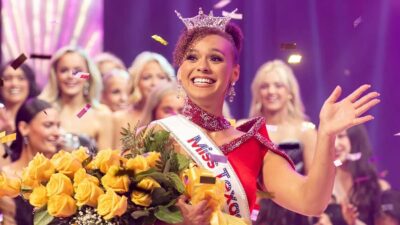
Miss America 2027 Regan Hutsell Makes History as First Winner Crowned in Natural Hair
Are We Entering the Era of the Low-Effort Hairstyle?


Esther Ejoh is a Fashion Editor at Fashion Police Nigeria, where she writes all things fashion, beauty, and celebrity style, with a sharp eye and an even sharper pen. She’s the girl who’ll break down a Met Gala look one minute, rave about a Nigerian beauty brand the next, and still find time to binge a movie or get lost in a novel. Style, storytelling, and self-care? That’s her holy trinity.