Published: November 2, 2026 Last Updated 3 weeks ago by Esther Ejoh
A look at the conversations, collaborations, and collections that defined the third day of Lagos Fashion Week.
Day 3 of the 2026 Lagos Fashion Week kicked off with conversations off the runway: Financing a Sustainable African Fashion Industry in a Changing Climate
Moderated by Fashion Business Editor and Journalist Yinka Adegoke, the discussion featured Yewande Giwa, Senior Country Officer and Value Chain Lead at the International Finance Corporation (IFC); Zara Odu, a Sustainable Fashion and Brand Development Specialist; and Timoni Akindolie, Head of Investor Relations at AFC Capital Partners.
The session explored how to bridge creativity, capital, and infrastructure in African fashion.
The conversation also examined three core pillars essential to financing a sustainable African fashion industry: advisory and capacity building, investment and access to capital, and regulatory and intellectual property (IP) frameworks.
Regenerative Collaboration: What If Fashion Was About More Than Just a Product?
This session reinforces how fashion can foster cultural exchange, ideas, and long-time relationships as Nigerian fashion designer Nwko Onwuka sits down with her long-time friend, and business partner, Beatrice Oola, a Creative Strategist and the Founder of Fashion African Now.
They explored the idea around their regenerative collaboration using the ONU shoe, a creative project rooted in the African circular model system.
Redefining Fashion: How Influencers and Fashion Tastemakers Shape How Consumers Discover, Engage With and Experience Style
With Redefining Fashion, moderator Somi Nwandu, a Multidisciplinary Artist and Cultural Professional, sat down with Kiky Festus and Monica Awe-Etuk to answer questions around personal style, the roles of influencers as tastemakers, and how to step outside of standard trends, investing in well-crafted pieces designed for longevity rather than fast-fashion cycles.
Beyond aesthetics, the conversation focused on the importance of maintaining trust and creative freedom within the fashion industry.
Emphasizing the need to decline inauthentic brand partnership, Kiky Festus highlighted that brands should protect their audience’s long-term trust built over years of consistency.
They concluded with a call for brands to stop imposing rigid advertising briefs, urging them to trust creators to communicate with their communities authentically.
The conversations throughout Day 3 also found expression in the partnerships and institutional support shaping the future of African fashion. U.S. Consul General Brandon Hudspeth hosted an exclusive gathering in celebration of Lagos Fashion Week 2026, bringing together key industry stakeholders, designers and creative leaders.
At the gathering, Omoyemi Akerele, Founder and CEO of Lagos Fashion Week, received the Excellence in Commercial and Creative Leadership Award from Hudspeth.
The recognition celebrated her leadership in building Lagos Fashion Week over the past 15 years into a leading platform connecting Nigerian designers with international buyers, retailers, and markets.
On the Runway: Heritage and Identity Expressed Through Design
Lagos Fashion Week Day 3 picked up where the previous day left off, opening with a ballet performance that set the mood for the evening.
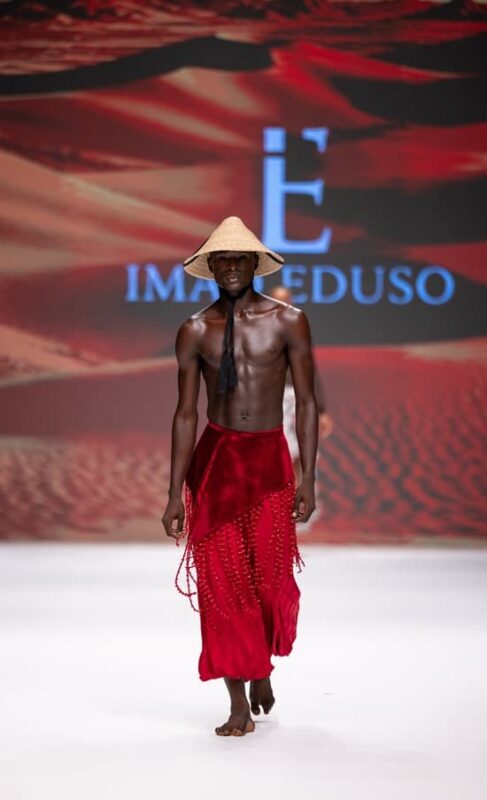
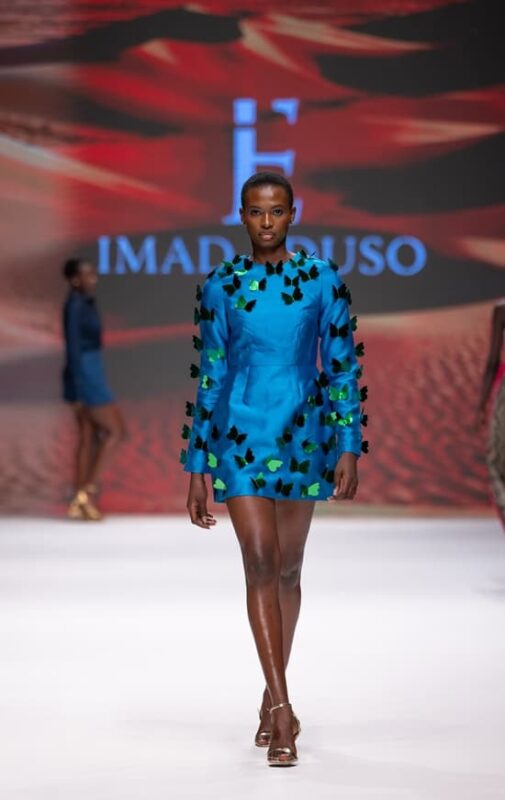
Imad Eduso’s collection, “Into The Wild,” debuts its first-ever menswear showing, featuring raffia hats, high-waist and bubble pants with fringes; the womenswear moved across signature silhouettes, with shimmery cheetah prints and lace dresses.
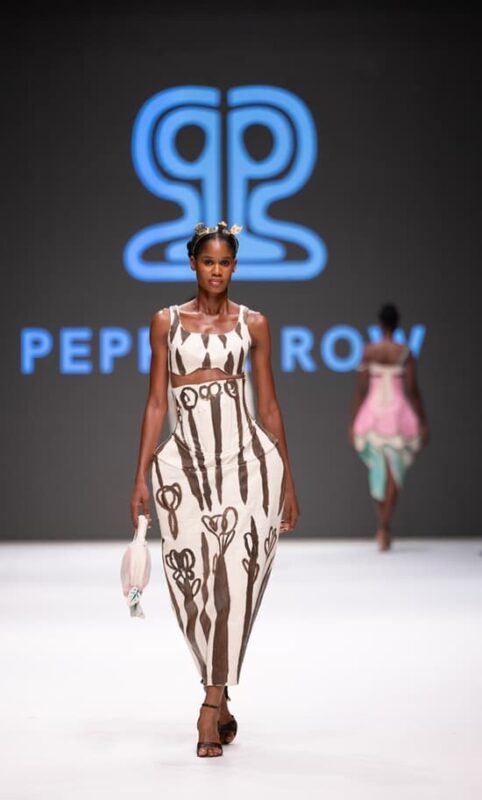
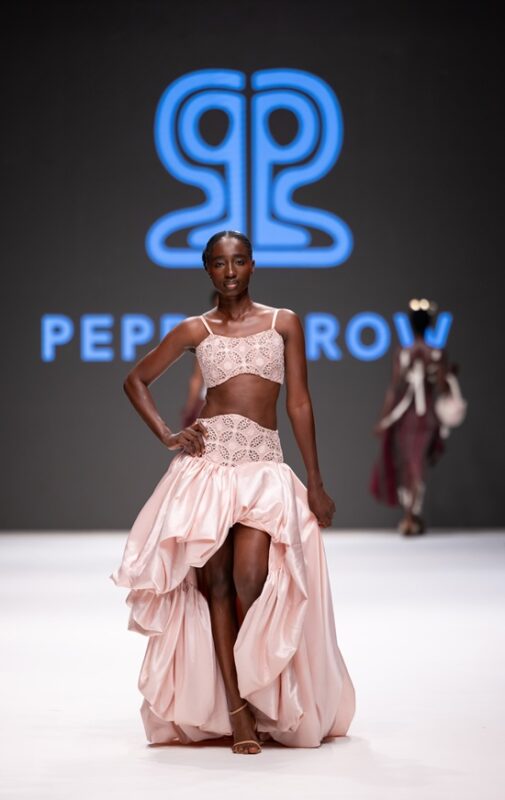
This season, Pepperow continued its exploration of hand-printed fabrics, with flower motifs, beaded embellishments, and raffia detailing.
The menswear felt relaxed, while the collection remained minimal yet cohesive, staying true to the brand’s sustainable ethos.
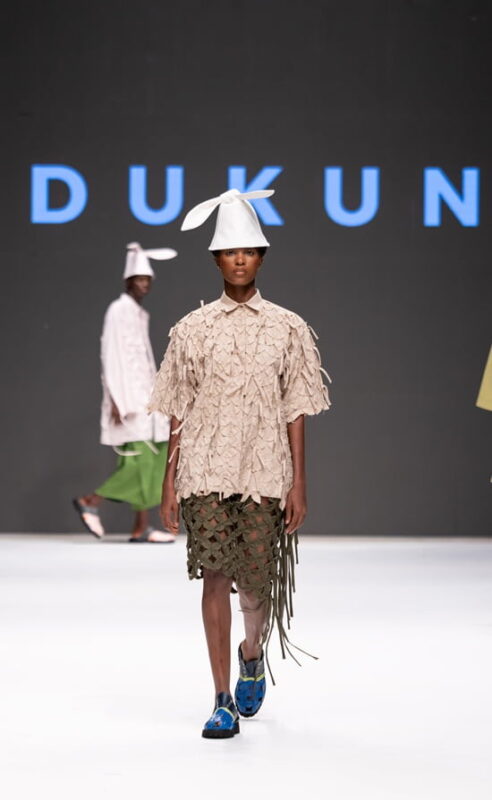
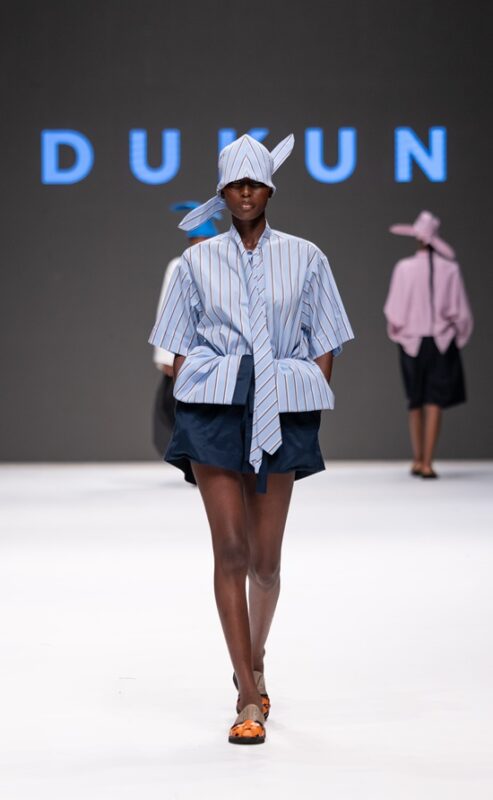
Making its first appearance, Dukun presented a collection inspired by the Itsekiri traditions of southern Nigeria.
Deconstruction, fabric manipulation, and impeccable layering were expressed through shades of orange, yellow, white, and cobalt blue.
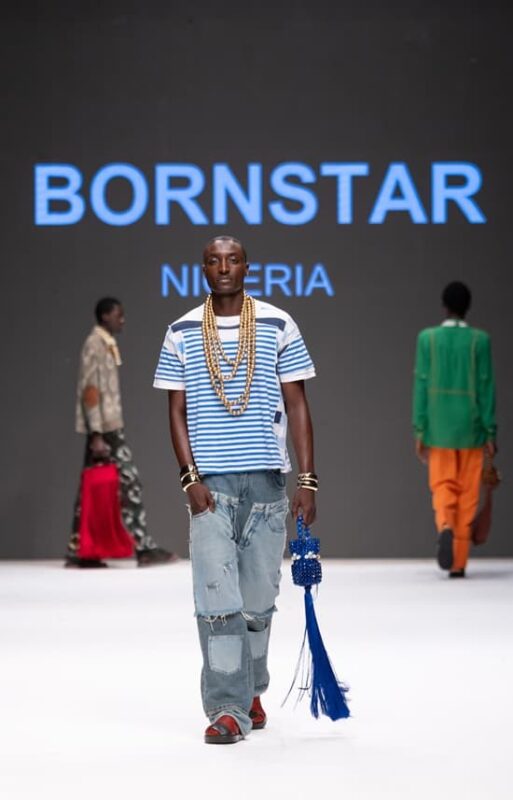
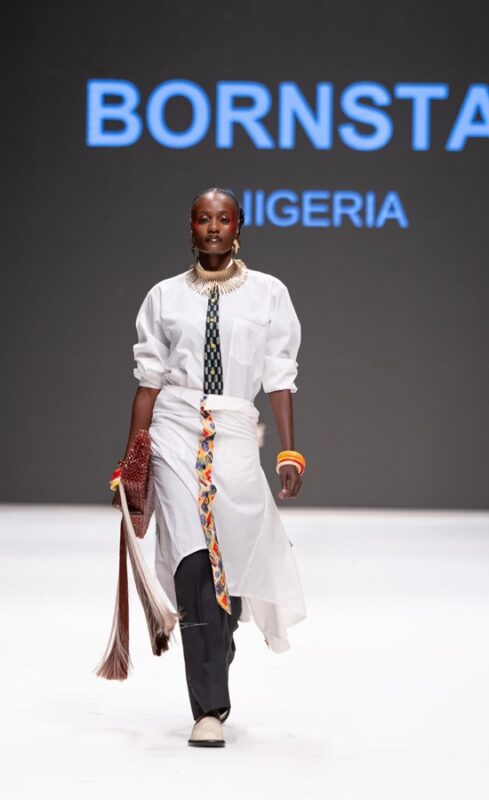
Bornstar Nigeria, through its eight presentations showed ponchos in neutral tones, fringes are added to blazer coats not as decoration but for fluidity, while menswear explores a bright colour palette.
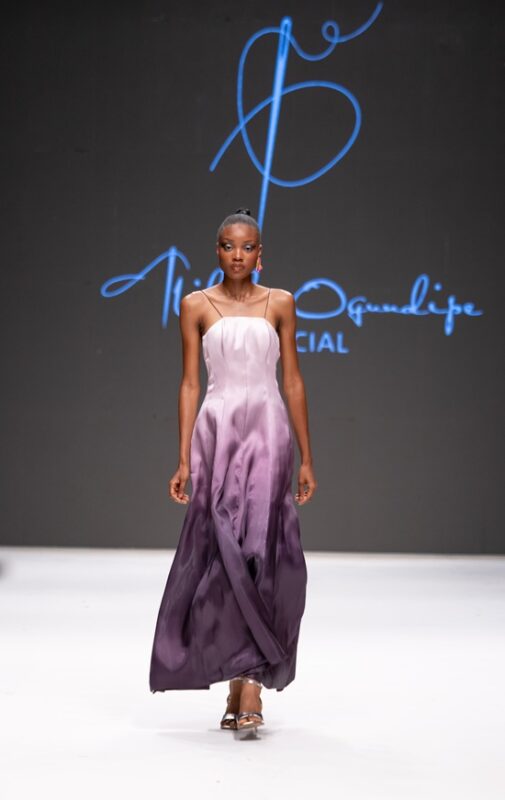
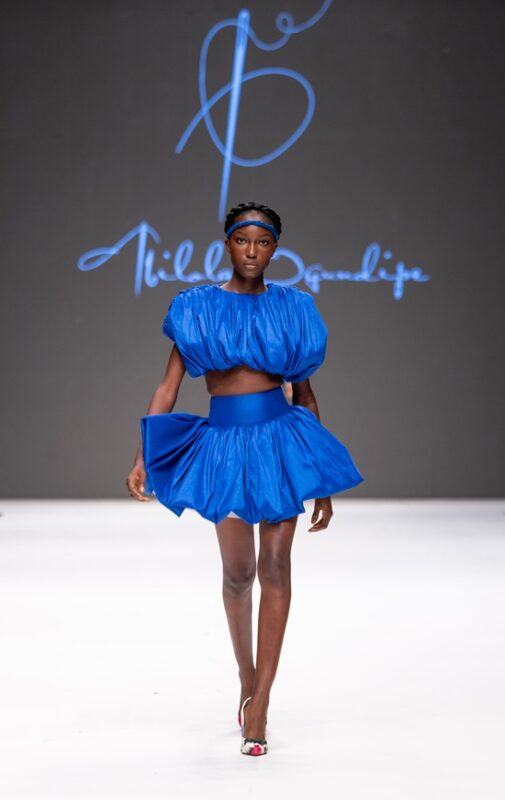
Ibilola Ogundipe elevates its occasional wears across a plethora of bright shades, including cobalt blue, butter yellow, alongside shimmery embellishment.
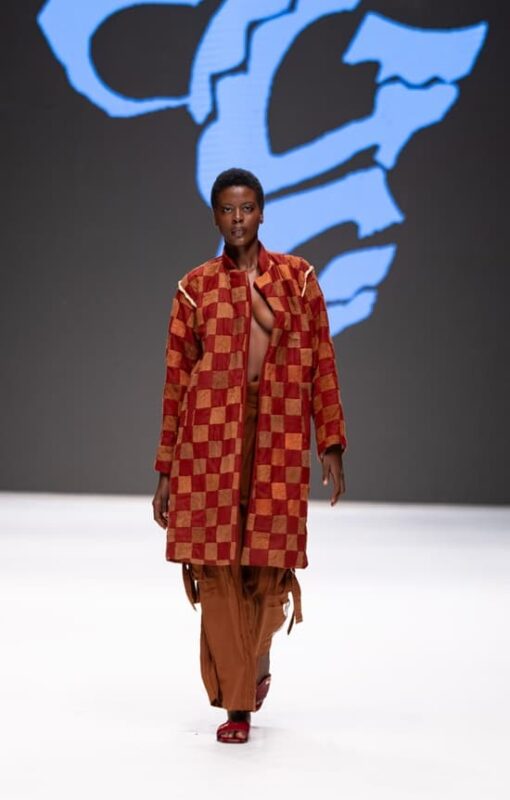
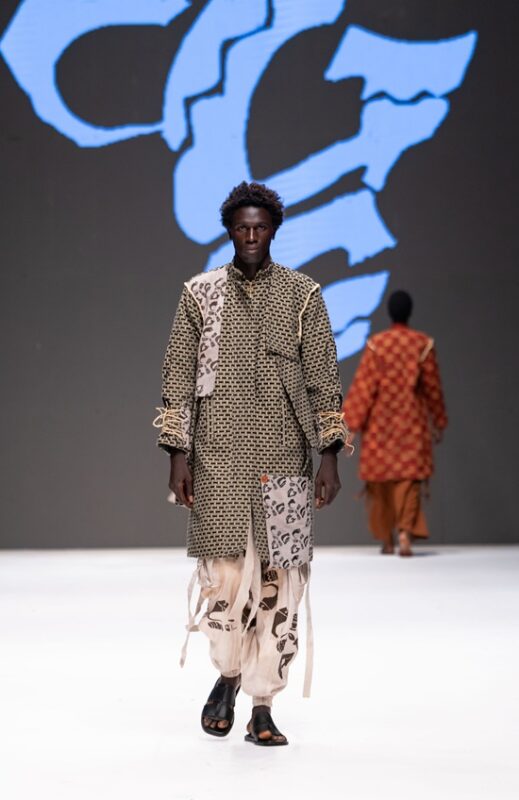
Uganda-based fashion brand, IGC fashion collection was rooted in deconstruction, indigenous textiles like barkcloth and cowrie embellishments, treating textiles as a ritual rather than motifs.
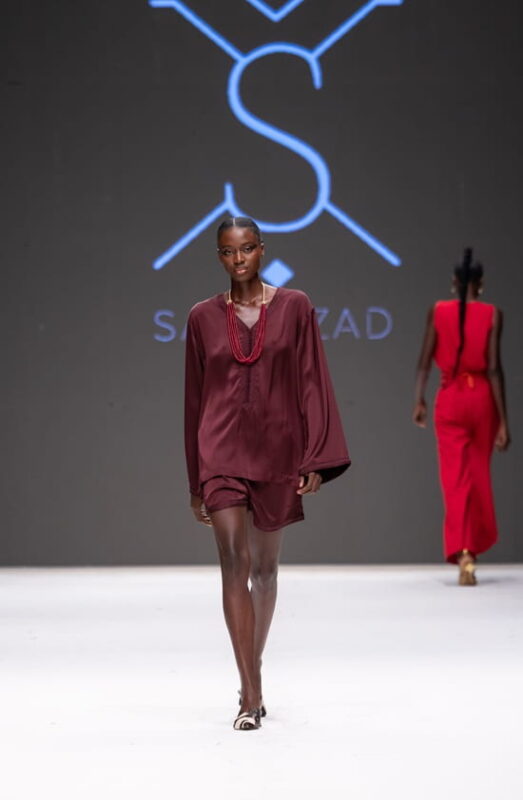
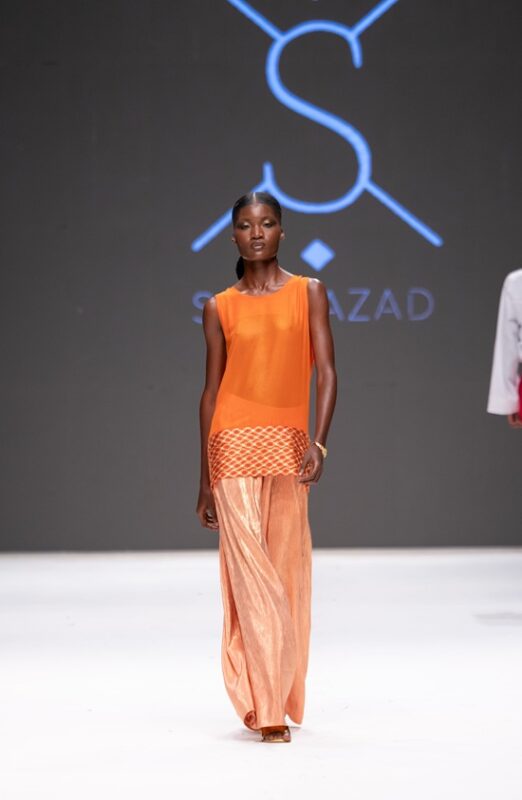
Sahrazad, the Moroccan brand presented a collection that balanced contemporary tailoring with relaxed, fluid silhouettes, moving between bold colours, earthy tones and understated neutrals.
Stripes, textured fabrics and playful proportions added depth to the collection, offering a modern interpretation of everyday dressing.
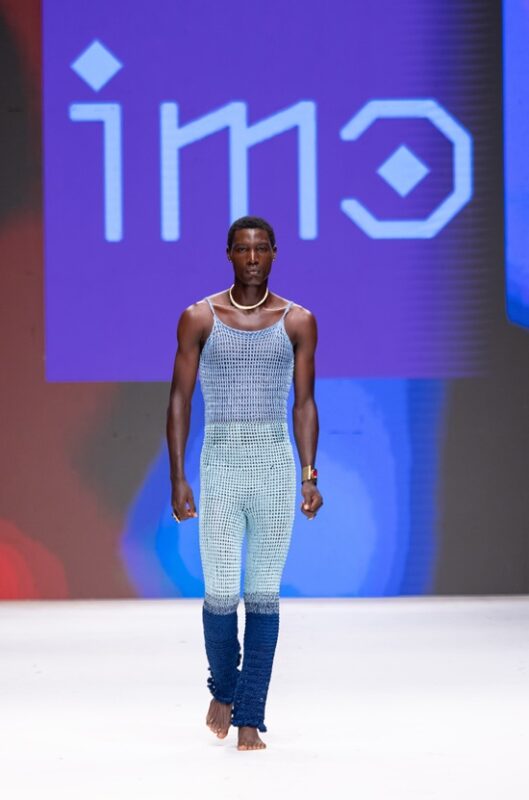
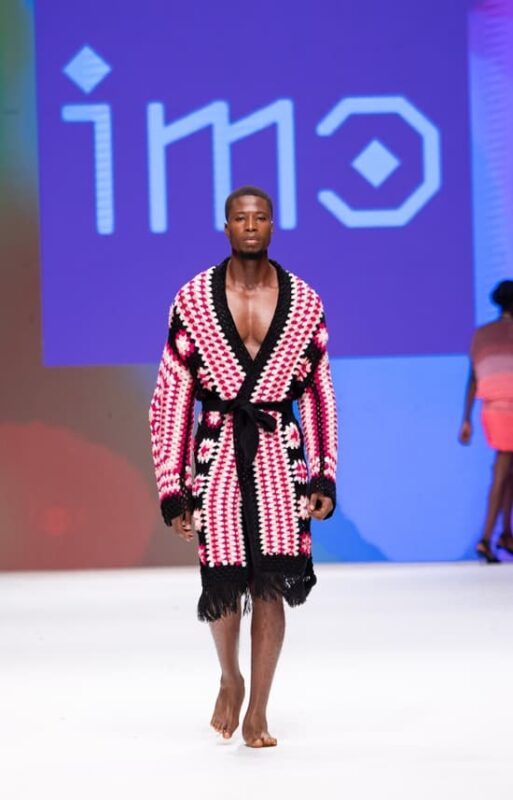
For this season’s collection, titled “Clan”, Studio Imo partnered with two crochet brands: 21 Wool Street, which brought an evolution of texture, and Crochet Nigeria, which contributed elaborate embellishments.
The result was a collection of textured knitwear pieces in hot pink, butter yellow, and shades of purple.
Some pieces featured asymmetrical silhouettes and fringe detailing for movement, while crochet yarn was used as tassels on dresses.
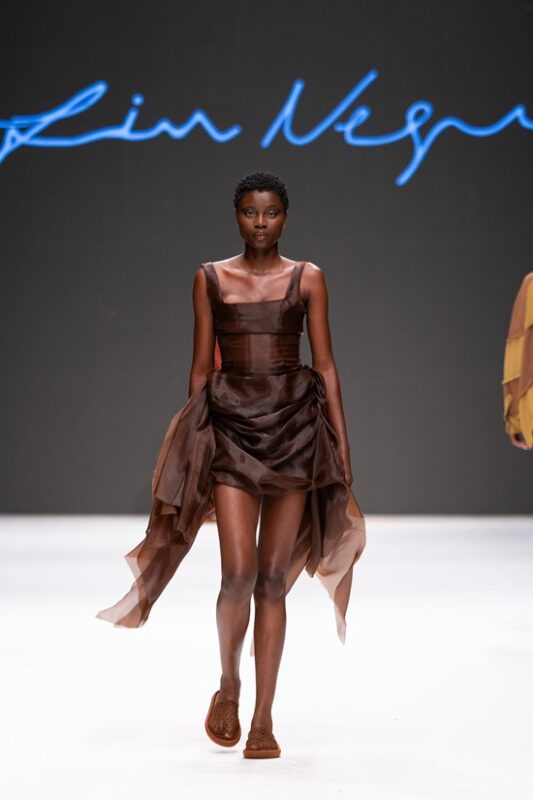
Angolan brand Fiu Negru showed sheer organza fabric, beaded coral tops and embellishments, voluminous hemlines, and neutral palettes with a touch of fiery red.
Pettre Taylor turns to the sub-Saharan region, drawing inspiration from the Dukun people. Pieces are textured, moving between knitwear, layered, frayed, and ruched silhouettes.
Jermaine Bleu brings its Ghanaian heritage to the catwalk, working with familiar kente fabrics and adding shimmery tassels as finishing touches.
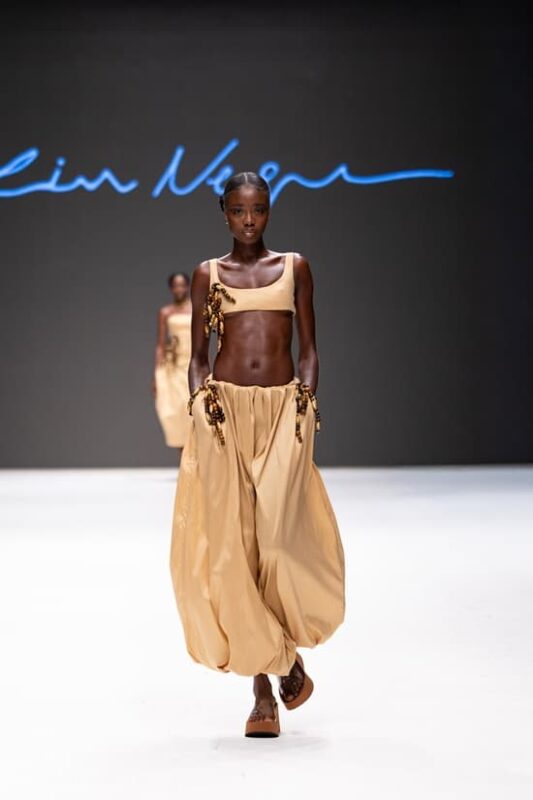
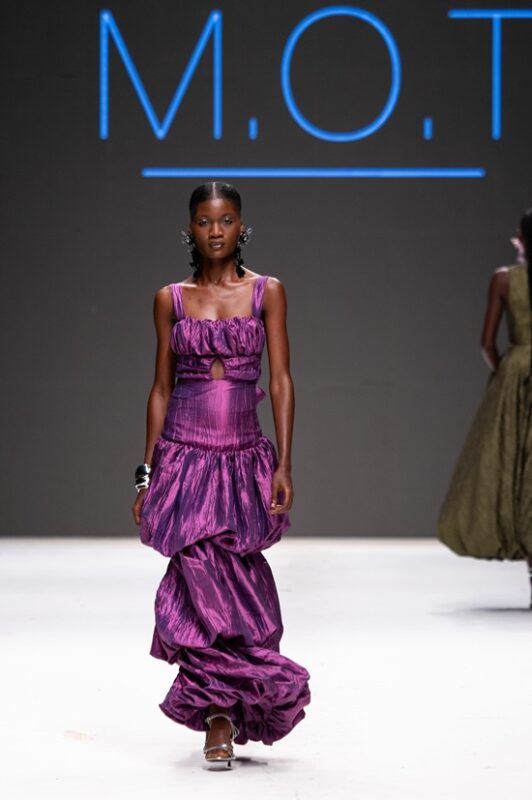
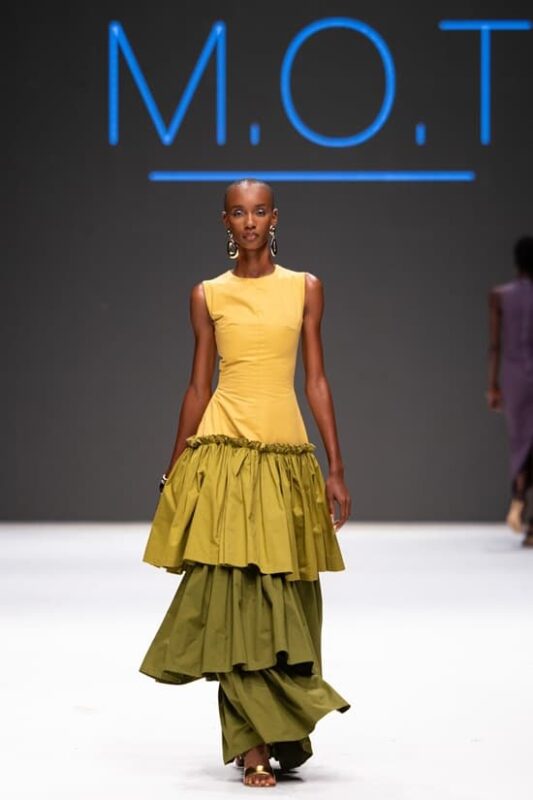
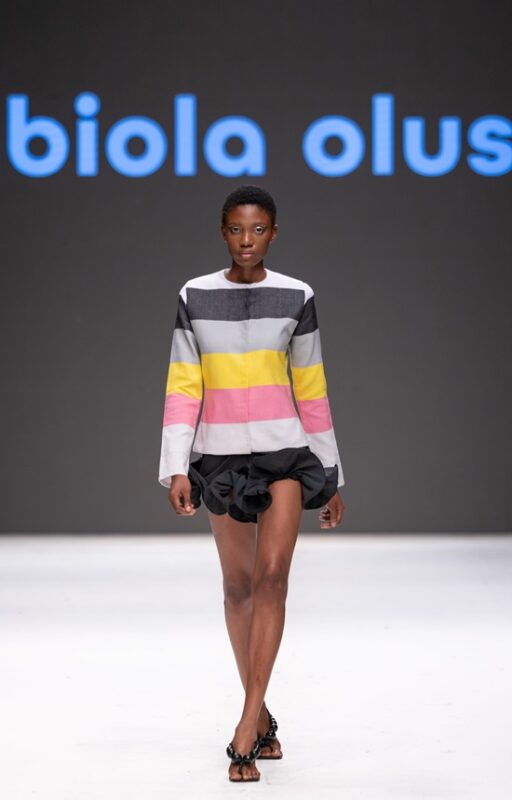
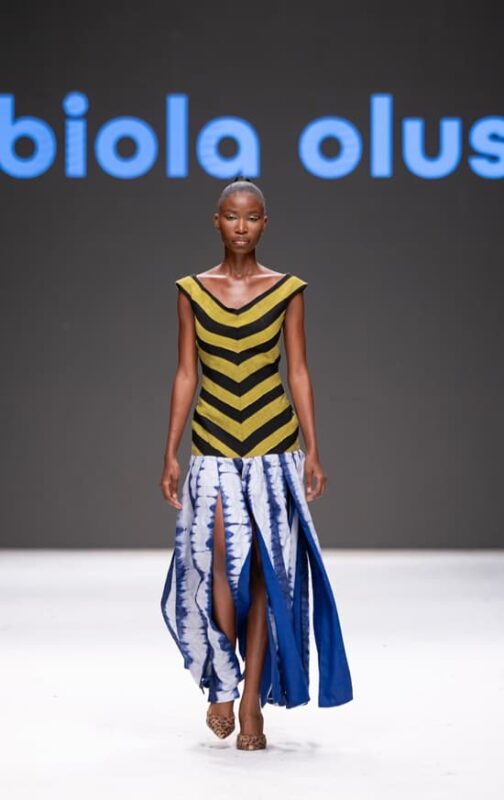
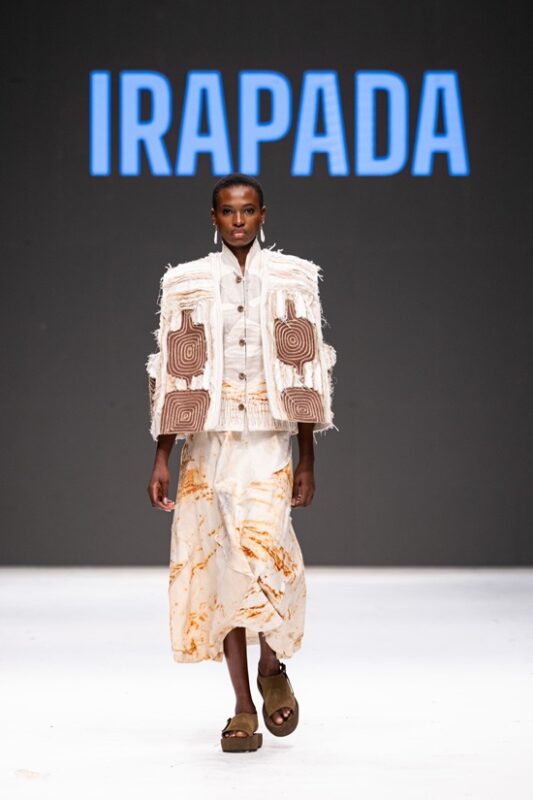
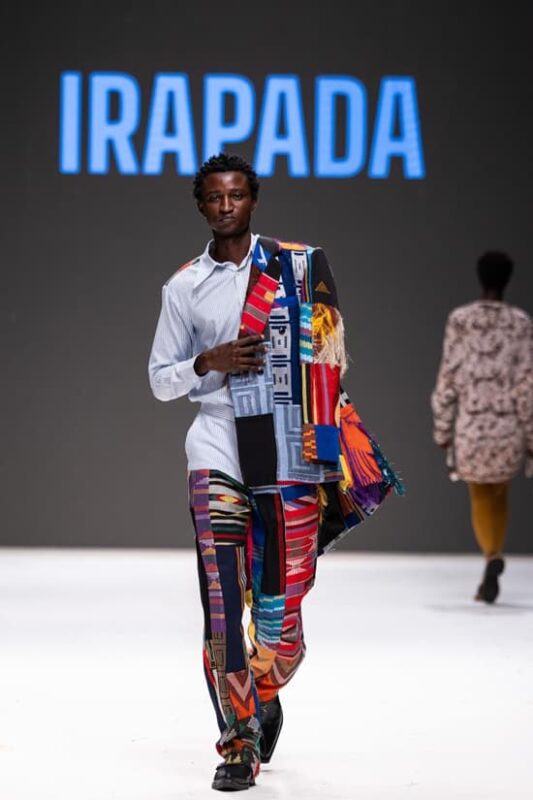
Day 3 also featured collections from M.O.T the Label, Abiola Olusola with soft, modern feminine silhouettes, the Irapada circular design initiative with pieces from designers like Hertunba, Iamisigo, Ajanéé, Eki Kere.
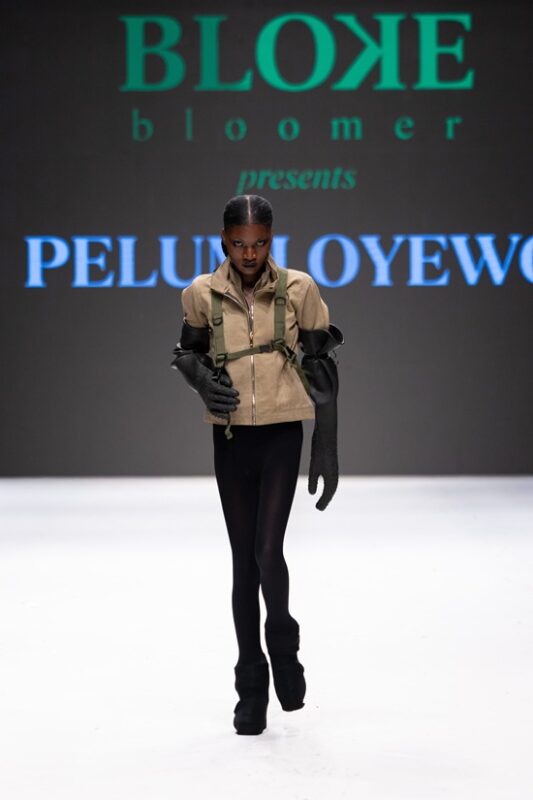
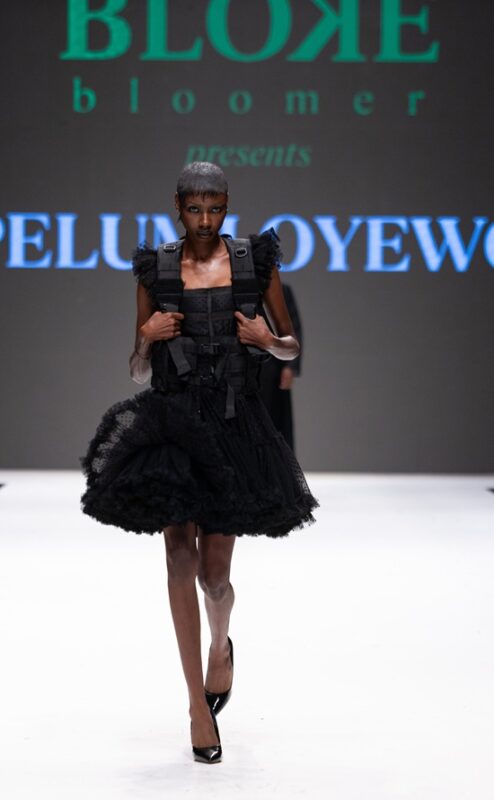
Bloke presented a futuristic and theatrical collection titled “Pelumi Oyewo”.
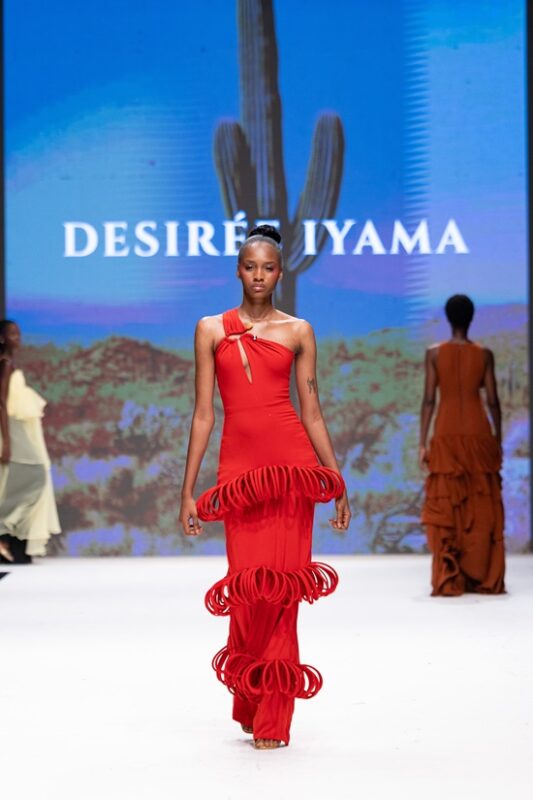
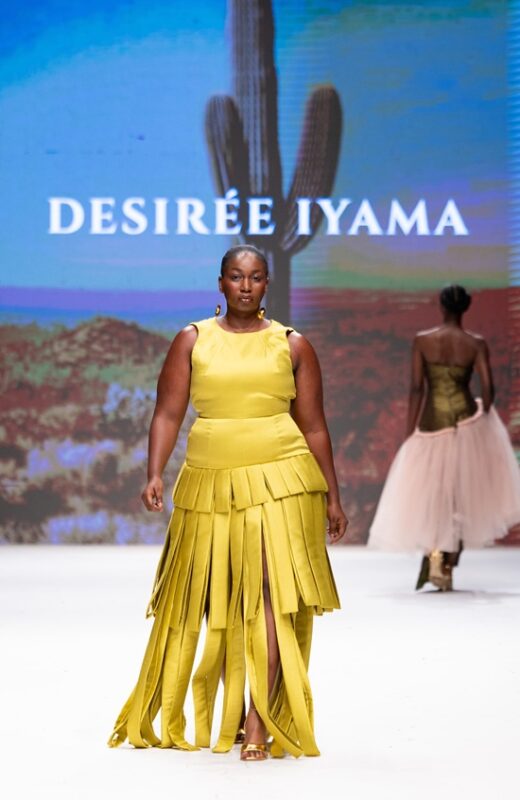
With additional presentations from Desiree Iyama, treating the waist and hemline as a focal point this season, adding eye-catching voluminous details like small and huge curly rings.
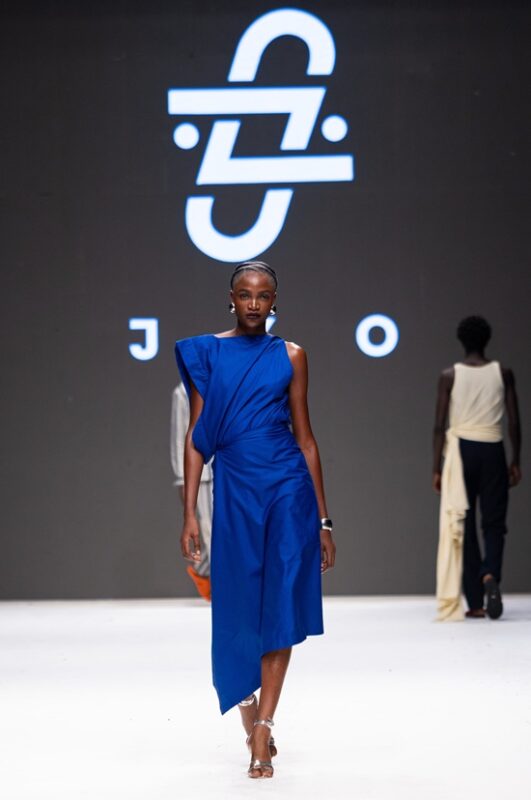
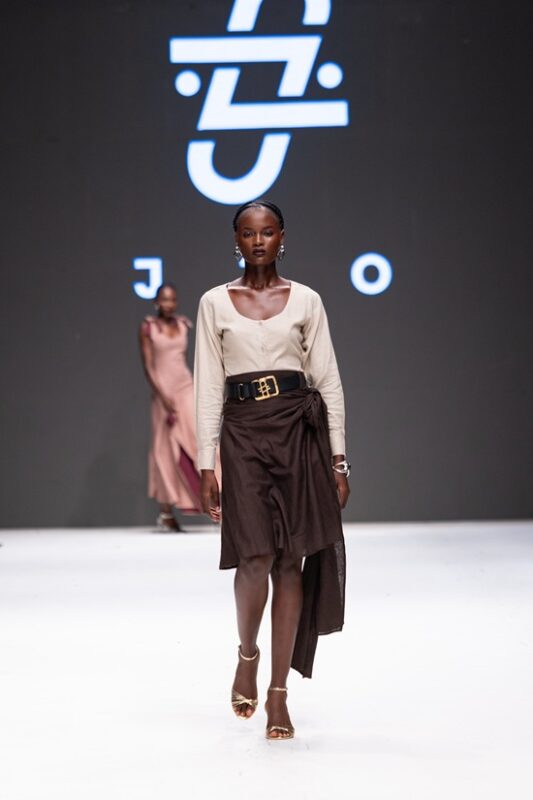
JZO turned to irregular cutouts and drapey-like silhouettes, all communicated in neutral colours like macaron, grey, indigo blue, white and black.
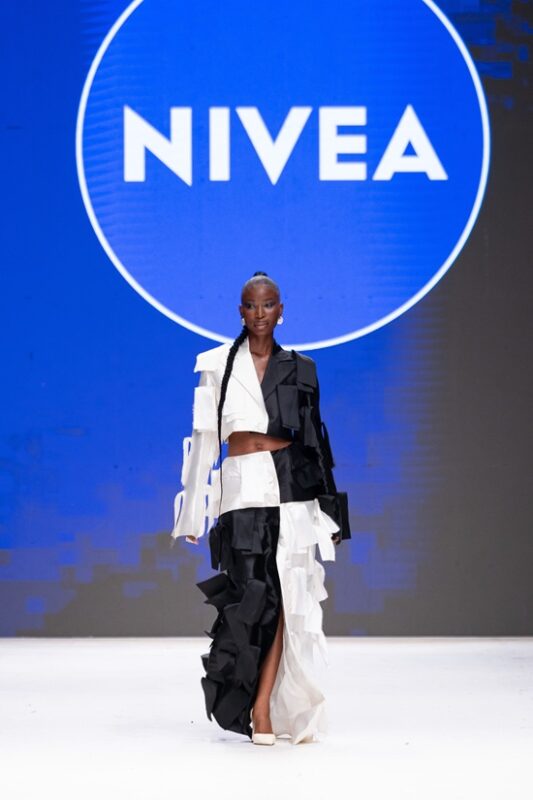
NIVEA brought its Black and White range to the runway, with models showcasing outfits in different styles, all presented in a striking black-and-white palette.
The presentation also featured the brand’s Black and White deodorant products as models walked the runway, reinforcing the collection’s visual theme.
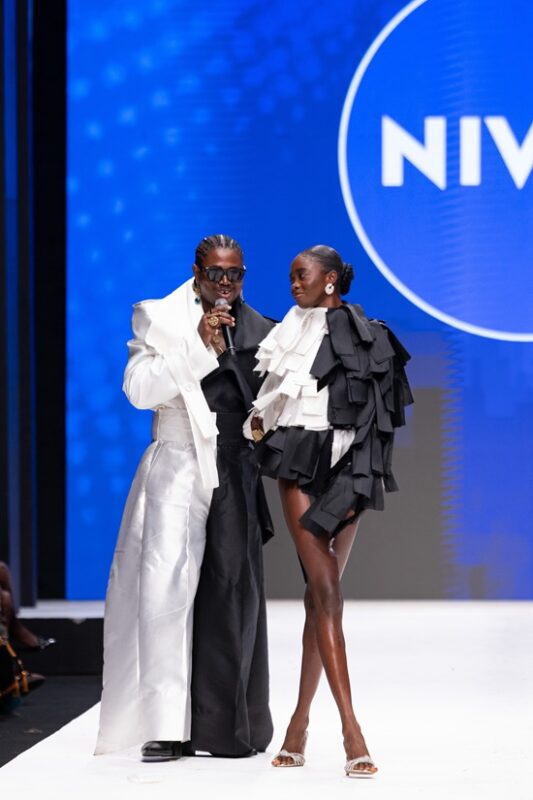
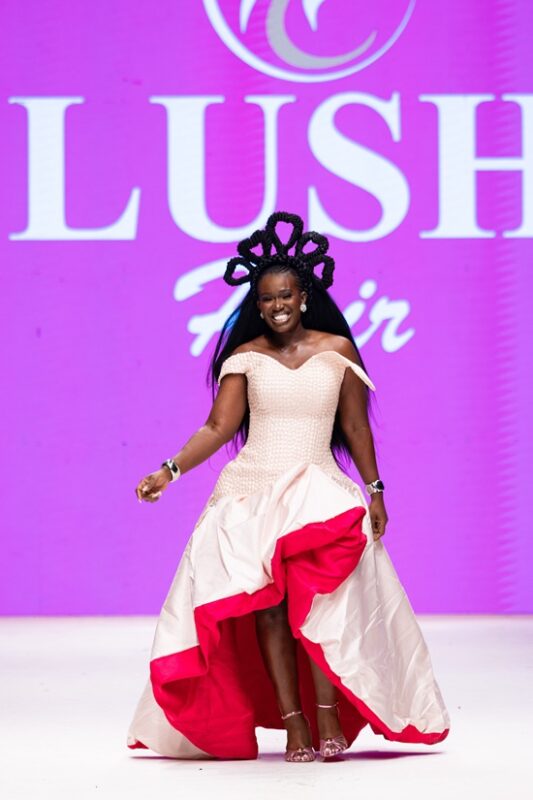
Lush Hair closed the day with a runway presentation featuring its ambassadors, showcasing the versatility of natural hair through a range of Afrocentric and architectural hairstyles.
The presentation also featured a live performance by Teni the Entertainer, who joined the models on the runway.
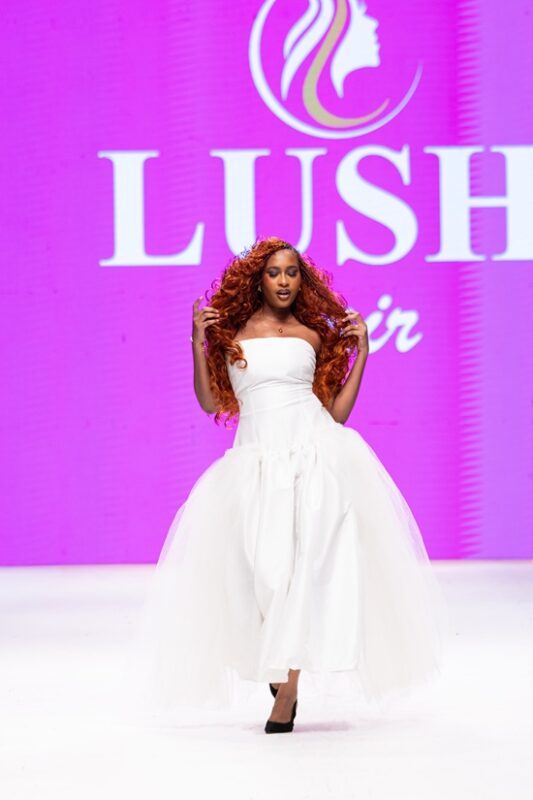
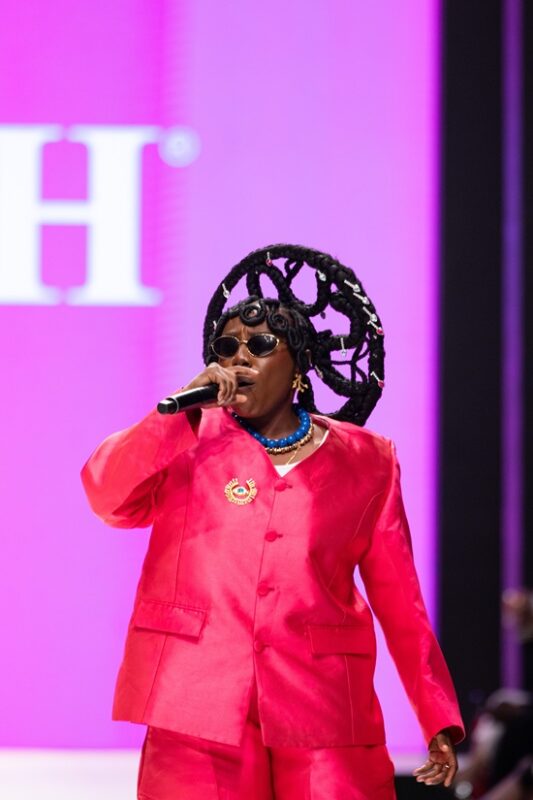
Across the runway, the day’s presentations reflected the season’s central themes.
From reconstructing existing garments to continuing to use indigenous textiles and traditional forms, fashion designers explored how heritage can inform new design languages without limiting their possibilities.
Photo: Lagos Fashion Week
You May Also Like:
Lanre Da Silva Goes Full Bloom in the Living Colour SS27 Collection
A Guide to Building a Nigerian Fashion Label from Scratch
The African Boubou Is Having Its Fashion Moment

Rendoll's SS27 Collection Makes a Case for Dressing for Every Moment
12 Things We Want to See From African Fashion Brands in 2027
Sarah Diouf Gave Prints a New Meaning at GTCO Fashion Weekend in Lagos
Let's Talk About Imane Ayissi's Collection at the 2026 GTCO Fashion Weekend
The African Girlie Starter Pack To Follow

AFRIFF at 15: Africa's Biggest Film Festival Just Doubled Down on the Future
Lagos Fashion Week Day 4: Closing the On-site Runway in Style
Lagos Fashion Week Day Two: Insights, Industry, and Runway Highlights
Oshobor Reimagined Wool and Breezy Feathers into Cute Pieces at Lagos Fashion Week