Published: November 4, 2026 Last Updated 3 weeks ago by Esther Ejoh
This November in Lagos, AFRIFF 2026 marks more than an anniversary. The 15th edition of the Africa International Film Festival, taking place from 1 to 7 November 2026, arrives at an important moment for African cinema.
Over the past decade, African films have gained greater international recognition, streaming platforms have expanded access to new audiences, and a younger generation of filmmakers has brought fresh perspectives, technical expertise and cultural depth to the industry.
Yet, behind this growing visibility, significant challenges remain, particularly around financing, distribution, international co-productions and the adoption of new technologies.
Against this backdrop, AFRIFF 2026 is looking beyond the celebration of African storytelling to address the structures needed to sustain its growth.
With the theme “Frames of the Future: Africa’s Creative Intelligence,” AFRIFF 2026 brings together filmmakers, producers, actors, distributors and other creative professionals for a week of screenings, conversations and industry engagement.
The festival features 135 titles, including 23 feature films, alongside the second Africa Film & Content Market. Its opening film is Olive Nwosu’s Lady, a Nigerian-British neo-noir that has received international awards and recognition, while Hakeem Kae-Kazim’s directorial debut, It’s the Blackness, will close the festival.
The programme also places considerable attention on women’s contributions to filmmaking, emerging technologies and the relationship between creative expression and commercial opportunities.
As AFRIFF celebrates fifteen years of supporting African cinema, its 2026 edition presents an opportunity to examine how far the industry has come and what needs to happen next.
From its international partnerships to its investment in emerging filmmakers, the festival is making a case for an African film industry that can compete internationally while maintaining control over its stories, creative direction, and cultural identity.
A Milestone Edition with Clear Ambition
Fifteen years gives a film festival the opportunity to reflect on its achievements while considering the work still ahead. For AFRIFF, the journey has involved building a platform that does more than screen films.
Founded by Chioma Ude, the festival has developed into a meeting point for filmmakers, industry professionals, investors and audiences interested in the development of African cinema.
AFRIFF 2026 continues this approach by combining film screenings with training opportunities, industry discussions and business engagements.
Masterclasses and panel sessions give creative professionals access to practical knowledge. At the same time, the Africa Film & Content Market creates opportunities for producers to connect with buyers, distributors and potential co-production partners.
One of the notable features of this year’s programme is its representation of women. Approximately 85 per cent of the selected films are directed by women, produced by women or focus on women’s narratives.
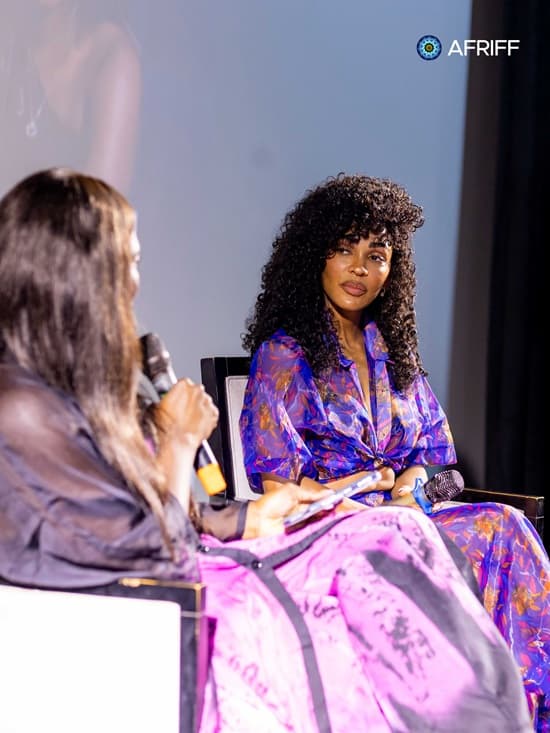 Photo: Instagram/afriff
According to the organisers, this was not the result of a quota but reflected the quality and direction of the submissions received. The selection offers a picture of the stories African filmmakers are currently interested in telling and the growing presence of women across different areas of production.
International participation has also expanded. Delegations are expected from Kenya, South Africa, Ghana, Côte d’Ivoire, France, Sweden, the United States and other countries.
South Africa and Brazil have signed multi-year co-production and residency agreements with the festival, while Oman has sent a delegation to explore opportunities with Nigerian partners.
These relationships matter because developing African cinema requires more than international attention during festival week.
Filmmakers need access to production resources, experienced collaborators, distribution networks and markets where their work can reach wider audiences.
Through these partnerships, AFRIFF 2026 is creating opportunities for relationships that can continue beyond its November programme.
Opening Night and the Power of Lady
The decision to open AFRIFF 2026 with Olive Nwosu’s Lady reflects the festival’s interest in films that tell distinctly African stories while engaging with universal experiences.
The film follows a young Lagos taxi driver who transports sex workers during their nightly rounds. What initially appears to be a straightforward working arrangement gradually develops into a deeper exploration of economic survival, female solidarity and the complicated relationships that shape life in the city after dark.
Featuring Jessica Gabriel, Amanda Oruh, Tinuade Jemiseye, Precious Agu Eke, Seun Kuti and Bucci Franklin, Lady draws much of its character from the environment in which the story unfolds.
Its dialogue moves between English and Nigerian Pidgin, giving the film a sense of place and reflecting the different voices that make up everyday Lagos life.
The film arrives in Lagos with considerable international recognition. It won a Special Jury Award for Acting Ensemble at the 2026 Sundance Film Festival and has also screened at Berlinale and the BFI London Film Festival.
Its selection as the opening-night film at AFRIFF 2026 brings an internationally recognised production to an African audience while highlighting the ability of Nigerian filmmakers to create stories with wider relevance.
Nwosu’s work is particularly significant because it explores the experiences of women navigating difficult economic and social circumstances without reducing their lives to familiar stereotypes. The film’s setting is recognisably Lagos, but its central themes extend beyond geography.
The closing film, It’s the Blackness, offers another important debut. Directed by actor Hakeem Kae-Kazim, the black comedy-drama with romantic elements follows friends dealing with personal, family and immigration challenges.
Opening and closing the festival with first features by Nigerian-connected filmmakers sends a clear message about the importance of emerging creative voices.
While established names and international productions remain part of the programme, AFRIFF 2026 also creates room for new directors to introduce their work to audiences and industry professionals.
The Broader Feature Lineup
Beyond its opening and closing selections, AFRIFF 2026 presents films from different parts of the continent, offering audiences an opportunity to engage with the variety of stories and filmmaking approaches emerging from African countries.
Among the notable titles is Slum Bomber by Ugandan director Maureen Jolly Nankya, alongside Algerian director Ahmed Riad’s Hadda. Jide Okeke’s Which Way brings another Nigerian perspective, telling a Lagos-based story through English, Yoruba and Pidgin. The film has previously received awards in Portugal, adding to its international profile.
South Africa is represented by Variations on a Theme, directed by Devon Delmar and Jason Jacobs. The film’s recognition with a Tiger Award at the International Film Festival Rotterdam adds another notable title to the selection.
The Kenya-Nigeria co-production One Woman One Bra, directed by Vincho Nchogu, further demonstrates the value of collaboration between African filmmakers.
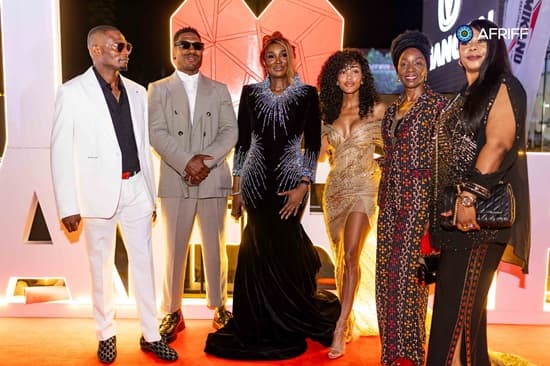 Photo: Instagram/afriff
Nigerian productions such as Abeni and Her Daughters’ Mother also contribute to the programme’s range of stories and perspectives.
The international selections provide another dimension to the festival. Joachim Trier’s Sentimental Value will screen in partnership with the Norwegian Embassy, while Marco Bellocchio’s The Traitor is presented by the Italian Embassy.
Walter Thompson-Hernández’s If I Go Will They Miss Me, featuring Oscar nominee Danielle Brooks, is another prominent American production.
This combination of African and international titles gives audiences access to different filmmaking traditions and storytelling approaches. It also creates opportunities for African filmmakers to engage with the wider film industry, exchange ideas and understand how different markets approach production and distribution.
For AFRIFF 2026, the programme is not simply about presenting a large selection of films. It is about creating an environment where African productions can be appreciated alongside international cinema without losing their distinct identities.
The Africa Film & Content Market: Where Business Meets Art
While the film screenings provide the cultural foundation of AFRIFF 2026, the Africa Film & Content Market (AFCM) addresses one of the industry’s most persistent concerns: how to turn creative work into sustainable business opportunities.
Now in its second edition, the market runs from 2 to 5 November at Twinwaters in Lekki. It has been developed to address the gap between the growing international recognition of African films and the commercial structures required to support their production and distribution.
African films increasingly attract attention at international festivals, receive positive reviews and secure streaming opportunities. However, recognition does not always translate into financial sustainability.
Producers often struggle to access production funding, negotiate distribution agreements and establish relationships with international buyers.
The Africa Film & Content Market seeks to provide a dedicated environment where these issues can be addressed directly. Organisers expect approximately 1,500 participants, including producers, investors, sales agents, broadcasters, distributors and streaming platforms.
The programme includes dedicated days for women in film and African productions and co-productions. Discussions will cover financing models, intellectual property, streaming platforms and the practical requirements of working across national borders.
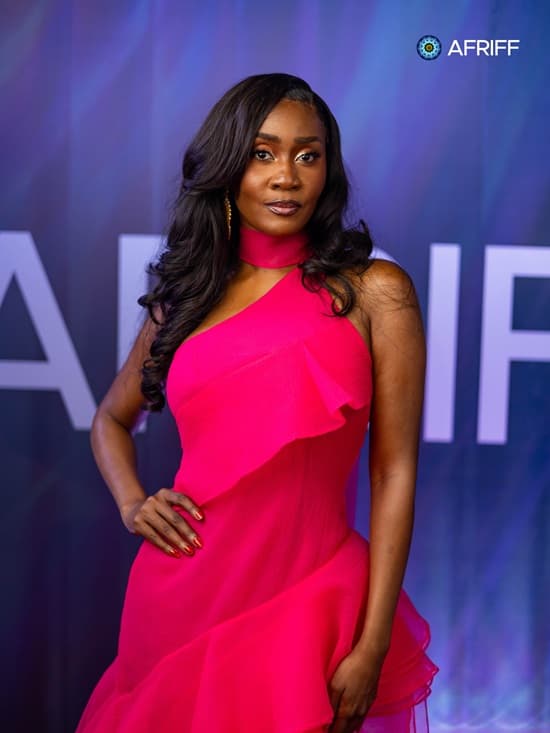 Photo: Instagram/afriff
The presence of buyers and industry decision-makers is particularly important. Networking can introduce filmmakers to useful contacts, but commercial progress requires conversations with people who have the authority and resources to commission, finance, acquire or distribute productions.
This is where the market adds value to the wider AFRIFF 2026 programme. It creates an opportunity to move beyond conversations about the potential of African cinema and focus on the business arrangements that can help realise that potential.
The need for stronger industry infrastructure is becoming increasingly clear. African filmmakers have demonstrated their ability to produce compelling work, but the industry still needs more dependable funding channels, distribution partnerships and co-production agreements.
Without these structures, many promising productions struggle to reach audiences beyond their immediate markets.
By placing the Africa Film & Content Market alongside its film programme, AFRIFF is recognising that the future of African cinema depends on both artistic quality and commercial development.
Technology, Artificial Intelligence and the Next Generation of Filmmakers
The theme of AFRIFF 2026, “Frames of the Future: Africa’s Creative Intelligence,” reflects the growing influence of technology on film production and distribution.
Artificial intelligence, digital production tools and changing audience habits are creating new opportunities for filmmakers. They are also raising questions about creative ownership, intellectual property, production costs and the future of different roles within the industry.
One of the notable sessions at the festival is an AI content and filmmaking lab scheduled for 6 November. Hosted by Toyosi Akerele, founder of Rise Interactive Studios, in partnership with TikTok, the session will explore how emerging technologies can be applied to creative production.
Other masterclasses will cover different aspects of filmmaking, including acting, producing and the technical and legal considerations involved in bringing productions to life.
These conversations are particularly relevant to African filmmakers working in an increasingly competitive international environment. Understanding new production technologies, audience data and digital distribution can help creative professionals make better decisions about how they develop, finance and promote their work.
However, technology should not become a substitute for original storytelling. The value of African cinema lies partly in the perspectives, languages, histories and cultural experiences that filmmakers bring to their productions.
New tools can support these stories, reduce certain production barriers and introduce different creative possibilities, but the responsibility for meaningful storytelling remains with the people behind the camera.
AFRIFF 2026 places this distinction at the centre of its technology discussions. The objective is to encourage filmmakers to understand and use emerging tools while protecting the originality and cultural relevance of their work.
For younger creative professionals, these sessions also provide an opportunity to develop skills that may become increasingly important as the industry changes.
Star Power and International Industry Presence
AFRIFF has always attracted a combination of established entertainment figures and emerging creative professionals. Its fifteenth edition continues this tradition, bringing together familiar names from Nollywood and international cinema.
Hollywood actor Djimon Hounsou attended as the festival’s guest of honour. Reflecting on his 35-year career in the film industry, he described his participation as a homecoming and noted that it was his first African film festival.
He is presenting his short film Calabash and participating in discussions about positioning African stories for international audiences.
American actress Meagan Good is also taking part in a fireside conversation covering acting, identity, creative development and reinvention.
Nollywood personalities, including Rita Dominic, Waje, Ini Edo, Uche Jombo, Wale Ojo and Osas Ighodaro, have also featured prominently at the opening events wearing beautiful dresses.
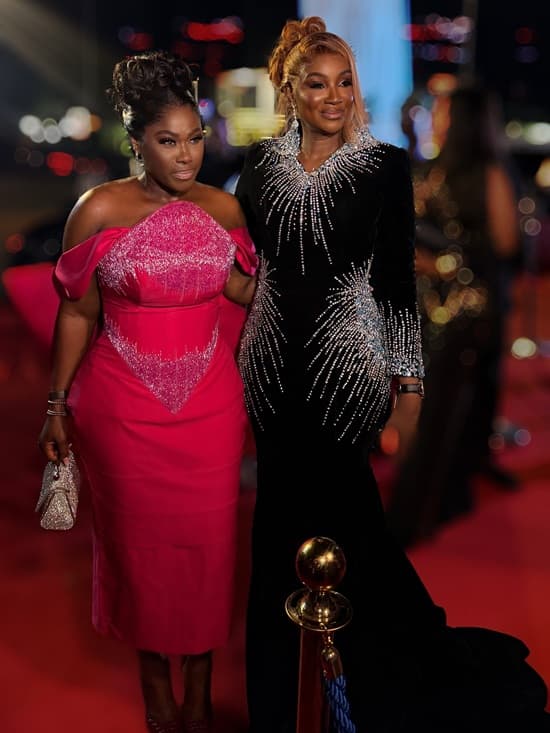 Photo: Instagram/uchejombo
The presence of these personalities brings additional public attention to AFRIFF 2026, but their participation also contributes to its wider industry objectives.
Established actors and filmmakers can help connect African productions with international audiences, encourage collaboration and introduce emerging professionals to new opportunities.
For a festival based in Lagos, international visibility is important. The attendance of respected industry figures helps position the event within wider conversations about film, entertainment and creative business.
It also reinforces the idea that African cinema should not be viewed as a separate category operating outside the international film industry.
Its filmmakers, actors and producers are part of a wider creative network, with stories that deserve recognition and investment across different markets.
Women at the Centre of AFRIFF 2026
One of the most significant aspects of AFRIFF 2026 is the strong representation of women across its official selection.
With approximately 85 per cent of the selected films directed by women, produced by women or centred on women’s stories, the programme reflects the contribution female filmmakers are making to African cinema.
The opening film, Lady, directed by Olive Nwosu, provides an example of this representation. Its focus on women’s experiences in Lagos offers a perspective that is often overlooked in mainstream storytelling. Other selected productions further expand the range of narratives being presented by women across the continent.
Beyond the screenings, the festival’s dedicated programming for women in film creates room for discussions about professional development, production opportunities, funding and participation across the industry.
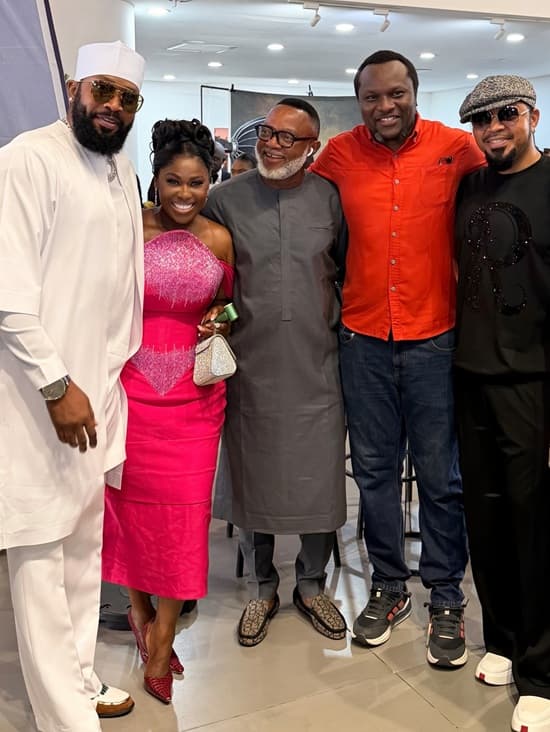 Photo: Instagram/uchejombo
Representation matters, but it also needs to be supported by access to resources and decision-making opportunities. Women need opportunities to direct major productions, secure financing, lead production companies and negotiate distribution agreements.
By bringing these conversations into the festival and the Africa Film & Content Market, AFRIFF 2026 is drawing attention to the importance of building an industry where female creative professionals can participate at every level.
The programme also challenges the tendency to treat women’s stories as a separate or limited category. Their experiences form part of the broader African storytelling landscape and deserve the same investment, visibility and commercial consideration as any other subject.
Looking Beyond the Festival Week
After fifteen years, AFRIFF faces a challenge shared by many established cultural institutions: turning the momentum of an annual event into lasting industry development.
The screenings will conclude, the panel discussions will come to an end, awards will be presented and international visitors will eventually leave Lagos. What happens after the festival, however, will be an important measure of its wider contribution.
Will the producers who meet potential partners secure financing? Will the co-production agreements lead to completed projects? Will emerging filmmakers gain access to mentors, distributors and investors? Will the conversations about technology, intellectual property and industry policy result in practical changes?
These are the questions that will determine the long-term value of the connections made during the festival.
The international partnerships, investment in market infrastructure and attention to technology demonstrate that AFRIFF understands the importance of looking beyond individual film premieres.
African cinema has a wealth of creative talent and compelling stories, but its continued development requires stronger business structures and more opportunities for collaboration.
AFRIFF 2026 is therefore an important platform for bringing these priorities together. By combining artistic programming with commercial discussions, the festival is encouraging a broader understanding of what it takes to build a sustainable African film industry.
Some of its most meaningful outcomes may happen away from the red carpet. A producer could find a co-production partner. A young director could meet an experienced filmmaker willing to offer guidance.
A distributor could discover a production with international potential. An investor could identify an opportunity to support a new project.
These connections may not generate the same immediate attention as a celebrity appearance or a major film premiere, but they can influence the direction of African filmmaking long after November.
Fifteen years after its establishment, the Africa International Film Festival continues to create space for African stories, creative professionals and industry conversations.
With AFRIFF 2026, the focus is not only on recognising how far African cinema has travelled but also on addressing what it needs to move forward.
The next chapter will depend on the industry’s ability to build stronger partnerships, improve access to financing, expand distribution and embrace new technologies without losing the cultural perspectives that make its stories distinctive.
Ultimately, the ambition is to see African films reach more people, secure greater commercial opportunities and compete internationally on their own terms.
Photo: Instagram/afriff
You May Also Like:
Ejiro Amos Tafiri REVERIE Collection is Heading to Abuja

Lanre Da Silva Goes Full Bloom in the Living Colour SS27 Collection
A Guide to Building a Nigerian Fashion Label from Scratch
The African Boubou Is Having Its Fashion Moment

Rendoll's SS27 Collection Makes a Case for Dressing for Every Moment

12 Things We Want to See From African Fashion Brands in 2027
Sarah Diouf Gave Prints a New Meaning at GTCO Fashion Weekend in Lagos
Let's Talk About Imane Ayissi's Collection at the 2026 GTCO Fashion Weekend

The African Girlie Starter Pack To Follow
Lagos Fashion Week Day 4: Closing the On-site Runway in Style

Lagos Fashion Week Day 3: The People and Designs Moving Fashion Forward Beyond Craftsmanship

Lagos Fashion Week Day Two: Insights, Industry, and Runway Highlights


Esther Ejoh is a Fashion Editor at Fashion Police Nigeria, where she writes all things fashion, beauty, and celebrity style, with a sharp eye and an even sharper pen. She’s the girl who’ll break down a Met Gala look one minute, rave about a Nigerian beauty brand the next, and still find time to binge a movie or get lost in a novel. Style, storytelling, and self-care? That’s her holy trinity.