Published: November 10, 2026 Last Updated 1 day ago by Esther Ejoh
Some fashion collections stand out for their colours, while others show the impact of simplicity. At GTCO Fashion Weekend 2026 in Lagos, Tongoro Studio demonstrated the strength of black and white, opening the event with a collection focused on print, movement, shape and craftsmanship.
The Senegalese fashion label, founded by Sarah Diouf, brought its distinctive approach to contemporary African fashion to the GTCentre in Oniru on Saturday, November 7.
The collection stood out for its bold use of monochrome, blending various prints and patterns with flowing garments and feminine silhouettes. Instead of using many colours, Tongoro showed how contrast, fabric and careful construction can define a collection.
The collection was a strong opening for an event themed ‘Fashion Is Timeless’. The runway attracted fashion enthusiasts, industry professionals and content creators, many of whom noted the black-and-white palette and the movement of the pieces.
For some, it introduced a brand they had followed from afar; for others, it reinforced Tongoro’s reputation in global discussions about African fashion.
Tongoro’s presence at GTCO Fashion Weekend was significant beyond the runway. The brand highlights broader issues in African fashion, including local manufacturing, cultural identity and the capacity for African designers to compete internationally while maintaining their creative and production roots.
Founded in Dakar, Senegal, Tongoro has built its identity on African production and contemporary design. Sarah Diouf has shown that clothing made on the continent can reach global customers while creating opportunities for local talent.
At GTCO Fashion Weekend 2026, Tongoro shared this story with a new audience in Lagos.
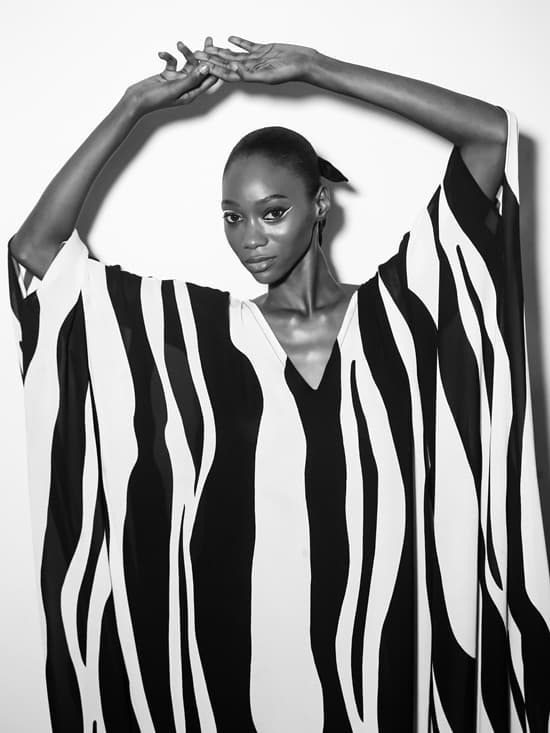 Photo: Instagram/akanbiodeyemi
Choosing a black-and-white palette gave the collection a clear visual direction. While black and white are common in fashion, using them effectively requires skill. With only two colours, elements like print, proportion, texture, construction and movement become essential to maintain interest.
Tongoro addressed this challenge with a mix of patterns and flowing designs. The garments demonstrated that black and white can be dynamic, not flat or predictable. Contrasting shades defined the prints, while varied patterns added diversity to the collection.
The runway presentation felt cohesive without making each look identical. Variations in pattern, shape and fabric allowed the collection to evolve as models moved from one outfit to the next.
Silhouettes played a key role in the presentation. Flowing pieces created movement, allowing garments to respond to the models’ steps. This is important in runway fashion, as garments are experienced differently in motion. A simple shape in a photograph can become more engaging when its fabric moves with the body.
Feminine silhouettes gave the collection a distinct character, offering varied visual expressions while maintaining the brand’s approach to contemporary womenswear. The collection went beyond attractive black-and-white outfits, using the familiar palette to explore different proportions and styles.
For those familiar with Tongoro, the focus on visual identity was expected. The brand is known for pieces that are easy to identify, photograph and remember.
While rooted in African creativity, Tongoro does not confine itself to a single vision of African fashion, instead using a contemporary design language that appeals to customers in Dakar, Lagos, London, Paris and beyond.
This ability to connect with diverse audiences contributes to Tongoro’s prominence in the African fashion industry.
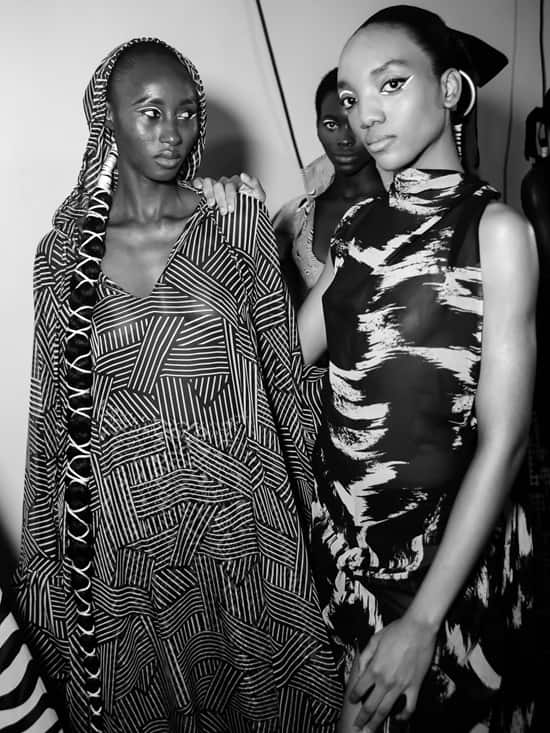 Photo: Instagram/akanbiodeyemi
Sarah Diouf launched Tongoro in 2016, establishing the brand in Dakar as a 100 per cent Made in Africa fashion label. According to the brand’s official website, its collections are designed and produced in Senegal, with materials sourced on the continent and production supported by local tailors.
Its long-term ambition is to support Africa-based manufacturing while advancing the economic and social development of West African artisans.
This approach gives the brand a business purpose beyond clothing. While every label needs a recognisable design identity, supporting local workers requires additional commitment, including relationships with artisans, sourcing materials, production planning, quality control and meeting customer expectations.
For Tongoro, these priorities have been foundational, not added after achieving international recognition.
In an interview with Africa Renewal, Diouf emphasized the importance of African production and changing global perceptions of African-made products. She highlighted the existing knowledge, skill and craftsmanship in African communities.
The challenge, she noted, is not ability but the need for stronger structures, investment and recognition so African-made products can compete and be valued appropriately.
This is central to Tongoro’s story, as the label does not merely use African references for clothing produced elsewhere. Its identity is tied to the people, materials and production processes behind the garments.
The brand’s official profile highlights its collaboration with local tailors and use of African-sourced materials as central to its long-term strategy. This approach connects the business to the broader creative economy, creating regular work, strengthening skills and retaining more value within the region.
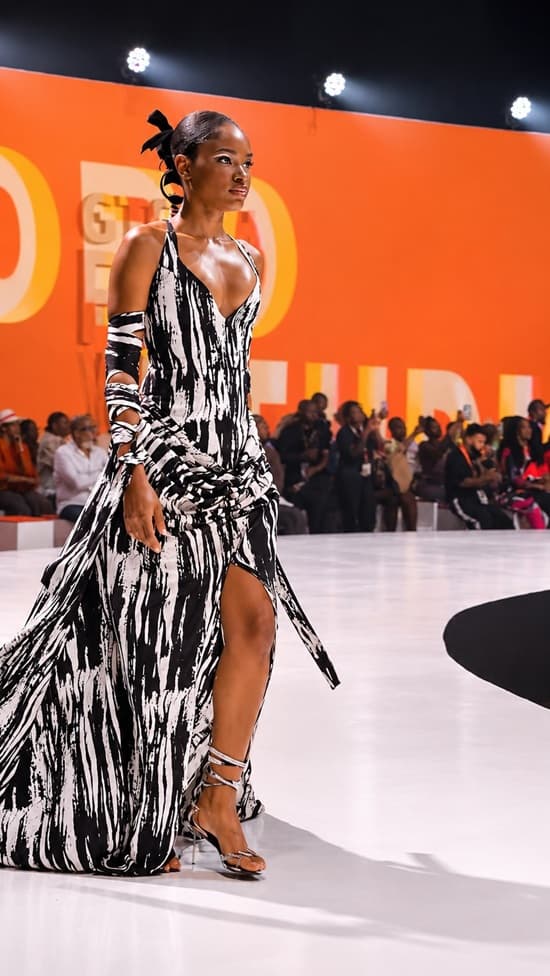 Photo: Instagram/vanessazar
This discussion is timely as African fashion gains international attention. Fashion designers are showcasing collections globally, dressing celebrities and expanding their customer base. However, increased visibility does not guarantee industry growth that benefits those producing the work.
A brand’s long-term impact depends on sustaining production, paying workers, reaching customers and building a viable business, not just international recognition. Tongoro’s Made in Africa model addresses these factors as part of its success.
Sarah Diouf’s background is closely linked to media, communication and storytelling. Before Tongoro, she worked in fashion and media, founding Ghubar, an online publication on fashion and culture, and later Noir, focused on Black women.
These experiences shaped her understanding of how images and narratives influence self-perception and cultural identity.
Her path to fashion design was unconventional. She did not attend fashion school or enter a design house directly. Instead, her interest developed through media work, exposure to designers and the creative industry, and her experiences in Senegal.
The idea for Tongoro arose from observing the relationship between customers, fabrics and local tailors. In an interview with OkayAfrica, Diouf described how seeing tailors in Dakar inspired her to envision a larger business based on this familiar process.
What was once an individual experience—selecting fabric and commissioning a garment—became the foundation for a fashion label with broader reach.
This insight became central to the brand’s business model.
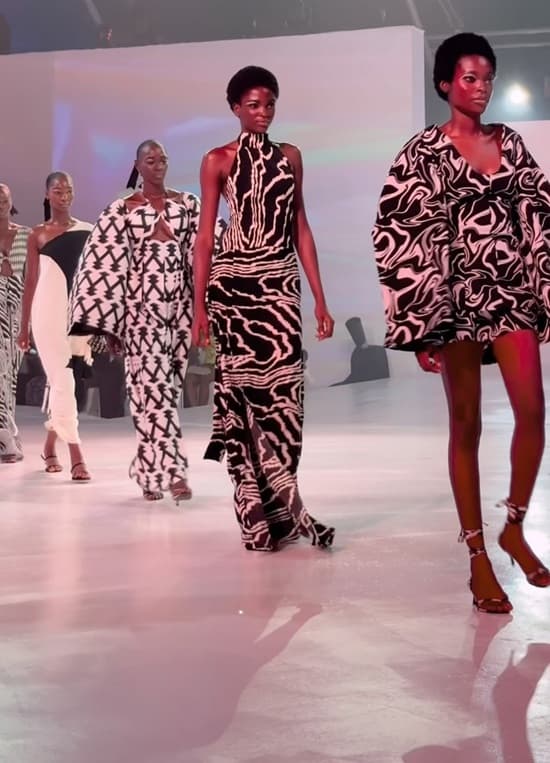 Photo: Instagram/tomilondon_
Rather than viewing local tailoring as a small-scale activity, Diouf saw the potential to organize these skills into a fashion business. Her goal was to create a structure that allowed artisans to collaborate with a growing brand and reach customers beyond their local area, without replacing traditional production methods.
This practical approach to fashion entrepreneurship is especially relevant in an industry where production costs, equipment access and skilled labor availability can determine a young label’s survival.
Tongoro’s growth demonstrates that a brand can reach an international audience while maintaining its African roots. The label has been worn by prominent figures such as Beyoncé, Naomi Campbell, and Alicia Keys.
Its designs gained broader exposure through Beyoncé’s visual project for The Lion King: The Gift, especially the film Black Is King, with the association continuing in subsequent performances and appearances.
International attention increased the label’s visibility and highlighted broader questions about African fashion’s role in the global industry. When a well-known figure wears an African brand, it introduces the designer to new audiences and sparks conversations about the garment’s origin, production, and creative traditions.
For Tongoro, celebrity recognition is only one aspect of its growth. The brand has also gained industry recognition, such as being named to Fast Company’s list of the World’s 50 Most Innovative Companies in 2020. Its progress shows how fashion, digital communication, entrepreneurship, and local production can combine to create a business with international reach.
However, Tongoro’s presentation at GTCO Fashion Weekend should not be valued solely by the celebrities who have worn its designs. Its appearance in Lagos introduced the brand to an audience that recognizes the influence of African designers and is increasingly interested in the businesses behind the fashion.
Lagos is a key location for this discussion. The city hosts a vibrant fashion community, including designers, stylists, photographers, models, retailers, media professionals, and consumers. Fashion in Lagos is also closely linked to music, entertainment, social media, and personal expression.
For a Senegalese label, presenting in Lagos offers a chance to engage with another major African fashion market. While Senegal and Nigeria have distinct cultural and fashion histories, both industries are interested in strengthening connections across the continent.
Events like GTCO Fashion Weekend allow designers and audiences to experience work from different countries without leaving Africa.
Tongoro’s appearance also highlighted the increasing interest in fashion that is African in production and perspective, yet international in reach. While not a new concept, it has become more prominent as designers from the continent gain recognition in various markets.
African fashion encompasses a wide range of design approaches, materials, techniques, and cultural influences. It includes traditional garments, contemporary ready-to-wear, experimental design, couture, streetwear, and pieces that blend multiple influences. No single look can represent the entire continent.
Tongoro contributes to this broader landscape by drawing from its environment and production base while developing a design language that resonates with a global audience.
The black-and-white collection at GTCO Fashion Weekend clearly illustrated this approach. It challenged the notion that African fashion must always feature bright colours, bold traditional prints, or familiar visual references. Instead, it used a restrained palette to explore print, shape, and movement.
This is important because African fashion designers should have the freedom to use the full range of fashion ideas and techniques. They should choose colour or monochrome based on creative direction and move between influences without needing to prove their African identity through a fixed visual formula.
Tongoro’s presentation demonstrated that a black-and-white collection can maintain a strong identity. Patterns created visual interest, flowing pieces added movement, and feminine silhouettes provided a clear direction. The collection’s appeal resulted from the interplay of these elements.
Black and white also draw attention to garment construction. Without a broad colour palette, viewers focus more on the shape of a sleeve, the fall of a skirt, the arrangement of prints, or the interplay of fabric patterns. These details become central to the visual experience.
For a label known for distinctive pieces, this was an effective presentation. The collection did not require many colours to make an impact; it relied on strong design choices.
Audience response reflected this approach. Social media posts highlighted the collection’s black-and-white theme, with viewers calling it a memorable opening to Day One. Others noted the movement of the garments and the appeal of the silhouettes, expressing interest in owning pieces.
These reactions are significant because the runway is only one aspect of today’s fashion experience. A collection starts with the designer’s vision but lives on through photos, videos, reviews, conversations, and online engagement. A strong runway presentation gives audiences something to discuss and remember after the show.
Tongoro excels in this area due to its strong connection to visual storytelling. Sarah Diouf’s media experience has shaped the brand’s campaigns and digital presence. Fashion is not only about the finished garment but also about how people interpret the ideas behind it.
Not every collection requires an elaborate explanation. Sometimes, a strong visual direction is enough to capture attention. However, when clothing is linked to broader stories of local production, African craftsmanship, and industry growth, the presentation gains added significance.
The broader context of GTCO Fashion Weekend made this especially relevant. The 2026 edition, the ninth annual event, took place on November 7 and 8 under the theme ‘Fashion Is Timeless’.
Organised by Guaranty Trust Holding Company, it brought together African and international designers, fashion businesses, industry professionals, and consumers at the GTCentre in Oniru, Lagos.
The programme featured runway presentations, fashion and beauty masterclasses, discussions, retail experiences, and a dedicated Streetwear Hub. GTCO also announced 140 curated fashion retail stores, allowing attendees to discover and purchase pieces from various businesses.
Tongoro was among the fashion designers featured on the opening day, alongside FIA Factory, Ibrahim Fernandez, Washington Roberts, Maison Sara Chraibi, and Imane Ayissi. As the first label to present on Day One, Tongoro’s collection had the opportunity to set the tone for the day’s programme.
The event is important because it connects fashion presentation with business development. While a runway introduces a designer’s work, the industry also needs customers, retailers, manufacturers, suppliers, educators, and platforms for growth. GTCO Fashion Weekend brings these elements together, creating opportunities beyond the show.
This is especially important for African designers seeking lasting businesses. International recognition is valuable, but brands also need access to local markets. They require customers who understand their work, retailers to stock their products, media platforms to share their stories, and industry networks to support new opportunities.
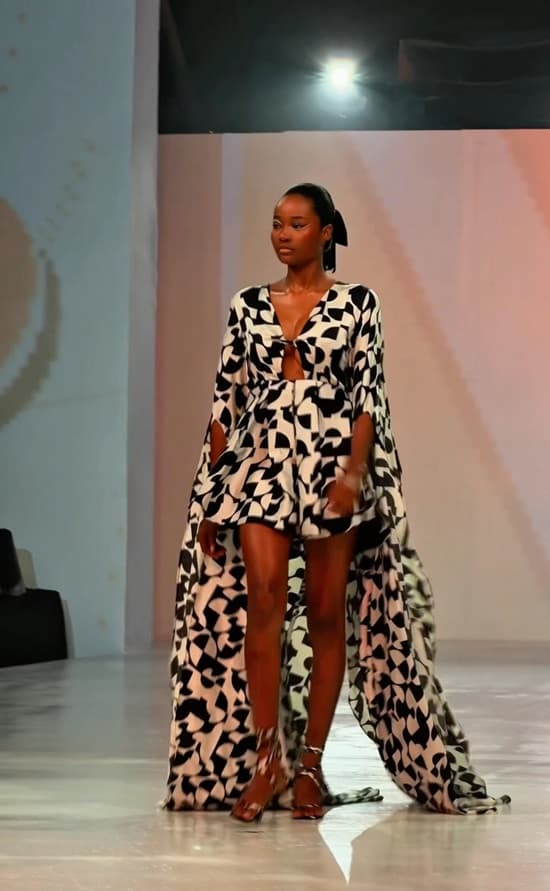 Photo: Instagram/fashionandco_ng
For Tongoro, presenting in Lagos showcased its work to an audience that includes these key groups. It also strengthened ties between two major fashion markets in West Africa.
The event’s broader ambition was evident in the creation of the GTCO Fashion Collective, a platform designed to connect professionals and businesses year-round. Ongoing engagement is essential, as the fashion industry cannot grow through a single event. Designers need continuous opportunities to learn, collaborate, showcase their work, and build commercial relationships.
Tongoro’s appearance also prompts reflection on what it means for African fashion to grow on its own terms. For years, international recognition was often seen as the ultimate measure of success for African designers. Being stocked by foreign retailers, featured in international publications, or worn by global celebrities was considered proof of achievement.
These achievements remain important, but the conversation is expanding. There is increasing focus on where clothing is made, who benefits from production, how designers build sustainable businesses, and whether the industry creates opportunities across the continent.
Sarah Diouf’s approach highlights one way to address these questions. By basing Tongoro’s design and production in Dakar and collaborating with local tailors, she has made African manufacturing integral to the brand’s identity.
The goal is not just to sell clothing with an African narrative, but to build a business where African workers and production systems are central from the outset.
This model presents challenges. Scaling local production demands consistent quality, reliable materials, skilled labor, efficient operations and sufficient demand. Fashion brands must also adapt to evolving customer expectations, production costs and the complexities of multiple markets.
These challenges make building an African fashion business even more significant. Creating an attention-grabbing collection is one achievement; establishing systems that enable long-term production, sales and employment is another.
Tongoro’s journey since 2016 demonstrates the impact of combining creative direction with a clear business model. The brand has evolved from a Dakar-based label to an internationally recognised name while maintaining its commitment to African production.
The GTCO Fashion Weekend 2026 presentation further communicated this identity. The black-and-white collection made a strong visual statement, while the brand’s history provided deeper context to the runway appearance.
It also reinforced that African fashion need not follow a single formula to gain recognition. Fashion designers can use familiar colors, unexpected combinations, flowing shapes or minimal palettes and still showcase the continent’s creativity. What matters is the strength of the idea and the clarity of execution.
For Tongoro, the brand’s perspective has always included the people and places behind the garments. Dakar is not just the headquarters; it is part of the brand’s identity and the foundation of its production model.
Local tailors, artisans and material suppliers are not peripheral contributors but central to the business’s operations.
This is why the collection’s appearance in Lagos carried significance beyond the runway. It brought a Senegalese fashion business into a Nigerian setting that celebrated African creativity and enterprise.
It also demonstrated how designers from across the continent can use fashion platforms to build relationships and reach new audiences.
As the African fashion industry grows, these connections become increasingly important. Designers need more opportunities to present their work internationally, and consumers need greater access to brands from other countries.
Fashion events can foster these links, but lasting value comes when relationships continue beyond the runway.
Tongoro Studio’s presentation at GTCO Fashion Weekend 2026 stood out for its confident use of black and white, varied patterns and flowing feminine silhouettes. More importantly, the collection reflected the ongoing growth of a brand that has made African production central to its business foundation.
Sarah Diouf has built Tongoro on the belief that African creativity and craftsmanship deserve a broader role globally. From its start in Dakar to international recognition, the label has advanced this vision through its designs and the people who create them.
At GTCO Fashion Weekend, the collection demonstrated how much a designer can achieve with just two colors. Black and white served as the foundation, but the true impact came from the patterns, shapes, movement, and creative choices that animated the garments.
For a brand dedicated to African-made fashion, Lagos was a significant venue to share its story again. As more audiences discover Tongoro’s work, one thing is clear: the future of African fashion will be shaped not only by runway collections, but also by the businesses, artisans and creative ideas behind them.
Photo: Instagram/fashionandco_ng
You May Also Like:
12 Things We Want to See From African Fashion Brands in 2027
Let's Talk About Imane Ayissi's Collection at the 2026 GTCO Fashion Weekend
The African Girlie Starter Pack To Follow

AFRIFF at 15: Africa's Biggest Film Festival Just Doubled Down on the Future
Lagos Fashion Week Day 4: Closing the On-site Runway in Style
Lagos Fashion Week Day 3: The People and Designs Moving Fashion Forward Beyond Craftsmanship
Lagos Fashion Week Day Two: Insights, Industry, and Runway Highlights
Oshobor Reimagined Wool and Breezy Feathers into Cute Pieces at Lagos Fashion Week
Inside Kilentar's SS27 2026 Lagos Fashion Week Show
Hertunba Opens Lagos Fashion Week 2026 with Heritage and Powerful Silhouettes
Lagos Fashion Week 2026: Day 1 Conversations on the Future of African Fashion
LFJ’s Jupiter Collection Takes Lagos Fashion Week into Orbit


Esther Ejoh is a Fashion Editor at Fashion Police Nigeria, where she writes all things fashion, beauty, and celebrity style, with a sharp eye and an even sharper pen. She’s the girl who’ll break down a Met Gala look one minute, rave about a Nigerian beauty brand the next, and still find time to binge a movie or get lost in a novel. Style, storytelling, and self-care? That’s her holy trinity.