Published: November 2, 2026 Last Updated 2 days ago by Esther Ejoh
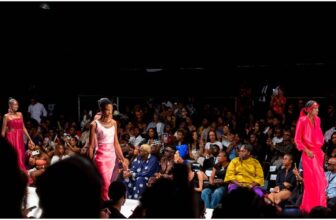
The on-site shows for Lagos Fashion Week 2026 wrapped up yesterday, ending on a high note with a surprise runway walk by Lagos State Governor Babajide Sanwo-Olu.
The final day of panel sessions addressed capacity, retail readiness, and brand partnerships.
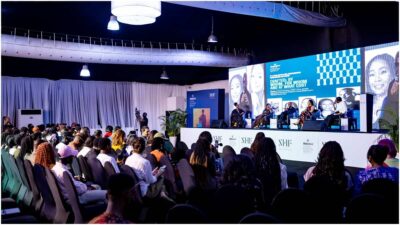
Day 4 opened with a keynote session, followed by the panel session moderated by Abby Ogunpolu, Lagos Fashion Week’s Contributing Editor for BusinessDay, with guest speaker Abiola Adelana, Head of Tourism and Creative Art Business at Sterling Bank, and Adeju Thompson, Founder and Creative Director of Lagos Space Programme.
The conversation centered on balancing creative vision with commercial viability, evaluating funding options, managing production and international wholesale logistics, and leveraging strategic relationships to build generational African luxury brands.
Adelana also emphasised that character is everything, noting that long-term sustainability is built not on intelligence or talent alone, but on the values, integrity, and character of the people behind the business.
From Buzz to Business: Turning Demand into Lasting Growth
The conversation turned to operational resilience in a session moderated by Tejumola Maurice-Diya, Founder of The Fashioned Museum.
Joined by Rukky Ladoja, Founder and Creative Director, Dye Lab, Kikelola Ojewale, Partner, Intellectual Property at Dentons ACAS-LAW, and Ijeoma Balogun, Founder and CEO, Redrick Public Relations, the panel tackled the mechanics of sustainable growth.
For independent labels navigating lean budgets, Ladoja urged founders to tune out generic trends and anchor every marketing decision in customer data and clear ROI.
Looking at brand collaborations, Balogun broke down two strategic plays: doubling down to grow market share within an existing audience, or partnering intentionally to break into an entirely new segment.
Fireside Chat: Becoming Retail-Ready: Partnerships, Terms and Delivery
Featuring a conversation between Abby Ogunpolu and Olamoniso Nduka, Head of Commercial at Polo Avenue, this session highlighted how luxury retailers bridge international luxury brands with African fashion labels across Nigeria and Dubai.
Nduka emphasized that scaling into multi-brand luxury retail requires founders to move beyond artistic execution and establish standardized line sheets, scalable production capacity, and clear wholesale margin frameworks.
Showroom to Runway: The Spotlight on Designers
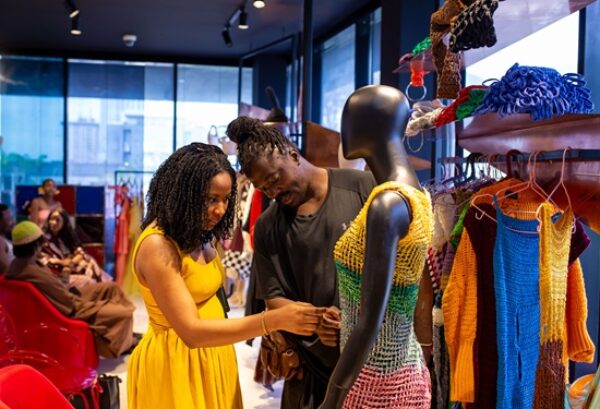
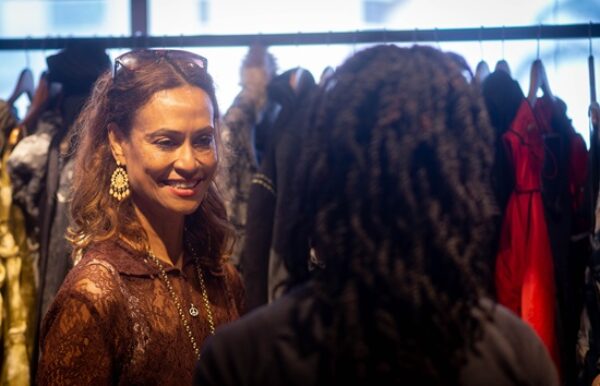
At ALÁRA, the showroom experience continued, bringing fashion designers’ latest collections up close for buyers and press, hosting Orange Culture, Oshobor, Ajanéé, and Maliko.
Kadiju: Presented its Spring/Summer 2027 collection, Collection 009: In No Particular Order, through an alternative short film screened across selected venues in Lagos.
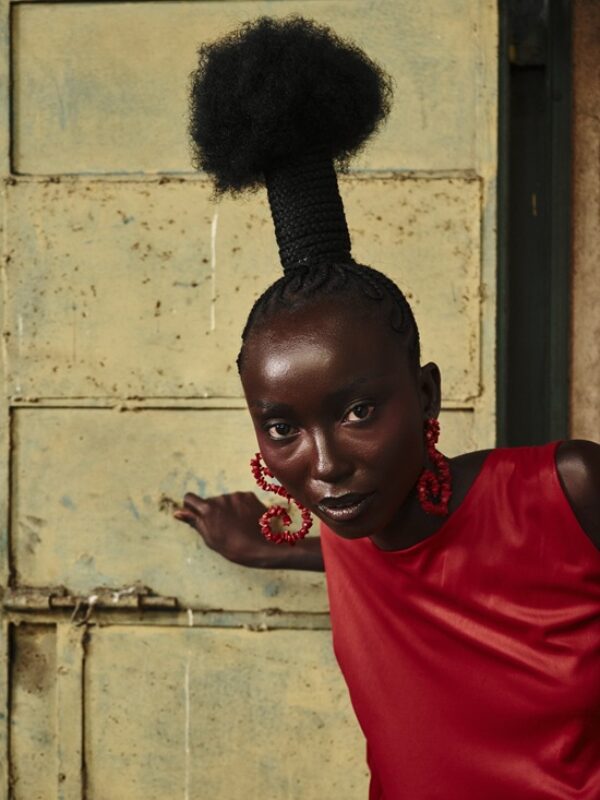
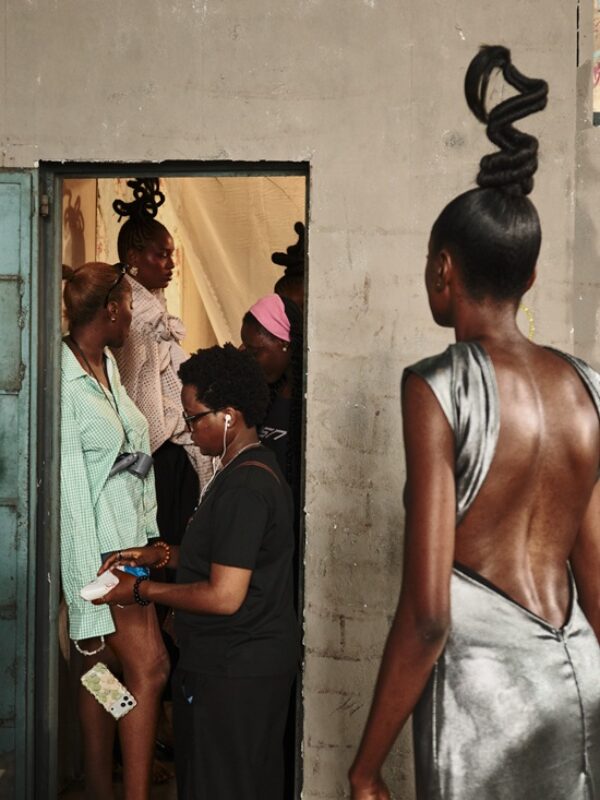
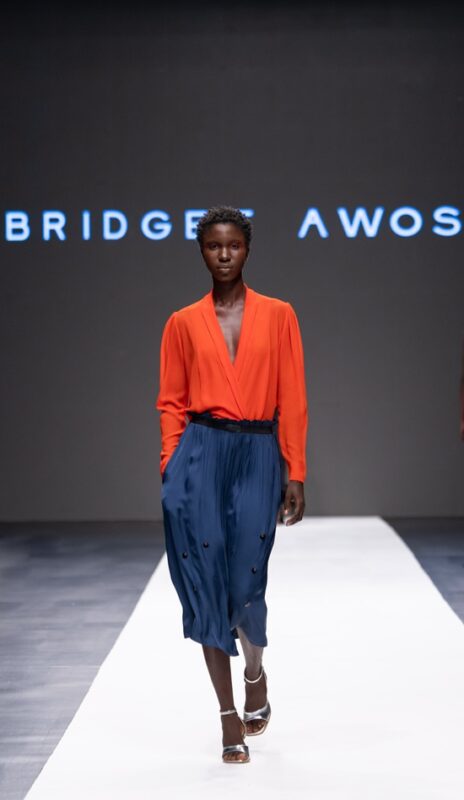
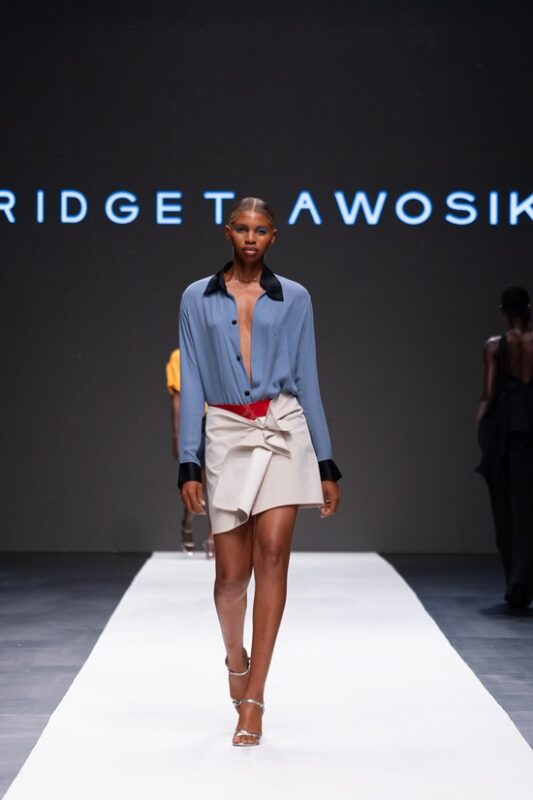
Bridget Awosika returned to Lagos Fashion Week, opening the on-site runway showcase with a collection exploring structure, fluidity and the art of dressing less. The collection played with gathered and folded waistlines, elongated hemlines and contrasting textures.
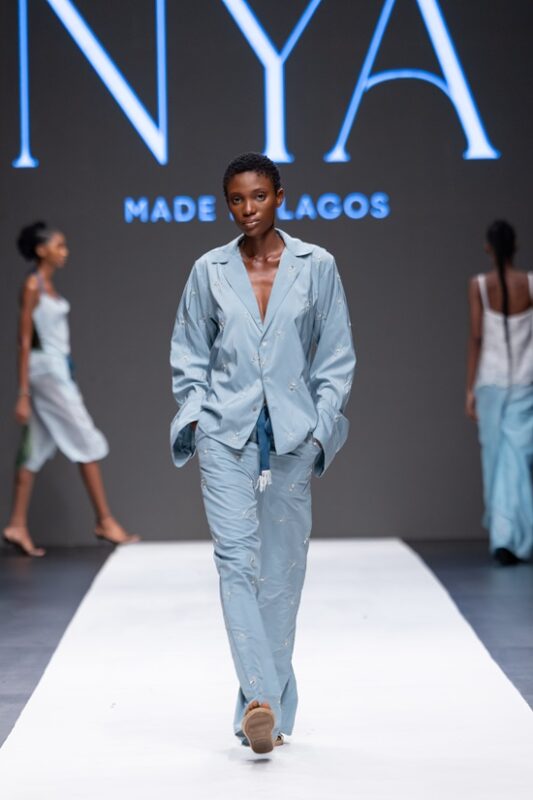
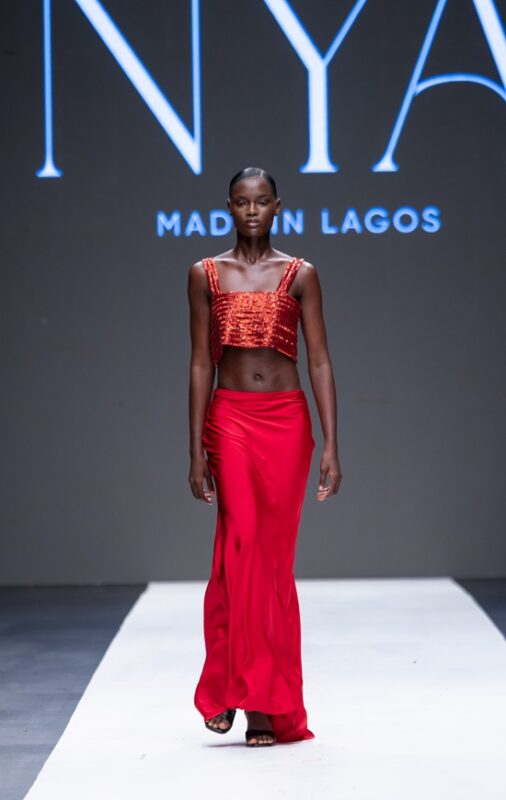
Nya’s collection, “In Praise of Beauty,” stayed true to its signature codes with drop-waist silhouettes, embroidery, sheer layers, and touches of fringe and shimmer. The relaxed lines were paired with oversized carved bags as statement accessories.
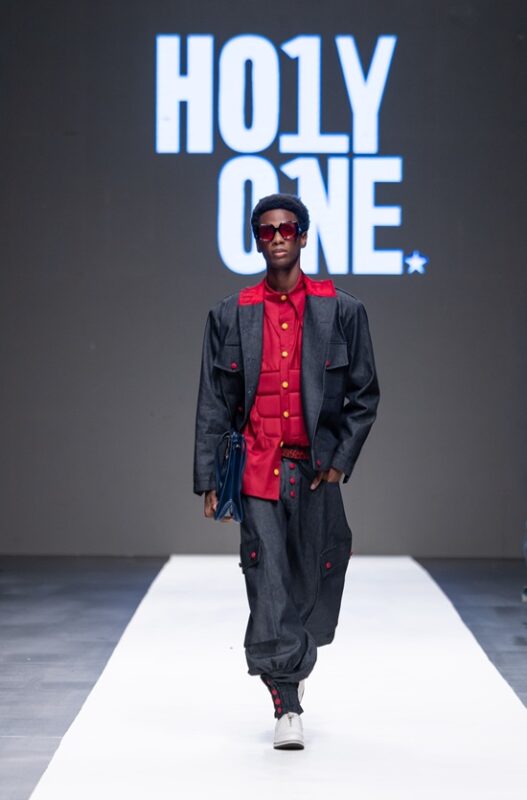
British-Nigerian brand Holy One expanded its presence this season with bold stripes, cascading frills, structured two-piece tailoring, and leather across both womenswear and menswear. Through texture, color, and technique, the collection explored a noticeably softer direction for menswear.
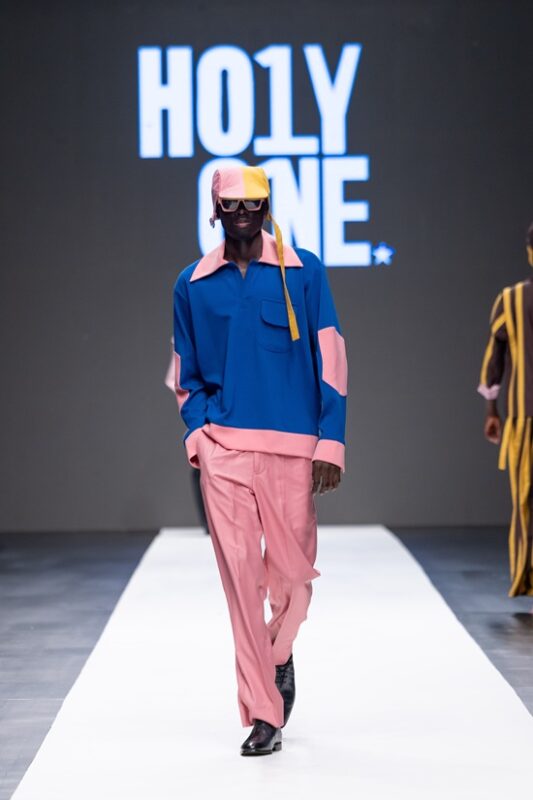
Malité returned with hand-printed fabrics layered over tulle, fringes, ruffles on hemlines, waist and on neckline, tailored in intricate cutouts and styled alongside whimsical bags. The striking balance on neutral and bold shades speaks volume in Malité designs.
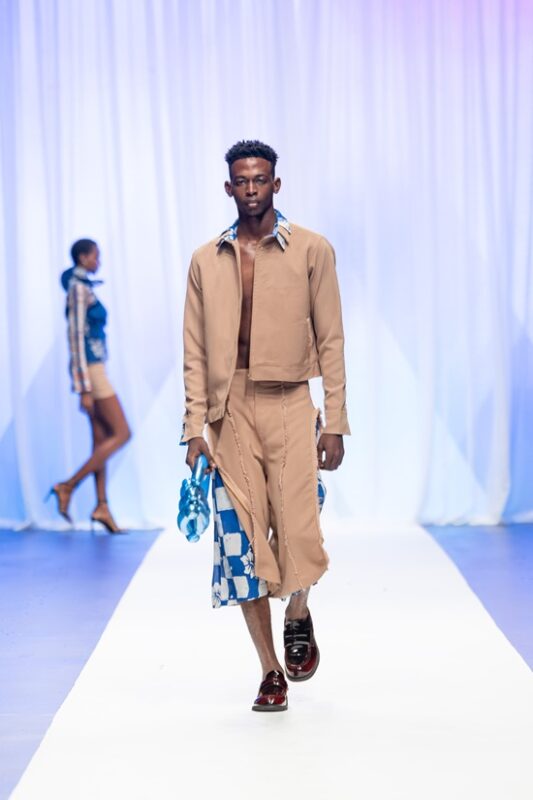

Pillz n Poizn’s rebirth in colour featured patterns that moved seamlessly between bright and neutral shades. For Womenswear, think floor-sweeping gowns, cutouts, while irregular hemlines give structure and a grandeur flair with fringes added for movement. The menswear remains relaxed, maintaining familiar territory.
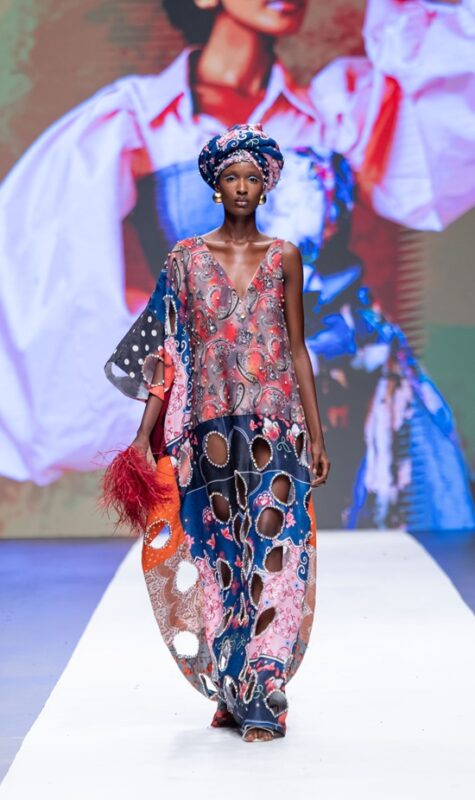

This season E.S.O By Liman was inspired by the many characters, personalities and the lived experience of Yoruba women. The collection, “Cosmic Bodies” had feminine silhouettes in an array of textured pieces, hand-dyed fabrics, and checkered prints.
The iro and buba is reimagined in lacey materials with volume in the silhouettes on the side of the waist, while fabrics are shredded to create the illusion of fringes for movement.
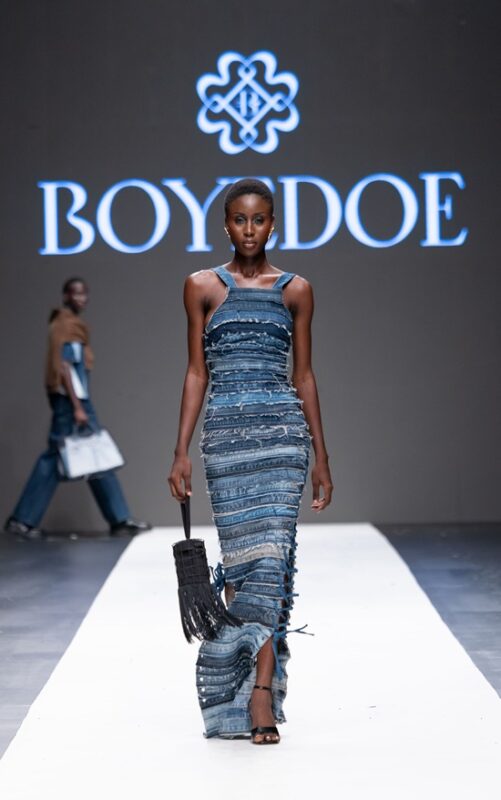
Ghanaian Luxury brand, Boyedoe’s introduced a shade of white into its colour palette this year. Silhouettes moved with its shades, earth tones layered against a dark shade of denim and teal green. In its signature kente textile, frayed silhouettes, structured and distressed denims were adorned in its sharp tailoring.
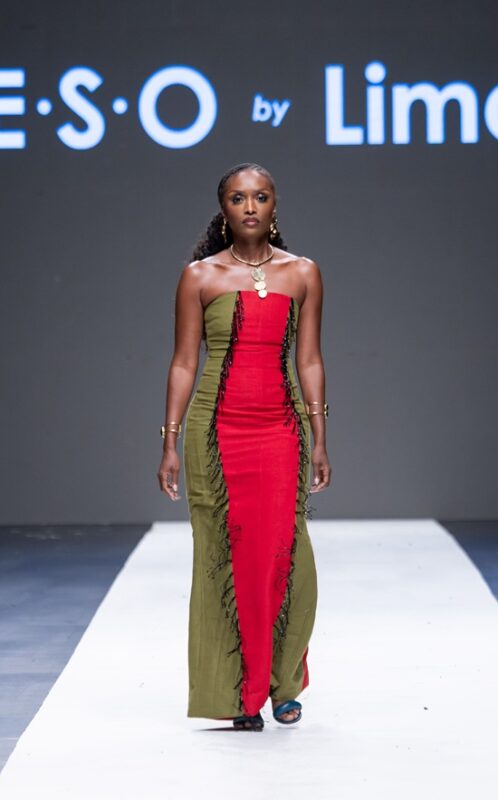


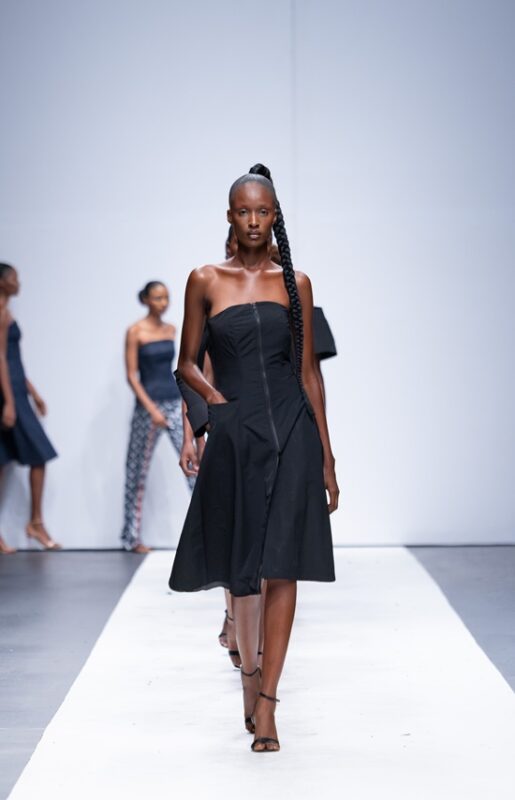
Israella Kobla presented a collection that balanced functionality with sophistication. Black and white dresses stood out, with some featuring structured shoulders while others embraced more relaxed silhouettes, giving a considered mix of sharp detailing and effortless dressing.

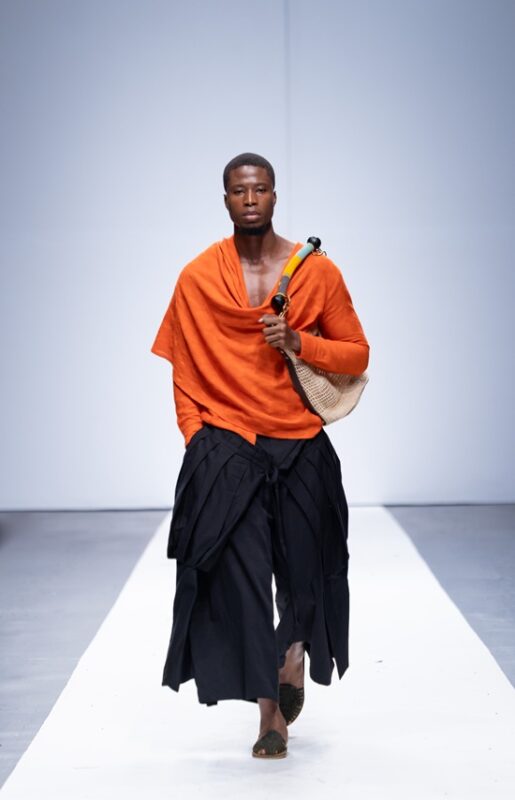
Kenyan label, Studio Namnyak brought its distinctive take on Kenyan craftsmanship to the runway. The collection featured pinstripes, black separates and relaxed, draped menswear, complemented by a striking palette of orange, white and shades of blue.
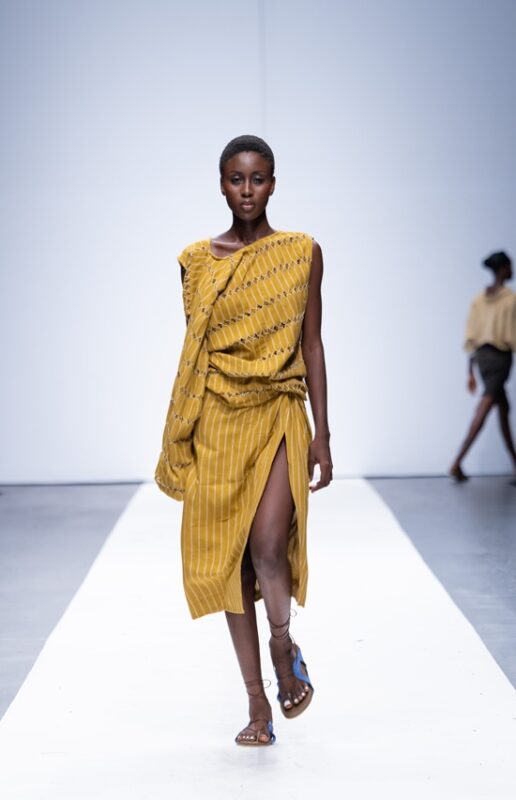
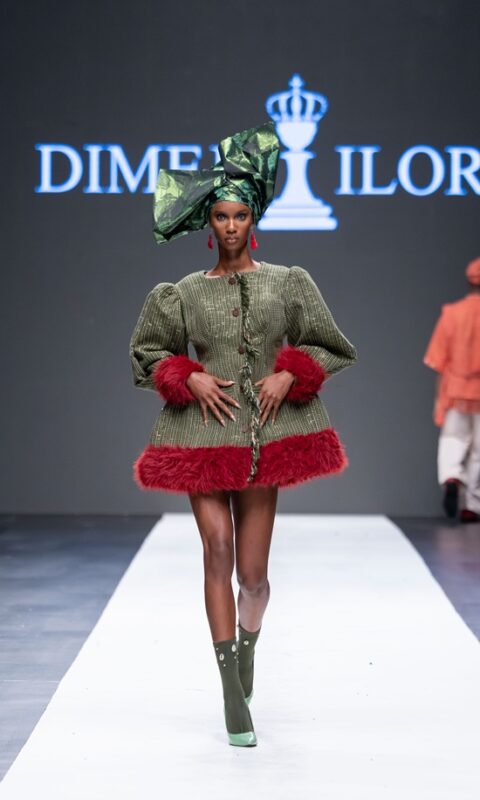
Dimeji Ilori presented its Ancestral Intelligence collection, reimagining traditional silhouettes and așo òkè into contemporary pieces. Embroidery and cowrie details offered distinctive cultural references, while textured menswear, cascading frills and structured designs added depth and movement.
At its heart, the collection explored how cultural heritage can find a place in contemporary fashion.
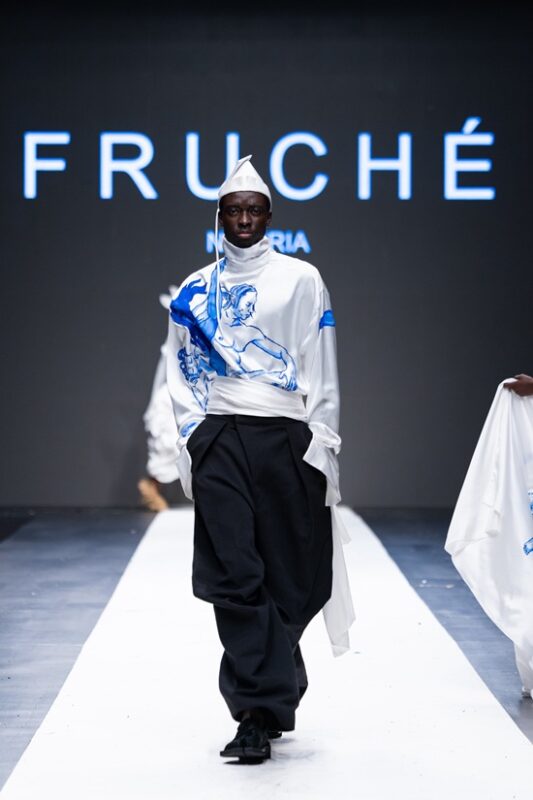
Fruché brought its Spring- Summer 2027 collection, KLEG, to the runway, playing with gingham prints across shirting and draped gowns. Cascading skirts made from carved seed pods added an unexpected textural element, while a sculpted wooden bustier emerged as one of the evening’s most striking looks.


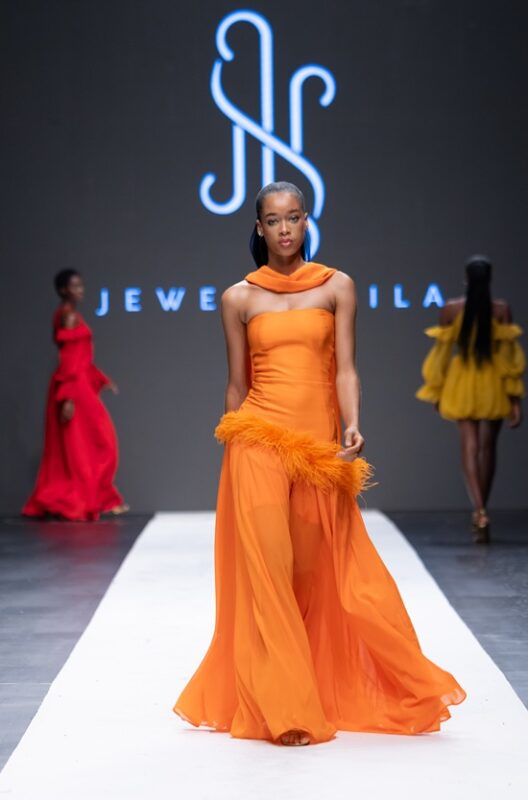
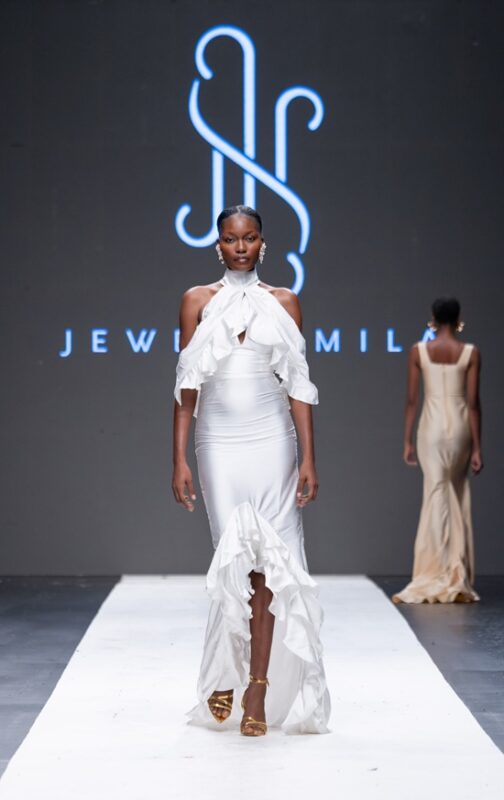
Jewel Jemila presented an array of occasionwear in burnt orange, blue, white, shimmery gold and teal green. Ruffles and fringes added movement and personality to the collection, bringing a playful touch to its eveningwear pieces.
Fia offered a little bit of everything this season, moving between fluid silhouettes in sheer fabrics, geometric cuts and structured tailoring. Checkered prints and cotton fabrics added variety, creating a collection that played with different shapes, textures and finishes.


Elie Kuame brought a distinctive approach to layering, pairing shades of blue with brown across the collection. Some silhouettes embraced sheerness, while others leaned into more structured forms, creating an interesting contrast between softness and strong construction.
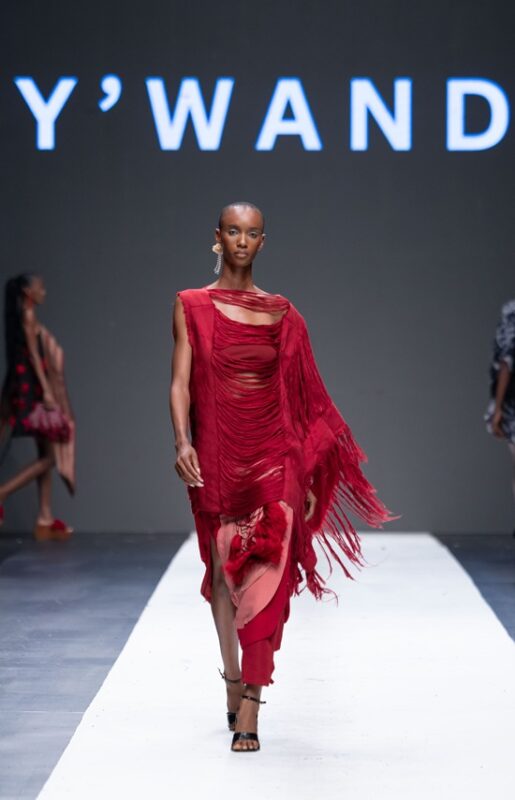
Y’Wande brought a beautiful mix of contemporary African design and relaxed sophistication to the runway, exploring fluid silhouettes, earthy tones and thoughtful detailing. The collection balanced texture, craftsmanship and understated statement pieces, with subtle pops of red adding character to the looks.


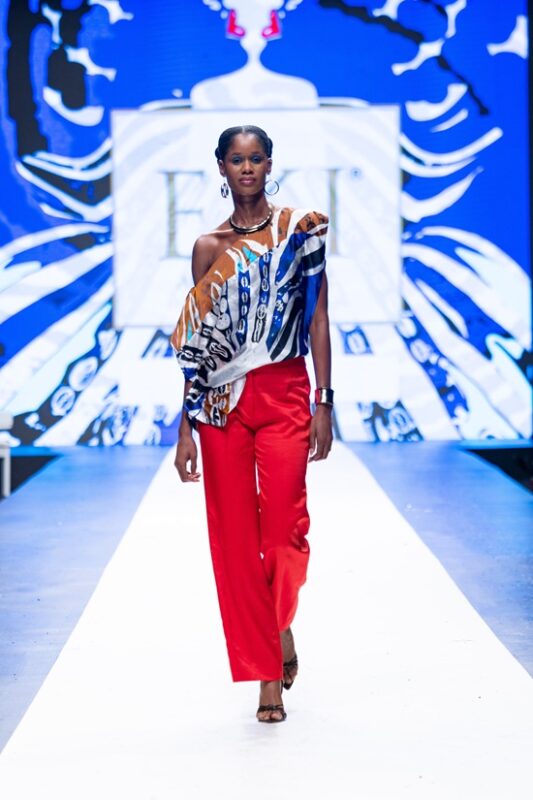
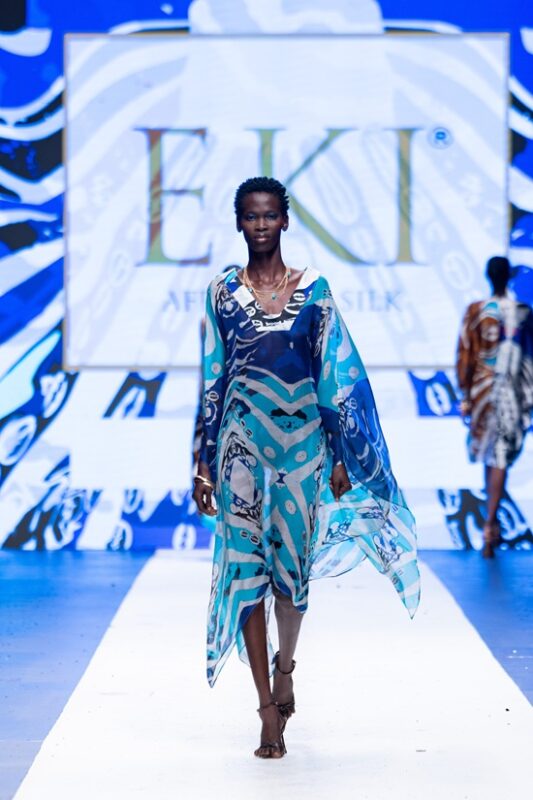
Eki Silk presented a colourful mix of prints and flowing silhouettes on the runway. From vibrant blues and turquoise to warm orange tones, the collection stood out for its easy, fluid pieces, with draping and relaxed shapes giving each look its own character.
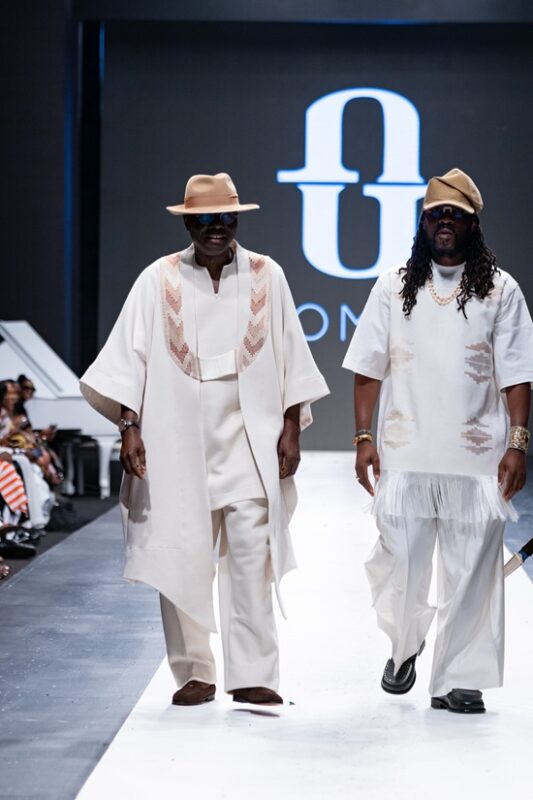
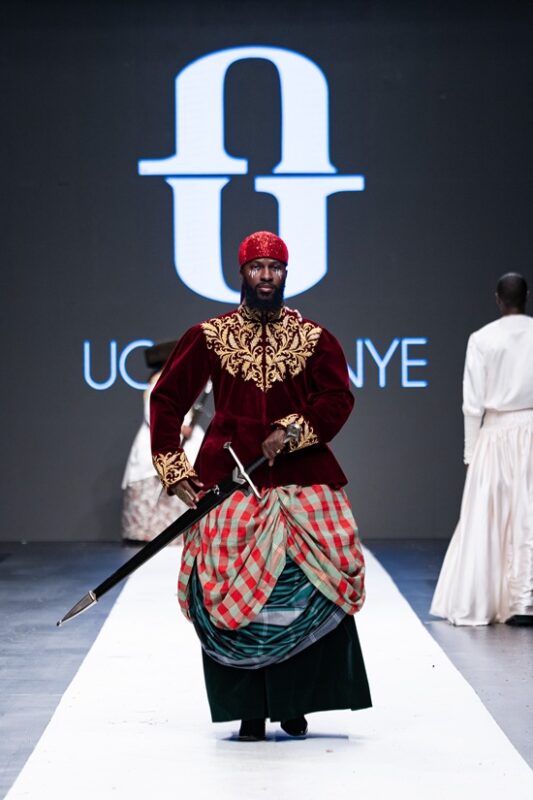
Ugo Monye brought theatricality to the runway with architectural-inspired designs and voluminous menswear silhouettes. The collection made a strong visual statement, with Lagos State Governor Babajide Sanwo-Olu also making a special appearance on the runway.

Day 4 concluded with showings from Heinekan x This Is Us, bringing the on-site runway showcases to a close for Lagos Fashion Week 2026 Season.

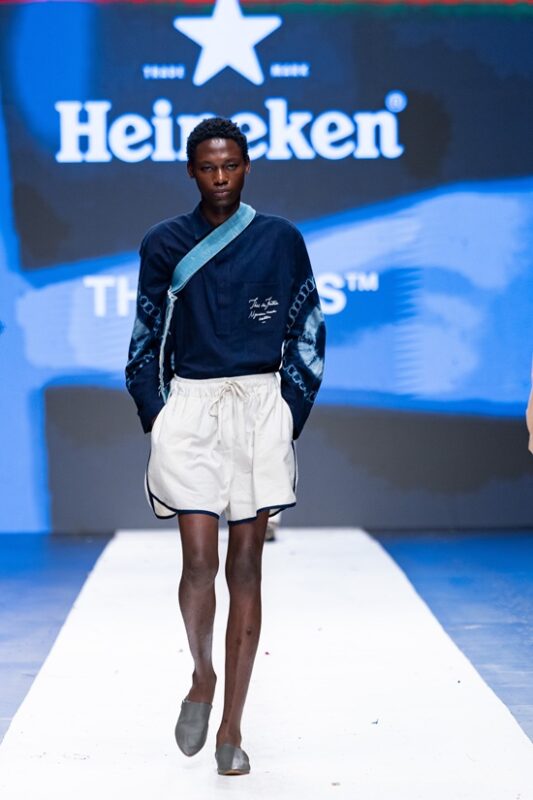
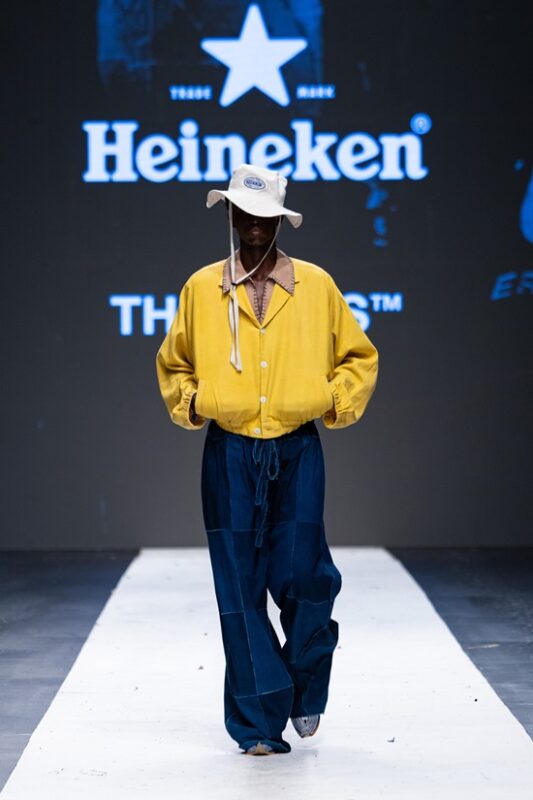
To round off Day 4 on-site, the Heineken Lagos Fashion Week After Party brought designers, guests, and teams together to celebrate another season in the books.
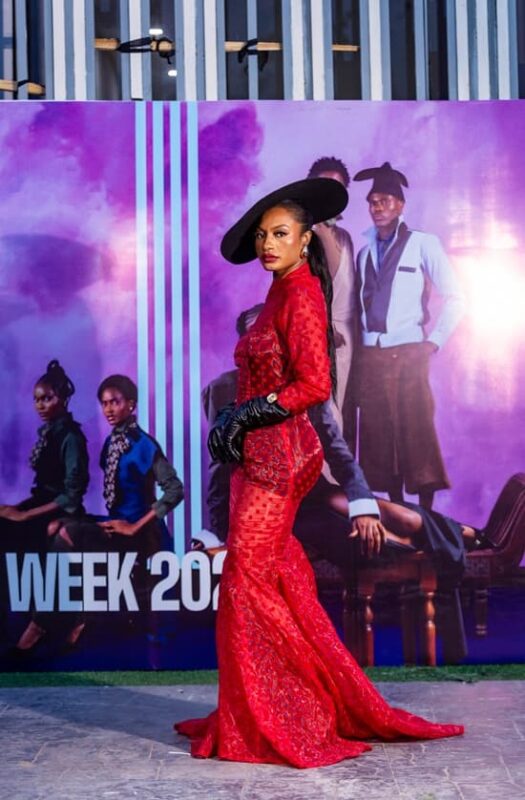
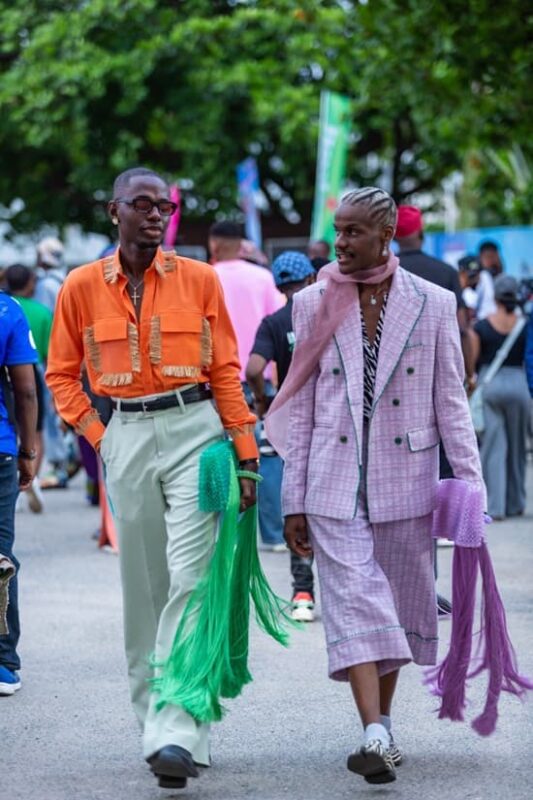


Beyond the runway, the Lagos Fashion Week experience extended across the venue, with street style capturing the personal expressions and individual interpretations of fashion throughout the season.
Partner booths also remained a key part of the onsite experience, creating spaces for brand engagement and interaction with guests across all four days.
Photo: Lagos Fashion Week
You May Also Like:

AFRIFF at 15: Africa's Biggest Film Festival Just Doubled Down on the Future
Lagos Fashion Week Day 3: The People and Designs Moving Fashion Forward Beyond Craftsmanship
Lagos Fashion Week Day Two: Insights, Industry, and Runway Highlights
Oshobor Reimagined Wool and Breezy Feathers into Cute Pieces at Lagos Fashion Week
Inside Kilentar's SS27 2026 Lagos Fashion Week Show
Hertunba Opens Lagos Fashion Week 2026 with Heritage and Powerful Silhouettes
Lagos Fashion Week 2026: Day 1 Conversations on the Future of African Fashion
LFJ’s Jupiter Collection Takes Lagos Fashion Week into Orbit
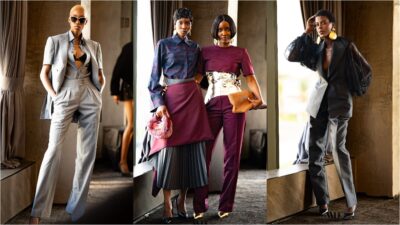
Atafo’s Sharp Tailoring and Empowered Elegance Kick Off Lagos Fashion Week 2026
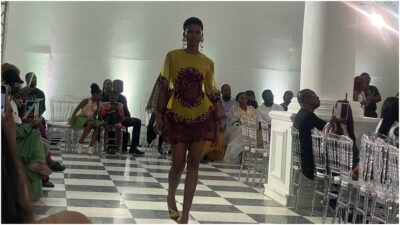
Ejiro Amos Tafiri’s Reverie Collection Lights Up Lagos with Colourful Pieces
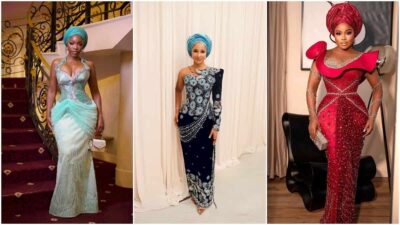
Why Nigerian Party Fashion Hits Different
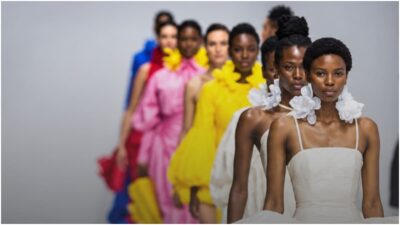
South African Fashion Week 2026 Returns to Johannesburg with David Tlale Opening the AW27 Runway


Esther Ejoh is a Fashion Editor at Fashion Police Nigeria, where she writes all things fashion, beauty, and celebrity style, with a sharp eye and an even sharper pen. She’s the girl who’ll break down a Met Gala look one minute, rave about a Nigerian beauty brand the next, and still find time to binge a movie or get lost in a novel. Style, storytelling, and self-care? That’s her holy trinity.