Published: November 13, 2026 Last Updated 11 hours ago by FPN
Fashion often shifts between extremes.
One season highlights oversized silhouettes and relaxed tailoring, while another favours fitted dresses, dramatic shoulders, low-rise trousers, or exaggerated proportions.
Trends change, but getting dressed should remain enjoyable.
Clothing should enable self-expression, comfort, and ease, without requiring every outfit to be a meticulously crafted statement.
Given the current fashion landscape, it is worth asking: has getting dressed become unnecessarily complicated?
Sculpted corset dresses, waist-cinching tops, structured bodices, and shapewear-inspired ensembles have made body-conscious fashion increasingly prominent.
Corsetry now extends beyond lingerie and historical costume, appearing in everyday tops, evening gowns, denim, bridalwear, and casual outfits.
Fashion designers frequently incorporate boning, lace-up details, sculpted waists, and fitted bodices across many clothing categories.
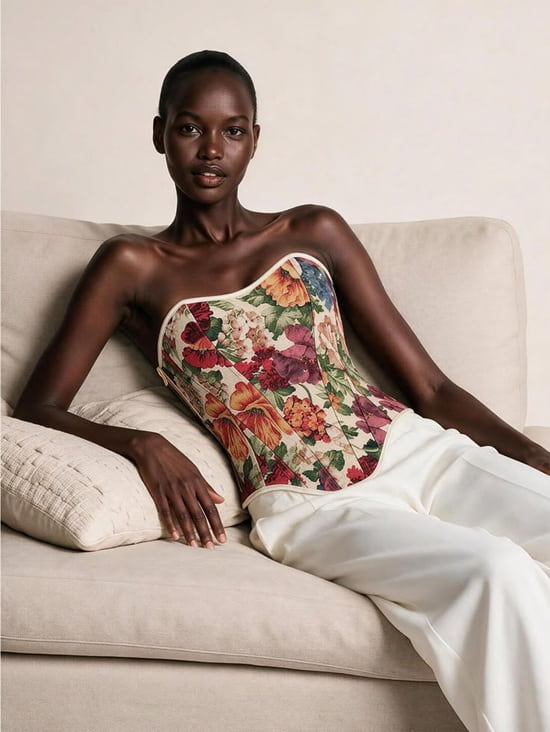 Photo: Shein
There is nothing wrong with enjoying a well-fitted corset dress.
When thoughtfully designed, it creates a striking silhouette and a strong statement. The issue arises when structured dressing becomes the norm rather than one option among many.
If every outfit requires a defined waist, fitted bodice, strategic layering, or body shaping, it prompts us to reconsider our expectations of fashion.
Have we become so focused on looking styled that we have forgotten how satisfying a simple outfit can be?
A white shirt with well-cut jeans, a relaxed linen dress, tailored trousers, or a simple black dress can be as memorable as an elaborate gown. These outfits do not require complex construction or multiple styling tricks.
Their appeal lies in good proportions, quality fabrics, thoughtful details, and the wearer’s confidence.
As corset dresses gain attention on runways, red carpets, and social media, it may be time to reconsider the value of simplicity in fashion. Not every outfit needs to sculpt the body or compete for attention.
Often, the best-dressed person is simply comfortable, well put together, and at ease.
The Growing Pressure to Make Every Outfit a Statement
Part of the issue may be how fashion is presented today.
Social media has changed how people discover clothes, follow trends, and assemble outfits.
Platforms like Instagram, TikTok, and Pinterest showcase carefully planned looks, styling videos, and fashion inspiration. Simple outfits can be overlooked amid dramatic transformations and elaborate accessories.
There is now a strong emphasis on always looking put together.
Even casual outfits are expected to fit a specific aesthetic. A basic top requires the right trousers, shoes, bag, and carefully chosen jewelry.
Dresses that could stand alone are layered to appear more fashionable. As a result, getting dressed can become more about creating a photogenic image than choosing what you like.
This does not mean social media is responsible for every change in how people dress.
Fashion has long been influenced by magazines, celebrities, designers, and popular culture.
However, digital platforms accelerate trends. A silhouette can become popular within weeks, and before it is fully enjoyed, another trend emerges.
The corset dress illustrates this trend.
Its renewed popularity is driven by celebrity appearances, fashion campaigns, and styling content. Margot Robbie’s wardrobe during the Wuthering Heights promotional tour has brought historical corsetry into discussions of contemporary fashion.
Many publications have shown modern corsets styled with relaxed jeans, oversized shirts, and flowing skirts, expanding their use beyond traditional eveningwear.
There is nothing wrong with this development. It is interesting to see designers reinterpret classic garments for a new generation.
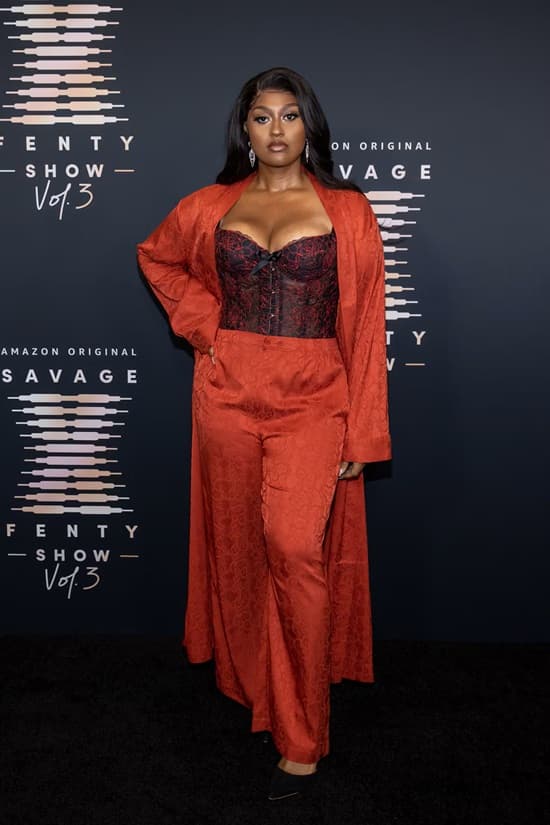 Photo: Emma McIntyre/Getty Images
However, when one silhouette becomes so dominant that it influences how other outfits are judged, it is important to remember that fashion should not have only one acceptable shape.
A relaxed dress is not incomplete simply because it lacks a fitted waist.
A loose shirt does not require a corset to be fashionable. Sometimes, an outfit succeeds precisely because nothing extra has been added.
While structured clothing remains popular, there is also growing appreciation for simpler dressing.
Minimalist dresses, relaxed trousers, plain shirts, and uncomplicated silhouettes are increasingly discussed in conversations about personal style.
For example, the renewed appeal of minimalist dresses is attributed to clean lines, quality fabrics, and limited embellishment, which help them remain relevant.
The appeal isn’t about avoiding trends, but about choosing clothes that don’t rely on excessive details to make an impression.
This approach is refreshing.
A well-made white shirt can be worn with jeans, tailored trousers, a skirt, or shorts. The same dress can suit brunch, a meeting, or an evening out, depending on accessories.
These pieces allow for personal interpretation without requiring complex styling.
Simple dressing keeps the wearer central.
Rather than the outfit drawing all attention, the focus shifts to individual style, personality, and presence.
This is not a call to abandon interesting fashion, but an invitation to appreciate clothes that do not need to stand out loudly.
A simple outfit can still be memorable, featuring an interesting neckline, quality fabric, unique sleeves, or a well-placed detail. The difference is that the design does not rely on multiple competing elements.
The most important aspect of simple dressing is that it allows for individuality. Two people can wear the same white shirt and black trousers and look entirely different.
One may choose pointed heels and a structured handbag, while another prefers flat sandals and a woven tote. Neither needs a complicated styling formula to look well dressed.
When Did Getting Dressed Become So Complicated?
Consider how often outfits are now described as needing styling.
A dress is no longer just a dress; it requires specific shoes, a particular handbag, the right undergarment, and sometimes an extra layer to achieve the intended shape.
Even everyday clothes can carry expectations about how the body should look.
This can diminish the enjoyment of fashion.
Instead of simply choosing what feels right, people may question whether an outfit is current, flattering, or interesting enough.
Practicality is also a concern.
Not everyone wants to spend time adjusting a fitted bodice, arranging layers, or checking a garment’s fit throughout the day.
Some prefer to put on a dress, grab a bag, and leave. Others choose loose-fitting clothes for freedom of movement, especially during long days or travel.
Fashion should be able to accommodate these differences.
The popularity of relaxed styling, often called low-energy dressing, reflects interest in softer silhouettes, uncomplicated basics, and clothes that require little preparation.
Harper’s Bazaar has discussed this trend in the context of digital fatigue, social expectations, and the appeal of making fewer decisions about appearance.
This development is notable because it challenges the idea that looking good requires significant effort. A simple outfit can be a deliberate fashion choice, not a sign of neglecting appearance.
It is important to distinguish between the popularity of corset dresses and the pressure to wear them. Corsetry has a long history in fashion, and its return as outerwear is a creative development worth appreciating.
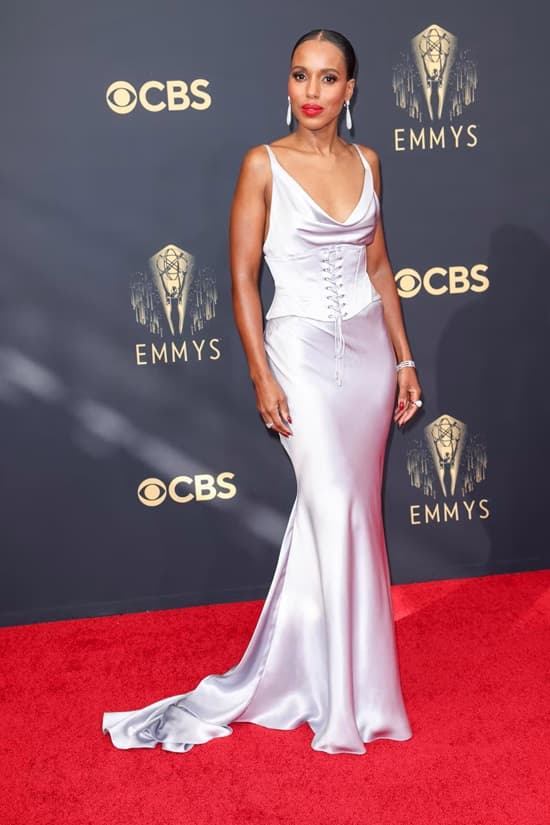 Photo: Jay L. Clendenin/Los Angeles Times/Getty Images
Historically, corsets helped shape the silhouette beneath women’s clothing.
The Victoria and Albert Museum explains how Victorian corsets, alongside garments such as crinolines and bustles, helped create the distinctive proportions associated with nineteenth-century fashion.
Today, designers take a different approach.
Some use visible boning as decoration, while others add structured bodices to dresses without requiring traditional tight lacing.
For example, corset-inspired tops pair with denim, tailored trousers, or skirts, making them relevant in modern wardrobes.
The modern corset can be romantic, dramatic, playful, or understated, and appeals to those who appreciate its shape and construction. Popularity alone is not a reason to dismiss a fashion trend.
The issue arises when a particular look shifts from being a choice to an expectation.
A woman should wear a fitted dress because she likes the design, not out of obligation to define her waist. Similarly, those who prefer oversized clothing should not feel pressured to add structure to be accepted.
Fashion becomes restrictive when people dress to meet unspoken standards rather than their own preferences.
This discussion relates to the long history of body shaping in women’s clothing.
The corset has represented beauty, social status, discipline, and personal expression at various times. Today, its complex relationship with restriction and choice remains a topic of discussion.
The key distinction is that wearing a corset should be a personal choice, not a requirement for being fashionable.
Why Comfort Deserves a Place in Fashion
Comfort is often seen as incompatible with style, but that view is outdated. A garment can be comfortable, well-constructed, and visually appealing at the same time.
A linen dress on a warm afternoon does not require a fitted bodice or elaborate details.
Fabric, length, and cut can create an appealing look without restricting movement. The same principle applies to a relaxed cotton shirt, wide-leg trousers, or a simple knitted dress.
This is especially relevant in climates where weather shapes daily clothing choices.
In Lagos, for example, heat and humidity make heavy layering and restrictive outfits impractical. Breathable fabrics, comfortable footwear, and movement-friendly cuts are practical, not compromises in style.
There is a difference between wearing clothes that fit well and those that require constant adjustment. Clothing should allow people to go about their day without constant worry.
A fitted dress can be comfortable if well-designed and made from suitable fabric.
A corset top can be effective when it offers support without discomfort. This standard should apply to all garments, regardless of silhouette.
Comfort does not require shapeless clothing or sacrificing presentation. It involves understanding what suits your body, routine, and the occasions you dress for.
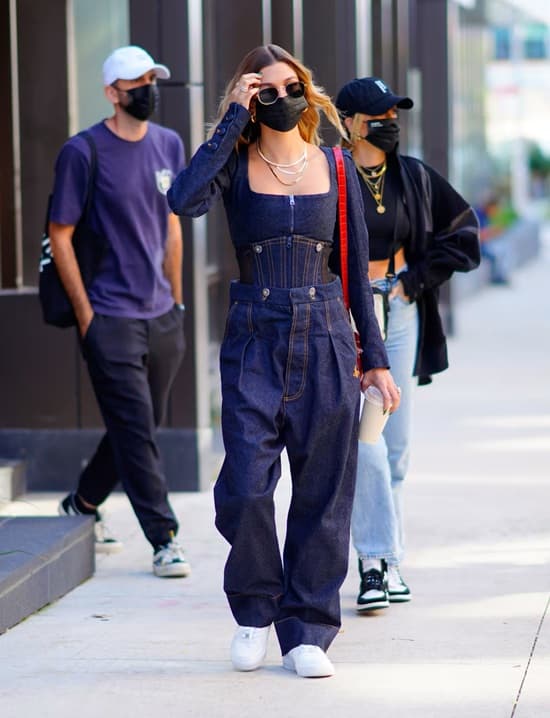 Photo: MEGA/GC Images/Getty Images
A common misconception is that minimalist dressing is boring. In fact, simple clothing often highlights details that might otherwise go unnoticed.
Fabric quality, fit, stitching, finishing, and proportion are more important when a garment lacks decorative elements.
A plain shirt made from quality cotton and a thoughtful cut can become a wardrobe favourite, while a poorly made one may look ordinary.
The same principle applies to dresses.
A black midi dress with a clean neckline and defined shape can be more versatile than an elaborate design suited to a single occasion. Properly tailored trousers can elevate a simple top without extra styling.
Colour is also important.
Black, white, cream, navy, brown and grey are versatile wardrobe foundations. However, simple dressing does not require limiting yourself to neutrals.
A red dress, blue shirt or yellow skirt can be equally uncomplicated if the cut and styling are straightforward.
The goal is to understand how individual pieces work together. Rather than buying clothes solely because they are popular, consider whether they complement your existing wardrobe.
This approach also simplifies getting dressed.
When most clothes coordinate, creating outfits is less demanding. You can repeat pieces, experiment with combinations, and develop a recognisable style without frequent new purchases.
How to Make Simple Dressing Work Without Looking Boring
For those interested in a simpler approach to dressing, the first step isn’t necessarily buying new clothes, but making better use of what you already have.
Start with pieces that fit properly.
A simple outfit looks better when trousers are the right length, shirt shoulders sit correctly, and a dress follows the body comfortably. Good fit makes a greater impact than adding multiple fashionable details.
Pay attention to fabric.
Cotton, linen, silk, denim and quality knitwear add character to simple outfits. How a fabric falls, moves, and holds its shape affects a garment’s overall appearance.
Accessories can change an outfit’s direction without adding complexity. Gold earrings, a leather belt, a structured handbag or distinctive shoes can provide enough detail to complete a simple look.
For example, consider these everyday outfit combinations:
- A crisp white shirt, straight-leg blue jeans and leather sandals.
- A black sleeveless dress with simple gold jewellery and a structured handbag.
- Wide-leg tailored trousers, a fitted cotton top and pointed flats.
- A relaxed linen dress with understated earrings and flat sandals.
- A plain tank top, an oversized blazer and well-fitted denim.
- A simple midi skirt paired with a lightweight knit top and classic heels.
None of these outfits requires a corset, dramatic waist shaping, or multiple layers of styling. Each can suit different occasions with small changes to accessories and footwear.
The goal is not to remove personality from fashion, but to recognise that personality does not always require an elaborate outfit.
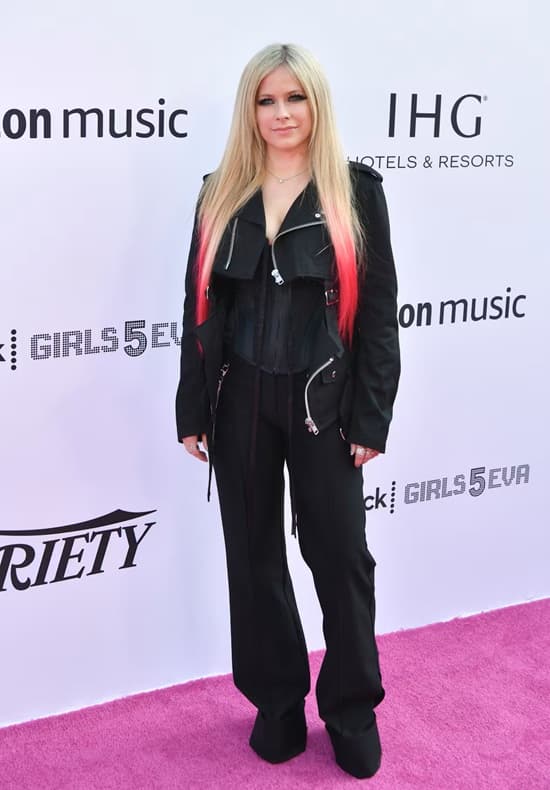 Photo: Rodin Eckenroth/FilmMagic/Getty Images
Fashion is interesting because people approach it differently.
Some enjoy dramatic dressing, statement gowns, sculpted silhouettes, unusual accessories and attention-grabbing clothes. Others prefer neutral colours, relaxed fits and timeless pieces.
Both approaches are valid.
The fashion industry accommodates both those who choose a dramatic corset gown for dinner and those who prefer a simple slip dress.
It also welcomes people who shift between these preferences based on mood, occasion, or how they feel that day.
Trends are not the problem; they offer fashion designers opportunities to experiment and consumers new ideas. The issue arises when trends dictate what is fashionable at the expense of personal preference.
A wardrobe should reflect its owner, accommodating different moods, lifestyles, body shapes, and practical needs.
Someone with a busy schedule may prefer low-maintenance clothes, while others may see fashion as an opportunity to experiment with elaborate designs.
Neither person needs to justify their choices.
This is especially relevant when considering body-conscious clothing. Not everyone wants to emphasise their waist, highlight their curves, or wear garments that create a specific silhouette.
Some feel confident in oversized shirts and relaxed trousers, while others prefer fitted dresses and structured tops. Personal style should accommodate both, without implying that one is more fashionable than the other.
We can appreciate a beautiful corset dress without making it the standard by which all other outfits are judged.
The Future of Dressing: More Choice, Less Pressure
Looking ahead, the future of fashion may not be about choosing between corsets and simple clothing, but about allowing different styles to coexist without constant competition for attention.
Designers can experiment with sculpted bodices, dramatic proportions and historical references, while also creating clothes that prioritise movement, comfort and versatility.
The fashion landscape has room for elaborate eveningwear, relaxed tailoring, minimalist dresses and everyday basics.
Consumers are increasingly mindful of their purchases.
Buying a popular garment does not always mean it will be worn regularly. People are placing greater value on quality, versatility, and how an item fits into their existing wardrobes.
For fashion brands, this is an opportunity to look beyond the immediate appeal of trends.
Effective design does not always require complicated construction. Often, the most valuable garment is the one people reach for repeatedly because it fits well and suits various occasions.
The return of simpler silhouettes, minimalist dresses, and relaxed styling shows that fashion is not limited to one look. Even as corsetry gains renewed attention, other approaches to dressing remain relevant.
A healthy fashion landscape allows people to experiment when they wish, dress simply when they prefer, and feel no pressure to follow every new aesthetic.
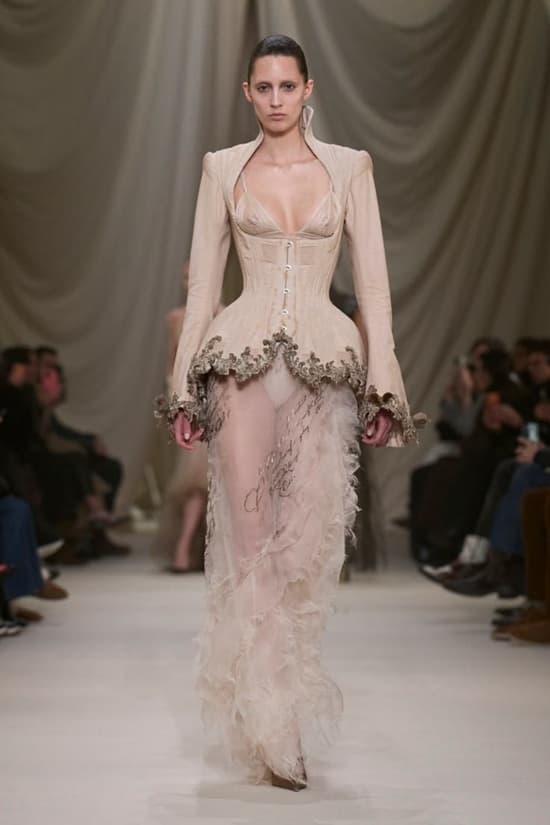 Photo: Rodin Eckenroth/FilmMagic/Getty Images
Fashion should be enjoyable. It should offer possibilities, not impose another set of expectations.
Not every outfit needs a corset.
Not every dress must be fitted.
Not every top should define the waist, and not every casual look needs to be styled for a fashion campaign.
There is beauty in a well-made shirt, a simple dress, a perfectly fitting pair of jeans, and an outfit that requires little thought. These pieces may not generate the loudest reactions online, but they often become the clothes people love and wear most.
The rise of the corset dress is an interesting chapter in contemporary fashion and should not be dismissed. However, its popularity should not diminish the appeal of other silhouettes.
Ultimately, good personal style is not measured by how many trends someone follows or the effort involved in assembling an outfit. It is about knowing what you like, understanding what works for you, and having the freedom to wear it.
Sometimes, all you need is a good dress, comfortable shoes, and a handbag that brings everything together.
A corset is not required.
Photo: Gotham/GC Images/Getty Images
You May Also Like:
Skirts are Seriously Getting Renewed Appeal for Spring 2027
How to Build a Practical Plus-Size Capsule Wardrobe
Mary Janes Are Having a Major Fashion Moment. Here’s How to Style Them
The Naked Shoe Trend May Be Changing the Footwear Game
Olive is the New Black: How to Wear Fall 2026’s Dreamiest Colour Trend
Stirrup Pants Are Back: The Retro Silhouette Replacing Barrel Jeans
The Outfit Problem Nobody Talks About: What to Wear Between Seasons
The Belt Collection Your Wardrobe Has Been Missing
Headbands are Back: Here's How Fashion Girls are Wearing Them
"Wrong Shoe Theory" is Now a Thing, and it’s Changing How We Dress
How to Style Bermuda Shorts Like a Fashion Editor
I Love Minimalist Fashion, but Pattern Block Keeps Pulling Me Back


Esther Ejoh is a Fashion Editor at Fashion Police Nigeria, where she writes all things fashion, beauty, and celebrity style, with a sharp eye and an even sharper pen. She’s the girl who’ll break down a Met Gala look one minute, rave about a Nigerian beauty brand the next, and still find time to binge a movie or get lost in a novel. Style, storytelling, and self-care? That’s her holy trinity.