Published: November 17, 2026 Last Updated 18 seconds ago by Evelyn Adenike
Starting a fashion label can begin with something as simple as a sketch, an interesting fabric, or a desire to create clothes that are difficult to find elsewhere.
For many aspiring fashion designers, the first collection is the exciting part.
There is the process of developing designs, selecting fabrics, making samples, and imagining how customers will respond when the pieces finally become available. But turning that creative idea into a functioning business is a different experience.
Building a Nigerian fashion label requires more than knowing how to design or sew clothes.
Founders have to understand their customers, find reliable production support, manage expenses, establish prices, and figure out how to sell consistently.
Even a collection that gets attention online still needs a business structure that can turn interest into actual sales.
The Nigerian fashion industry also presents challenges that can make this process more demanding.
Access to materials, reliable electricity, production facilities, funding, and distribution can affect how much a young brand can achieve with its available resources.
For anyone considering building a Nigerian fashion label, knowing these realities is important. Behind every finished collection is a series of business decisions that determine whether a brand can move beyond its first launch.
From a Fashion Idea to a Product People Want to Buy
The first major decision is establishing what the brand will actually offer.
Having an interest in fashion is a starting point, but a business needs a clearer direction.
A designer must decide whether the label will focus on ready-to-wear, bespoke clothing, occasionwear, menswear, accessories, or a particular category of fashion.
This decision influences almost everything that follows, including the customers the brand wants to attract, the materials it needs, and the kind of production support required.
A label producing bespoke occasionwear, for example, will operate differently from one selling ready-to-wear collections.
Bespoke clothing involves individual consultations, measurements, fittings and adjustments, while ready-to-wear requires the designer to develop standard clothing sizes, estimate demand and produce garments before knowing exactly how many customers will purchase each piece.
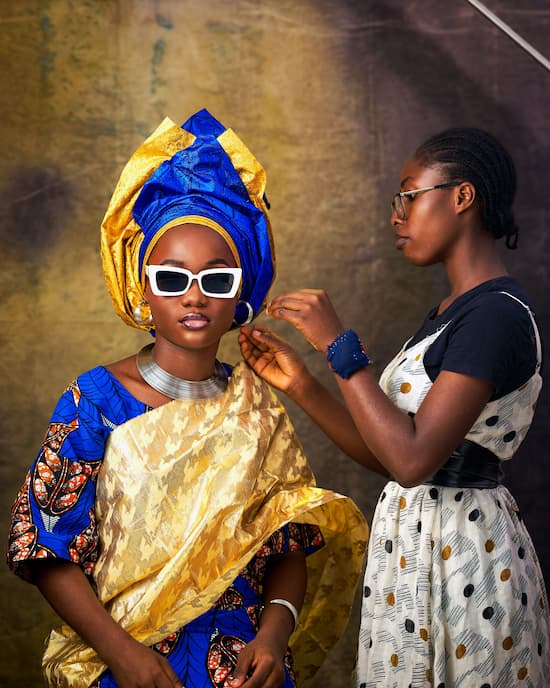 Photo: Pexels
The founder also needs to understand the intended customer.
What does that customer usually buy?
How much can the customer reasonably spend?
Which clothing problems does the brand intend to solve?
These questions help prevent a common early mistake: producing an entire collection based on personal taste without establishing whether a market exists for it.
A September 2026 feature by Guzangs, Building Around Broken Systems, explored the experiences of emerging West African designers, including GDWN founder Godwin Okoruwa.
The feature described how Okoruwa initially built his fashion business through experience, personal relationships, and an understanding of what people were wearing.
His earlier streetwear venture attracted customers among friends and fellow students before he took GDWN in a different direction. The designer’s experience illustrates how observing potential customers can help a designer identify opportunities before committing to a larger business.
Once the brand has a clear direction, the next task is turning its ideas into products. This involves sourcing fabrics, finding suitable tailors or production specialists, developing patterns and making samples.
Sampling is particularly important because a design that looks convincing in a sketch may require several adjustments before it works as a finished garment.
A designer must check the fit, measurements, construction, fabric behaviour and finishing before approving a sample for production. Skipping this stage can create expensive problems when a brand begins receiving orders.
Poor sizing, inconsistent stitching or unsuitable materials can lead to returns, complaints and extra production costs.
 Photo: Pexels
Sourcing also requires more than finding a fabric that looks attractive.
The designer needs to consider availability, quality, price, and whether the supplier can provide the same material consistently. A fabric that becomes unavailable halfway through production can delay orders or force the brand to change its original design.
These decisions become more complicated in Nigeria, where local production infrastructure still faces limitations.
In a 2025 Vogue article, designer Tia Adeola discussed relocating her supply chain to Nigeria after spending a decade building her brand in New York.
She described having to be physically present to inspect production because some parts of the local infrastructure were not yet developed enough to support the level of oversight she needed.
The article also examined wider challenges involving power supply, logistics, technical training and textile manufacturing across the region.
For a new founder, this means production planning cannot rely on assumptions.
The business needs dependable working relationships with fabric suppliers, pattern makers, tailors, photographers and other specialists. Some brands begin with a small production team, while others outsource different parts of the process.
Either way, the founder must know who is responsible for each stage and how much each service costs.
The Business Decisions that Determine if a Fashion Label Can Grow
One of the most important parts of building a Nigerian fashion label is understanding the cost of producing each item.
A designer who calculates prices using fabric and sewing costs alone may underestimate what it takes to run the business.
The full cost of a garment can include fabric, lining, buttons, zips, labels, sewing, pattern development, packaging, electricity, transportation, and other production expenses.
There are also business costs such as photography, marketing, website maintenance, staff payments, and delivery arrangements.
 Photo: Pexels
These expenses need to inform the selling price.
If a brand charges customers less than it costs to produce and sell its garments, increasing sales will not necessarily improve its financial position. The business could become busier while losing money on every order.
Pricing also requires an understanding of the intended customer.
A label targeting customers who regularly buy premium ready-to-wear will approach pricing differently from one selling affordable everyday clothing.
The founder must balance covering business expenses with offering products customers are willing to buy.
Cash flow presents another challenge.
A brand may receive several orders in one week but still struggle to pay for materials or production if customers have not completed their payments.
This is one reason some emerging labels use pre-orders or made-to-order production.
These models can help reduce the amount of money tied up in unsold stock, although the brand must communicate realistic delivery timelines and manage customer expectations.
Marketing is another part of the business that requires more thought than simply posting attractive photographs.
Instagram, TikTok and WhatsApp can help a new label introduce its products, communicate with customers and receive orders without immediately opening a physical store. However, visibility does not automatically translate into sales.
A brand also needs clear product descriptions, accurate prices, good photographs, accessible ordering information and reliable customer service. Customers should know what they are buying, how to place an order, when to expect delivery, and what happens if an item does not meet expectations.
The experience of Orange Culture offers a useful example of how a Nigerian fashion label’s selling strategy can change as the business develops.
In a 2025 interview, founder Adebayo Oke-Lawal discussed the brand’s decision to move away from wholesale and focus on direct-to-consumer sales.
Wholesale had previously accounted for about 60 percent of the brand’s sales, but concerns about unpaid invoices and large order requirements led the Nigerian fashion brand to prioritize its own sales channels.
The change shows why a distribution arrangement that appears attractive may not always make financial sense for a fashion business.
For a new label, choosing where to sell is an important business decision.
Selling through social media, an independent website, pop-up stores, fashion markets, or retail partners comes with different costs and responsibilities.
The right approach depends on the product, customer base, and resources available to the brand.
Funding is another consideration.
Some founders finance their businesses through personal savings, income from other jobs, family support, or money reinvested from early sales.
Others pursue grants, investors, or business partnerships. Each option has its own conditions, and external funding does not remove the need for a clear business plan.
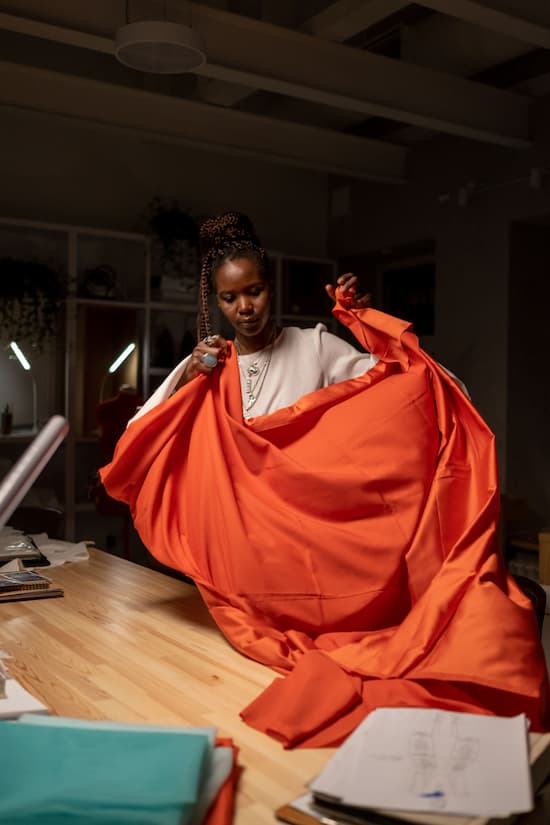 Photo: Pexels
As a fashion brand begins to attract more customers, its responsibilities increase.
The founder may need additional production staff, better inventory management, more organised bookkeeping and clearer agreements with suppliers and creative collaborators.
Informal arrangements that work for a small operation can become difficult to manage when orders increase.
Growth should also be measured beyond social media followers and public recognition.
A successful fashion collection launch is encouraging, but the business must still be able to fulfill orders, cover expenses, pay its workers, and maintain customer relationships.
A brand that produces more clothing than it can sell may end up with money tied up in unsold stock. Another that accepts more orders than its production team can handle may struggle with delays and inconsistent quality.
Building a Nigerian fashion label from scratch is a gradual process of testing decisions, understanding customers, and improving the way the business operates.
A designer may begin with a small collection and a limited team, but the long-term objective should be to create a business that can operate beyond the founder’s daily creative input.
A strong fashion label needs a recognisable design direction, but its future also depends on the systems supporting it.
The clothes may introduce customers to the brand.
Production, pricing, customer service, and sound business decisions are what give the label a chance to stay in business.
Photo: Pexels
You May Also Like:
The African Boubou Is Having Its Fashion Moment

Rendoll's SS27 Collection Makes a Case for Dressing for Every Moment
12 Things We Want to See From African Fashion Brands in 2027
Sarah Diouf Gave Prints a New Meaning at GTCO Fashion Weekend in Lagos
Let's Talk About Imane Ayissi's Collection at the 2026 GTCO Fashion Weekend
The African Girlie Starter Pack To Follow

AFRIFF at 15: Africa's Biggest Film Festival Just Doubled Down on the Future
Lagos Fashion Week Day 4: Closing the On-site Runway in Style
Lagos Fashion Week Day 3: The People and Designs Moving Fashion Forward Beyond Craftsmanship
Lagos Fashion Week Day Two: Insights, Industry, and Runway Highlights
Oshobor Reimagined Wool and Breezy Feathers into Cute Pieces at Lagos Fashion Week
Inside Kilentar's SS27 2026 Lagos Fashion Week Show


Evelyn Adenike is an Associate Beauty Editor at Fashion Police Nigeria, where she covers all things beauty, from the glossiest nail trends to the best skincare finds. With a soft spot for storytelling and an eye for what’s fresh, she brings creativity and just the right dash of drama to every post. If it’s bold, beautiful, and blog-worthy, Evelyn’s probably already writing about it.