Published: November 24, 2026 Last Updated 17 seconds ago by FPN
An African bride may spend months searching for the perfect wedding outfit, comparing fabrics, silhouettes, and fashion designers, and collecting dress inspirations.
Yet, it is often the accessories that make the look truly memorable.
A beautifully tailored iro and buba, a richly embroidered gown, or a modern take on traditional attire may provide the foundation, but accessories give the outfit the main character.
A carefully tied gele, coral beads, statement earrings, or embellished sandals can transform a bride’s appearance and confidence. These details are not last-minute additions; in many African cultures, the bridal accessories carry stories of family, heritage, identity, and celebration.
This cultural significance makes African bridal accessories especially compelling.
Across Nigeria, Ghana, and other regions, bridal pieces often hold meanings beyond their appearance.
Some represent royalty and prosperity, others showcase traditional craftsmanship, and some serve as personal keepsakes marking a significant transition.
Contemporary brides approach these traditions in diverse ways.
Some embrace every traditional element, while others blend indigenous accessories with modern gowns and jewellery. This has led to a wider range of bridal looks that celebrate African identity and individual style.
From the structured folds of the Yoruba gele to the striking Igbo and Edo coral beads, these are the African bridal accessories that complete a wedding look.
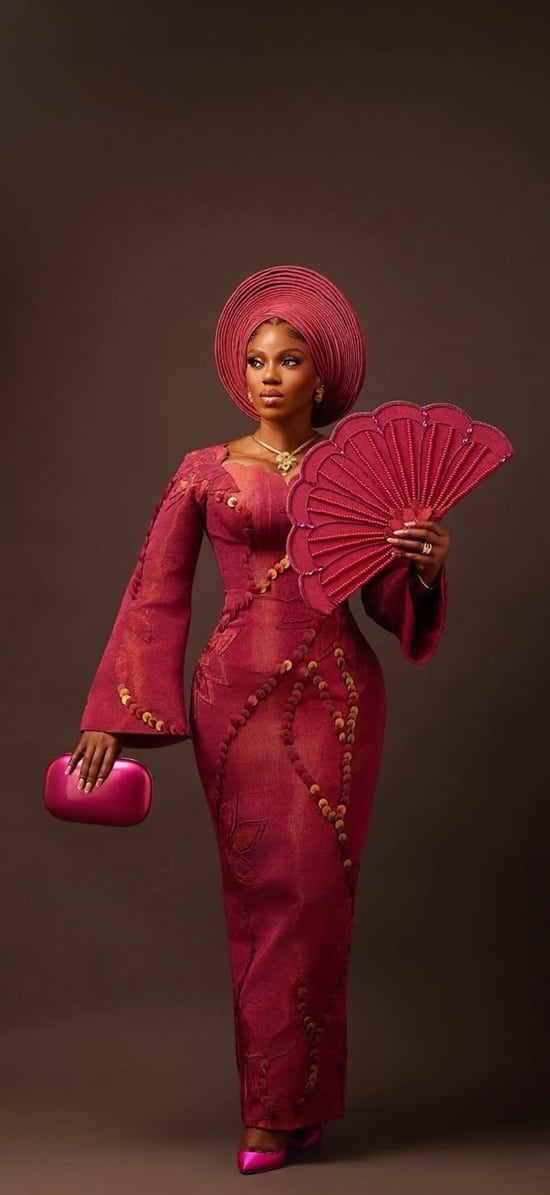 Photo Courtesy
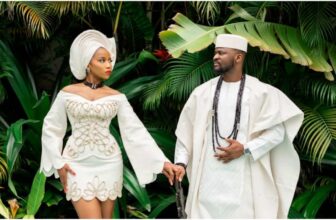
The gele is one of the most recognisable African bridal accessories, especially in Yoruba weddings. More than a headwrap, it is a key element that completes the bride’s appearance.
Traditionally made from fabrics such as aso-oke and brocade, the gele is folded and arranged into various shapes. Depending on the fabric and technique, it may feature dramatic fans, rounded forms, layered folds, or sculptural designs.
Some are simple, while others rise high above the head to create a bold silhouette.
Tying a gele requires significant skill. Achieving the right shape depends on understanding the fabric, its structure, and how the folds frame the bride’s face.
For this reason, professional gele artists are often involved in bridal preparations. A well-tied gele should remain secure throughout the ceremony, photographs, greetings, and dancing.
Contemporary gele styling has introduced experimental shapes and proportions.
Some brides choose oversized designs as the focal point, while others prefer smaller, understated versions. Metallic fabrics, embellished aso-oke, and coordinated colours have expanded styling options.
For brides who prefer less volume than a traditional gele, fascinators, structured headpieces, and beaded crowns are alternatives.
These are especially useful when transitioning between traditional and white wedding ceremonies. The chosen accessory should always complement, not compete with, the overall outfit.
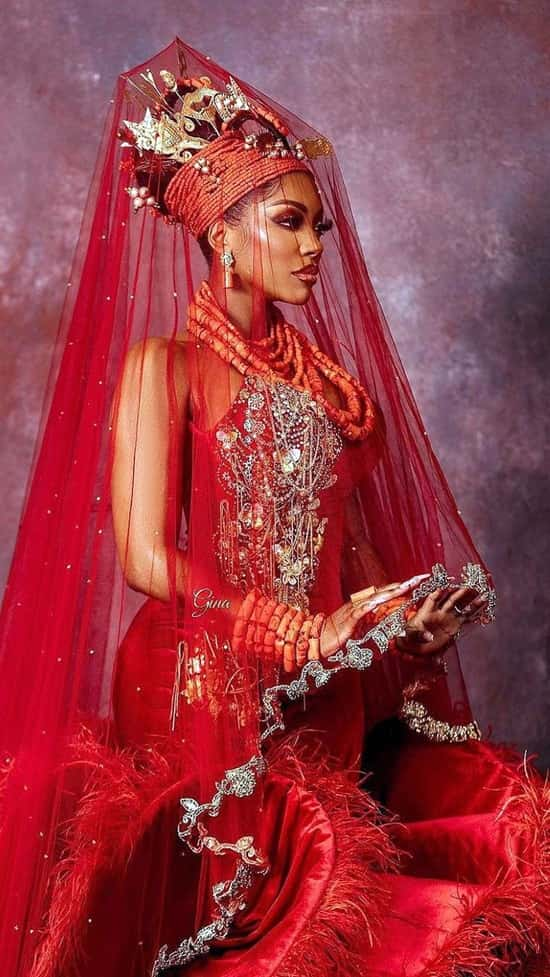 Photo Courtesy
Coral beads are another key African bridal accessory, especially in Igbo and Edo weddings.
Their significance extends beyond decoration, symbolizing royalty, wealth, prosperity, heritage, and cultural identity.
For an Igbo bride, coral beads are often central to her traditional wedding look. They may be worn around the neck, wrists, and head, creating a layered effect that complements her attire.
The arrangement and quantity of beads vary by family tradition and ceremony.
Edo bridal attire is also closely linked to coral regalia.
An Edo bride typically wears elaborate coral bead necklaces, bracelets, and a distinctive crown or headpiece. These elements reflect the historical significance of coral in the Benin royal court and its association with status and royalty.
The visual impact is striking, as multiple strands of coral add texture and colour, especially with richly decorated attire. However, many contemporary brides now consider comfort as well as tradition.
Authentic coral can be heavy, particularly when layered for long ceremonies, so some brides opt for lighter alternatives, curated sets, or a mix of traditional and modern jewellery.
It is important to understand the cultural significance of each piece.
Coral beads are not just colourful accessories chosen for their appearance. In communities where they hold meaning, a bride’s jewellery may also reflect family customs and expectations.
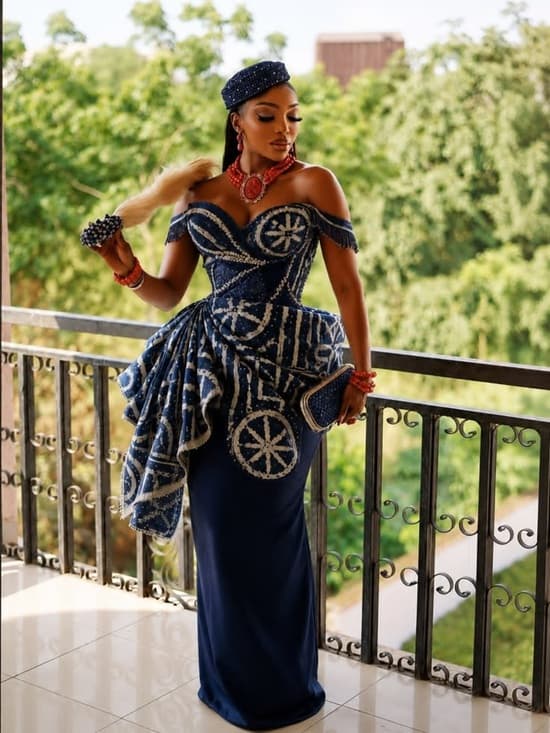 Photo Courtesy
Beyond coral, other traditional jewellery also plays a significant role in African bridal styling.
Gold necklaces, sculptural earrings, bangles, and bracelets can complete an outfit, depending on the bride’s cultural background and preferences.
Yoruba brides often choose gold jewellery, especially with aso-oke, lace, or richly decorated iro and buba. Statement earrings highlight the face, while layered necklaces and bracelets add detail without overwhelming the outfit.
The key is to consider the entire look before selecting jewellery.
If the gele is particularly elaborate, smaller earrings may provide enough detail. If the neckline is simple, a more prominent necklace can become the main accessory.
Brides wearing heavily embellished fabrics may also prefer to keep their jewellery relatively restrained.
For white wedding dresses and reception outfits, many brides change into lighter jewellery.
Crystal earrings, delicate gold pieces, pearl necklaces and mixed-metal designs can create a different appearance while still maintaining a connection to the overall bridal aesthetic.
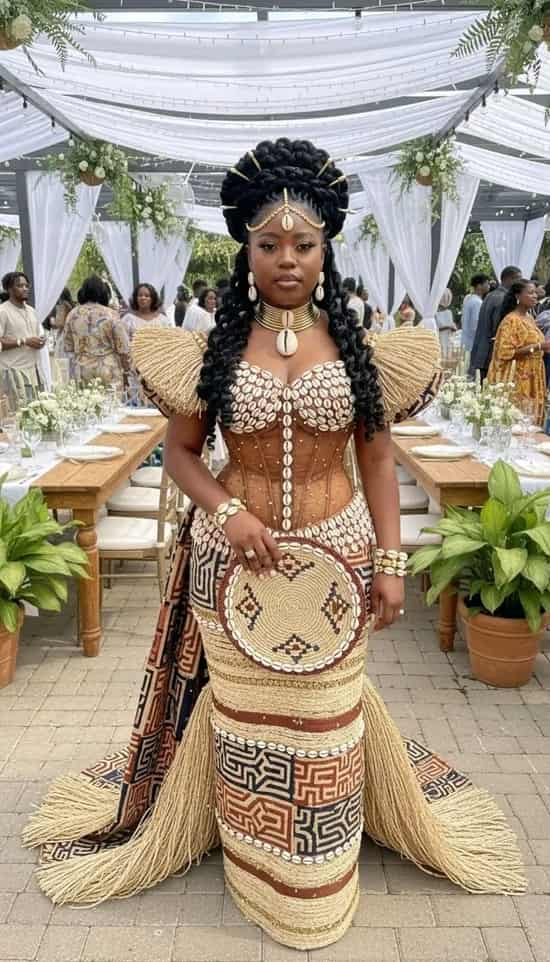 Photo Courtesy
Hand fans are another detail that deserves more attention when discussing African bridal accessories.
Although these types of accessories serve a practical purpose, particularly during outdoor ceremonies and celebrations in warm weather, they can also become an important part of the bride’s presentation.
Traditional hand fans come in various materials, shapes, and designs. Some are made from woven fibres, while others feature fabric, feathers, beads, or decorative handles.
Contemporary versions can be customised with the couple’s names, wedding date, initials, or culturally significant patterns.
A well-chosen fan can complement the bride’s outfit and add colour and texture. It also serves as a beautiful detail in wedding photographs, especially when the bride is seated, walking, or participating in rituals.
Some brides select fans that match their gele or fabric, while others choose contrasting colours for emphasis. The key is to ensure the design complements the overall outfit.
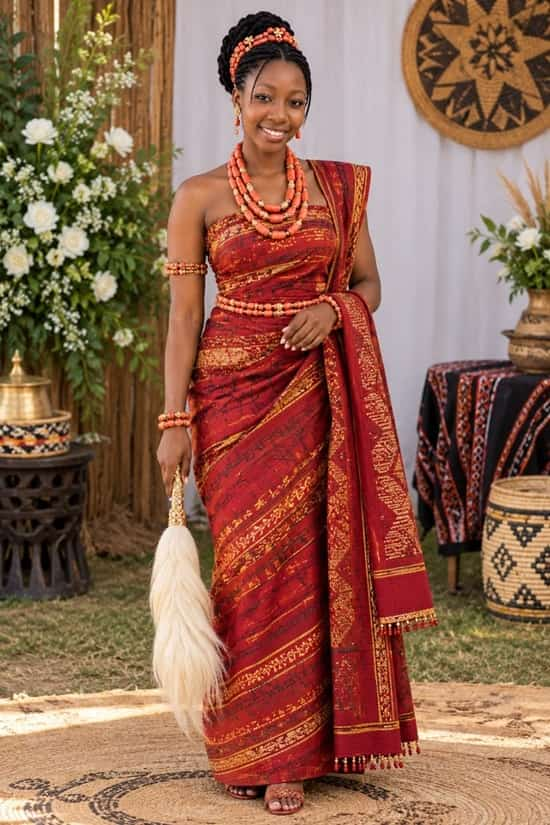 Photo Courtesy
Footwear is another essential aspect of the bridal look.
African weddings often require hours of standing, greeting guests, moving between venues, and dancing. Brides need shoes that are both stylish and practical.
Embellished heels are popular for both traditional and white wedding outfits.
Crystal details, pearls, metallic finishes, and beadwork can complement the bride’s dress. Block heels are also suitable, especially for outdoor ceremonies or venues where narrow heels are impractical.
Some brides opt for sandals or traditional slippers, especially with more relaxed traditional outfits. These may feature leather, embroidery, beads, or metallic accents.
Brides should consider having more than one pair of shoes.
Starting the day in elaborate heels for photos and the ceremony, then switching to comfortable footwear for the reception, allows for greater comfort throughout the celebration.
When selecting bridal footwear, consider not only colour but also height, fit, material, and construction. Shoes that look beautiful but cause discomfort can distract from enjoying the day.
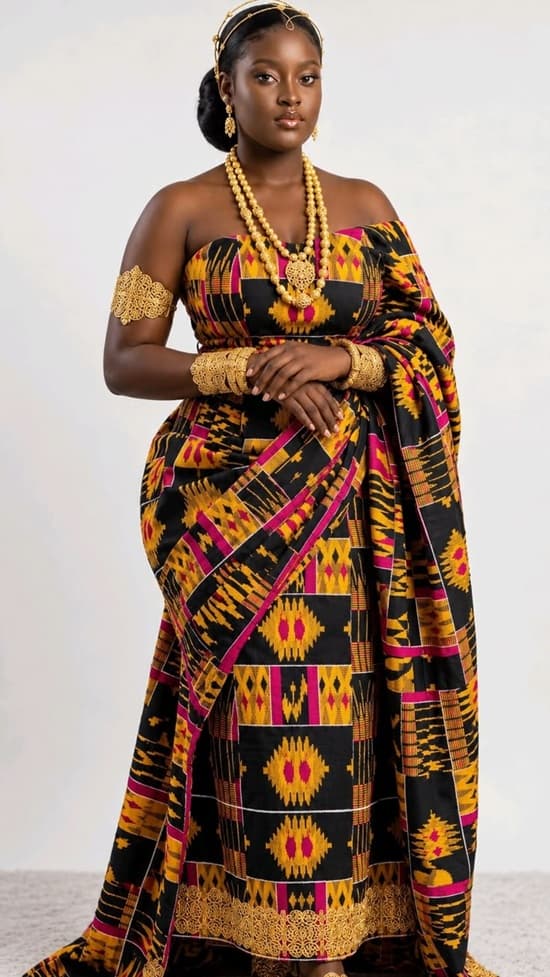 Photo Courtesy
Waist beads add a personal dimension to African bridal accessories.
Unlike a gele or statement necklace, they are usually worn discreetly beneath clothing. Their significance varies, symbolizing femininity, beauty, fertility, protection, or personal expression.
In some traditions, waist beads mark different stages of a woman’s life. Others choose them for their appearance or personal significance.
Contemporary bead makers offer customised designs in various colours, materials, and decorative details. Some brides select beads to match their wedding colours, while others choose designs with personal significance.
Waist beads are a personal choice, so there is no required style for every bride. The selection should reflect her preferences and any cultural traditions she wishes to honour.
Handbags and clutches may not be the first accessories brides consider, but they can add a useful finishing touch, especially for white weddings and receptions.
A small structured clutch holds essentials like a phone, lipstick, and tissues without drawing attention away from the outfit. Beaded, metallic, and embellished clutches are popular because these accessories complement formal bridal attire.
Some brides select bags adorned with crystals or pearls, while others prefer woven or fabric designs that reflect their traditional attire.
Choosing a clutch made from material similar to the bride’s outfit can create a coordinated look.
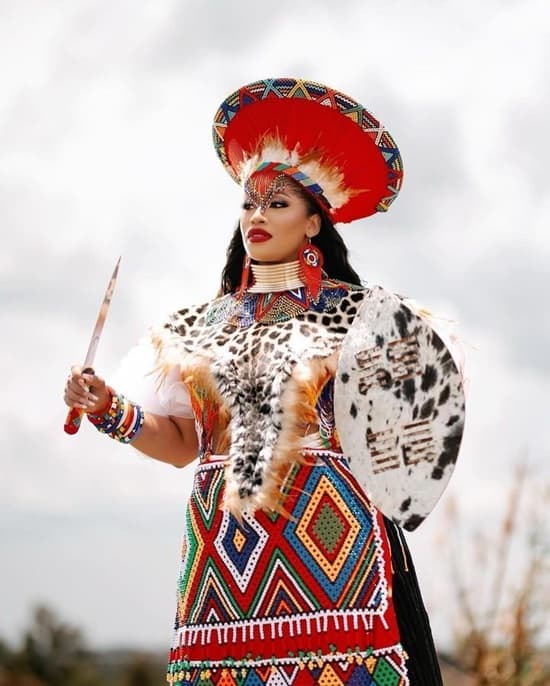 Photo Courtesy
In traditional wedding ceremonies, handbags are often less prominent since the outfit and other accessories draw most of the attention.
When the bride changes into a simpler reception dress, a well-chosen bag can become a key part of her look.
The beauty of African bridal accessories is rooted in the continent’s cultural diversity. While some pieces are found in multiple countries, their meanings, materials, and styling traditions often differ significantly.
For example, Ghanaian brides often incorporate kente into their traditional wedding attire.
The fabric’s colours and patterns hold cultural significance, especially within Akan traditions, and are often paired with gold jewellery, decorative headwraps, and selected beads.
Krobo glass beads are also significant in Ghanaian jewellery traditions.
Crafted using established techniques, they come in various colours and patterns and can be used in bridal necklaces, bracelets, and other accessories.
In South Africa, traditional bridal styling reflects diverse cultural identities.
Zulu, Xhosa, and other communities have distinct clothing and beading traditions, with specific colours, patterns, and arrangements symbolising family, identity, and ceremonial life.
Beaded necklaces, headbands, and other decorative pieces are important elements of traditional bridal attire. Their significance varies by community and the customs observed.
These differences show that African bridal fashion cannot be defined by a single style.
Bridal accessories are often tied to a community’s history and traditions, so understanding their meaning is important rather than treating them as interchangeable decorations.
Modern African brides are more intentional in selecting accessories. Rather than wearing every available piece, many focus on proportion, comfort, and personal taste.
This shift has encouraged a more thoughtful approach to choosing African bridal accessories. A bride in a heavily embellished aso-oke outfit may highlight her gele and jewellery, keeping other accessories simple.
Conversely, a bride in a minimalist dress may use bold coral beads, statement earrings, and an elaborate headpiece for added visual interest.
There is increasing interest in selecting pieces that can be worn after the wedding.
Gold jewellery, beaded bags, sandals, and some headpieces can become part of a bride’s regular wardrobe. Many women now seek accessories with lasting value rather than single-use items.
The growth of contemporary African fashion designers and independent accessory makers has expanded options for brides.
They can now find customised headpieces, handmade bags, modern interpretations of traditional jewellery, and footwear designed to complement African wedding attire.
However, selecting beautiful accessories is only part of the process. They must also coordinate with the outfit, suit the ceremony, and ensure the bride’s comfort.
It is helpful to plan accessories alongside the wedding attire instead of waiting until the dress is finished. This approach makes it easier to coordinate the colour palette, neckline, fabric, headpiece, and jewellery.
A gele trial is especially important for brides planning to wear one.
Trying different styles before the wedding helps the bride and stylist determine which shapes and proportions best suit her face and outfit.
Jewellery should also be tested before the ceremony, especially if it includes multiple strands of coral or other heavy pieces. Brides should assess comfort and whether the accessories can be worn for several hours.
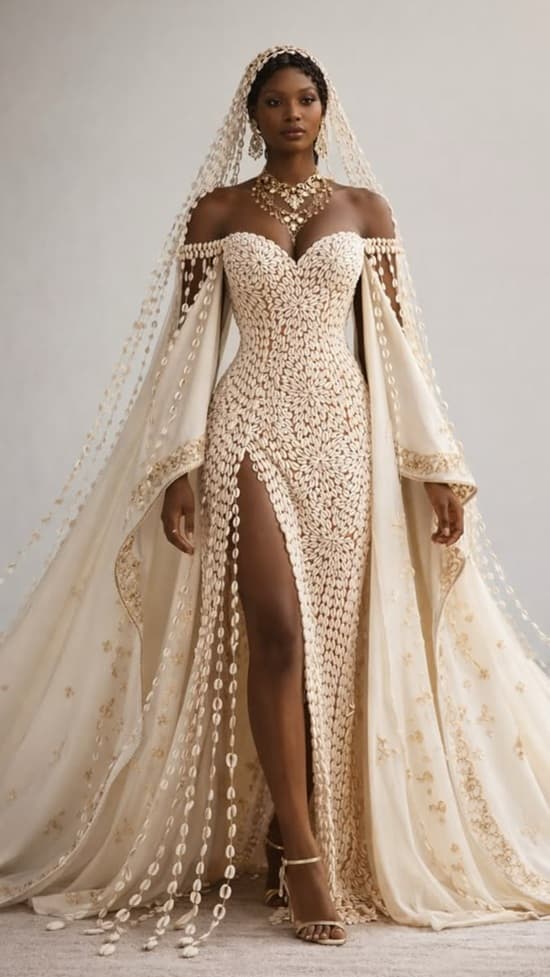 Photo Courtesy
Footwear fittings are equally important.
Walking in the shoes before the wedding helps identify sizing issues or discomfort. Having a second pair available is also practical.
Budgeting is also important.
Brides do not need to purchase every accessory to create a memorable look. A few well-chosen pieces can have more impact than an outfit crowded with details.
Ultimately, the accessories that complete an African bridal look are those that let the bride express herself while honouring meaningful traditions.
Whether she chooses a dramatic Yoruba gele, layers of Igbo coral beads, Ghanaian kente-inspired jewellery, or a blend of traditional and modern pieces, each accessory adds to the story of her wedding day.
An African bridal outfit is more than a dress or coordinated fabrics. It expresses identity, family, heritage, and personal style. The gele, jewellery, fan, footwear, and other details bring these elements together.
Photo Courtesy
You May Also Like:

Miley Cyrus Marries Maxx Morando in Intimate Palm Springs Wedding Ceremony
Your Guide to a Complete Nigerian Wedding Planning Checklist
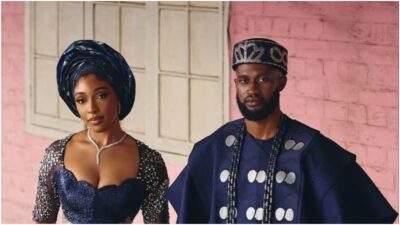
Traditional Wedding Outfit Ideas for Nigerian and Ghanaian Couples
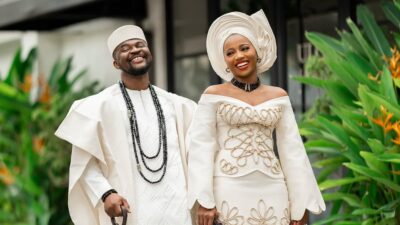
8 Interesting Marriage Rites in Africa You Didn't Know
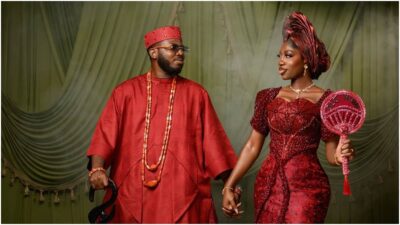
Top Wedding Dress Trends in Nigeria for 2026
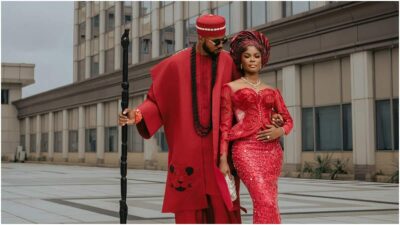
How to Choose the Perfect Wedding Photographer in Nigeria
Old Money Wedding Aesthetic: Everything You Need to Know
Top Wedding Cake Trends in Nigeria and Ghana

10 Best Honeymoon Destinations for African Couples

The Top African Wedding Decor Trends for 2026
How Much Does a Nigerian Wedding Cost in 2026?
Best Wedding Venues in Lagos, Abuja and Accra


Esther Ejoh is a Fashion Editor at Fashion Police Nigeria, where she writes all things fashion, beauty, and celebrity style, with a sharp eye and an even sharper pen. She’s the girl who’ll break down a Met Gala look one minute, rave about a Nigerian beauty brand the next, and still find time to binge a movie or get lost in a novel. Style, storytelling, and self-care? That’s her holy trinity.