Published: November 11, 2026 Last Updated 13 hours ago by FPN
African fashion has never lacked creativity, talent, or a strong sense of identity.
From the runways of Lagos Fashion Week to independent fashion designers building loyal communities on Instagram, the continent continues to produce collections that deserve attention far beyond its borders.
Traditional textiles are being reinterpreted, familiar silhouettes are receiving fresh treatments, and designers are finding new ways to communicate African culture through contemporary clothing.
Yet, as African fashion brands in 2026 gain more visibility and international recognition, there is another side of the industry that deserves just as much attention: the experience of actually building, buying from, and sustaining these brands.
There is no shortage of beautiful collections, striking campaign images, or impressive runway presentations. What we would love to see more of is the business structure behind them.
Can customers easily find and purchase the clothes? Are the sizes suitable for different body types? Do brands communicate clearly about production, pricing, and delivery?
Are fashion designers investing in the systems that will allow them to serve customers consistently, rather than only generating attention during fashion week?
These questions matter because the future of African fashion cannot depend on creativity alone.
A designer can produce an exceptional collection, receive international press coverage, dress celebrities, and attract thousands of social media followers, but those achievements mean little if customers cannot access the products or receive a consistent experience after placing an order.
This is not a list of criticisms.
It is a wishlist shaped by genuine admiration for African creativity and the belief that the industry can achieve much more.
As African fashion brands in 2026 continue to attract attention, we would love to see greater investment in inclusivity, transparency, manufacturing, customer experience, and commercial development.
These are the changes that could help turn individual creative success into a stronger fashion industry.
True Size Inclusivity Beyond Token Gestures
A persistent frustration for African consumers is the limited size ranges offered by many local labels.
Often, inclusivity means adding only one or two larger sizes as an afterthought, rather than designing from the outset for the full spectrum of body types across the continent.
African women and men have diverse proportions, including varying hip-to-waist ratios, bust shapes, heights, and builds, which standardised sizing systems rarely accommodate.
Inclusivity has become an important conversation in global fashion, yet it still needs greater attention across parts of the African fashion industry.
Many brands offer limited size ranges, overlooking the fact that African women and men have diverse body shapes and proportions.
Onalaja, for example, has attracted attention for its extended size offering, demonstrating that designers can approach sizing with a wider customer base in mind.
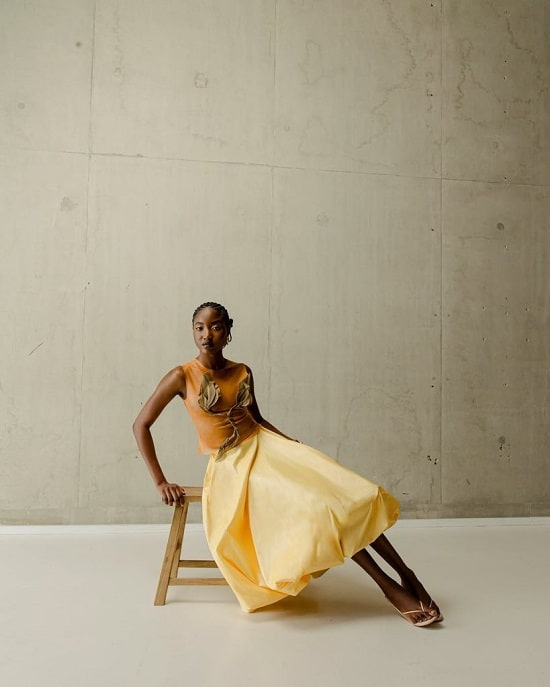 Photo: Orange Culture
We would love to see more African fashion brands in 2027 develop size charts based on African body data, offer consistent grading across collections, and treat extended sizing as a standard part of their design process.
While custom and made-to-order models are helpful, they should not be the only options available to customers who want a good fit.
Designing for different body types from the beginning improves fit, reduces returns, and builds customer loyalty.
Some labels are already adopting this approach.
Making it more common would benefit both designers and the people who buy their clothes.
Customers should be able to see themselves represented in the clothes they are expected to buy.
Radical Transparency About How Clothes Are Made
Consumers are becoming more informed about the products they purchase.
They want to know where fabrics come from, who makes their clothes, how workers are compensated, and what environmental impact production creates.
For African fashion brands in 2027, transparency should become an important part of communicating value.
Vague claims of handmade, sustainable, or ethically produced clothing are no longer enough. Customers want details that help them understand what those claims actually mean.
Greater transparency through clear sourcing stories, visible supply chains, and honest explanations of pricing would build trust.
It would also encourage better labour practices and make it easier for customers to distinguish brands with genuine production standards from those relying mainly on marketing.
Stronger Local Manufacturing and Value Addition
Africa produces significant quantities of cotton and other raw materials, yet much of the continent’s textile value chain remains underdeveloped.
Raw materials are frequently exported, processed elsewhere, and returned as finished products at higher prices.
This creates an imbalance: the continent has abundant creative talent and resources, but many designers still struggle to access reliable local manufacturing.
This challenge requires more than individual brand commitment.
Governments, investors, financial institutions, and industry organisations also have important roles to play.
African fashion businesses face structural challenges involving supply chains, regulations, access to capital, textile production, and international shipping.
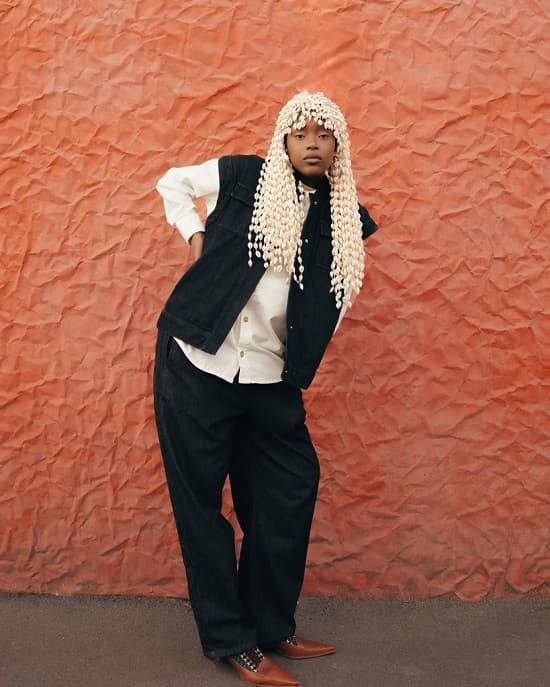 Photo: Chez nous
We would love to see African fashion brands in 2027 invest in local production facilities, partner with existing manufacturers, and support the development of spinning, weaving, and dyeing industries.
We want to see greater investment in the infrastructure needed to support African fashion brands in 2026 and beyond.
Initiatives such as the proposed Africa Textile Renaissance Plan and programmes supporting intellectual property protection demonstrate the importance of industry-wide development.
These efforts need sustained funding, practical implementation, and measurable results.
Designers should have access to the resources required to build competitive businesses without having to solve every structural problem independently.
The conversation needs to move beyond celebrating design excellence towards building the systems that allow that excellence to grow into sustainable businesses.
Serious Protection of Intellectual Property
African prints, traditional techniques, and distinctive design signatures are frequently copied by fast-fashion companies and other players.
Many independent designers lack the resources or knowledge required to register trademarks, protect original patterns, or address infringement.
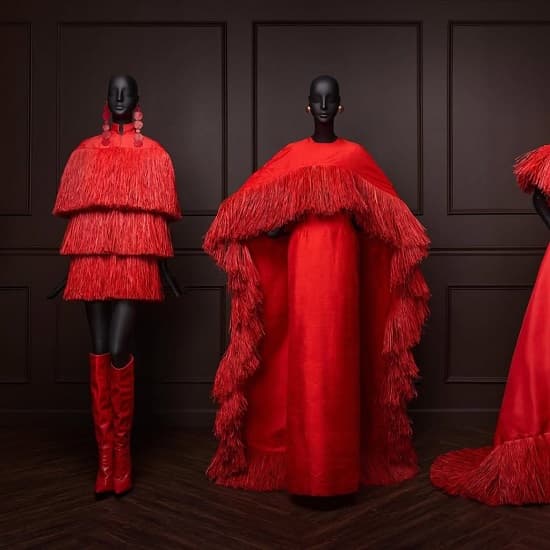 Photo: Imane Ayissi
We would love to see stronger intellectual property protection become a priority for African fashion brands in 2027.
Designers need practical support and education on registering their work, documenting original designs, and understanding their legal rights.
Industry organisations, governments, and legal professionals also have a role to play.
Protecting original work ensures that the people responsible for creating valuable designs can benefit from their ideas.
Practical Solutions for Shipping and Logistics
International interest in African fashion is growing, but purchasing from the continent can still be difficult.
High shipping fees, unreliable delivery timelines, and complicated customs procedures create barriers for customers outside a designer’s home market.
For African fashion brands in 2027, international expansion should involve more than showcasing collections at overseas fashion events. It should include practical systems that make purchasing and delivery easier.
Innovative logistics partnerships, regional distribution hubs, improved e-commerce infrastructure, and collective shipping arrangements could help more designers reach international customers.
Accessible Price Points Alongside Premium Collections
Not every customer can or wants to pay premium prices.
Much of African fashion operates at the higher end of the market, leaving everyday consumers and the middle-income segment with limited choices.
This is perhaps the most fundamental request.
African fashion brands are increasingly visible on runways, in magazines, and on celebrities. However, visibility does not always translate into accessibility.
The purchasing infrastructure remains fragmented.
Many brands still rely heavily on Instagram direct messages, WhatsApp, and email enquiries. Customers may struggle to find clear prices, accurate size guides, delivery information, or even a straightforward checkout option.
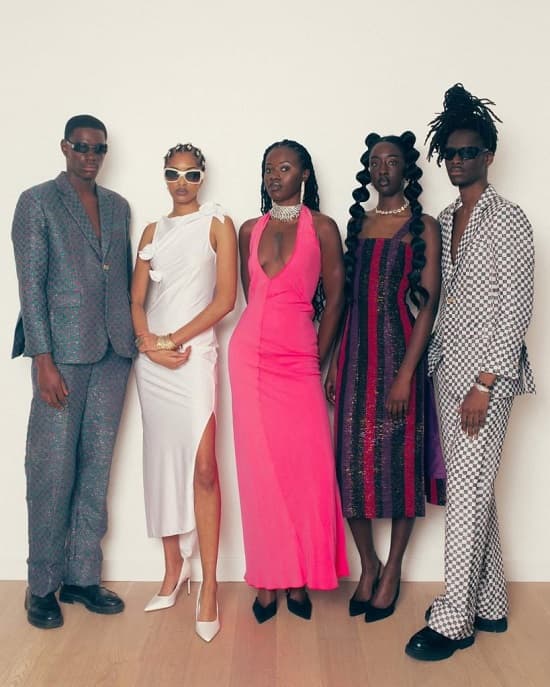 Photo: Kente Gentleman
For someone shopping from Lagos, London, or New York, buying a piece should not feel like a treasure hunt.
We would love to see African fashion brands in 2027 introduce more accessible collections without compromising their design identity.
Entry-level and mid-range lines could feature simpler constructions, carefully selected materials, and smaller capsule collections.
The objective is not to make every brand inexpensive.
It is to create more opportunities for people to support local designers regularly, rather than only purchasing African fashion for weddings, celebrations, and special occasions.
Consistent Quality and Ready-to-Wear Systems
Made-to-order and bespoke production have an important place in African fashion.
They allow fashion designers to create personalised garments and accommodate individual preferences.
However, depending entirely on custom production can limit growth and make the purchasing experience difficult.
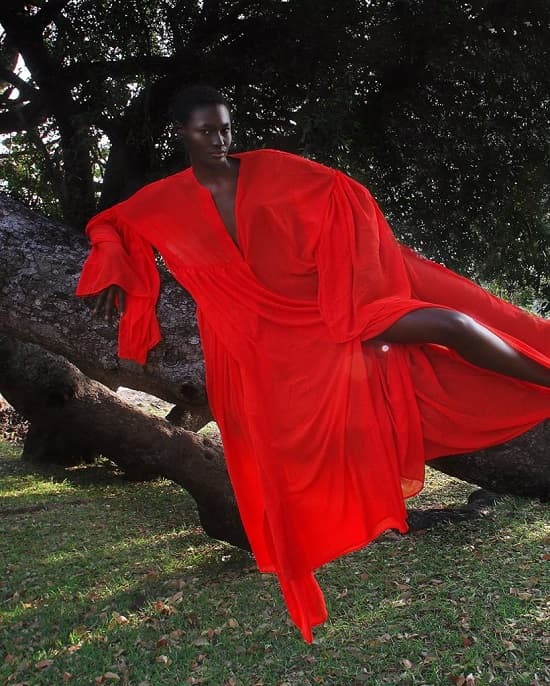 Photo: Tongoro studio
We would love to see more African fashion brands in 2027 invest in reliable ready-to-wear systems, proper sampling, consistent sizing, and small-batch production.
Consistency in finishing, fit, fabric quality, and delivery builds a strong reputation.
Customers should be able to return to a brand knowing that the quality they appreciated in their first purchase will be present in their next order.
Authentic Circularity and Regenerative Practices
Sustainability is frequently discussed in fashion, but meaningful action requires more than using environmentally friendly language in campaign materials.
Africa already has longstanding traditions of repairing, reusing, repurposing, and making the most of available resources.
These practices provide a strong foundation for developing responsible production models.
We would love to see African fashion brands in 2027 build on these traditions by designing clothes that last, using deadstock fabrics, supporting local artisans, and creating opportunities for garment repair and recycling.
Circularity should be part of how a brand operates, not simply another marketing message.
Better Business Infrastructure and Collaboration
Talent alone does not build a sustainable fashion business.
Access to finance, professional management, reliable production facilities, and strong retail partnerships are equally important.
Many fashion designers still manage almost every aspect of their businesses themselves, from developing collections and sourcing fabrics to marketing, customer service, sales, and administration.
The African fashion industry has enormous potential for collaboration.
Designers, manufacturers, retailers, photographers, stylists, and creative professionals all contribute to its development.
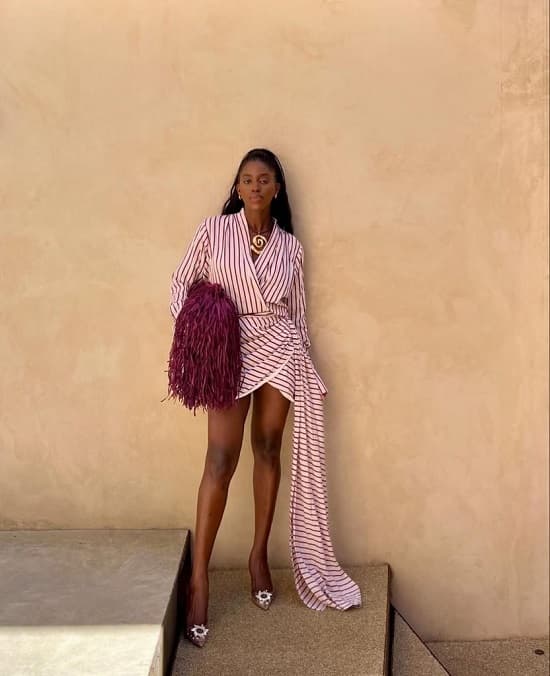 Photo: OMOL
We would love to see African fashion brands in 2027 build stronger relationships with one another rather than operate in isolation.
Mentorship, shared resources, designer partnerships, and industry development programmes can create opportunities that benefit the wider sector.
Collaboration does not mean losing individual identity. It means recognising that a stronger fashion ecosystem creates more opportunities for everyone.
Brands that grow successfully need teams and systems capable of supporting the creative vision. The industry should make it easier for designers to access these resources.
Broader Representation and Gender Fluidity
Fashion should reflect the diversity of the people who wear it.
A narrow focus on traditional ideas of femininity and masculinity can limit both creative expression and commercial opportunity.
We would love to see African fashion brands in 2027 explore gender-fluid designs, give menswear greater attention, and represent the different identities and lifestyles found across the continent.
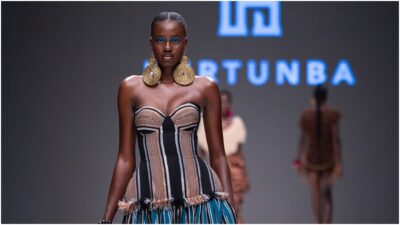
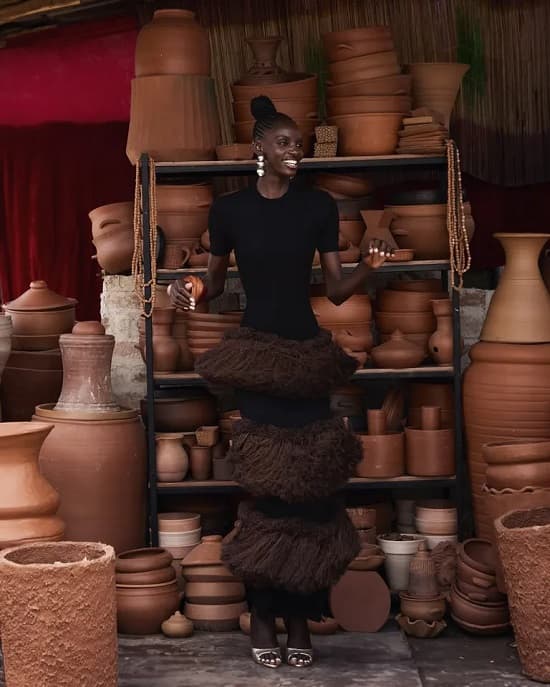 Photo: Hertunba
There is room for more experimental tailoring, relaxed silhouettes, versatile separates, and collections that allow customers to dress according to their personal preferences.
Consistency Beyond the Runway
Lagos Fashion Week and similar platforms are important for designer visibility, buyer access, and international exposure. However, a runway presentation is only one part of building a fashion business.
We want to see more African fashion brands in 2027 maintain consistent engagement with customers throughout the year through regular collections, product releases, campaigns, and meaningful brand communication.
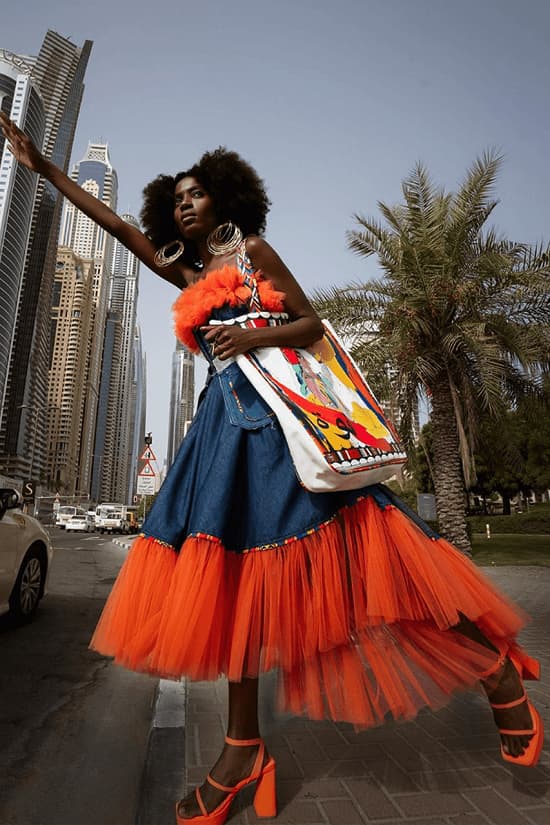 Photo: Pavel Yashkin
MaXhosa Africa provides an example of a brand that has invested in long-term development, production, and retail expansion. Its journey demonstrates the value of building beyond individual fashion moments.
The goal should be to create brands that remain relevant between fashion weeks, not only during them.
The Stories That Haven’t Been Told
African fashion is not one aesthetic, culture, or design language.
It encompasses Yoruba, Igbo, Hausa, Xhosa, Zulu, Wolof, Amharic, and countless other cultural identities and creative traditions.
It is traditional and contemporary, minimalist and expressive, experimental and understated.
Yet international conversations about African fashion can sometimes reduce this diversity to a few familiar descriptions involving colourful prints, exotic fabrics, and traditional patterns.
We would love to see African fashion brands in 2027 explore more complex stories, introduce unfamiliar perspectives, and challenge expectations about what African design should look like.
The continent has countless stories worth telling.
Designers who explore them with originality and depth have an opportunity to shape international fashion conversations rather than simply respond to them.
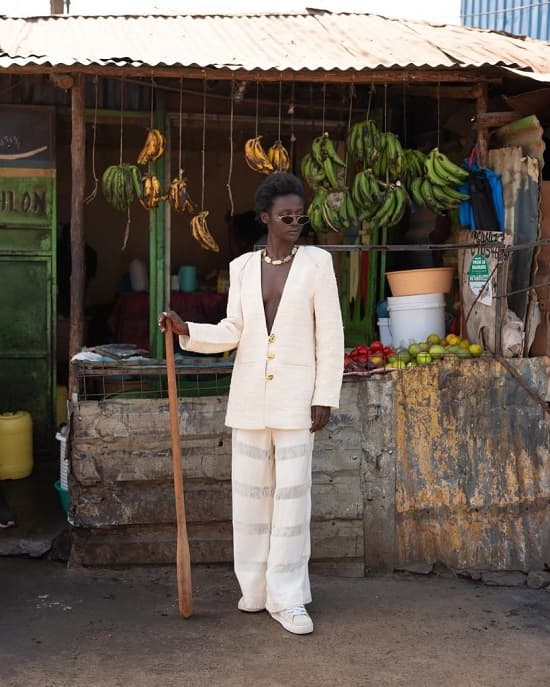 Photo: Lilabare
The future of African fashion does not require designers to abandon what makes their work distinctive. Instead, it calls for stronger foundations that allow their creativity to reach more people.
As African fashion brands in 2026 continue to develop, priorities such as inclusive sizing, transparent production, local value addition, intellectual property protection, efficient logistics, accessible pricing, and professional business systems deserve greater attention.
Some fashion designers are already demonstrating what is possible. The next step is to make these practices more widespread.
African fashion has the talent, cultural depth, and creative perspective to compete on a much larger scale.
What matters now is building an industry where designers can grow, customers can buy with confidence, and creative work receives the recognition and commercial value it deserves.
That is the future we would love to see. Hit us in the comments to know your thoughts!
Photo: @iamisigo
You May Also Like:
Sarah Diouf Gave Prints a New Meaning at GTCO Fashion Weekend in Lagos

Let's Talk About Imane Ayissi's Collection at the 2026 GTCO Fashion Weekend
The African Girlie Starter Pack To Follow

AFRIFF at 15: Africa's Biggest Film Festival Just Doubled Down on the Future

Lagos Fashion Week Day 4: Closing the On-site Runway in Style

Lagos Fashion Week Day 3: The People and Designs Moving Fashion Forward Beyond Craftsmanship
Lagos Fashion Week Day Two: Insights, Industry, and Runway Highlights
Oshobor Reimagined Wool and Breezy Feathers into Cute Pieces at Lagos Fashion Week
Inside Kilentar's SS27 2026 Lagos Fashion Week Show
Hertunba Opens Lagos Fashion Week 2026 with Heritage and Powerful Silhouettes

Lagos Fashion Week 2026: Day 1 Conversations on the Future of African Fashion
LFJ’s Jupiter Collection Takes Lagos Fashion Week into Orbit


Esther Ejoh is a Fashion Editor at Fashion Police Nigeria, where she writes all things fashion, beauty, and celebrity style, with a sharp eye and an even sharper pen. She’s the girl who’ll break down a Met Gala look one minute, rave about a Nigerian beauty brand the next, and still find time to binge a movie or get lost in a novel. Style, storytelling, and self-care? That’s her holy trinity.