Published: November 9, 2026 Last Updated 3 days ago by FPN
A beautiful outfit can make you open a designer’s page and start imagining where you would wear it. Then you see the price, and the conversation changes.
Is the fabric really that special? Is the design worth the money? Could you find something similar for less? And, most importantly, what exactly are you paying for?
These questions have become increasingly relevant as Nigerian fashion continues to attract attention at home and internationally.
Local designers are creating distinctive collections, experimenting with textiles and building brands that speak to different customers, from those looking for everyday ready-to-wear pieces to those investing in bespoke garments and luxury designs.
Yet the prices attached to these clothes can vary considerably, and the reasons behind those differences are not always obvious from a photograph.
It is tempting to approach the conversation from either side.
Customers may feel that local brands charge too much, while designers may feel that shoppers underestimate what it takes to produce their clothes.
Both concerns deserve consideration, but neither tells the whole story.
A high price does not automatically make a garment luxurious, just as a lower price does not necessarily mean the quality is poor.
The more useful question is whether the price makes sense for the product, the work behind it, and the experience the brand promises its customers.
The First Question Is What You Are Actually Buying
Two dresses can look similar on a screen and have very different production requirements.
One might be made from a readily available fabric using a relatively straightforward pattern. The other could require a specialised textile, several rounds of sampling, intricate construction, and hours of hand-finishing.
A photograph may reveal the colour and silhouette, but it cannot tell you everything about the work involved.
This is where craftsmanship becomes relevant, and we can’t go on without talking about it.
Look closely at how a garment has been made.
Are the seams neat and secure?
Does the pattern match where the fabric joins?
Are the hems finished properly?
Do buttons, zips, lining, and other details feel considered?
On a structured jacket, for example, how the shoulders sit and how the garment holds its shape can tell you a great deal about its construction.
For a flowing dress, the quality of the drape, the finishing around the neckline and the way the fabric moves may be more revealing.
The level of craftsmanship should make sense for the kind of garment being sold. A simple cotton shirt does not need elaborate embroidery to justify its price, but its cut, fabric and finishing should still meet reasonable standards.
There is also a difference between a design that looks complicated and one that is technically demanding to produce.
Ruffles, cut-outs, pleats and sculptural shapes can require additional work, but visual drama alone does not establish quality.
A striking silhouette that loses its shape after minimal wear may be less successful than a simpler piece that has been carefully constructed.
Materials deserve the same scrutiny.
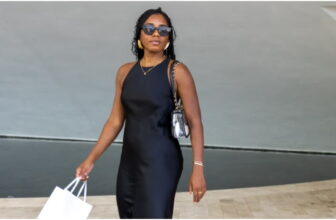
 Photo: Instagram/@knanfe
A fabric can be expensive because of its composition, origin, scarcity, or special production process, but price alone doesn’t tell you whether it suits the garment.
A delicate textile may be appropriate for a flowing evening dress, while a different material might be better for a piece intended for frequent wear. What matters is how well the material serves the design and what the customer can reasonably expect.
This is why the phrase ‘premium quality’ should mean more than an attractive campaign image or a carefully styled product photograph.
A brand charging a premium should be able to offer a product whose material, construction, and finishing support that positioning.
The Price Tag also Reflects the Business Behind the Brand
Fashion is a creative industry, and making clothes available for customers to buy requires a functioning business.
The price of a garment may account for fabric, trims, pattern development, sampling, labour, production, packaging, rent, electricity, marketing and even distribution.
For a small label, these costs can be spread across relatively few pieces rather than thousands of units, and may increase their prices.
Nigerian fashion businesses face additional challenges that increase prices.
A designer operating a studio may have to cover the cost of alternative power, while a brand sourcing specialised textiles internationally must account for currency movements and the expense of getting those materials into the country.
The sourcing process can be complicated even when a designer wants to work with locally available materials.
These constraints can affect what brands can source, how much they need to order, and how reliably they can produce a collection.
Production volume matters, too.
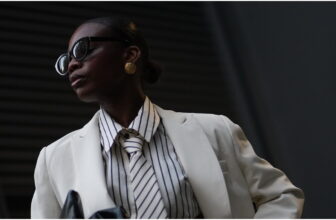
 Photo: Instagram/@ruksalamode
A large manufacturer producing thousands of identical garments can distribute certain costs across many units.
An independent designer making a limited run may have fewer pieces over which to spread the cost of developing a pattern, testing a sample, or setting up production.
That difference can influence the final price even when the finished garments appear comparable.
However, understanding these expenses does not mean customers should be expected to accept every price without question. A business can face high operating costs and still produce a garment that does not justify its retail price.
Costs explain part of the calculation; they do not, by themselves, establish the value of the finished product.
This is where transparency helps fashion brands.
Brands do not need to publish their entire financial records, but clear information about fabric composition, production methods, garment care, and the nature of the product can help customers understand what they are buying.
When a piece is handmade, made to order, or produced in limited quantities, explaining what that means in practice is more useful than simply attaching a luxury label.
Design Has Value, but a Name Is Not Enough
There is more to fashion than fabric and stitching.
Design is an intellectual and creative process, and a distinctive point of view can give a garment value beyond its basic function.
Consider a designer who develops a recognisable approach to colour, proportion, or textile manipulation. The clothes may have a visual identity that customers can identify without seeing the label.
Another brand might reinterpret traditional techniques through contemporary silhouettes, working with artisans or developing a particular method of construction. The value lies partly in the decisions that make the work distinctive, not simply in the number of hours required to sew it.
This is one reason two garments made from similar materials can carry different prices. Their design, fit, development process, and place within the market may differ.
A customer purchasing from a designer may also be paying for an original design rather than a close imitation of an existing style.
But originality needs to be visible in the product.
A designer’s name, celebrity endorsement, or a campaign photographed in an impressive location can increase a brand’s visibility without necessarily improving the garment itself. Marketing can help communicate a product’s identity, but it cannot substitute for thoughtful design and competent execution.
Brand positioning also affects pricing of brands.
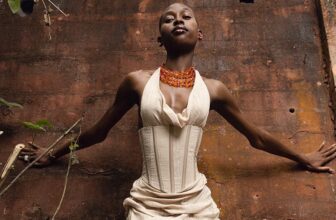
 Photo: Instagram/@thisismazelle
A label creating made-to-measure occasionwear for a small clientele operates differently from one producing casual ready-to-wear for a broader market.
The former may involve individual fittings, personal adjustments and a more involved design process. The latter may prioritise standard sizing, repeatable construction and stock available for immediate purchase.
Neither model is inherently better, but the prices should be assessed in relation to what each offers. No single price point fits every Nigerian fashion brand.
Some labels deliberately serve customers seeking accessible everyday clothing, while others build their businesses around specialist craftsmanship, limited production or a luxury customer.
The important distinction is whether the product delivers on the expectations created by its price and positioning.
Equally, customers should not be made to feel that questioning a price means they do not appreciate Nigerian fashion.
You can respect a designer’s creative contribution and still decide that a particular purchase doesn’t offer enough value for your money.
Would You Still Want it After the First Wear?
One way to assess a garment’s value is to think beyond the moment of purchase.
How often are you likely to wear it?
Does it work with clothes you already own?
Can it be cared for without unreasonable difficulty?
Is the construction appropriate for the way you intend to use it?
These questions are especially useful when comparing everyday pieces with occasionwear. Some fabrics need specialist cleaning, while others can be washed at home.
Delicate embellishments, intricate pleating and certain finishes may require extra attention. These requirements do not automatically make a garment poor value, but customers should know about them before purchasing, particularly when maintenance will add to the overall cost.
Fit is another consideration.
A garment can be beautifully made and still not suit your proportions or preferences.
 Photo: Instagram/@osshop.co
With ready-to-wear, accurate size charts and clear measurements help customers choose more confidently.
With bespoke clothing, the fitting process and the quality of alterations become part of the service.
A premium price should come with a clear understanding of what adjustments are included, if any, and how the brand handles problems with the finished piece.
After-sales support can further distinguish one purchase from another.
Clear delivery timelines, responsive communication, and a reasonable process for addressing faults or incorrect orders can make the buying experience more reliable.
These services do not compensate for poor construction, but they contribute to the overall relationship between a brand and its customers.
Ultimately, value is not measured only by how expensive a garment looks or how many compliments it receives.
It also depends on how well the garment performs the job you bought it for, how it fits into your wardrobe, and whether the experience matches what the brand promised.
Can a Nigerian Fashion Brand Be Expensive and Still Be Worth It?
Absolutely. But the price needs a reason beyond the fact that the label is Nigerian, popular, or positioned as luxury.
A garment can justify a high price through exceptional construction, specialised materials, distinctive design, skilled handwork, or a carefully managed bespoke process.
 Photo: Instagram/@the_brawn_muse
In other cases, a simpler piece may be worth paying more for because the fit is excellent, the fabric suits its purpose, and the garment has been made to a standard that supports repeated wear.
There will also be products whose prices customers simply cannot justify for their own needs or budgets.
That does not automatically make the brand dishonest or the customer unsupportive. Purchasing power differs, and a garment that represents a reasonable investment for one person may be financially unrealistic for another.
The growing conversation around Nigerian fashion prices reflects this tension. The question is not simply why clothes cost what they do, but who can realistically participate in the market at those prices.
For designers, this raises questions about the customers they want to serve, the products they choose to make, and how they communicate the value of their work.
For shoppers, it means looking beyond the price tag without feeling obliged to excuse every expensive purchase.
Supporting Nigerian fashion does not require buying every collection, and appreciating craftsmanship does not mean abandoning personal budgets.
Customers can choose to invest in a designer whose work they admire, purchase from more accessible labels, or save for a piece that meets a particular need.
Each decision can be made with an understanding of what the product offers.
The strongest relationship between a fashion brand and its customers is built when both sides understand the exchange.
Designers deserve to be paid for their work, and customers deserve products that meet the expectations attached to their prices.
So, the next time a Nigerian fashion brand catches your eye, the most useful question may not be whether the garment is expensive. It may be whether the design, materials, construction, and buying experience give you a good reason to pay that amount.
Price can tell you how a brand wants to position its product. The garment itself has to show you whether that position is deserved.
Photo: Instagram/@marel_official
You May Also Like:
Why You Have NOTHING to Wear in Your Closet
What Happens When Everyone Has Access to the Same Fashion Trends?

Why Do We Judge Women by What They Wear?
Fashion's Obsession With Shaping the Body Is Getting Boring
15 African Celebrity Looks Everyone Loved That I Just Couldn’t Get Behind
Why African Fashion Needs Better Fashion Journalism
I am an African Girl, 11 Celebrities Who Inspires My Wardrobe on Instagram
Naomi Osaka Has Given Birth To A Baby Girl
10 Amazing Ways to Keep Your Closet Tidy

Body Odor can be disgusting; these tips can get you out of the mess

Father's Day Most Stylish Gifts Ideas for Every Dad
The Best And Worst Colors For Interview


Evelyn Adenike is an Associate Beauty Editor at Fashion Police Nigeria, where she covers all things beauty, from the glossiest nail trends to the best skincare finds. With a soft spot for storytelling and an eye for what’s fresh, she brings creativity and just the right dash of drama to every post. If it’s bold, beautiful, and blog-worthy, Evelyn’s probably already writing about it.