Certain beauty struggles are met with silence.
They are not dramatic or headline-grabbing, nor do they involve extreme procedures or viral controversies. Instead, the struggles accumulate quietly through daily effort, private frustration, and a gradual loss of ease.
These issues appear in early morning mirrors, in canceled plans when preparation feels overwhelming, and in the realization that looking “fine” now demands more time, money, and emotional energy than before.
These are some of the beauty problems nobody talks about enough, even though they shape how many women feel about themselves and move through everyday life.
Beauty culture promotes perfection while increasingly embracing body positivity.
However, it often overlooks the persistent, everyday challenges many women face: unsettled skin, hair that resists trends, the sense that maintenance is a second job, the quiet grief of visible aging in a youth-focused culture, and the ongoing mental effort to maintain an appearance that never feels complete.
These common beauty problems remain under-discussed because they seem too personal, mundane, or revealing of how much appearance still influences daily life.
This is not a call to abandon care or enjoyment in beauty.
Instead, it aims to acknowledge aspects of the experience that are rarely discussed, so the pressure can be understood rather than simply endured.
By examining the beauty problems nobody talks about, we can have a more honest conversation about the difference between enjoying personal care and feeling obligated to meet expectations that never seem to end.
The Exhaustion of Constant Maintenance
One of the least acknowledged burdens is what some call beauty burnout: the cumulative fatigue from the expectation that women should always appear intentional.
Nails should be done, lashes enhanced, hair styled appropriately, and skin should look rested.
While each task is small, together they create a continuous cycle of appointments, products, touch-ups, and self-monitoring that rarely ends.
For many women, this constant upkeep is one of the beauty problems nobody talks about openly, particularly when it is mistaken for a personal choice rather than a source of pressure.
Many women describe a recurring pattern: as soon as one aspect is managed, another requires attention. Braids grow out, gel manicures lift, brows need shaping, and skin reacts to new factors.
What starts as self-expression or professional necessity can become unpaid aesthetic labor. Skipping any part often reduces confidence or raises concerns about appearing “undone” in environments that still value polish.
This labour is rarely recognized as work and is often seen as personal preference or basic upkeep. However, it still requires significant time, cost, and mental energy.
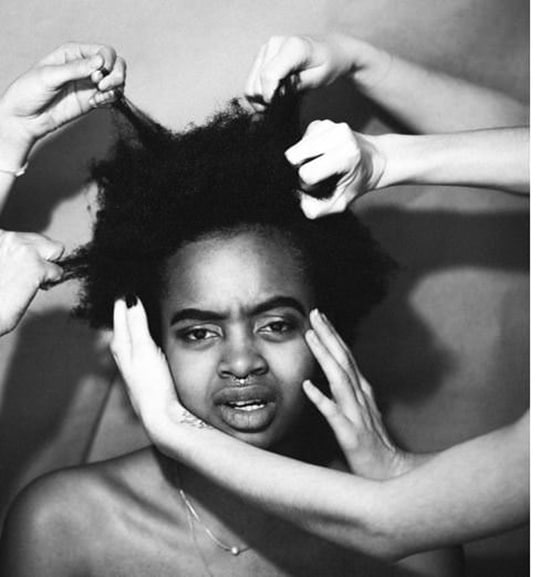 Photo: Instagram/dannyphotos_
Some women avoid social events because preparation feels excessive for the occasion.
Others find that the mental space once devoted to other interests is now occupied by the demands of maintaining appearance. The issue is not self-care itself, but the feeling that it has become compulsory and unending.
The financial side can be just as demanding. Regular salon visits, skincare products, hair treatments, manicures, and other appointments can take up a considerable part of a monthly budget.
Prices may rise, personal needs may change, and a routine that once felt manageable can become difficult to sustain. Yet, stepping away from it may bring concerns about how others will respond.
These beauty problems nobody talks about deserve more attention because the pressure is not always obvious to people outside the experience.
A woman may genuinely enjoy getting her hair done or caring for her skin while still resenting the expectation that she must always look prepared.
Both feelings can exist at the same time.
Recognizing this makes room for a healthier approach to personal care, one that leaves space for rest, changing priorities, and days when appearance is not the main concern.
Skin That Never Feels Settled
Skin dissatisfaction is now a common yet under-examined source of beauty anxiety.
Many women report concerns such as fine lines, loss of elasticity, pigmentation, dryness, under-eye issues, and persistent or hormonal breakouts.
High-resolution cameras, filters, and close-up content have increased scrutiny, making pores, texture, and minor discoloration feel like urgent problems.
For anyone experiencing these concerns, beauty problems nobody talks about can also include the frustration of trying product after product without feeling comfortable in their own skin.
Hormonal changes throughout life add another often-overlooked layer.
Puberty, menstrual cycles, pregnancy, postpartum changes, and menopause can all affect the skin in ways that feel sudden and personal.
Conditions like melasma, adult acne, increased sensitivity, and the effects of declining estrogen are medical realities, yet they are often seen as personal failures rather than normal physiological changes.
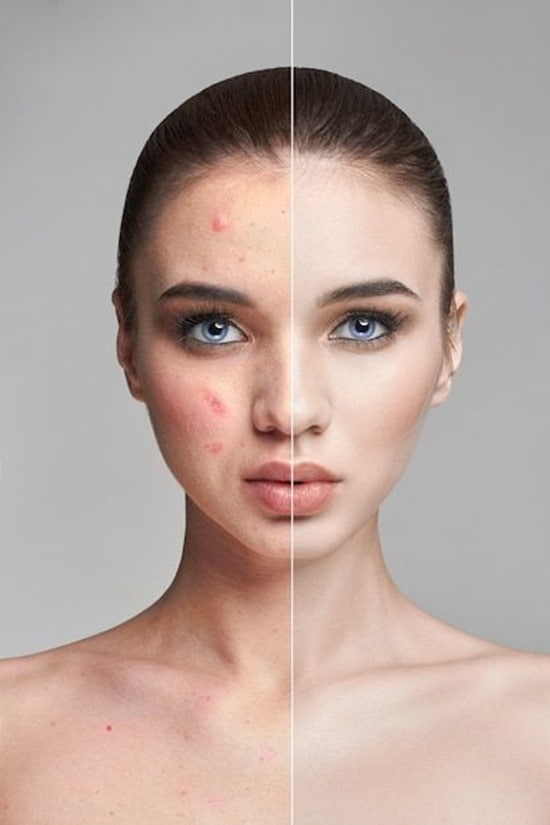 Photo Courtesy
Many women feel unprepared for these shifts and must manage the visible consequences alone.
The emotional burden increases when skincare is marketed as both a solution and a moral obligation.
When clear, youthful skin is presented as attainable through the right products and discipline, anything less can feel like a personal failure.
For some, this leads to behaviors such as excessive product use, constant checking, or reluctance to leave the house without a full corrective routine.
Skin becomes less a living organ and more an endless project.
Social media can intensify this experience.
A person may see countless images of smooth complexions and assume that visible pores, acne marks, uneven pigmentation, or occasional breakouts are unusual.
In reality, skin has texture, and its appearance can change with age, hormones, stress, environment, and health. Filters and carefully controlled lighting can make ordinary skin look like a problem that needs fixing.
Another concern is the pressure to find a quick solution.
When a product promises to clear breakouts or fade dark spots quickly, it can be tempting to keep adding new products to your routine.
However, frequent changes and the use of too many active ingredients can irritate the skin and make existing concerns harder to manage.
Persistent or painful symptoms may need advice from a qualified healthcare professional or dermatologist rather than another viral skincare recommendation.
Among the beauty problems nobody talks about enough is the disappointment of doing what appears to be everything right and still experiencing skin concerns.
A consistent routine can support skin health, but it cannot guarantee a perfectly clear complexion.
Understanding this distinction can help women make informed choices without treating every mark, line, or breakout as proof they failed at skincare.
The Quiet Grief of Visible Aging
Aging is discussed more openly nowadays, but the specific emotional experiences many women face are still rarely addressed.
The issue extends beyond wrinkles or grey hair to a gradual sense of invisibility in a culture that prioritizes youth.
Research on age-related gendered diminishment highlights feelings of inconsequentiality and social fading reported by many women after midlife. While this experience is not universal, it is common enough to merit more open discussion.
The pressure to remain youthful is not distributed equally.
Men are often allowed a broader range of acceptable aging, while women face a narrower window in which change is still seen as attractive.
This double standard turns normal biological processes into private negotiations: whether to colour hair, pursue treatments, or determine the effort needed to stay “current.”
These decisions are rarely simple, because opting out can carry significant social consequences.
There is also a quieter grief in realizing that the face in the mirror no longer matches the internal self-image developed over years. This is not vanity, but a disruption of a long-standing relationship with one’s appearance.
Acknowledging this disruption without rushing to solutions or positivity creates space for the experience’s complexity.
Women may feel conflicted about aging because they are often encouraged to accept themselves while being surrounded by products and procedures promising to reverse visible signs of time.
One message says that every age has value, while another suggests that looking older is something to prevent at all costs. Reconciling these ideas can leave women unsure whether their choices come from personal preference, social pressure, or a mix of both.
These are beauty problems nobody talks about enough because admitting discomfort about aging can invite criticism.
A woman who chooses cosmetic treatments may be accused of refusing to accept herself, while a woman who does not may be told that she has stopped taking care of her appearance.
Neither response leaves much room for individual choice.
A more honest conversation would recognize that acceptance is not always immediate or straightforward. Some women welcome grey hair, wrinkles, and changes in their features.
Others need time to adjust. Some enjoy cosmetic treatments, while others prefer to avoid them.
None of these decisions should be used as a measure of confidence, maturity, or self-worth.
Beauty Standards Colliding With Health and Identity
Some persistent beauty problems exist at the intersection of appearance and other aspects of life that are rarely discussed publicly.
Visible skin conditions like acne, psoriasis, vitiligo, or rosacea can be associated with anxiety, depression, and body image distress, particularly when people experience unwanted attention or feel judged for their appearance.
The medical reality is often overshadowed by the social and psychological burden of being perceived as flawed in a culture that values evenness and clarity.
Hormonal conditions affecting hair growth, hair loss, or skin can cause similar distress beyond physical symptoms.
The visibility of these changes, along with limited ways to discuss them openly, leaves many women managing both the condition and the surrounding silence.
Hair loss, for example, can affect how a woman sees herself, especially when thick hair is treated as an important marker of femininity. Genetics, hormonal shifts, illness, stress, medication, and other factors can change hair density or texture.
Yet, the conversation often focuses on covering the problem rather than acknowledging the worry, embarrassment, or uncertainty that can accompany it.
Sudden or persistent hair loss deserves appropriate medical assessment rather than assumptions about its cause.
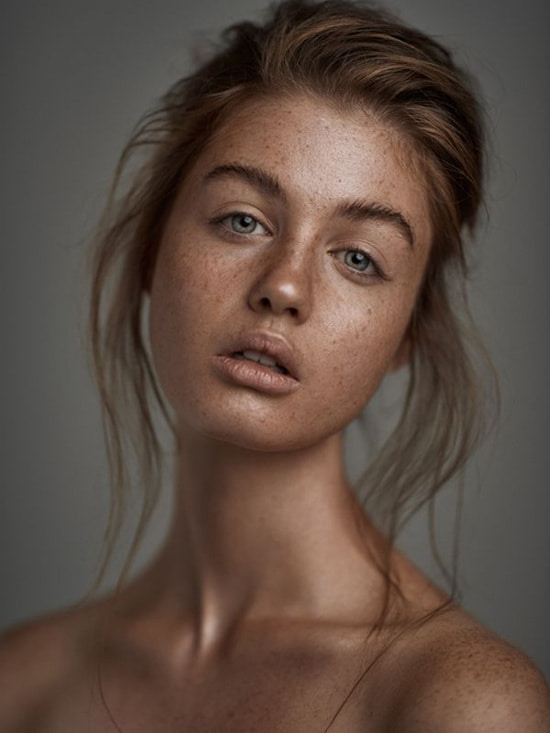 Photo Courtesy
Body hair is another subject that attracts strong expectations.
Women may feel pressure to remove hair from their legs, underarms, faces, or other areas, even when doing so causes irritation, razor bumps, ingrown hairs, or additional expense.
Those who choose not to remove it can face judgment, while those who do may have to maintain the routine to avoid unwanted comments.
The choice may appear small, but the social expectations around it can be considerable.
For women with darker skin tones, concerns such as post-inflammatory hyperpigmentation can make breakouts, ingrown hairs, and minor irritation leave marks that take time to fade.
Advice designed without sufficient consideration of different skin tones may not address these experiences properly.
This can add another layer of frustration for women who struggle to find useful information and suitable care.
There is growing recognition that striving for ever-higher beauty standards can divert attention from other aspects of health.
When appearance takes up significant mental space, other concerns may be deprioritized. This leads not just to more time spent on beauty, but to a subtle shift in what feels urgent versus optional.
The beauty problems nobody talks about are not always about appearance alone. They can involve the cost of treatment, access to reliable information, the need for medical support, and the emotional effects of feeling different from the people shown in beauty campaigns.
Addressing these concerns requires more than encouraging women to feel confident.
It also requires accurate information, respectful conversations, and an understanding that visible differences do not automatically need to be corrected.
The Pressure to Look Naturally Put Together
A recent and subtle pressure is the expectation to look natural while still meeting high standards.
The no-makeup makeup look, undetectable filler, and the appearance of having just woken up looking refreshed all require skill, products, and time, creating a new double bind.
The goal is no longer just to look polished, but to appear as if no effort was needed. This standard can be more exhausting than overt glamour because the work must remain invisible.
Women who choose lower-maintenance routines may feel they are failing a different standard, while those who invest in subtle makeup, treatments, and carefully planned grooming can feel trapped by their ongoing demands.
The conversation rarely acknowledges the significant effort required to achieve an unplanned look.
The same pressure appears in skincare and haircare.
A fresh face may involve several products, careful application, and time spent correcting uneven tone.
Hair that looks casually styled may require heat tools, specialist products, or a salon appointment. The finished appearance can seem simple to others, even when it takes considerable preparation.
This creates an awkward situation in which the effort itself is sometimes treated as something to hide. Women are expected to look healthy, rested, and well-groomed, but visible evidence of the work can attract criticism.
Too much makeup may be considered excessive, while too little can invite comments about looking tired. These contradictory expectations make it difficult to know when enough is enough.
Among the beauty problems nobody talks about, this pressure is particularly difficult to identify because it can appear to be a personal preference.
There is nothing wrong with enjoying a natural-looking makeup routine or choosing subtle treatments.
The concern arises when women feel they must spend time and money to appear as though they have spent neither.
A healthier approach would allow women to decide what looking good means to them.
For one person, that might involve a full makeup routine and regular salon visits. For another, it might mean sunscreen, moisturiser, and a simple hairstyle.
Neither approach should require an explanation or become a standard that everyone else is expected to follow.
Why These Problems Stay Quiet
Many of these struggles remain under-discussed because they occupy an awkward cultural space.
Discussing them can feel like complaining about privilege or admitting vulnerability in an area expected to be either empowering or trivial.
There is also concern that acknowledging these difficulties will be seen as rejecting beauty practices entirely, though the reality is more nuanced.
Most women do not wish to abandon personal care, but seek relief from the sense that it has become compulsory, costly, time-consuming, and emotionally burdensome.
This silence is reinforced by an industry that profits from ongoing dissatisfaction and by social environments that continue to reward certain standards of polish.
When products are marketed to correct perceived flaws, ordinary changes can start to feel like problems that need immediate attention. As expectations rise, questioning the effort required to meet them becomes increasingly difficult without appearing out of step.
There is also a difference between discussing beauty as entertainment and discussing what it demands from people.
Makeup launches, skincare routines, hairstyles, and cosmetic treatments can be enjoyable topics.
However, the conversation may become less comfortable when it turns to the anxiety of recurring breakouts, the expense of hair maintenance, or the feeling that aging changes how others treat you.
 Photo Courtesy
Beauty problems nobody talks about can remain hidden because women often believe their experiences are too ordinary to mention.
Someone may assume that everyone else has found a reliable skincare routine, feels comfortable with their changing body, or manages regular grooming without difficulty.
In reality, many people are trying to work out what suits them while managing competing demands on their time and money.
Online conversations can help people feel less alone, but they can also create pressure to turn every concern into a transformation story.
A person shares a skin problem, introduces a routine, and documents the improvement.
Less attention goes to the uncertainty before finding a suitable approach, the products that don’t work, the cost of professional advice, or the possibility that some conditions may need ongoing management.
Making these conversations more honest does not mean criticizing the beauty industry or dismissing the enjoyment people find in makeup, haircare, and skincare.
It means recognizing that personal care can be positive without being easy all the time. Women should be able to talk about the difficult parts without feeling ungrateful, vain, or negative.
Moving Toward a More Honest Conversation
A more productive discussion of beauty would acknowledge the full range of experiences: the pleasure of a good skincare routine and the exhaustion of an endless one, the satisfaction of looking put-together and the relief of not always trying, the reality of aging, and the cultural forces that make it feel like a personal failing.
It would treat skin changes across the lifespan as expected, recognize aesthetic labor as real work, and allow women to choose their practices without needing to justify their decisions.
This honesty can lead to practical changes.
Reducing non-negotiable maintenance tasks can free time and mental space.
Seeking accurate information about hormonal and age-related skin changes can lessen feelings of personal failure. Building a smaller set of reliable, low-effort routines can reduce daily decision fatigue.
Most importantly, creating spaces where people can name these quieter struggles without pressure to solve them lets them be shared rather than carried alone.
It can also help to question where particular beauty expectations come from.
Before adding another product or booking another treatment, ask whether the decision addresses a genuine concern or mainly responds to pressure from social media, advertising, or other people.
This is not about judging personal choices.
It is about making room for choices that reflect individual needs rather than an endless list of perceived flaws.
If skin and hair concerns persist, cause discomfort, or change suddenly, professional advice can be more useful than relying solely on online recommendations.
Reliable guidance can help people understand possible causes, avoid unsuitable treatments, and make decisions based on their needs. Not every concern requires a product, and not every visible difference needs treatment.
Women can also give themselves permission to change their routines as their circumstances change.
A demanding work schedule, a new baby, financial responsibilities, health concerns, or simply a shift in priorities may make a previous beauty routine impractical.
Choosing fewer appointments or simpler products doesn’t mean personal care has become less important. It may mean that the routine now fits life more realistically.
The beauty problems nobody talks about enough often don’t have a quick fix.
They involve expectations, social habits, changing bodies, and the emotional meaning attached to appearance. Addressing them requires patience and a willingness to move beyond simple advice about confidence or self-love.
Beauty will always require some attention to appearance.
The key question is whether that attention remains a source of agency and pleasure or becomes a constant drain on energy, confidence, and time.
The problems rarely discussed often shape daily life the most.
Bringing them into the open doesn’t solve them, but it can make them less isolating and help women see that their experiences aren’t unusual or shameful.
A more honest approach to beauty begins when women can enjoy looking after themselves without feeling they must always fix something else.
Photo: Lucy Alcorn
You May Also Like:
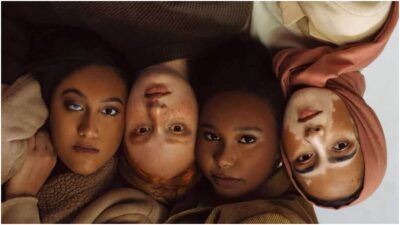
The Unrealistic Beauty Expectations Women Secretly Carry
The Anti-Ageing Beauty Advice Women Should Stop Following
Beauty Products Are Increasingly Becoming Hybrid — Here's Why
Are Beauty Filters Changing What Women Think They Actually Look Like?

Hold On... Are Fenty Skin, Huda Beauty, and Glow Recipe in a Packaging Drama?
The Best Beauty Looks at the 2026 Emmy Awards
Best Perfumes for Women in Nigeria and Ghana
Latest African Beauty Trends Taking Over Social Media
The Best Beauty Salons in Lagos, Accra, and Nairobi
16 African Beauty Brands You Need to Know in 2026
Beauty Trends: What’s Old is New Again
Billie Eilish Just Launched Eilish Intense, Her Most Powerful Fragrance Yet


Esther Ejoh is a Fashion Editor at Fashion Police Nigeria, where she writes all things fashion, beauty, and celebrity style, with a sharp eye and an even sharper pen. She’s the girl who’ll break down a Met Gala look one minute, rave about a Nigerian beauty brand the next, and still find time to binge a movie or get lost in a novel. Style, storytelling, and self-care? That’s her holy trinity.