The question of why Black women wear wigs and weaves instead of leaving their natural hair out continues to surface online, in daily conversations, and in cultural commentary.
It is often asked with curiosity or judgment, and frequently overlooks the historical, practical, and personal context behind these choices.
From celebrities who change hairstyles regularly to women who choose braids, wigs or extensions for convenience, Black women’s hair decisions receive a level of attention rarely given to other beauty choices.
The reality is more complex than a preference for straight hair or a different appearance.
Black women’s relationship with their hair is shaped by centuries of external pressure, evolving beauty standards, the physical realities of textured hair, professional expectations, and personal preferences.
What may seem like a simple choice can reflect decisions about hair protection, convenience, fashion, personal expression, or a combination of these factors.
Understanding why Black women wear wigs and weaves requires looking beyond the hairstyle itself. This conversation includes history, identity, beauty, workplace experiences, and the realities of maintaining textured hair.
It is also important to recognize that each Black woman’s relationship with her natural hair is unique.
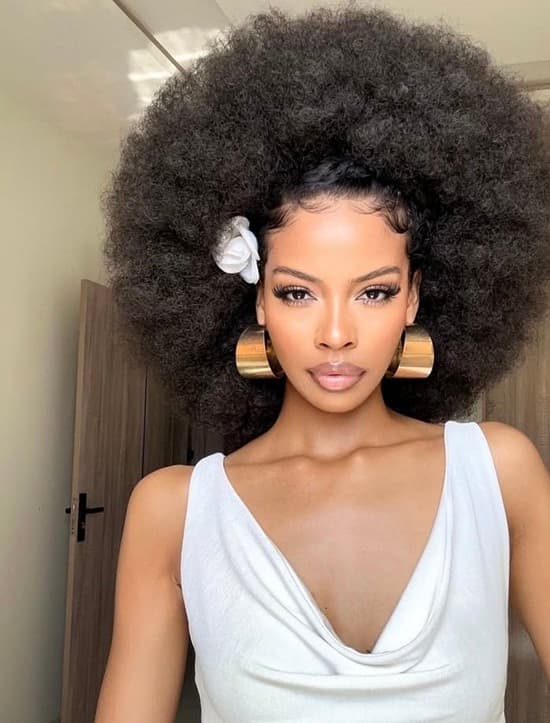 Photo Courtesy
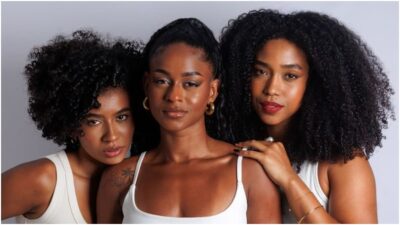
Natural Black hair, including tight coils, dense curls, and kinks, differs structurally from straight hair.
It is often drier and more prone to breakage because its shape makes it harder for scalp oils to travel along the hair shaft. Shrinkage also means the hair’s actual length may be much longer than it appears.
Caring for textured hair often requires specific products, moisture management, detangling techniques, and consistent routines. Some women enjoy this process, embracing wash days and experimenting with products.
For others, maintaining natural hair can be demanding, especially when balancing work, family and other commitments.
This is one reason why wigs, weaves and protective hairstyles are popular options.
Braids, twists, locs and other low-manipulation styles reduce the need for frequent handling. Wigs and weaves also allow you to change hairstyles without repeated heat or chemical treatments.
Wearing a wig does not necessarily mean a woman dislikes her natural hair.
She may want a different appearance for a time or prefer to avoid spending hours styling her hair each week. Some women alternate between natural curls, braids, wigs, and silk presses based on their schedules and preferences.
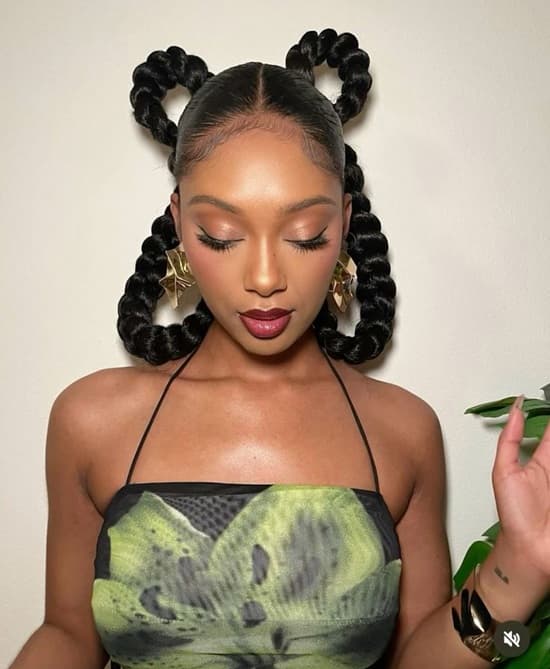 Photo Courtesy
History is also significant in understanding Black women’s hair decisions.
Before the transatlantic slave trade, hair held cultural meaning in many African societies. Hairstyles communicated age, marital status, social position, spirituality, and community identity.
Hair was not just about appearance; it was tied to cultural practices and personal identity.
Enslavement disrupted these traditions.
African people were subjected to practices that stripped away cultural identity, including forced shaving of their hair. Under racial hierarchies, textured hair was often described as undesirable, unkempt, or inferior compared to European hair textures.
These attitudes persisted long after slavery.
Straight hair became linked to beauty, social acceptance, and professionalism. Chemical relaxers, hot combs, and other straightening methods became common.
For some women, these choices reflected personal preference; for others, they were responses to social expectations and the need to navigate environments where natural Black hair was not always accepted.
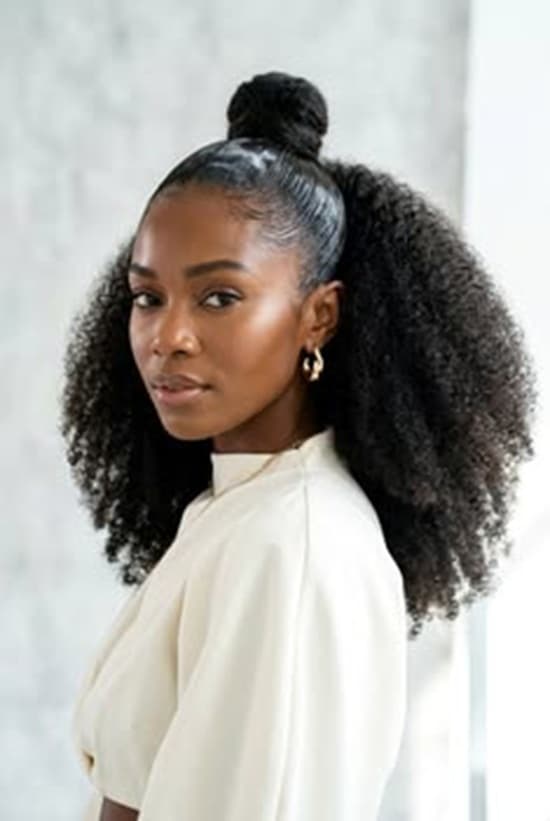 Photo Courtesy
The phrase “good hair” emerged, often referring to hair that was looser, softer, or closer to European textures.
Tighter coils and kinks were often seen as less desirable. While generations of Black women have challenged these attitudes, they still linger.
These attitudes persist in workplaces, schools, and other professional settings.
Black women report being judged for their natural hair texture and chosen hairstyles. Braids, locs, afros, and twists have sometimes been labeled inappropriate or unprofessional, even when clean and well-maintained.
This discrimination led to the creation of the CROWN Act, which stands for Creating a Respectful and Open World for Natural Hair.
First passed in California in 2019, the legislation protects people from discrimination based on hair texture and styles commonly associated with race. It has since been adopted in several other US states and jurisdictions.
This legislation highlights a key issue: Black women should not have to change their natural hair to meet others’ definitions of professionalism.
However, for those who have experienced workplace discrimination or fear judgment during interviews, hairstyle decisions can become more complex than personal preference.
Not every Black woman who wears a wig or weave is responding to discrimination. However, this context helps explain why hair choices often carry significance beyond appearance.
Practical considerations are also important. Textured hair requires significant care and time.
Washing, conditioning, detangling, moisturizing, stretching, and styling are often part of the routine. Depending on hair length, density, and condition, a wash day can take several hours.
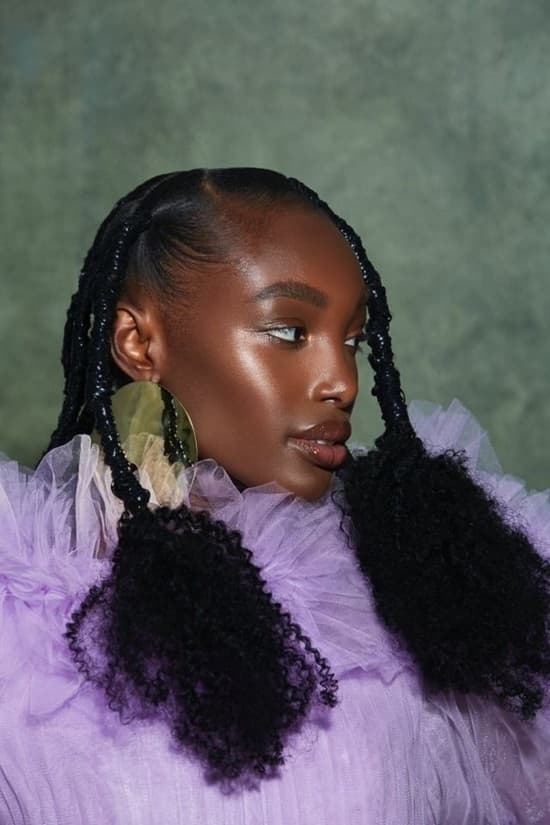 Photo: Symplynatural86
For women with demanding work schedules, busy households or frequent travel, maintaining this routine can be difficult. A protective style may offer a more manageable routine, leaving less time to spend styling hair each morning.
Wigs offer additional convenience.
A woman can wear a wig to change her appearance without altering her natural hair. She might wear a short bob one week, long waves the next, or a different colour for a special occasion.
Weaves provide similar styling options, though they require proper installation and maintenance.
Hair retention is another consideration.
Tightly coiled hair is vulnerable to breakage, so reducing manipulation may help retain length.
Protective styles can support this if installed and maintained correctly. However, tight braids, heavy extensions and poorly fitted wigs can cause tension and contribute to traction alopecia.
Fashion and personal expression are also major reasons Black women experiment with wigs, weaves and extensions.
Black hair culture has a long history of creativity, from intricate braiding patterns to elaborate updos, colourful extensions and sculptural hairstyles.
Wigs and weaves allow experimentation with different lengths, colours, and textures without a permanent change. A woman can wear her natural hair during the week and choose a different hairstyle for a special event.
This versatility is particularly relevant in an era where social media has made fashion and beauty trends more visible.
Instagram, TikTok, and Pinterest provide endless hairstyle inspiration, allowing women to discover new looks and learn different styling techniques.
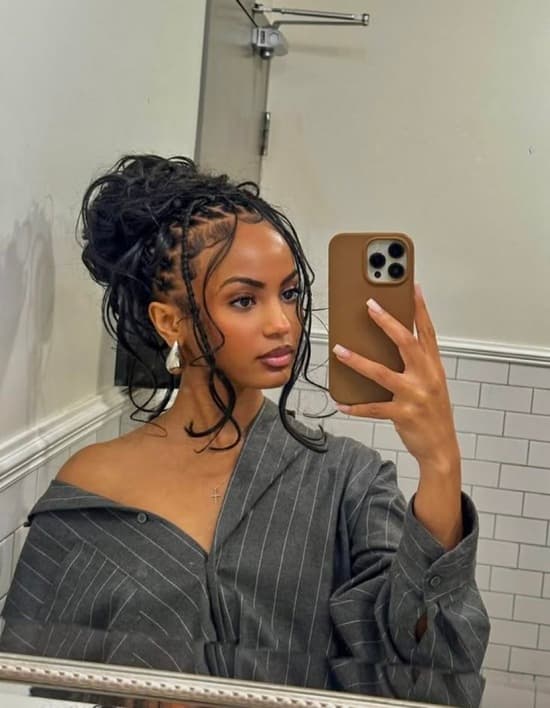 Photo Courtesy
For some, a wig is simply another fashion accessory.
Just as someone might change their handbag, shoes, or outfit to suit their mood, they may choose a different hairstyle to complete a look.
The natural hair movement changed the conversation.
Gaining visibility in the 2000s and 2010s, it encouraged Black women to embrace their natural textures and challenge beauty standards that favoured straight hair.
Women began documenting their natural hair journeys, sharing routines, discussing products and celebrating curls, coils and kinks. Online communities made information about textured hair more accessible, and beauty companies introduced more products for natural hair.
The movement also increased representation of natural textures in advertising, entertainment and fashion.
Afros, twist-outs, braid-outs and wash-and-go styles became more visible, challenging the idea that natural Black hair was unsuitable for professional or social settings.
However, the natural hair movement also raised new expectations within the community.
Some women felt embracing natural hair became another standard to meet. Others observed that looser curls often received more positive attention than tightly coiled hair.
There was also pressure to maintain perfectly defined curls, healthy edges, and elaborate natural hairstyles. For women who found natural hair care demanding, this could be exhausting.
As a result, some returned to relaxers, wigs, weaves, or other styling options.
These choices do not necessarily reject natural hair. Often, women simply want the freedom to choose their appearance without having to justify it.
Judgment can come from multiple directions.
Women with natural hair may be told it appears unkempt or unprofessional, while those who wear wigs, weaves, or relaxers may be accused of rejecting their natural appearance or lacking confidence.
Both perspectives create unnecessary pressure.
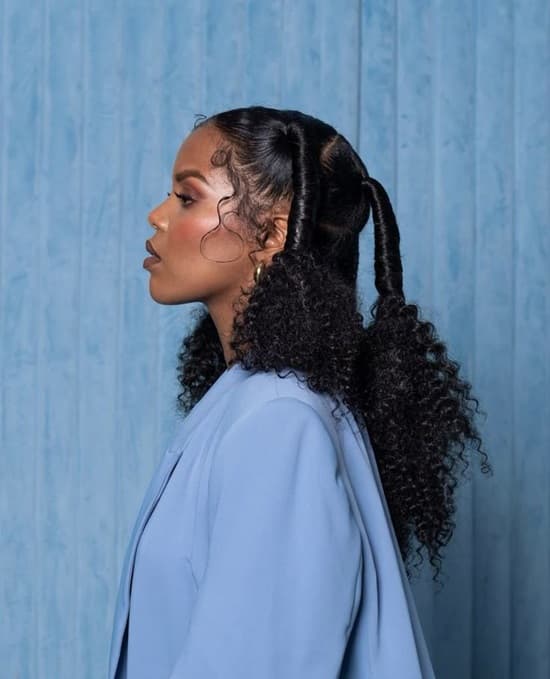 Photo Courtesy
A woman wearing a lace-front wig is not necessarily ashamed of her natural hair.
Similarly, a woman with an afro is not always making a statement about others’ choices. Hair decisions are personal and do not always reflect deeper messages about identity or self-acceptance.
Health and hair loss concerns also influence these decisions.
Traction alopecia, for example, is a form of hair loss caused by repeated tension on the hair follicles. It can result from tight braids, ponytails, extensions, and other hairstyles that continuously pull on the scalp.
Some women choose wigs due to thinning hair or hair loss, while others use them to avoid frequent heat styling or chemical treatments. However, wigs and extensions require proper care.
Wearing tight wigs, neglecting scalp hygiene, or repeatedly installing heavy extensions can cause additional issues.
Chemical relaxers have received increased attention due to research on potential health risks.
This has led some women to reconsider how often they use chemical straighteners. Individual health decisions should be based on reliable medical guidance, not assumptions about all products or methods.
Generational and cultural differences influence how Black women approach their hair.
In some African and Caribbean households, natural hair was encouraged as part of daily life. In others, straightened hair was seen as more suitable for formal or professional settings.
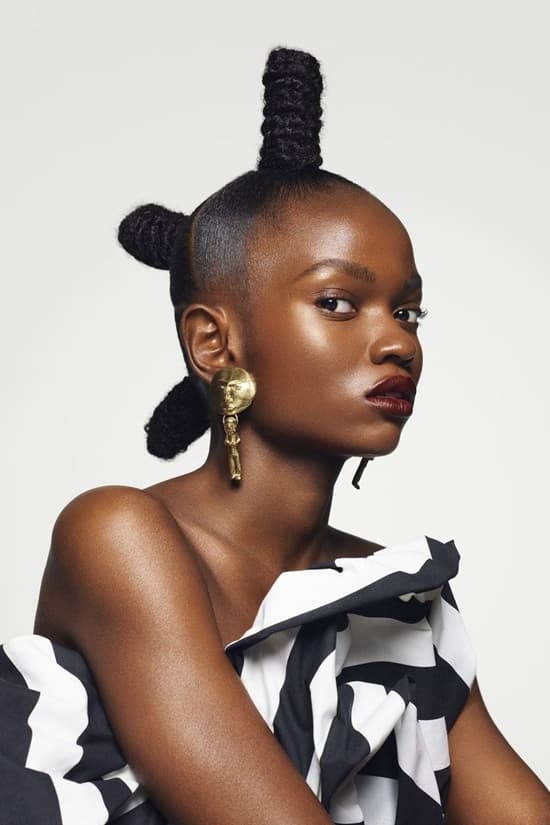 Photo Courtesy
For younger women, the experience differs.
They have greater access to information, tutorials, and products, but also face constant exposure to beauty trends and online opinions.
In Nigeria and other African countries, the conversation is more complex.
Wigs, braids, attachments, and weaves are established parts of beauty culture. Women wear them for convenience, personal expression, celebrations, professional commitments, or simply for enjoyment.
The African beauty industry has developed around these preferences, with salons, wig makers, hair vendors, and independent businesses meeting diverse needs. From locally made braided wigs to imported human-hair extensions, women have many options at various price points.
Meanwhile, natural hair care is expanding.
More African women are embracing their curls, coils, and kinks, and local brands are introducing products for textured hair. This shift offers a broader range of choices rather than replacing one style with another.
The idea that Black women do not wear their natural hair oversimplifies a diverse range of experiences.
Many wear their natural hair daily, while others alternate between natural styles, protective hairstyles, wigs, and weaves based on their schedules, preferences, climate, and circumstances.
There is no single reason why Black women wear wigs and weaves. History, beauty standards, workplace discrimination, hair maintenance, fashion, convenience, and personal preference all influence these choices.
What matters is recognizing that natural hair and alternative hairstyles do not have to compete.
A woman can appreciate her natural texture and still enjoy wearing a wig. She may wear braids, return to her curls, or later choose to straighten her hair. None of these decisions should require explanation or apology.
Black women’s hair has held cultural, political, and social significance for generations. It has been celebrated, criticized, regulated, and commercialized. Ultimately, it remains a part of personal appearance and identity.
The healthiest approach is to allow women the freedom to choose what works for them. Whether it is an afro, twist-out, braids, silk press, lace-front wig, weave, or shaved head, the decision belongs to the individual.
The real question is not why Black women wear wigs and weaves, but why their hair choices require so much explanation.
Natural hair deserves acceptance, protective styles deserve understanding, and personal preference deserves respect.
The goal is not uniformity, but ensuring every option is a choice women can enjoy without judgment.
Photo Courtesy
You May Also Like:

How to Dry Your Hair Without Causing Unnecessary Damage
The Hair Appointment Struggle Every African Woman Understands
Cherry Cola Hair is Back, and Brunettes are Trying Out the Glossy Red Hairstyle
Crimped Hair Is Back, But It Looks Nothing Like the Version You Remember
The Gamine Pixie is Giving the Classic Crop a Softer, More Modern Update
Hair Mistakes That Can Make an Expensive Hairstyle Look Basic
Why Does Getting Your Hair Done Feel Like a Reset Button?
The Celebrity Hair Transformations Nobody Saw Coming in 2026

The New Hair Goal Is Fullness, Not Just Length
Frontal Hairstyle Trends: When Does It End?
Is Long Hair Still the Ultimate Beauty Standard?
Are Heatless Curls Actually Better for Your Hair?


Esther Ejoh is a Fashion Editor at Fashion Police Nigeria, where she writes all things fashion, beauty, and celebrity style, with a sharp eye and an even sharper pen. She’s the girl who’ll break down a Met Gala look one minute, rave about a Nigerian beauty brand the next, and still find time to binge a movie or get lost in a novel. Style, storytelling, and self-care? That’s her holy trinity.