Published: November 3, 2026 Last Updated 20 hours ago by FPN
Every few weeks, a new beauty trend emerges, promoted through polished before-and-after pictures, glowing testimonials, and videos that make dramatic transformations look surprisingly simple.
From glass skin and butter skin to the clean girl aesthetic, extreme contouring, and overnight hair-growth remedies, each trend promises something appealing: better skin, healthier hair, or a more polished look.
The message is often the same.
Follow a few specific steps, purchase the recommended products, and you, too, can achieve the results everyone is talking about.
However, trying new beauty trends isn’t always as exciting as the videos suggest.
Behind the flawless finishes and impressive transformations are products that may not work, routines that take too much time, and techniques that require more skill than expected.
Some people experience redness, peeling, or breakouts after introducing new skincare products, while others discover that a hairstyle advertised as low-maintenance requires regular salon visits and several styling products.
Money and time are spent, yet the promised results remain elusive.
This gap between expectation and experience reveals something important about modern beauty culture.
Trends can introduce people to useful products and fresh ways to express themselves, but they can also create unrealistic expectations about how skin, hair, and makeup should look.
Understanding the reality of trying new beauty trends means looking beyond the excitement of viral content and asking more practical questions: Does the trend suit your skin type?
Can your hair tolerate the technique?
Will the routine fit your lifestyle and budget?
Most importantly, are the results worth the effort?
Social media has changed how people discover and adopt beauty trends.
Techniques that once required professional training, specialist equipment, and years of experience now appear accessible through short videos and step-by-step tutorials.
An influencer can demonstrate a complicated makeup technique in less than a minute, while a skincare creator can present an elaborate morning routine as the secret to a clear complexion.
 Photo: Instagram/zendaya
The problem is not that these videos exist.
Many creators share genuinely useful information, and online communities can help people discover products suited to their needs. The difficulty lies in knowing which recommendations are reliable and which have been presented primarily to attract attention.
A video showing a dramatic transformation rarely communicates the full story.
It may not explain how long the results took, whether professional treatments were involved, or how much the creator spent on products. Lighting, camera angles, filters, and editing can also change the appearance of skin and makeup.
What looks like a remarkable improvement in a carefully prepared video may look very different in ordinary daylight.
This is particularly important when considering skincare.
A creator may recommend combining exfoliating acids, retinoids, vitamin C, and other active ingredients to achieve a smooth, glowing complexion.
Yet the suitability of these ingredients depends on several factors, including their concentrations, the person’s existing routine, and the condition of their skin barrier.
Using several active products at once can increase the risk of irritation, especially for someone who is new to skincare.
Dermatologists have repeatedly cautioned against copying complicated routines without understanding the products involved.
Irritant contact dermatitis, breakouts, redness, and post-inflammatory hyperpigmentation can follow poorly planned skincare experiments.
When irritation occurs, the person may need to stop using several products and spend additional money on suitable care.
The reality of trying new beauty trends becomes clearer when the excitement of discovery is separated from the practical work required to achieve a result. A product that works well for one person may not suit another, even when both follow the same instructions.
Algorithms also have limitations.
They can identify popular content, but they cannot determine whether a recommendation suits your skin, your climate, your hair texture, or your budget. A trend may be everywhere on your feed without being the right choice for you.
When Trends Meet Real Skin and Real Life
Skin is not a blank canvas.
Its condition is influenced by genetics, hormones, age, environmental exposure, existing skincare habits, and individual sensitivity. These differences matter when evaluating popular beauty routines.
Consider the glass skin trend, which promotes a smooth, hydrated complexion with a reflective finish. The look often involves hydration, careful exfoliation, and products that support the skin barrier.
However, achieving a glossy appearance is not the same as improving skin health.
Applying multiple layers of rich products may leave some people with an uncomfortable, greasy finish or contribute to clogged pores, depending on their skin and the formulations involved.
Climate adds another consideration.
In hot, humid environments, including many parts of Nigeria, heavy products may feel uncomfortable during the day, particularly when combined with sweat and sunscreen.
A routine developed for someone living in a cooler climate may need adjustments before it becomes practical in a tropical environment.
 Photo: Instagram/LIRISAW
Sun exposure is another concern.
Some skincare ingredients can increase sensitivity or make irritated skin more vulnerable to further damage.
Introducing strong exfoliants without suitable sun protection can be counterproductive, especially for people prone to dark marks after inflammation. The goal should be to improve the skin gradually rather than pursue a temporary glow at the expense of its condition.
Hair trends present similar challenges.
A hairstyle may look beautiful in a tutorial but require hours of preparation, specialised products, and frequent maintenance.
Sleek ponytails, tightly braided styles, and certain protective hairstyles can place excessive tension on the hairline when installed too tightly or worn repeatedly without sufficient recovery time.
This can contribute to traction alopecia, a form of hair loss associated with prolonged pulling on the hair.
For women who have spent months trying to grow their edges, discovering thinning around the hairline can be particularly upsetting. The style that was supposed to protect the hair may have contributed to the very problem they were hoping to prevent.
Makeup trends also behave differently outside the controlled environment of a studio. Heavy contouring that looks defined beneath ring lights may appear harsh in natural daylight.
A generous application of highlighter may create a beautiful finish for a photograph but resemble excess oil after several hours in humid weather. Products may oxidise, settle into fine lines, or wear away as the day progresses.
These experiences explain why the reality of trying new beauty trends often differs from the carefully edited version presented online. A successful beauty routine must work under ordinary conditions, not only in front of a camera.
The Financial and Emotional Toll
Beauty experimentation can become expensive surprisingly quickly.
A person may purchase a trending cleanser, serum, moisturiser, foundation, hair oil, or styling tool because it appears to be the missing piece in their routine. When the product fails to deliver the expected results, another purchase often follows.
Over time, the bathroom cabinet fills with half-used products.
Some were unsuitable from the beginning, while others may have needed more time or a different application method. A few may have been perfectly adequate but abandoned because another product promised faster results.
This cycle of buying, testing, disappointment, and replacing can turn beauty care into an ongoing expense rather than a considered investment. The problem becomes more serious when a reaction requires additional products or professional treatment.
There is also an emotional cost that receives less attention.
Constant exposure to carefully curated faces and hairstyles can change how people view their own appearance.
Visible pores, natural skin texture, uneven pigmentation, frizz, and occasional breakouts may begin to feel like problems that need immediate correction.
Features that were once accepted as normal can become sources of insecurity after repeated exposure to edited images.
A person may start a skincare routine to address one concern, only to discover several more through the beauty content they consume.
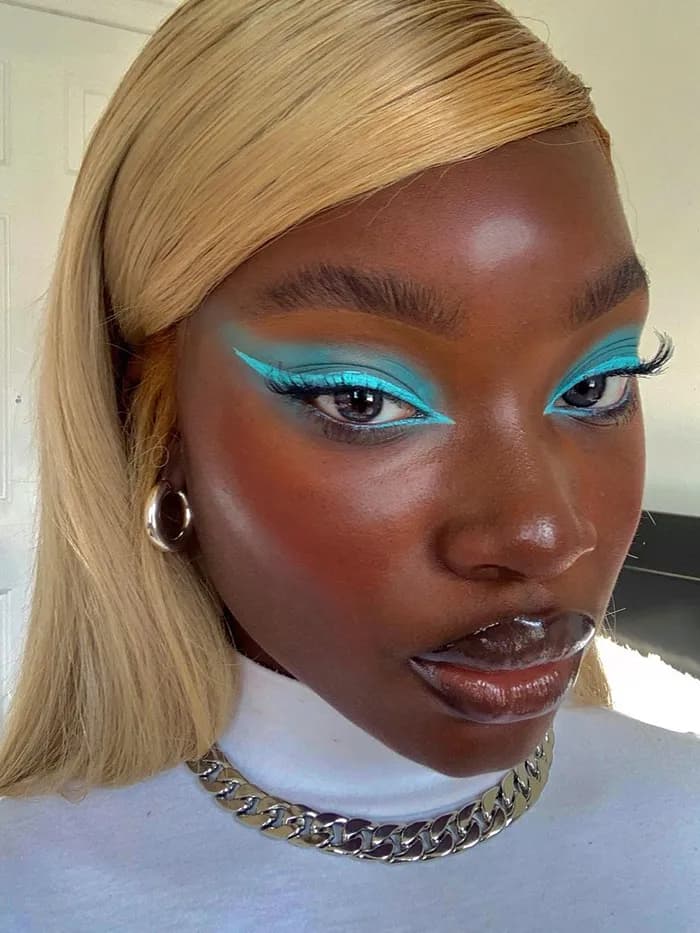 Photo: Instagram/isabelleikpeme
The reality of trying new beauty trends is therefore not limited to whether a product works. It also involves examining how the trend affects the way you feel about yourself.
This does not mean that wanting to improve your appearance is wrong.
Makeup can be creative, skincare can be rewarding, and a new hairstyle can provide a welcome change. The concern arises when beauty routines become driven by the fear of looking outdated, unattractive, or insufficiently polished.
Financial circumstances also matter.
Not everyone can afford to replace their skincare products every month, purchase expensive styling tools, or visit a salon whenever a new look becomes popular.
Treating constant consumption as a requirement for looking good places unnecessary pressure on people with other priorities.
A useful question to ask before making a purchase is whether the product addresses a genuine need or simply creates excitement about a problem you had not considered before.
Why the Gap Exists
Several factors contribute to the difference between how beauty trends are presented and how they perform in everyday life.
First, dramatic results attract attention.
A video showing a sudden transformation is more likely to encourage curiosity than one documenting small improvements over several months. As a result, gradual progress often receives less visibility than striking before-and-after content.
Second, the commercial interests behind beauty recommendations are not always obvious.
Some creators earn money through affiliate links, sponsored partnerships, or product sales.
These arrangements do not automatically make their recommendations unreliable, but they make transparency important. Viewers should be able to distinguish a personal opinion from paid promotion.
Third, beauty content often leaves out the details that determine whether a technique is appropriate.
A tutorial may demonstrate a successful routine without explaining the creator’s skin type, hair texture, product history, or professional assistance. Without that context, viewers are left to assume that the same method will work for them.
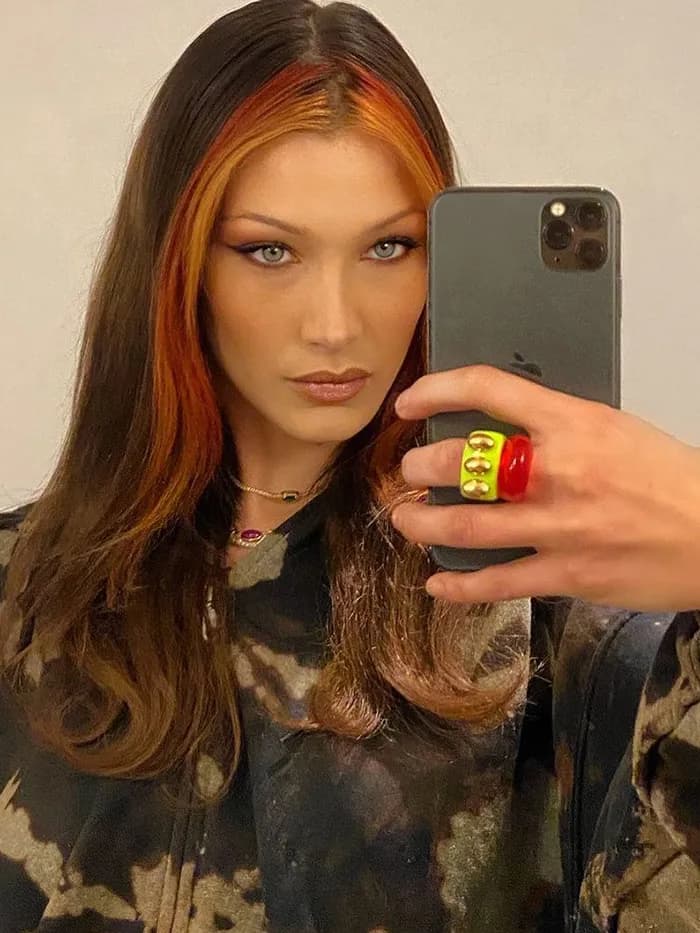 Photo: Instagram/bellahadid
Climate and cultural differences can also be overlooked.
Advice developed for one environment may not translate directly to another. People living in hot, humid regions may need different product textures and styling approaches from those living in colder climates.
Hair care is an especially clear example.
Recommendations that work well for straight hair may not address the needs of tightly coiled hair, which can be more vulnerable to dryness and breakage.
Similarly, people with darker skin tones may need careful guidance on managing hyperpigmentation and avoiding irritation that can leave persistent marks.
These differences do not make global beauty trends useless. They simply show why recommendations need context.
The reality of trying new beauty trends is that popularity cannot replace individual assessment.
A product can be widely praised and still be unsuitable for your needs. A technique can look impressive and still be impractical for your lifestyle.
A More Grounded Approach to Beauty Trends
Enjoying beauty trends does not require abandoning every new product or technique. It means approaching them with curiosity, patience, and a clearer understanding of your needs.
Start by identifying what you want to achieve.
If your concern is dryness, look for products designed to support hydration rather than immediately purchasing a complete routine promoted for glass skin.
If you want to reduce hair breakage, consider your washing habits, detangling methods, and styling tension before investing in several growth products.
Introducing one change at a time makes it easier to understand what works.
When several new products are added together, it becomes difficult to identify which one caused irritation or delivered an improvement. A gradual approach also reduces unnecessary spending.
For skincare, pay attention to how your skin responds rather than judging a product solely by its online popularity. Follow the directions, introduce active ingredients carefully, and use appropriate sun protection.
If you experience persistent irritation, stop using the suspected product and seek professional advice when necessary. Severe reactions, swelling, or significant discomfort should not be dismissed as signs that a product is working.
Hair care requires similar attention.
Before adopting a new style, consider the tension it places on your scalp, the maintenance it requires, and whether your hair needs a break from heat or chemical treatments.
A style should not come at the expense of your hairline or scalp health.
It is also worth researching products beyond social media.
Look for ingredient information, credible professional guidance, and reviews that discuss both benefits and drawbacks.
Reviews from people with similar skin types, hair textures, and environmental conditions may provide useful context, although individual experiences still vary.
Budget should be part of the decision.
Calculate the full cost of maintaining a trend, including replacement products, salon appointments, tools, and any additional care it might require.
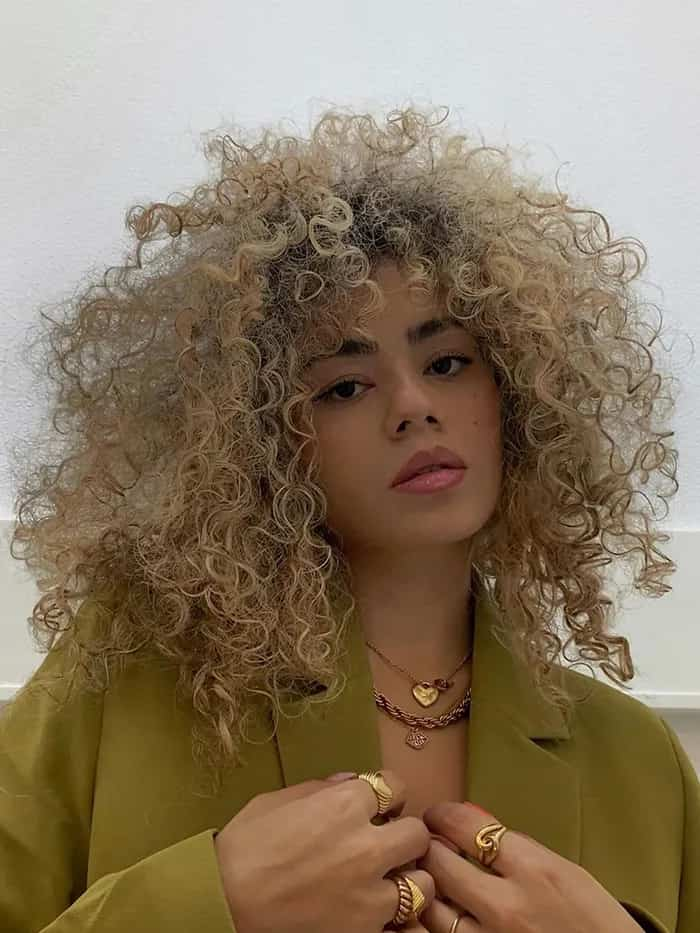 Photo: Instagram/celmatique
A relatively inexpensive product can become costly if it needs frequent replacement, while a more expensive item may offer better value if it genuinely meets your needs and lasts longer.
Most importantly, allow yourself to opt out.
You do not need to try every trending product, recreate every celebrity hairstyle, or follow every makeup technique to take care of your appearance.
There is a particular satisfaction in discovering a routine that fits your life without demanding constant adjustments.
The products that become everyday favourites are often not the ones generating the most online attention. They are the ones that suit your needs, deliver consistent results, and remain comfortable to use.
A good cleanser does not need to promise a complete transformation.
A moisturiser does not need to become a viral sensation to be useful. A hairstyle does not have to be complicated to look attractive. Sometimes, the best beauty decision is to keep using something that already works.
This is particularly relevant when considering long-term skin and hair care.
Healthy-looking skin is not always perfectly smooth, and healthy hair does not need to follow one particular texture or length. Natural variation is part of being human, even when social media makes it easy to forget.
Makeup can also be enjoyable without becoming a performance.
A simple base, a flattering lip colour, or a technique that highlights your favourite features may be more practical than recreating a complicated look that requires constant touch-ups.
The same applies to hair.
A cut or style that suits your texture and schedule may offer more satisfaction than one that demands daily heat styling.
The reality of trying new beauty trends becomes easier to manage when the goal shifts from keeping up with everyone else to understanding what makes you feel comfortable. Trends can inspire experimentation, but they should not dictate your entire routine.
There is room for curiosity and consistency at the same time.
You can try a new lipstick without replacing your entire makeup collection.
You can experiment with a different hairstyle while protecting your hair from unnecessary tension.
You can explore skincare ingredients without layering every active product recommended in a viral video.
Beauty should leave room for enjoyment, not create an endless list of things to fix.
Conclusion
Beauty trends will continue to change.
New skincare ingredients, makeup techniques, hair treatments, and styling aesthetics will emerge, each accompanied by enthusiastic recommendations and impressive visuals.
Some will introduce useful ideas, while others will fade before delivering lasting value.
Understanding the reality of trying new beauty trends does not mean becoming suspicious of every recommendation. It means recognising that results depend on individual needs, suitable products, consistent care, and realistic expectations.
Before trying something new, consider whether it suits your skin or hair, whether you can maintain it, and whether the expected benefits justify the cost.
Give products time to work when appropriate, recognise when a technique is causing harm, and seek professional guidance when a concern requires more than trial and error.
You do not have to reject beauty trends to make thoughtful choices. You simply need to remember that what works for someone else may not work for you.
Ultimately, the most useful beauty routine is not the one that changes every few weeks.
It is the one that supports your needs, respects your budget, and makes you feel good without demanding more time, money, or peace of mind than it gives in return.
Photo Courtesy
You May Also Like:
Beauty Problems Nobody Talks About Enough

The Unrealistic Beauty Expectations Women Secretly Carry
The Anti-Ageing Beauty Advice Women Should Stop Following
Beauty Products Are Increasingly Becoming Hybrid — Here's Why
Are Beauty Filters Changing What Women Think They Actually Look Like?

Hold On... Are Fenty Skin, Huda Beauty, and Glow Recipe in a Packaging Drama?

The Best Beauty Looks at the 2026 Emmy Awards
Best Perfumes for Women in Nigeria and Ghana
Latest African Beauty Trends Taking Over Social Media
The Best Beauty Salons in Lagos, Accra, and Nairobi
16 African Beauty Brands You Need to Know in 2026
Beauty Trends: What’s Old is New Again


Esther Ejoh is a Fashion Editor at Fashion Police Nigeria, where she writes all things fashion, beauty, and celebrity style, with a sharp eye and an even sharper pen. She’s the girl who’ll break down a Met Gala look one minute, rave about a Nigerian beauty brand the next, and still find time to binge a movie or get lost in a novel. Style, storytelling, and self-care? That’s her holy trinity.