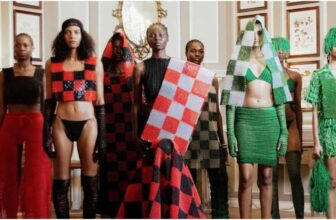
For many years, the African boubou was primarily associated with family gatherings, traditional ceremonies, religious celebrations, and older relatives who valued its flowing design.
It was a familiar and comfortable staple of African attire, often seen at weddings, naming ceremonies, or Sunday gatherings, typically paired with a matching headwrap, selected jewellery, and sandals.
However, the boubou is now entering a broader fashion conversation that extends beyond traditional occasions.
Nowadays, fashion-conscious women are styling oversized boubous with sunglasses and statement handbags, while fashion designers experiment with aso-oke, adire, lace, silk, and other fabrics.
The boubou is now featured in contemporary wardrobes, fashion inspiration pages, and discussions about African fashion‘s global influence. Younger women are adopting new ways to wear the wardrobe statement, demonstrating that a garment can remain culturally significant while appealing to a new generation.
Notably, the boubou has attracted renewed attention without a complete reinvention.
Its defining features—generous fabric, flowing silhouette, dramatic sleeves, and ease of movement—continue to make an impression without relying on a fitted shape.
What has changed is the way people choose to wear it.
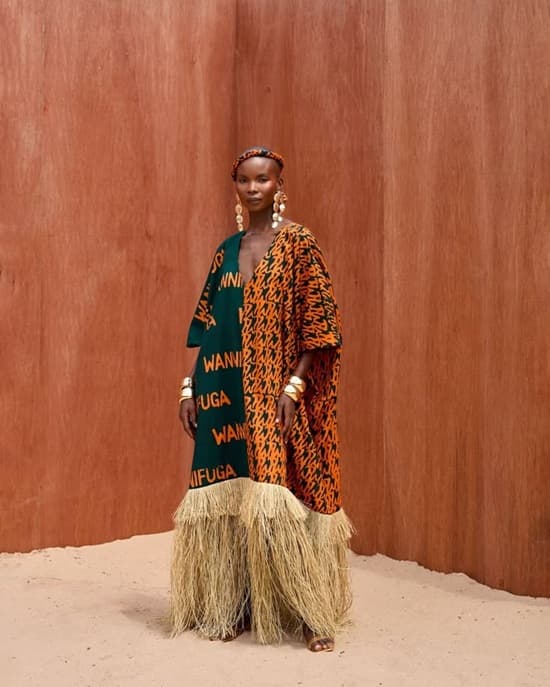 Photo: Instagram/wannifuga
In a fashion landscape dominated by body-conscious dresses, elaborate corsets, and structured outfits, the boubou presents an alternative. It emphasizes comfort, personal expression, and the appeal of a well-made garment.
You can wear the boubou without worrying about a perfect fit, style it simply, or dress it up with heels or flat sandals.
For a generation increasingly interested in cultural identity, sustainable fashion, personal style, and clothing with a story, the African boubou offers significant appeal.
The boubou is not new and does not need social media validation to be part of African fashion.
However, its renewed popularity prompts the question: why is the boubou appealing again, and what makes it relevant to contemporary dressing?
Renewed interest in the boubou reflects a broader discussion about African fashion and the evolution of traditional clothing.
Across West Africa, designers are revisiting classic silhouettes, incorporating local textile traditions, and creating garments that balance cultural significance with contemporary relevance.
A September 2025 feature by The Guardian Nigeria highlighted designers such as Isi Atagamen and Nayoush, who reinterpret the boubou through fabric, colour, and construction.
The discussion now extends beyond traditional ceremonies to how this garment fits into various aspects of modern life.
Understanding the boubou’s renewed attention requires a look at its history.
The garment has deep roots in West African attire, especially in Nigeria, Senegal, Mali, Ghana, and Côte d’Ivoire.
While names and construction vary, the boubou is typically recognized by its loose, flowing shape, wide sleeves, and generous fabric.
 Photo Courtesy
The grand boubou, in particular, has a long history in West African fashion.
According to the Wereldmuseum in Rotterdam, archaeological findings in Mali indicate that versions of the garment have been worn since at least the 11th century. Its development was influenced by centuries of trade and cultural exchange across Africa.
The garment eventually became an important part of formal dressing, with fabric quality, embroidery, and craftsmanship often reflecting the wearer’s social standing.
In Nigeria, the boubou has long been part of the national clothing culture and is often called bubu in everyday conversation. It is especially common in Yoruba attire, where flowing garments remain popular.
The boubou is not exclusive to any one ethnic group or country; various West African communities have their own interpretations, names, textile traditions, and styles of wearing it.
Traditionally, the boubou was carefully constructed, with attention to fabric and finishing. Versions ranged from cotton to damask, handwoven textiles, silk, and richly decorated fabrics.
Embroidery around the neckline and chest was often significant, especially for formal garments. The grand boubou could also be part of a larger ensemble with a tunic, trousers, and headwear.
The Victoria and Albert Museum’s documentation of a Senegalese grand boubou from 1966 offers further insight into the garment’s history. The ensemble included an embroidered organza outer robe, matching head-tie, top, and wrapper.
This shows that experimentation with fabric and styling is longstanding, as women have adapted the boubou to their personal style for decades.
A key reason for the boubou’s renewed popularity is the growing appreciation for clothing that does not require the body to conform to a specific shape.
While fitted dresses, corsets, bodycon silhouettes, and structured outfits remain popular, not everyone wants to spend the day in restrictive clothing.
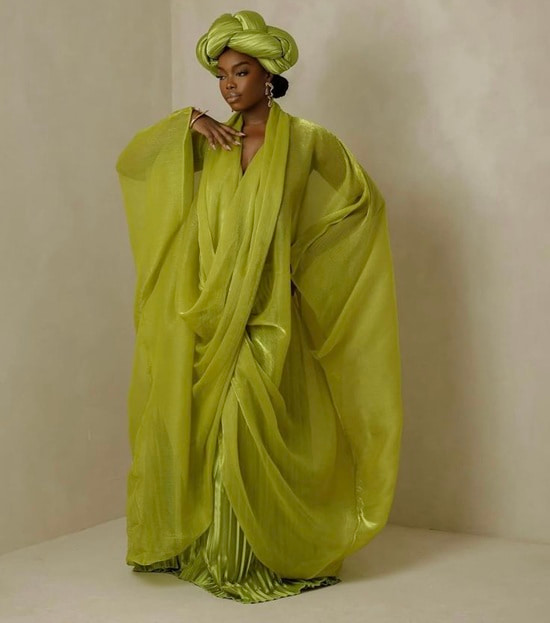 Photo Courtesy
The boubou provides an alternative.
Its loose construction allows comfortable movement without the need for constant adjustment. You can sit, walk, eat, dance, and go about your day without discomfort.
This is especially appealing in Nigeria, where the climate can make heavily layered or fitted clothing uncomfortable.
A boubou made from lightweight cotton, linen, or breathable adire is practical for warm days. Fabric choice is important, as a heavy brocade or velvet boubou feels very different from one made with cotton or chiffon.
It is refreshing to have a garment that does not center on body shape.
The boubou does not require a specific waist measurement or appearance to be flattering. Women of various body types can enjoy it, and the same design can look different depending on fabric, length, neckline, and accessories.
The boubou is not limited to those who prefer loose clothing; its appeal is broad.
Contemporary versions may include belts, side slits, asymmetrical cuts, open backs, and shaped waistlines, while others retain the traditional oversized silhouette.
The choice is up to the wearer.
Another factor driving attention to the boubou is how Nigerian and other African fashion designers are reimagining it.
Instead of treating the garment as unchangeable, they are exploring new fabrics, proportions, and construction techniques.
Nigerian designer Isi Atagamen, for example, has created contemporary boubou designs, including silk chiffon versions with layered, translucent fabrics.
These reinterpret the familiar flowing shape with lighter materials, altering the garment’s appearance and movement.
Nayoush is another notable brand, recognized for its modern approach to boubou dressing, including bold colours and unique proportions. These interpretations demonstrate the versatility of a silhouette often assumed to be limited to one style.
This development is significant for African fashion, as it challenges the notion that traditional clothing must remain unchanged. A boubou does not need to be made from a specific fabric, feature identical embroidery, or follow a set length.
Fashion designers can retain the original silhouette while introducing new ideas.
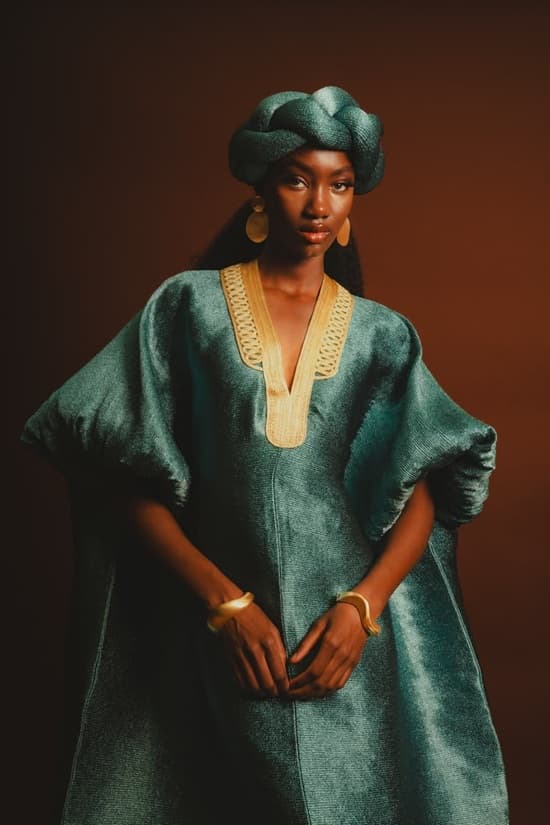 Photo Courtesy
The use of indigenous textiles has also fueled renewed interest.
Aso-oke, adire, Akwete, and other African fabrics are now featured in contemporary collections, including garments inspired by traditional robes and kaftans.
Adire is especially notable for Nigerian fashion enthusiasts. This Yoruba resist-dyeing technique has a long history, with various methods for creating fabric patterns.
Today, designers use adire for dresses, shirts, trousers, jackets, and flowing garments. A boubou made from adire connects to Nigerian textile culture while fitting into a modern wardrobe.
Aso-oke presents another option.
Traditionally linked to Yoruba ceremonial attire, this handwoven textile is now prominent in contemporary fashion.
It can be used for panels, sleeves, necklines, trims, or entire garments. An aso-oke boubou is especially striking due to the fabric’s distinctive texture and visual identity.
Designers are not limited to indigenous textiles when creating a boubou.
Silk, cotton, satin, organza, lace, and linen each offer distinct results. Some women prefer traditional embroidered damask, while others choose a minimal, solid-colour boubou for repeated wear.
This variety has broadened the boubou’s appeal. It is now worn beyond weddings or traditional celebrations.
Younger Africans’ evolving approach to fashion has influenced this shift.
Traditionally, the boubou was associated with older women and worn at church, family gatherings, and celebrations. Many younger women once preferred fitted dresses, jeans, skirts, or contemporary two-piece outfits.
That perception is changing in recent times.
Younger women are now styling the boubou to reflect their personal tastes.
A short boubou pairs well with straight-leg trousers and sandals. Oversized versions can be worn with sneakers and a small handbag, while dramatic designs suit heels, statement earrings, and a structured bag.
Notably, these styling choices often do not require redesigning the garment. Sometimes, the difference lies in how it is worn.
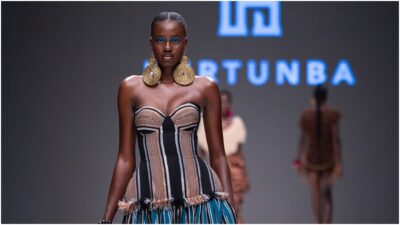
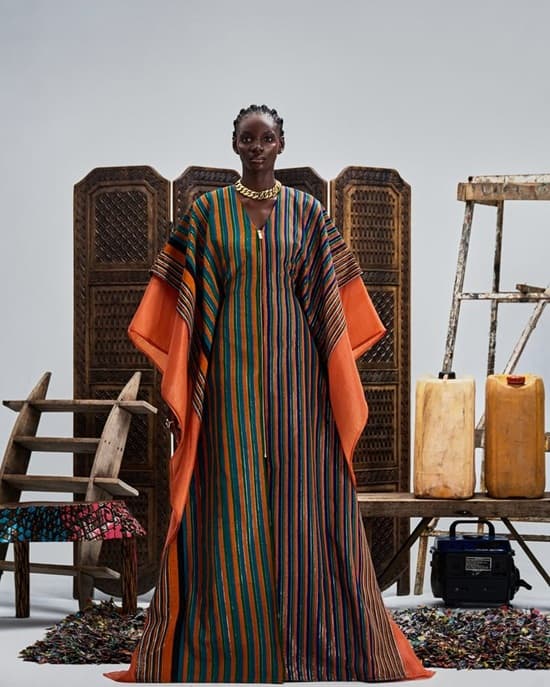 Photo: Instagram/hertunba
Social media has increased the visibility of these interpretations.
Platforms like Instagram, Pinterest, and TikTok allow users to discover how others style familiar garments.
The boubou, once linked to a specific generation, now appears alongside contemporary dresses, oversized shirts, and tailored outfits in fashion inspiration posts.
This exposure encourages people to reconsider their wardrobes and makes it easier to discover designers innovating with African clothing.
Another important point is that the boubou is not limited to womenswear.
Men have worn variations for generations, especially in West African formal and ceremonial contexts. The grand boubou remains central to men’s traditional clothing in countries such as Senegal, Mali, and Nigeria.
Men’s boubous often feature embroidered necklines, chest panels, and matching trousers.
Some are worn with caps or traditional footwear. Depending on the community and occasion, the outfit can convey cultural identity, social status, and respect for tradition.
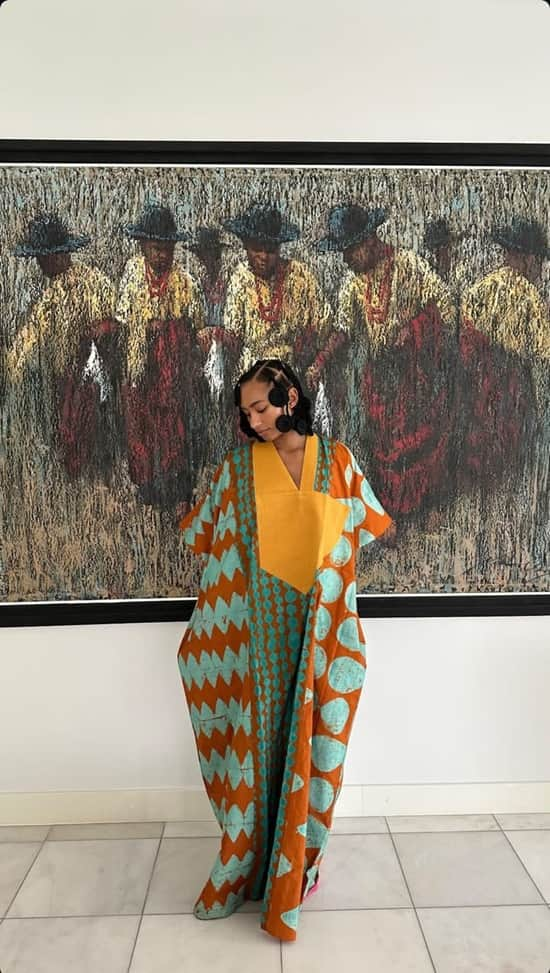 Photo: Instagram/temiotedola
The Wereldmuseum’s collection features Nigerian embroidered boubous, showcasing the range of fabrics and decorative techniques used in their construction.
Today, designers and fashion-conscious men are experimenting with shorter robe-inspired pieces, oversized shirts, and modern interpretations of traditional silhouettes.
The boubou’s adaptable design makes it a relevant topic in discussions of gender and African fashion.
Renewed interest in the boubou reflects a broader appreciation for African identity in fashion.
More people are exploring the stories behind their clothing, the origins of their fabrics, and the designers who develop contemporary pieces from local traditions.
This trend extends beyond the boubou.
Ankara, adire, aso-oke, Akwete, and other textiles have also gained renewed attention in contemporary fashion.
African designers are incorporating these materials into clothing suitable for various countries and settings.
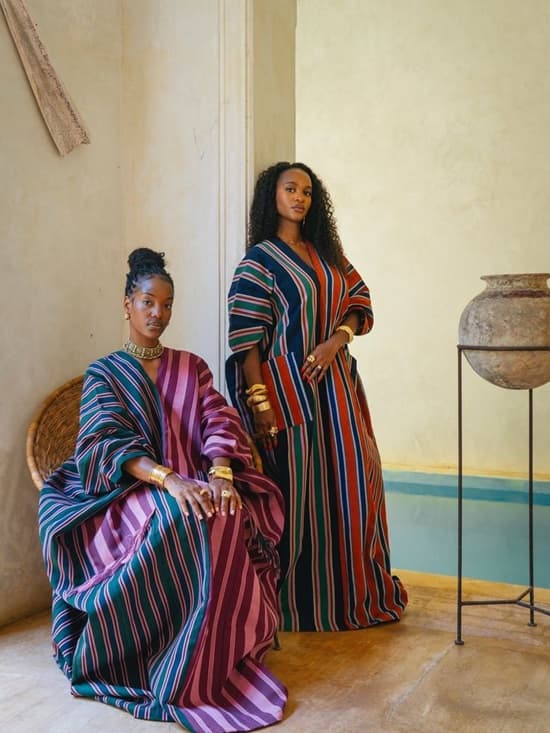 Photo Courtesy
UNESCO’s work on African fashion and textiles highlights how contemporary designers draw on traditional knowledge, local craftsmanship and cultural heritage to develop new clothing and accessories.
It also recognises the importance of garments such as the boubou and agbada within the wider history of African dress.
For fashion designers, this presents an opportunity to create work rooted in African experiences without being limited to traditional styles.
For customers, it offers more options for clothing that reflects their identity.
The boubou aligns with discussions about buying fewer clothes and making thoughtful wardrobe choices. Its shape is not subject to body-conscious trends that date quickly.
A well-made boubou in quality fabric can remain relevant for years, especially if the design avoids temporary fashion details.
Not every boubou is automatically a sustainable purchase.
Fabric, production process, finishing, and garment quality remain important. However, its potential for repeated wear makes it worth considering.
A simple cotton boubou, for instance, can be worn with flat sandals for a relaxed outing, styled with earrings and a handbag for lunch, or dressed up with heels for a social event.
A more elaborate version can be reserved for weddings, religious celebrations, and other occasions.
You can maximize the versatility of a boubou by experimenting with accessories.
A belt changes the silhouette, while a statement necklace draws attention to the neckline.
Large earrings complement simple designs, especially with an interesting neckline. For a traditional look, a matching gele or headwrap completes the outfit.
Footwear also influences the overall impression.
Flat sandals and slides create a relaxed look, while heels make a flowing boubou feel more formal. Sneakers work well with shorter or casual versions.
Handbag choice also matters.
A small structured bag adds contrast, while a woven handbag complements the garment’s textile story. Accessories do not need to match the boubou’s colour; sometimes, a contrasting colour enhances the outfit.
When buying a boubou, fabric should be a primary consideration.
Cotton is ideal for everyday wear because it’s breathable and comfortable.
Linen suits warm weather but wrinkles easily. Silk and chiffon are suitable for dressier designs, while damask, lace, and brocade are popular for formal garments.
Finishing is also important.
Examine the neckline, sleeve construction, seams, and hems. Since the boubou uses substantial fabric, its drape matters. Poorly finished necklines or sleeves can affect the entire garment.
Length is another key detail.
Some women prefer floor-length boubous, while others choose ankle, calf, or shorter versions. Height, footwear, and occasion should guide your choice.
Consider whether you prefer a traditional oversized shape or a defined silhouette.
If you like loose clothing, a belt is not necessary. If you want more waist definition, a well-placed belt can alter the look without detracting from the garment.
The boubou’s renewed popularity isn’t about replacing other styles, but about offering another option and acknowledging African clothing’s creative potential.
You can enjoy fitted dresses and a flowing boubou, or wear jeans during the week and a traditional-inspired robe on weekends.
Personal style can be diverse.
The boubou does not need to be expensive to look good.
A simple design in quality cotton can be as appealing as an elaborate piece in costly fabric. Fit, construction, fabric, and personal taste are what matter most.
The most significant change is that younger fashion enthusiasts now see the boubou as a versatile garment with history, not just attire for a specific age group.
The boubou’s appeal is not tied to current trends. It has endured across generations and remained integral to West African dress.
Today, there is renewed appreciation for its versatility.
This may explain why the African boubou is experiencing renewed popularity.
People increasingly value clothing that is beautiful yet comfortable, culturally rooted yet modern, and stylish without constant reinvention.
The boubou, once a staple in our mothers’ wardrobes, is reaching a new audience.
Some wear it with traditional accessories, others pair it with sneakers and modern handbags, while designers continue to explore its potential.
The boubou has not suddenly become fashionable; we are simply recognizing its enduring value.
Photo: Hertunba
You May Also Like:

Rendoll's SS27 Collection Makes a Case for Dressing for Every Moment
12 Things We Want to See From African Fashion Brands in 2027
Sarah Diouf Gave Prints a New Meaning at GTCO Fashion Weekend in Lagos

Let's Talk About Imane Ayissi's Collection at the 2026 GTCO Fashion Weekend
The African Girlie Starter Pack To Follow

AFRIFF at 15: Africa's Biggest Film Festival Just Doubled Down on the Future

Lagos Fashion Week Day 4: Closing the On-site Runway in Style

Lagos Fashion Week Day 3: The People and Designs Moving Fashion Forward Beyond Craftsmanship
Lagos Fashion Week Day Two: Insights, Industry, and Runway Highlights

Oshobor Reimagined Wool and Breezy Feathers into Cute Pieces at Lagos Fashion Week

Inside Kilentar's SS27 2026 Lagos Fashion Week Show
Hertunba Opens Lagos Fashion Week 2026 with Heritage and Powerful Silhouettes


Esther Ejoh is a Fashion Editor at Fashion Police Nigeria, where she writes all things fashion, beauty, and celebrity style, with a sharp eye and an even sharper pen. She’s the girl who’ll break down a Met Gala look one minute, rave about a Nigerian beauty brand the next, and still find time to binge a movie or get lost in a novel. Style, storytelling, and self-care? That’s her holy trinity.