Scroll through fashion content on social media, and you will quickly come across advice on how to look expensive.
Some creators recommend neutral colours and structured handbags, while others insist that the right pair of shoes, a neat hairstyle and a well-coordinated outfit can make an affordable wardrobe look considerably more expensive.
The advice has become familiar enough to feel like its own category of fashion content.
There are outfit breakdowns, shopping recommendations, lists of wardrobe essentials, and endless comparisons between designer pieces and more affordable alternatives. The common objective is to create an appearance associated with wealth, regardless of what the clothes actually cost.
There is nothing wrong with wanting to look polished or finding ways to make everyday outfits more put together. The question is why looking expensive has become such a common aspiration in the first place.
When did the impression of wealth become such a prominent part of how we talk about personal style?
Fashion has always been connected to status, but social media has made the relationship more visible.
An outfit can now be examined by thousands of people, with many comments often focusing on the labels, accessories, and estimated prices behind a look.
Looking expensive has become a familiar compliment. And somehow it has also become a standard that many people feel they should meet.
The Rise of the Expensive-Looking Outfit
The idea of dressing to communicate wealth is not new.
For decades, recognisable designer bags, statement accessories and clothing from established fashion houses have served as visible signs of status. What has changed is how widely the conversation now reaches.
Social media has turned the expensive-looking outfit into something people can study and recreate.
A creator can share a head-to-toe look, identify similar pieces at lower prices, and explain how to achieve the same impression without buying the original designer items.
Fashion advice that once circulated among a smaller audience now reaches people who may have very different budgets and shopping habits.
The rise of quiet luxury added another dimension to this conversation.
The trend brought attention to restrained colours, simple silhouettes and understated accessories.
Instead of relying on prominent logos, the look drew on familiar associations with wealth, particularly the idea that people with considerable spending power do not need to display it openly.
The wardrobes of the Roy family in HBO’s Succession became a popular reference point.
Brands such as The Row also gained attention for clothing that communicates status through its design and price rather than obvious branding.
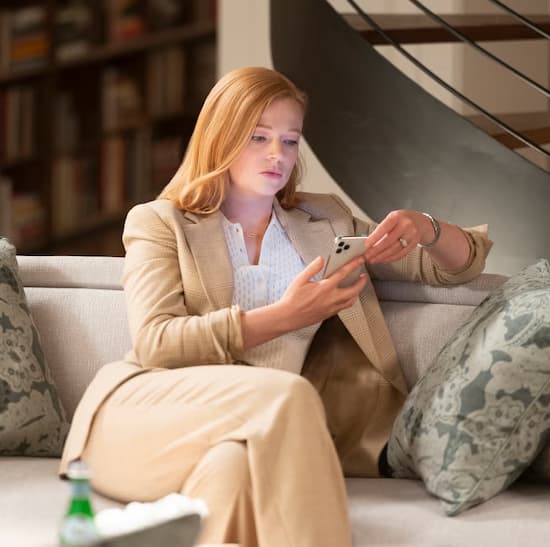 Photo: HBO
Yet the wider lesson many people took from quiet luxury was how to look wealthy without wearing visible designer logos. Neutral outfits, tailored trousers, simple jewellery and structured bags became regular recommendations in online guides to looking expensive.
This is where the conversation becomes interesting.
Many of the clothes recommended in these videos are usually wardrobe staples.
A white shirt, black trousers, or a simple dress can work in several different ways.
However, the advice often presents these pieces by promising that they will make you look wealthier, rather than through their usefulness or the wearer’s personal style.
The same outfit might receive a different reaction depending on the handbag, shoes, or accessories paired with it.
That tells us something about how much attention fashion now gives to the impression an outfit creates.
When Personal Style Becomes a Performance
One consequence of the obsession with looking expensive is that getting dressed can begin to feel like an exercise in managing other people’s perceptions.
People may avoid certain colours, prints or silhouettes because these choices do not fit the image of understated wealth promoted online.
Others may feel pressure to replace perfectly usable accessories because a particular handbag shape or shoe style has become associated with a more polished appearance.
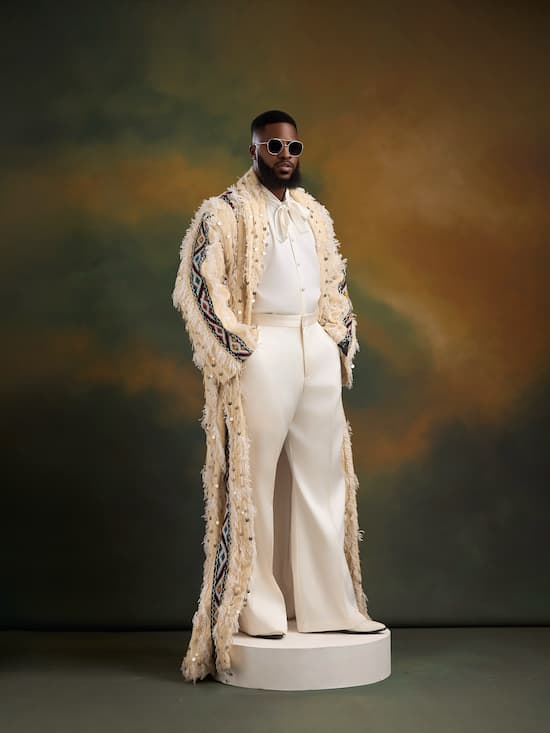 Photo: Instagram/@akinfaminu
Even shopping can become tied to the need to maintain an image.
Designer dupes and affordable alternatives appeal to consumers who like the appearance of a particular item but cannot or do not want to pay the original price.
There is nothing unusual about finding a less expensive version of a style you admire. But the pressure becomes more apparent when the purchase matters mainly because someone might mistake it for the designer’s original.
Fashion then becomes less about what someone enjoys wearing and more about how an outfit will be received. The question shifts from whether a person likes a particular dress to whether it looks expensive enough.
Social media reinforces this pressure through constant comparisons.
A creator’s wardrobe, a celebrity’s airport outfit, or a carefully styled everyday look can quickly become another reference point for what people should be wearing.
Viewers see the finished outfit without necessarily seeing the budget, access to clothing, styling assistance, or time it takes to put it together.
The pressure also affects how people think about wearing clothes more than once.
Outfit repeating has sometimes attracted unnecessary criticism, particularly when celebrities are expected to appear in a different look at every public event.
Yet wearing a dress again does not make it less interesting. A different combination of shoes, accessories, or outerwear can change how an existing piece feels.
Zendaya’s return to her 2015 Vivienne Westwood dress in 2026 brought renewed attention to a garment she had worn more than a decade earlier.
The moment was a reminder that an outfit does not lose its relevance simply because the public has seen it before. The decision to wear something again can be part of a considered personal style, rather than a sign that someone has run out of options.
There is also a difference between taking inspiration from fashion content and allowing it to dictate every wardrobe decision.
A recommendation to invest in a good pair of trousers might be useful. Feeling that every outfit must resemble a wealthy person’s wardrobe is another matter.
Does Every Outfit Need to Look Expensive?
Looking expensive is one way to approach dressing, but it is not the only way to look good.
Some people enjoy bold colours, unusual combinations, statement jewellery and expressive prints.
Others prefer simple outfits, repeated staples and a smaller wardrobe. Neither approach needs to prove anything about the wearer’s financial position.
A well-dressed person does not have to follow every trend associated with wealth.
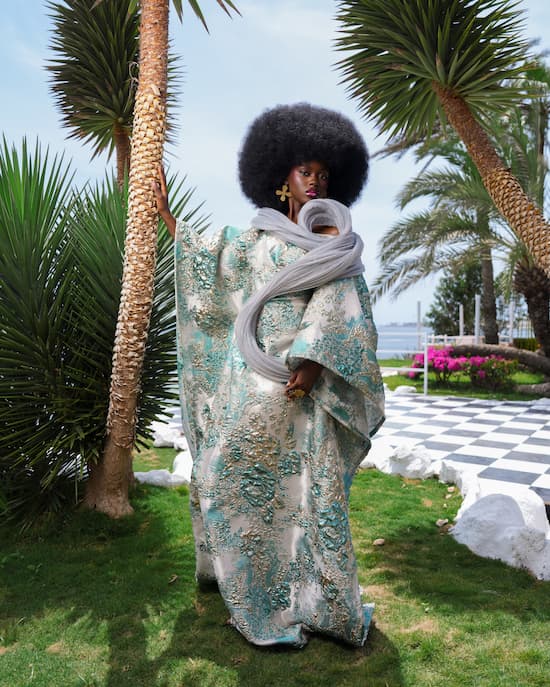 Photo: Instagram/@pertinenceclothing
Personal style can come from knowing which colours you enjoy, choosing silhouettes that suit your taste and finding combinations that feel right for your everyday life.
An outfit can be interesting without resembling a designer look or following a list of rules from a social media creator.
This is also worth remembering when fashion content presents certain items as essential to looking expensive. A structured handbag might work for one wardrobe, while a large everyday tote might make more sense for another.
Some people enjoy wearing tailored separates; others feel more comfortable in relaxed clothing. The value of a style choice should not depend on how closely it matches an online formula.
There is room to admire designer fashion, save for a particular accessory or enjoy the visual language of quiet luxury. There is also room to wear affordable clothes without treating every purchase as an attempt to imitate a more expensive wardrobe.
The fashion industry’s obsession with looking expensive says as much about our relationship with status as it does about clothing. It reflects a culture in which appearance can become a measure of success, even when the people judging an outfit know very little about the person wearing it.
Perhaps getting dressed would be more enjoyable if every outfit did not have to communicate something about wealth.
Looking polished can be satisfying, and dressing well can involve care and thought, but personal style should leave room for individual taste, repetition, experimentation, and the occasional outfit that simply makes you happy.
Photo: Instagram/@maisonlisapo
You May Also Like:
The Problem With Calling Every Expensive Outfit Luxury
Rihanna Showcases Savage X Fenty’s Holiday Lingerie Collection in Plunging Lace Bodysuit

Ciara Marks Her 41st Birthday with Chic Baby Bump Photos
Kim Kardashian Celebrates 46th Birthday with Intimate Gathering

Why Your Body Does Not Need a “Glow-Up”
Simone Biles Opens Up About Eczema and Skin Confidence

Rihanna and Her Three Children Star in Savage X Fenty’s Holiday Onesies Campaign

Should You Actually Dress for a First Date, or Dress for Yourself?
Should Your Partner Have a Say in How You Dress?
Singer Nandy Has Been Fined for Wearing a Nak£d Jumpsuit at Miss Universe Tanzania 2026
21 Nigerian Female Content Creators in the Diaspora You Need to Know

Pregnant Leigh-Anne Pinnock Stuns London Fashion Week in a Sculptural Lactating Bra That Celebrates ...


Evelyn Adenike is an Associate Beauty Editor at Fashion Police Nigeria, where she covers all things beauty, from the glossiest nail trends to the best skincare finds. With a soft spot for storytelling and an eye for what’s fresh, she brings creativity and just the right dash of drama to every post. If it’s bold, beautiful, and blog-worthy, Evelyn’s probably already writing about it.