Published: November 23, 2026 Last Updated 9 seconds ago by Evelyn Adenike
Butterfly bangs are making a strong case for anyone who has been tempted to get a fringe but is worried about losing too much length or ending up with a haircut that feels difficult to manage. The appeal lies in how the shorter pieces around the forehead give an otherwise familiar hairstyle a fresh shape without taking away the length.
The challenge, of course, is finding a style that looks good beyond the first appointment. Nobody wants to spend weeks regretting a haircut because the fringe refuses to sit properly.
This may explain the growing interest in butterfly bangs.
This hairstyle offers a softer approach to wearing a fringe, combining shorter pieces around the forehead with longer layers that sweep towards the sides of the face.
Rather than forming a straight line across the brow, the hair moves outward and blends into the rest of the cut. The result is a fuller shape around the front, with enough length to retain some flexibility.
The name butterfly bangs has become more familiar thanks to celebrity hairstylist Chris Appleton’s work with Jennifer Lawrence, whose recent fringe brought renewed attention to the look.
However, the appeal of butterfly bangs extends beyond one celebrity haircut.
The hairstyle draws on the popularity of layered, voluminous hair, particularly the kind of bouncy blowouts that defined many hairstyles in the 1990s and early 2000s.
What makes the cut interesting is that it sits somewhere between a traditional fringe and face-framing layers.
The loose hair gives the forehead some coverage while allowing the sides to flow into the rest of the hair.
For any woman who has considered bangs but hesitated over the commitment, this combination offers another possibility.
What Makes Butterfly Bangs Different?
At first glance, butterfly bangs might look like another version of curtain bangs.
Both hairstyles frame the face, often feature a middle parting, and create a softer alternative to blunt fringes. The difference becomes clearer when you look at how the shorter sections connect to the rest of the haircut.
Curtain bangs generally form two sections that fall to either side of the forehead. Depending on the length, the pieces can sit around the eyebrows, cheekbones, or jawline.
The shape is usually quite distinct, with the fringe creating its own frame before blending into the surrounding hair.
Butterfly bangs, on the other hand, place greater emphasis on layers and volume. The shorter sections around the forehead connect more gradually to longer pieces around the face, creating a continuous shape.
Instead of looking like a separate fringe added to a haircut, the front sections become part of the overall layering. This gives the hairstyle its characteristic movement, especially when the hair is blow-dried away from the face.
 Photo Courtesy
The cut also works with the broader butterfly haircut, which uses shorter layers around the crown and face alongside longer lengths at the back.
These two hairstyles can complement each other, but butterfly bangs do not require the full butterfly haircut.
A woman with long, relatively uniform hair can add fringe and face-framing sections without removing much length.
That flexibility is part of the reason the style has attracted attention.
A woman with a layered haircut can use butterfly bangs to define the front sections, while someone with longer hair can add movement without sacrificing the length they have spent time growing.
Even a shoulder-length cut can accommodate the shape when the stylist adjusts the layers to suit the existing length.
The finished result also depends on how the fringe is styled.
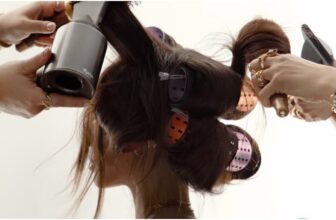
A round brush can create lift at the roots and encourage the shorter pieces to curve away from the face.
Large rollers can give the front sections a fuller finish, while a looser blow-dry creates a softer, less structured effect. Those who prefer a more relaxed hairstyle can allow the layers to fall naturally rather than trying to recreate a salon blowout every morning.
Butterfly bangs are also more flexible than a fringe that relies on one precise parting.
A centre part brings out the familiar winged shape, but a side part can give the front sections a different direction.
Longer pieces can also be tucked behind the ears or blended into the rest of the hair when you want to keep the fringe away from the face.
How to Make Butterfly Bangs Work for Your Hair
One of the biggest considerations before getting butterfly bangs is hair texture.
A haircut that looks full and feathered on straight hair will not necessarily fall in the same way on curls or coils. The shape needs to account for how the hair naturally moves, how much volume it holds, and how much it contracts as it dries.
On straight hair, butterfly bangs can create movement that might otherwise be missing from a one-length haircut.
The shorter sections give the front some shape, while the longer layers prevent the hair from looking too heavy around the face.
A blow-dry with a round brush can bring out the curved finish, but the cut should still look balanced when worn without extensive styling.
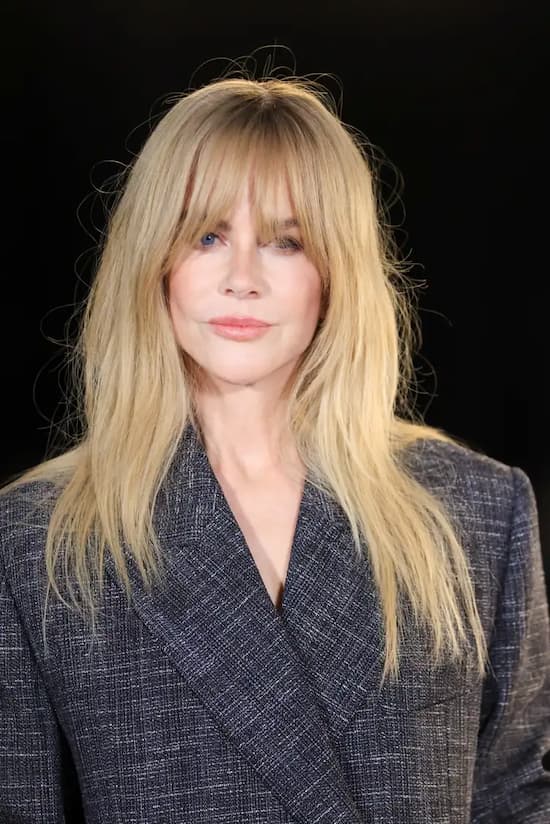 Photo: Getty Images
Wavy hair already has some natural movement, which can make the transition between the fringe and longer layers less structured.
Butterfly bangs can follow the existing wave pattern, giving the front sections a softer appearance. A lightweight styling cream or mousse can help define the shape without making the hair feel stiff.
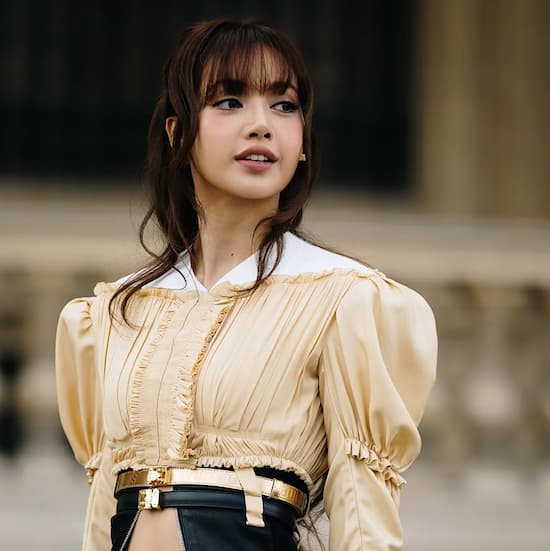 Photo: LAUNCHMETRICS SPOTLIGHT
Curly hair offers another interpretation.
The shorter sections can form a rounded frame around the forehead, with the curls at the temples extending into the surrounding layers.
Rather than trying to make the fringe resemble a straight-haired blowout, the cut can work with the natural curl pattern. The result may be fuller and more textured, with each section sitting according to the hair’s natural shape.
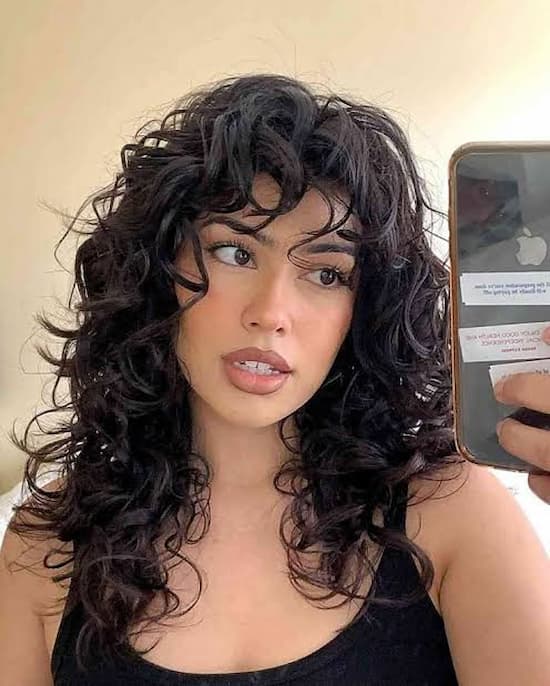 Photo: Pinterest
For coily hair, the cutting process deserves particular attention.
Shrinkage can make a fringe appear considerably shorter once the hair dries, so your hairstylist needs to understand how your hair behaves in its natural state. A woman who usually wears her hair stretched may need a different approach from women who wear their curls or coils in their natural pattern.
Discussing everyday hairstyling habits before the appointment can help avoid a fringe that ends up much shorter than expected.
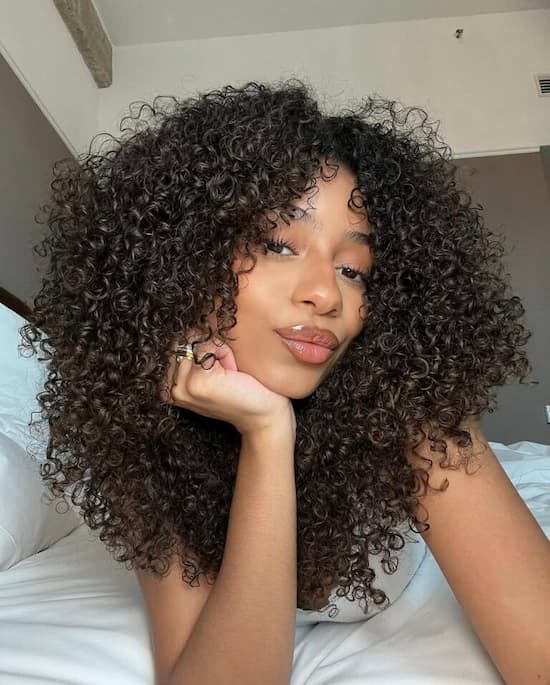 Photo: Instagram/@jackyinberlin
Hair density matters too.
Thick hair can support a fuller, more pronounced fringe, but it may require careful layering to prevent the front from becoming bulky.
Fine hair can also work with butterfly bangs, although removing too much weight from the front may leave the fringe looking sparse. Your hairstylist should consider how much hair is available around your hairline before deciding how much to cut.
Face shape can inform layer placement, but it should not become a strict rule about who can wear the style. Shorter pieces around the cheekbones can create a different effect from longer sections that fall towards the jaw.
The best approach is to discuss the proportions and finish you prefer rather than assuming that a particular face shape automatically rules out a certain fringe.
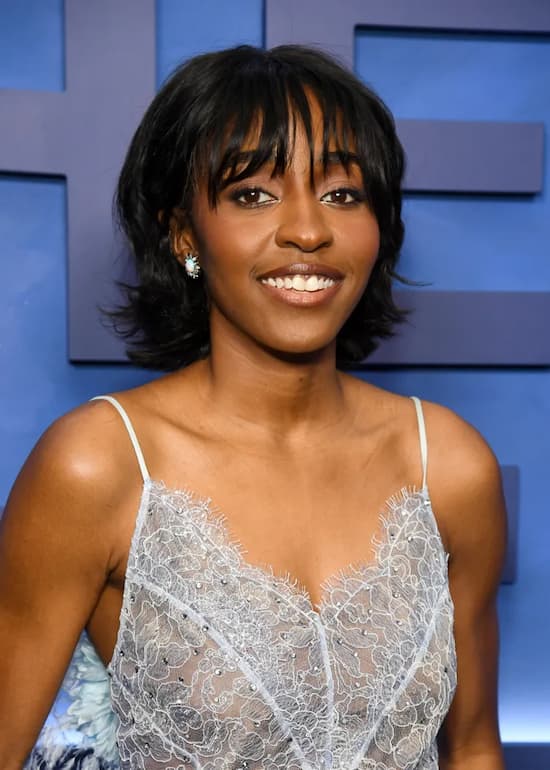 Photo: Getty Images
There is also the question of maintenance.
Butterfly bangs do not demand the same commitment as a very short, blunt fringe, but the shorter sections still need occasional shaping to retain their original form.
As the hair grows, the front layers may begin to merge with the rest of the haircut. Some women will enjoy that gradual change, while others may prefer regular trims to keep the fringe defined.
Styling time also deserves another consideration.
The signature volume usually requires some attention, whether through a blow-dryer, rollers, or a styling tool.
If you prefer to wash your hair and let it dry naturally, tell the stylist so they can adjust the bang to look good with less styling, rather than relying on a finish that only works after a salon blowout.
Before making the appointment, save photographs showing the length, volume, and fringe shape you like.
It helps to bring examples of people with a similar hair texture, since the same cut can look very different across straight, wavy, curly, and coily hair. Ask your stylist how the fringe will sit when your hair is dry, how much styling it will require, and how the layers will grow out.
Butterfly bangs offer a way to experiment with a fringe while keeping the overall haircut soft and connected.
The movement around the face, the added shape at the front, and the freedom to wear the layers in different ways make these bangs a popular choice.
Whether styled into a full blowout or left with their natural texture, the cut gives familiar hairstyles a new point of interest.
For any woman considering bangs, the decision does not have to start with a dramatic chop.
A few well-placed layers can change a haircut’s shape considerably. Butterfly bangs simply take that idea a little further.
Photo Courtesy
You May Also Like:
Why Black Women Often Choose Wigs, Weaves and Protective Styles

How to Dry Your Hair Without Causing Unnecessary Damage
The Hair Appointment Struggle Every African Woman Understands
Cherry Cola Hair is Back, and Brunettes are Trying Out the Glossy Red Hairstyle
Crimped Hair Is Back, But It Looks Nothing Like the Version You Remember
The Gamine Pixie is Giving the Classic Crop a Softer, More Modern Update
Hair Mistakes That Can Make an Expensive Hairstyle Look Basic
Why Does Getting Your Hair Done Feel Like a Reset Button?
The Celebrity Hair Transformations Nobody Saw Coming in 2026

The New Hair Goal Is Fullness, Not Just Length
Frontal Hairstyle Trends: When Does It End?
Is Long Hair Still the Ultimate Beauty Standard?


Evelyn Adenike is an Associate Beauty Editor at Fashion Police Nigeria, where she covers all things beauty, from the glossiest nail trends to the best skincare finds. With a soft spot for storytelling and an eye for what’s fresh, she brings creativity and just the right dash of drama to every post. If it’s bold, beautiful, and blog-worthy, Evelyn’s probably already writing about it.