Getting dressed once carried a sense of occasion, even on ordinary days.
A polished coat for errands, a structured dress for lunch, or a well-chosen shirt could elevate the wearer’s mood.
Over time, this impulse faded.
Clothes became mainly functional or trend-driven. Loungewear moved from the sofa to the street. People began saving their best pieces, reserving effort for special events while everyday life became more anonymous.
In 2026, a quiet shift is taking place.
More people are considering bringing back dressing up for its own sake—not for photos, formal events, or external validation, but for the personal satisfaction of intentional dressing.
The question is no longer about the calendar’s demands, but whether everyday life deserves beauty, structure, and a sense of ceremony.
This renewed interest in dressing up did not happen overnight.
Years of rapid trend cycles, comfort dressing during the pandemic, and constant social media exposure led to collective fatigue. Many became weary of both the pressure to keep up and the routine nature of dressing.
Dressing up without a specific reason now serves as a response, rejecting the idea that style must be either performative or purely practical.
Instead, it frames dressing as a daily ritual of self-expression and care.
Gen Z has been especially vocal about this approach.
For a generation accustomed to rapid microtrends and the pressure to look camera-ready, dressing with care on an ordinary day feels almost radical.
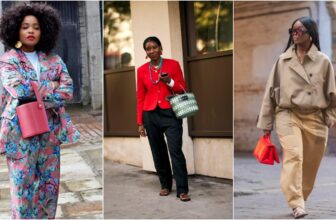
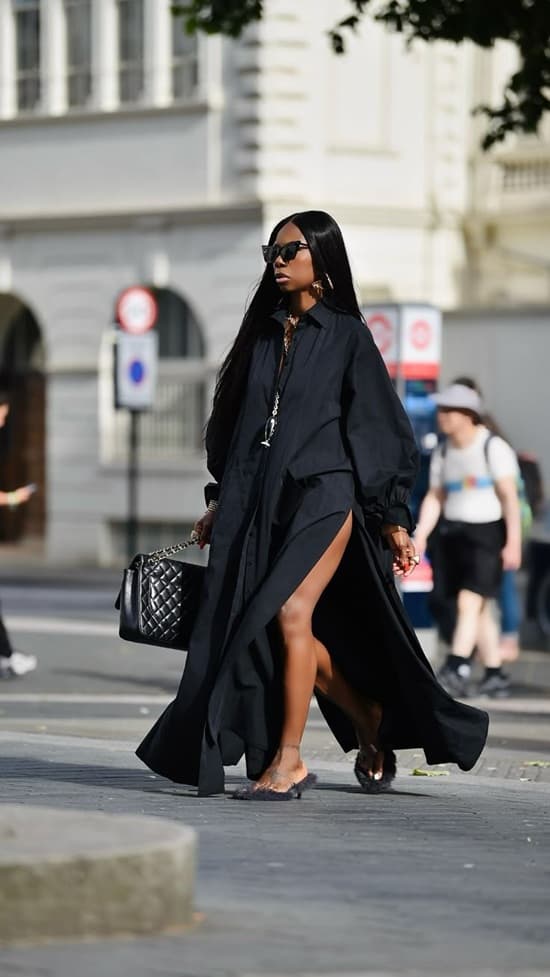 Photo: Instagram/ thekemiststore
They argue that special occasions do not have to be formal events.
Waiting for the right moment may mean it never comes. Every day can be an opportunity for a polished silhouette, a statement accessory, or a thoughtfully chosen fabric.
Celebrities have contributed to making everyday fashion a central part of the style conversation. Zendaya often turns public appearances into fashion moments, while Bella Hadid pairs designer pieces with streetwear.
Harry Styles challenges traditional ideas about occasion-based dressing through his expressive style. While their preferences may not suit everyone, they show that clothing need not follow strict rules about when or where it should be worn.
There is also a psychological aspect to how we dress.
Research on enclothed cognition by Hajo Adam and Adam Galinsky suggests that clothing can influence thoughts and behavior, depending on its symbolic meaning. This perspective helps explain why getting dressed can shape how we approach the day.
A structured jacket can help someone feel more prepared for a meeting.
A well-cut dress may inspire confidence. Colour, texture, and silhouette influence both self-perception and how we present ourselves. Selecting and assembling an outfit can be a form of personal attention.
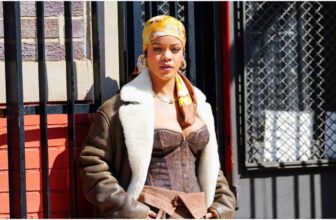
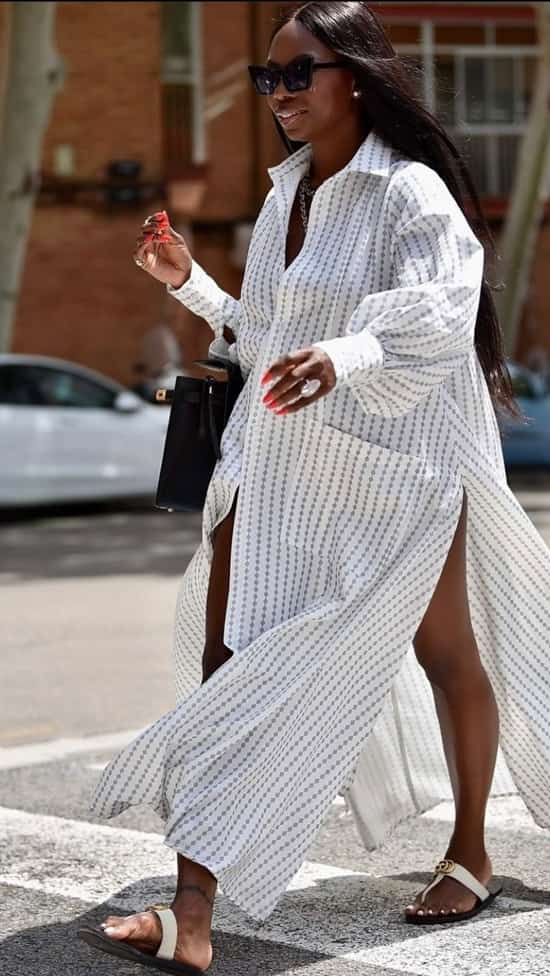 Photo: Instagram/ thekemiststore
Dressing well does not require formalwear or discomfort.
Dressing up just because can mean a crisp shirt with jeans, a tailored blazer over a knit, eye-catching earrings, or shoes chosen for style and function.
It can involve mixing price points, pairing elegance with casual pieces, or simply avoiding the same default outfit each day.
The key is intention.
The opposite of dressing up for no reason is not comfort, but dressing on autopilot.
The loosening of traditional dress codes has also created more room for personal style. Offices, restaurants, airports, and social spaces no longer enforce the same rigid clothing expectations associated with previous decades.
People can move between formal and casual clothing more freely, and many workplaces now allow employees to interpret professional dressing in different ways.
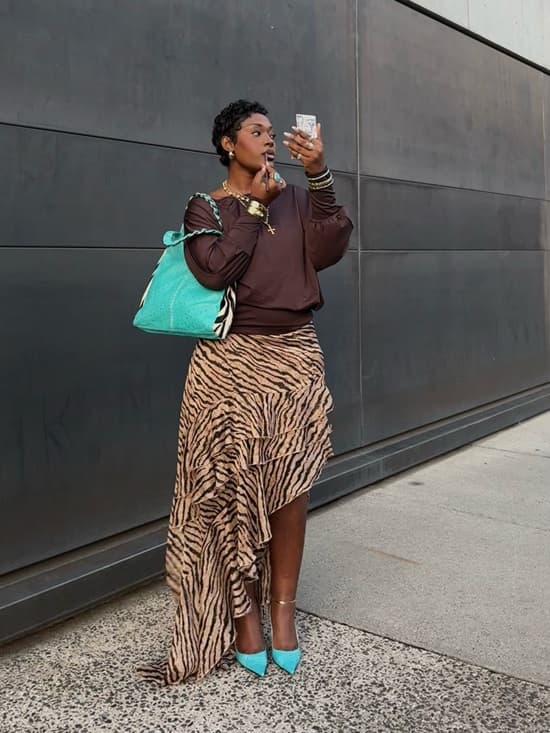 Photo: Instagram/ ursu1ee
However, the freedom to dress casually can sometimes reduce motivation to make an effort.
After years of oversized silhouettes and comfort-first wardrobes, some are seeking more considered pieces. There is renewed appreciation for tailoring, unique textures, well-made shoes, and clothing that reflects personal taste.
Casual fashion is not disappearing; instead, the conversation is expanding.
People can enjoy oversized shirts and trainers while also appreciating structured dresses or tailored trousers. Everyday elegance does not mean sacrificing comfort. It simply offers more ways to approach personal style.
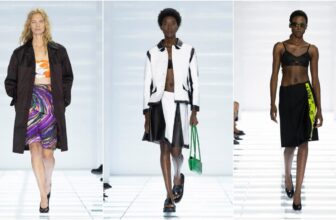
Fashion designers continue to explore the relationship between everyday dressing and expressive fashion.
Contemporary collections often include pieces that transition between settings.
A tailored jacket can suit both office and dinner.
A flowing skirt pairs with a T-shirt by day or a more elaborate top at night. A well-designed dress does not require a special invitation to be worn.
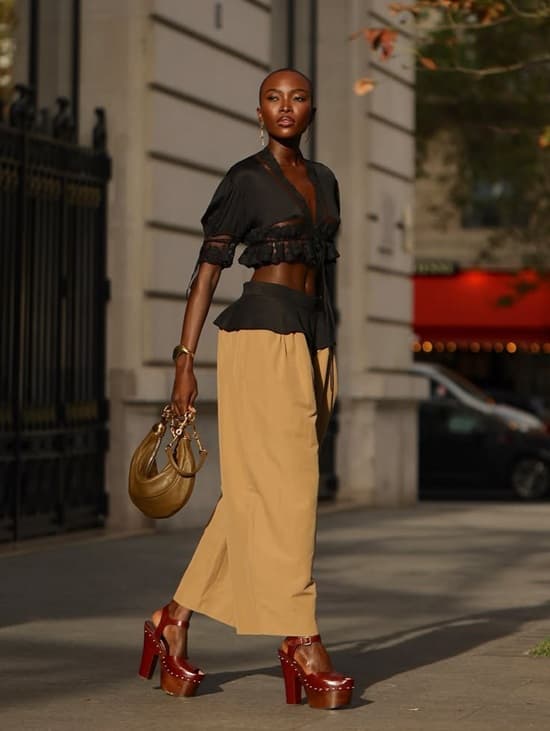 Photo Courtesy
There are practical barriers.
Time, energy, budget, and body image all affect how easily someone can reclaim the habit of dressing up just because. Some have demanding schedules with little time for outfit planning.
Others may feel uncomfortable in certain pieces or believe dressing well requires significant expense.
But everyday elegance does not demand perfection or constant shopping. It can begin with the clothes already hanging in the wardrobe.
Revisit pieces that make you feel like yourself.
Wear the dress saved for a special occasion that never came. Choose trousers that fit well and feel good. Add a thoughtful element—a scarf, better shoes, or jewelry—to an otherwise simple outfit.
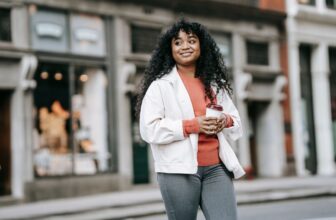
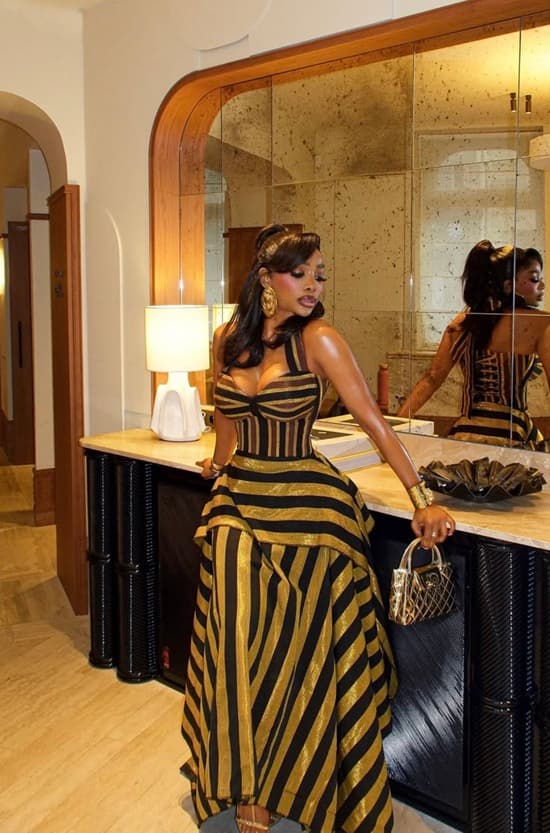 Photo Courtesy
You can also dress based on how you want to feel.
On difficult days, a structured outfit may help you feel prepared. When days feel repetitive, colour or texture can add variety.
There is no fixed formula; the key is finding small ways to make dressing enjoyable again.
There is also a cultural dimension to this conversation.
In many African communities, dressing well has long been associated with dignity, creativity, and respect for social occasions.
Nigerian fashion, in particular, has a strong history of treating clothing as an important part of everyday life.
From carefully selected Ankara outfits and tailored traditional wear to well-coordinated church outfits and elaborate wedding looks, dressing has often been about more than simply covering the body.
Consider the effort involved in preparing for an owambe.
Choosing aso-ebi attire, the tailor, accessories, gele, and shoes are all part of the experience.
People invest time in their appearance because the occasion matters. What if some of that attention extended to ordinary days?
This is not an argument that everyone should wear aso-ebi to the supermarket or dress like they are attending a wedding every weekend.
It is about recognising that the enjoyment of clothing does not have to be reserved for celebrations.
A well-chosen boubou, a simple two-piece set, a crisp shirt or a beautifully made skirt can make an ordinary outing feel a little more personal.
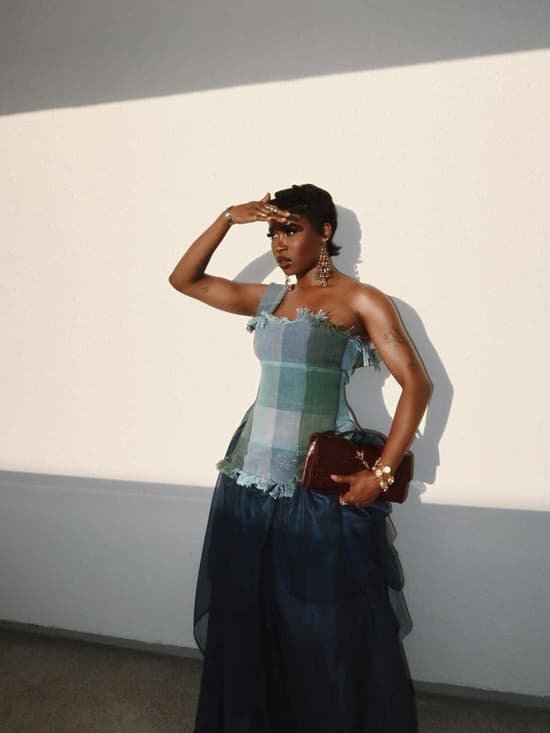 Photo Courtesy
This idea also challenges the belief that elegance is limited to certain ages, body types, or income levels.
Designer labels are not required to dress with intention.
Clean, well-maintained shoes, properly fitting clothes, and a few thoughtful accessories can make a difference.
Personal style depends on how items are combined, not how much you spend.
Critics sometimes frame the desire to dress up as frivolous or associated with a particular social class. But reserving elegance exclusively for special occasions can reinforce the idea that ordinary days are not worth the attention.
Choosing to dress with care challenges that assumption.
It suggests that people deserve to enjoy their appearance regardless of whether anyone important is watching or whether an event is taking place.
The shift toward personal style over trends supports this change.
More people are questioning the need to buy every popular item online. Instead, they explore individual preferences, rediscover older wardrobe pieces, and create more personal outfits.
This is especially important in a fashion environment where trends change rapidly.
One week, a particular silhouette is popular; the next, a new aesthetic emerges. Constantly following trends can make dressing feel like endless shopping.
Dressing up just because offers a different approach.
It encourages people to discover what they enjoy wearing instead of relying on trends.
Whether you prefer tailored trousers, colourful dresses, vintage accessories, traditional fabrics, or simple monochromatic outfits, there is value in developing a personal style.
It also encourages making better use of existing clothing.
Rather than purchasing a new outfit for each occasion, you can create new looks by combining pieces differently.
For example, a dress can be paired with sandals one day and heels another.
A blazer works with jeans, a skirt, or matching trousers. Accessories can refresh familiar items without the need for a completely new wardrobe.
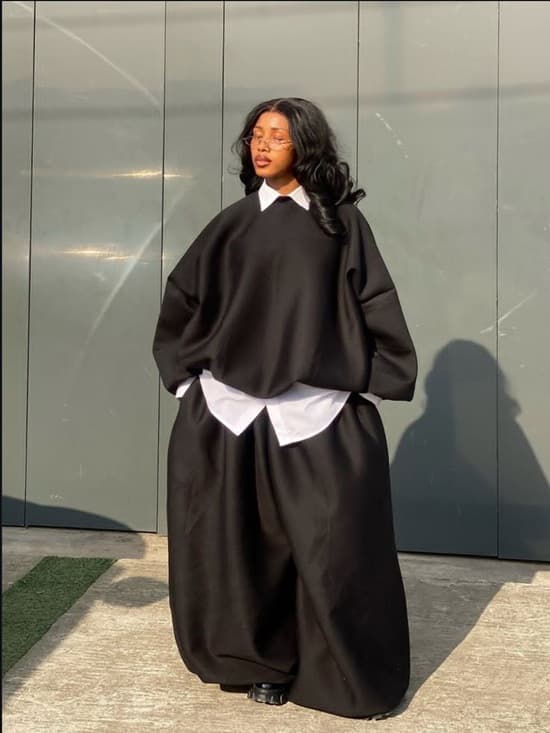 Photo Courtesy
The popularity of whimsical styling, vintage dressing, and renewed interest in personal wardrobes reflects a desire to make daily life more engaging.
Many seek to move beyond constant trend cycles and find enjoyment in getting dressed.
Can we revive dressing up simply for its own sake?
Perhaps it was never truly lost.
This renewed conversation highlights that clothing can be enjoyable even without a special occasion. The shift is evident in street style, in people who no longer reserve their favorite outfits, and in the growing appreciation for everyday elegance.
This does not mean every day must become a fashion show.
Some mornings, comfort will take priority; on other days, simplicity is most practical. The goal is not to make fashion another obligation.
Instead, it is about allowing yourself the pleasure of dressing well when you choose.
Wear the good dress.
Take the shoes out of their box.
Put on the earrings you have been saving.
Choose an outfit simply because you enjoy how it looks, even if your plans are just lunch, errands, or visiting a friend.
In 2026, the most radical fashion choice may not be the latest silhouette or boldest colour. It may simply be selecting something with care on an ordinary day, when no one is watching, and nothing special is planned.
By doing so, we reclaim a small yet meaningful form of personal expression.
We remind ourselves that life does not require an invitation to be lived with style. The occasion is living itself.
Photo: Instagram/theyusufs
You May Also Like:
How to Wear Colour When Your Wardrobe Is Mostly Neutral
Not Every Outfit Needs a Corset: Are We Losing the Joy of Simple Dressing?
Skirts are Seriously Getting Renewed Appeal for Spring 2027
How to Build a Practical Plus-Size Capsule Wardrobe
Mary Janes Are Having a Major Fashion Moment. Here’s How to Style Them
The Naked Shoe Trend May Be Changing the Footwear Game
Olive is the New Black: How to Wear Fall 2026’s Dreamiest Colour Trend
Stirrup Pants Are Back: The Retro Silhouette Replacing Barrel Jeans
The Outfit Problem Nobody Talks About: What to Wear Between Seasons
The Belt Collection Your Wardrobe Has Been Missing
Headbands are Back: Here's How Fashion Girls are Wearing Them
"Wrong Shoe Theory" is Now a Thing, and it’s Changing How We Dress


Esther Ejoh is a Fashion Editor at Fashion Police Nigeria, where she writes all things fashion, beauty, and celebrity style, with a sharp eye and an even sharper pen. She’s the girl who’ll break down a Met Gala look one minute, rave about a Nigerian beauty brand the next, and still find time to binge a movie or get lost in a novel. Style, storytelling, and self-care? That’s her holy trinity.