Published: May 14, 2026 Last Updated 5 months ago by FPN
Nigerian weddings previously existed within boundaries. The ceremony happened, guests attended, photographs circulated among family members, and the event settled into memory.
That structure has collapsed. Today, wedding ceremonies move instantly from event halls to digital feeds and fashion pages within hours. This immediate visibility causes aso-ebi looks to receive online breakdowns before the reception concludes, turning bridal outfits into reference points for upcoming weddings. As a result, the modern Nigerian wedding now functions as a public event for a national audience, setting the benchmark for the best Nigerian wedding fashion.
This digital visibility increases the pressure attached to dressing. Brides no longer view wedding attire as a single outfit decision, but as a coordinated visual. The process now involves custom fittings, intentional fabric sourcing, and cohesive visual direction across multiple looks.
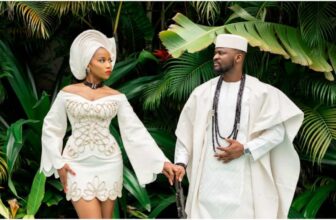
Wedding guests operate under similar expectations. Traditional attire that once relied on standard lace fashion now features sculpted sleeves, hand-beaded bodices, and corseted waists that require couture-level finishing. Such high standards ensure that the event remains a definitive showcase of the best Nigerian wedding fashion.
While social media visibility accelerated this shift, industry competition sustains the momentum.
Each high-profile Nigerian wedding raises the visual expectation for subsequent ceremonies, forcing fashion designers, stylists, and tailors to work within an industry where audiences immediately compare silhouettes and finishing. Continuous innovation in garment construction is no longer a luxury; instead, it remains the only way to stay relevant in the high-stakes environment of Nigerian weddings.
 Photo: Instagram/@greenweddingshoes
 This pressure continues to reshape the Nigerian fashion industry from the inside out. Couture houses refine garment construction to meet clients’ demands for stronger execution, while textile merchants import complex fabrics to satisfy the requirements of high-end bridalwear.
Stylists now build entire visual concepts around these events to protect their clients’ long-term digital visibility and fashion statements. Ultimately, Nigerian weddings no longer sit adjacent to fashion culture; these celebrations actively drive the best wedding fashion into the global luxury market.
Nigerian Weddings Turned Tailoring Into Garment Engineering
The rise in wedding fashion standards forced a definitive shift in Nigerian couture, where tailoring alone is insufficient. Construction has become more technical, layered, and precise than traditional occasion wear once required. This advancement ensures every garment meets the standard expected at Nigerian weddings
Modern bridalwear depends heavily on internal structure. Designers place corsetry beneath fitted gowns to maintain shape across long ceremonies and receptions.
Even Iro and Buba silhouettes, which once relied on simple fabric volume, now incorporate hidden boning and reinforced waist construction to control movement and hold form. Artisans no longer merely assemble these garments through straightforward sewing; instead, the designer engineers these pieces to maintain visual precision under constant wear.
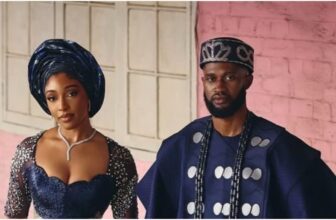
This shift changed how fabrics are used in a single look. Designers combine multiple textiles to manage structure, texture, and weight simultaneously. For instance, heavy beading is paired with lighter mesh bases to prevent the bodice from collapsing.
 Photo: Instagram/@ama_alexia
 What’s more, bridal trains require internal balancing so the fabric moves cleanly. Such attention to detail is a hallmark of Nigerian wedding fashion.
Hand finishing became a priority as client expectations rose. Clients now notice seam quality, bead placement, lining consistency, and fabric transitions more closely than before. Substandard finishing stands out immediately, especially in a culture where event attire receives intense public attention on social media.
As a result, Nigerian weddings created an environment where designers constantly refine technical skills through real-world demand. Many construction techniques now visible in regional luxury collections developed because clients pushed for garments that maintained drama without losing structure or comfort. This technical rigour continues to define Nigerian wedding fashion on a global scale.
Aso-Ebi Changed From Party Fabric to Fashion Currency
Aso-ebi once served primarily as coordinated attire to signify family unity during ceremonies. Today, the tradition has evolved into a high-stakes competitive fashion category.
While the fabric creates visual unity, the styling surrounding the textile has become a tool for individual branding and creative expression. This shift toward individual excellence has redefined Nigerian wedding fashion.
The modern wedding guest no longer wears identical outfits cut from a single material. Instead, attendees reinterpret the shared fabric through different silhouettes and embellishments.
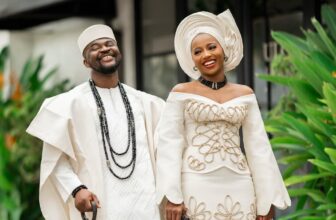
One Aso-ebi textile can appear as a sculpted corset gown, a sharply tailored boubou, or a structured skirt set within the same event. The textile remains consistent while the execution becomes deeply individual.
This change pushed demand toward complex materials. Weddings now regularly feature handwoven aso-oke with metallic threading, French lace with dense stonework, velvet, and organza layering. Textile merchants responded by sourcing specialised fabrics because clients expect exclusivity over repetition. In many instances, the fabric itself dictates the social conversation surrounding the event, turning the textile into a form of social currency.
 Photo: Instagram/@ts.imagery_events
 The economic effect reaches far beyond the wedding day. These ceremonies sustain a network of stylists, tailors, beaders, gele artists, and fabric merchants. Destination weddings and diaspora celebrations expanded this influence, pushing Nigerian wedding outfits into international markets where aso-ebi serves as both cultural identity and a luxury statement. This global reach reinforces the commercial power of Nigerian wedding fashion.
This is one of the clearest reasons Nigerian weddings continue to shape the fashion industry. Designers reinterpret familiar textiles repeatedly without losing originality. This pressure maintains high standards for Nigerian occasion wear, ensuring the industry continues to lead wedding fashion across the continent.
Nigerian Weddings: Raising the Standards for African Fashion
The influence of these ceremonies extends far beyond the event industry. Techniques once reserved for bridalwear increasingly appear across red carpets, fashion campaigns, and luxury ready-to-wear collections.
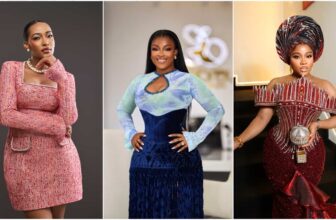
 Phtoo: Instagram/@bedgepictures
 Structured corsetry, sculpted sleeves, dramatic draping, and heavily embellished finishes now form the broader visual language of contemporary African luxury. This crossover shows how the Nigerian wedding fashion serves as a blueprint for a modern regional aesthetic that resonates globally.
The significance of these celebrations lies in the ability to force continuous evolution. Every wedding season introduces new construction ideas, fresh styling directions, and advanced interpretations of traditional dress that challenge the status quo.
Nigerian weddings do not merely respond to existing trends; these ceremonies actively create them. Every ceremony pushes styling further, and every bridal entrance redefines what luxury looks like in African contexts. By dictating the pace of innovation, these celebrations remain one of the primary drivers for wedding fashion and African couture at large.
Photo: Instagram/@jideoketonadephotography
You May Also Like:
Your Guide to a Complete Nigerian Wedding Planning Checklist
Traditional Wedding Outfit Ideas for Nigerian and Ghanaian Couples
8 Interesting Marriage Rites in Africa You Didn't Know
Top Wedding Dress Trends in Nigeria for 2026
How to Choose the Perfect Wedding Photographer in Nigeria
Old Money Wedding Aesthetic: Everything You Need to Know
Top Wedding Cake Trends in Nigeria and Ghana

10 Best Honeymoon Destinations for African Couples
The Top African Wedding Decor Trends for 2026
How Much Does a Nigerian Wedding Cost in 2026?
Best Wedding Venues in Lagos, Abuja and Accra
15 Latest Aso Ebi Styles Every Nigerian Wedding Guest Should Try


Evelyn Adenike is an Associate Beauty Editor at Fashion Police Nigeria, where she covers all things beauty, from the glossiest nail trends to the best skincare finds. With a soft spot for storytelling and an eye for what’s fresh, she brings creativity and just the right dash of drama to every post. If it’s bold, beautiful, and blog-worthy, Evelyn’s probably already writing about it.