Published: November 24, 2026 Last Updated 5 hours ago by FPN
Children’s fashion has often been overlooked, with global retailers offering cartoon characters, superhero prints, pastel stereotypes, and disposable trends that rarely reflect the lives or heritage of African families.
Parents seeking stylish, culturally relevant clothing faced a difficult choice: expensive imports that ignored local realities, or limited local options that lacked quality and design.
As a result, many children grew up in clothes that did not reflect their identity or background.
This is changing.
Across Nigeria, Kenya and the African diaspora, new kidswear brands are bringing greater creativity, cultural awareness and attention to detail to children’s clothing.
These fashion labels incorporate traditional textiles such as Ankara, Adire and Aso Oke into modern designs, while ensuring comfort and durability. Some feature positive affirmations, while others offer clean lines and refined styles that balance appearance with the freedom to play.
Notably, these fashion brands are not just creating smaller versions of adult clothing. They consider children’s specific needs while introducing designs that reflect African experiences and aesthetics.
As a result, the African kidswear market is growing to combine culture, comfort, and personal expression.
Below are seven African kidswear brands that are making children’s fashion more engaging and offering parents thoughtful options for the next generation.
Ruff ‘n’ Tumble
Ruff ‘n’ Tumble is a foundational name in Nigerian children’s fashion.
Founded by Adenike Ogunlesi in the mid-1990s, the brand began with a common challenge: finding quality clothing for her children in Nigeria.
When Ogunlesi could not find comfortable, well-made pajamas for her three children, she began making them herself.
The first pieces used cotton fabrics, colourful details, lace, and Peter Pan collars. This practical solution soon attracted interest from family and friends, prompting her to turn the operation into a business.
She initially sold clothing from her car and at local markets.
By 1998, growing demand enabled her to open the first store.
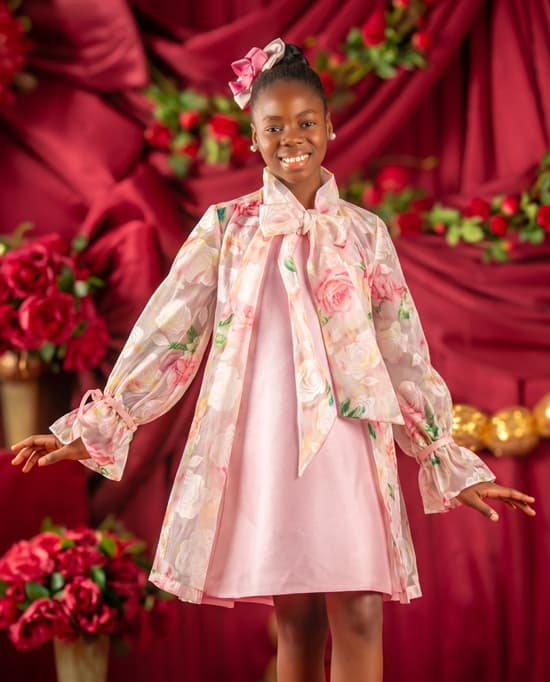 Photo: Instagram/ ruffntumblekids
Today, Ruff ‘n’ Tumble is an established Nigerian children’s clothing brand with multiple retail outlets and manufacturing capacity through Gatimo Apparel.
The brand’s collections include everyday clothing, sleepwear, occasionwear, and designs featuring indigenous fabrics. Its approach emphasizes durability, comfortable materials, neat finishing, and age-appropriate styles.
Ruff ‘n’ Tumble’s impact extends beyond its products.
The brand proved that locally made children’s clothing can succeed as a retail business when quality and design are prioritised.
Its longevity has also paved the way for newer African kidswear brands to develop their own identities and reach more families.
Wealahkids
For parents who appreciate colour, bold prints and distinctive outfits, Wealahkids offers a unique perspective on African children’s fashion.
Founded by Funmi Banjoko, the fashion brand began with a mother’s search for high-quality African print clothing that was stylish yet comfortable and practical.
Its collections combine vibrant colours, expressive prints and thoughtful tailoring, emphasizing freedom of movement for children.
Wealahkids describes its customers as superstars, placing joy, play and confidence at the core of its brand identity. Its collections include birthday outfits, graduation clothing, everyday sets and curated gift boxes.
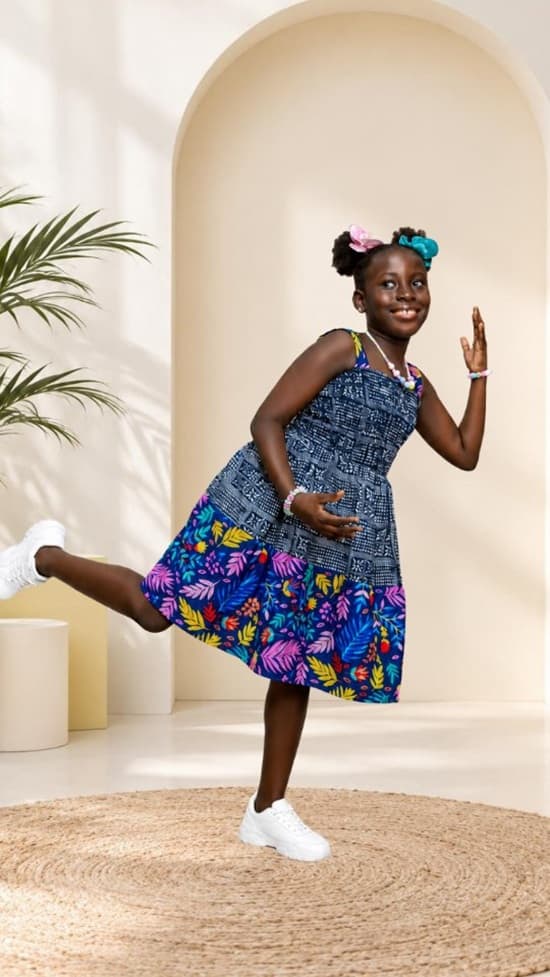 Photo: Instagram/ wealahkids
Wealahkids takes a distinctive approach to African print.
While Ankara clothing is often linked to traditional occasions, the brand uses it in ways that suit contemporary children’s wardrobes. The clothing feels celebratory without resembling costumes.
The brand has attracted interest beyond Nigeria, reflecting demand among African parents in the diaspora for clothing that connects children to their heritage.
Wealahkids demonstrates that children’s fashion can be colourful and culturally expressive while meeting the practical needs of childhood.
Maison Loulabelle
Based in Abuja, Maison Loulabelle occupies a more premium position within Nigerian children’s fashion.
The fashion brand describes its approach as a meeting point between contemporary design and African aesthetics, creating clothing that gives traditional references a more refined expression.
Its collections feature thoughtful silhouettes, attention to detail, and heritage-inspired elements without relying on obvious prints or elaborate decoration.
This appeals to parents who value understated occasionwear and timeless children’s clothing.
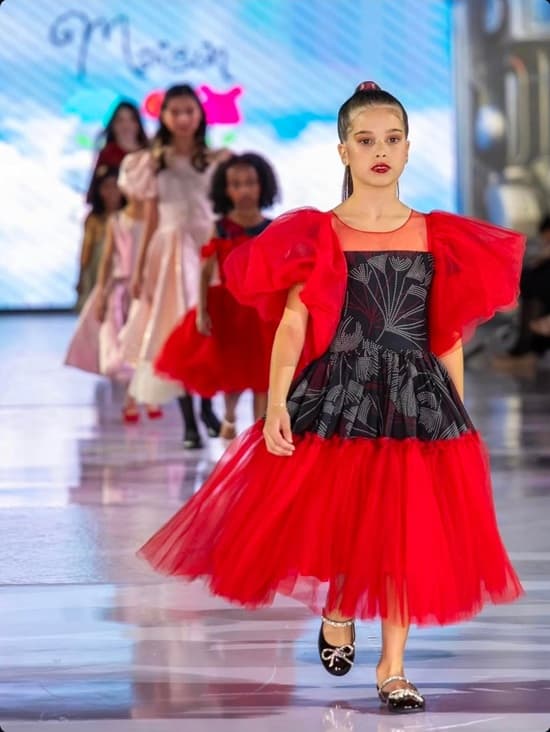 Photo: Instagram/ maison_loulabelle
Maison Loulabelle has gained international recognition, including participation in London Kids’ Fashion Week. Its work shows that African children’s fashion can succeed internationally while retaining its distinctive cultural references.
In addition to its own designs, the brand operates as a multi-brand retail space, offering parents a curated selection of Afrocentric children’s fashion.
Maison Loulabelle stands out for treating kidswear as a serious design category. Children deserve thoughtfully made, visually interesting, and age-appropriate clothing.
The brand’s approach contributes to the broader conversation about African design in premium children’s fashion.
Ejiro Amos Tafiri
Ejiro Amos Tafiri and her children’s line MINÉ bring a distinct luxury perspective to the conversation.
Long celebrated as one of Nigeria’s leading womenswear designers and often called the “Drape Queen” for her signature fluid silhouettes, Tafiri has never treated children’s fashion as secondary.
MINÉ began as a children’s wear brand born from a mother’s instinct and named after her daughter, Mine Amos-Tafiri.
The line embraces uniquely local fabrics and designs, translating them into easy-to-wear, functional and practical pieces that still showcase textures and construction techniques distinctive to Africa.
Rather than simply scaling down adult looks, MINÉ focuses on comfort, movement and thoughtful design appropriate for young bodies.
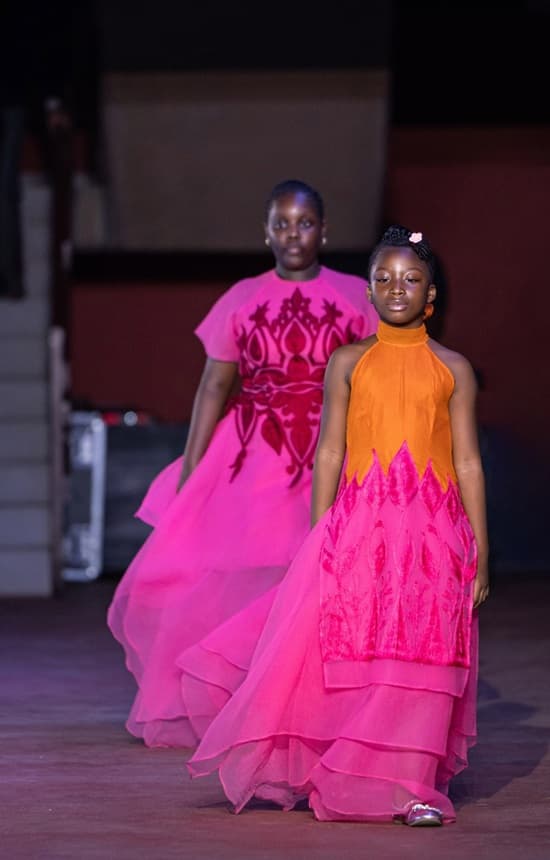 Photo: Instagram/ ejiroamostafiri
Tafiri has consistently demonstrated this commitment on the runway.
At Lagos Fashion Week in 2024, her Spring/Summer 2025 collection “Symphony of Convergence” featured child models alongside adults.
Her daughter opened the show in a striking brown iridescent dress with an elaborate tiered skirt, high neckline, and geometric patterns.
Other children’s looks included delicate pastel dresses, flowing nature-inspired prints, and more structured pieces such as patterned shirts paired with textured shorts or trousers.
The presentation made a clear statement: style has no age limit, and children can be just as fashionable as adults when design takes them seriously.
By including children in major presentations and maintaining a dedicated kids line that values both cultural specificity and everyday wearability, Ejiro Amos Tafiri expands the definition of African children’s fashion.
MINÉ sits at the intersection of her established design language and the practical needs of childhood, offering pieces that feel special without becoming impractical.
Imani Kids Fashion
Founded by Jumoke Alaka and named after her daughter, Imani Kids Fashion places Adire at the centre of its design identity.
Alaka started by making clothes for her child at home, gradually turning this into a fashion business. Her interest in Adire became central to the brand, giving it a distinct focus within the African children’s clothing market.
Adire is a traditional Yoruba resist-dyeing technique that creates distinctive patterns through various dyeing and fabric-resist methods.
Its colours and designs are now integral to contemporary Nigerian fashion, appearing in dresses, shirts, accessories, and home textiles.
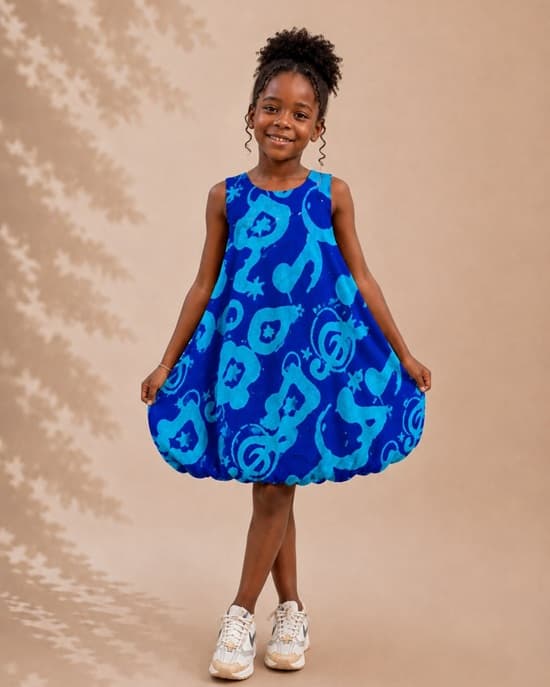 Photo: Instagram/ imani_kidsfashion
Imani Kids Fashion incorporates this textile tradition into children’s clothing, enabling younger wearers to experience Adire beyond formal celebrations.
The brand’s designs allow parents to introduce Nigerian textile heritage through pieces suitable for both everyday activities and special occasions.
The fashion brand stands out by focusing on a specific indigenous craft instead of the broader concept of African print. This approach creates a stronger connection to the fabric’s history and techniques.
As more African kidswear brands explore traditional textiles, labels like Imani Kids Fashion show how cultural knowledge can be shared through contemporary clothing.
Zucchini Outfits
Through its KIDSFASHION by Zucchini line, Zucchini Outfits explores the use of African textiles in contemporary children’s clothing.
The brand uses materials such as Adire, Ankara and Aso Oke, adapting them into designs for birthdays, weddings, formal celebrations and everyday wear.
Each of these textiles has a different history and visual identity.
Ankara is widely recognised for its colourful printed patterns, Adire is associated with Yoruba resist-dyeing traditions, while Aso Oke is a handwoven textile with an important place in Yoruba ceremonial dressing.
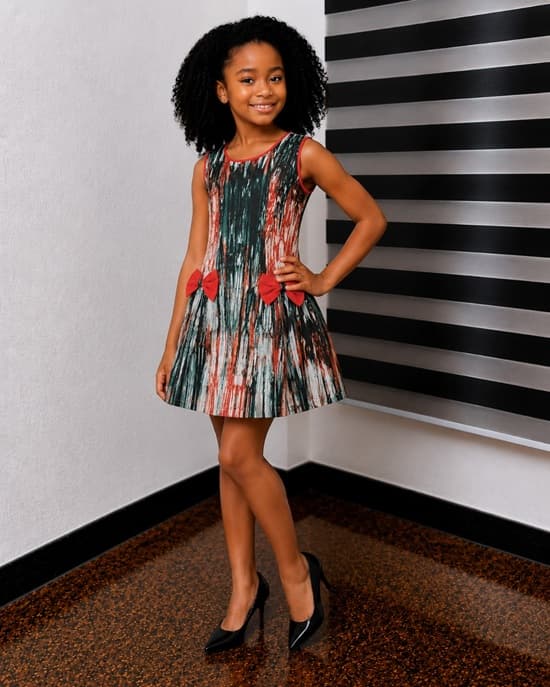 Photo: Instagram/ zucchini_kids
Incorporating these fabrics into children’s clothing helps younger generations become familiar with various aspects of African textile culture.
Zucchini’s approach also addresses the practical needs of children’s clothing, ensuring garments accommodate movement, comfort, and various activities.
By using several indigenous textiles, the brand offers parents diverse ways to introduce African fashion into their children’s wardrobes and helps keep traditional textile practices visible through contemporary design.
Tiny Tribe by Kidosho
In Kenya, Kidosho Apparel has expanded its contemporary African fashion approach to children’s clothing with Tiny Tribe by Kidosho.
Known for intentional design, fabric selection, and attention to finishing in its adult collections, the brand applies the same standards to its children’s line.
African prints appear in outfits for birthdays, family gatherings, church, and everyday occasions.
The designs reflect the brand’s commitment to contemporary African fashion and local production, ensuring relevance for modern customers.
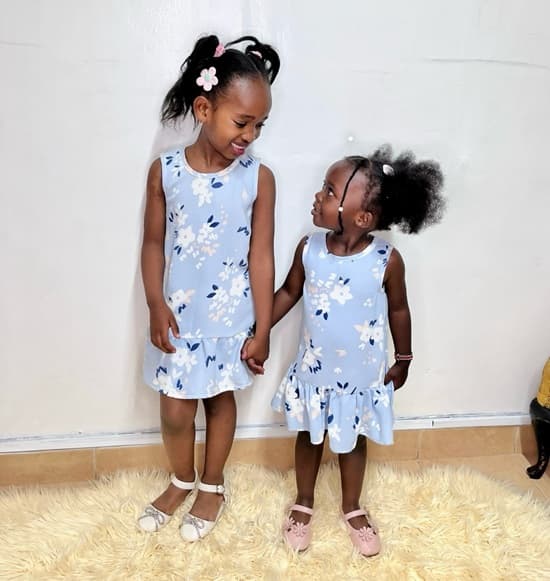 Photo: Instagram/ tinytribe_by_kidosho
Tiny Tribe by Kidosho demonstrates how an established fashion label can extend its design philosophy across different age groups.
The children’s line also supports the Made-in-Kenya movement, showing that African children’s clothing can meet contemporary expectations without relying on imported styles.
For parents seeking clothing that blends cultural references with modern silhouettes, Tiny Tribe is a label worth exploring.
African children’s fashion is developing beyond the idea of simply adapting adult trends for younger customers.
Designers are beginning to pay closer attention to the relationship between clothing, childhood, cultural identity, and personal expression.
The brands featured here illustrate various approaches to this development. Ruff ‘n’ Tumble demonstrates the commercial potential of locally made children’s clothing.
Ivory Kids explores minimalism and positive messaging.
Wealahkids celebrates colour and African print, while Maison Loulabelle offers a premium design perspective.
Imani Kids Fashion focuses on Adire, while Zucchini works with several indigenous textiles, and Tiny Tribe by Kidosho brings contemporary African design to children’s wardrobes.
Together, these African kidswear brands challenge the notion that children’s fashion should be an afterthought.
They show that clothing for young people can be practical yet interesting, culturally expressive yet modern, and fashionable without sacrificing comfort.
There is still room for growth, especially in affordable pricing, wider distribution, sustainable production, and broader representation across African cultures.
However, the direction is encouraging.
Children deserve clothing that reflects their world and growing identities. They need comfortable outfits for play, exploration, and self-expression, as well as designs that make getting dressed enjoyable.
African kidswear brands are making this possible, one collection at a time. They are not just creating smaller clothes for children, but giving the next generation more ways to see, wear, and appreciate their cultures.
Photo: Instagram/wealahkids
You May Also Like:
Anil Padia Becomes The First Kenyan Fashion Designer to Win a LVMH Prize

12 Best Nigerian Fashion Designers to Watch in 2026
This Ghanaian Fashion Designer Turns Garbage Into Your Favourite Footwear
24 Nigerian-Owned Luxury Handbag Brands You Didn't Know
8 African Fashion Designers to Watch at the 2026 Nairobi Fashion Week
Christie Brown’s 2025 Resort Collection is the Ultimate Vacation Wardrobe
Ejiro Amos Tafiri Showcases at AFWL 2025 London

Africa Fashion Week London 2025: Meet the Designers from the British Council’s Creative DNA Initiati...
Meet the Fashion Designers Showcasing at Africa Fashion Week London 2025
Ejiro Amos Tafiri Just Showcased Her New Collection at the Shanghai Fashion Week 2025

NITÉMI Unveils “Handwork” – A Celebration of Craftsmanship, Time & Intention
7 Fashion Brands in Rwanda That You Should Know


Esther Ejoh is a Fashion Editor at Fashion Police Nigeria, where she writes all things fashion, beauty, and celebrity style, with a sharp eye and an even sharper pen. She’s the girl who’ll break down a Met Gala look one minute, rave about a Nigerian beauty brand the next, and still find time to binge a movie or get lost in a novel. Style, storytelling, and self-care? That’s her holy trinity.