Published: September 27, 2026 Last Updated 3 weeks ago by FPN
There is something deeply poetic about a traditional African wedding.
It is where heritage meets high fashion, and where every thread tells a story of love, lineage, and the beautiful collision of two families.
Whether you are planning a Yoruba engagement, an Igbo igba nkwu, a Hausa fatiha, or a vibrant Ghanaian ceremony, your traditional wedding outfit is more than just clothing. It is a visual declaration of pride, identity, and the beginning of a new chapter.
The modern African wedding is a grand cultural showcase, an impressive blend of tradition, luxury, and global sophistication.
From the intricate beadwork of an Edo bride to the regal Kente of a Ghanaian groom, the traditional wedding styles are as diverse as the continent itself.
Traditional wedding attire in Nigeria and Ghana represents identity, family heritage, status, and joy. Coordinated outfits visually express unity while honoring the unique traditions of Yoruba, Igbo, Hausa, Akan, and other communities.
In 2026, the most successful looks combine respect for heritage fabrics and symbolism with modern tailoring and personal style. Couples increasingly want attire that photographs well, stays comfortable through long ceremonies, and feels authentic.
This guide presents outfit ideas for Nigerian and Ghanaian couples, organized by major cultural traditions. It offers practical advice on fabrics, colour, accessories, coordination, and contemporary updates that remain culturally grounded.
Nigerian Traditional Wedding Outfit Ideas
Nigeria is home to over 370 tribes, each with unique customs and traditions. This diversity is beautifully reflected in wedding attire.
A common thread across many Nigerian weddings is the practice of wearing Aso-ebi, meaning “family clothes.” This is a chosen fabric that is sent to relatives, close friends, and members of the wedding party.
Everyone creates a unique look from the same material, which adds to the beauty and unity of the day.
Nigeria’s ethnic diversity results in a wide range of bridal and groom styles. The most referenced are Yoruba, Igbo, and Hausa, though many couples incorporate elements from other groups or create thoughtful fusions.
Yoruba Traditional Looks
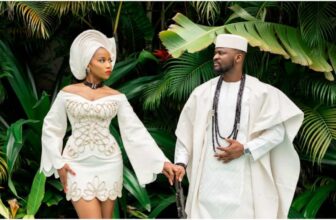
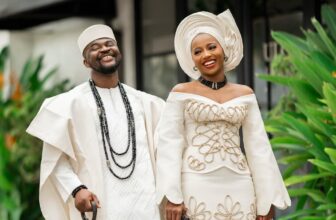
Yoruba traditional wedding outfit centers on aso-oke, a prestigious handwoven cloth. Classic pieces include the iro (wrapper), buba (blouse), gele (headwrap), and ipele (shoulder sash).
In 2026, many brides opt for modern interpretations such as fitted aso-oke gowns, metallic-thread weaves, and structured gele styles. Coral beads remain essential, often styled with precision and paired with gold or crystal accents.
Grooms typically wear agbada, a three-piece ensemble of outer robe, inner buba, and sokoto trousers, in matching or complementary aso-oke or brocade.
Slimmer, tailored agbada styles are increasingly popular.
A well-chosen fila (cap) completes the look. Colour coordination is important, with deep wines, golds, royal blues, ivory, and emerald commonly used.
 Photo Courtesy
 For a stunning modern example, look to Temi Otedola and Mr Eazi’s traditional wedding.
Temi’s first look was an ivory gown by Zac Posen with razor-sharp pleats, a dramatic bow, and a trailing train, which she described as “a beautiful take on the classic Yoruba bridal silhouette”.
Her second look featured a deep red skirt with embroidery, a powder-blue corset blouse, and a dramatic cape by Miss Sohee.
For her third look, Lisa Folawiyo reimagined akwa ocha into a strapless, beaded dress with fringe, paired with an okuku headpiece, a tribute to Mr Eazi’s late mother.
Couples may choose matching metallic aso-oke sets, a structured aso-oke gown with dramatic sleeves for the bride paired with a clean, embroidered agbada for the groom, or softer tones like champagne and gold for a romantic look.
Igbo Traditional Looks
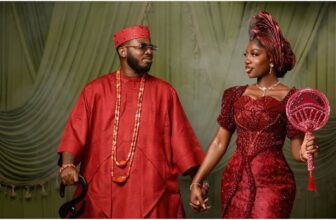
Igbo traditional weddings, often centered on the Igba Nkwu ceremony, emphasize George fabric, coral beads, and symbolic accessories. Brides typically wear double wrappers (Akwa Abuo) with embroidered blouses or modern George-and-lace gowns.
Isi Agu fabric, featuring lion or leopard motifs, appears in both classic and contemporary gowns, often in red, gold, burgundy, or emerald with metallic accents.
Coral beads are layered on the neck, wrists, and sometimes in the hair, symbolizing prosperity and heritage. Many brides include multiple outfit changes during the ceremony.
 Photo Courtesy
 Grooms often wear Isi Agu tops or embroidered shirts with wrappers, red caps (okpu agu), and accessories like beads or a walking stick. Tailored fits modernize the silhouette while preserving tradition.
Coordinated coral and ivory or bold red-and-gold pairings create strong visual unity.
Outfit ideas include a bride in a fitted Isi Agu gown with dramatic sleeves paired with a groom in matching motif fabric, classic George double-wrapper looks with modern blouses, or lace-and-George combinations that transition well from ceremony to reception.
Hausa Traditional Looks
Hausa traditional wedding attire emphasizes elegant modesty and luxurious decoration.
Brides often wear flowing lace, silk, or embroidered dresses, sometimes called Kampala or Zani styles, with intricate details, gold jewelry, and styled head coverings or veils. Henna designs add traditional beauty.
Common colours include gold, burgundy, deep jewel tones, and soft neutrals.
 Photo Courtesy
 Grooms wear babban riga, a grand embroidered robe over a kaftan or jalabiya, finished with an embroidered cap.
The look is refined and regal. Couples can coordinate through shared embroidery motifs, complementary colours, or matching luxury fabrics while respecting traditional silhouettes.
Edo and Cross-Cultural Wedding Attire
The Edo culture has always stood out for its elegance, royalty, and timeless beauty, particularly its iconic coral beads.
An Edo bride may be adorned head to toe in coral beads, including crowns, necklaces, and bangles, which is a regal nod to her ancestry.
 Photo: instagram/its.priscy
 For couples blending cultures, the fusion of Edo and Ghanaian styles is particularly striking.
The groom can incorporate a Ghanaian kente shoulder wrapper, adding a beautiful cross-cultural touch that complements the Edo aesthetic perfectly. This fusion reflects how African weddings often celebrate the beauty of multiple cultures.
Efik and Ibibio Wedding Attire
The Efik bride from Cross River State wears a regal gown often made of velvet or lace, known as the Onyonyo dress. She also wears an elaborate beaded crown and carries a staff.
 Photo Courtesy
 The Ibibio bride, from Akwa Ibom, typically wears a richly embroidered George or lace fabric, adorned with coral beads and headpieces, often carrying a fan and horsetail as symbolic props.
Ghanaian Traditional Wedding Outfit Ideas
In Ghana, kente cloth is central to many traditional weddings, especially among Akan communities.
Handwoven kente holds deep symbolic meaning, and commissioning authentic cloth from skilled weavers is an important tradition. Gold jewelry, beads, and careful draping complete the look.
Full Kente Couple Looks
A popular approach is for both bride and groom to wear full kente.
The bride’s cloth is often sewn into a fitted gown, kaba-and-slit ensemble, or modern silhouette, while the groom wears kente draped toga-style or tailored into a contemporary form.
 Photo Courtesy
 Bold, harmonious colours and shared patterns create strong visual unity and photograph well.
Kente Gown with Classic Groom Drape
Another Ghanaian traditional wedding outfit features the bride in a custom kente gown, sometimes with lace or embellishments, while the groom wears traditional wrapped kente.
 Photo Courtesy
 This balances modern bridal style with classic male presentation and suits couples seeking both innovation and cultural continuity.
Fugu (Smock) Styles
Fugu, or smock, styles for traditional weddings are quickly becoming a favourite choice for Ghanaian couples who want something deeply cultural and refreshing.
Once seen mainly as attire for chiefs and special ceremonies in the Northern parts of Ghana, Fugu has found a place in modern traditional marriage celebrations across the country.
Fugu carries history, respect, and cultural pride. Its bold stripes, textures, and earthy tones make it stand out without feeling overdone.
For modern brides, Fugu can be fashioned into a long gown, a wrapper and top, or a long skirt and top, often paired with beads, headgear, or simple gold jewellery.
 Photo Courtesy
 For grooms, whether styled as a classic smock or tailored into a modern look, it gives an unmistakable traditional presence.
One of the biggest trends is couples choosing the same patterned Fugu styles for their traditional wedding, creating harmonious colours, patterns, or textures that tie both looks together effortlessly.
Kente with Complementary Styles
Some couples pair a kente bridal gown with a groom in a tailored kaftan, agbada-inspired robe, or cultural suit that incorporates kente accents.
 Photo Courtesy
 These combinations allow flexibility for multicultural couples or those blending Ghanaian elements with other influences while still centring the textile.
Contemporary designers are exploring body-conscious kente gowns, dramatic backs, refined necklines, and embellished surfaces. Recent high-profile weddings feature both traditional draping and modern interpretations that respect the cloth’s meaning.
Colour symbolism remains important: gold for royalty and wealth, white for purity and peace, and specific patterns for prosperity, love, or family values.
Consulting experienced weavers or elders ensures appropriate choices.
Cross-Cultural and Modern Fusion Ideas
When love knows no borders, the fashion possibilities become even more exciting. As more Nigerians and Ghanaians marry, fusion ceremonies are becoming increasingly popular.
These cross-weddings allow couples to honour both of their cultural backgrounds, creating a unique and meaningful celebration.
In the wedding of Sereta and Silvio, the couple kicked things off in matching aso-oke outfits, honouring the Nigerian tradition as they performed Yoruba rites.
They then embraced their Ghanaian side and brought a fresh, modern twist to traditional Kente attire.
 Photo Courtesy
 Similarly, singer Moses Bliss and his Ghanaian bride Marie Wiseborn beautifully blended their cultures. Their first outfits saw Moses in traditional Nigerian attire and Marie in mild colours of Ghanaian Kente cloth.
Their second outfits saw the couple in the same bold colours of Kente pattern cloth, beautifully adorned in Ghanaian gold beads.
Their attire served as a visual representation of the unity between their respective cultures, weaving together threads of tradition and identity.
For these fusion weddings, balance is key.
The goal is to create a harmonious look that reflects both cultures without one overshadowing the other. This can be achieved through the use of complementary colours, shared patterns, or alternating traditional outfits for different parts of the ceremony.
For the Guests: What to Wear to a Nigerian or Ghanaian Wedding
If you are attending a traditional Nigerian or Ghanaian wedding as a guest, your outfit matters just as much as your presence.
The goal is to reflect elegance, culture, and individuality.
-
Honour the Theme:
If there is an aso-ebi (a selected colour and fabric theme) for a Nigerian wedding, honour it.
If you have been given the fabric, wearing it is a sign of belonging and respect. If you have not, simply dress smartly in a colour that does not clash with the palette.
-
Avoid Wearing White:
Across most African cultures, white is the bride’s colour.
Wearing a predominantly white outfit as a guest is considered inappropriate. When in doubt, choose vibrant colours.
 Photo: Instagram/fisayolonge
 Guest Outfit Ideas:
-
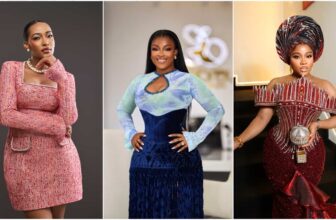
The statement Ankara Maxi Dress
Choose one with bold patterns, dramatic sleeves, or a high slit. Pair with strappy heels and gold jewellery.
-
The Modern Ankara Jumpsuit:
A chic alternative to a dress, perfect for dancing. Wide-leg designs and belted waists add a feminine touch.
-
The Mix-and-Match Separates:
Pair a bold Ankara blouse with a plain midi skirt or tailored trousers.
-
The Power Blazer Set:
A tailored Ankara or Kitenge print blazer paired with matching wide-leg trousers or a mini skirt. This look is structured, striking, and undeniably modern.
-
Fugu for Ghanaian Guests:
A well-styled Fugu outfit strikes the perfect balance between respectful and fashionable for traditional marriage ceremonies in Ghana.
 Photo: Instagram/veekee_james
 Traditional wedding outfits for Nigerian and Ghanaian couples are among the most vibrant and meaningful expressions of cultural identity in contemporary African celebrations.
Whether featuring aso-oke, George and coral, Hausa embroidery, or kente, these garments honor heritage while allowing for personal style and modern craftsmanship.
The strongest looks in 2026 honour tradition while embracing modernity. They fit well, move comfortably, photograph clearly, and reflect the couple’s identity.
By choosing fabrics intentionally, working with skilled makers, coordinating thoughtfully, and respecting cultural codes, Nigerian and Ghanaian couples can create attire that is both rooted and contemporary, celebrating both their marriage and their living cultures.
Photo Courtesy
You May Also Like:
Your Guide to a Complete Nigerian Wedding Planning Checklist
October 11, 20268 Interesting Marriage Rites in Africa You Didn't Know
September 22, 2026Top Wedding Dress Trends in Nigeria for 2026
September 13, 2026How to Choose the Perfect Wedding Photographer in Nigeria
September 5, 2026Old Money Wedding Aesthetic: Everything You Need to Know
September 4, 2026Top Wedding Cake Trends in Nigeria and Ghana
September 3, 202610 Best Honeymoon Destinations for African Couples
September 1, 2026The Top African Wedding Decor Trends for 2026
August 30, 2026How Much Does a Nigerian Wedding Cost in 2026?
August 27, 2026Best Wedding Venues in Lagos, Abuja and Accra
August 26, 202615 Latest Aso Ebi Styles Every Nigerian Wedding Guest Should Try
August 7, 202611 Wedding Photographers to Follow Now in East Africa
July 22, 2026


Esther Ejoh is a Fashion Editor at Fashion Police Nigeria, where she writes all things fashion, beauty, and celebrity style, with a sharp eye and an even sharper pen. She’s the girl who’ll break down a Met Gala look one minute, rave about a Nigerian beauty brand the next, and still find time to binge a movie or get lost in a novel. Style, storytelling, and self-care? That’s her holy trinity.