Published: November 9, 2026 Last Updated 2 days ago by Esther Ejoh
Some celebrity visits make headlines for the guests themselves, while others stand out for the connections they foster. Meagan Good’s recent trip to Lagos is an example of the latter.
The American actress, accompanied by her husband Jonathan Majors, visited Nigeria for cultural and entertainment engagements. Her visit has also attracted attention among fashion enthusiasts.
By wearing Nigerian fashion designer pieces, embracing African accessories, and receiving a commissioned portrait in traditional Yoruba attire, Good has created a distinct fashion narrative during her time in Nigeria.
One moment in particular has drawn attention beyond typical celebrity fashion discussions.
Nigerian artist and medical doctor Fola David presented Good with a painting titled Olórì Meagan, which depicts her wearing a traditional Nigerian gele, an elaborate headwrap symbolizing beauty, identity, celebration, and cultural expression.
The portrait was created to honor her visit and highlight the connection between an international entertainer and the culture that welcomed her.
The gesture was more than a gift; it served as a visual expression of hospitality, cultural appreciation, and the link between fashion and identity. In the portrait, Good is not just a Hollywood actress in traditional attire but is honored through an art form rooted in Yoruba symbolism.
The gele is the focal point, turning the portrait into a celebration of Nigerian heritage.
This combination makes Meagan Good’s fashion moments in Nigeria especially noteworthy. Her visit has blended celebrity style, African design, traditional dress, and contemporary culture in a unique way.
While her international appearances often focus on curated outfits, her Nigerian wardrobe and the cultural gestures during her visit have added a new dimension to her personal style.
From wearing designs by Weiz Dhurm Franklyn to receiving the Olórì Meagan portrait, Good’s time in Lagos demonstrates that fashion communicates more than personal taste. It tells stories about origins, cultural appreciation, and the recognition of creative talent.
Meagan Good’s visit to Nigeria highlights that fashion is more than assembling attractive outfits. It can tell stories, honor heritage, celebrate creativity, and connect people across cultures.
Since arriving in Lagos with her husband, Jonathan Majors, Good has sparked discussion among fashion enthusiasts through her choice of Nigerian designers, appreciation of African accessories, and the Yoruba-inspired portrait created in her honor.
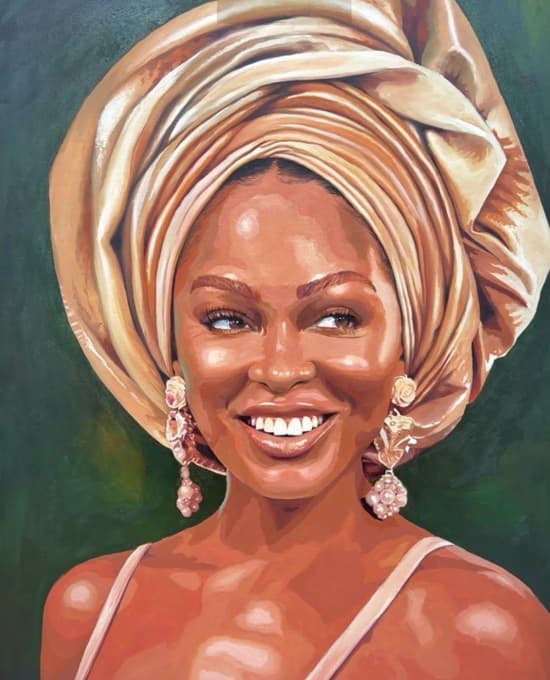 Photo: Instagram/meagangood
A standout moment from her visit was when Nigerian artist Fola David presented her with the Olórì Meagan painting. The portrait shows Good in traditional Nigerian attire, featuring a gele and traditional jewelry, celebrating her through Yoruba visual language.
This thoughtful gesture went beyond a typical celebrity welcome, offering her a personal memento of her time in Nigeria.
The presentation was especially meaningful due to the story behind the artwork. David explained that he aimed to capture more than Good’s appearance; for him, the gele symbolized royalty, elegance, identity, and cultural pride.
He also sought to honor the connection between an international figure and a welcoming culture.
The title Olórì Meagan was also deliberate. In Yoruba, Olórì refers to queenship and traditionally denotes the wife of an Oba, or Yoruba king.
By naming the portrait this way, David honored Good and expressed cultural appreciation. His message noted that a crown is not always gold; it can be beautifully wrapped in heritage, grace, and tradition.
Good appeared genuinely moved by the presentation. She expressed her appreciation, called it a beautiful moment, and praised David’s work. She also shared that she and her husband plan to display the portrait in their home.
Her response made the exchange more meaningful, showing the gift was more than a photo opportunity; it was something she intended to keep.
For those following Meagan Good’s fashion in Nigeria, this appearance marks a shift from designer outfits and red-carpet photos. Here, fashion is expressed through traditional art, cultural symbolism, and the significance of attire.
The gele is not just an accessory but a recognized element of Nigerian dress, especially in Yoruba culture, where headwraps are worn for weddings, celebrations, religious gatherings, and other important events.
It is notable to see an international actress depicted in traditional Nigerian attire while preserving the cultural meaning of the clothing. The portrait centers African identity and highlights the significance of the gele. It also shows how visual artists can introduce cultural traditions to new audiences.
Fola David‘s involvement adds significance to the gesture. As a Nigerian artist and medical doctor, he has gained recognition for large-scale drawings and visual storytelling.
In 2024, Guinness World Records recognized his work, The Unity of Diversity, as the largest drawing by an individual at 1,004.7 square metres. The piece, completed in six days at Mobolaji Johnson Arena in Lagos, depicted Nigeria’s cultural diversity through a map of the country.
His collaboration with the Africa International Film Festival (AFRIFF) on the Olórì Meagan portrait brought together art, entertainment, and cultural appreciation. It also aligned with the broader purpose of Good’s visit, which included engaging with Nigerian cinema and the creative community.
The gele itself deserves attention. In Nigerian fashion, the headwrap has a presence that extends beyond completing an outfit. It can communicate celebration, status, identity and personal taste.
Within Yoruba dressing, different wrapping styles, fabrics and levels of intricacy can give the same accessory very different expressions. Some are bold and sculptural, while others are softer and more understated. The choice often depends on the occasion, the outfit and the person wearing it.
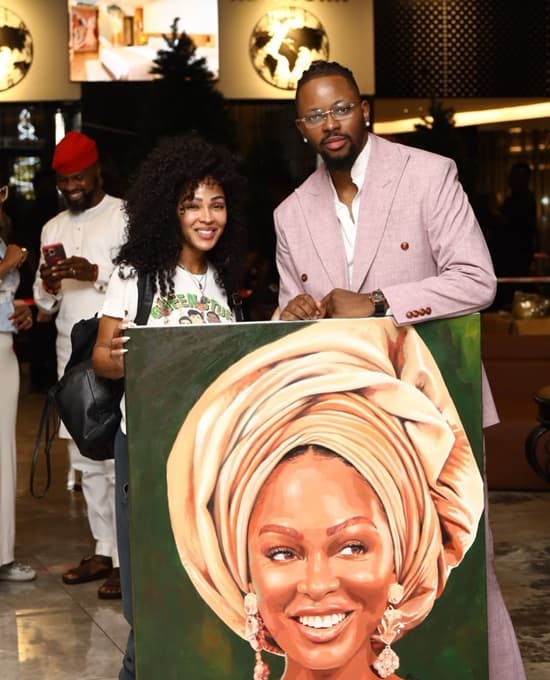 Photo: Instagram/meagangood
For generations, Nigerian women have incorporated headwraps into both everyday and ceremonial attire. The gele is especially linked to traditional weddings, where brides, family, and guests often wear elaborate styles.
It is also common at birthdays, naming ceremonies, cultural celebrations, and formal events. Arranging a gele requires significant skill, with some styles needing careful folding, layering, and securing.
In recent years, the gele has reached a wider audience through fashion photography, international weddings, red-carpet events, and social media. Nigerian fashion designers, stylists, and content creators have introduced traditional headwraps to contemporary audiences, pairing them with modern dresses, tailored outfits, and statement accessories.
The Olórì Meagan portrait demonstrates how this cultural element can reach new audiences. By depicting Good in a gele, David introduced Yoruba fashion to her international followers and celebrated her visit to Nigeria. It served as a welcome expressed through art rather than words.
This moment is especially notable because it occurred during a period of significant creative and cultural events in Lagos. Alongside Jonathan Majors, Meagan Good participated in the 15th Africa International Film Festival and Amplify Africa’s inaugural Diaspora Week Lagos, both of which drew international attention to the city’s entertainment, fashion, art, and business sectors.
Diaspora Week Lagos took place from October 27 to November 9, 2026, with a program aimed at connecting the global African diaspora to people and businesses shaping Africa’s future.
Instead of focusing only on tourism, the event included curated visits, industry discussions, and opportunities to explore Lagos’s fashion, beauty, technology, investment, film, and contemporary art sectors. Good and Majors were confirmed guests.
The fashion and business program included visits to Nigerian brands such as Andrea Iyamah, RENDOLL, and Dabota Beauty. Participants met business owners, learned about their creative processes, and gained insight into the realities of building brands in Nigeria.
The program also covered technology and investment, with engagements involving founders, investors, and other professionals.
The second part of Diaspora Week focused on film and art, featuring activities with Rele Art Gallery, AFRIFF, and Art X Lagos. The programme aimed to introduce international visitors to the people, institutions, and businesses shaping the city’s creative economy.
For Good, the experience offered an opportunity to engage with Nigerian culture beyond the typical celebrity itinerary. She was not in Lagos solely for photographs or a brief red-carpet appearance.
Her involvement in the broader programme connected her with designers, filmmakers, artists, and other members of the creative community.
Her attendance at AFRIFF was another key aspect of the visit. The festival’s 15th edition, held from November 1 to 7 under the theme “Frames of the Future: Africa’s Creative Intelligence,” featured screenings, masterclasses, industry discussions, and the Africa Film and Content Market, bringing together African and international film professionals.
Good and Majors attended the opening gala alongside Nigerian entertainment figures such as Rita Dominic, Wale Ojo, and Osas Ighodaro.
Beninese-American actor Djimon Hounsou was present as the festival’s guest of honour. The event provided a platform for Hollywood and Nollywood personalities to connect and celebrate the growth of African cinema.
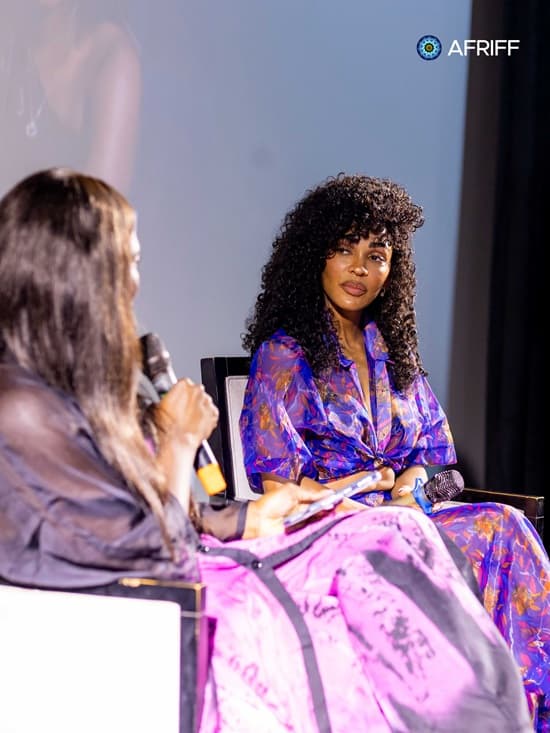 Photo: instagram/meagangood
Good also took part in a fireside conversation titled “The Art of Becoming: Craft, Identity and Reinvention,” moderated by Nigerian media personality Chude Jideonwo.
The discussion covered career longevity, personal development, identity, and the experiences shaping an individual’s journey. This provided Good with an opportunity to share insights from her entertainment career and engage with an audience interested in storytelling and creative growth.
While these engagements highlighted the professional aspect of her visit, her fashion choices sparked a separate conversation. Meagan Good is known for her versatile approach to fashion, moving seamlessly between glamorous gowns, structured dresses, playful silhouettes, and relaxed outfits while maintaining her personal style.
In Lagos, she further demonstrated this range by incorporating African design into her wardrobe.
Meagan Good’s connection to Nigerian fashion is not new. In a previous appearance, she wore Andrea Iyamah’s Reni dress, an olive-green design featuring a structured halter neckline, twist detail, and ruched waist.
The outfit became another example of how international celebrities can bring attention to Lagos-based fashion labels through their personal style.
Her continued support for African fashion designers, including Weiz Dhurm Franklyn, Andrea Iyamah, and Kazamance, places her among international personalities who have shown an interest in the continent’s creative industries.
This is one of the reasons Meagan Good fashion in Nigeria feels like more than a collection of celebrity outfits. It reflects an ongoing relationship with African design and the people behind it.
A highlight of Good’s trip was carrying the signature KAZAMANCE Kulture Clutch during Diaspora Week. The Senegalese brand recognised the moment, sharing an image of the actress on Instagram alongside a heartfelt message about their connection.
“When KAZAMANCE first launched, Ms. Good was the very first person to ever hold a KAZAMANCE bag. The very first!” the brand wrote. “To see her still carrying and loving our creation just as much as she did on day one means the world to us.”
The brand’s reaction added a personal dimension to the appearance. Rather than simply featuring an accessory from an African label, Good was carrying a piece connected to a relationship that began when the brand was first introduced.
Her continued support speaks to the value of long-term relationships between celebrities and emerging designers.
The Kulture Clutch is a structured handheld accessory with artisanal detailing that gives it a distinct identity. Good carried it with confidence, allowing the design to complement her outfit without competing with the statement dress.
It was a reminder that accessories can hold stories beyond their appearance, particularly when they represent the work and identity of independent creative businesses.
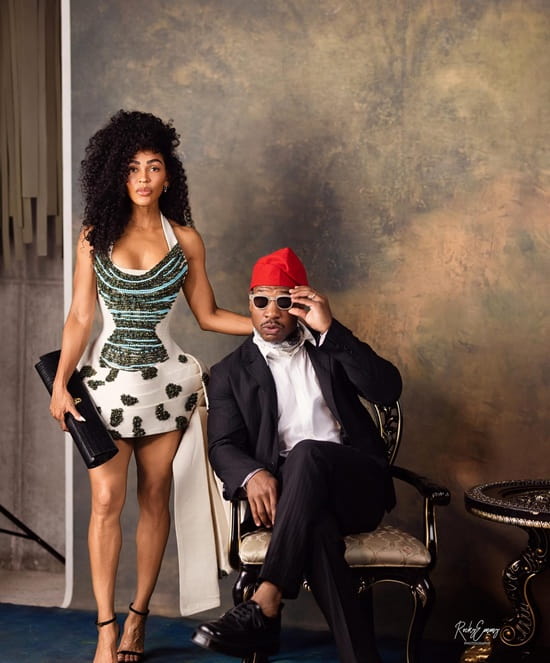 Photo: Instagram/kazamance
Beyond the red carpet, Good embraced Lagos’s relaxed yet stylish atmosphere. Her off-duty looks reflected an approach to dressing that prioritised breathable fabrics, thoughtful silhouettes, and accessories that added personality without excess.
Although her daily outfits were not widely documented, the available glimpses offered another side of Meagan Good fashion in Nigeria. Her visit was not limited to elaborate gowns and formal appearances.
She also moved between social gatherings, industry engagements, and cultural experiences, showing that a well-considered wardrobe does not have to depend on occasion wear alone.
There is something particularly interesting about how celebrities dress when travelling. While red-carpet appearances often involve carefully planned outfits, off-duty fashion offers a more personal view of individual style.
Meagan Good’s Lagos wardrobe appeared to follow this balance, with a preference for pieces that allowed her to participate comfortably in the city’s activities while maintaining her familiar fashion identity.
Her approach also reflected an understanding that fashion can be a way of engaging with a destination. Wearing Nigerian and African fashion designers while attending events in Lagos placed local creativity within an international conversation, giving the labels visibility among audiences who may not have encountered them previously.
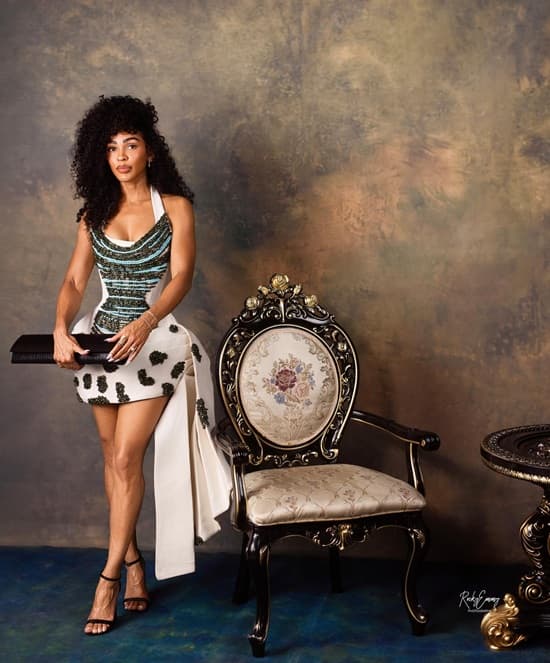 Photo: Instagram/meagangood
Meagan Good’s visit to Lagos went beyond a typical celebrity appearance. She engaged with the festival, participated in meaningful conversations, and supported a brand she had championed from its early days.
In an era when celebrity fashion partnerships can often feel transactional, Good’s approach stood out. She carried a Senegalese brand with which she already had a relationship, wore a Nigerian fashion designer’s creation, and participated in conversations about the creative industries. These decisions gave her visit a more personal quality.
This is where the wider significance of Meagan Good fashion in Nigeria becomes apparent. Her wardrobe choices were not simply about being photographed in beautiful outfits. \
They also created opportunities to introduce African designers, craftsmanship, and accessories to an international audience.
Good’s Lagos appearances aligned with the city’s vibrant fashion energy. Lagos Fashion Week 2026, which overlapped with AFRIFF and Diaspora Week, placed attention on craftsmanship, indigenous textiles, and bold silhouettes.
Designers presented reimagined Akwete and Adire, sculptural forms, and refined tailoring, while street style remained vibrant and experimental.
Against this backdrop, Good’s structured ivory dress and culturally grounded clutch complemented the city’s creative atmosphere. Her fashion choices reflected an interest in the work coming out of Africa, rather than simply treating the continent as another destination for celebrity appearances.
Beyond formal events, lighter moments enriched her visit. A candid video from Ini Edo captured a chance meeting at a nightlife gathering, where Good enthusiastically endorsed Edo’s film Divorce Me, describing it as global and encouraging viewers to watch. The warm, informal exchange showed her willingness to engage with members of Nigeria’s entertainment community outside scheduled appearances.
Her schedule also included the fashion and beauty track of Diaspora Week, featuring visits to Nigerian brands such as Andrea Iyamah, IN Official, Ugo Mozie, and Dabota Beauty.
These visits provided opportunities for conversations about the business realities, creative processes, and growth opportunities within Lagos’s fashion and beauty industries.
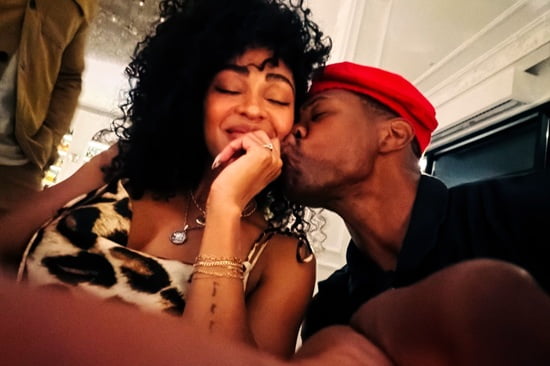 Photo: Instagram/meagangood
As an actress who has also developed her own wellness brand, Honor Culture, with Majors, Good has an additional connection to the business side of the creative industry.
Her participation in these activities therefore extended beyond being a visitor. It offered an opportunity to engage with the people building businesses and shaping the future of African fashion.
A sense of ease stands out across the documented moments. Good did not follow a rigid red-carpet formula throughout her stay. She wore a local designer’s mini dress with confidence and carried a bag from a brand she had supported since its inception.
She moved between film festival panels, industry gatherings, and informal nightlife while maintaining a consistent sense of personal style.
The recurring theme was an appreciation for craftsmanship and a willingness to place Nigerian and African design at the centre of her public image during the trip. This is what makes her fashion appearances particularly interesting.
She demonstrated that international style influence does not have to come from wearing only established European or American labels. African designers have the creativity, skill, and identity to stand alongside them.
More broadly, her presence in Lagos at this time carried symbolic significance. AFRIFF continues to establish itself as a leading platform for African cinema and cross-continental collaboration, while Diaspora Week seeks to move beyond tourism towards meaningful economic and cultural exchange.
As Good’s visit to Nigeria concludes, the portrait by Fola David stands out as a personal highlight. The ivory Weiz Dhurm Franklyn dress, the Kazamance clutch, and her earlier connection with Andrea Iyamah all contribute to a broader picture of her interest in African fashion. Olórì Meagan unites these moments through a gesture rooted in Nigerian identity.
Ultimately, Meagan Good’s fashion moments in Nigeria have been about more than her wardrobe. They have highlighted the creativity of African designers, brought attention to traditional Yoruba dress, and demonstrated how celebrity visits can foster meaningful cultural exchange.
From contemporary Nigerian fashion to a portrait celebrating the gele as a symbol of royalty, her time in Lagos has offered many reasons to appreciate the relationship between fashion, art, and heritage.
This is what makes this visit especially memorable. Meagan Good arrived as a Hollywood actress, but she leaves with a portrait that celebrates her connection to Nigeria in a deeply personal way.
Sometimes, the most memorable fashion statement is not a dress from a new collection or an accessory from a recognized brand. Sometimes, it is a crown made of fabric, history, and the warmth of a culture that has chosen to welcome you.
Photo: Instagram/kazamance
You May Also Like:
Meghan Markle Steps Out in Elegant Black Outfit Look in Brussels
Cardi B Reveals Her Son Grey Marsean Diggs’ Name and Face on His First Birthday
Kim Kardashian Reveals She Was Invited into Elizabeth Taylor’s Home to View Her Legendary Jewelry Co...
Gabrielle Union Shines in a Red Bikini Ahead of Her 54th Birthday

Beyoncé Stepped Out in a Feathered Green Gown for Ace of Spades 20th Anniversary
Dua Lipa Reaffirmed Her Sartorial Status in a Cascading Sequin Ferragamo Gown
Kim Kardashian Transformed into Daughter North West for Halloween 2026
All the Moms Who Walked the 2026 Victoria’s Secret Fashion Show
Megan Thee Stallion Turned Her Dream into Reality as a Victoria’s Secret Angel
Meghan Markle and Prince Harry Makes their First London Appearance in Style

Tyla Opened the A*Pop World Tour in Paris in a Neon Spectacle
Céline Dion Revives Her Iconic 1997 Oscars Chanel Gown for Paris Tour Finale


Esther Ejoh is a Fashion Editor at Fashion Police Nigeria, where she writes all things fashion, beauty, and celebrity style, with a sharp eye and an even sharper pen. She’s the girl who’ll break down a Met Gala look one minute, rave about a Nigerian beauty brand the next, and still find time to binge a movie or get lost in a novel. Style, storytelling, and self-care? That’s her holy trinity.