Published: October 23, 2026 Last Updated 41 minutes ago by FPN
There is a particular kind of exhaustion that comes from constantly measuring yourself against a standard you never agreed to.
It is the quiet calculation before you leave the house, checking the mirror, adjusting your outfit, sucking in your stomach, and wondering whether you look acceptable.
It is the hesitation before posting a photo, the critical scan of your face in a phone screen’s reflection, and the way your mood can shift because of a number on a scale or a comment from a stranger.
Women carry these pressures silently, often without naming them. These beauty expectations are woven so deeply into everyday life that they begin to feel less like external demands and more like personal failings.
From pressure to maintain a particular body shape to expectations of flawless skin, youthful features, and perfectly styled hair, women are constantly reminded they could look better.
These unrealistic beauty standards for women influence everything from clothing choices to skincare routines, often turning ordinary decisions about appearance into sources of anxiety.
But these expectations are not simply personal insecurities.
The expectations are shaped by social attitudes, advertising, celebrity culture, family expectations, and digital platforms that repeatedly present a narrow definition of attractiveness.
The beauty industry also profits from the belief that a woman’s appearance always needs improvement.
A 2026 survey of hundreds of women found that 87.4 percent had experienced anxiety about their bodies because of social media content.
Another 64 percent reportedly felt frustrated when they could not fit into a brand’s sizing, sometimes blaming themselves rather than questioning the brand’s measurements.
These figures highlight how deeply appearance-related pressure can affect self-perception.
The problem is not that women want to look good.
Enjoying fashion, wearing makeup, caring for your skin, or changing your hairstyle can be pleasurable forms of self-expression.
The problem begins when these choices no longer feel voluntary.
When a woman feels she must change her appearance to be respected, accepted, loved, or taken seriously, beauty becomes a burden rather than a source of enjoyment.
Understanding the unrealistic beauty standards for women that shape modern life requires looking beyond individual choices.
It means examining the messages women receive, the businesses that benefit from their insecurities, and the cultural attitudes that make certain appearances seem more acceptable than others.
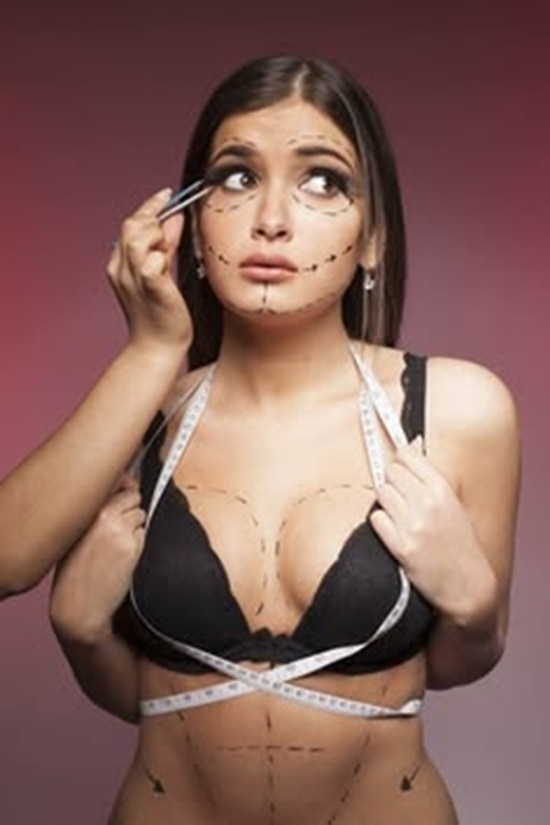 Photo Courtesy
For decades, thinness dominated mainstream beauty culture.
Fashion magazines, advertising campaigns, television shows, and celebrity coverage repeatedly celebrated narrow waists, flat stomachs, and small body frames.
Women were encouraged to take up less space, and weight loss was often presented as a personal achievement, whether or not it was necessary for their health.
In 2026, the conversation has become more complicated.
The ideal body is no longer simply thin.
Increasingly, it is expected to be toned, muscular, visibly fit, and carefully maintained. Women are encouraged to have defined abs, sculpted legs, rounded glutes, and narrow waists, often all at once.
A POPBEE survey found that 53.2 percent of women identified a healthy figure with visible muscle definition as the body type they most often saw among models.
Fewer than 10 percent felt that the fashion landscape was genuinely diverse, with different heights and body sizes represented.
These findings point to a persistent problem with unrealistic beauty standards for women. The appearance considered desirable may change, but the pressure to conform remains.
A body that was once praised for being thin may now be criticised for lacking muscle definition.
Women who were previously encouraged to lose weight may find themselves being told to build curves in specific places while keeping other areas slim.
The body positivity movement challenged many of these expectations by encouraging women to accept their bodies across different sizes.
However, the popularity of fitness-focused beauty content suggests that body acceptance can become complicated when another ideal takes its place.
Women are now expected to demonstrate discipline through their physical appearance. People treat their bodies as evidence of how well they eat, how consistently they exercise, and how much control they have over their lives.
This leaves little room for the realities of genetics, disability, pregnancy, ageing, financial limitations, or the simple fact that bodies naturally differ.
Maintaining a particular physique can also demand considerable time and money. Gym memberships, personal trainers, specialised diets, supplements, and workout clothing may become part of the routine.
For women balancing work, childcare, education, relationships, and other responsibilities, these expectations can feel impossible to meet.
The problem is not exercise or caring about physical health. It is the assumption that a woman’s body must visibly communicate fitness to be considered attractive.
When one ideal replaces another, women are left chasing a moving target.
Recognising how unrealistic beauty standards for women change over time can help separate genuine personal goals from expectations created by trends, advertising, and social approval.
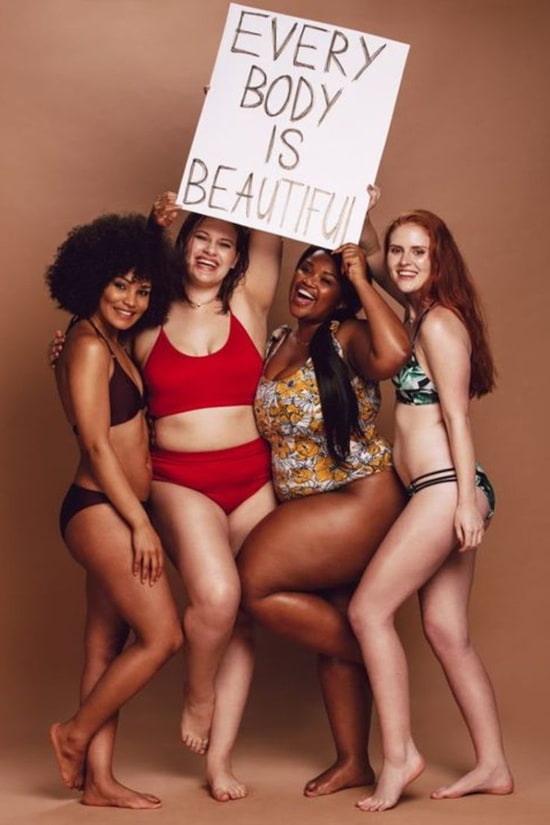 Photo Courtesy
The pressure women experience does not exist in isolation.
Social media platforms can intensify it by repeatedly exposing users to carefully selected images of bodies, faces, outfits, and beauty routines.
A woman might open Instagram to see what her friends are doing and end up watching several videos about losing belly fat, achieving clear skin, growing longer hair, or maintaining a particular waist-to-hip ratio.
She may then encounter advertisements for products promising to correct the very features those videos have encouraged her to scrutinise.
The cycle can be difficult to recognise because each individual post may appear harmless.
A fitness video can offer useful advice. A skincare tutorial can introduce a helpful product.
A fashion creator can inspire someone to experiment with her wardrobe.
The problem develops when the overall feed repeatedly suggests that a woman’s appearance is a project requiring constant improvement.
The POPBEE survey found that nearly 60 per cent of women most often viewed social media content related to fitness, body shaping, and workouts.
Such findings raise important questions about how repeated exposure to idealised bodies influences self-image.
Algorithms generally respond to engagement.
When users watch, like, save, or comment on particular content, platforms may recommend similar material. This means that a woman who initially watches a fitness video out of curiosity may begin seeing more content about weight loss, body transformation, or restrictive eating.
Jennifer Harriger, a psychology professor at Pepperdine University who studies body image and social media, has discussed how harmful body ideals evolve online.
Content associated with thinspiration and pro-anorexia communities has taken new forms, including material linked to the SkinnyTok trend, which promoted extreme thinness and potentially dangerous weight-loss behaviours.
Even when platforms restrict specific hashtags, similar messages can circulate through alternative labels, coded language, and other online communities.
The wider concern is that social media can make an uncommon body type appear ordinary.
Users may see hundreds of carefully posed photographs without realising how much lighting, camera angles, editing, styling, and selective posting influence the final image.
This creates a distorted comparison.
Women measure their everyday appearances against images that may represent only a carefully selected moment, a professional photoshoot, or an edited version of reality.
Unrealistic beauty standards for women become particularly difficult to challenge when they appear repeatedly across different platforms. The constant exposure can make a narrow ideal feel like a universal expectation rather than one version of beauty among many.
One practical response is to become more deliberate about what appears in your feed.
Following creators with different body types, skin textures, ages, and personal styles can broaden the range of appearances you see. Taking breaks from content that consistently triggers comparison can also help.
The goal is not to avoid beauty content altogether. It is to make sure inspiration does not become another source of pressure.
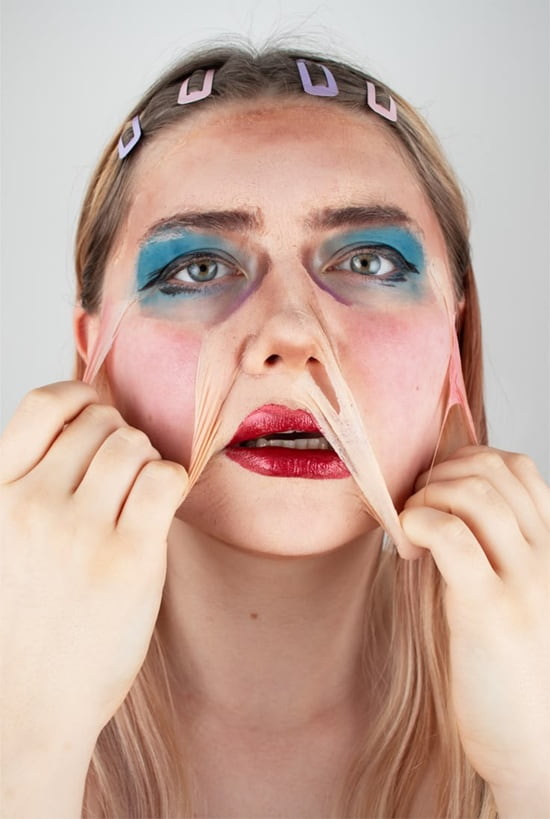 Photo Courtesy
One of the most frustrating aspects of beauty pressure is that women are often judged regardless of what they choose to do.
They may be criticised for wearing too much makeup, yet told they look tired when they leave the house without it. They may be encouraged to embrace their natural hair, then face negative comments about its texture or volume.
They may be praised for losing weight but questioned when their bodies change after pregnancy, illness, or ageing.
Women are expected to make an effort without appearing to have made one. Their skin should look flawless, but their makeup must appear invisible.
Their hair should be healthy and well-maintained, but their grooming routine should not seem excessive. Their bodies should look fit, but their dedication to fitness must not seem to take up too much time.
These contradictory demands reveal how unrealistic beauty standards for women can be built around expectations that are hard to meet at the same time.
The same double bind affects women in the public eye, whose appearances are regularly treated as open invitations for commentary.
A celebrity may be criticised for looking different from her previous photographs, regardless of whether the change comes from styling, weight fluctuations, ageing, or personal preference.
The Guardian recently examined the contrasting reactions to musicians CMAT and Olivia Rodrigo.
CMAT faced severe comments about her body following a festival performance, while Rodrigo was criticised for a babydoll dress associated with the 1990s kinderwhore aesthetic.
The different reactions highlight a familiar contradiction.
Women can be criticised for not conforming to conventional attractiveness and criticised again when their clothing or appearance is interpreted as an attempt to appeal to others.
There is often no clear standard to follow because the rules change according to the person making the judgement. A woman’s appearance may be interpreted through assumptions about her age, body size, sexuality, personality, or perceived social status.
This can make getting dressed feel like a negotiation rather than an enjoyable activity.
Instead of asking whether an outfit feels comfortable or reflects her personality, a woman may worry about whether it will attract unwanted comments or make others question her judgement.
The consequences extend beyond fashion.
Women may avoid swimming, decline social invitations, or feel reluctant to post photographs because they anticipate criticism.
Challenging this double bind requires recognising that women do not owe the public a particular appearance. Wearing makeup does not make someone less authentic.
Choosing not to wear it does not mean someone has neglected herself.
Wanting to change one’s appearance is not automatically a sign of insecurity, just as accepting one’s natural features does not mean abandoning personal care.
The important distinction is choice.
Beauty should leave room for individual preferences rather than demand that every woman follow the same rules.
For women in Nigeria and across Africa, appearance-related pressure can extend beyond body shape and facial features.
Skin colour remains a significant part of beauty conversations, with lighter skin often associated with attractiveness, social status, and professional desirability.
This preference is not universal, nor does it represent the views of every African community.
However, colourism has influenced beauty culture in many societies, shaping the way people are treated because of the shade of their skin.
Nigeria has reported particularly high use of skin-lightening products.
The World Health Organisation has cited estimates indicating that 77 percent of Nigerian women use skin-lightening products, although figures vary according to the study, population, and definition used.
The widespread use of these products has raised public health concerns.
Nigeria’s health authorities have also warned about the dangers of skin-lightening products, particularly those containing mercury, hydroquinone, or potent corticosteroids when used improperly.
Depending on the ingredient and exposure, these substances can cause skin irritation, thinning, discolouration, and other serious health complications. Mercury exposure can damage the kidneys and nervous system.
Despite these risks, some women continue to use such products because they feel pressure to achieve a lighter complexion.
The reasons can include personal preference, social influence, marketing, or the belief that lighter skin will improve their romantic, professional, or social prospects.
This is where unrealistic beauty standards for women intersect with wider questions of identity, history, and inequality.
When one skin tone is consistently presented as more desirable, women may begin to view their natural complexion as something that requires correction.
The pressure can appear in subtle ways.
A woman may be told that she looks better after using a product that lightens her skin.
A beauty advertisement may show a lighter complexion as the final stage of a transformation. A social media filter may brighten the face and alter its undertones until the result looks noticeably different from the person’s natural appearance.
Over time, these repeated messages can influence how women evaluate themselves and others.
The problem is not skincare itself.
Products designed to moisturise, protect, or address specific skin concerns can be useful. The concern arises when the goal shifts from skin health to changing one’s natural complexion because of a belief that lighter skin carries greater value.
Beauty brands, media organisations, and influencers have a role to play in challenging this message.
Showing a wider range of skin tones, using responsible language, and avoiding the suggestion that darker complexions require correction can help create a more inclusive beauty culture.
Women should be able to care for their skin without feeling that their natural colour is an obstacle to acceptance.
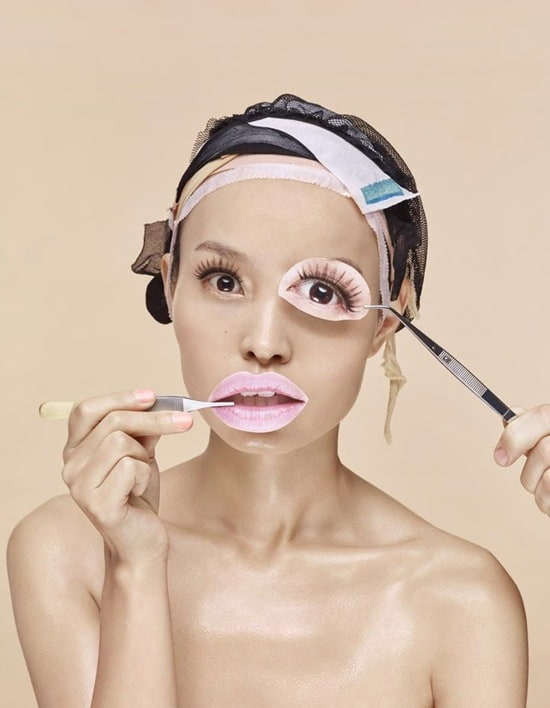 Photo Courtesy
The consequences of appearance-related pressure extend well beyond the mirror.
Persistent dissatisfaction with one’s body can affect emotional well-being, relationships, social activities, and everyday decisions.
The POPBEE survey reported that 87.4 percent of women experienced critical or anxious feelings about their bodies in connection with daily social media use. Although survey results do not represent every woman, they illustrate how common these experiences can be.
For some women, the pressure begins with a passing comparison. They see a photograph of someone with clearer skin, a smaller waist, or thicker hair and briefly wonder why they do not look the same.
For others, the comparison becomes a recurring habit that affects how they dress, eat, socialise, and speak about themselves.
A woman may spend an entire evening worrying about how she looked in a photograph instead of enjoying the occasion.
She may avoid wearing sleeveless clothing because she dislikes her arms or decline an invitation because she feels uncomfortable about her weight.
Someone else may become preoccupied with covering acne, hiding grey hair, or preventing others from noticing signs of ageing.
These experiences can gradually reduce the space women have to enjoy their lives without evaluating their appearances.
Research has linked body dissatisfaction with psychological difficulties, including anxiety, depressive symptoms, and low self-esteem.
In some cases, intense concerns about perceived physical flaws may be associated with body dysmorphic disorder or eating disorders.
These conditions are complex and cannot be explained by beauty pressure alone, but persistent appearance-related distress can contribute to a person’s difficulties.
The impact is not always visible to other people.
A woman who receives compliments about her appearance may still feel deeply uncomfortable with her body. Someone who appears confident online may privately spend hours comparing herself with other people.
This disconnect can make it difficult to ask for help.
Women may feel that their concerns are too trivial to discuss because they involve weight, skin, hair, or clothing rather than a problem others consider serious.
Yet the time and mental energy devoted to appearance can become substantial.
When every photograph, outfit, or social event triggers self-criticism, ordinary activities begin to feel like tests that must be passed.
The unrealistic beauty standards for women that circulate through media and society can also influence how women treat one another.
Casual comments about weight, skin tone, ageing, or body shape may seem harmless to the person making them, but they can reinforce the belief that a woman’s appearance is always open for assessment.
Reducing this pressure requires more than telling women to be confident.
It involves changing the conversations around beauty, recognising the harm caused by constant comparison, and making room for women to discuss their experiences without embarrassment.
When appearance concerns begin to interfere with eating, relationships, work, or daily activities, speaking with a qualified mental health professional can provide useful support. Women should not have to manage persistent distress alone.
Beauty expectations are not always introduced through advertising or social media. In many families, they begin at home.
A mother may tell her daughter to lose weight before a wedding.
An aunt may comment that a young woman would look prettier with longer hair. A relative may ask why someone has not started using anti-ageing products or suggest that a particular complexion would be more attractive.
These comments are sometimes delivered as jokes, advice, or expressions of concern.
The person making them may believe they are helping.
However, when such remarks become frequent, they can teach girls and women to associate acceptance with meeting other people’s expectations.
In Nigeria, where family relationships and community opinions can carry considerable weight, appearance-related comments may be particularly difficult to challenge.
A woman who objects to criticism about her body might be accused of being too sensitive. Someone who refuses a suggested beauty treatment may be told that she is neglecting herself.
The pressure can also appear through expectations about modesty, femininity, and respectability. Discussions about what women should wear often carry assumptions about their character, values, and intentions.
The Guardian Nigeria reported on First Lady Oluremi Tinubu’s comments encouraging parents to teach young girls modesty and decency. She argued that beauty should not be defined by revealing clothing and emphasised the importance of inner qualities.
Conversations about modesty and personal values can be meaningful, but they become more complicated when they place the responsibility for other people’s reactions entirely on women’s bodies or clothing.
Girls need guidance, but they also need to understand that their worth is not determined by whether they meet every expectation placed upon their appearance. Teaching personal responsibility should not require creating shame around the body.
Parents and relatives can help by changing the language they use around children.
Instead of making repeated comments about weight, complexion, or attractiveness, they can discuss comfort, health, creativity, and personal choice.
Compliments can also acknowledge qualities beyond appearance, including kindness, humour, curiosity, and determination.
This does not mean families must stop discussing grooming or personal presentation. It means those conversations should leave room for individual preferences and respect.
The influence of unrealistic beauty standards for women becomes harder to challenge when the same messages are repeated by people they trust most.
Breaking that cycle begins with recognising that a comment can be well-intentioned and still cause harm.
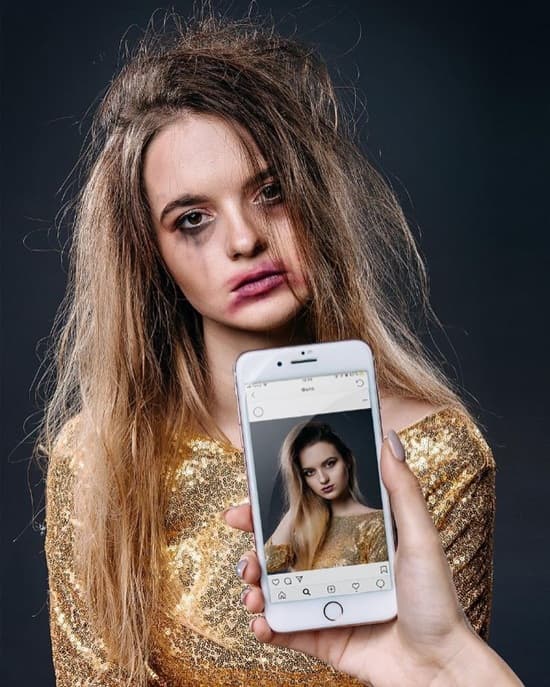 Photo Courtesy
Maintaining a particular appearance can be expensive.
Skincare products, hair appointments, makeup, fitness memberships, clothing, cosmetic treatments, and other services can take up a substantial part of a woman’s income.
There is nothing wrong with spending money on these things when they bring enjoyment or meet personal needs. The concern is the pressure to purchase them because a woman feels she will be judged without them.
A skincare routine can begin with a simple moisturiser and sunscreen, then expand into numerous products marketed as essential for brighter skin, smaller pores, fewer wrinkles, or a more even complexion.
A woman may purchase a new foundation because her current one no longer seems suitable after watching a beauty creator demonstrate a different finish.
Someone else may spend money on hair treatments because social media has convinced her that her natural texture is not fashionable.
The cycle is difficult to escape because beauty trends rarely remain fixed.
A product that was considered essential last year may be replaced by another ingredient, technique, or treatment. The promise is always that the next purchase will bring a little more confidence.
This is one way unrealistic beauty standards for women can become profitable.
When women are encouraged to believe that their natural features are inadequate, products and services can be marketed as solutions to problems they may not have considered before.
The economic pressure is particularly relevant in Nigeria, where consumers must weigh beauty purchases against other household expenses, transportation, education, food, and savings.
Exchange rates and the cost of imported products can make some international beauty routines difficult to maintain.
Yet the pressure to keep up may remain, especially when beauty content presents expensive products as ordinary necessities.
For women who use skin-lightening products, the financial cost may be accompanied by health risks.
Products containing harmful ingredients can cause damage that requires medical attention, adding another potential expense.
A more useful approach to beauty spending begins with asking what a product actually does and whether it meets a genuine need. A long routine is not automatically better than a short one, and an expensive product does not guarantee superior results.
Women can also benefit from distinguishing between purchases they genuinely enjoy and those they make because they fear being judged. This distinction allows beauty to remain a personal choice rather than an obligation.
The goal is not to reject the beauty industry.
It is to question a business model that can depend on keeping women dissatisfied with themselves.
Despite the pressure, many women are finding ways to develop healthier relationships with their appearance.
Their responses do not always involve rejecting makeup, fashion, fitness, or skincare. Instead, they are becoming more selective about the standards they choose to follow.
The POPBEE survey found that 65.8 percent of respondents prioritised comfort, while 43.2 percent believed fashion should allow people to express their individuality fully.
These findings suggest that personal preference and practical needs can become more important as women reassess the expectations placed upon them.
For some, resistance means wearing clothes that fit their current bodies rather than buying a smaller size in the hope of eventually fitting into it.
For others, it means allowing grey hair to grow, wearing natural hairstyles, reducing unnecessary skincare steps, or choosing exercise for strength and wellbeing rather than appearance alone.
These decisions may appear ordinary, but they can represent a meaningful shift in perspective. They move the focus away from how closely a woman resembles an ideal and toward whether her choices serve her.
Challenging unrealistic beauty standards for women does not require every woman to embrace the same philosophy. One person may love wearing full face makeup, while another prefers a bare face.
Someone may enjoy cosmetic treatments, while someone else may choose not to pursue them. Both should be able to make those decisions without being treated as examples of what other women ought to do.
Online communities can also help.
Following people with different skin tones, ages, body shapes, hair textures, and disabilities can broaden the range of appearances presented as normal. It can also help to reduce exposure to accounts that rely on body shaming or promote potentially harmful practices.
Jennifer Harriger has recommended expanding social media feeds and developing media literacy so users can recognise harmful messages and evaluate what they encounter online.
Media literacy is particularly useful because it encourages people to question how images are created and why certain content is promoted.
A photograph may have been edited.
A transformation video may omit important details.
A product endorsement may be sponsored.
A fitness routine may be unsuitable for someone with different health needs or circumstances. Learning to recognise these factors can create distance between what women see online and what they expect from themselves.
There is also value in changing everyday conversations. Friends can compliment one another without making weight loss the default measure of success.
Families can avoid discussing women’s bodies as though they are public property. Brands can represent a wider range of customers without presenting one appearance as the ultimate goal.
These actions will not eliminate the structural forces behind beauty pressure, but they can help create environments where women feel less compelled to measure their worth against an external standard.
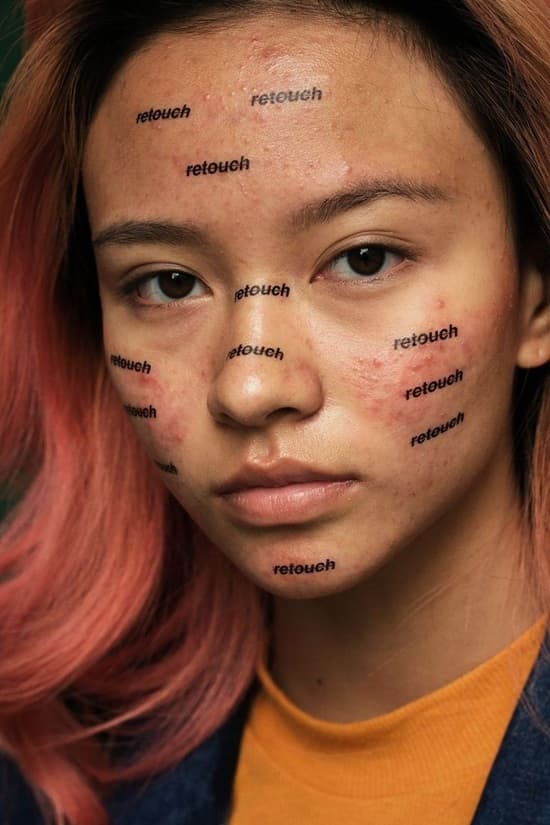 Photo Courtesy
The beauty expectations women carry are not as private as they may seem.
They appear on billboards, in family conversations, through social media recommendations, and in advertisements that promise to correct ordinary human features.
They are reflected in the expectation that a woman’s body should remain a particular size, her skin should be flawless, her complexion should meet a preferred ideal, and her hair should always look carefully maintained.
They also appear in the contradictory demand that women achieve all these things without seeming to put in too much effort.
These unrealistic beauty standards for women are powerful partly because they can become internalised.
A comment from someone else eventually becomes a criticism a woman directs at herself. A trend becomes a requirement. A personal preference becomes a perceived obligation.
Recognising this process is an important first step toward changing it.
Women do not need to abandon beauty routines or stop caring about their appearance to challenge the pressure surrounding them.
They can enjoy getting dressed, experimenting with makeup, maintaining their hair, or investing in skincare while refusing to treat these choices as measures of personal worth.
The distinction lies in whether beauty adds something enjoyable to life or becomes a condition for feeling acceptable.
There will always be new fashion or beauty trends, products, and opinions about what women should look like. The ideal body may change, the preferred complexion may shift, and the fashionable hairstyle may be replaced by another.
No single appearance can satisfy every expectation, particularly when those expectations contradict one another.
The women who find greater peace are not necessarily those who have achieved a particular look. They may simply be those who have become more comfortable questioning why that look matters so much.
A woman’s body is not a public project.
Her skin colour is not a problem to solve.
Her age is not a flaw to conceal, and her hair does not need to follow every passing trend.
Beauty can be personal, creative, and enjoyable without becoming a measure of whether someone deserves respect.
The most important change is not finding a new standard to replace the old one.
It is making room for women to decide what beauty means to them, without fear that their choices will determine their value.
That is a standard worth keeping.
Photo: skyryedesign
You May Also Like:
The Anti-Ageing Beauty Advice Women Should Stop Following
Beauty Products Are Increasingly Becoming Hybrid — Here's Why
Are Beauty Filters Changing What Women Think They Actually Look Like?

Hold On... Are Fenty Skin, Huda Beauty, and Glow Recipe in a Packaging Drama?

The Best Beauty Looks at the 2026 Emmy Awards
Best Perfumes for Women in Nigeria and Ghana
Latest African Beauty Trends Taking Over Social Media
The Best Beauty Salons in Lagos, Accra, and Nairobi
16 African Beauty Brands You Need to Know in 2026
Beauty Trends: What’s Old is New Again
Billie Eilish Just Launched Eilish Intense, Her Most Powerful Fragrance Yet
Miss Universe Uganda 2026 Contestant is Going Viral for Her Natural Beauty


Esther Ejoh is a Fashion Editor at Fashion Police Nigeria, where she writes all things fashion, beauty, and celebrity style, with a sharp eye and an even sharper pen. She’s the girl who’ll break down a Met Gala look one minute, rave about a Nigerian beauty brand the next, and still find time to binge a movie or get lost in a novel. Style, storytelling, and self-care? That’s her holy trinity.