Published: November 27, 2026 Last Updated 11 hours ago by FPN
For generations, the beauty industry promoted a single standard: skin should be even, smooth and unblemished.
In this case, freckles were to be bleached, birthmarks concealed, and moles treated as problems.
The ideal face was a blank canvas, corrected to near unreality.
This narrative is changing.
Across red carpets, social media, editorials and daily life, people are embracing the unique marks that define their skin.
Freckles, birthmarks and other natural features are now recognised as elements of individual beauty, not flaws to erase.
This shift is more than aesthetic; it is cultural and personal, shaping how people view themselves. It challenges the expectation, especially for women, to present an edited, neutral appearance.
When celebrities and models leave their freckles visible, they do more than make a beauty choice—they question the notion that natural skin variation needs to be hidden.
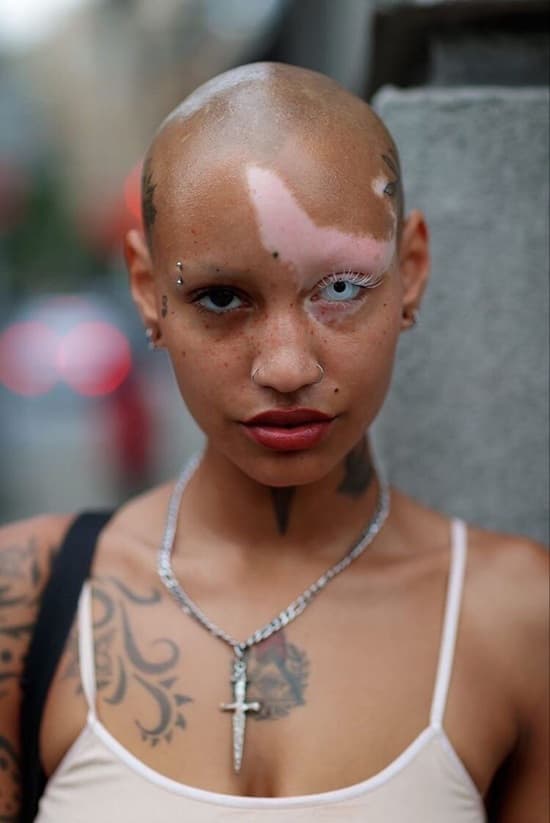 Photo Courtesy
Natural skin features have always existed, but the beauty industry’s approach to them has changed significantly.
Freckles form when melanin-producing cells create concentrated pigment, appearing more often in fairer skin and becoming more visible after sun exposure, though they can occur in all skin tones.
Unlike moles, freckles result from changes in pigment production, not an increase in melanocytes.
Birthmarks appear in various forms.
Pigmented birthmarks, such as café-au-lait spots and some moles, result from clusters or differences in pigment-producing cells.
Vascular birthmarks, including port-wine stains and infantile hemangiomas, develop from blood vessels. Some fade over time, while others persist for life.
While these features are part of normal development, some may require medical assessment if their appearance changes.
Historically, these marks carried significant cultural weight.
In many Western societies, freckles were linked to outdoor labour and lower social status. People preferred smooth, pale, unflecked skin, as it implied a life indoors.
People used remedies ranging from lemon juice to harsh chemicals to lighten or remove freckles.
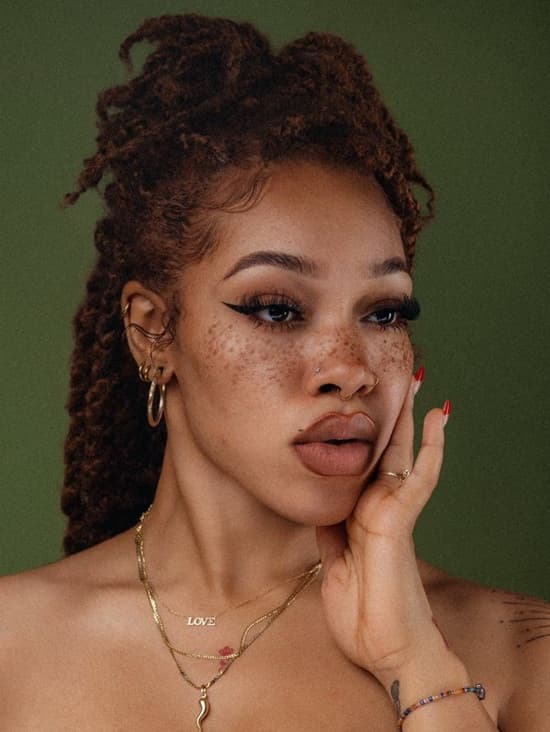 Photo Courtesy
Birthmarks were often explained through folklore.
In Europe and elsewhere, the belief in maternal impressions suggested that a mother’s cravings or sudden fright during pregnancy could mark her child.
For example, a craving for strawberries was thought to cause a red mark. In various Asian, African and Indigenous cultures, some birthmarks were seen as spiritual signs or connections to ancestry.
These stories show how people seek meaning in physical features and how easily natural skin marks become subject to judgment when society favours certain appearances.
The modern acceptance of these features grew through fashion, film and popular culture. Models like Twiggy normalised visible freckles by not fully concealing them in photos.
Cindy Crawford’s beauty mark became iconic, despite early suggestions to remove it. Marilyn Monroe’s mole was also embraced as part of her beauty identity.
Today, the conversation extends beyond a few celebrities.
More models, actors and public figures now embrace visible freckles, birthmarks and other natural features, challenging the expectation that skin must be uniform to be beautiful.
These public choices matter because they challenge outdated beauty standards.
When highly visible individuals choose not to conceal features traditionally covered by makeup, it encourages others to reconsider their own relationship with their skin.
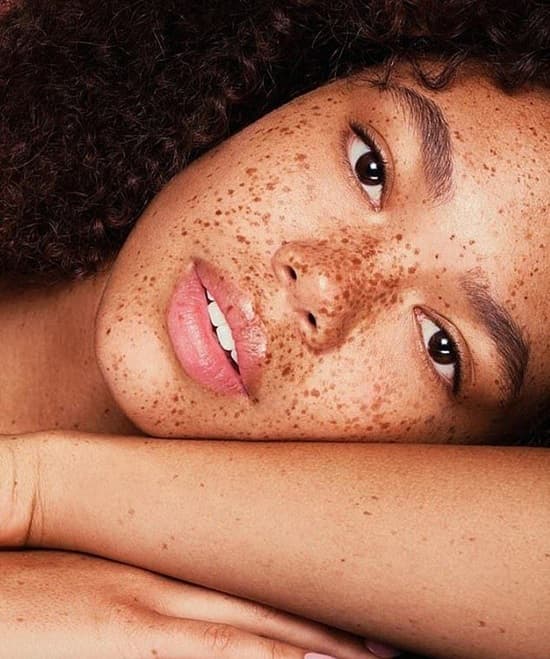 Photo: Instagram/kylieskin
This change is also reflected in daily beauty routines.
Faux freckles are now a popular trend, with brands offering pens, stamps and products to create natural-looking spots. The freckled look appears in tutorials, editorials, social media and even as temporary glitter freckles on runways and red carpets.
There is a notable contradiction: some people now apply faux freckles, while others who once concealed theirs are choosing to show them.
The appeal lies not in perfect skin, but in skin that looks individual.
Birthmarks present a more complex emotional challenge.
Larger or more visible marks can attract unwanted attention and comments, especially on exposed areas like the face, neck or arms.
For many, becoming comfortable with a visible birthmark takes years, particularly if their appearance was often discussed growing up.
Greater representation is changing this experience.
People with port-wine stains, café-au-lait marks and other distinctive features are sharing their photos and stories without feeling the need to explain or apologise.
Some have appeared in fashion campaigns and editorials, challenging the notion that natural skin features must be hidden to represent a beauty brand.
The language around these features is also evolving. What was once labelled a flaw is now described as a feature, a signature or simply part of a person.
This shift matters, as language shapes how people view their appearance.
Calling a birthmark something that makes a person recognisable, rather than something to correct, can change their relationship with it.
This movement is part of a broader rejection of overly perfected skin.
Trends like skinimalism, makeup that highlights natural texture and less edited beauty photography all reflect a new approach to appearance.
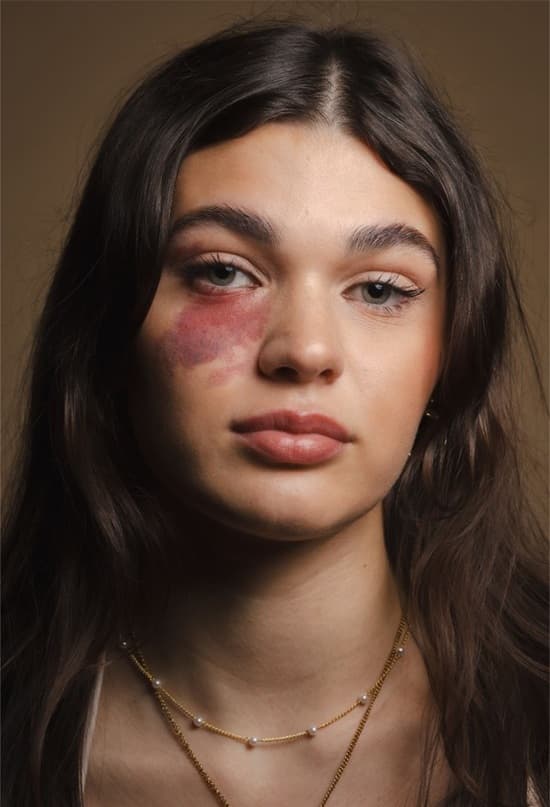 Photo: Browyn Photography
For years, filters have smoothed skin, erased freckles, and removed blemishes, creating nearly identical complexions. While entertaining, their widespread use has fueled unrealistic expectations by removing the features that make faces unique.
There is now greater appreciation for skin that looks natural.
Freckles, beauty marks, birthmarks, and uneven pigmentation all contribute to individuality. These features give faces character in ways that standardised filters cannot replicate.
This change also has practical and psychological benefits.
Many people spend years and significant money trying to lighten, cover or remove marks they were taught to dislike. Choosing to accept these features can reclaim time, money and emotional energy.
However, not every mark should be ignored.
Freckles are usually harmless but can indicate ultraviolet exposure, so sun protection is important. Birthmarks should be assessed if they change in size, colour, shape, or texture, become painful, or bleed.
Some marks need medical attention, while many do not.
Appreciating natural features and maintaining skin health can go hand in hand.
Representation across skin tones and cultures remains important.
Freckles have often been highlighted in campaigns with lighter skin, but they also appear on deeper tones, varying in colour, visibility, and distribution.
Birthmarks of all types occur across populations.
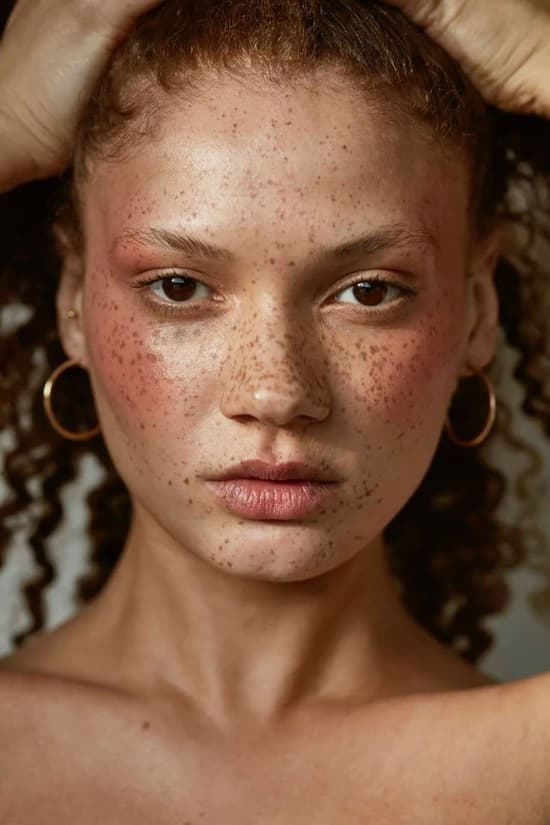 Photo Courtesy
When campaigns show only one type of natural mark on one type of face, they reinforce narrow standards of acceptable skin variation.
Greater representation of freckles, birthmarks, moles, and pigmentation across skin tones helps people see that natural beauty has no single definition.
This is especially important in African beauty discussions.
Darker skin has faced unrealistic expectations, such as pressure for an even complexion and the removal of visible pigmentation differences.
However, natural skin features are not limited to any one complexion or background. Freckles, beauty marks and birthmarks are found across African communities and beyond.
The beauty of these features does not depend on rarity or drama.
Many freckles are subtle, and many birthmarks are small. Their appeal is in their individuality. No two sets of freckles or birthmarks are identical.
In a culture that promotes sameness through filters, beauty products and cosmetic procedures, these differences offer a new perspective on personal appearance.
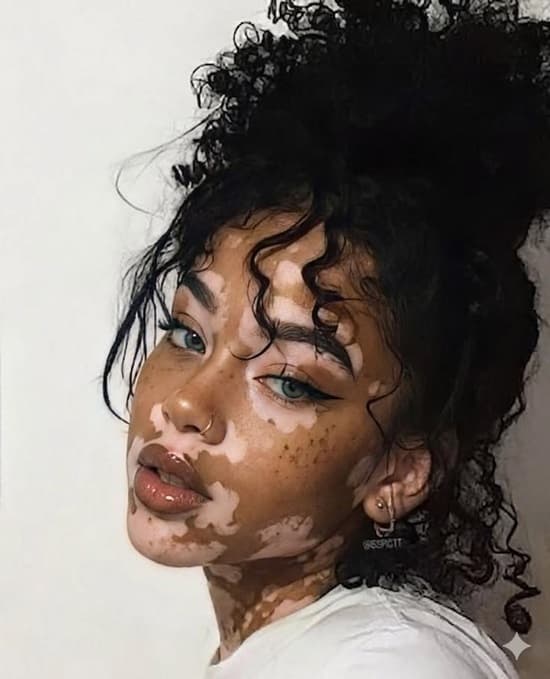 Photo Courtesy
Parents are increasingly aware that their reactions influence how children feel about their skin.
A child who hears their freckles are beautiful or their birthmark is simply part of their appearance may develop a healthier relationship with their body than one who is told these marks should be removed.
Rather than immediately considering concealers or cosmetic procedures, parents can help children understand that natural skin features are common human variations.
This approach does not dismiss a child’s feelings if they experience teasing or discomfort. Instead, it encourages confidence in making decisions about their appearance without implying something is wrong.
The same applies to adults who have spent years covering their faces and bodies. Choosing to leave a birthmark visible or stop concealing freckles is a personal decision.
For some, this change is gradual.
For others, it follows years of using makeup and realising they no longer wish to hide something that has always been part of them.
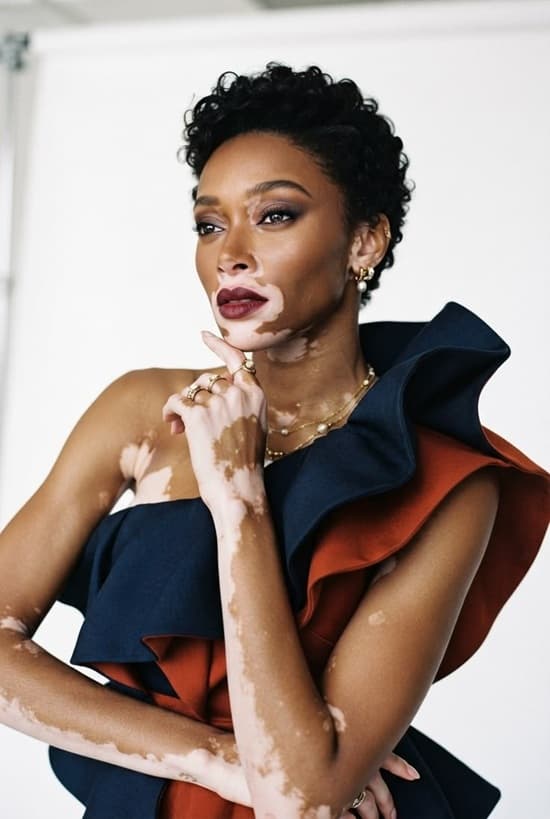 Photo Courtesy
Embracing natural skin features does not require rejecting makeup or medical options.
Choice remains central.
Someone may love their freckles and still enjoy a full-glam look, while another may choose to treat a mark for personal or medical reasons.
Both decisions deserve respect.
This shift is not from one rigid beauty standard to another, but from compulsory correction to genuine choice. Showing freckles, leaving birthmarks visible, and deciding what to keep or change all reflect a more open relationship with beauty.
The current beauty landscape shows clear cultural momentum. Red carpets and fashion editorials increasingly feature makeup that allows natural skin texture to show.
Social media provides spaces for sharing unfiltered photos and open discussions about features once hidden. Beauty brands are also developing products that enhance natural details rather than conceal them.
The conversation now goes beyond removing every visible mark.
More people are considering what makes their appearance unique and whether they want to change it. This is an important shift.
Freckles, birthmarks, and other natural skin features were never the problem.
The issue was a beauty system that treated human variation as something to correct before it could be appreciated. That system is now being challenged by people choosing to show up as they are.
Notably, this change does not require anything extraordinary.
It simply asks us to reconsider what we have been taught to hide. A face does not need to be uniform to be beautiful, and skin does not have to appear filtered to deserve appreciation.
The marks we carry can make a face memorable, a body individual, and a person recognisable. The beauty was always there; we are only learning to see it differently.
Photo Courtesy
You May Also Like:

The Reality of Trying New Beauty Trends
Beauty Problems Nobody Talks About Enough
The Unrealistic Beauty Expectations Women Secretly Carry
The Anti-Ageing Beauty Advice Women Should Stop Following
Beauty Products Are Increasingly Becoming Hybrid — Here's Why
Are Beauty Filters Changing What Women Think They Actually Look Like?

Hold On... Are Fenty Skin, Huda Beauty, and Glow Recipe in a Packaging Drama?

The Best Beauty Looks at the 2026 Emmy Awards
Best Perfumes for Women in Nigeria and Ghana
Latest African Beauty Trends Taking Over Social Media
The Best Beauty Salons in Lagos, Accra, and Nairobi
16 African Beauty Brands You Need to Know in 2026


Esther Ejoh is a Fashion Editor at Fashion Police Nigeria, where she writes all things fashion, beauty, and celebrity style, with a sharp eye and an even sharper pen. She’s the girl who’ll break down a Met Gala look one minute, rave about a Nigerian beauty brand the next, and still find time to binge a movie or get lost in a novel. Style, storytelling, and self-care? That’s her holy trinity.