Published: October 27, 2026 Last Updated 29 minutes ago by FPN
A brief scroll through Instagram or TikTok makes fashion appear effortless, vibrant, and constantly new. Outfits seem perfectly proportioned, fabrics shine, and colours appear richer.
Silhouettes that require careful styling in reality look natural and accessible online. However, when you try to recreate these looks with your own wardrobe or new purchases, the difference becomes clear.
What seemed transformative on screen can feel awkward, impractical, or simply different when faced with real bodies, changing weather, and everyday routines.
The difference between online fashion expectations and real life has become increasingly noticeable as social media shapes how people shop, dress, and perceive personal style.
A dress that looks stunning on an influencer may fit differently when it arrives at your door. Trousers that appear perfectly tailored in a product photograph may feel uncomfortable after a few hours. Even an outfit that looks beautiful in a carefully edited video may not work for your commute, workplace, or weekend plans.
This gap between online fashion expectations and reality influences shopping habits, perceptions of existing wardrobes, spending decisions, and the pressure to appear current.
With fashion content appearing constantly across social platforms, it can be difficult to separate genuine style inspiration from images created to attract attention.
Understanding this difference is an important step towards making better shopping decisions, building a wardrobe that suits your lifestyle, and enjoying fashion without feeling pressured to recreate every look you see online.
How the Online Fashion Image Is Constructed
Fashion content rarely objectively represents how clothes look and feel in everyday life.
Whether it appears in an online store, an influencer’s video, or a fashion campaign, the image is usually created to present a garment in its most appealing form.
Professional lighting enhances textures and colours, while camera angles and carefully chosen poses help the clothing sit in a flattering position. Multiple takes and editing tools let creators choose the most attractive result.
These techniques help explain why online fashion expectations can differ so much from real-life experiences. A fabric that appears smooth in a photograph may reveal creases and uneven textures in natural light.
A fitted dress may look perfectly structured when someone stands still but shift when they walk, sit, or bend. Colours may also look different depending on the screen, lighting conditions, and camera settings.
The problem is not that every fashion image is misleading.
Rather, photographs and short videos show only part of the experience.
They rarely communicate how a garment feels against the skin, whether it requires constant adjustment, or how it looks after several hours of wear.
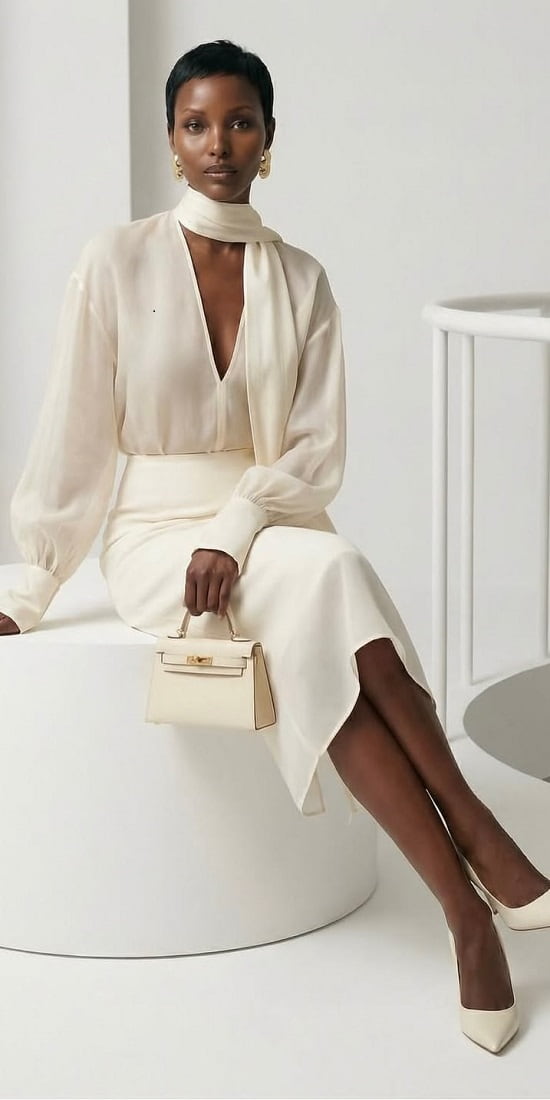 Photo Courtesy
Influencer and campaign imagery can make this difference even more noticeable.
Some creators have access to professional stylists, tailoring services, photographers, and several clothing samples before choosing what to wear.
They may also change outfits several times during a shoot. The final image captures a carefully selected moment, not necessarily an entire day spent wearing the same clothes.
For someone watching from home, the result can create an unrealistic standard. An outfit may appear simple enough to recreate, yet its appearance depends on several factors beyond the clothing itself.
Recognising how fashion images are produced makes it easier to approach online inspiration with a more realistic perspective.
Instead of assuming that a particular garment will produce the same result, shoppers can consider the styling, setting, fit, and presentation that contribute to the finished image.
The Body and the Fit Problem
One of the biggest differences between online fashion expectations and real-life concerns fit.
Clothing brands often use selected models to showcase their collections, but no single body shape represents everyone who might buy the garment.
A dress that falls neatly on a tall model may sit differently on someone with a shorter torso.
Wide-leg trousers that create a balanced silhouette on one person may appear longer or fuller on another. A fitted top may pull across the chest, while a skirt that looks relaxed in a photograph may feel restrictive when walking.
These differences are normal.
Height, body proportions, posture, fabric stretch, and personal fit preferences affect how clothing looks.
However, when shoppers repeatedly see clothes presented on a narrow range of body types, they may begin to expect their own purchases to look exactly the same.
Sizing adds another layer of uncertainty.
A medium in one brand may fit differently from a medium in another. Even within the same store, different cuts and materials can affect how a garment sits on the body. A size label alone cannot guarantee the right fit.
Online product photographs do not always provide enough information to resolve these concerns.
A model may pose in a way that hides a loose waistband or pulls the fabric into a more flattering position. Without seeing the garment from different angles, shoppers may struggle to understand its actual shape.
Customer reviews can help, particularly when buyers mention their height, usual size, body proportions, and whether an item runs large or small. Videos showing garments in motion can also provide a better idea of how fabric behaves than a single photograph.
The important thing to remember is that a garment fitting differently from the model does not mean something is wrong with your body. Clothes are designed in different proportions, and finding the right fit often requires trying several options.
Personal style becomes easier when the focus shifts from copying someone else’s appearance to finding clothes that suit your own shape.
Trend Speed Versus Real-Life Pace
Social media has changed the speed at which fashion trends become popular.
A particular dress shape, colour combination, shoe style, or accessory can suddenly appear across hundreds of accounts. Within days, shoppers may feel that they need to try the look before another trend takes its place.
This constant movement creates a sharp contrast between online fashion expectations and real life.
Online, there is always another outfit to discover and another trend to consider.
Everyday wardrobes, however, are built gradually. Most people repeat favourite pieces, combine old purchases with new ones, and choose clothes based on where they need to go.
Repeating an outfit should not be a problem, yet social media can make it feel as though wearing the same clothes too often means falling behind.
When people become accustomed to seeing new looks every day, a wardrobe filled with perfectly wearable basics may suddenly appear boring.
This perception can encourage unnecessary spending.
Someone may buy a trendy jacket because it looks appealing in several videos, only to realise that it does not work with their existing clothes.
Another person may purchase a dress for a single occasion because similar outfits appear repeatedly online, even though they have little use for it afterwards.
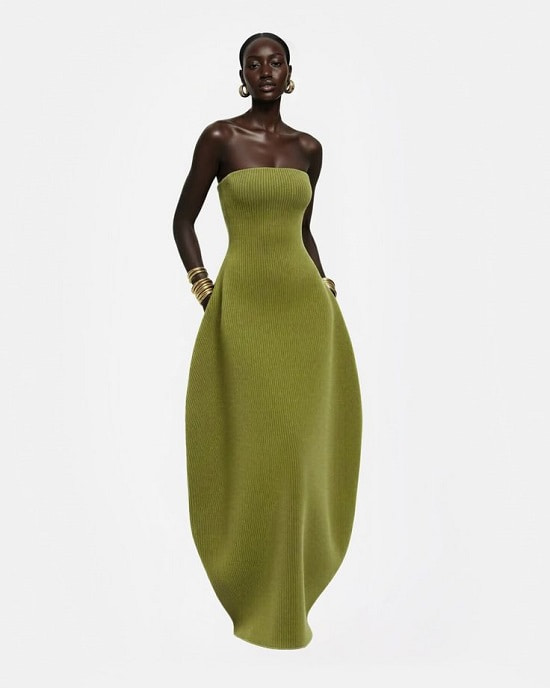 Photo Courtesy
Some trends also make more sense in photographs than in daily settings.
Oversized proportions, complicated layers, dramatic accessories, and delicate fabrics can create striking images but may be difficult to manage during a normal day. The visual effect receives attention online, while comfort and practicality receive less consideration.
There is nothing wrong with experimenting with new styles.
Trends can introduce people to unfamiliar colours, silhouettes, and ways of dressing. The problem begins when every new look feels like an obligation.
A more useful approach is to ask whether a trend fits your personal style and whether you can imagine wearing it several times.
If the answer is yes, it may deserve a place in your wardrobe. If the appeal depends entirely on seeing it everywhere online, waiting before making a purchase could save money and reduce clutter.
The Emotional and Financial Cost of Unrealistic Expectations
The difference between online fashion expectations and real life can affect more than shopping decisions. It can also influence confidence, self-image, and the way people feel about their existing wardrobes.
Repeated exposure to carefully styled outfits can make ordinary clothing seem inadequate.
Someone may look at their favourite trousers and suddenly feel they need a newer cut. A dress that once made them feel confident may appear less appealing after seeing dozens of highly produced fashion videos.
Over time, this comparison can create the impression that looking stylish requires constant purchases. Instead of enjoying clothes they already own, people may begin searching for something new every time they want to improve their appearance.
The financial consequences can be significant.
Frequent purchases add up, especially when items are bought because they are trending rather than because they meet a genuine need. Returns, delivery fees, alterations, and clothing that remains unworn can make the cost even higher.
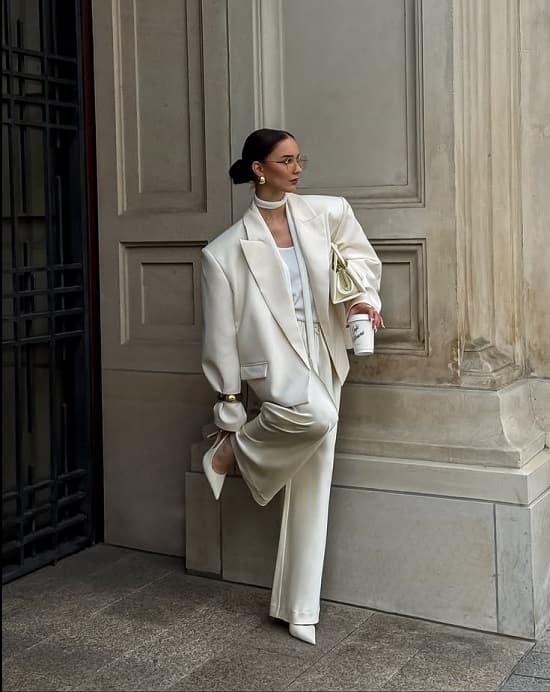 Photo Courtesy
There is also the disappointment of receiving an order that looks nothing like the photograph.
When a garment arrives in a different shade, fits awkwardly, or feels uncomfortable, shoppers may blame themselves for choosing the wrong size or failing to style it properly.
Sometimes, the product simply does not meet expectations. Other times, the original look depended on tailoring, specific undergarments, lighting, or styling that was not obvious in the photograph.
It helps to separate the quality of a purchase from the unrealistic expectation that it should transform your appearance. A good outfit does not have to reproduce an influencer’s look exactly to be worth wearing.
Taking a break from constant fashion content can also help people reassess what they actually enjoy.
Personal style is easier to develop when decisions come from individual preferences rather than the pressure to keep up with an endless stream of new outfits.
Fashion should offer room for creativity and pleasure. It should not become a regular source of financial stress or dissatisfaction with your appearance.
How to Bridge the Gap Between Online Fashion Expectations and Real Life
Understanding why the gap exists is useful, but applying that knowledge when shopping and getting dressed is what makes the biggest difference.
You do not need to stop following fashion creators or avoid online shopping entirely. Instead, you can become more selective about the inspiration you use and the purchases you make.
Start by treating online images as ideas rather than exact instructions.
If you like an outfit, identify the specific element that attracts you. It might be the colour combination, the shape of the trousers, the contrast between fitted and loose pieces, or the way accessories complete the look.
You can then recreate that element with clothing you already own.
A dramatic runway-inspired outfit might translate into a simple pair of tailored trousers, a fitted top, and one statement accessory. The result does not need to match the original to capture what made it appealing.
Next, pay attention to information that photographs cannot communicate.
Read product descriptions carefully and check the fabric composition, garment measurements, care instructions, and available size options. Look for customer photographs and videos that show the clothing from different angles.
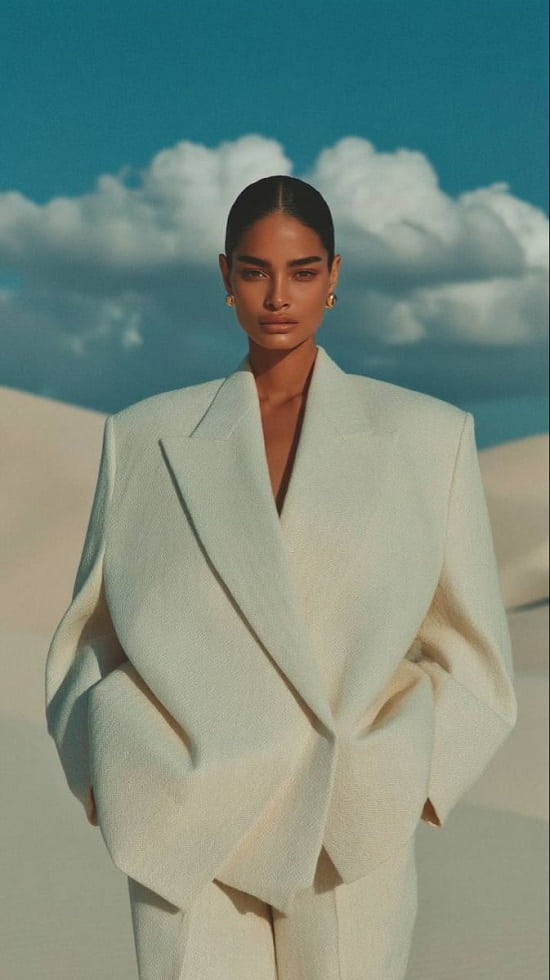 Photo Courtesy
When shopping online, avoid relying entirely on the size worn by the model.
Compare the brand’s measurements with your own and read reviews for details about fit. If you are between sizes, check whether the fabric stretches and whether the design is intended to fit closely or loosely.
It is also worth considering how a new purchase will work with your current wardrobe. Before ordering something, identify at least two or three ways you could wear it.
A statement skirt may look exciting, but if it works with only one top and suits only one occasion, it may not offer much value.
Finally, permit yourself to repeat outfits.
Wearing a favourite dress to several events, styling the same jeans in different ways, or returning to a reliable work outfit is a normal part of getting dressed. You do not need a completely new look every time you leave the house.
These habits help turn the difference between online fashion expectations and real life into a practical lesson rather than a reason for disappointment.
You can still enjoy trends while making decisions that suit your budget, body, and daily routine.
A More Realistic Relationship With Fashion
The difference between online fashion expectations and real life is not a sign that fashion has become less valuable. It reflects the different purposes served by digital content and everyday clothing.
Online platforms reward visual impact, novelty, and carefully selected moments.
Real life requires comfort, movement, adaptability, and clothing that can withstand repeated wear.
Problems arise when people expect a photograph to communicate everything about a garment or assume that a look will work in exactly the same way for everyone.
A healthier relationship with fashion begins with recognising these limitations.
You can admire a trend without buying it, enjoy an influencer’s outfit without copying every detail, and appreciate your existing wardrobe without feeling that it needs constant replacement.
The most effective style choices often come from understanding what works for you.
Consider the clothes that make you feel comfortable, the colours you enjoy wearing, the fits that suit your proportions, and the practical demands of your routine.
These details matter more to your personal style than whether an outfit is currently popular online.
Fashion inspiration should expand your options, not make you dissatisfied with what you already have.
When you approach online images with a more critical eye, shopping becomes more deliberate, styling becomes more enjoyable, and your wardrobe becomes better suited to everyday life.
Ultimately, clothes are meant to be worn, not simply admired on a screen.
The goal is not to recreate every polished image you encounter but to take the ideas that appeal to you and make them work in your own world.
That is where personal style becomes meaningful: not in matching an online expectation, but in finding clothes that look good, feel right, and support the life you actually live.
Photo: Amkelo Jiyane
You May Also Like:
Andrea Iyamah Marks 15 Years with a Vibrant Show to Kickstart Lagos Fashion Week 2026
Minimalist Fashion Can Have a Maximalist POV
Bella Hadid Opened the 2026 Victoria’s Secret Fashion Show as a Blooming Spring Angel
Who is Solange Omon, the Newest Victoria's Secret Angel?
The 2026 Victoria’s Secret Fashion Show is Happening: Here’s Everything You Need to Know
Are We Done With Oversized Clothes?
Who is Rachel Ojuromi, the Lagos Street Model who Walked the Chanel SS27 Show?
Chanel SS 2027 Collection: A Fresh Flight Through Heritage and Freedom
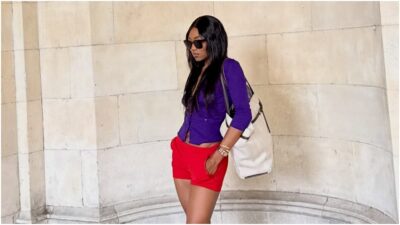
The Unexpected Colour Combination Taking Over 2026 Fashion
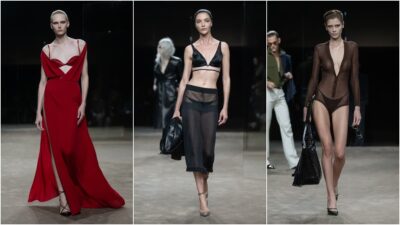
Tom Ford Spring 2027 Pushes Seduction Closer to Danger
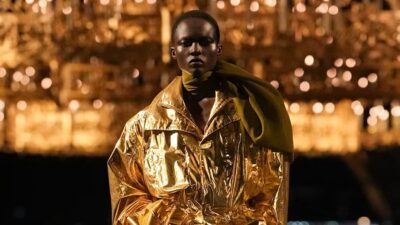
Saint Laurent SS27 Delivered Golden Decade Celebration Under the Eiffel Tower
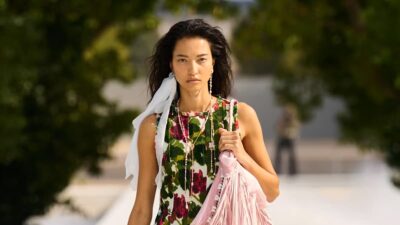
Dior Spring/Summer 2027 Finds Romance in Nature’s Imperfections


Esther Ejoh is a Fashion Editor at Fashion Police Nigeria, where she writes all things fashion, beauty, and celebrity style, with a sharp eye and an even sharper pen. She’s the girl who’ll break down a Met Gala look one minute, rave about a Nigerian beauty brand the next, and still find time to binge a movie or get lost in a novel. Style, storytelling, and self-care? That’s her holy trinity.