Published: October 21, 2026 Last Updated 24 minutes ago by Esther Ejoh
After more than two decades away from the platform that launched his career, David Tlale has returned to South African Fashion Week.
On 20 October 2026, one of South Africa’s most recognised fashion designers opened the Autumn/Winter 2027 collections with a presentation that was both personal and purposeful.
His return, as a former SAFW New Talent Search winner, marked the start of a six-day celebration of local craftsmanship, emerging talent, and the enduring strength of Johannesburg’s fashion industry.
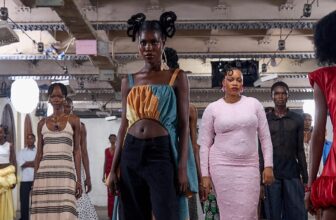
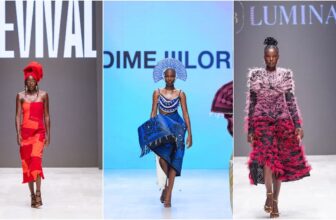
Now in its 29th year, South African Fashion Week 2026 will take place at The Forum at Hyde Park Corner from 20 to 25 October. The event brought together established and emerging designers to unveil their AW27 collections, covering couture, tailoring, menswear, streetwear, heritage-inspired work, and contemporary African design.
This season placed particular attention on the craftsmanship behind the clothes, highlighting the cutting, construction, finishing, and surface techniques that continue to shape South African fashion.
Tlale’s opening held special significance. Twenty years after his breakthrough in the New Talent Search, he returned to the platform with his latest collection and introduced Interns by David Tlale.
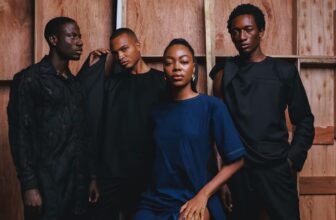
Five young fashion designers, ZOUR, Martin John Steenkamp, Blackfaces Apparel, Ntwana, and Michael Peter Reid, will share the stage with him. Rather than making the opening a solo showcase, Tlale used the moment to recognise the next generation of South African designers.
His presentation set the tone for South African Fashion Week 2026, which placed equal importance on established names, emerging creatives, and the future of the local fashion industry.
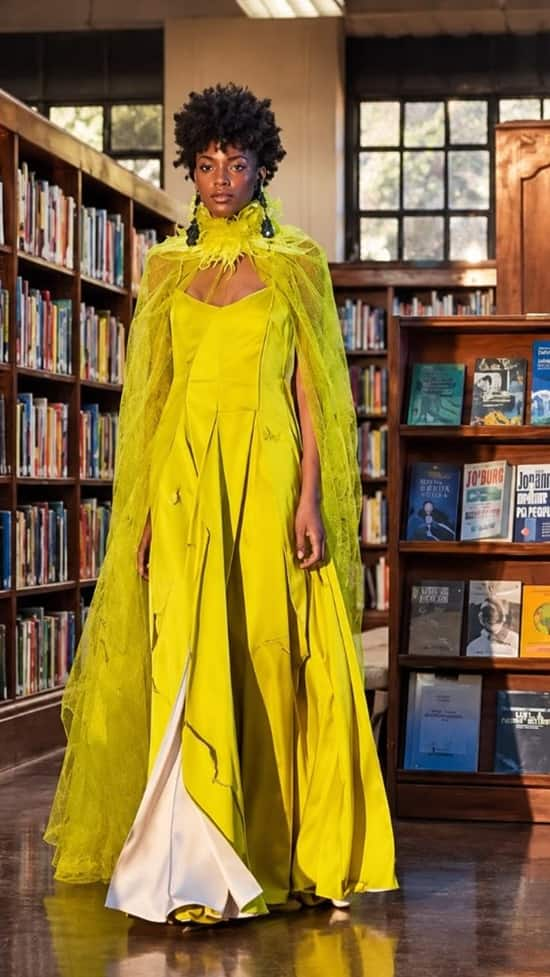 Photo: Instagram/safashionweek
David Tlale’s career remains one of South Africa’s most notable stories in fashion. He has built an international profile through red-carpet designs, theatrical runway presentations, and bold, structured silhouettes that celebrate African identity.
His return to South African Fashion Week after more than twenty years was therefore more than another appearance on the runway. It marked a return to the platform where his professional journey gained momentum.
Before the event, Tlale described the return as coming “back home,” expressing both nostalgia and a sense of responsibility towards younger designers.
The sentiment carried particular weight because he was not returning simply to present a new collection. He was also creating an opportunity for five emerging creatives to share a major fashion platform.
The Interns by David Tlale initiative placed ZOUR, Martin John Steenkamp, Blackfaces Apparel, Ntwana, and Michael Peter Reid alongside an established fashion designer in front of an audience of buyers, media representatives, retailers, and fashion professionals.
For emerging labels, this kind of exposure can help open doors to future collaborations, retail opportunities, and wider recognition.
It is uncommon for a fashion designer of Tlale’s stature to use a major opening presentation to share the spotlight so directly. His decision reinforced one of the central themes of South African Fashion Week 2026: the local industry needs established fashion designers who are willing to create opportunities for the people following in their footsteps.
The gesture also highlighted the importance of mentorship in fashion. Talent alone does not always guarantee a successful career. Young designers need access to professional platforms, experienced industry figures, potential buyers, and audiences who can discover their work.
By placing emerging names on a high-profile platform, Tlale showed how established creatives can help create those opportunities.
Top and Emerging Fashion Designers at the South African Fashion Week 2026
Following Tlale’s opening, South African Fashion Week 2026 will continue with collections and presentations that reflected the range of creative work coming from the country. The programme included established designers, experimental labels, and collections that explored the relationship between heritage, personal identity, and modern dressing.
Black Coffee will present Unfolding in collaboration with Joburg Ballet, bringing fashion and movement together in a performance-led showcase. The partnership will demonstrate how runway presentations can draw from other creative disciplines to tell a story beyond the garments themselves.
Gert-Johan Coetzee will close the season on 25 October with Reflection, bringing his recognisable couture drama to the final presentation. His closing collection provides a strong finish to a week that had moved between traditional runway formats, collaborative performances, and platforms for emerging talent.
Other established names on the programme included Ephymol with The Rebirth of Slow Classic, Thabo Makhetha with Eako, Eahao (What’s Mine Is Yours), HELON MELON, Sober Design House celebrating twenty years with The Next Chapter, Fundudzi by Craig Jacobs, and Colleen Eitzen.
Their work reflects different approaches to design, from heritage references and considered tailoring to more experimental interpretations of contemporary African style.
This range matters because South African fashion cannot be represented by one look or design philosophy. The industry includes designers working with cultural references, modern tailoring, streetwear, couture, and new ideas about how people dress and express themselves.
South African Fashion Week 2026 has provided a shared platform for these different approaches to reach audiences within the same six-day programme.
The SAFW New Talent Search, powered by J.C. Le Roux, will also give nine emerging designers a dedicated platform. Alongside the main programme, a Student Competition showcased finalists’ work at The Forum, with a winner announced on the final day.
These initiatives form an important part of SAFW’s role in connecting fashion education with the working industry.
For students and young fashion designers, opportunities to present their work in a professional setting can provide experience that classroom projects alone cannot offer. They can observe how collections are received, learn from the production demands of a runway show, and introduce their work to people who may influence the next stage of their careers.
Pierre Cardin Young Designers Award Arrives in South Africa
One of the major additions to South African Fashion Week 2026 was the inaugural South African Pierre Cardin Young Designers Award. The programme began with a student workshop on 19 October and continued with a fashion show and competition final on 21 October at The Forum.
Twenty local finalists competed for the opportunity to undertake an apprenticeship in Paris, bringing an international dimension to the event while keeping the focus on South African students and emerging fashion designers.
The initiative created a connection between local fashion education and a wider professional environment, giving young creatives a chance to consider how their skills might develop beyond their home market.
The award also highlighted the value of international partnerships when they are designed to create practical opportunities. Recognition can help a young designer attract attention, but access to training, professional guidance, and industry experience can have a longer-lasting effect on a career.
For South African students, the prospect of an apprenticeship in Paris offers the chance to learn within a different fashion environment and observe new approaches to design and production. Such experience may also help them bring additional knowledge back to the local industry.
The collaboration with Pierre Cardin showed how South African Fashion Week 2026 could attract an international fashion name while maintaining its commitment to local talent.
Since its founding in Johannesburg in 1997, SAFW has served as a platform for South African fashion designers. Partnerships of this kind can extend that role by creating links between local creatives and opportunities abroad.
The award also added to a wider conversation about how young fashion designers can build sustainable careers. A successful fashion industry needs more than runway visibility. It needs education, training, production knowledge, commercial support, and opportunities for designers to develop their work over time.
Field to Fashion and Unexpected Collaborations
On 24 October, the programme will take a different direction with Field to Fashion, featuring Orlando Pirates on the runway. The Buccaneers will become the first Premier Soccer League side to participate in South African Fashion Week, bringing football, street culture, styling, and local design into the same presentation.
The concept will explore the influence of sport on South African style, from the clothing players wear when arriving at a match to the looks seen in the stands. Football has a strong place in public life, and its influence extends beyond the pitch. Team colours, supporter clothing, streetwear, and match-day dressing all contribute to how people communicate identity through what they wear.
By bringing Orlando Pirates into the programme, SAFW creates room for a conversation about fashion that reached beyond conventional runway collections. The collaboration shows how designers can draw inspiration from communities, sports, and everyday cultural experiences rather than looking only to traditional fashion references.
This approach also reflects the broader direction of South African Fashion Week 2026, which welcomed collaborations that connected fashion with other parts of the country’s creative life. The Black Coffee and Joburg Ballet presentation offers another example, using movement and performance to change how an audience experienced a collection.
Such projects can introduce fashion to people who might not usually follow runway events. Football supporters may discover designers through a familiar club, while audiences interested in dance or music may encounter new South African labels through collaborative shows. These connections can help expand the audience for local fashion and create new ways for designers to present their work.
The Field to Fashion presentation also raises questions about how local brands can work with established cultural institutions and sports organisations. Partnerships can give designers access to new audiences, but they can also provide a platform for telling stories about community, identity, and the influence of popular culture on personal style.
In this respect, the event offers a reminder that fashion does not exist separately from the rest of society. It responds to the music people listen to, the teams they support, the traditions they inherit, and the places where they live.
Craftsmanship at the Centre of the Season
Beyond the headline presentations, craftsmanship remained a defining theme of South African Fashion Week 2026. Organisers placed particular attention on the skills required to make garments, including cutting, construction, finishing techniques, and intricate surface detailing.
In an industry often dominated by campaign images, celebrity appearances, and social media coverage, the focus on the work behind the clothes was important. A finished garment may be the first thing an audience notices, but its quality depends on the decisions and labour involved in making it. Fabric selection, pattern cutting, stitching, fit, and finishing all contribute to the final result.
For designers, these technical skills can distinguish a collection and help establish a label’s identity. For the wider industry, they also support the development of local knowledge and production capacity. A stronger understanding of garment construction can benefit students, independent labels, manufacturers, and businesses looking to produce clothing within South Africa.
South African fashion has drawn from a wide range of cultural traditions, materials, and design practices. Designers often reinterpret heritage references through contemporary shapes, while others explore new approaches to tailoring, textile use, and surface decoration. The AW27 season gave these different methods room to be seen.
This attention to making clothes also matters in a global market where fashion brands compete for customers and recognition. A strong visual identity can attract interest, but reliable construction and thoughtful production help a label build trust with buyers and customers. Designers need to understand both the creative and practical sides of the business if they want to grow beyond a single collection.
South African Fashion Week 2026 helped bring these issues into view by placing the work of designers within a broader conversation about skills, training, and the future of local production. The emphasis on craftsmanship offered a reminder that fashion depends on the people who develop the ideas and the people who turn those ideas into finished garments.
Founded in 1997, South African Fashion Week has weathered economic shifts, changes in retail, and the effects of globalisation while maintaining its position as a designer-led platform. Its value extends beyond the shows themselves. SAFW connects students with industry professionals, emerging labels with buyers, established designers with future talent, and local fashion with a wider audience.
These connections are particularly important for emerging designers who may have the creative ability to develop a strong collection but lack the resources or industry contacts to reach the right people.
A runway platform can help introduce their work to retailers, journalists, stylists, and potential collaborators. While a single show cannot guarantee commercial success, it can provide a starting point for relationships that continue after the event.
The focus on young talent was especially visible during South African Fashion Week 2026. The New Talent Search, student competition, Pierre Cardin award, and Interns by David Tlale initiative all created opportunities for designers at different stages of their development.
Together, these programmes showed that the future of South African fashion depends on more than discovering promising creatives. It also requires giving them room to learn, present their work, develop professional relationships, and understand the business side of design.
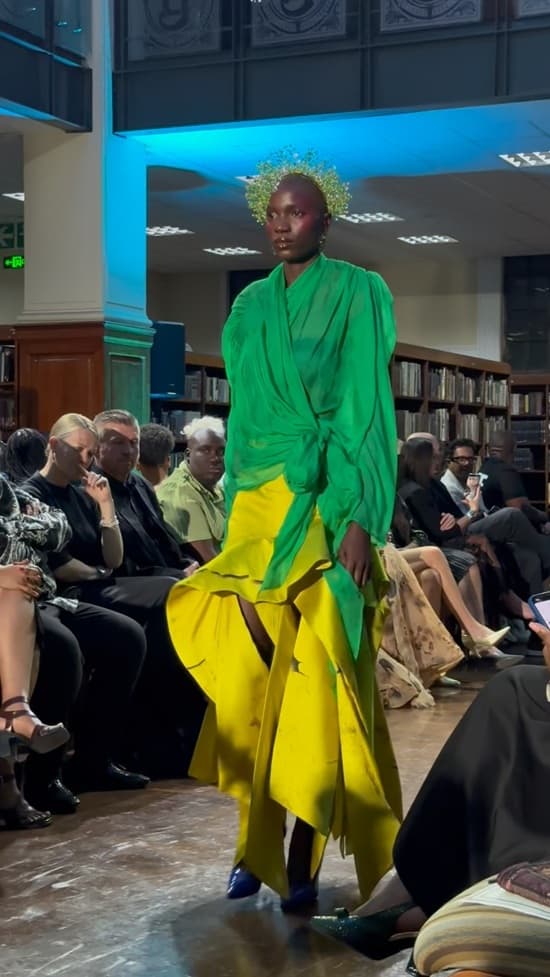 Photo: Instagram/safashionweek
The industry must also make space for different types of success. Some designers may build businesses around couture and custom commissions, while others may focus on ready-to-wear, streetwear, textiles, or collaborations with established brands. A healthy fashion sector needs room for these different models, along with the education and production networks that help them grow.
South African Fashion Week offers one place where these approaches can meet. By bringing a range of designers and projects into the same programme, it gives audiences a broader view of what local fashion can be and creates opportunities for industry members to discover work outside their usual circles.
The 2026 edition arrived at a time when international interest in African fashion continues to grow. Johannesburg’s ability to host a programme that is locally grounded while remaining open to international partnerships strengthens the visibility of South African design.
However, the lasting value of that attention will depend on whether it translates into meaningful opportunities for fashion designers, manufacturers, students, and other people working in the sector.
A Platform for the Next Generation
David Tlale’s opening presentation captured the wider purpose of South African Fashion Week 2026. A designer who once stood on the New Talent Search stage as an emerging creative returned years later to open the event and share his platform with five younger designers.
That journey illustrates how fashion careers can develop through a combination of talent, access, experience, and support. The opportunities a designer receives early in their career may shape the work they produce later, as well as the opportunities they choose to create for others.
Tlale’s decision to include emerging designers made the opening more than a celebration of his own career. It also drew attention to the people who will help shape the next chapter of South African fashion.
For ZOUR, Martin John Steenkamp, Blackfaces Apparel, Ntwana, and Michael Peter Reid, the opportunity to appear alongside an established name offered a chance to introduce their work to a wider professional audience.
The wider programme supported that message through student showcases, emerging designer competitions, international partnerships, and collaborations that connected fashion with sport and the performing arts. Each initiative approached talent development differently, but all contributed to a common goal: creating more ways for South African creatives to enter the industry and build lasting careers.
This kind of support becomes increasingly important as designers face the practical challenges of developing collections, sourcing materials, finding production partners, reaching customers, and managing the costs of running a fashion business. Creative recognition matters, but long-term growth also depends on the infrastructure surrounding a fashion designer.
By giving established and emerging creatives space within the same programme, SAFW continues its work as a meeting point for these different parts of the industry.
Photo Courtesy
You May Also Like:
7 Fashion Trends to Watch at the 2026 Lagos Fashion Week
October 13, 2026Lagos Fashion Week 2026: What to Wear, Know and Expect
October 12, 20267 Emerging Fashion Designers We Would Love to See at Lagos Fashion Week 2026
October 8, 20269 Reasons You Should Attend (or Watch) Lagos Fashion Week 2026
October 7, 2026Maxhosa Africa: The First South African Fashion Brand Showcasing at Paris Fashion Week
October 2, 2026Method Dressing Among Nigerian Celebrities: Are We Finally Getting It Right?
September 8, 2026Camcassid: The Sustainable Fashion Brand Turning Textile Waste into Wearable Art
September 2, 2026The 2026 Africa Fashion Week London was a Defining Moment for African Fashion
August 24, 2026What Does Luxury Fashion Mean to an African?
August 20, 2026African Fashion Weeks 2026: Biggest Trends and Highlights
August 20, 202610 Top Affordable Luxury Fashion Brands in Africa
August 17, 2026How to Style Ankara Dresses for Every Occasion
August 11, 2026

Esther Ejoh is a Fashion Editor at Fashion Police Nigeria, where she writes all things fashion, beauty, and celebrity style, with a sharp eye and an even sharper pen. She’s the girl who’ll break down a Met Gala look one minute, rave about a Nigerian beauty brand the next, and still find time to binge a movie or get lost in a novel. Style, storytelling, and self-care? That’s her holy trinity.