Published: November 26, 2026 Last Updated 3 hours ago by FPN
From the sculptural folds of a Nigerian gele to the intricate beadwork of Maasai adornments, African headpieces have long been an expression of style, creativity and craftsmanship.
Across the continent, fabrics, beads, feathers, raffia and other materials have been transformed into striking forms that frame the face, complement an outfit and, in many cases, become the defining element of an entire look.
Some are dramatic and architectural, rising in carefully constructed folds. Others are delicate, intricately embellished or effortlessly understated.
Whether worn for weddings, ceremonies, celebrations or everyday dressing, these pieces demonstrate an extraordinary understanding of proportion, texture, colour and form.
Yet, despite their visual impact, African headpieces remain relatively underexplored in mainstream fashion conversations.
African textiles and clothing silhouettes have increasingly found their place on international runways and in contemporary collections, but the artistry of African headwear rarely receives the same attention.
The gele, duku, isicholo and other distinctive forms are often appreciated for their aesthetic appeal without much consideration for the techniques, regional influences and creative traditions behind them.
There is, however, much more to explore. African headwear encompasses an impressive range of styles, each shaped by local materials, craftsmanship, aesthetics and changing fashion sensibilities.
Handwoven aso-oke, damask, indigo-dyed cotton, leather, raffia and intricate beadwork are among the materials used to create pieces that are as diverse in construction as they are in appearance.
The techniques are equally fascinating. Some headpieces are shaped through elaborate wrapping and folding, requiring a skilled hand and an understanding of fabric structure.
Others involve weaving, stitching, beadwork or carefully assembled embellishments.
Many of these techniques have been refined over generations, while contemporary makers continue to experiment with new materials, proportions and finishes.
Today, African headpieces are finding fresh expression. Professional gele artists are transforming fabric into increasingly sculptural designs, while auto-gele offers more accessible alternatives to traditional hand-tying.
Fashion designers are pairing heritage headwear with contemporary silhouettes, and younger style enthusiasts are bringing once occasion-specific pieces into new fashion contexts.
Across the diaspora, these styles are also being reinterpreted, creating new conversations between tradition and modern dressing.
As interest in African fashion continues to grow, its headwear deserves a more prominent place in the conversation.
Appreciating these creations means looking beyond their visual appeal to recognise the makers, techniques and design influences that make each form distinctive.
It also means supporting the artisans and cultural custodians who keep these traditions alive while allowing them room to evolve.
From elaborate ceremonial designs to everyday expressions of personal style, this selection explores African headpieces that deserve greater recognition.
Yoruba Gele (Nigeria, Benin and Togo)
The gele is one of the most visually commanding and widely recognised African headpieces.
In Yoruba culture, the head, known as ori, holds sacred significance as the seat of personal destiny and a point of connection with the divine. Adorning and covering it is therefore an act of respect and care.
Traditional gele is crafted from a flat length of fabric, such as aso-oke, damask, sego, or other structured textiles, and is pleated and wrapped into sculptural shapes.
Different gele styles include fan, infinity, rose, peacock, butterfly, and centre-knot. The finished gele often rises dramatically above the head, creating a striking silhouette.
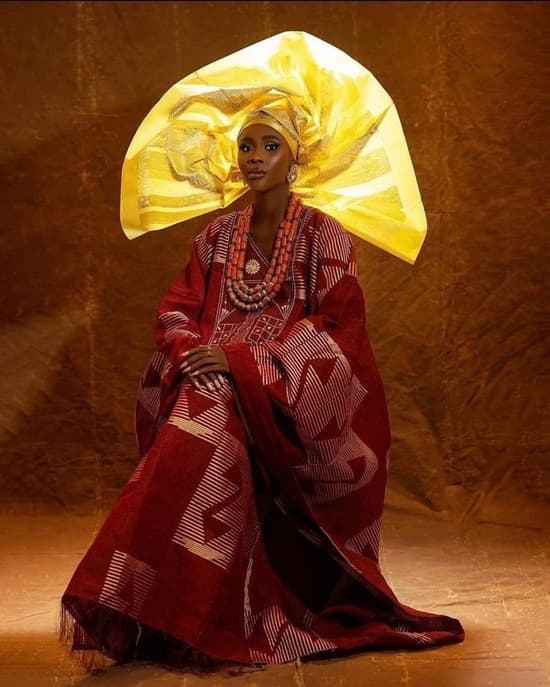 Photo Courtesy
People wear the gele at weddings, naming ceremonies, festivals, and formal events, symbolising elegance, celebration, and cultural pride.
In recent decades, stylists have introduced intricate techniques, and innovations like the auto-gele have increased accessibility.
On runways and in diaspora communities, the gele is reimagined with metallic fabrics, crystals, and hybrid silhouettes, yet it remains a recognisable crown.
Igbo Ichafu (Southeast Nigeria)
Often grouped with the gele, the ichafu, or ichafu isi, has a distinct history and aesthetic in Igbo communities.
Headcloths have long been part of Igbo women’s attire, with styles that are often softer or differently structured than the Yoruba gele.
Head wrapping has been part of both daily and ceremonial life, with beaded elements and other adornments featured in Igbo regalia.
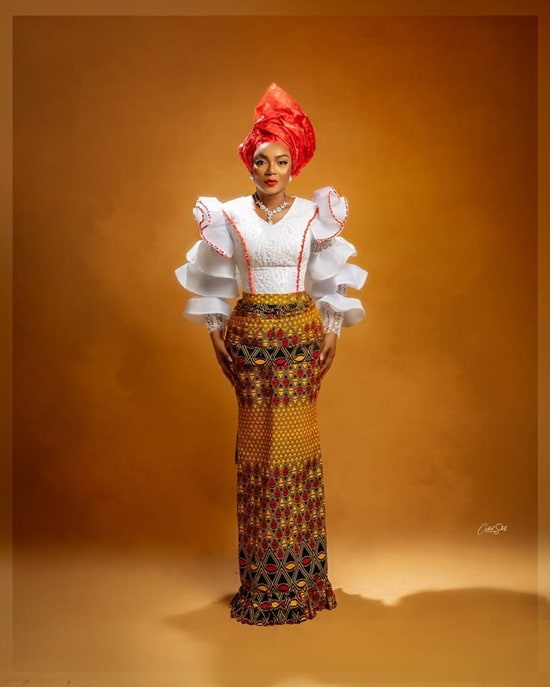 Photo: Instagram/chiomapkotha
While cultural exchange in Nigeria has led to shared visual influences, distinct names and regional practices remain important.
Recognising the ichafu helps preserve the diversity of West African head-wrapping traditions.
Duku, Doek, Dhuku, Tukwi and Related Headwraps (Ghana, South Africa, Malawi, Zimbabwe, Botswana and beyond)
Across southern and parts of West Africa, headwrap traditions have names reflecting local languages, such as duku in Ghana and Malawi, doek or iduku in South Africa and Namibia, dhuku in Zimbabwe, and tukwi or tuku in Botswana.
These headwraps serve practical purposes, such as protection from sun and dust, and also have social and expressive roles.
In some communities, the headwraps indicate marital status, respect, or cultural belonging, especially during visits to elders and in-laws.
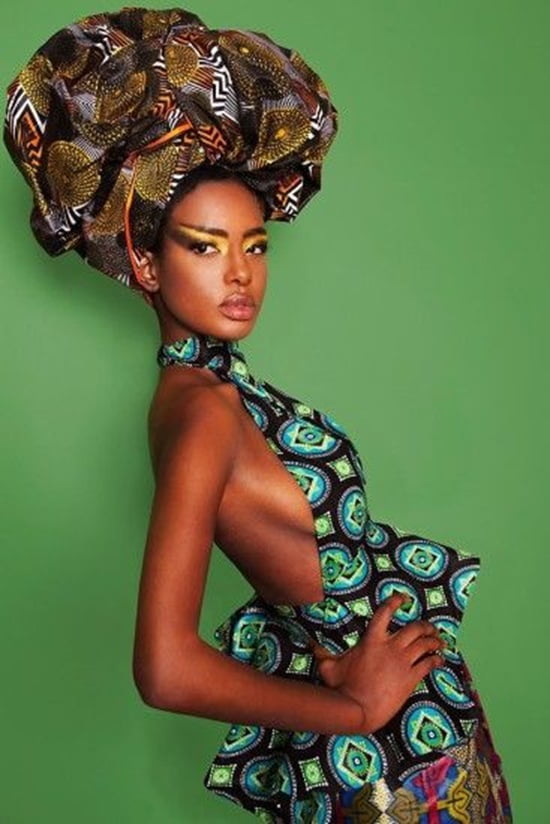 Photo Courtesy
In recent decades, the doek has gained political significance, appearing in student movements and as a reclaimed symbol of identity.
Today, both everyday wearers and public figures style these wraps with traditional and modern clothing.
Their ongoing presence shows how a familiar piece of fabric remains relevant across generations.
Zulu Isicholo (South Africa)
The isicholo is a distinctive, circular, and structured headdress historically worn by married Zulu women.
It serves as a visible marker of marital status and maturity, and its recognisable shape is central to traditional Zulu women’s dress.
Its sculptural form makes the isicholo one of the most distinctive African ceremonial headpieces.
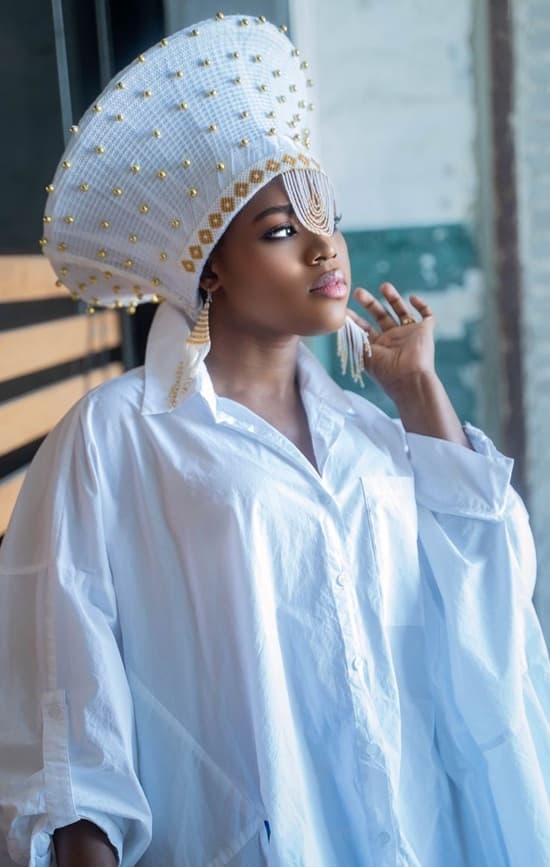 Photo Courtesy
Its bold silhouette shows how headwear can convey social information through shape alone, without elaborate decoration.
Despite changes from colonial and modern influences, isicholo remains a key reference in Zulu dress and appears in contemporary cultural and fashion contexts.
Maasai Warrior and Ceremonial Headdresses (Kenya and Tanzania)
Maasai headpieces, especially those for warriors (morans) and elders, often feature feathers, beads, animal skins, and other materials arranged in striking vertical or framed designs.
These are not primarily fashion accessories in the Western sense. They form part of a broader system of age-set, bravery and status communication.
Red frequently appears in Maasai visual culture and carries protective and symbolic associations.
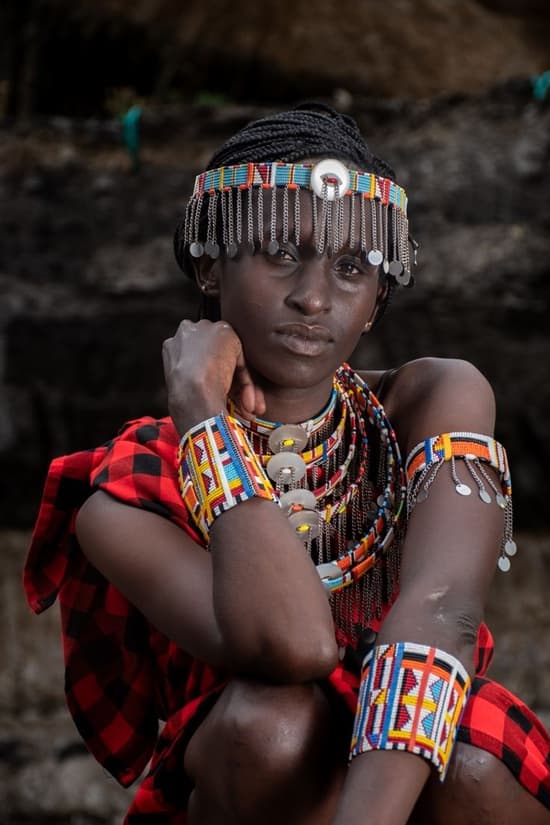 Photo Courtesy
The craftsmanship and visual impact of these headdresses make them important subjects of study. However, global media often reduces them to decorative imagery.
Proper appreciation requires understanding their role within Maasai social structure, not viewing them as mere decorative motifs.
Fulani Hats (West and Central Africa, Including Wodaabe Communities)
Fulani communities, including the Wodaabe, have developed distinctive hats suited to pastoral and nomadic life. Many feature basketry construction, leather wrapping, a top knob, and chin straps.
These hats provide shade and convey aesthetic and status information through their materials, decoration, and construction. They offer a practical, sophisticated response to environment and identity.
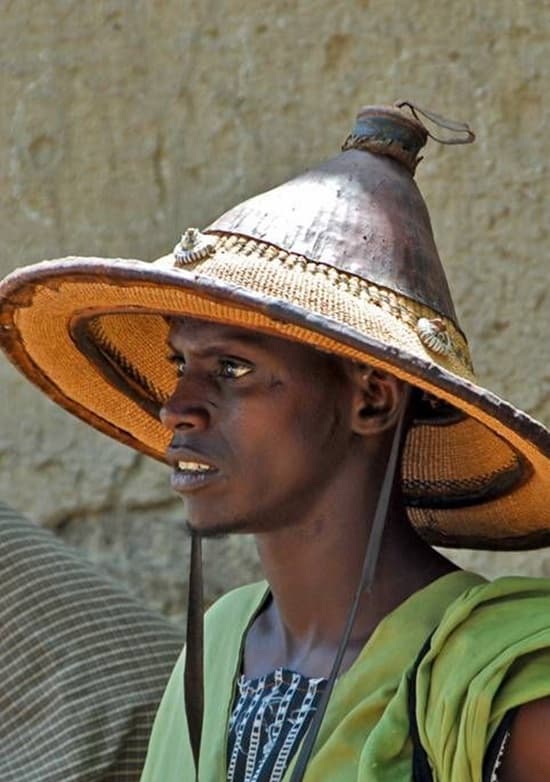 Photo Courtesy
While Fulani braids and hairstyles are widely recognised globally, the hats receive far less attention.
The cone-like hats deserve recognition as sophisticated examples of functional African design that combine utility and visual appeal.
Tuareg Tagelmust (Sahara Region)
The tagelmust is an indigo-dyed veil and turban traditionally worn by Tuareg men.
It covers the head and often much of the face, protecting against the Sahara’s sun, sand, and wind, while also signifying identity and social belonging.
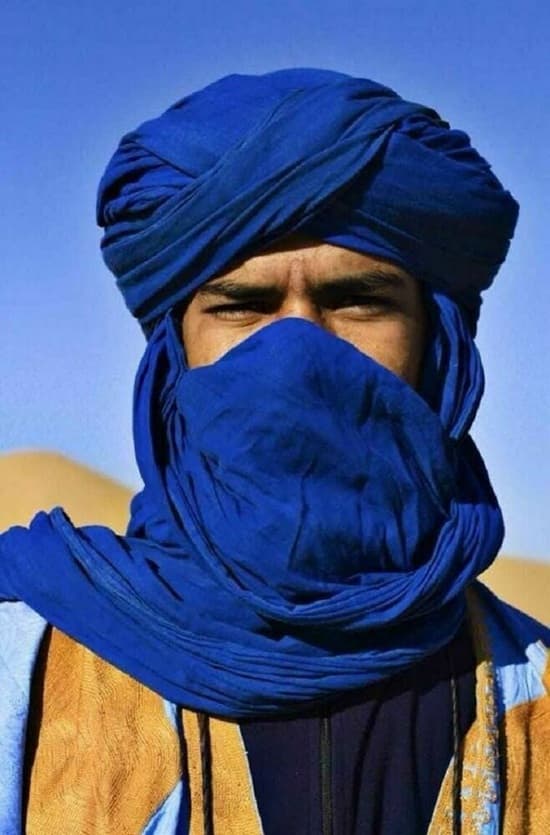 Photo Courtesy
The deep indigo colour is central to its visual identity, sometimes staining the skin.
The wrapping method allows wearers to adjust facial coverage based on environmental conditions and personal preference.
As both practical desert attire and a cultural marker, the tagelmust remains one of the most recognisable forms of headwear in Saharan Africa.
Hausa and Northern Nigerian Caps (Nigeria)
Men’s headwear in northern Nigeria includes a variety of embroidered, structured, and sometimes tall caps.
Known as hula and by other regional names, these caps are integral to traditional and formal attire.
These headpieces are often paired with garments like the babban riga and kaftan, completing ensembles with religious, social and aesthetic significance.
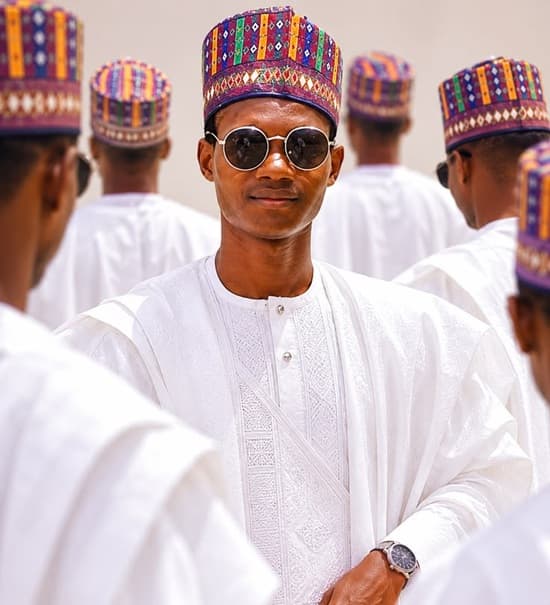 Photo Courtesy
Some are intended for daily wear, while others feature elaborate embroidery and construction for celebrations, religious gatherings and formal events.
The range of styles, materials and decoration highlights the significance of headwear in northern Nigerian dress.
These pieces also show that African headpiece traditions extend beyond women’s fashion.
Bamileke Juju Hat and Related Grassfields Headpieces (Cameroon)
The juju hat, also called the tyn hat, is a dramatic circular headpiece covered in feathers, symbolising prestige, prosperity, and ceremonial display among Bamileke and related Grassfields communities.
It is constructed with a structured base and feathers arranged in a wide, radiating form.
The piece can be folded for storage and opened as needed, which adds to its unique design.
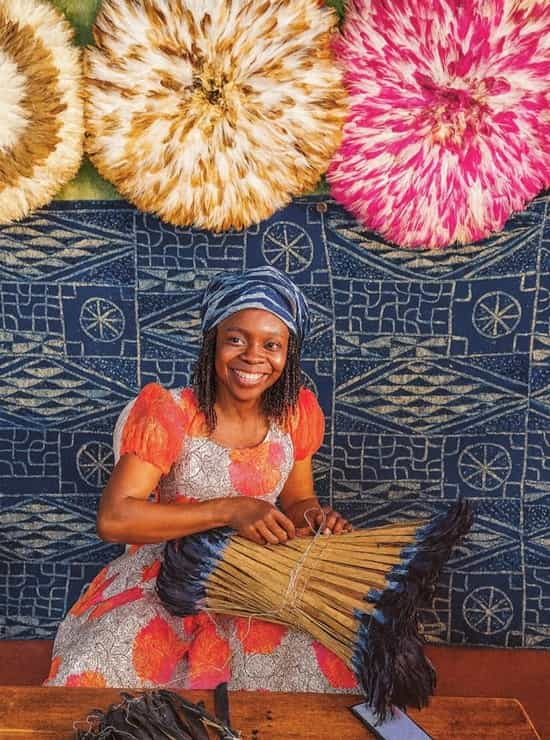 Photo Courtesy
Other Grassfields headwear includes styles linked to traditional leadership and ceremonial dress. These pieces use feathers, beads, and decorated fabrics to create visually significant objects.
While the juju hat has become popular as a decorative and fashion item, its ceremonial origins remain important.
Igbo Okpu and Related Men’s Regalia (Southeast Nigeria)
Among Igbo men, various forms of okpu, or caps, hold social and cultural significance.
The okpu ozo, a red cap for titled men, is especially recognisable and may be decorated with eagle feathers.
These caps are part of a broader system of traditional regalia, which may include beads, staffs and other insignia. Their use communicates title, status and participation in specific cultural institutions.
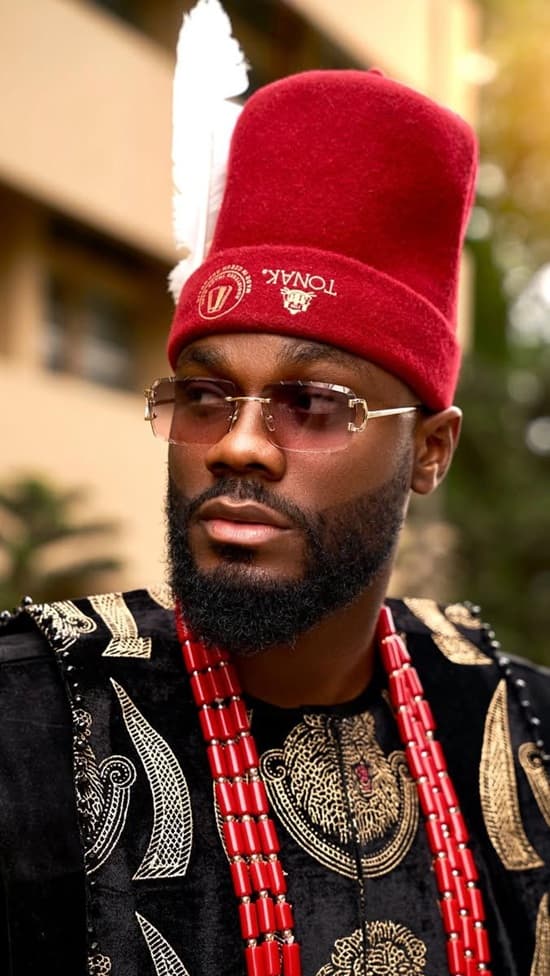 Photo: Instagram/princenelsonnwerem
The okpu shows that headwear serves more than a decorative purpose.
In some contexts, it is a key element in the visual language that signifies community roles and social responsibilities.
Other African Headwear Traditions Worth Knowing
Beyond these well-known forms, many other African headwear traditions merit attention.
For example, Himba women in Namibia are recognised for distinctive hairstyles and adornments using ochre-coated hair and leather.
Historical Igbo-Ukwu archaeological discoveries have also revealed sophisticated metalwork and objects related to personal adornment.
Across Central Africa, various communities have developed beaded, sculptural and decorated headwear for leadership and ceremonial occasions.
There is also a wide range of everyday and ceremonial wraps throughout the continent that, while less internationally recognised, remain significant within their communities.
These examples show that African headwear encompasses far more than a few familiar styles. Each region has developed unique approaches to materials, construction, symbolism and personal expression.
Collectively, these African headpieces reflect a continent-wide tradition that blends technical skill, cultural knowledge and visual creativity. They merit more than occasional use as fashion inspiration.
These accessories also deserve documentation, respect for their cultural contexts, support for the artisans and stylists who preserve this knowledge, and thoughtful integration into contemporary fashion.
As the fashion industry places greater emphasis on craftsmanship, storytelling and cultural influences, African headpieces exemplify all these qualities. Their histories offer insight into the communities that created them, while their construction reveals generations of creative expertise.
Sustained and accurate attention to these traditions enriches the global fashion conversation and acknowledges the people and histories behind the designs.
The crown has always been more than decoration.
Across Africa, it stands as a declaration of presence, history, identity, and self.
Photo: Instagram/veekee_james
You May Also Like:

Butterfly Bangs Are Bringing a New Shape to the Classic Fringe
Why Black Women Often Choose Wigs, Weaves and Protective Styles

How to Dry Your Hair Without Causing Unnecessary Damage

The Hair Appointment Struggle Every African Woman Understands
Cherry Cola Hair is Back, and Brunettes are Trying Out the Glossy Red Hairstyle
Crimped Hair Is Back, But It Looks Nothing Like the Version You Remember

The Gamine Pixie is Giving the Classic Crop a Softer, More Modern Update
Hair Mistakes That Can Make an Expensive Hairstyle Look Basic

Why Does Getting Your Hair Done Feel Like a Reset Button?

The Celebrity Hair Transformations Nobody Saw Coming in 2026

The New Hair Goal Is Fullness, Not Just Length
Frontal Hairstyle Trends: When Does It End?


Esther Ejoh is a Fashion Editor at Fashion Police Nigeria, where she writes all things fashion, beauty, and celebrity style, with a sharp eye and an even sharper pen. She’s the girl who’ll break down a Met Gala look one minute, rave about a Nigerian beauty brand the next, and still find time to binge a movie or get lost in a novel. Style, storytelling, and self-care? That’s her holy trinity.