Published: November 26, 2026 Last Updated 27 seconds ago by FPN
High heels were once considered essential for a polished look, often at the expense of comfort.
This is changing as more women reject the notion that style requires discomfort.
Today, dressing well without heels means focusing on fit, proportion, intention, and supportive footwear.
This cultural shift is evident, with celebrities leading by example. For example, Kristen Stewart has attended red carpets barefoot or in sneakers, challenging the expectation that only women must wear heels.
Emma Thompson has criticised uncomfortable shoes, while Jennifer Lawrence, Angelina Jolie, Serena Williams, and Rihanna have all embraced flats or sneakers for public appearances.
These choices show that elegance is defined by thoughtful styling, not heel height.
With this mindset, dressing well without heels means focusing on three areas: the quality and shape of the shoe, clothing proportions, and the impact of accessories and tailoring.
Modern fashion offers many options, from pointed ballet flats and structured loafers to sleek sneakers and elegant sandals, allowing for stylish and comfortable outfits.
Choose Structured Flats Over Soft, Shapeless Ones
Not all flat shoes look intentional.
Soft, rounded ballet flats that collapse or appear too delicate can undermine an outfit. Prioritise structured designs and clean shapes.
Pointed or almond-toe flats create a leg-lengthening optical effect, while leather or suede loafers with defined soles add weight and polish to an outfit.
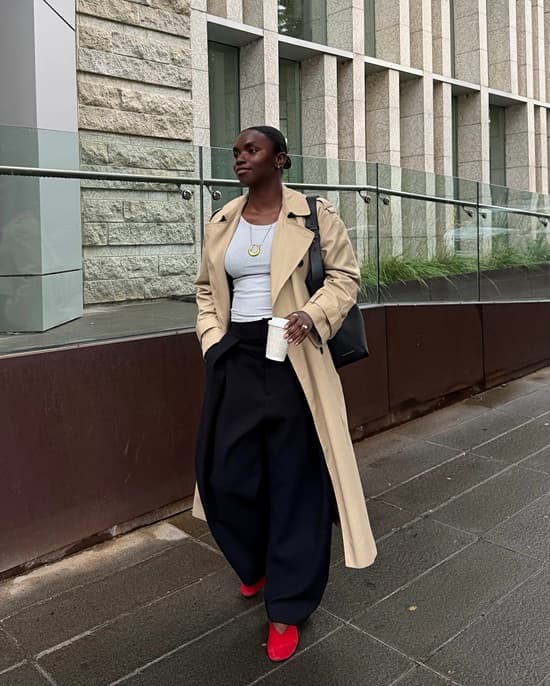 Photo: instagram/queenonyemaechi
High-vamp ballet flats, mesh styles associated with fashion houses such as The Row and Alaïa, and neat Mary Janes with a strap also offer interesting alternatives.
In warmer weather, leather slides, fisherman sandals, or strappy flats with refined hardware are good options. Choose footwear that appears intentional, not an afterthought.
Quality materials and well-finished edges elevate even simple flats.
Adjust Your Hemlines for the Shoes You Actually Wear
Clothing length is often overlooked when dressing without heels.
Many dresses and trousers are designed for heels, so a floor-length gown or midi dress may not fall correctly with flats.
Have your hems adjusted while wearing the shoes you plan to use.
Floor-length pieces should clear the floor or rest lightly on the shoe, while midi dresses and skirts look best just below the knee or mid-calf without bunching.
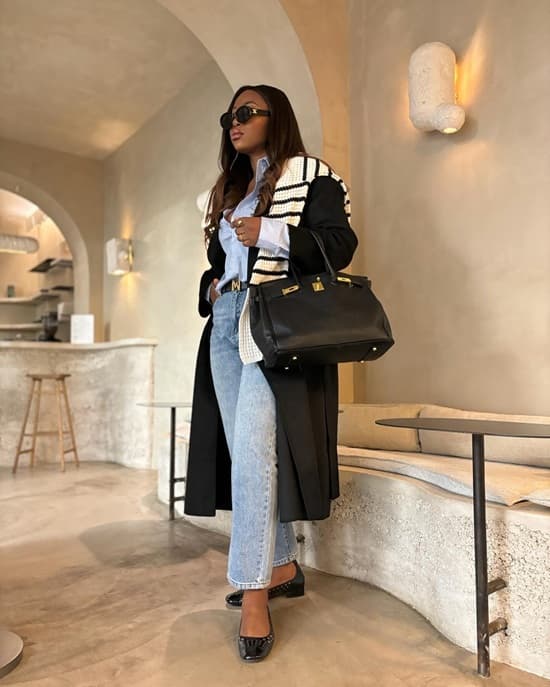 Photo: instagram/genymaks
Wide-leg trousers should have a clean break over the shoe rather than excessive pooling.
Straight-leg and cigarette trousers can also look particularly good when they end just above the ankle, allowing the footwear to remain visible.
This adjustment can significantly improve your outfit. Even expensive clothing appears ill-fitted if proportions are off.
Use Proportion and Silhouette to Create Visual Length
Without heels, the balance between the upper and lower parts of an outfit is more important.
High-waisted trousers and skirts raise the visual waistline, while pairing fitted tops with voluminous trousers or relaxed tops with defined bottoms maintains proportion.
Wide-leg trousers work particularly well with loafers and pointed flats because the movement of the fabric contrasts with the grounded appearance of the footwear.
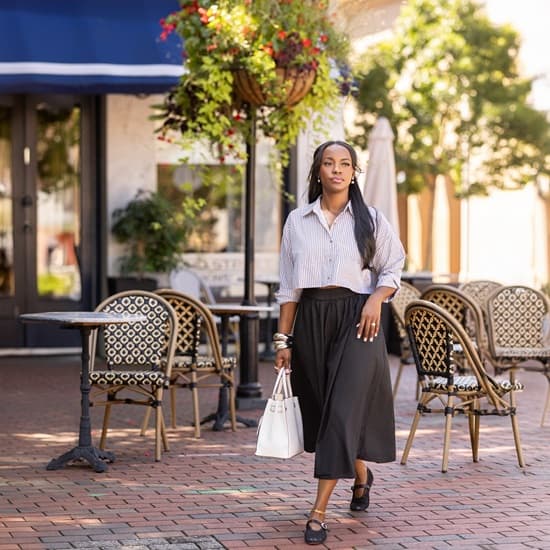 Photo: instagram/bisoubea
Cigarette and straight-leg trousers are equally useful, especially when they finish just above the ankle.
A well-fitted blazer, whether tailored or cropped, adds structure to jeans, trousers, and dresses.
Monochromatic or tonal outfits paired with matching or complementary flats create a continuous, coordinated look.
Build Reliable Work Outfits Around Loafers and Pointed Flats
Professional attire does not require high heels.
Loafers and pointed flats are practical for long workdays, meetings, or moving between locations.
A tailored blazer, crisp shirt or fine-knit top, and well-cut trousers in neutral tones form a strong foundation.
Add leather loafers or pointed flats for a polished, professional look.
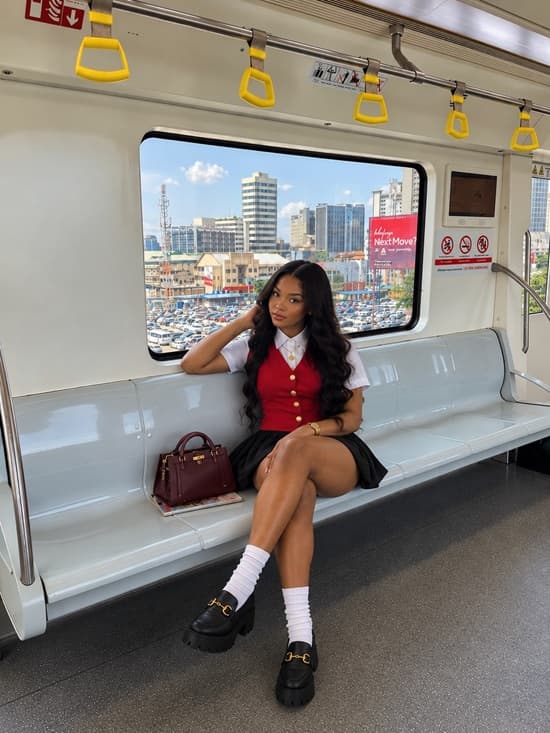 Photo: instagram/arimaboots
Dark, non-distressed jeans can also work in creative or business-casual workplaces when paired with a tucked-in blouse and a structured blazer.
Oxford-style flats and sleek Mary Janes offer slightly more formal alternatives.
Finishing details matter.
A structured tote, minimal jewellery, well-maintained shoes, and neat hair complete the look. Heels are not necessarily required to appear prepared or professional.
Create Formal and Evening Looks Without Heels
Weddings, dinners, and formal events often bring pressure to wear heels, but there are many ways to create elegant outfits with flats.
Choose clothing with enough structure to hold its shape without heels.
Column dresses, structured midi dresses, and well-cut jumpsuits work well.
Mid-weight fabrics like satin, crepe, and structured cotton help maintain the silhouette.
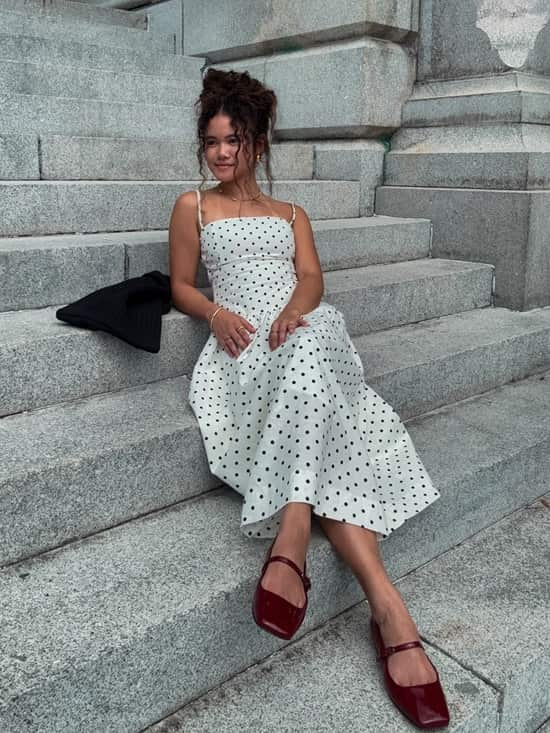 Photo: instagram/aangelaane
Footwear can enhance formality.
Embellished flats, metallic ballet shoes, satin Mary Janes, and patent leather styles suit evening occasions. Pair them with properly hemmed gowns, tailored trousers, or structured dresses.
Accessories can provide the finishing touch.
For instance, statement earrings, a small clutch, carefully selected jewellery, and a well-styled hairstyle help create a complete appearance.
The result can be just as appropriate for formal events as outfits with heels, without the discomfort of prolonged wear.
Master Casual-Chic Outfit Formulas
Flats are especially useful for everyday dressing.
However, comfort should not be the only consideration when assembling an outfit.
White or minimal sneakers paired with wide-leg trousers and a blazer create an easy casual-chic combination. Ballet flats work well with sweater dresses, straight-leg jeans and midi skirts.
Mary Janes paired with a midi skirt and a tucked-in T-shirt offer another interesting option.
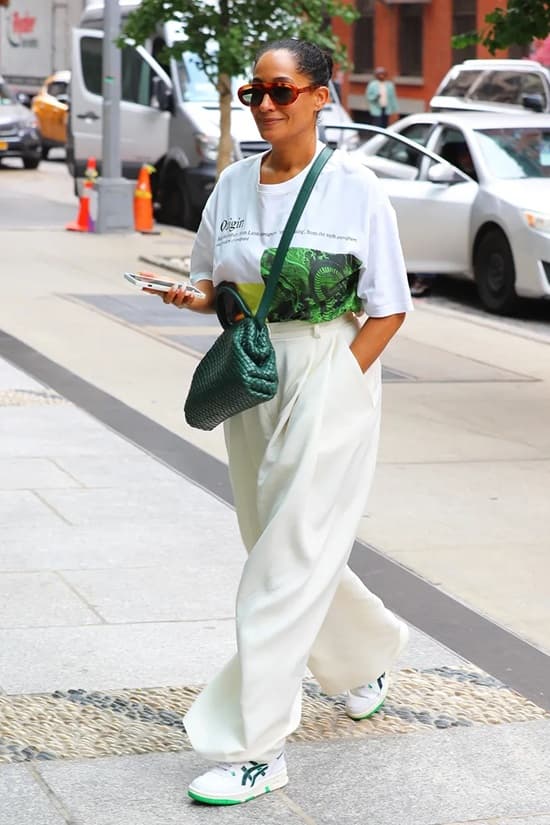 Photo: BlayzenPhotos/Backgrid
Loafers with straight-leg or wide-leg jeans and a simple top are a reliable choice. Add a structured handbag, belt, or jacket to complete the look.
These combinations succeed by balancing relaxed clothing with structured pieces.
Sneakers don’t automatically make an outfit casual, and ballet flats don’t require a delicate look.
Shoe condition is important.
Clean sneakers, polished loafers, and well-maintained flats always look better than worn or misshapen footwear.
Let Accessories and Finishing Details Complete the Outfit
With low-profile footwear, accessories draw attention to overall styling.
A structured handbag, such as a tote, mini top-handle, or crossbody, adds definition.
Jewellery is also effective.
Statement earrings, a simple necklace, or a bracelet add interest without complicating the outfit.
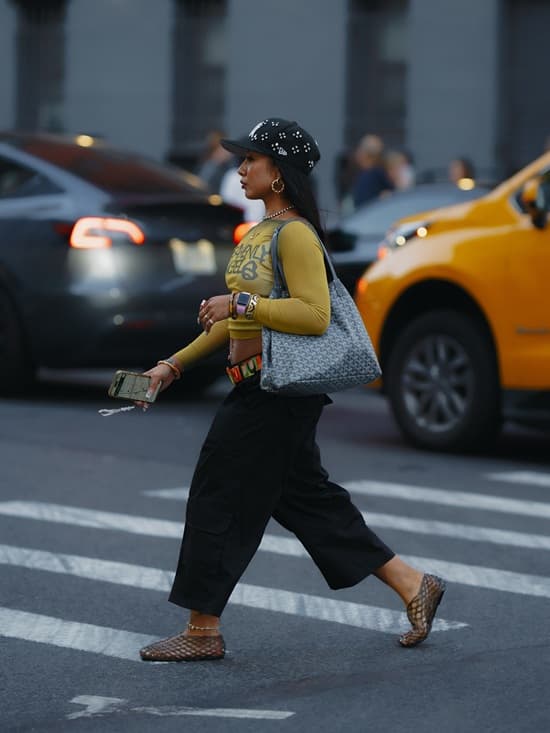 Photo: instagram/streetstylebyquay
A defined belt creates structure, especially with oversized shirts, loose dresses, or wide-leg trousers.
Outerwear is important as well.
A well-cut coat, tailored jacket, or structured blazer completes a simple outfit. Sunglasses, neat hair, and thoughtful makeup also enhance the final look.
The goal is not to compensate for flats, but to ensure every part of the outfit works together.
Take Inspiration From Celebrity Flat-Shoe Outfits
Celebrities have challenged the idea that high heels are necessary for a polished look. Their choices provide valuable styling inspiration for women who want to wear flats without sacrificing impact.
Angelina Jolie often shows that simple footwear can complement well-chosen clothing. Her pairings of long coats, tailored trousers, simple dresses and understated flats highlight the impact of proportion and quality.
Jennifer Lawrence’s everyday style is also inspiring.
Her use of sneakers, simple flats, jeans and relaxed tops shows that comfortable footwear can pair with understated clothing without making an outfit look incomplete.
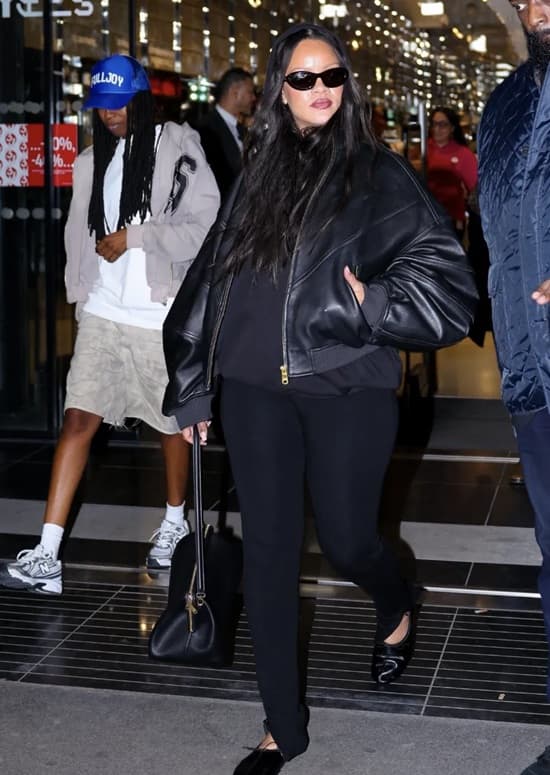 Photo: instagram/taoualit__amar
Kristen Stewart has advanced this conversation by wearing sneakers and other comfortable footwear at events where heels are traditionally expected.
Her choices challenge conventional ideas about red-carpet dressing and the pressure on women to wear uncomfortable shoes.
Rihanna and Serena Williams have also paired sneakers with statement outfits, demonstrating that flat footwear can be a deliberate fashion choice rather than a compromise.
These examples show that shoes are just one element of an outfit. What matters is how they coordinate with clothing, accessories, and overall styling.
Prioritise Quality and Comfort Without Sacrificing Style
A beautiful pair of flats is not useful if it becomes uncomfortable quickly. When shopping, consider both appearance and construction.
Look for cushioned insoles, flexible yet supportive soles, and breathable materials.
Leather and quality suede adapt to your foot’s shape over time, while well-constructed mesh styles provide a lighter option for warmer weather.
Also, consider the toe box.
Shoes that squeeze your toes can become uncomfortable, especially when worn for long periods.
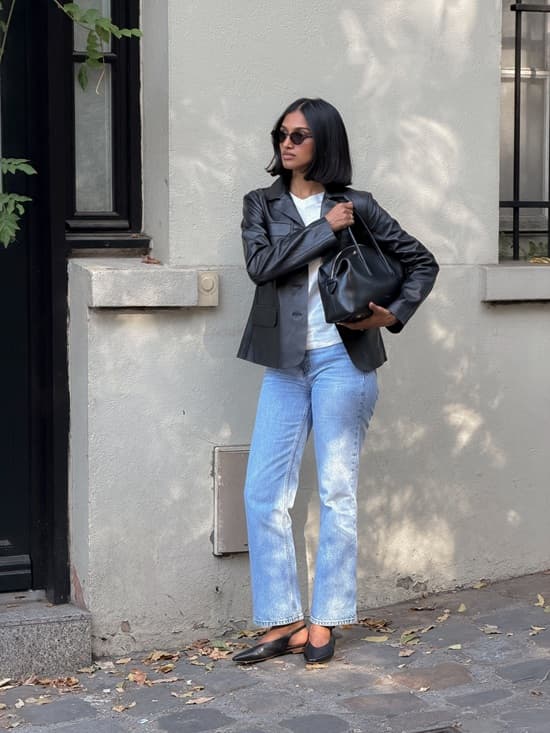 Photo: instagram/dnazia
If you have wider feet, choose styles with adequate room instead of sizing down and hoping the material will stretch.
The sole should support your typical activities.
A thin, completely flat sole may not suit everyone, especially if you spend much of the day walking or standing.
A well-made pair of loafers, ballet flats, or sneakers is often a better investment than several cheaper pairs that quickly lose their shape.
Treat Wearing Flats as a Personal Style Choice
The most important step in dressing well without heels is changing how you view flat shoes. This footwear is not a substitute for heels and does not need to imitate them.
A pointed ballet flat does not need to mimic a pump.
A loafer does not have to resemble a formal court shoe. Sneakers do not need to be hidden under long trousers to make an outfit acceptable.
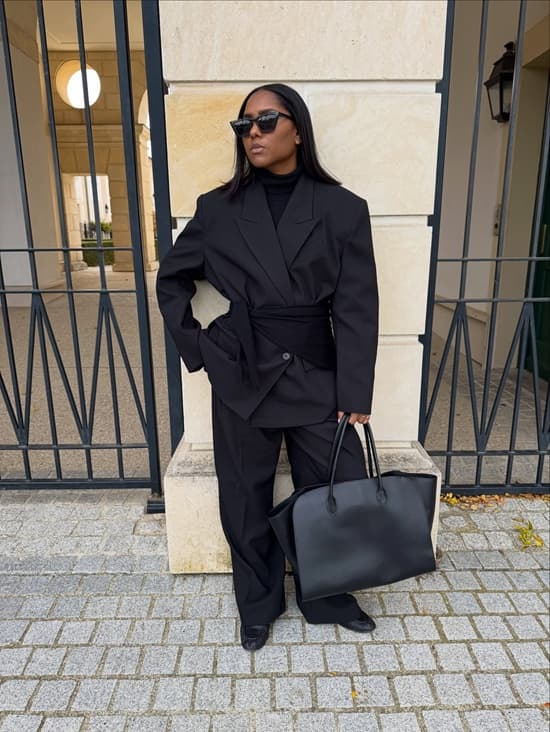 Photo: instagram/lyleehm
Each type of footwear has its own character, which makes styling interesting. You can build a complete wardrobe around flats without feeling anything is missing.
When you stop viewing heels as the standard for polished dressing, you become more intentional about your clothing choices.
You focus on tailoring, fabric, proportions and movement, and select shoes that fit your lifestyle rather than buying them for specific occasions.
Dressing well without heels is ultimately a personal choice.
It means choosing not to rely on uncomfortable footwear as a shortcut to looking polished, and instead building your style through cut, colour, proportion and presence.
Structured flats, thoughtful tailoring, well-chosen accessories and properly fitted clothing provide everything needed for work, weddings, dinners and daily activities.
Celebrities and everyday women have shown this approach works across different styles and occasions.
Comfort and style can coexist.
When you choose clothing and footwear that suit your body and lifestyle, getting dressed becomes less about meeting expectations and more about expressing your personal style.
Photo: Amazon
You May Also Like:
Can We Bring Back Dressing Up Just Because?
How to Wear Colour When Your Wardrobe Is Mostly Neutral
Not Every Outfit Needs a Corset: Are We Losing the Joy of Simple Dressing?
Skirts are Seriously Getting Renewed Appeal for Spring 2027
How to Build a Practical Plus-Size Capsule Wardrobe
Mary Janes Are Having a Major Fashion Moment. Here’s How to Style Them
The Naked Shoe Trend May Be Changing the Footwear Game
Olive is the New Black: How to Wear Fall 2026’s Dreamiest Colour Trend
Stirrup Pants Are Back: The Retro Silhouette Replacing Barrel Jeans
The Outfit Problem Nobody Talks About: What to Wear Between Seasons
The Belt Collection Your Wardrobe Has Been Missing
Headbands are Back: Here's How Fashion Girls are Wearing Them


Esther Ejoh is a Fashion Editor at Fashion Police Nigeria, where she writes all things fashion, beauty, and celebrity style, with a sharp eye and an even sharper pen. She’s the girl who’ll break down a Met Gala look one minute, rave about a Nigerian beauty brand the next, and still find time to binge a movie or get lost in a novel. Style, storytelling, and self-care? That’s her holy trinity.