Published: August 20, 2026 Last Updated 2 months ago by Faustina Marfo
For years, African fashion was seen as having potential, always positioned as “the next big thing” awaiting global recognition.
As Africa Fashion Week London approaches its 16th edition, this narrative is outdated. African fashion designers are now establishing their place in the global market on their own terms.
This transformation defined the 2026 fashion week season, where creativity met commerce, heritage met innovation, and African fashion asserted its place in the industry.
The season spanned continents, from Johannesburg and Lagos to London and Miami. Rather than a single narrative, fashion designers redefined luxury, reclaimed heritage, and built sustainable infrastructure.
This is the reality of African fashion weeks in 2026.
African Fashion Week London
Africa Fashion Week London (AFWL) began in 2011 as a platform to increase visibility for African fashion designers.
Sixteen years later, it has become a strategic ecosystem connecting designers, buyers, media, manufacturers, and sustainability experts.
Founder Olori Ronke Ademiluyi-Ogunwusi, Queen of the Ooni of Ife, stated:
“African fashion has never lacked creativity. What we have worked toward over the last 16 years is structure, helping designers move from visibility to viability, and from applause to longevity.”
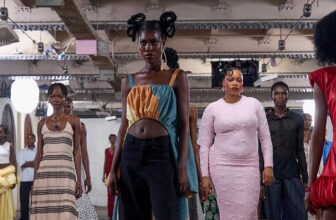
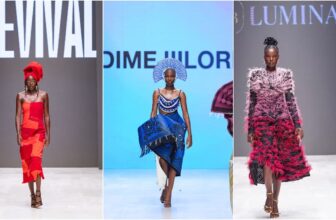
The 2026 edition, set for August 17 to 23 in Central London, featured a diverse group of designers representing African creativity.
Soboye, a Central Saint Martins graduate and former British Vogue alum, presented the Black Majesty collection, highlighting African luxury through bold tailoring, rich textures, and cultural storytelling.
His decades-long influence includes dressing icons such as Nile Rodgers and Michaela Coel and curating exhibitions for Somerset House and the Southbank Centre.
Mary Martin London, in her 11th consecutive year with AFWL, transformed fashion into theatre with collections that served as artistic statements, featuring bold structure and avant-garde storytelling.
 Photo: Instagram/afwlondon
 Claudia Byron, a Zimbabwean luxury designer, introduced a denim-focused collection that combined strong tailoring with a modern global outlook, establishing her as an emerging international voice.
The 2026 lineup featured designers committed to sustainability and cultural preservation. For example, Dian Magesa Fashion, from Tanzania, focuses on upcycling, turning waste into costumes while supporting beach cleanups and marine protection.
Mahenty Afrik Heritage from Cameroon reinterpreted ancestral African elegance with modern refinement, inspired by Bamiléké artistry. Kente Uncut, by Aduhema, created personalized kente cloth using traditional Ghanaian symbols to express empowerment and growth.
Juoby & Co. elevated locally sourced fabrics like adire and George into chic, globally relevant everyday pieces.
The change at AFWL was evident. As one observer noted, “Sixteen editions in, African fashion is no longer asking for permission. It is defining its future, in its own voice.”
South African Fashion Week
After a brief hiatus, South African Fashion Week (SAFW) returned in March 2026 with renewed energy and a focus on intentional design.
The Spring/Summer 2026 collections in Johannesburg featured 17 fashion designers embracing bold, forward-thinking concepts.
Founder Lucilla Booyzen reinstated the biannual runway schedule and encouraged designers to prioritize “slow fashion.”
“What we’re hearing from fashion designers this season is clear. It’s no longer about volume, it’s about value,” she stated to Business of Fashion.
Per The Star SA, the runways showcased several key trends. ’80s maximalism stood out, characterized by power shoulders, bold primary colours, and strong self-expression. Naked Ape by South African designer Shaldon Kopman presented vibrant looks with red, yellow, and green, while Zamaswazi focused on pink with sequins, satin, and puffed sleeves.
Chaotic layering became a signature, with designers mixing textures and silhouettes. House of Ole by Ole Ledimo layered coats and waistcoats over suits, while Fundudzi by Craig Jacobs combined leather and sheer fabrics.
 Photo: Instagram/safashionweek
 Puff and bubble silhouettes added volume and playfulness, with Helon Melon using inflated shapes and Black Coffee emphasizing movement with fluid garments.
Dark chocolate emerged as a key color, seen in Irene Makhuvu Designs’ silk knee-length gown and Ephymol’s menswear. Cinched waists also returned, highlighted in Gert-Johan Coetzee’s “Behind the Crimson Door” collection.
Designers explored modularity and adaptability. Jacques van der Watt of Black Coffee used pleats, pin tucks, and paneling in his Off-Grid collection to create adaptable garments. SinCHUI’s “workwear made street” collection featured pleated, baggy trousers and oversized pockets, designed for versatility.
Helon Melon’s showcase, inspired by Craig Jacobs’ recovery from cancer, celebrated renewal with Eastern Cape mohair and bold colours like orange and yellow. Jacobs described the collection’s emotional core as “absolute happiness.”
Lagos Fashion Week
Lagos Fashion Week, now in its 15th year, remains central to African fashion in 2026. Founded by Omoyemi Akerele, it has become one of the continent’s most influential fashion events and a global phenomenon, held annually in October.
Its dual focus on creativity and sustainability sets a standard that other African fashion weeks increasingly seek to follow.
The 2026 edition, taking place from October 28 to November 1, continues its legacy with the return of Green Access, the flagship designer development programme.
Since 2018, Green Access has supported designers who drive conversations on craftsmanship, contemporary African fashion, and the circular economy. Alumni such as Ajanée, Cute Saint, Pepperrow, and Y’wande have established brands known for creativity and innovation.
The 2026 Green Access programme, themed “Crafted in Practice: Reimagining Craft for a Circular Future,” invites emerging designers across Africa to view craftsmanship as a practical solution for the future of African fashion.
Selected participants will receive intensive mentorship in research, design development, circular design, and business development, culminating in a presentation at Lagos Fashion Week.
 Photo Courtesy
 “Community has always been at the heart of African fashion. Green Access brings it to life by connecting emerging designers with artisans, manufacturers and creative partners across the value chain,” Omoyemi Akerele said on Marie Claire NG.
Earlier this year, the seventh edition of Lagos Fashion Week’s Woven Threads showcase highlighted the platform’s dedication to traditional textiles and craftsmanship.
Held from April 9 to 12 at The Sphere by Verde in Lagos, “Woven Threads VII: Crafted” featured an exhibition curated by fashion consultant Sunny Dolat, showcasing collections from established brands such as Hertunba, Kilèntàr, Emmy Kasbit, and NKWO, as well as emerging designers.
The event included panel discussions on sustainability, material futures, and craftsmanship, as well as a workshop by denim brand Tuntunre promoting circular design practices.
Brands like WOTE K.I., MitiMeth, Studio Namnyak, and Yoshita 1967 were recognized for their sustainable practices and strong ties to African heritage.
African Fashion Week 2026: Biggest Trends Across the Continent
African fashion weeks in 2026 confirmed the continent’s growing global influence. Events from Lagos and Johannesburg to Nairobi, Accra, Dakar, and London showcased collections that were confident, culturally grounded, and commercially ambitious.
Fashion designers elevated craft to a high level of luxury, refined natural fibers, modernized cultural storytelling, and integrated sustainability into their creative process. This season marked a shift from celebrating African aesthetics to leading contemporary fashion discussions.
The 2026 season is defined by a refinement of ideas that gained traction last year. Soft luxury, craft revival, and bold prints have become more intentional.
Minimalism is now culturally rooted, comfort has evolved into elegant, structured forms, and prints have moved from revival to bold reinvention. Traditional techniques and local materials now form the basis of modern luxury.
Craft Elevated to Luxury
A key theme this season was elevating craftsmanship as a central element of high fashion. Handwoven textiles, intricate beadwork, and artisanal construction became core design statements.
Nigerian fashion designer Kenneth Ize reimagined aso-oke, the traditional Yoruba fabric, into structured blazers, wide-leg trousers, and contemporary menswear that drew industry attention.
 Photo: Instagram/kennethize
 South Africa’s Thebe Magugu used deconstructed Xhosa beadwork patterns in laser-cut leather and organza overlays.
Fashion designers in Lagos and Dakar highlighted hand-finished details, emphasizing skill and cultural specificity. Craft is now the core expression of luxury, not just a heritage reference.
Natural Fibres and Material Innovation
Raffia, hemp, cotton yarns, and other natural fibers emerged as true luxury materials. Fashion designers like IAMISIGO showed how earth textures and organic materials convey both sophistication and authenticity.
 Photo: Instagram/iamisigo
 Once considered rustic, these materials are now valued alongside imported silks and technical fabrics. This shift reflects a genuine movement toward sustainability.
Upcycling was also prominent, especially at Nairobi Fashion Week’s “Decarbonize” event, where brands like Maisha by Nisria turned discarded textiles into refined, market-ready pieces. The message is clear: African materials are now high-fashion resources.
’80s Maximalism, Chaotic Layering and Chocolate Brown
South African Fashion Week SS26 featured some of the season’s most vibrant moments. Power shoulders, sequins, puffed sleeves, and bold primary colours brought theatrical energy.
Fashion designers like Zamaswazi and Naked Ape embraced dramatic excess, while chaotic layering, like mixing textures and silhouettes, became a hallmark of individuality.
 Photo: Instagram/zamaswazi_sa
 Chocolate brown emerged as a sophisticated neutral, often called the “new black” of 2026, appearing in silk gowns, outerwear, and tailored pieces as a modern alternative to traditional black.
Sharp Tailoring and Cultural Minimalism
Alongside maximalism, sharp tailoring and culturally rooted minimalism offered balance. Collections featured clean lines, precise construction, and restrained colour palettes, often based on African textile traditions.
 Photo: Instagram/emmykasbit
 Fashion designers like Emmy Kasbit showed how structured silhouettes can convey cultural significance through fabric and detail.
This approach emphasizes intention, proportion, and material integrity over spectacle.
Sustainability as Design Logic
Sustainability became a practical design principle. Lagos Fashion Week’s Green Access initiatives, Nairobi Fashion Week’s focus on decarbonization, and designers’ commitment to upcycling and local production reflect a material-driven approach.
 Photo: Instagram/afwlondon
 Fashion designers are advancing circularity by using recycled ocean plastic, deadstock fabrics, and collaborating with fishing communities and artisans. The focus is on traceable, community-based production rather than broad eco-claims.
Key Events and Standout Moments
Lagos Fashion Week remained a key commercial and creative hub, attracting international buyers and a diverse range of designers.
South African Fashion Week returned with a hybrid format and bold visual statements. Nairobi Fashion Week focused on climate-conscious practices and local craftsmanship.
Africa Fashion Week London, set for August 2026 under the theme “Design Beyond Borders,” is expected to amplify these discussions globally, with strong representation by designers working with aso-oke, kente-inspired ready-to-wear, and East African hand-loomed textiles.
Designers like Orange Culture introduced emotional, gender-fluid storytelling, while others explored deconstructed denim, modern agbada, and contemporary takes on Ankara styles and adire. The season felt both regionally specific and globally relevant.
What These Trends Mean Going Forward
The 2026 African fashion weeks highlight a maturing industry. African fashion designers are now focused on building commercial systems, refining production, and defining luxury independently.
The emphasis on craft, natural fibers, balanced aesthetics, and practical sustainability signals a more self-determined future.
For consumers, stylists, and buyers, the message is clear: the most compelling African fashion combines technical excellence with cultural depth. Whether a tailored aso-oke blazer, a raffia-accented silhouette, a chocolate-brown silk gown, or an upcycled piece, each garment tells a story of skill, place, and intention.
As the year continues and Africa Fashion Week London approaches, the momentum shows no sign of slowing. The continent is not simply participating in the global conversation. It is actively shaping it.
The African fashion weeks calendar is expanding. Accra Fashion Week, set for December 15 to 20, 2026, aims to build on its 10th anniversary, which featured designers from Angola, Nigeria, Togo, the UK, and the US.
Kumasi Fashion Week will mark its 10th anniversary from May 29 to 31, 2026, with a “Faces of Style” event highlighting the role of stylists in African fashion. Africa Fashion Week Nigeria will return to Lagos in December as part of the Detty December festivities.
The 2026 African fashion week season has shown that African fashion is no longer a question but an answer. From AFWL’s structural focus to Johannesburg’s business approach, Epic Fashion Week’s sustainability, and Miami’s REGENESIS imagination, designers are leading the global conversation.
As Mpho Mogotsi stated in the Saturday Star, the vision is “to see African designers occupying global retail spaces, influencing international fashion narratives, and building legacy brands that compete on a global scale.” That future is already unfolding on runways worldwide.
Photo: Instagram/afwlondon
You May Also Like:
7 Fashion Trends to Watch at the 2026 Lagos Fashion Week
October 13, 2026Lagos Fashion Week 2026: What to Wear, Know and Expect
October 12, 20267 Emerging Fashion Designers We Would Love to See at Lagos Fashion Week 2026
October 8, 20269 Reasons You Should Attend (or Watch) Lagos Fashion Week 2026
October 7, 2026Maxhosa Africa: The First South African Fashion Brand Showcasing at Paris Fashion Week
October 2, 2026Method Dressing Among Nigerian Celebrities: Are We Finally Getting It Right?
September 8, 2026Camcassid: The Sustainable Fashion Brand Turning Textile Waste into Wearable Art
September 2, 2026The 2026 Africa Fashion Week London was a Defining Moment for African Fashion
August 24, 2026What Does Luxury Fashion Mean to an African?
August 20, 202610 Top Affordable Luxury Fashion Brands in Africa
August 17, 2026How to Style Ankara Dresses for Every Occasion
August 11, 202614 Best Ghanaian Fashion Brands Redefining African Style
August 10, 2026


Esther Ejoh is a Fashion Editor at Fashion Police Nigeria, where she writes all things fashion, beauty, and celebrity style, with a sharp eye and an even sharper pen. She’s the girl who’ll break down a Met Gala look one minute, rave about a Nigerian beauty brand the next, and still find time to binge a movie or get lost in a novel. Style, storytelling, and self-care? That’s her holy trinity.