Published: November 11, 2026 Last Updated 3 hours ago by FPN
A professional jewelry valuation is a written record that describes a piece clearly enough for an insurer or court to act on without seeing it in person.
What usually prompts a first valuation
Most people book a valuation because someone else asks for it.
An insurer asks for proof before a ring can be listed on an insurance policy schedule.
A family needs numbers to split inherited pieces fairly during estate division. A lawyer needs a defensible figure for divorce settlement talks. A seller wants a reality check before listing a bracelet for resale.
Those four triggers—insurance scheduling, inheritance, separation, and resale — cover almost every first appointment.
Each needs a slightly different type of value. The first question is what the number will be used for and who will rely on it.
Paperwork delays are common.
People wait until a claim, a probate meeting, or a sale is underway, then learn the report takes days to prepare, and the recipient has specific format rules.
Booking early avoids that scramble and leaves time to gather receipts and certificates.
Why one piece can have more than one value
New owners often expect a single number. Jewelry doesn’t work that way. The purpose of the valuation decides which basis fits.
Replacement value is the cost to replace an item with a new equivalent at current retail prices.
Fair market value is the price a willing buyer and seller would agree on in an open sale. Realization value is what an owner might net from a fairly quick sale after fees, timing pressure, and buyer margins.
The same diamond ring can carry all three figures, and none is wrong.
Replacement reflects current store prices, while fair market reflects secondhand demand. Realization reflects speed and costs.
Mixing them up causes trouble: insurance scheduling uses replacement logic, estate division and divorce talks usually use fair market logic, and a quick sale uses realization logic.
The report should state its basis in writing.
A vague market figure offers little help when the insurer needs replacement cost, and a report that doesn’t name its basis on page one is difficult to use confidently.
How to choose a valuer and what to ask first
A sales receipt proves what was paid on one day in one store.
A valuation certificate is a signed opinion from someone with gem training and valuation practice. Look for a registered valuer or trained gemologist who regularly handles valuations.
Ask how long that work has been their focus and which stones and metals they handle most often.
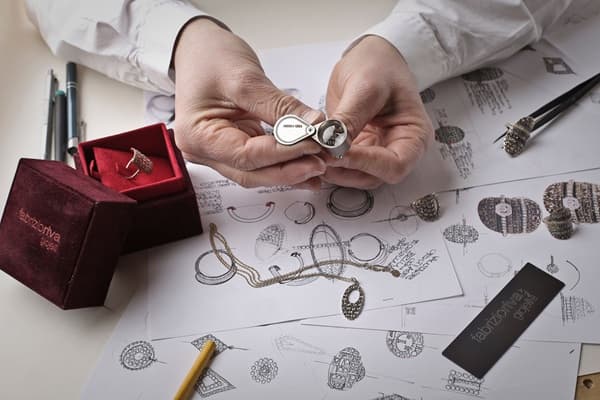 Photo: Andrea Piacquadio/Pexels
Independence deserves a direct question.
Some valuers work apart from any sales counter; others work inside jewelry businesses that also design and sell custom pieces.
Neither setup is automatically bad, but conflicts need to be managed openly. Ask how valuation results stay separate from buying or selling pressure. A clear answer builds trust; a vague one is a warning sign.
That question saves money.
Ask about scope, fees, custody, and turnaround before handing over an item.
Find out where it will be kept, who will handle it, and how long the report takes.
Ask whether the valuer holds professional indemnity insurance, which protects clients if a documented error causes financial loss.
For example, a jewellery valuation perth appointment at a studio that also makes custom jewelry should still start with questions about credentials, separation from sales, and report format.
The report’s recipient can explain acceptance requirements before booking.
Insurers may specify a value basis and format for scheduling, while a legal adviser can explain what courts or negotiating parties expect.
Requirements differ.
No universal acceptance promise covers every insurer and court; an early conversation can prevent paying for the wrong report.
Bring the piece itself, prior receipts, lab reports, and spare links or parts. These give the valuer a head start.
The piece is examined as presented, so avoid harsh cleaning beforehand. Receipts show original specifications and retail context, while diamond lab reports help establish color and clarity.
Spare links, detachable charms, and extra watch links affect weight and replacement cost.
Provenance helps too.
A note about who bought the item and when won’t change metal test results, but it can explain engravings, alterations, or mismatched parts.
Bring any older appraisal as well. Rather than copying it, the valuer can compare earlier descriptions and identify where stones or mounts may have changed.
Missing paperwork is common among first-time clients. Bring what exists. The valuer records the item’s characteristics and condition.
What happens during the physical inspection
Expect a quiet bench process with tools, not a quick glance across a counter.
The valuer identifies the item and takes photos from several angles. The piece is weighed, metal marks are read under magnification, and stones are measured and tested with non-destructive instruments.
Hallmarks and metal stamps are useful clues.
A stamp reading 18ct or PT900 points toward gold or platinum content, but plating and worn marks can mislead. The valuer weighs that clue alongside other tests and experience. No single test tells the whole story.
Stones receive close attention under magnification.
The valuer examines visible cut proportions, colour face-up and from the side, clarity traits, and condition issues such as chips, abrasion, or loose settings.
Carat weight of set diamonds and coloured stones is normally estimated through measurement rather than removal. Laser inscriptions on a diamond girdle and stone mapping diagrams help establish a match with its lab report.
Mounted assessment has limits. A set diamond can’t be graded as freely as a loose stone.
Mount tone affects colour readings, while prongs and restricted pavilion views limit clarity assessment. Depth and girdle details may be hidden. A careful valuer describes those limits rather than pretending to see through metal.
Methods vary by piece and training. Acid testing and opening a watch case are not automatic steps.
Many valuers avoid destructive or invasive methods without a clear reason and permission. Custody rules, time, and risk shape that decision; the methods should fit the item, with limits recorded.
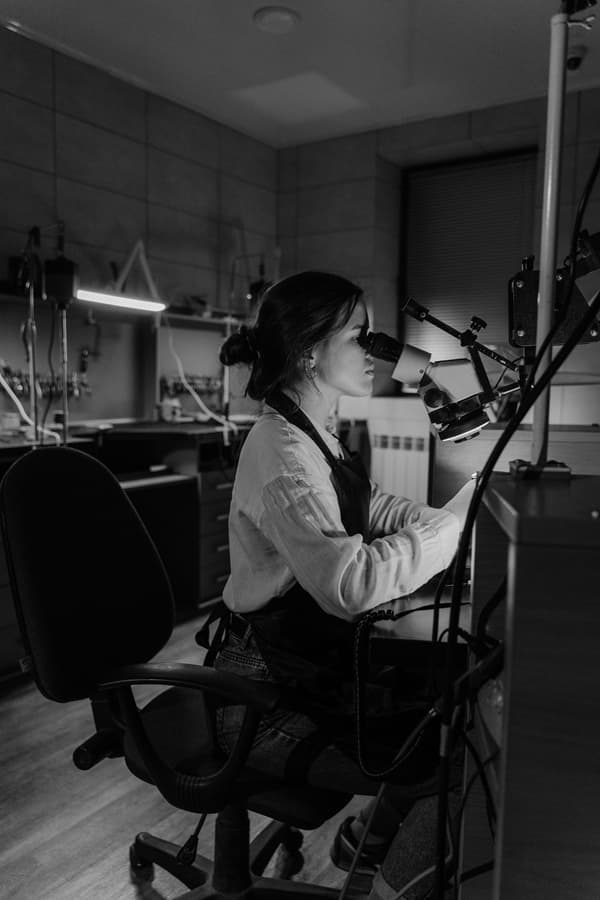 Photo: Tima Miroshnichenko/Pexels
The condition report captures wear, damage, repairs, and alterations in plain terms.
Signs of stone substitution or replaced parts are flagged when seen. That section often affects value more than owners expect. A worn shank or recut tip changes replacement cost and market appeal, as can a replaced side stone.
What diamond paperwork can and can’t do
The Gemological Institute of America’s 4Cs framework—cut, colour, clarity, and carat—has set the global language for diamond description since the 1940s.
A professional valuation references those four factors, allowing an insurer or buyer to picture the stone without holding it.
A diamond grading report from a lab such as GIA supports that description. It records measurements, proportions, colour and clarity grades, and identifying traits for a loose stone at grading.
Once the stone is set, the valuer compares visible features with the report. Inscriptions and plotted inclusions help tie the stone to the paper.
A lab report supports identification but provides neither replacement cost nor a current market value.
It doesn’t update itself when mounts change, or a stone acquires wear. An uncertified diamond can still be valued, though quality descriptions are more qualified without independent lab data. Conservative language is honest, not dismissive.
Keep originals safe. Bring copies when possible and store lab PDFs with the valuation. If a stone is unset for repair or recutting, tell the valuer. The old match between stone and report may no longer hold.
Why watches follow a separate checklist
A watch appraisal looks past sparkle to mechanics and originality.
Jewelry skills overlap, but watches need their own assessment. Movement type is the starting point: hand-wound mechanical, automatic, and quartz calibers each have different service needs and replacement paths.
The valuer checks whether the watch winds and runs, how the crown and pushers feel, and the dial and hands under magnification.
Dial originality carries real weight.
A refinished dial, relumed hands, or swapped crown can affect value more than light case wear. Service history fills gaps inspection alone can’t close; full-service receipts, regulated timekeeping notes, and water-resistance checks add confidence.
Box and papers matter for many modern pieces.
Original boxes, warranty cards, and spare links support identity and replacement logic.
Their absence doesn’t make a watch worthless, but often lowers the replacement figure because a like-for-like set can’t be assembled. For vintage pieces, provenance and service restraint can matter more than a full set.
Battery changes deserve care.
A dead quartz watch isn’t tested by force; the valuer records its running state and may suggest service rather than risk bench damage.
Cases aren’t routinely opened. Any opening needed to identify a movement should be discussed first, with risk and cost explained and permission recorded.
What the final report contains and how to use it
A valuation certificate or signed report is the deliverable that counts.
Verbal figures are easily forgotten, while a formal document records the opinion. It should state purpose, date, assumptions, and limits clearly. Those four elements explain what the number is for and what it doesn’t cover.
Stone and metal sections follow. Each diamond or coloured stone is listed with measurements, shape, colour and clarity impressions within mounted limits, and estimated carat weight.
Metal descriptions include tested type, stamped marks, and weight.
Condition notes cover wear, damage, repairs, and alterations. A colour photograph shows the item as examined, and the valuer signs the report with credentials and contact details.
The recipient’s requirements determine how the report is used.
An insurer may request scheduled item pages, while a full copy and photos can be stored separately for safekeeping.
A legal adviser can explain requirements for a signed copy and questions about legal effect. A valuation doesn’t promise a payout or court outcome. It provides a documented basis that others can test.
Updates depend on changes and insurer guidance.
Repairs, resizing, stone replacement, and movement swaps justify a fresh look, as can sharp moves in gold and diamond prices.
Many owners use a two-year check as a reminder, but no fixed rule fits every policy and piece. Insurers can explain their refresh requirements for high-value scheduling, with the relevant date recorded alongside the report.
Small habits protect value between reports.
Keep receipts with the valuation and lab reports with photos.
Watch service invoices belong with watch papers. Store the digital copy away from the jewelry itself, and date the file when anything changes. That paper trail makes the next appointment faster and the next figure firmer.
First valuations feel formal until the process is clear.
With its purpose and limits stated, the document can serve for years. It supports insurance with exact specifications, fair division, and informed selling.
Its value lies in a record that holds up when someone else needs to rely on it, rather than a lucky high number.
You May Also Like:

Olandria Carthen Stuns in Pandora’s Bold Fall Collection with Dame Pat McGrath

The Jewellery Layering Rules Worth Breaking

Kylie Jenner Wants You to Live in Her Shoes with Her New Footwear Collection

10 Affordable Handbags For Women That Look More Expensive Than They Cost

Bag Charms for Women: The Ultimate Trend and Accessory Guide

What Your Handbag Says About Your Personality

Why Everyone Is Wearing Jelly Sandals Again
Best Designer Handbags Worth Investing in 2026 and Beyond

Are Designer Bags Still Worth the Investment in 2026?

Kylie Jenner Just Made the Smart Glasses Feel Covetable

7 Best Handbag Trends to See You Through in 2026

How Fashion Girls Are Wearing the Wedge Shoes in 2026


Your number #1 fashion obsessed guy. Ubong Richmond is a fashion editor with Fashion Police NG - one who derive joy monitoring and spotting new trends. You will also find me stalking celebrity wardrobes and fashion brands that are about to blow-up.