Published: October 26, 2026 Last Updated 49 minutes ago by FPN
On October 25, 2026, Lagos hosted one of the season’s most striking fashion presentations as Nigerian fashion designer Ejiro Amos Tafiri unveiled her Spring/Summer 2027 collection, Reverie.
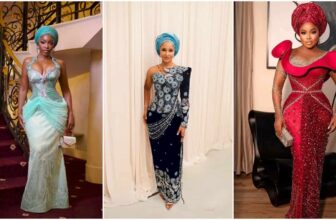
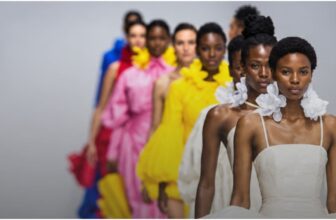
Presented at an exclusive off-schedule show ahead of Lagos Fashion Week, the Ejiro Amos Tafiri Reverie Collection brought together ethereal colours, flowing fabrics, intricate geometric embroidery, and a strong message about protecting African creativity.
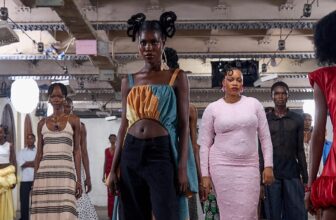
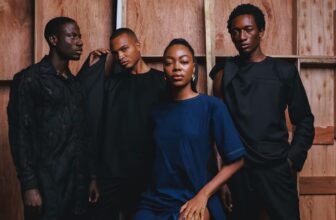
Seventy-seven models took to the runway, presenting a collection that explored the relationship between nature, imagination, and contemporary African design. Media personality Grand Prince Ita hosted the event and wore a look from the collection, adding a personal touch to the evening.
However, the Ejiro Amos Tafiri Reverie Collection was about more than beautiful clothes.
It reflected the designer’s ongoing commitment to developing African fashion through original design, technical knowledge, and cultural preservation.
Alongside the presentation, Tafiri addressed the challenges fashion designers face when their work is copied without permission, calling for stronger intellectual property protection and greater responsibility within the fashion industry.
Reverie draws inspiration from nature and daydreams, inviting audiences into a world where soft, flowing materials meet carefully constructed geometric details.
Familiar fabrics take on a deeper African interpretation, creating pieces that feel imaginative while staying connected to the continent’s creative traditions.
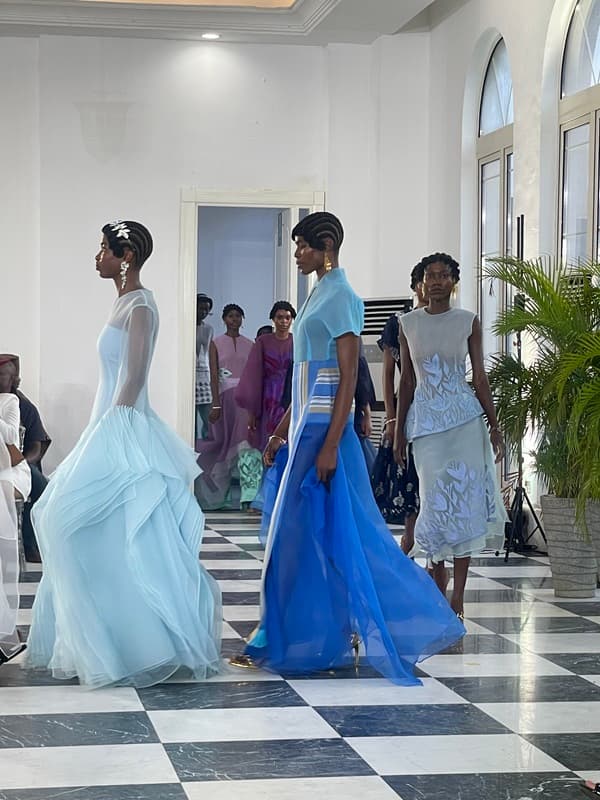 Photo Courtesy
Known as Nigeria’s Drape Queen, Ejiro Amos Tafiri has spent more than sixteen years developing her signature approach to fluid silhouettes, layered textures, and indigenous textile techniques.
With this collection, she builds on that experience while exploring new creative possibilities.
The colours appeared soft and luminous, while materials such as organza, lace, and hand-woven Aso-Oke moved with the models, capturing light and creating a sense of movement.
Her distinctive geometric embroidery introduced structure, balancing the lighter fabrics with details that reflected her established design language.
One defining quality of the Ejiro Amos Tafiri Reverie Collection is its attention to cultural meaning.
Rather than relying on unusual fabric combinations for visual impact alone, Tafiri explores how familiar materials can communicate something deeper when approached with intention.
Indigenous textiles and traditional techniques join a wider creative conversation, connecting heritage with contemporary fashion.
This approach allows Reverie to move beyond surface-level novelty.
The collection places African materials in a dreamlike setting while honoring their history and significance. Its designs feel expressive yet wearable, balancing artistic ambition with commercial potential.
The presentation’s scale reflected the collection’s ambition. With seventy-seven models showcasing a variety of colours, textures, and patterns, the runway developed a consistent visual rhythm.
Romantic, flowing pieces appeared alongside more structured designs, creating contrast without disrupting the collection’s overall direction. Geometric embroidery provided continuity, while varied fabrics let individual looks retain their character.
Grand Prince Ita’s role as host further connected the event to contemporary Nigerian culture.
Wearing a design from Ejiro Amos Tafiri, he demonstrated how the fashion designer’s work extends beyond womenswear presentations into a wider conversation about personal style and African fashion.
His presence also added a familiar media voice to an event that brought together fashion professionals, clients, and other industry stakeholders.
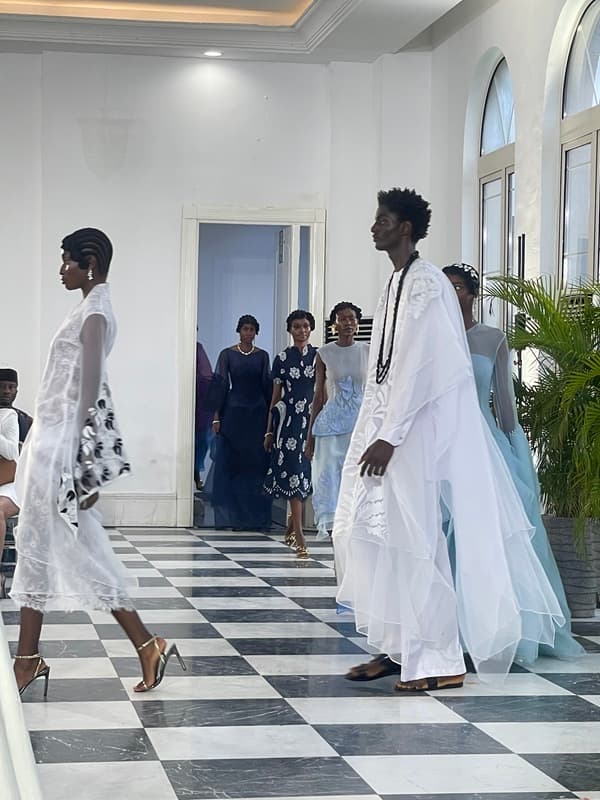 Photo Courtesy
Yet one of the most important moments of the Ejiro Amos Tafiri Reverie Collection concerned protecting original design.
During the presentation, Tafiri spoke about the difficulties fashion creators face when their work is copied or reproduced without authorisation.
She said she employs a legal team to help safeguard her designs and encouraged other creatives to take intellectual property protection seriously.
Her message extended beyond individual designers.
Tafiri called on the government to strengthen legal protections for fashion creators and urged media organisations to report responsibly when questions of design ownership and appropriation arise.
Rather than amplifying unverified claims, she argued for reporting that prioritises facts and gives proper consideration to the work of original creators.
These concerns reflect a wider challenge within the Nigerian fashion industry.
Designers invest considerable time, money, research, and technical skill in developing collections. When others copy their work without permission, they risk losing sales, recognition, and the chance to build lasting commercial value from their ideas.
Stronger intellectual property systems could help creators protect their investments while encouraging further research, experimentation, and original work.
Tafiri’s advocacy also connects with her broader efforts to strengthen the fashion ecosystem.
Before presenting Reverie, she hosted the third edition of the Fashioning a Legacy: Leaving a Mark in Time conference at the British Council in Lagos.
The gathering brought industry stakeholders together to discuss issues including skills development, textile preservation, infrastructure, heritage commercialization, and business systems.
The conference’s relationship with the Ejiro Amos Tafiri Reverie Collection is significant.
The runway presentation demonstrated the creative possibilities of combining indigenous materials with contemporary design, while the conference addressed the structures needed to sustain that creativity.
Both initiatives point to the same concern: African fashion needs more than visibility. It also needs education, legal protection, production capacity, and commercial systems that let designers grow their businesses.
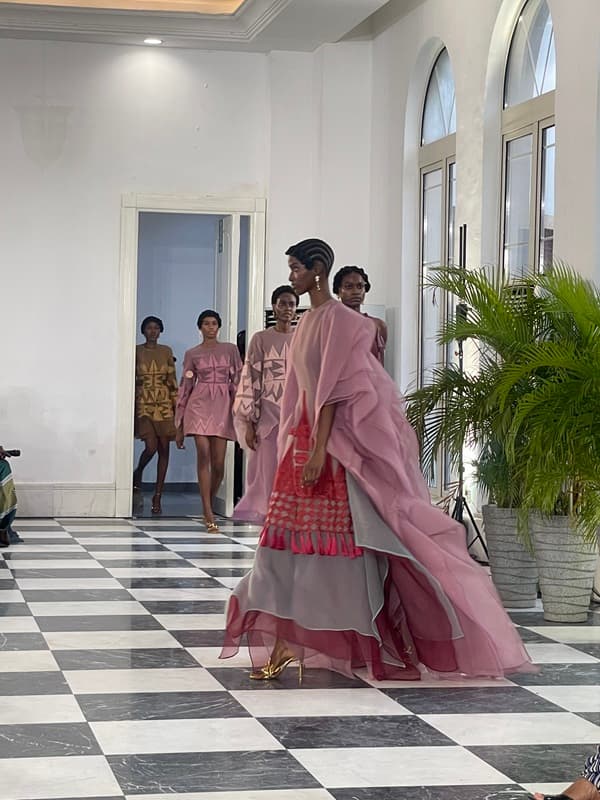 Photo Courtesy
Over the past decade, Nigerian fashion has attracted greater attention locally and internationally.
Fashion designers are presenting collections to wider audiences, collaborating across markets, and exploring opportunities beyond traditional fashion centres.
However, increased exposure does not automatically guarantee that creators can protect their work or benefit financially from the attention it receives.
This is why Tafiri’s call for legal protection matters.
The industry’s long-term growth depends on creating conditions where designers can develop original ideas without constantly worrying about unauthorised reproduction.
It also requires consumers, retailers, media organisations, and public institutions to recognise the value of intellectual property.
Tafiri’s own career reflects her emphasis on technical knowledge and commercial discipline.
Trained at Yaba College of Technology and experienced in garment construction, she has consistently emphasized understanding how clothing is made.
Since founding her brand in 2010, she has developed a body of work shaped by fabric knowledge, construction techniques, and a clear approach to silhouette.
Before the presentation, Tafiri also stressed that fashion shows should serve a practical business purpose.
Runway presentations may create excitement and attract attention, but the clothing should have a clear path to market. As she explained, runway designs should be retail-ready.
This philosophy gives the Ejiro Amos Tafiri Reverie Collection an important commercial dimension. The show was not simply an exercise in creative expression.
It also presented clothing intended to move beyond the runway and reach customers.
By linking imaginative design to retail potential, Tafiri showed how a collection can maintain artistic depth while still responding to the realities of running a fashion business.
The choice of materials played a major role in communicating this balance.
Organza and lace helped create the light, dreamlike quality suggested by the collection’s name. Their movement added softness, while each garment’s construction ensured the designs retained their shape.
Hand-woven Aso-Oke and other indigenous textiles gave the collection a recognisable Nigerian connection, placing local craft in a contemporary fashion context.
Geometric embroidery linked these different elements.
Its precise patterns contrasted with the softer qualities of the fabrics, giving the garments a distinct visual identity.
The result was a collection that explored both movement and structure, allowing the textiles, construction, and decorative details to contribute to the overall message.
These choices also show the value of using indigenous materials beyond their traditional applications. African textiles can be used in contemporary clothing without losing the cultural knowledge associated with their production.
Through careful design, they can reach new audiences while continuing to support the artisans, techniques, and traditions that give them meaning.
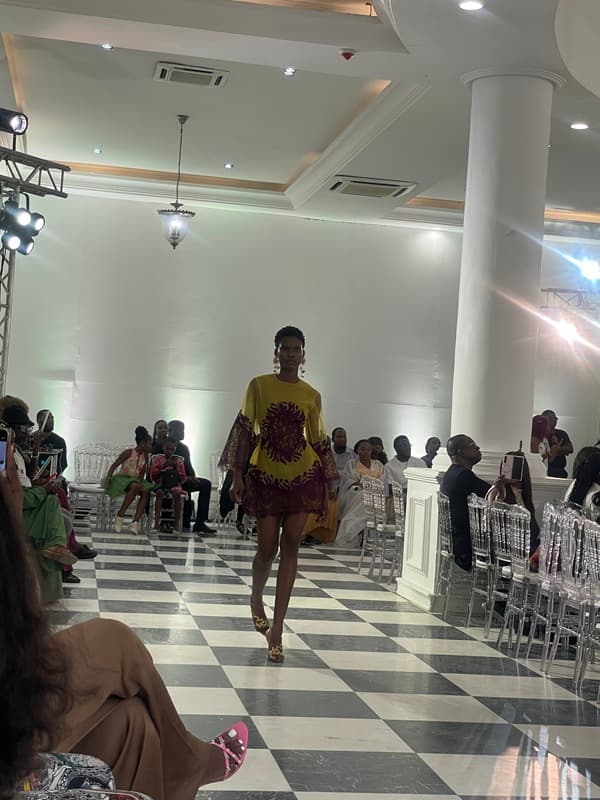 Photo Courtesy
The Ejiro Amos Tafiri Reverie Collection arrives as African designers receive greater international attention.
From Paris to Shanghai, fashion platforms and cultural initiatives are creating opportunities for designers to present their work to global audiences.
Tafiri has also participated in international showcases through initiatives such as Africa Reimagined, helping broaden the visibility of African design.
However, international recognition must be supported by practical systems.
Fashion designers need access to reliable production, skilled workers, suitable materials, financing, distribution networks, and legal guidance. Without these resources, increased attention can be difficult to convert into sustainable business growth.
Tafiri’s approach recognises that creative success and industry development are closely connected.
Her runway work shows what African fashion can achieve through design, while her advocacy highlights the conditions needed to sustain it.
This makes Reverie relevant not only as a seasonal collection but also as part of a larger conversation about the future of Nigerian fashion.
Staging the presentation off-schedule ahead of Lagos Fashion Week also gave the event a distinct setting.
The invitation-only format allowed the Lagos-based brand to create a focused environment for clients, celebrities, editors, and fashion industry professionals while staying connected to the wider activity in Lagos.
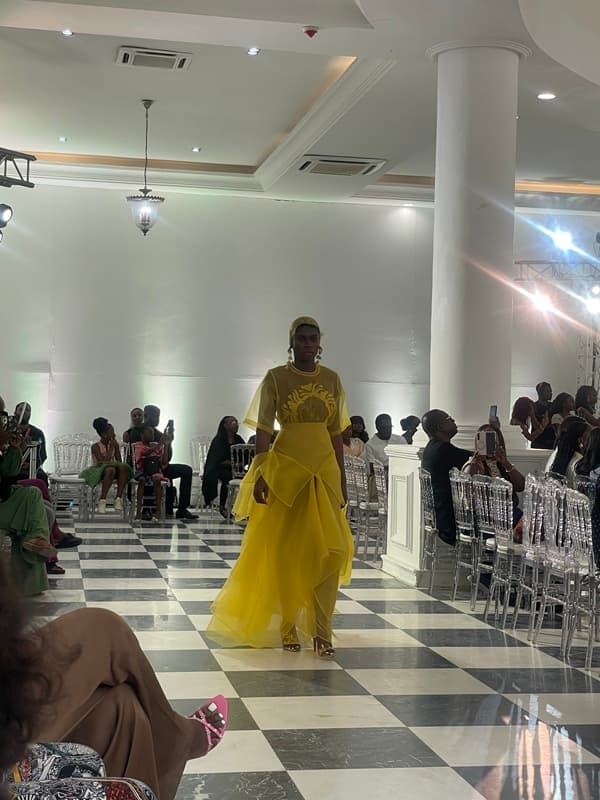 Photo Courtesy
Grand Prince Ita’s involvement strengthened the event’s connection to contemporary Nigerian media and style.
Wearing a look from the collection, he became part of the presentation rather than simply an observer.
The choice reinforced the idea that African fashion can move between the runway, public appearances, and everyday conversations about personal style.
Ultimately, the Ejiro Amos Tafiri Reverie Collection is held together by a clear creative direction.
Nature and daydreams inspire it, flowing fabrics create its sense of movement, and geometric embroidery gives it structure. Indigenous textiles add cultural depth, while the collection’s commercial focus connects its artistic ambitions to market needs.
The accompanying message about intellectual property adds another layer of importance to the presentation.
Tafiri argues that original work deserves protection and that the future of African fashion depends on more than producing visually appealing collections.
Designers must also preserve ownership of their ideas, earn from their work, and build businesses that support future generations of creatives.
For more than fifteen years, Ejiro Amos Tafiri has developed a design identity that draws on African textiles, technical skill, and carefully considered silhouettes.
With Reverie, she explores new creative territory while continuing to address the industry’s practical challenges.
The seventy-seven models, the ethereal colour palette, the detailed embroidery, and the call for stronger protection of original work all contribute to a presentation that connects fashion with a wider purpose.
As the collection moves from the runway towards retail, its impact will extend beyond the garments themselves.
Reverie reminds us that African fashion can attract attention, tell meaningful stories, and compete in wider markets. Its future, however, will depend on whether the industry can provide the legal, educational, and commercial support needed to protect that work.
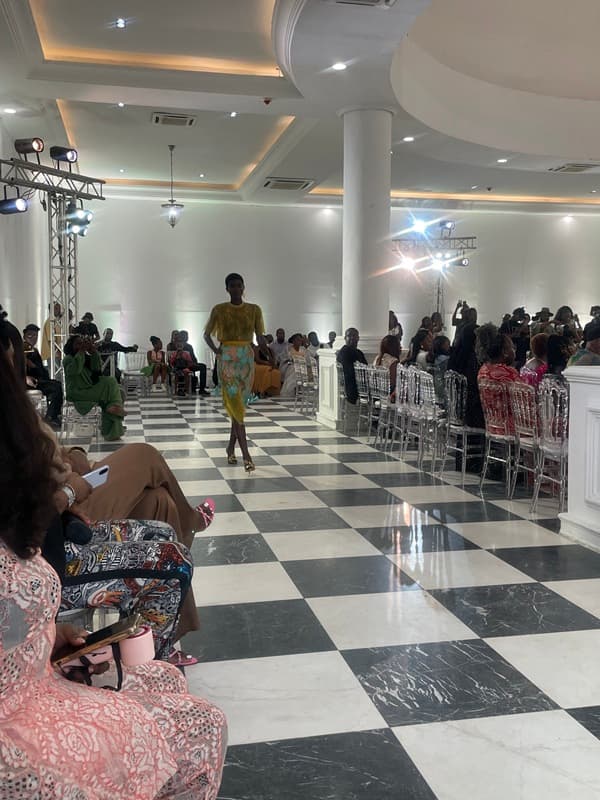 Photo Courtesy
The Ejiro Amos Tafiri Reverie Collection stands out as a notable moment in Lagos fashion in October 2026. It celebrates the possibilities of African design while asking an important question about what comes next.
For the continent’s fashion industry to reach its full potential, creators need the tools to develop their ideas, the protection to defend their work, and the opportunities to turn their creativity into lasting businesses.
Through Reverie, Tafiri brings that conversation into focus, making the collection both a celebration of design and a call to build a stronger future for African fashion.
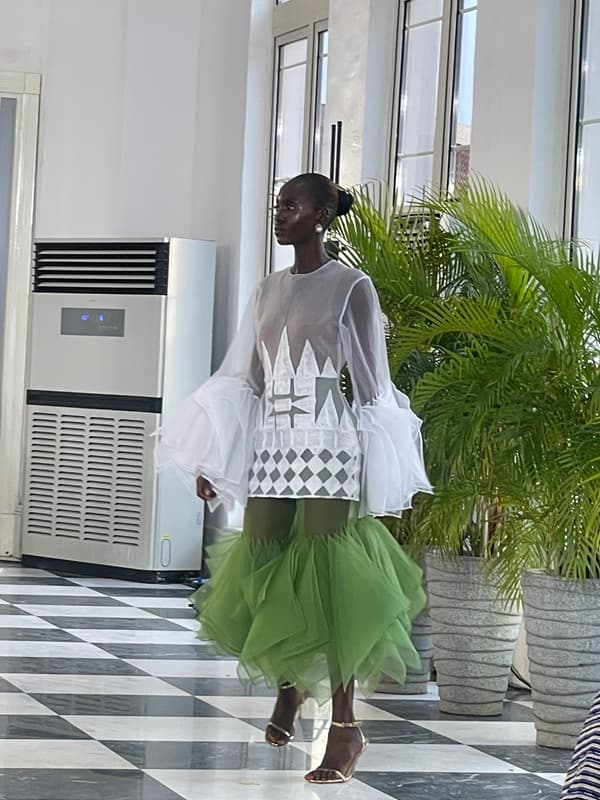
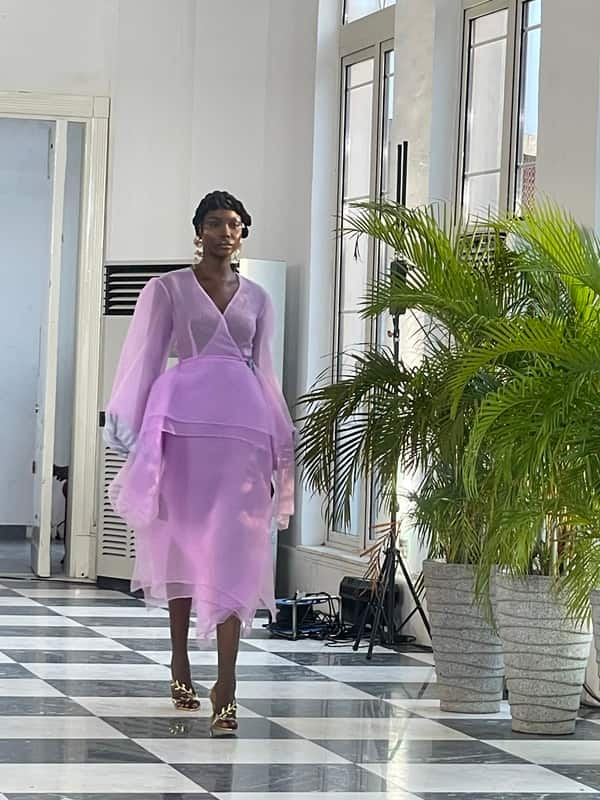
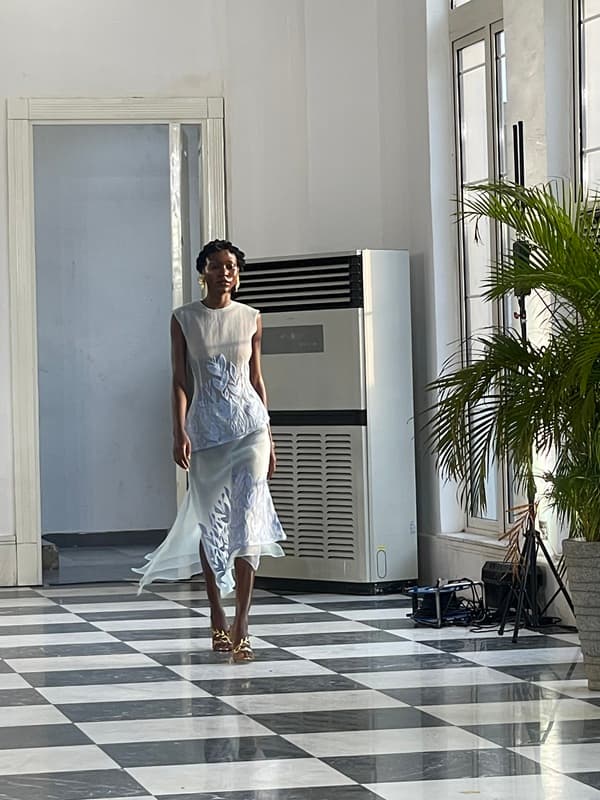
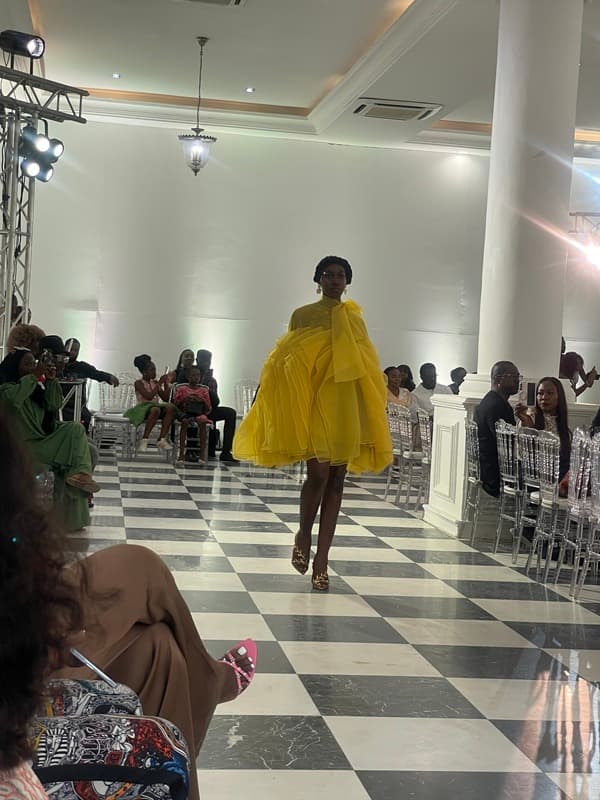
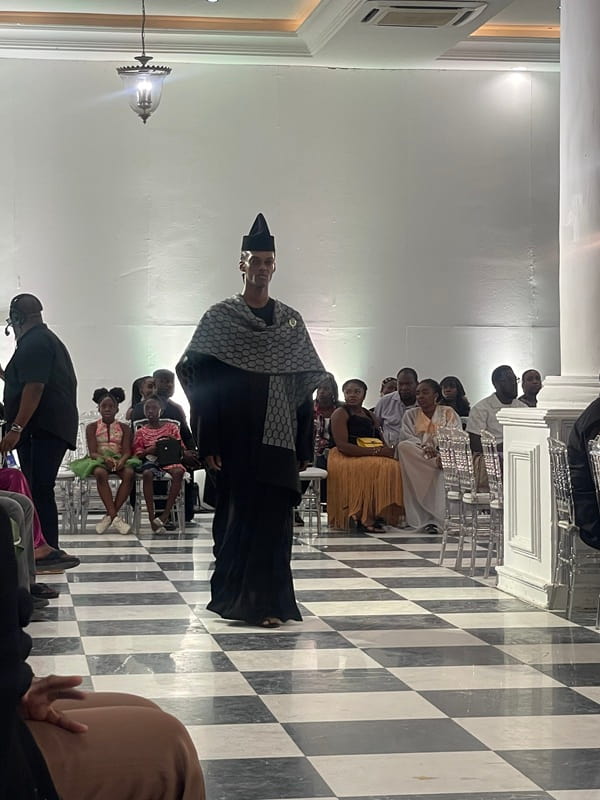
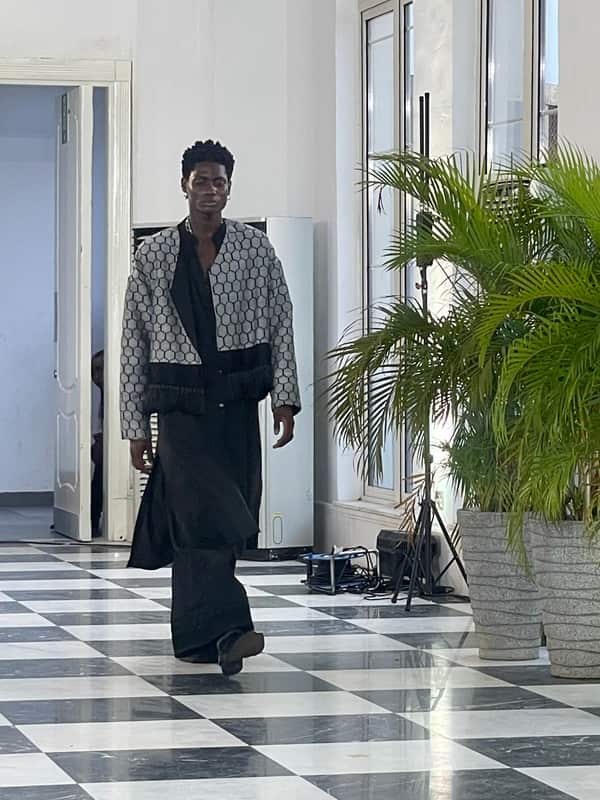
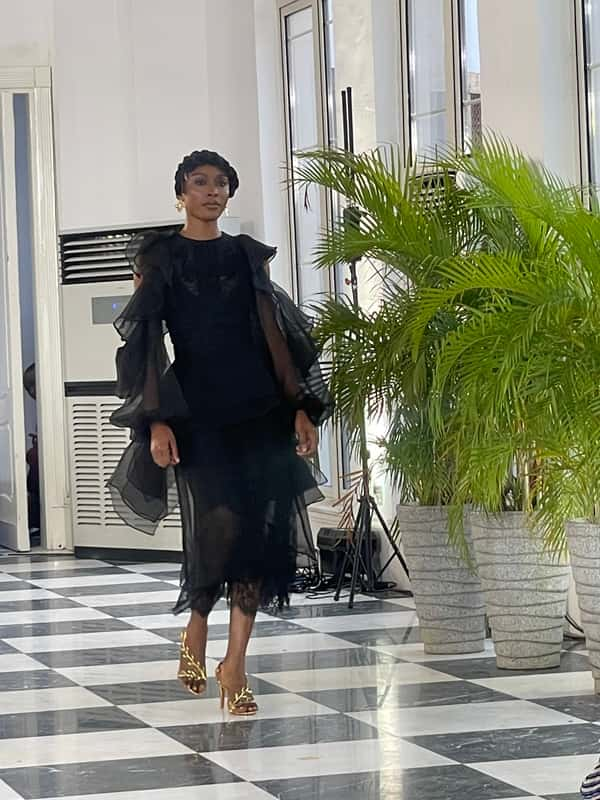
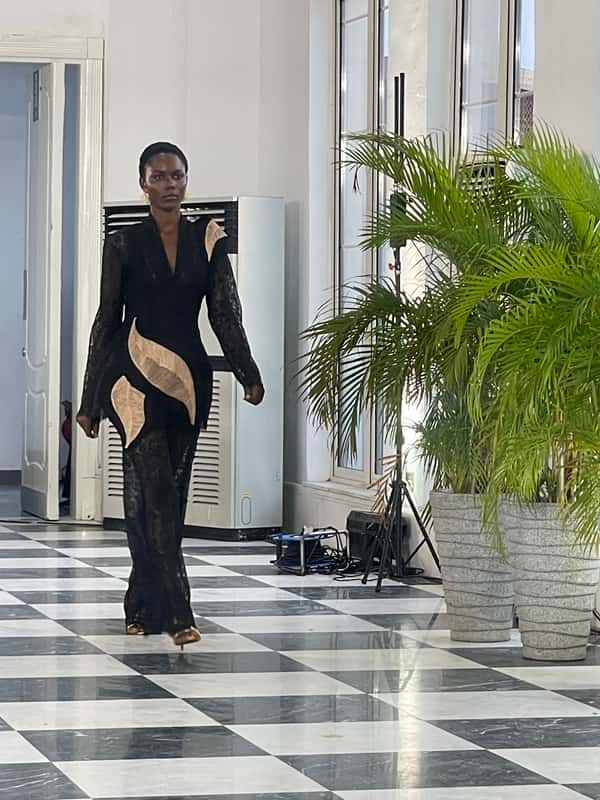
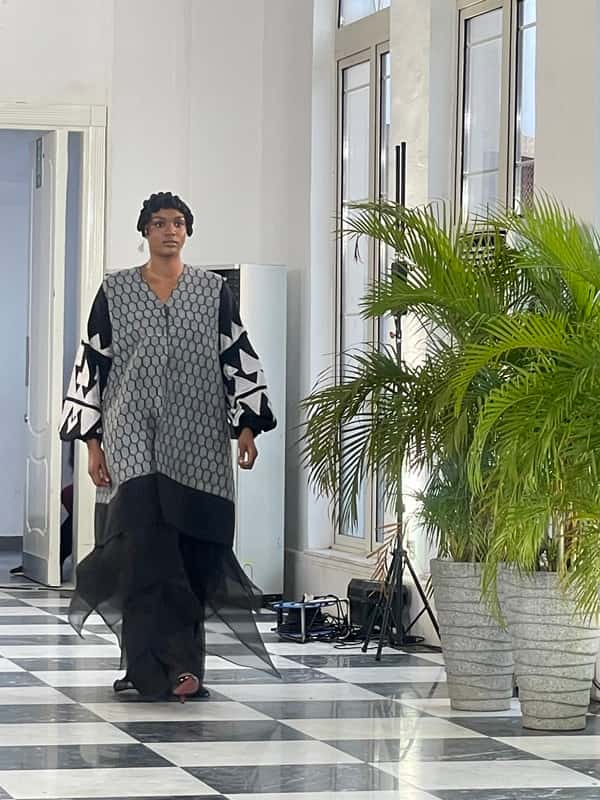
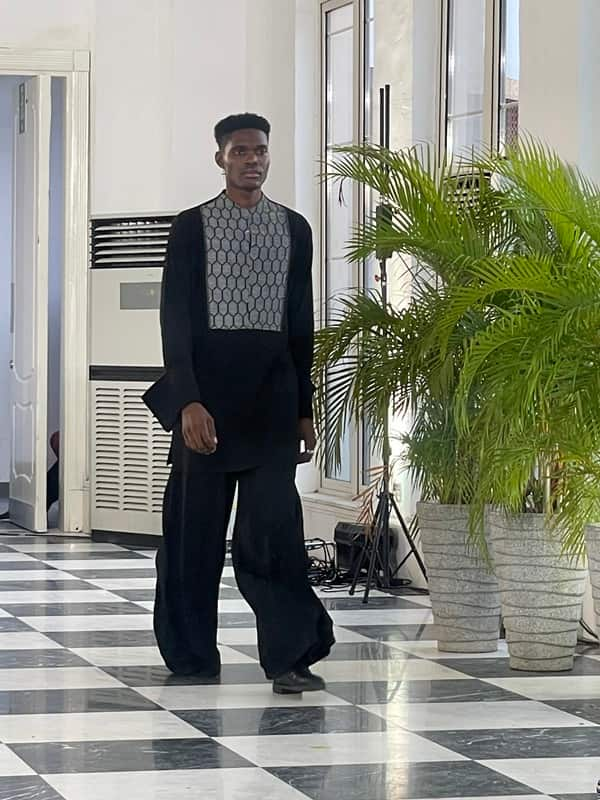
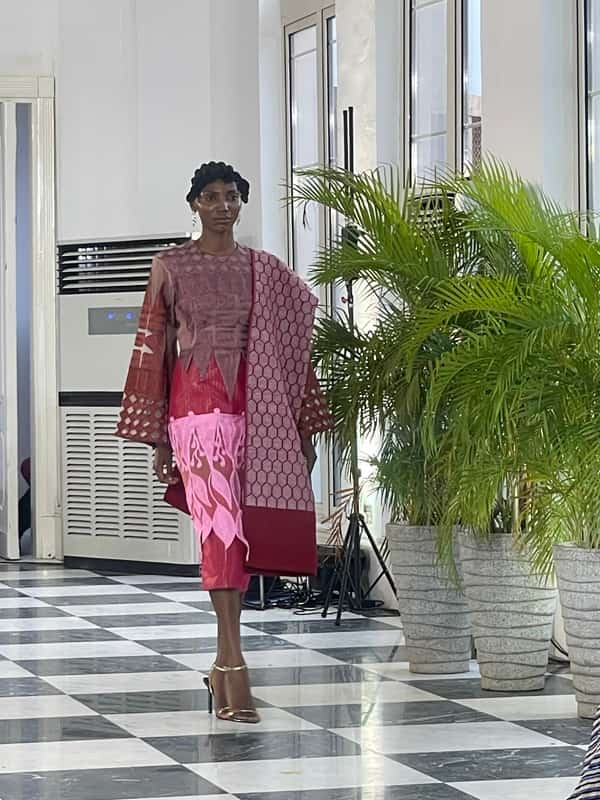
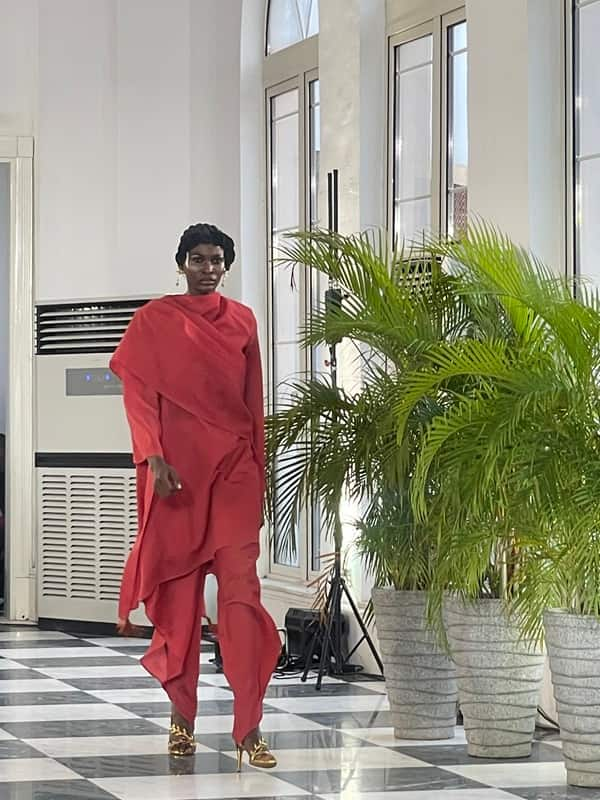
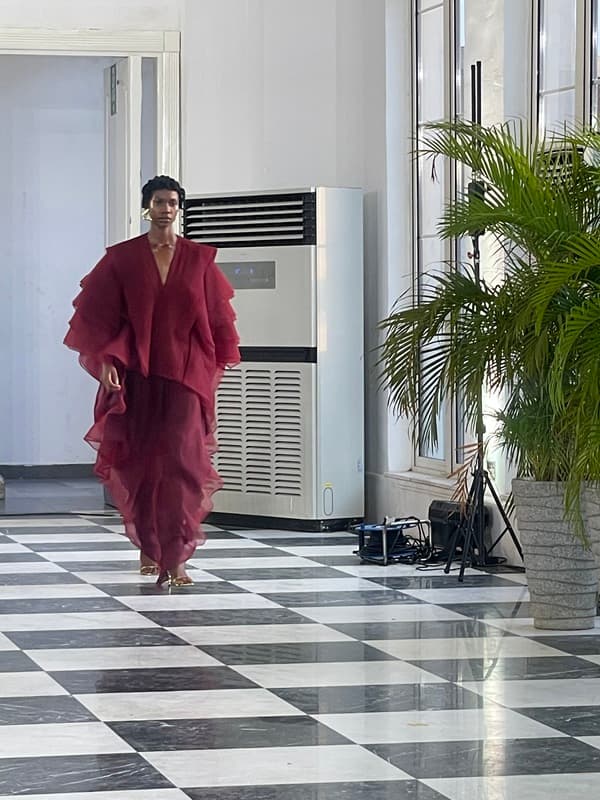
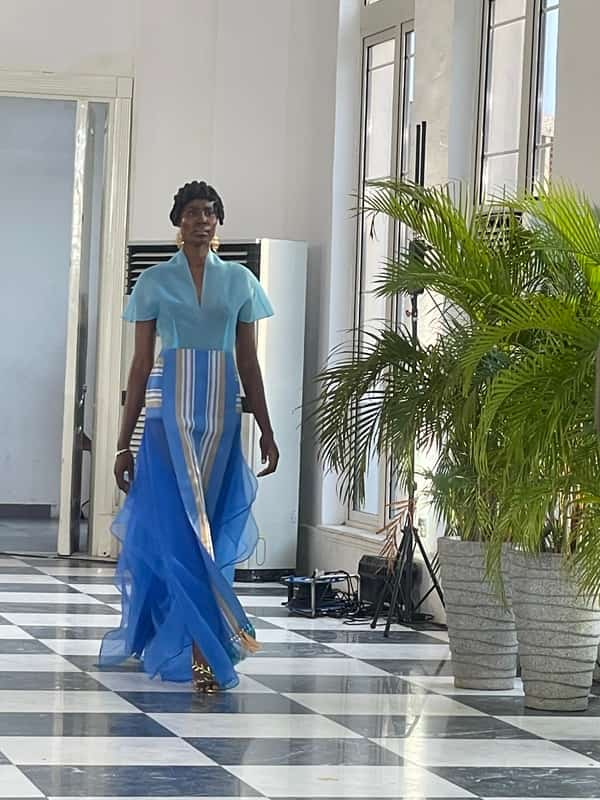
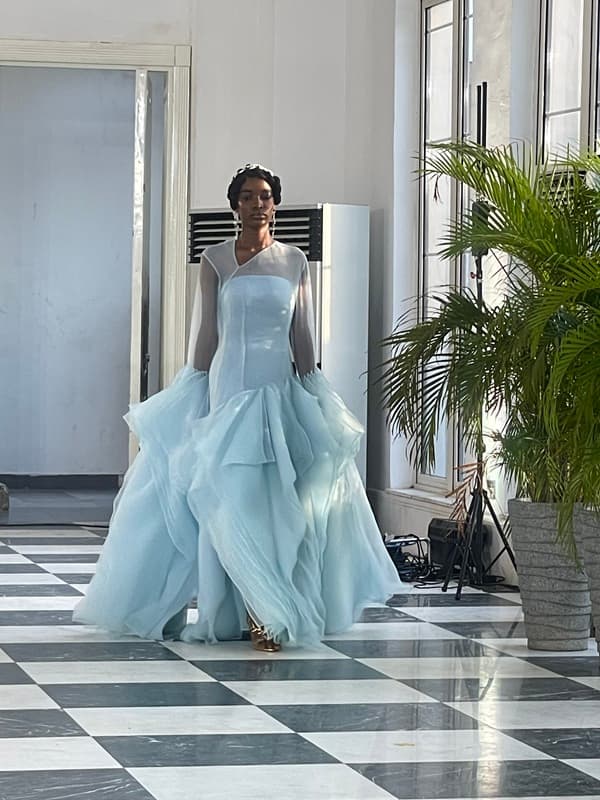
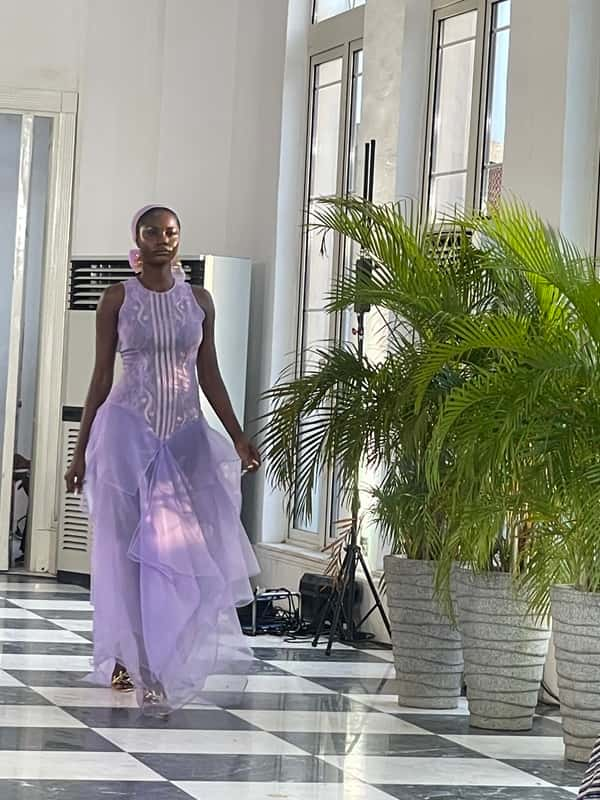
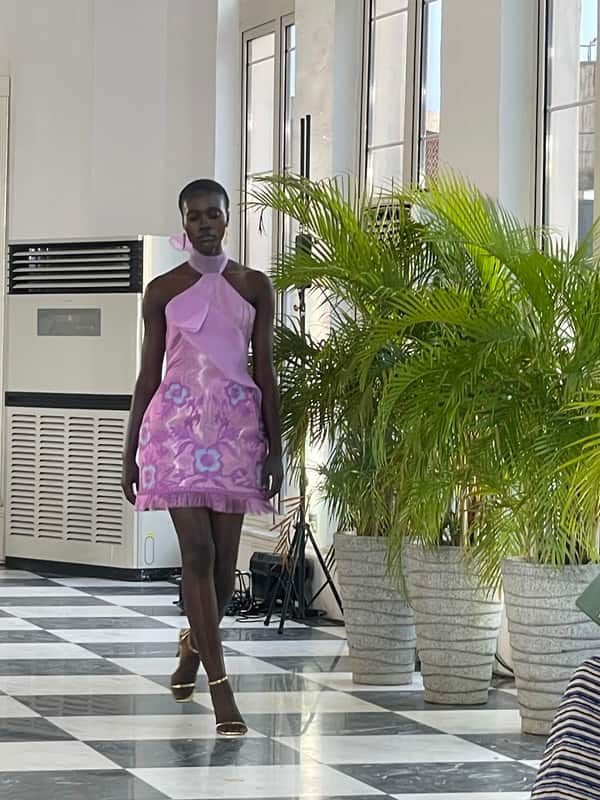
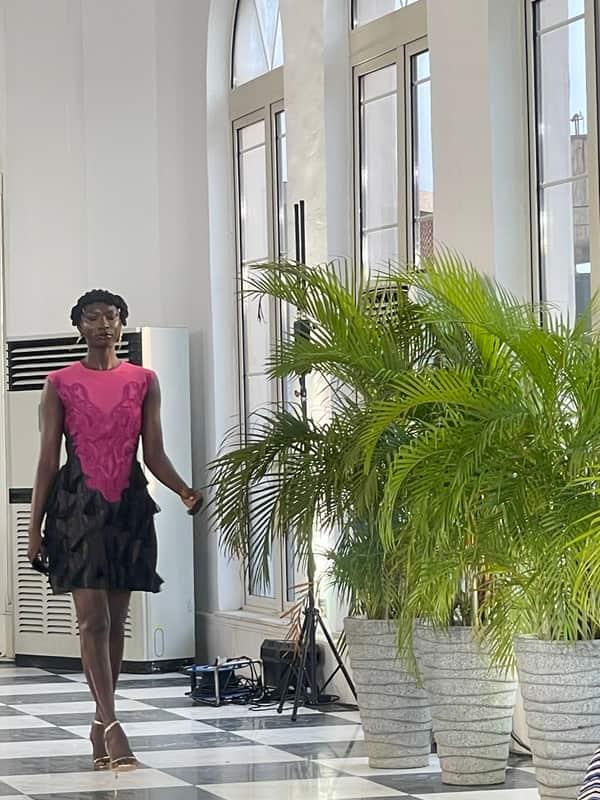
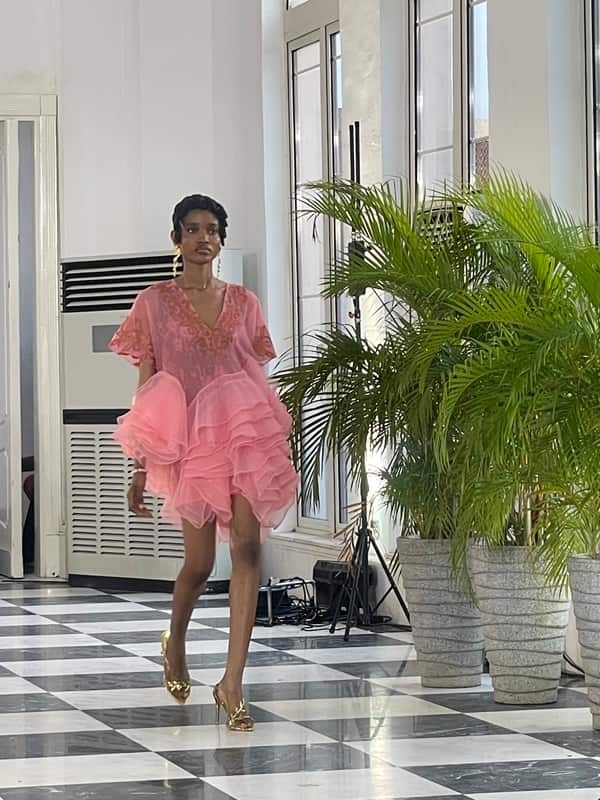
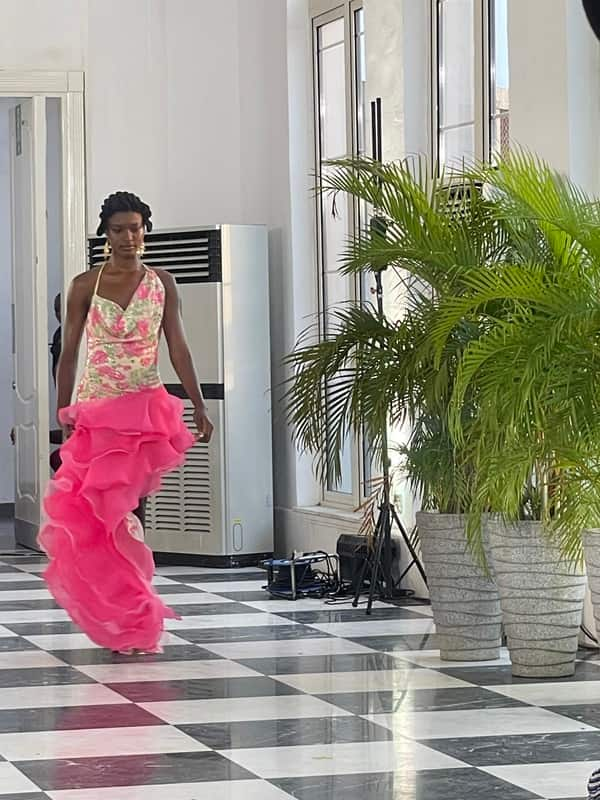
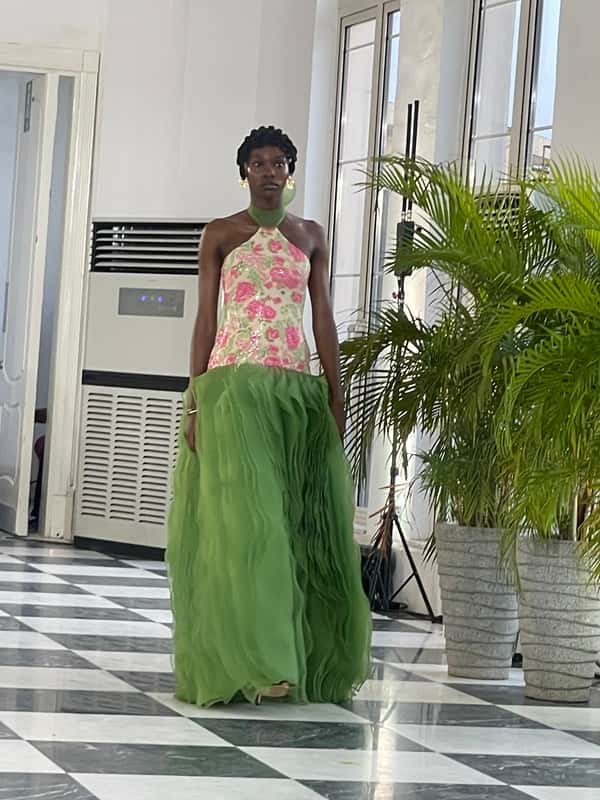
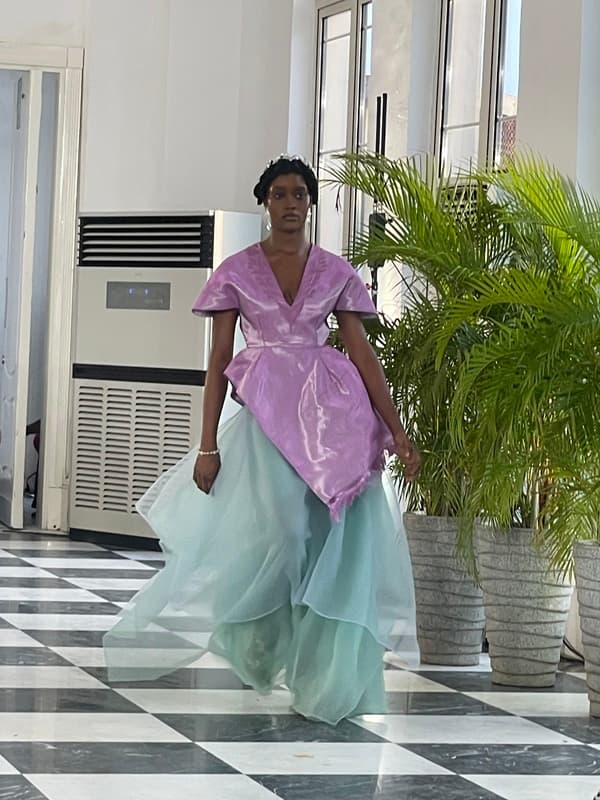
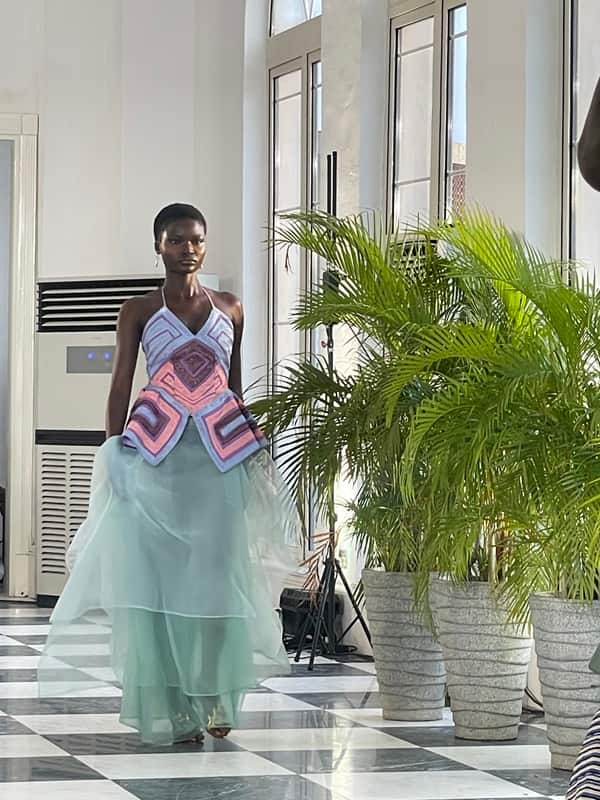
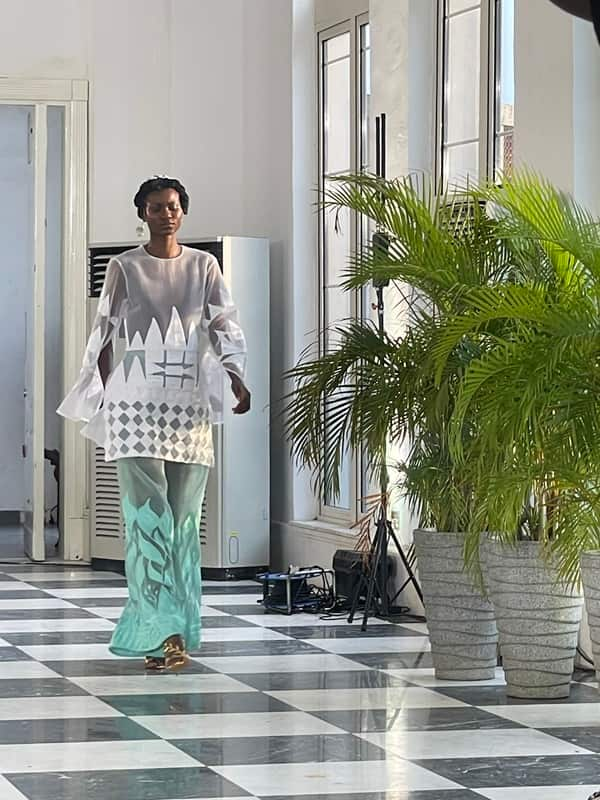
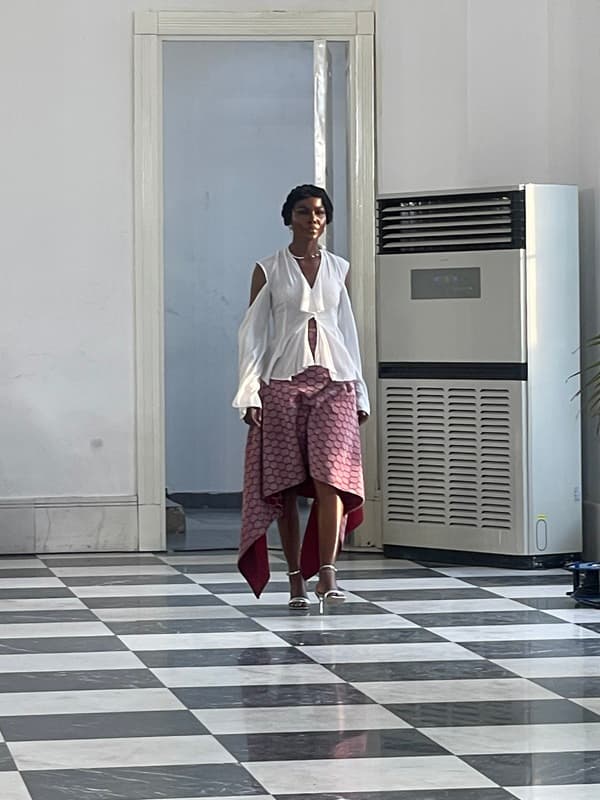
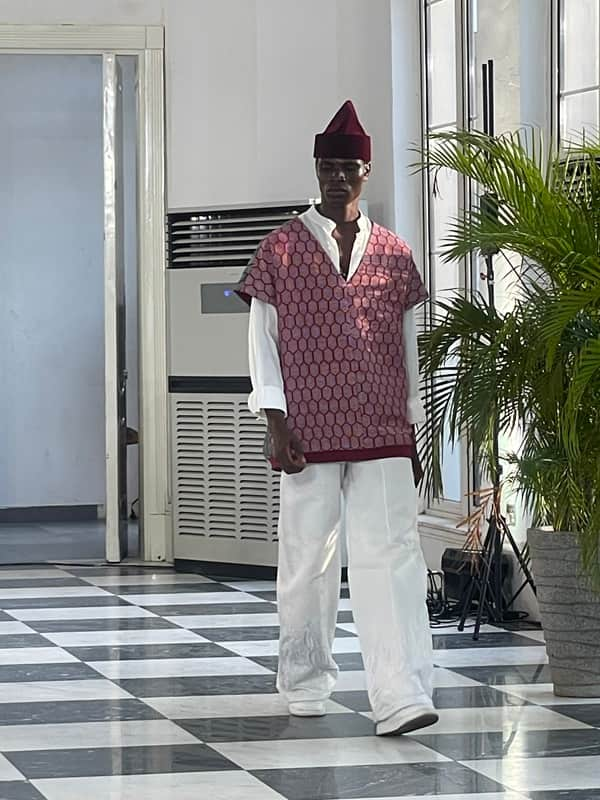
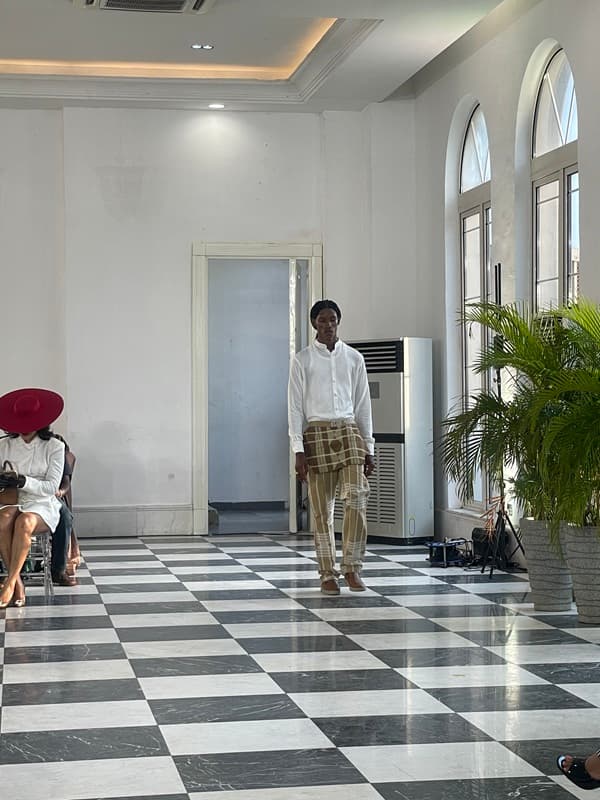
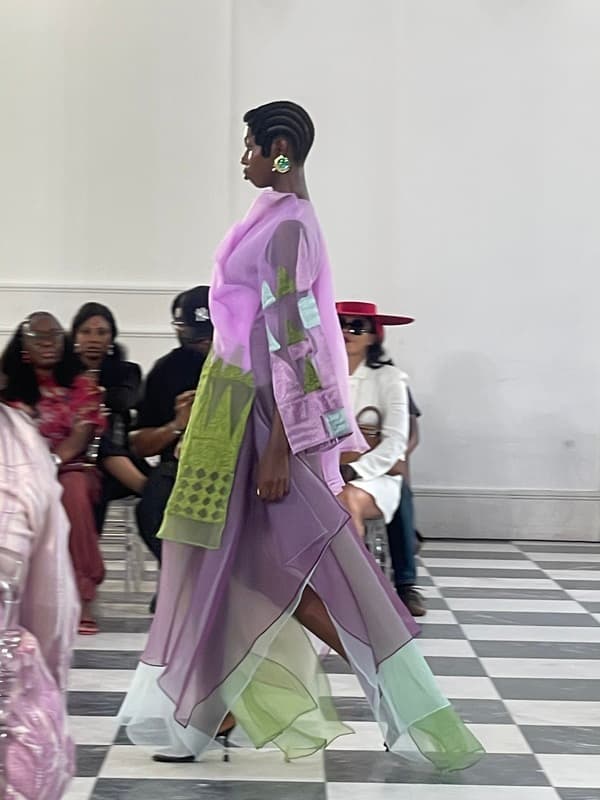
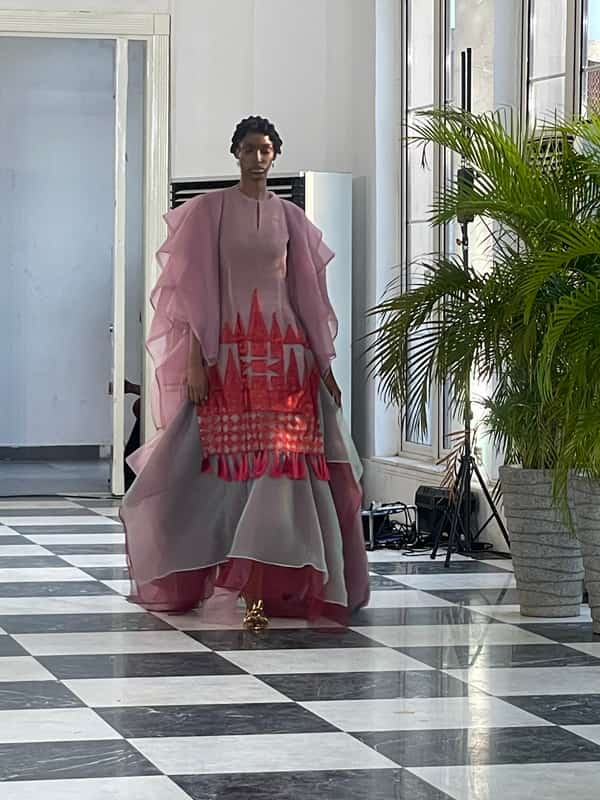
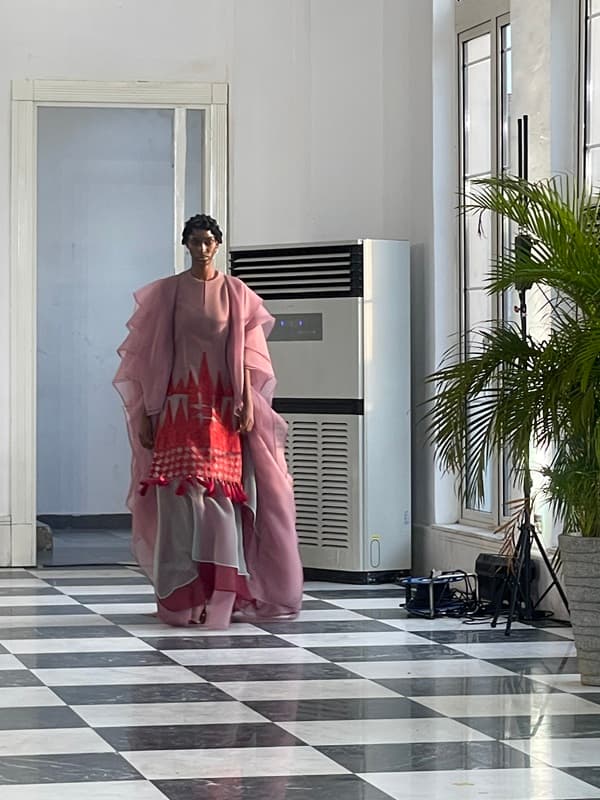
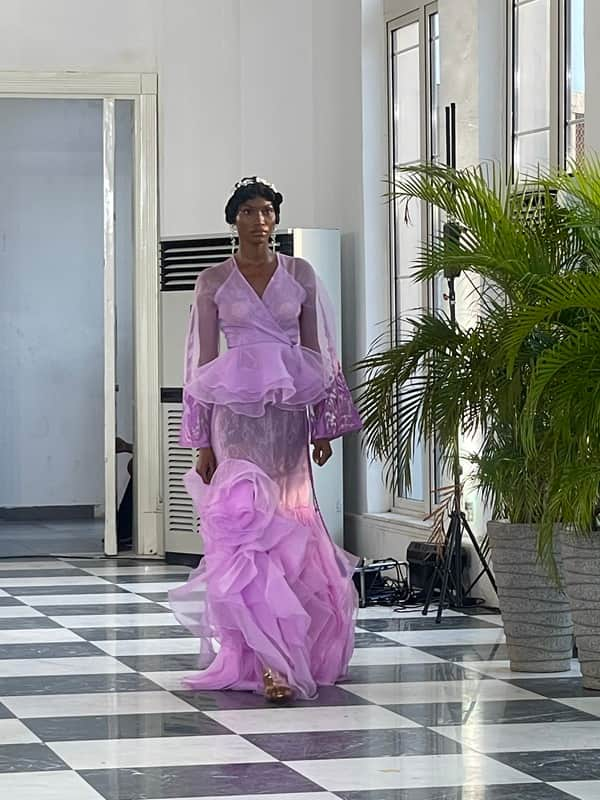
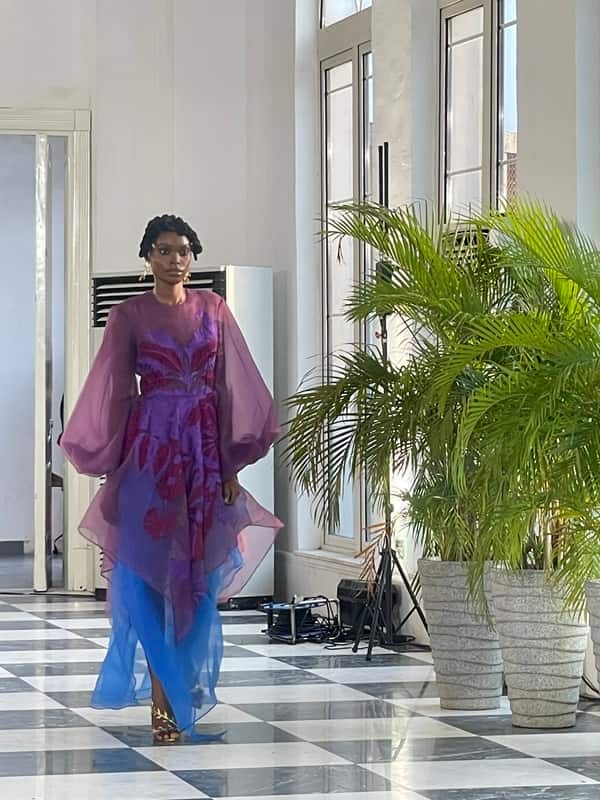
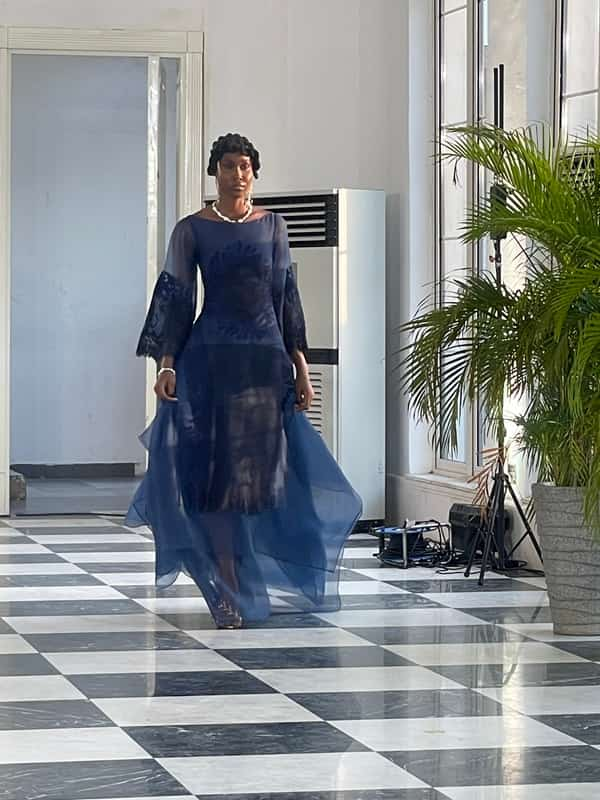
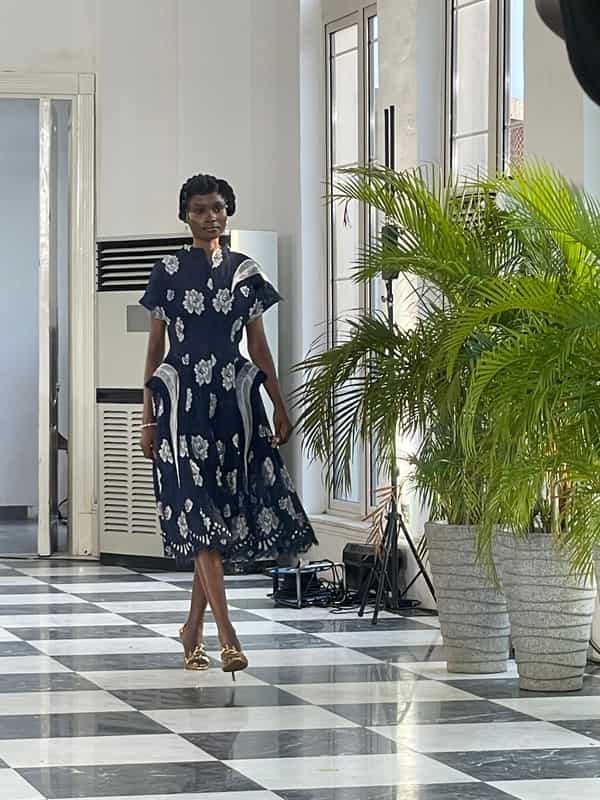
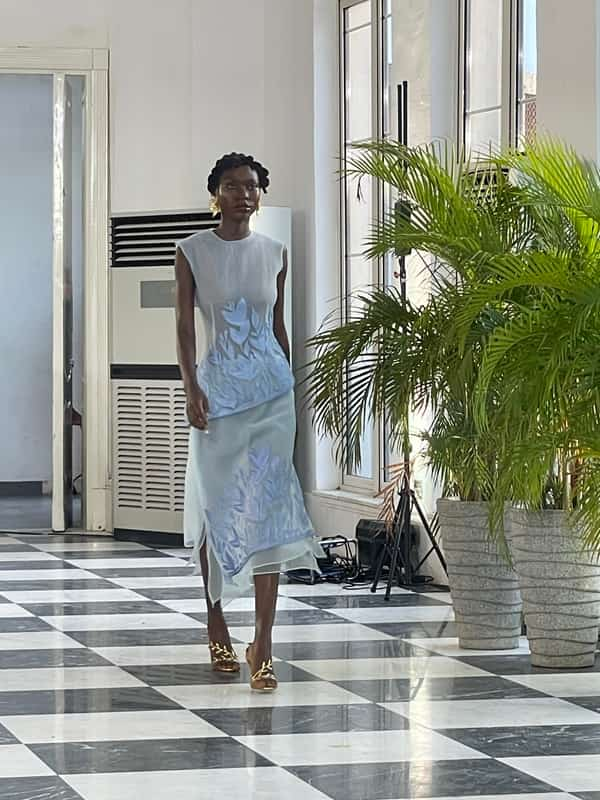
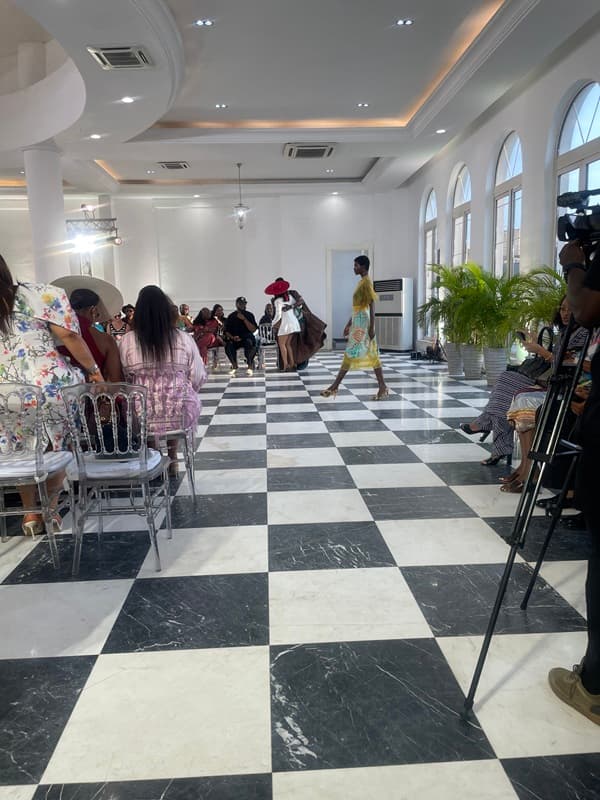
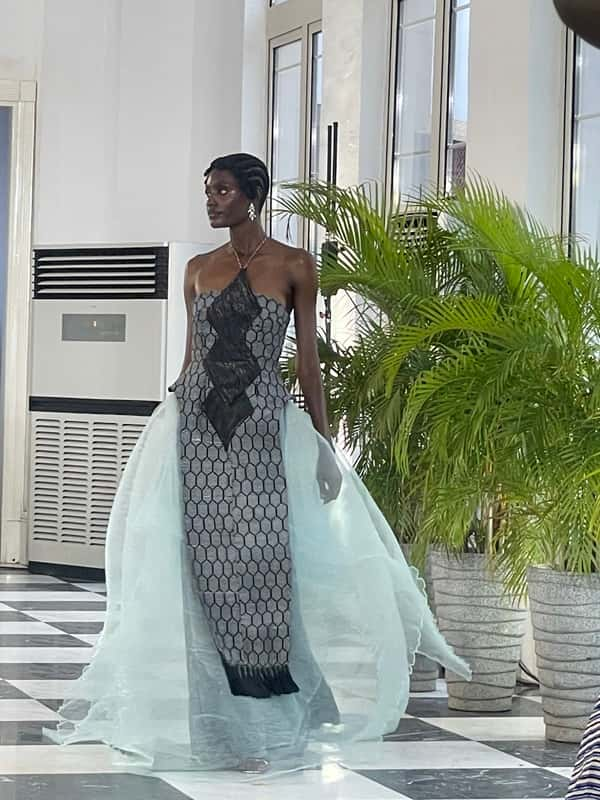
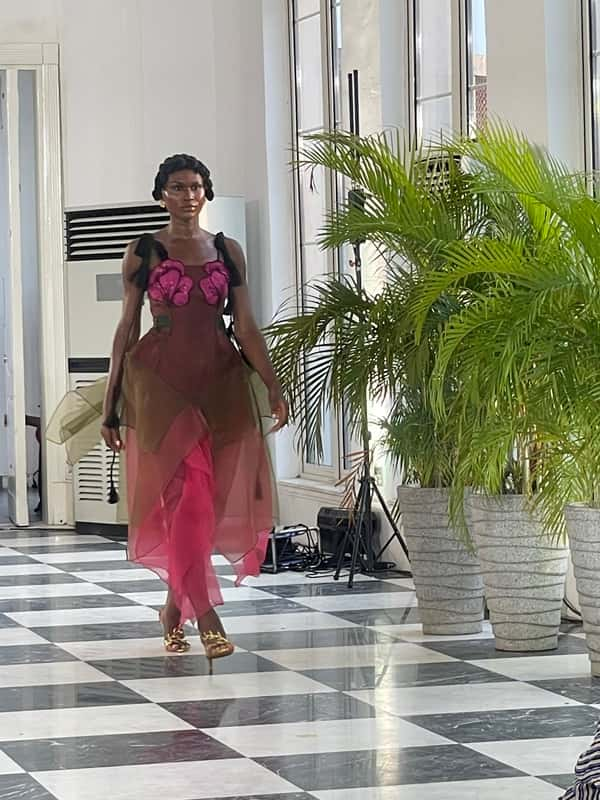
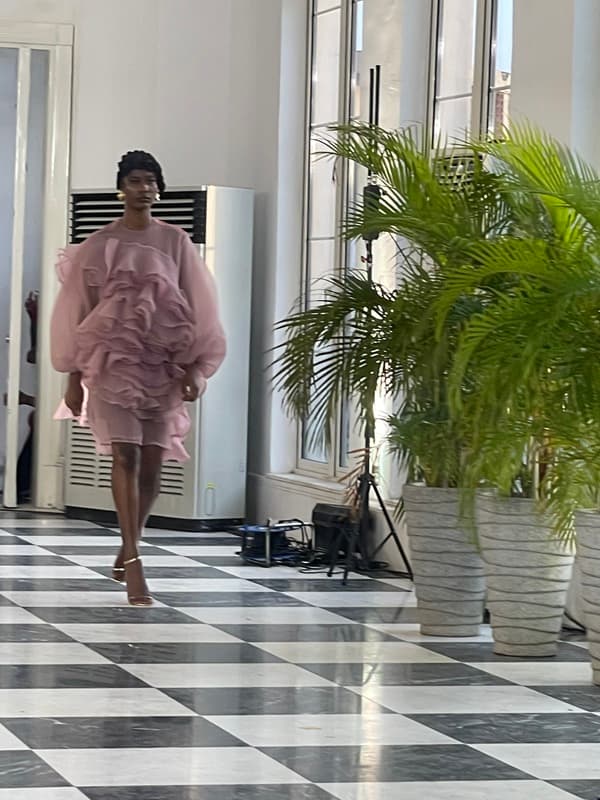
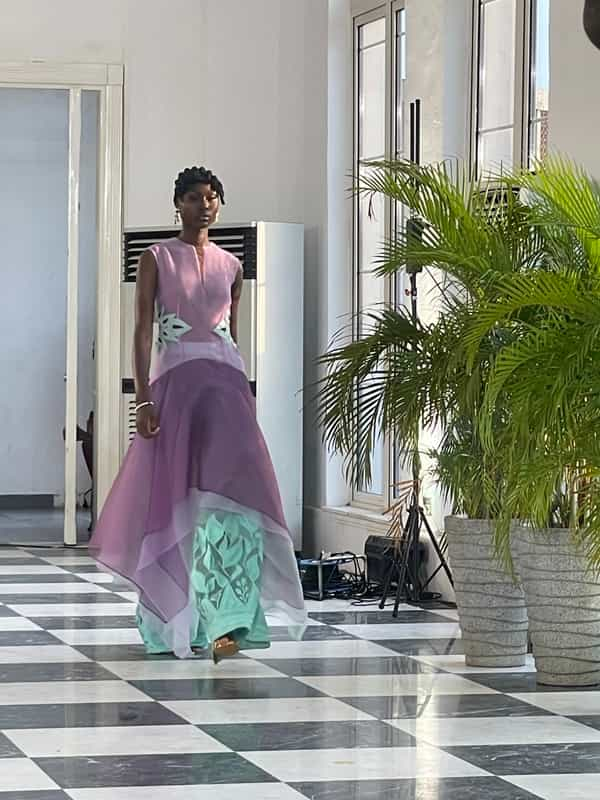
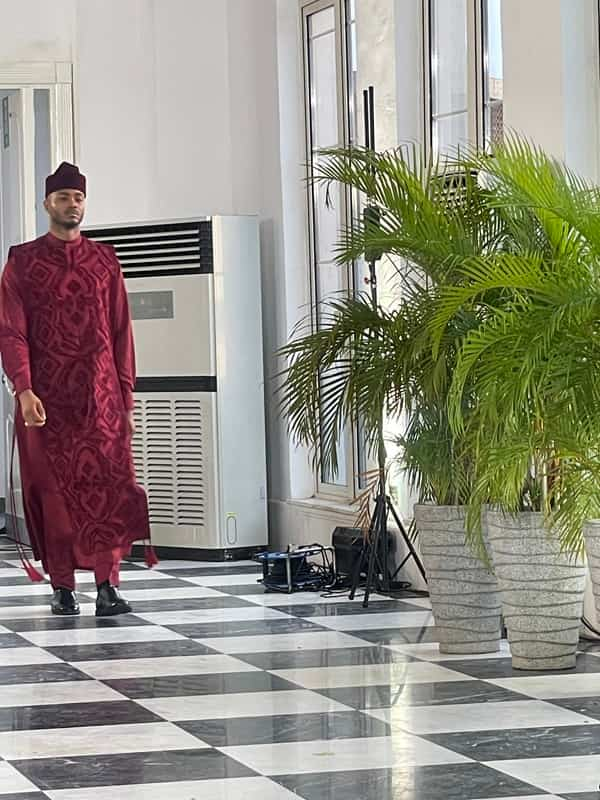
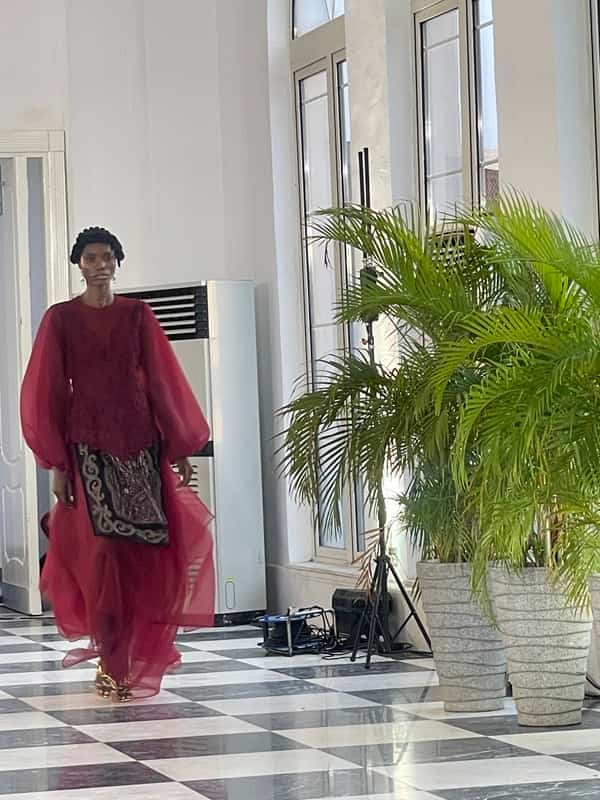
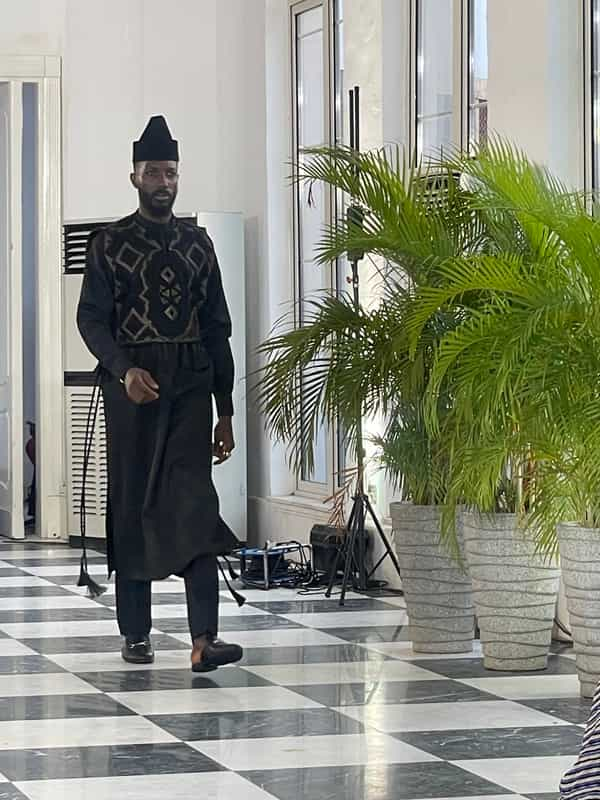
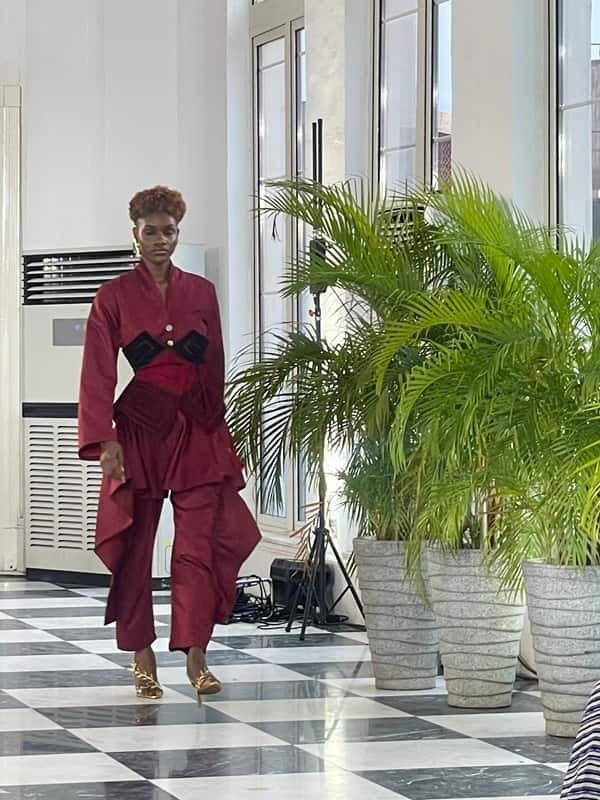
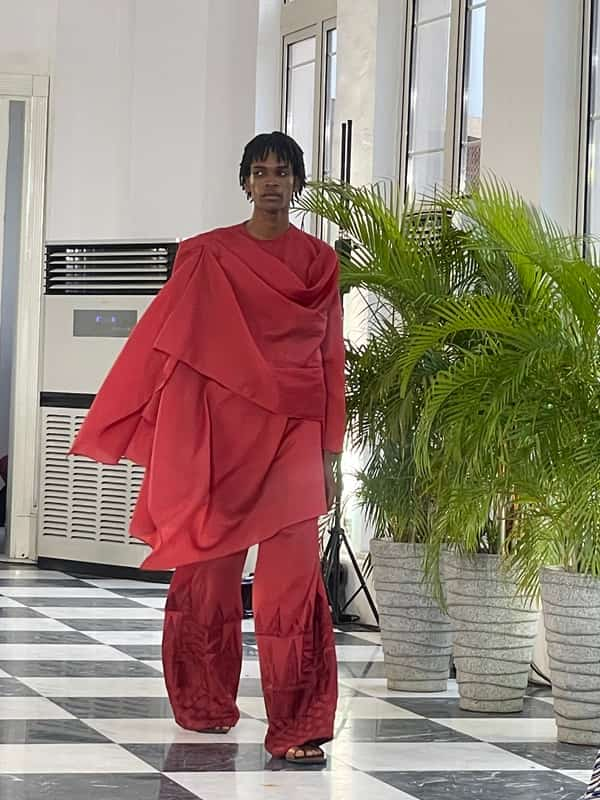
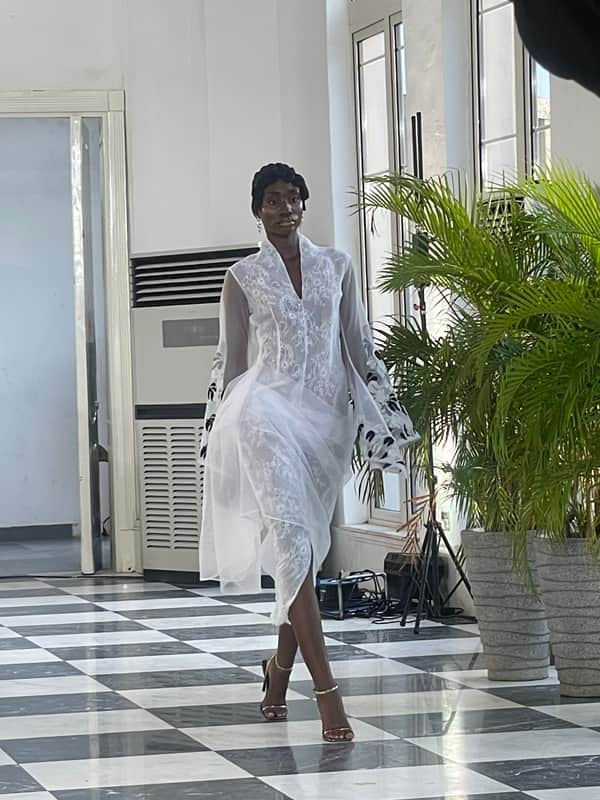
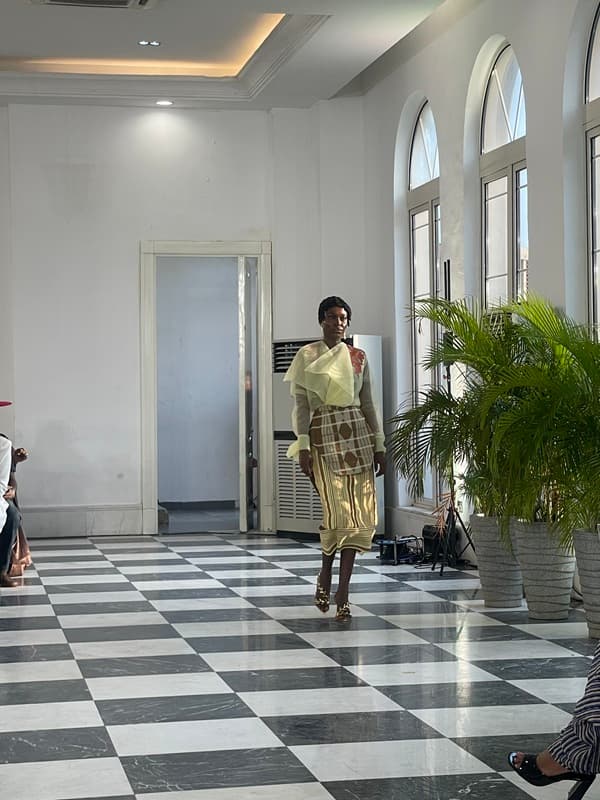
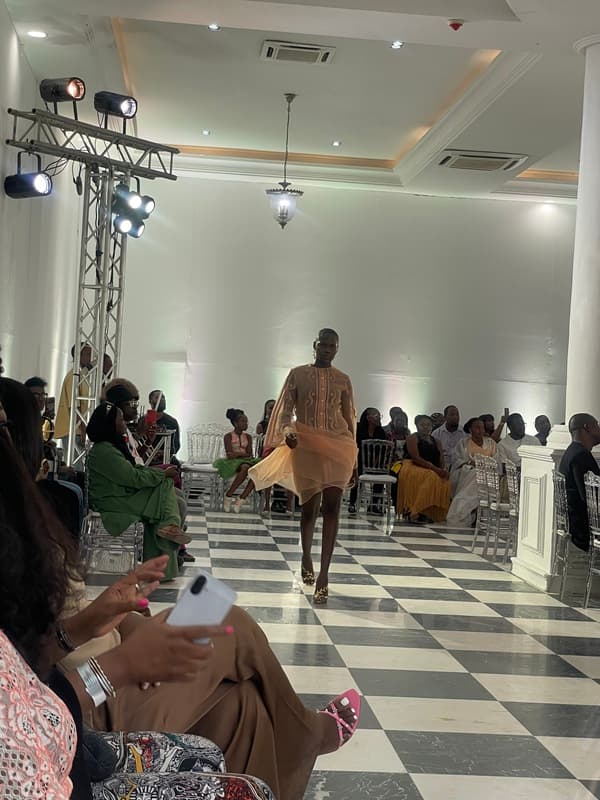
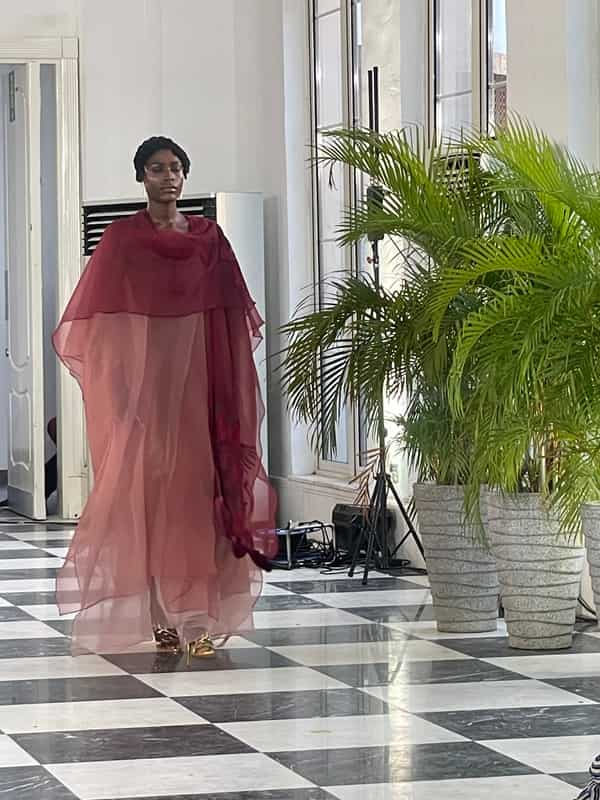
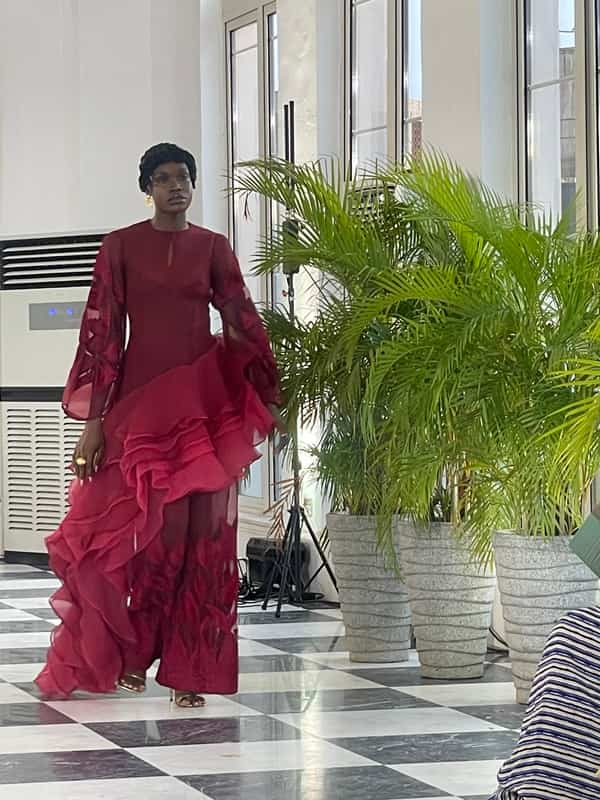
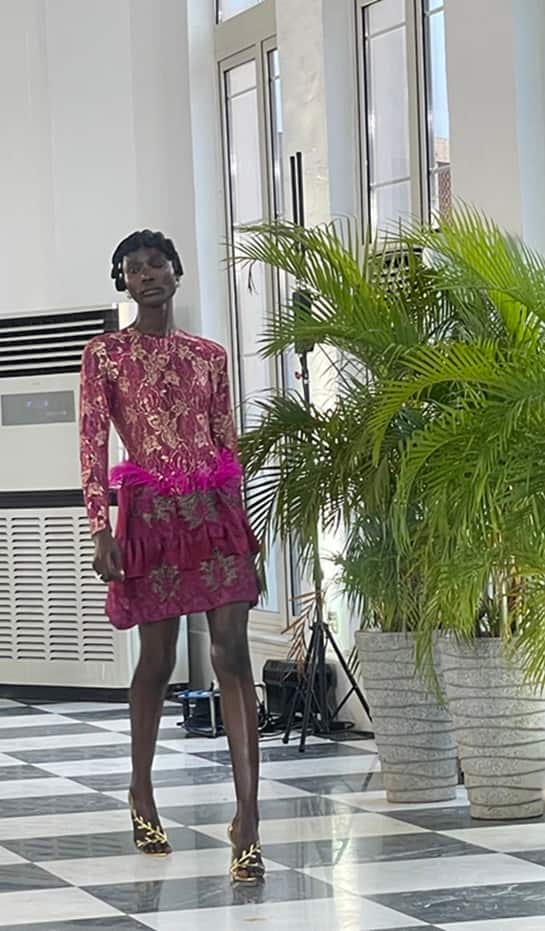
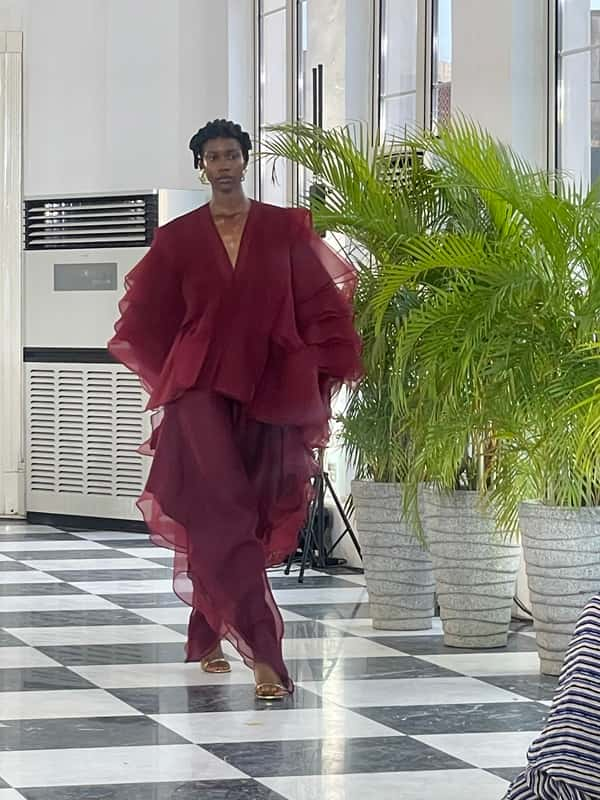
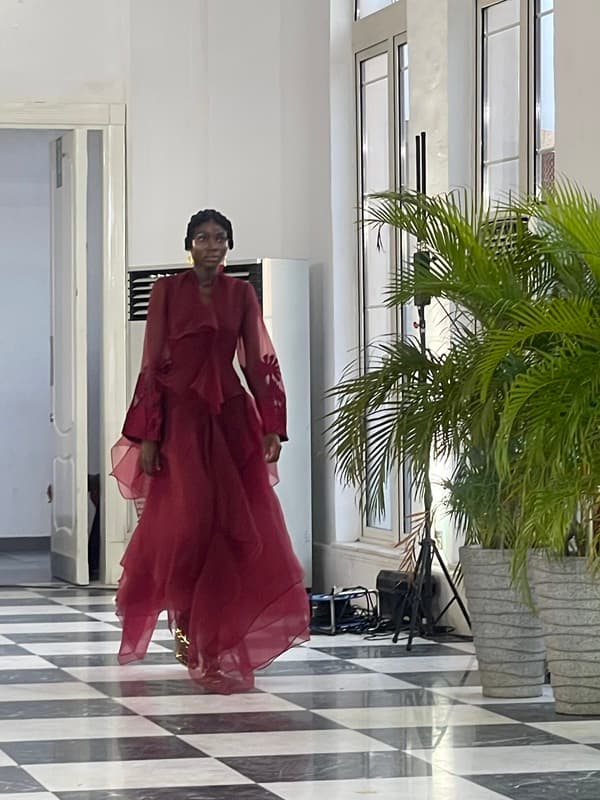
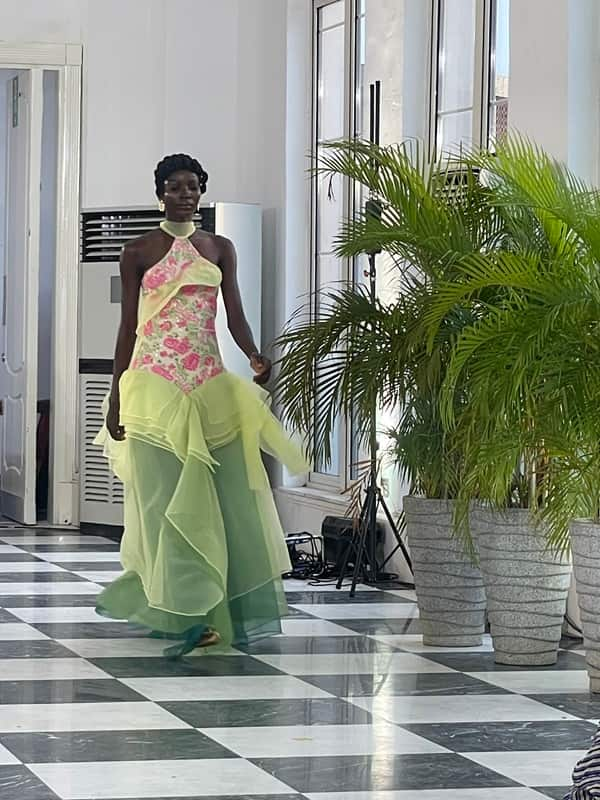
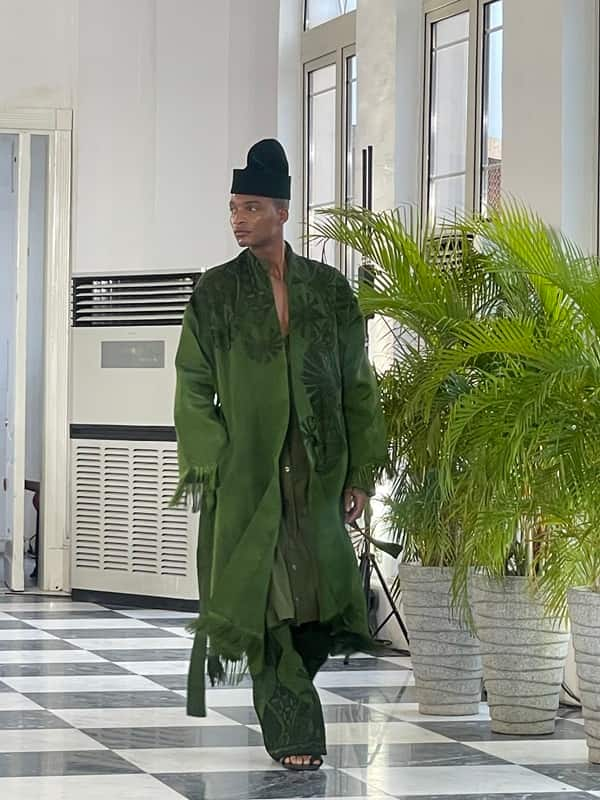
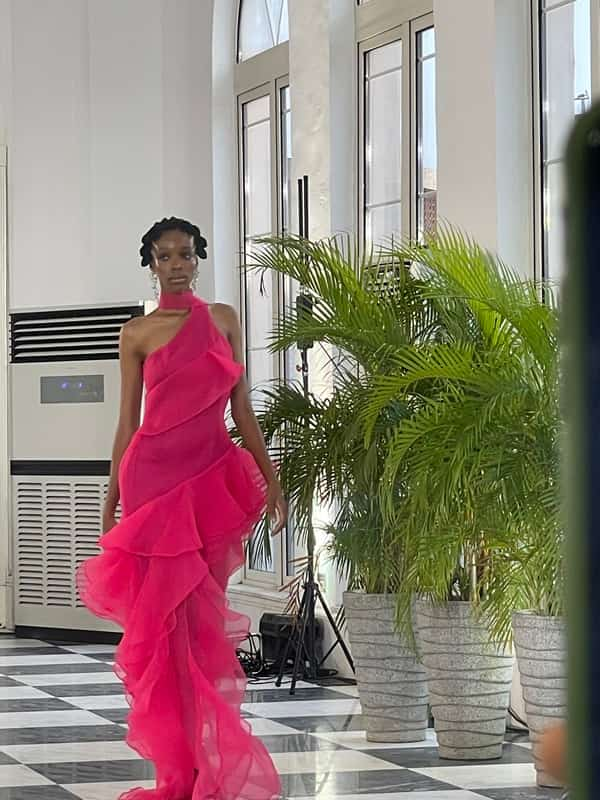
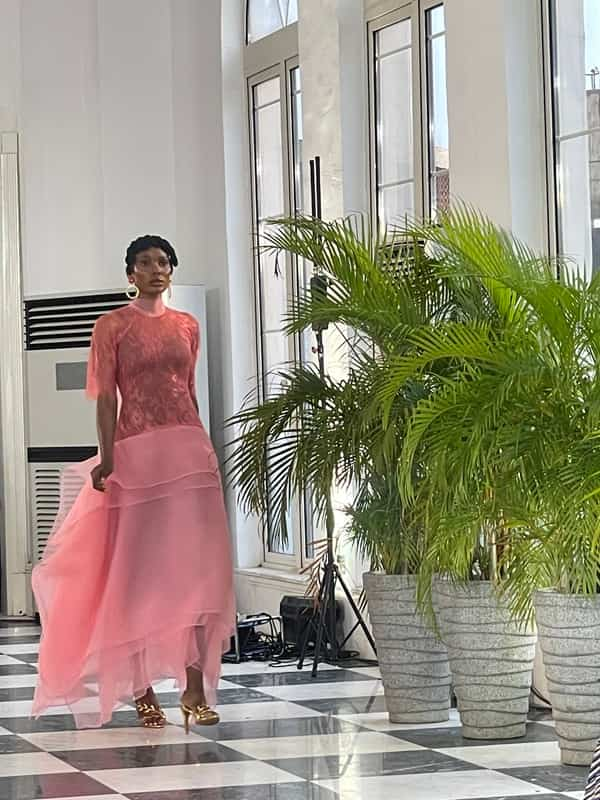
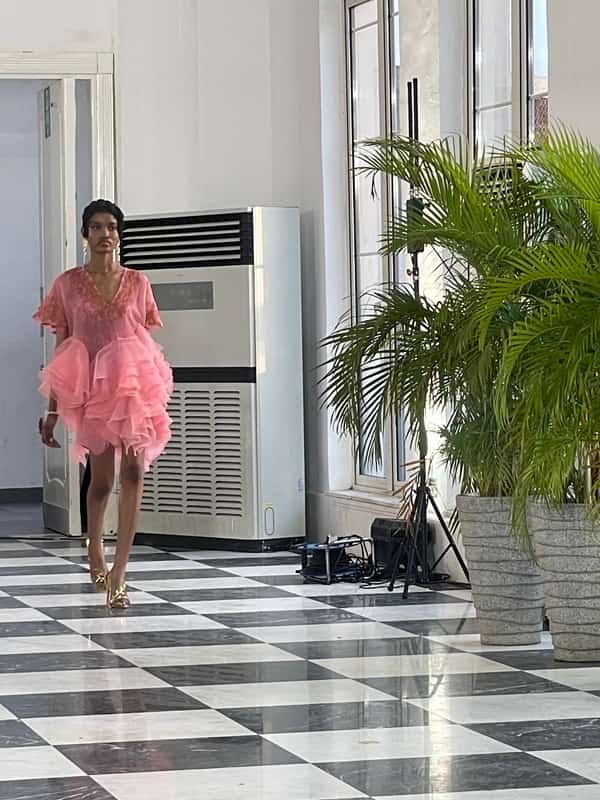
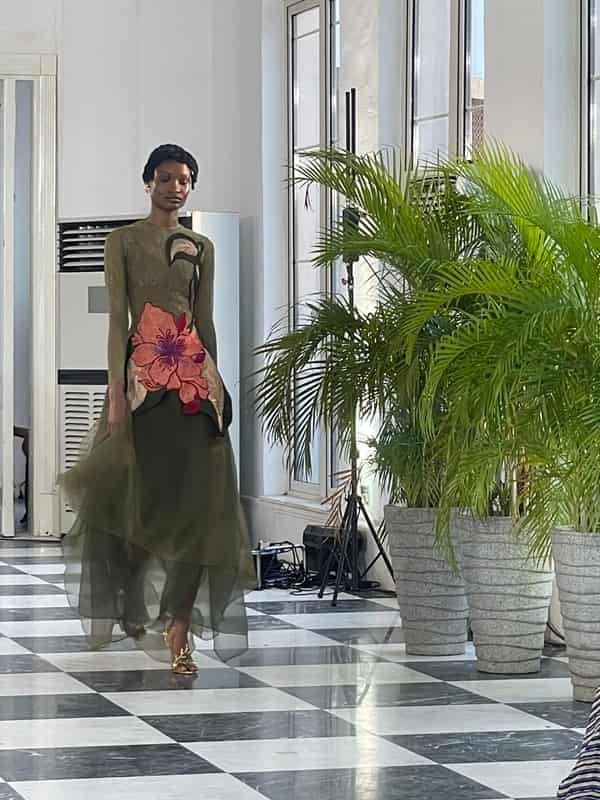
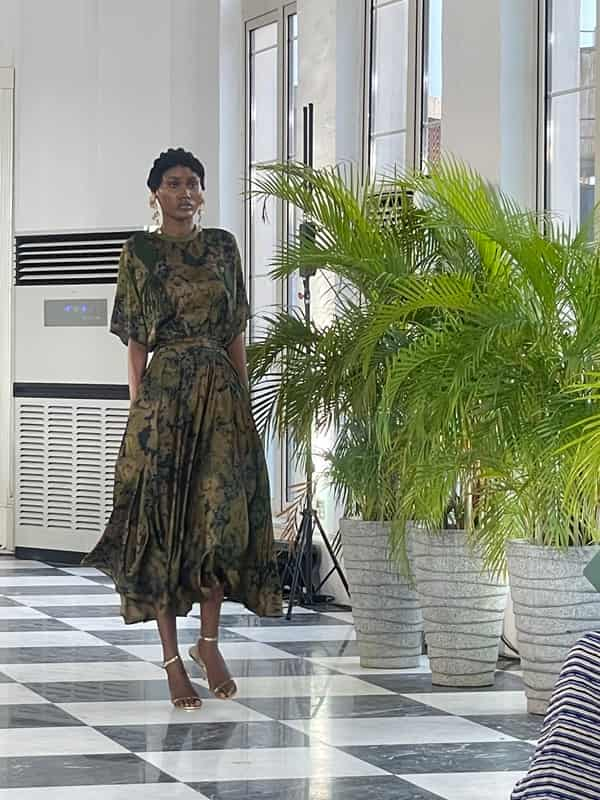
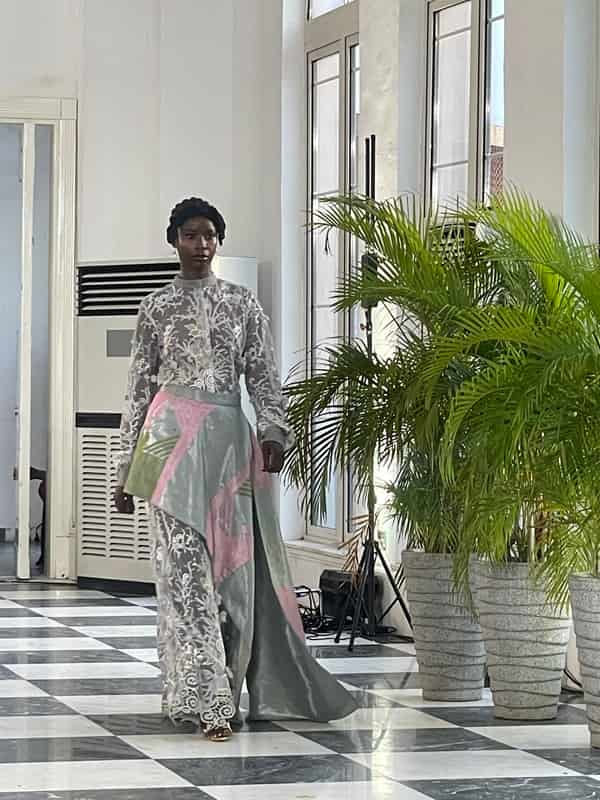
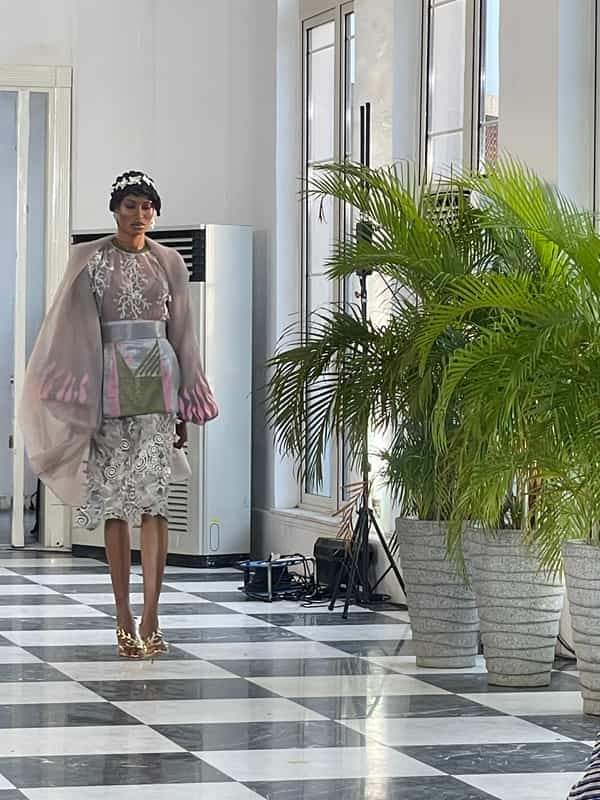
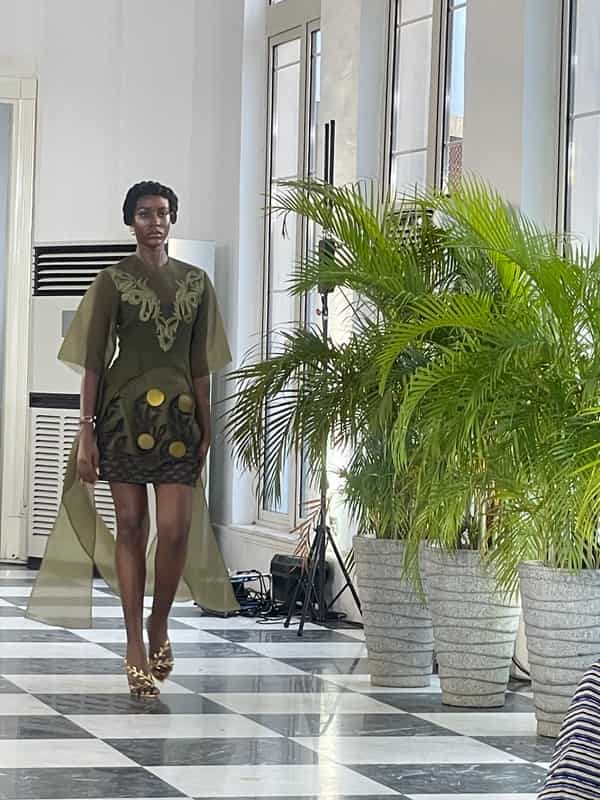
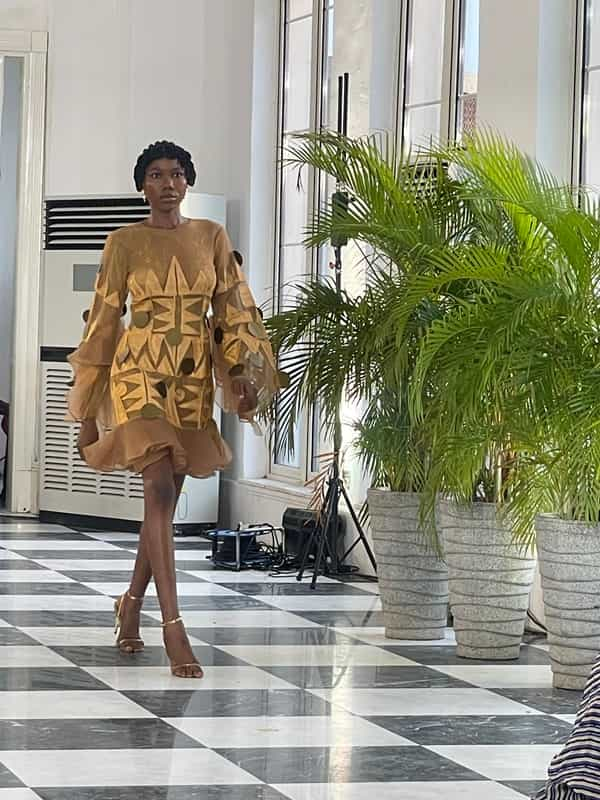
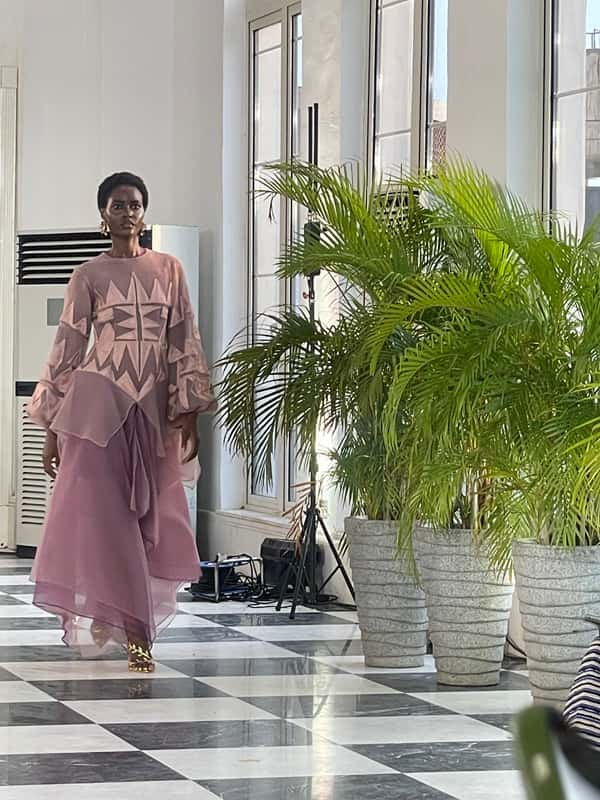
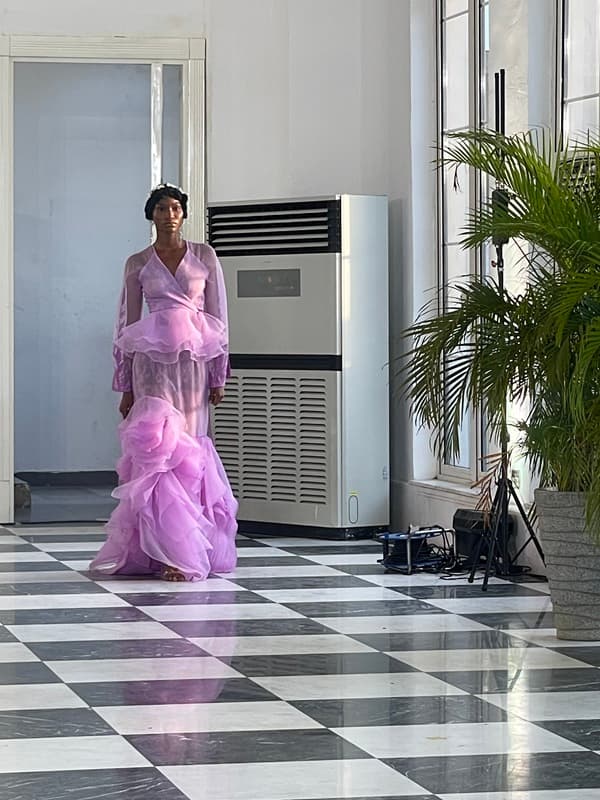
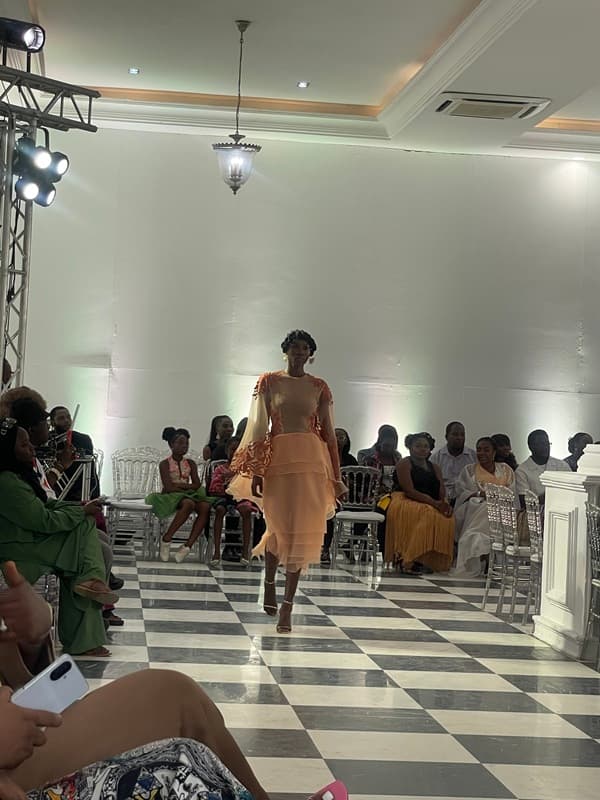
Photo courtesy of Fashion Police Nigeria
You May Also Like:
Why Nigerian Party Fashion Hits Different
South African Fashion Week 2026 Returns to Johannesburg with David Tlale Opening the AW27 Runway
7 Fashion Trends to Watch at the 2026 Lagos Fashion Week
Lagos Fashion Week 2026: What to Wear, Know and Expect

7 Emerging Fashion Designers We Would Love to See at Lagos Fashion Week 2026
9 Reasons You Should Attend (or Watch) Lagos Fashion Week 2026
Maxhosa Africa: The First South African Fashion Brand Showcasing at Paris Fashion Week
Method Dressing Among Nigerian Celebrities: Are We Finally Getting It Right?
Camcassid: The Sustainable Fashion Brand Turning Textile Waste into Wearable Art
The 2026 Africa Fashion Week London was a Defining Moment for African Fashion
What Does Luxury Fashion Mean to an African?
African Fashion Weeks 2026: Biggest Trends and Highlights


Esther Ejoh is a Fashion Editor at Fashion Police Nigeria, where she writes all things fashion, beauty, and celebrity style, with a sharp eye and an even sharper pen. She’s the girl who’ll break down a Met Gala look one minute, rave about a Nigerian beauty brand the next, and still find time to binge a movie or get lost in a novel. Style, storytelling, and self-care? That’s her holy trinity.