Published: November 13, 2026 Last Updated 11 hours ago by FPN
A designer dress can cost hundreds of thousands of Dollars or Naira and still leave you wondering what makes it worth the price.
Perhaps the fabric is ordinary, the finishing is disappointing, or the design looks much like something available elsewhere for considerably less.
Yet the garment may still be presented as luxury fashion simply because of its price.
This is becoming an increasingly familiar fashion conversation, including within Nigerian fashion.
As local designers build brands across ready-to-wear, bespoke clothing and occasionwear, customers are paying closer attention to what their money actually gets them.
A high price can suggest quality, exclusivity or skilled craftsmanship, but those qualities do not always come together in the finished garment.
Part of the problem is how freely the word luxury is used.
A dress covered in crystals is called luxurious.
An outfit made from expensive fabric is automatically placed in the luxury category.
A fashion designer raises prices, and the brand begins to describe its collections as luxury. The difference between expensive and luxurious becomes increasingly difficult to recognise.
But the two are not interchangeable.
Luxury fashion involves a level of quality, design, craftsmanship and customer experience that a high price alone cannot guarantee.
And when every expensive outfit receives the same label, we lose a useful way of recognising what makes certain pieces genuinely special.
What Makes an Outfit Luxury?
There are plenty of reasons a designer might charge more for a garment.
Raw silk, for example, can cost considerably more than a standard synthetic fabric. Handwoven Aso-Oke or Akwete may involve skilled production and considerable time. Intricate beadwork, hand embroidery, and complex pattern development can also increase the cost of making a piece.
These details can contribute to luxury, but the designer still has to execute the garment well.
Imagine a heavily embellished evening dress. The beadwork may have taken days to complete, but are the embellishments securely attached?
Does the weight pull down the fabric? Is the delicate tulle supported properly? Does the dress hold its shape when worn?
A beautiful design can lose its appeal when the construction cannot support the details.
The same applies to less elaborate clothing.
A tailored jacket should sit properly across the shoulders, hold its shape, and have a clean finish inside and out. The pattern should align neatly where the fabric joins, while the lining should sit comfortably without pulling or bunching.
These details may not be immediately obvious in a campaign photograph, but they make a difference when someone actually wears the garment.
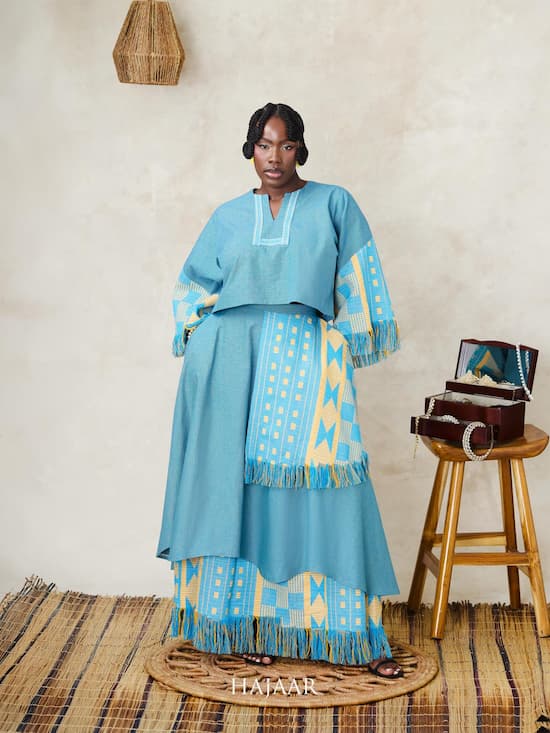 Photo: Instagram/@meethajaar
This is where the distinction between premium and luxury becomes clearer.
Premium fashion generally offers higher-quality materials, construction, or design than more affordable alternatives. Luxury goes further by building a complete experience around the product.
This may include distinctive design, exceptional craftsmanship, limited production, a strong brand identity and attentive customer service.
Not every luxury brand will offer all these things in the same way, but the label should represent more than an elevated price.
European fashion houses such as Chanel, Hermès and Dior have developed recognisable identities through their design histories, signature pieces and established approaches to craftsmanship.
Their prices reflect several things, including production, brand positioning and the value customers attach to their names.
However, even a famous fashion house should not be exempt from questions about quality. And European fashion houses should not be treated as the only reference point when discussing luxury.
Nigeria already has designers and fashion houses building their own interpretations of luxury.
Lisa Folawiyo, for example, has developed a distinctive approach to Ankara fashion through intricate hand embellishment, original prints and refined tailoring.
Her label works with local artisans, and some hand-embellished pieces take an average of 240 hours to complete.
Tiffany Amber, founded by Folake Coker in 1998, has also established a place in Nigerian luxury fashion through its history in ready-to-wear, distinctive design identity, and international fashion presence.
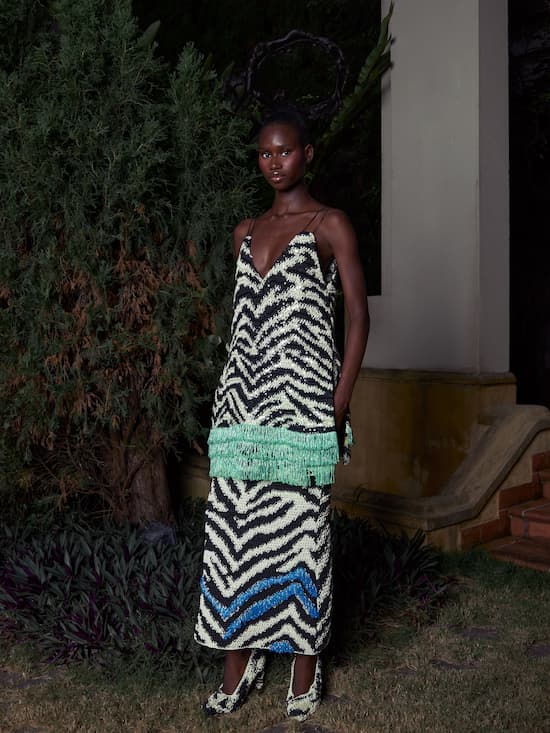 Photo: Instagram/@lisafolawiyo_studio
These designers show that African materials, local production, and cultural references can form the basis of luxury fashion without imitating European design houses.
The conversation extends beyond Nigeria, too.
Ghana’s Christie Brown describes itself as a contemporary luxury fashion house, drawing on African heritage and craftsmanship in its collections.
South African designer Thebe Magugu has also built a luxury fashion brand around cultural references, contemporary design and quality.
These examples matter because African luxury fashion already has its own designers, established labels and creative identities.
The question is not whether Nigerian or African brands can produce luxury clothing. It is whether every brand using the label can demonstrate the quality and value it promises.
There is also a common misconception that luxury must look extravagant.
Large silhouettes, crystals, feathers, and elaborate embroidery can create visual impact, but a simple dress with excellent construction can be just as impressive.
A garment does not need to announce its price through excessive detailing to demonstrate quality.
So What Should Customers Expect From Luxury Fashion?
When a brand charges a premium, customers should clearly understand what makes the product worth that price.
This does not mean every designer needs to use rare fabrics or produce everything by hand. It means the garment should meet the standard the brand promises.
For shoppers, some of the clues are easier to spot than others.
Look at the seams and check whether the fabric has been neatly finished rather than left to fray.
On patterned garments, see whether the print or stripes align where the panels meet.
Check the lining, buttons, zips, and hems.
On structured pieces, pay attention to how the garment holds its shape. These details can tell you more about the work behind a garment than a luxury label printed on its packaging.
Brands also need to be clearer about where their value comes from.
If a collection uses handwoven textiles, customers should know something about the material and the people producing it. If a garment involves hours of hand embroidery or is made to measure, explain what that process entails.
For Nigerian fashion brands working with local artisans, fair compensation, reliable partnerships, and proper recognition of their contribution should form part of the conversation around craftsmanship.
A brand’s use of traditional techniques should also give customers a better understanding of the people and skills behind the finished garment.
Of course, not every expensive garment is poorly made, and customers are free to pay more for a designer they admire.
Sometimes the attraction is the name, the design, or the experience of owning a particular piece.
There is nothing wrong with that. But the word luxury should mean something beyond the amount on a receipt.
Nigerian and African designers have already shown that luxury fashion can grow from local craftsmanship, distinctive design and strong creative identities.
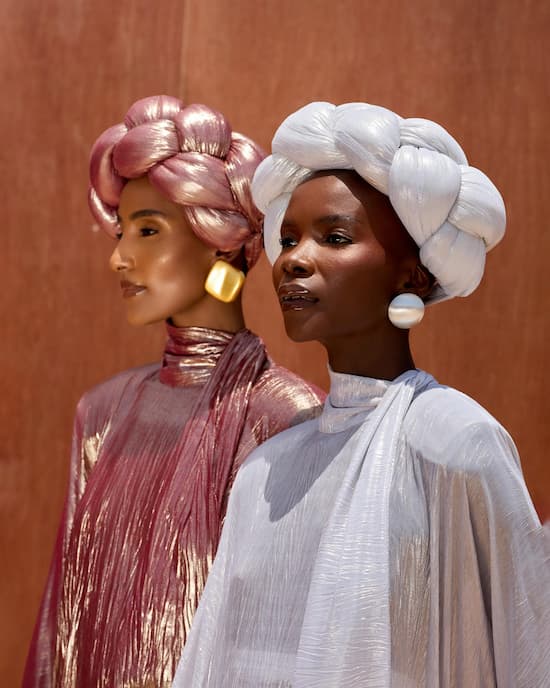 Photo: Instagram/@kayode.adeojo
The next part of the conversation should involve holding brands accountable for the standards they claim to represent.
Fashion publications have a role to play here, too.
Rather than treating every expensive collection as luxury, coverage should examine the design, construction, production, and people behind the clothes.
Shoppers should also feel comfortable asking what makes a garment special before deciding whether it is worth the money.
An expensive outfit can certainly be luxurious, but the price alone cannot make that case.
The clothes have to speak for themselves.
The Met’s 2027 Exhibition Challenges What We Consider Valuable in Fashion
The fashion industry’s obsession with looking expensive has made it easy to associate a garment’s value with its price, label, or appearance.
However, the Met Gala 2027 Theme, extraORDINARY: Fashion and the Poetics of the Everyday, introduces a different way of looking at clothing.
Announced on November 5, 2026, the exhibition will explore how designers transform familiar garments and commonplace materials through craftsmanship, construction and experimentation.
Everyday pieces such as jeans, T-shirts, trench coats and puffer jackets will sit alongside designs made from materials including paper, plastic and metal.
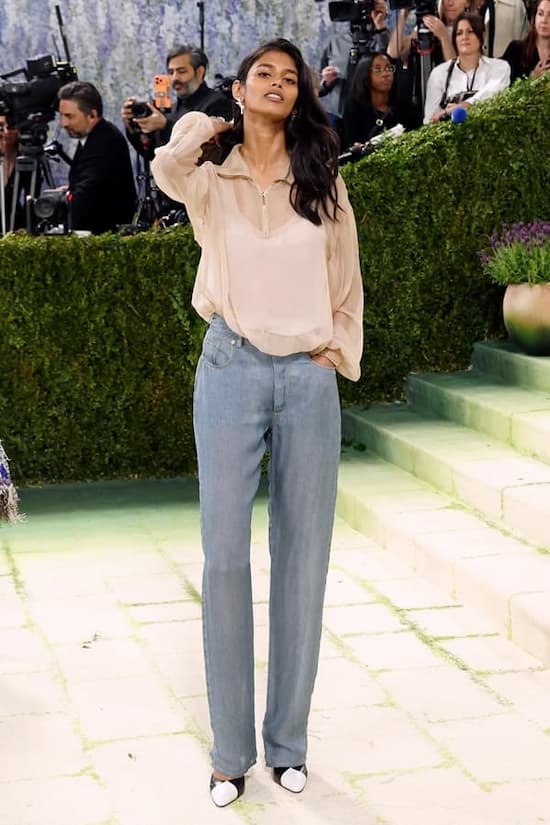 Photo: Getty Images
The connection to the conversation around looking expensive is particularly relevant.
A pair of jeans does not need an expensive designer label to become an interesting piece of fashion.
A white shirt can demonstrate remarkable construction, while an ordinary material can require considerable technical skill to transform into a garment.
The exhibition draws attention to the creative decisions behind clothing rather than relying on the price or prestige of the original material.
This perspective also gives African fashion another point of reference.
Designers working with Aso-Oke, Akwete, raffia and indigo-dyed cotton can demonstrate the possibilities of these materials through their own design approaches and technical knowledge.
Their work deserves recognition for its craftsmanship and creative value, whether or not the finished pieces resemble familiar European luxury codes.
Looking expensive may remain an aspiration for some consumers, but it should not determine what deserves appreciation in fashion.
The more meaningful measure is what a designer can achieve through material, construction, and creative vision.
A price tag can communicate cost. It cannot, on its own, communicate the full value of a garment.
Photo: Instagram/@hertunba
You May Also Like:

Rihanna Showcases Savage X Fenty’s Holiday Lingerie Collection in Plunging Lace Bodysuit

Ciara Marks Her 41st Birthday with Chic Baby Bump Photos
Kim Kardashian Celebrates 46th Birthday with Intimate Gathering

Why Your Body Does Not Need a “Glow-Up”

Simone Biles Opens Up About Eczema and Skin Confidence

Rihanna and Her Three Children Star in Savage X Fenty’s Holiday Onesies Campaign

Should You Actually Dress for a First Date, or Dress for Yourself?
Should Your Partner Have a Say in How You Dress?
Singer Nandy Has Been Fined for Wearing a Nak£d Jumpsuit at Miss Universe Tanzania 2026
21 Nigerian Female Content Creators in the Diaspora You Need to Know
Pregnant Leigh-Anne Pinnock Stuns London Fashion Week in a Sculptural Lactating Bra That Celebrates ...
17 Female Filmmakers in Nigeria Shaping Nollywood Today


Evelyn Adenike is an Associate Beauty Editor at Fashion Police Nigeria, where she covers all things beauty, from the glossiest nail trends to the best skincare finds. With a soft spot for storytelling and an eye for what’s fresh, she brings creativity and just the right dash of drama to every post. If it’s bold, beautiful, and blog-worthy, Evelyn’s probably already writing about it.