Published: September 13, 2026 Last Updated 1 month ago by FPN
Nigerian brides have never been afraid to make a statement.
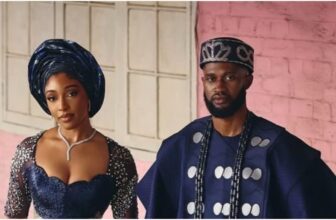
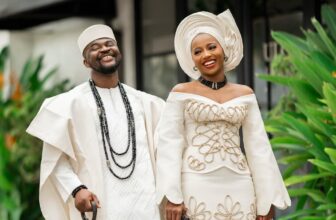
A Nigerian wedding is often as much a celebration of personal style as it is of love, family, and culture, and the bride’s wardrobe sits at the centre of it all.
But while bold colours, elaborate embellishments, and dramatic silhouettes remain part of the tradition, bridal fashion in 2026 is taking a more considered direction.
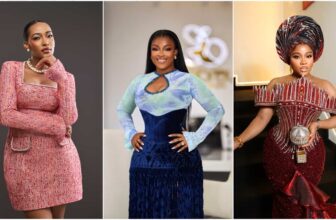
This year, Nigerian bridal fashion is finding new ways to blend heritage and contemporary design. Brides are paying closer attention to the details that make a look feel personal, from the cut of the gown and choice of fabric to the colour palette, embellishments, and styling.
Rather than simply following what is popular, many are choosing pieces that reflect their personalities, cultural backgrounds, and the kind of wedding experience they want to create.
Fashion designers are responding to this shift with more thoughtful and versatile designs. Convertible gowns, structured corsets, intricate lace, statement sleeves, modern interpretations of traditional fabrics, and carefully placed embellishments are giving brides more options without losing the grandeur expected of Nigerian bridalwear.
There is also greater interest in pieces that can be styled differently throughout a wedding celebration, allowing brides to move from ceremony to reception without feeling as though they are wearing the same look twice.
The modern Nigerian bride wants her dress to do more than look beautiful in photos. She wants it to feel like her. Whether that means a dramatic ball gown, a clean minimalist silhouette, a sculpted corset, or a contemporary interpretation of traditional attire, the dress has become an important expression of identity as she steps into a new chapter.
Whether you are planning a multi-day Yoruba, Igbo, or Hausa wedding, a white wedding, or a celebration that brings several traditions together, knowing what is shaping Nigerian bridal fashion in 2026 can make the planning process much easier.
From wedding gowns and traditional bridal looks to aso-ebi styles, fabrics, colours, and practical choices for Nigeria’s climate and long wedding schedules, these are the trends worth knowing before choosing your bridal wardrobe.
The Rise of the 2-in-1 Gown
A leading wedding dress trend for 2026 is the convertible or 2-in-1 wedding dress. Given the length and complexity of Nigerian weddings, a dramatic train or overskirt creates a regal entrance.
After key events, the bride can remove these elements to reveal a sleeker, dance-ready silhouette for the reception. This approach offers two distinct looks without a full outfit change, and designers are ensuring these transitions appear seamless and intentional.
This approach represents a design philosophy. One example starts with a “Royal Elegance” look below, which features a dramatic overskirt inspired by royal ceremonies.
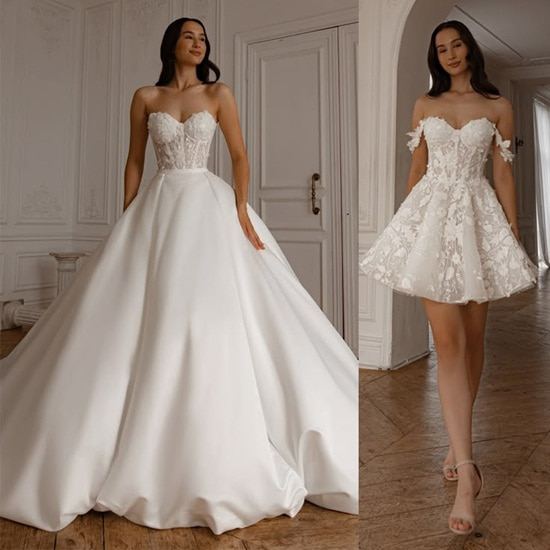 Photo Courtesy
 Removing the overskirt reveals “Timeless Sophistication,” a fitted mermaid silhouette with precise tailoring and lacework.
The final transformation is “Contemporary Glamour,” a chic mini dress ideal for the reception, allowing the bride to dance comfortably without sacrificing style.
This innovation by Nigerian fashion houses such as ELIS Couture meets the modern bride’s needs and supports sustainable consumption by encouraging investment in high-quality garments with lasting value.
In 2026, brides seek investment pieces that offer multiple luxury experiences in one creation.
Corset Mastery and Body-Sculpting Silhouettes
Nigerian fashion designers have refined corsetry into an art.
In 2026 and beyond, expect expertly engineered bodices with exposed or internal boning, illusion panels, and intricate lace overlays that shape the torso while allowing movement.
The “snatched” waist remains popular, especially in mermaid and fitted styles. These structured bodices create a striking hourglass silhouette that photographs well and complements both ornate and minimalist designs.
 Photo Courtesy
 The mermaid silhouette remains a leading choice for bridal and aso-ebi attire, highlighting curves with a fitted bodice and hips that flare from the knee or mid-calf.
Dramatic flares, detachable overskirts, and statement backs, such as open lace, criss-cross straps, or sheer panels, update the classic mermaid for 2026.
While A-line and ball gown shapes are still available for those preferring more volume, the curve-enhancing mermaid cut defines the year.
Heavy Beading, Sparkle and Embellishment
Minimalism isn’t common in Nigerian bridal fashion.
In 2026, detailed embellishments are celebrated. Crystal-encrusted bodices, hand-sewn sequins, high-quality crystal work, pearl accents, and dense beadwork are in high demand.
 Photo Courtesy
 Embellishments are often focused on the bodice and upper skirt, ensuring gowns catch the light and photograph beautifully while allowing movement in the lower skirt.
Dramatic Sleeves and Illusion Details
Sleeves are making a purposeful comeback.
Bishop sleeves, detachable puff sleeves, long sheer sleeves with lace appliqué, and structured cap or off-shoulder styles provide both coverage and drama.
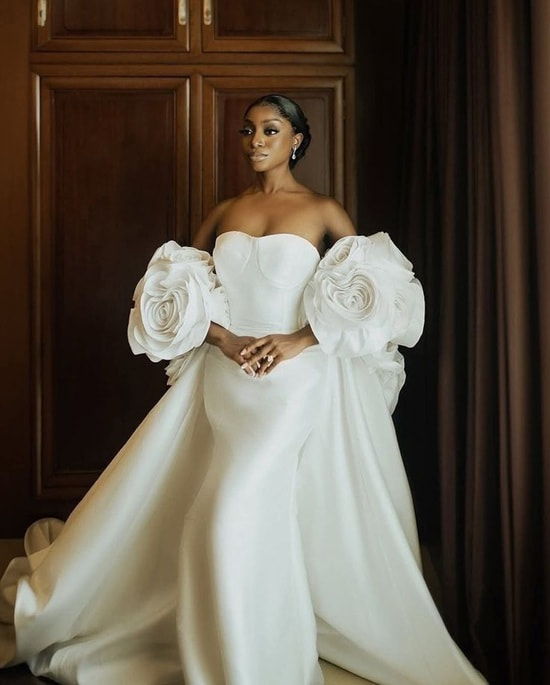 Photo Courtesy
 These options suit church ceremonies that require modesty while staying stylish.
Illusion necklines, created with sheer lace or tulle over nude lining and strategic appliqué, offer delicate coverage with support.
Cathedral-length trains continue to be favoured for dramatic entrances.
Luxury Lace as the Foundation Fabric
Lace remains the top choice for white wedding gowns and upscale aso-ebi.
In 2026, premium varieties such as heavily beaded, stone, sequined, cord, and fine French or Swiss lace are emphasized.
Fashion designers layer lace with tulle or satin underlays, using it for both structured bodices and flowing skirts. Its femininity, texture, and capacity for intricate detail make it ideal for polished glamour.
Chantilly lace is especially popular among discerning brides and “Rich Aunty” guests. This delicate, sheer fabric with fine floral embroidery and soft fringed edges creates an ethereal, elegant look.
Used in boubous, illusion corsets, romantic sleeves, and capes, it conveys quiet confidence and luxury.
 Photo Courtesy
 Yellow lace is a standout wedding dress trend in Nigeria for 2026. Once seen as challenging, shades like butter yellow, mustard, and creamy yellow now symbolize elegance, warmth, and modern African luxury, bringing freshness and celebration.
Other key fabrics include mikado and structured satins for clean shapes, soft tulle for volume, and high-quality organza for lightweight drama.
For traditional attire, aso-oke, George fabric, and richly textured laces are essential.
Sculptural Drama and Architectural Silhouettes
The 2026 bridal silhouette is bold and ambitious. Fashion designers are redefining bridal wear with architectural designs that serve as statements of art.
For example, the Agbons–GL Haute Bride Collection introduced sculptural gowns with tiered, ceremonial structures and advanced internal construction, creating exaggerated circular forms that elevate the bride both physically and symbolically.
 Photo Courtesy
 This trend is driven by the desire to be unforgettable. Corseted bodices with dense crystal and bead embellishments create a refined hourglass shape against voluminous skirts.
These gowns are wearable art, marking a shift from simple elegance to conceptual couture and aligning local craftsmanship with global haute fashion standards.
Aso-Oke, Gele, and Reimagined Heritage
While fashion designers explore avant-garde forms, Nigerian cultural heritage remains central.
In 2026, the “Aso-Oke Renaissance” features traditional fabric in more fluid forms, often with metallic threads and silk blends, and is presented in refined monochromatic palettes such as cream and dusty rose.
Alongside modern Aso-Oke, the Gele headwrap is evolving.
The traditional “fan” style is being replaced by more architectural, avant-garde shapes with cleaner lines and a focus on silhouette. These new geles serve as wearable art, providing a refined finishing touch for the modern bride.
 Photo Courtesy
 Brides wishing to honour their heritage have many options.
Examples include the avant-garde “Mmiri Ndu” gown for Igbo brides, designed to resemble a flowing silk waterfall, and the Edo bride’s iconic Okuku headpiece as a centerpiece.
The “Daughter of Yoruba Soil” is depicted in a striking blue-and-white Adire gown, demonstrating that culture is both worn and carried with pride.
Colour Stories
White, ivory and soft champagne remain the foundation for white wedding gowns.
Nude and soft blush tones also appear in illusion work and underlays.
For traditional and wedding reception looks, deeper and more saturated hues appear to take centre stage, reflecting confidence and cultural richness.
 Photo Courtesy
 Many couples now develop a cohesive colour narrative that runs through traditional attire, white wedding accents, aso-ebi, and décor.
Traditional Bridal Attire Trends
Traditional ceremonies continue to evolve with modern sensibility while honouring cultural codes.
In Yoruba weddings, aso-oke features metallic threads and contemporary weaving techniques. Gele styles lean toward the architectural and structured rather than the overly voluminous. Coral beads are styled with greater precision and cleaner lines. The overall effect is regal yet refined.
On the other hand, Igbo traditional looks feature updated George fabric with modern embellishments, dramatic sleeves on blouses, and carefully curated coral-and-ivory combinations. Fitted or gently flared gowns in rich colours alongside classic wrapper styles give brides options that feel both cultural and current.
Hausa and northern-inspired looks emphasise luxurious velvet and silk combinations, intricate zari work, and sophisticated colour stories in gold, burgundy, and deep jewel tones, often with modernised interpretations of traditional headwear.
Across ethnic traditions, the trend is toward cleaner construction, better fit, and thoughtful mixing of heritage textiles with contemporary tailoring.
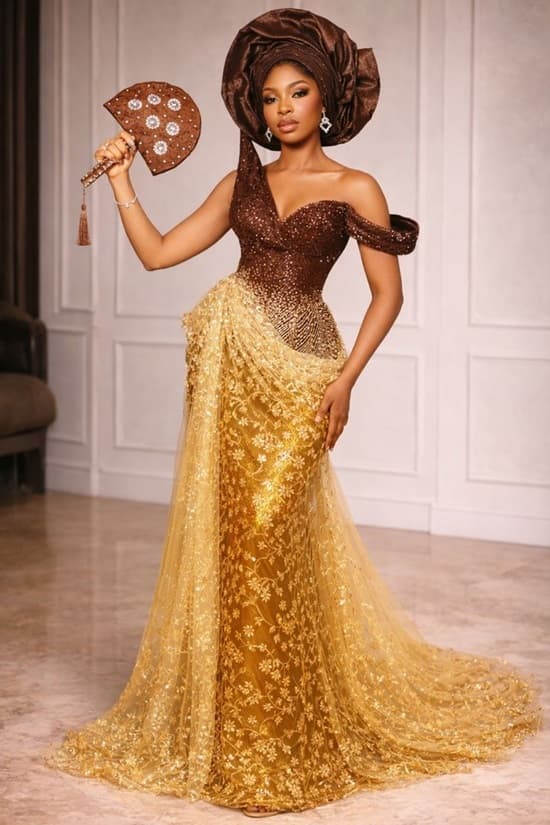 Photo Courtesy
 Aso-ebi remains central to Nigerian wedding culture.
In 2026, a group of women favour coordinated fabrics with individual silhouette variation, such as matching lace or aso-oke interpreted as mermaid gowns, peplums, co-ords, or modestly dramatic styles so that the party looks cohesive without appearing uniform.
Body-conscious cuts dominate, and embellishment levels are often calibrated so the bride still stands out.
As for the colour, rich, confident colours like emerald, deep wine, royal blue, champagne gold, plum, rose gold and burnt orange appear frequently alongside classic neutrals.
Choosing Your 2026 Bridal Look
Long ceremonies, heat, humidity, and extensive photography require careful dress construction. Breathable linings, comfortable boning, and flexible fabrics are as important as aesthetics.
Multiple fittings are essential, especially for structured or convertible designs. Plan for long lead times for custom work and hand-beading, and budget realistically for fabric, labour, and embellishments.
Begin by considering your wedding structure. Determine how many looks you need and if a convertible gown can meet those needs.
Prioritize fit, comfort, and style. Work with fashion designers experienced in Nigerian bridal construction, as expertise in corsetry, lace, and finishing is crucial.
Consider how the dress will photograph in your venues and lighting. Most importantly, select a silhouette and embellishment level that feels authentic and elevated.
Nigerian wedding dress trends in 2026 are at a dynamic crossroads.
The trend incorporates global techniques such as advanced corsetry, illusion work, and convertible designs, while staying rooted in local textiles, colour sensibility, and the needs of multi-event celebrations.
Fashion designers are refining the balance between tradition and modernity, creating dresses that honour heritage and deliver contemporary glamour.
Nigerian brides planning 2026 weddings and beyond have many options. Whether you select a beaded mermaid gown with a detachable train, a structured lace dress with dramatic sleeves, a modernized aso-oke ensemble, or a coordinated traditional look, the strongest wedding dress trends emphasize intention, craftsmanship, and versatility.
The ideal Nigerian wedding dress for 2026 transitions seamlessly through each celebration stage, photographs beautifully, and leaves a lasting impression of elegance and confidence.
Photo: Instagram/oreelijahphotography
You May Also Like:

Your Guide to a Complete Nigerian Wedding Planning Checklist
Traditional Wedding Outfit Ideas for Nigerian and Ghanaian Couples

8 Interesting Marriage Rites in Africa You Didn't Know
How to Choose the Perfect Wedding Photographer in Nigeria
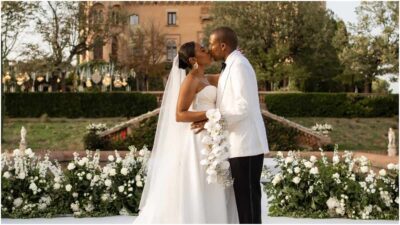
Old Money Wedding Aesthetic: Everything You Need to Know

Top Wedding Cake Trends in Nigeria and Ghana

10 Best Honeymoon Destinations for African Couples
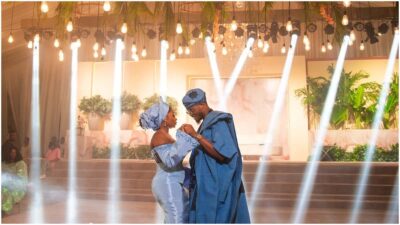
The Top African Wedding Decor Trends for 2026
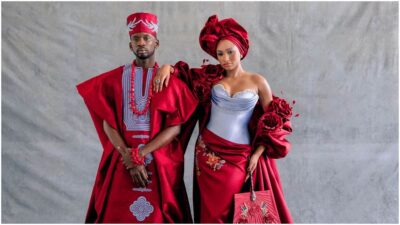
How Much Does a Nigerian Wedding Cost in 2026?
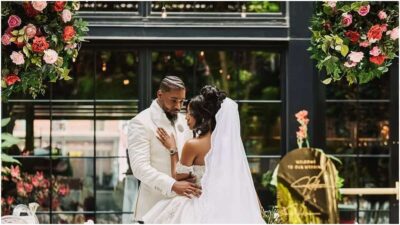
Best Wedding Venues in Lagos, Abuja and Accra
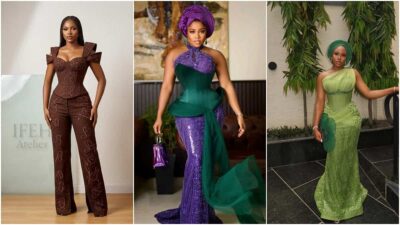
15 Latest Aso Ebi Styles Every Nigerian Wedding Guest Should Try

11 Wedding Photographers to Follow Now in East Africa


Esther Ejoh is a Fashion Editor at Fashion Police Nigeria, where she writes all things fashion, beauty, and celebrity style, with a sharp eye and an even sharper pen. She’s the girl who’ll break down a Met Gala look one minute, rave about a Nigerian beauty brand the next, and still find time to binge a movie or get lost in a novel. Style, storytelling, and self-care? That’s her holy trinity.