Published: November 1, 2026 Last Updated 17 hours ago by FPN
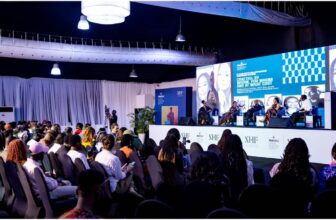
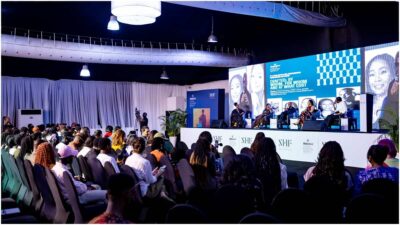
Day 2 of the 2026 Lagos Fashion Week opened with a fireside conversation between Omoyemi Akerele, Founder of Lagos Fashion Week and Style House Files, and Imran Amed, Founder and CEO of The Business of Fashion.
The conversation explored curiosity as an essential tool for navigating change.
Reflecting on his transition from management consulting to fashion and the founding of The Business of Fashion, Amed spoke about how remaining open to new ideas and perspectives shaped his journey.
Wearable Confidence: The Intersection of Skincare, Body Care and Personal Style
Sponsored by NIVEA and moderated by Nnenna Onoh, Brand Manager at Beiersdorf, the session brought together Kie Kie, Akin Faminu and Stan Nze to explore the relationship between personal care, style and confidence.
The conversation examined how self-care, grooming and personal style inform individual expressions of confidence.
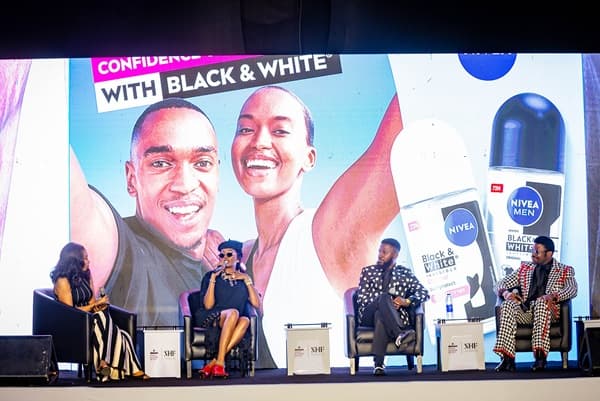
Speakers also challenged the perception that skincare and personal care are exclusively feminine concerns, making the case for a more inclusive approach to everyday care.
Manifesto – The Culture of More: Breaking Up with Overconsumption
Moderated by Tobi Idowu, the session brought together Oluwadunsin Bolaji of Dunsin Crafts and SachetBank Africa, Tunde Shoremekun of E.S.O by Liman, David Kusi Boye-Doe of BoyeDoe, and Abimbola Ogundairo, Senior Consultant at Africa Practice.
The discussion examined the culture of constant newness and its implications for clothing value.
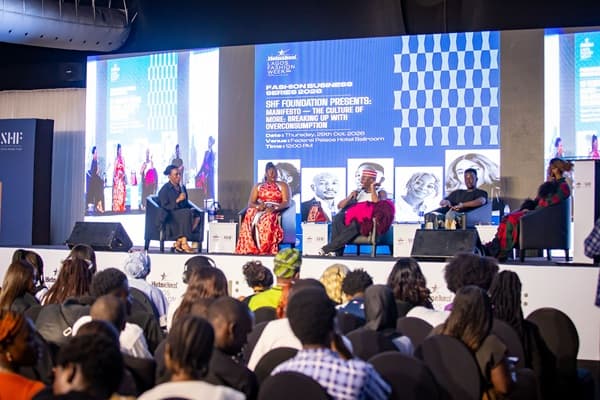
Speakers challenged the framing of overconsumption as primarily an African problem, pointing to overproduction and the influx of inexpensive imported clothing as part of a wider global issue.
From Craft to Commerce: Protecting and Commercialising IP in Circular Fashion
Moderated by Busola Bakinson, Managing Counsel at Olaniwun Ajayi LP, the session featured Toyosi Alabi, Partner at Olaniwun Ajayi LP; Adekunle Adeniyi, Executive Director of Investments at MBO Capital; Ugo Monye, Founder and Creative Director of Ugo Monye; and Nkwo Onwuka, Founder and Creative Director of NKWO.
The conversation addressed the infrastructure constraints affecting fashion production, from unreliable power and limited manufacturing capacity to workforce development.
Speakers also examined the challenges of protecting African design rights, highlighting the need for stronger intellectual property systems and clear contractual agreements that secure ownership for designers and their businesses.
From Creativity to Commerce: Building Fashion Businesses That Last
Hosted by the Italian Institute of Fashion Management (IIFM), the final Fashion Business Series for the day was moderated by Doyin Adelabu with panellists Nicola Guerini, Director General of IIFM, Dr. Belinda Nwosu of Lagos Business School, and Omolade Oshinubi of Fashion Systems Architect examined what it takes to turn creative talent into sustainable businesses.
The session examined what it takes to build fashion businesses that can outlast their founders.
The discussion focused on the need for adaptable business models, formal management structures, and leadership succession, as well as the importance of separating the creative vision of a brand from its day-to-day business operations.
On the Runway: African Designers Rework the Language of Craft
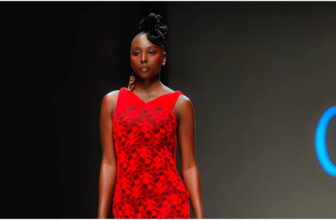
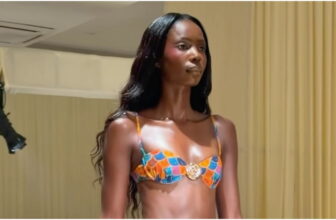
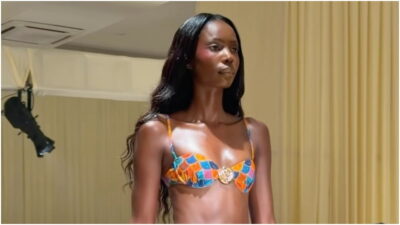
Kilentar opened with off-site presentations with plaid dresses and swimwear, revisiting signature pieces from previous seasons.
Fringing remained a defining feature, bringing movement to the collection.
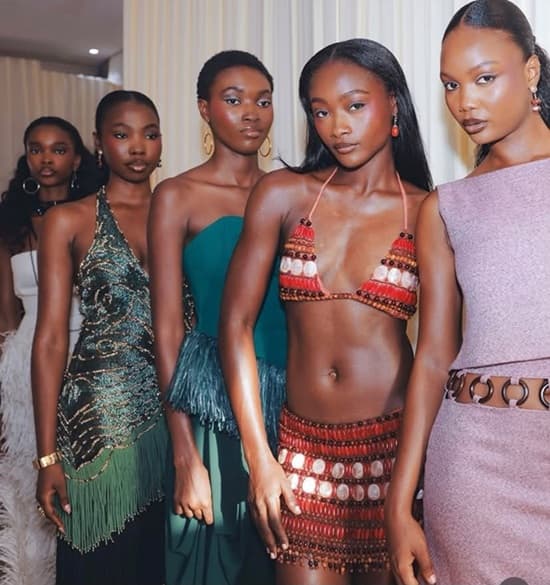
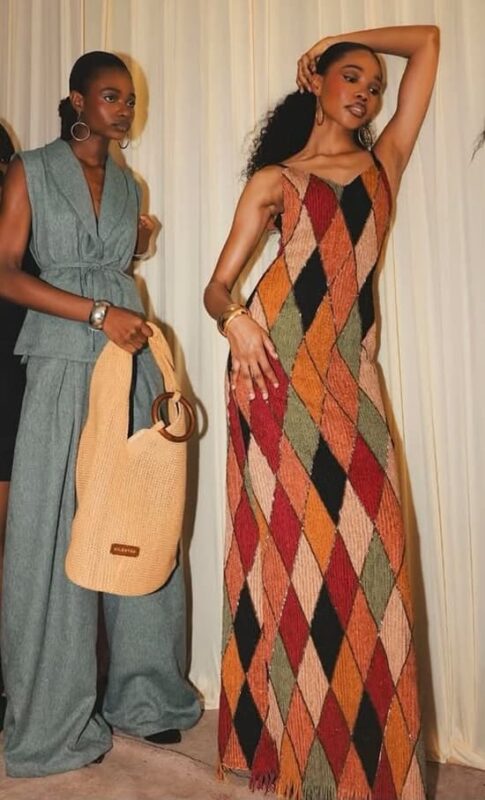
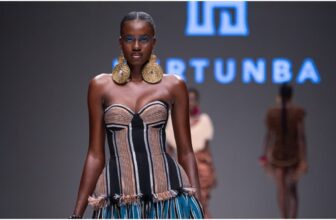
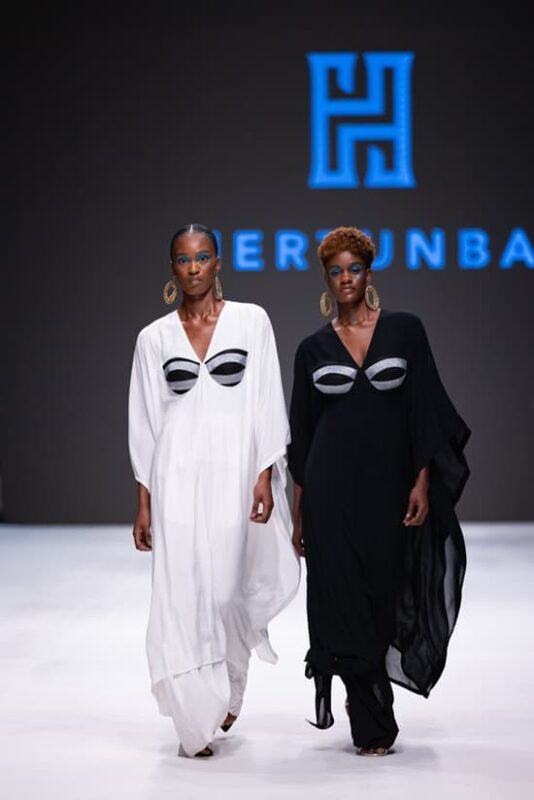
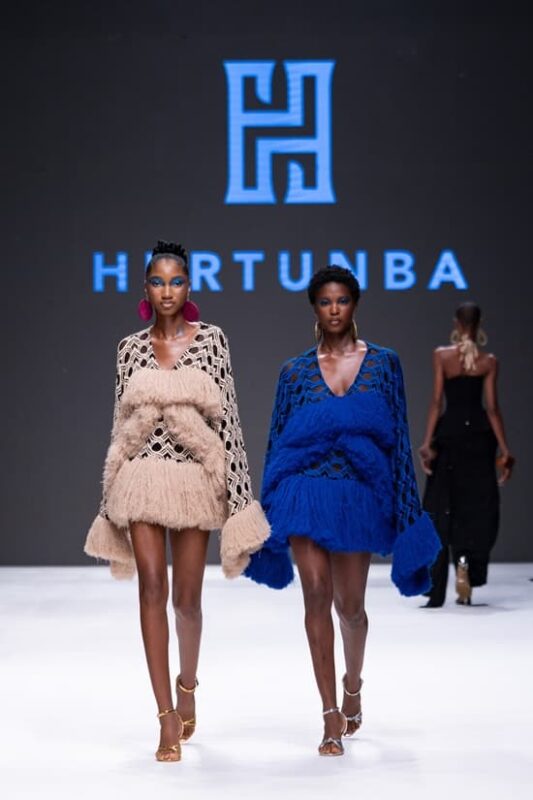
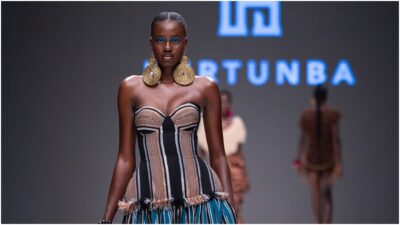
At the tents, Hertunba continued the conversation with her signature drop-waist silhouettes, statement fringes, and beaded embellishments in shades of blue, brown, and black.
The collection extended the design language of her previous presentation, Akaoru.
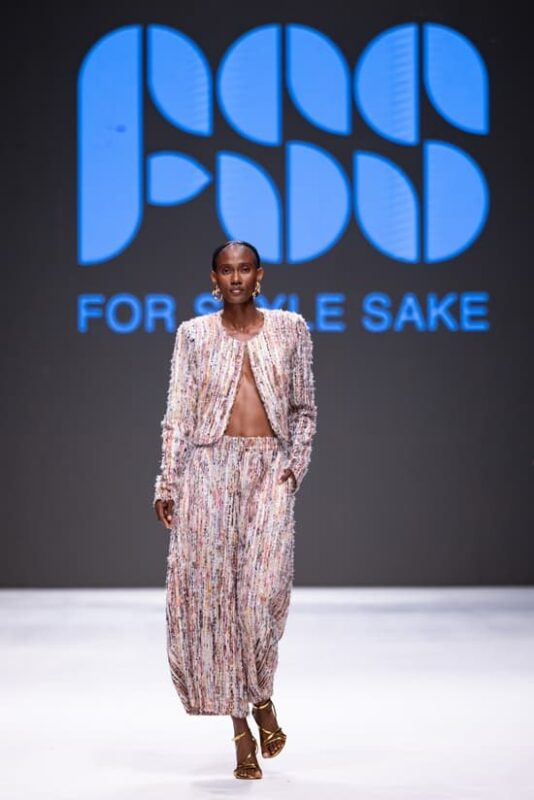
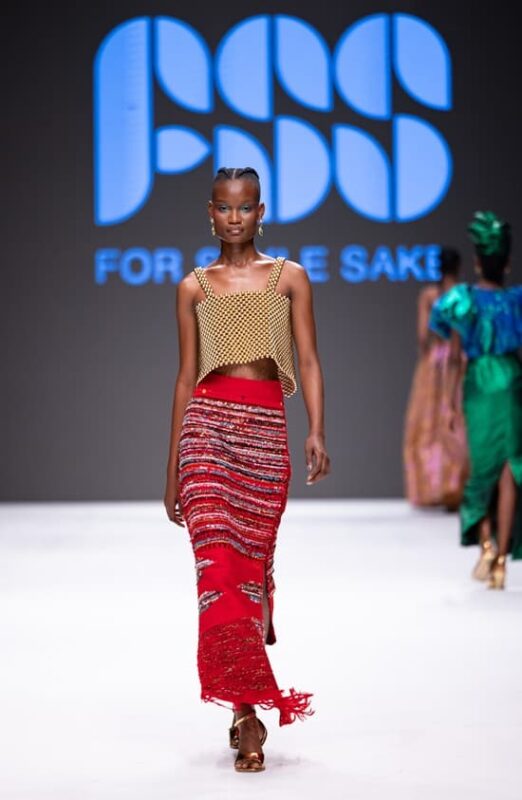
For Style Sake’s Áríyá collection moved between textured tweeds, multicoloured polka dots, structured Aso Oke and organza pieces, and sheer dresses.
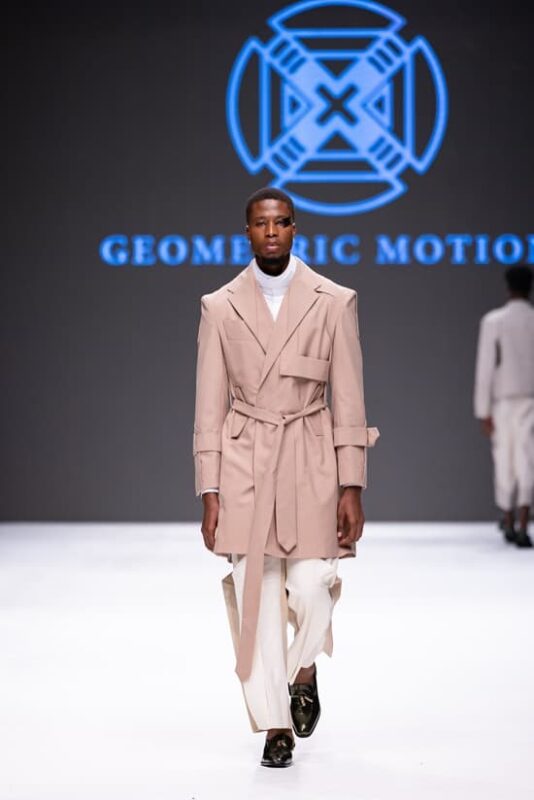
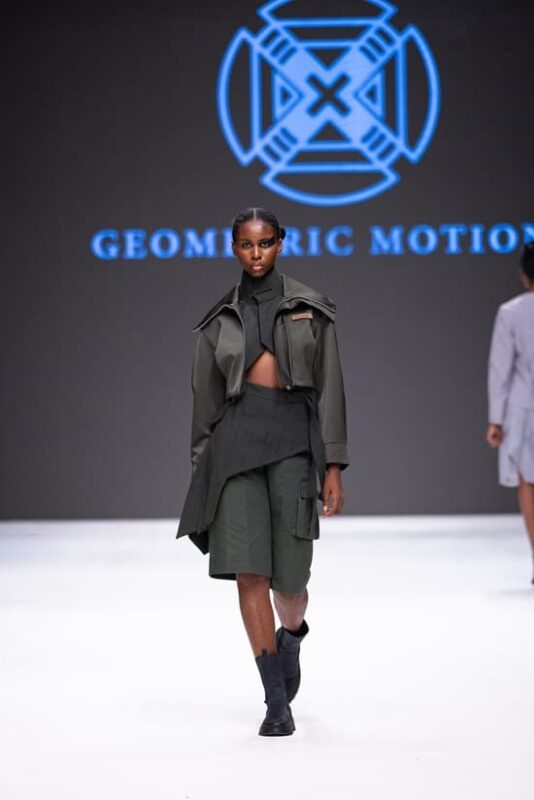
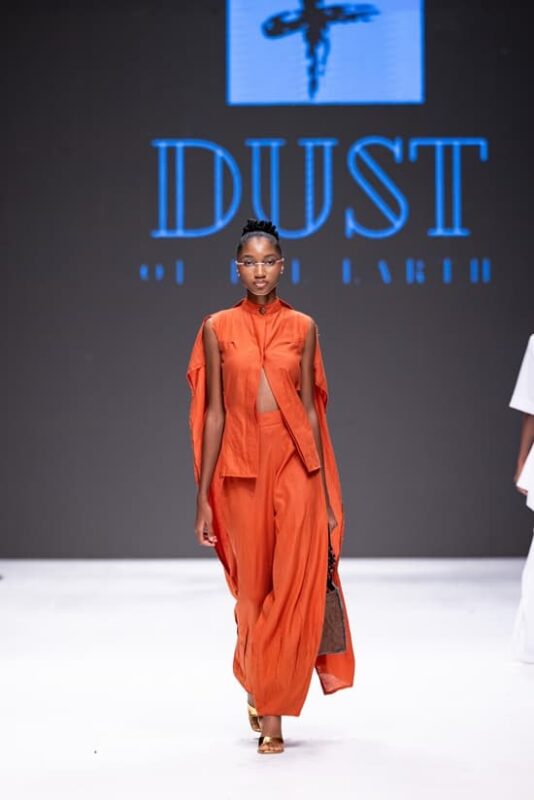
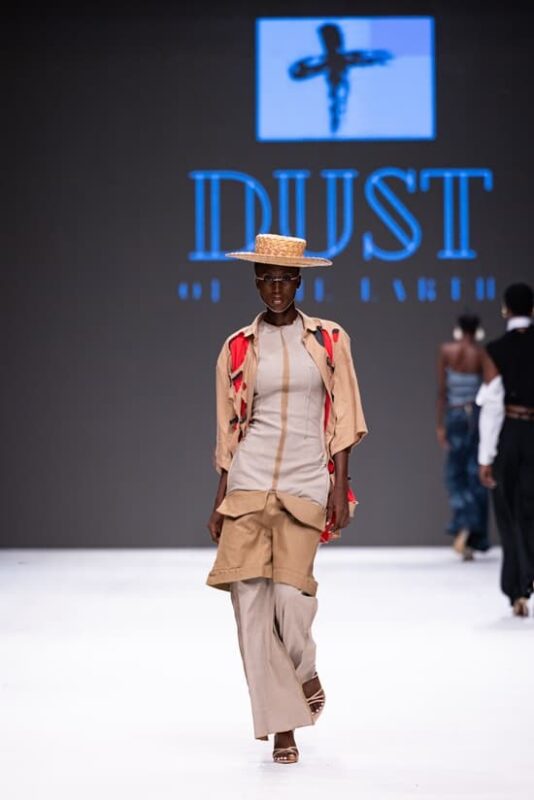
Geometric Motion Design Lab brought geometric cuts into conversation with streetwear and traditional suiting, while Dust of the Earth explored nostalgia and identity through graphic prints, textured fabrics and fabric manipulation.
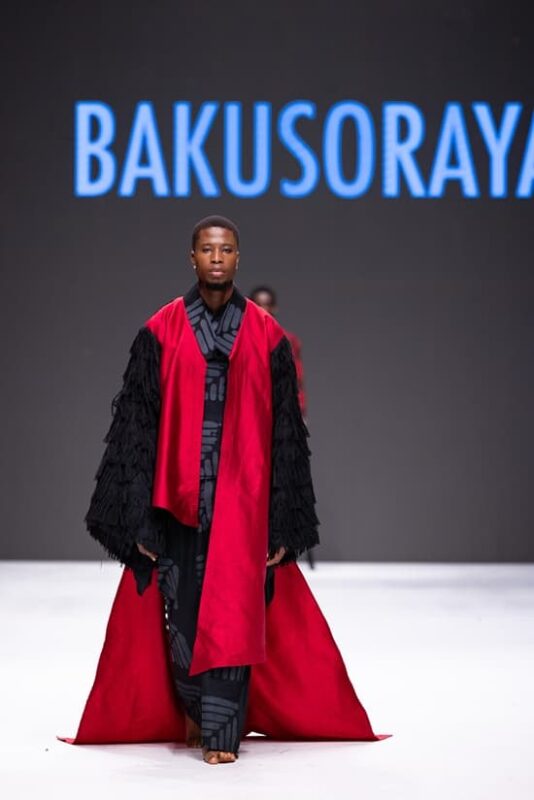
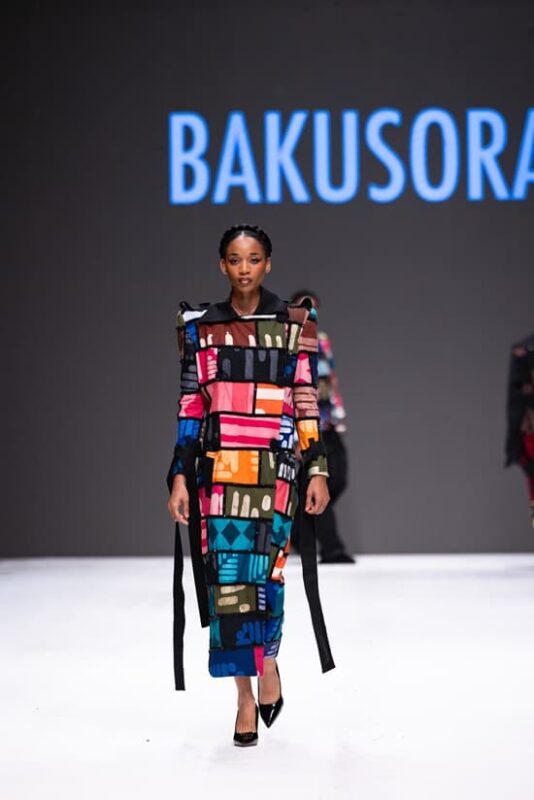
Bakusoraya, the Benin Republic-based label, placed indigenous textiles at the centre of its collection, using embroidery and fringing against a restrained, neutral palette.
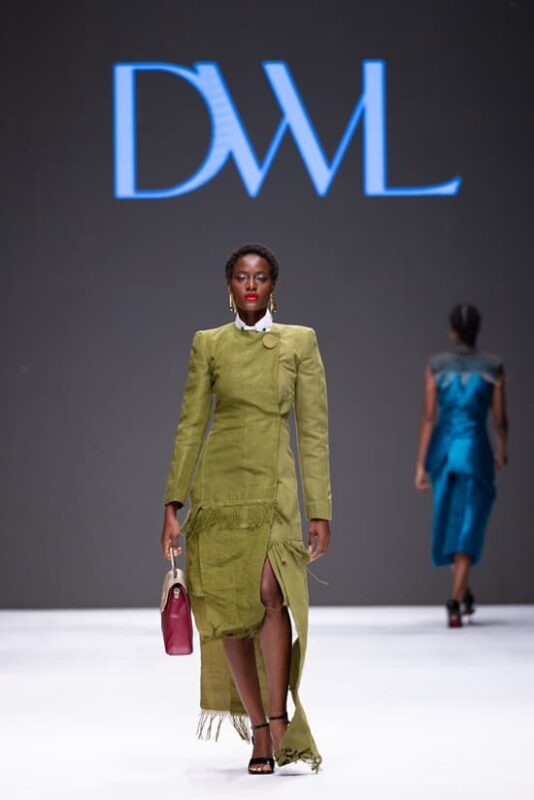
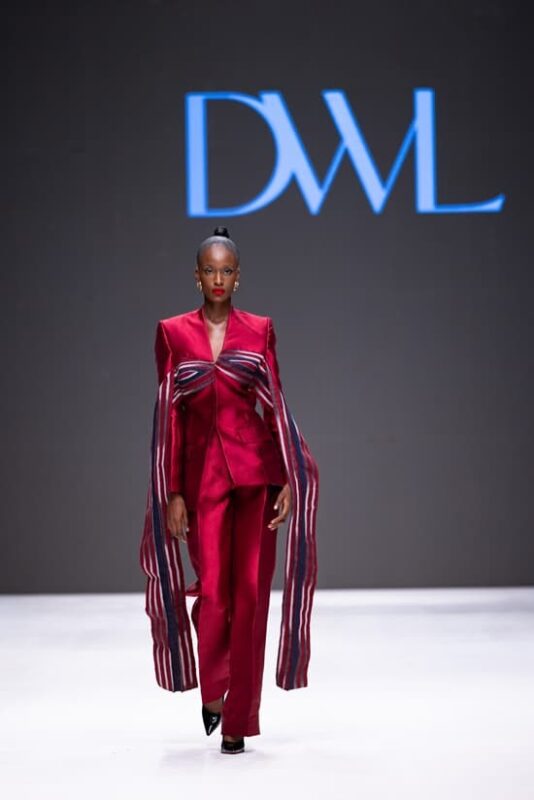
DWL delivered a refined collection featuring structured tailoring, rich colours and contemporary silhouettes, with playful fringe details and statement draping adding character to each look.
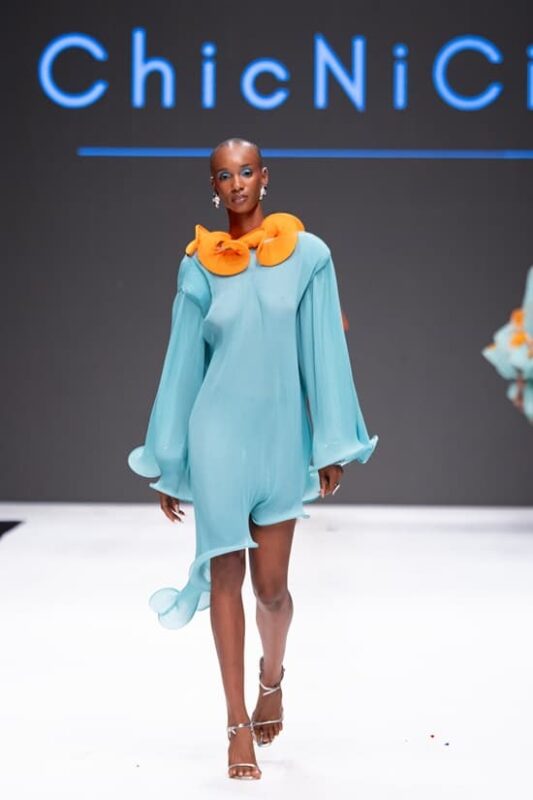
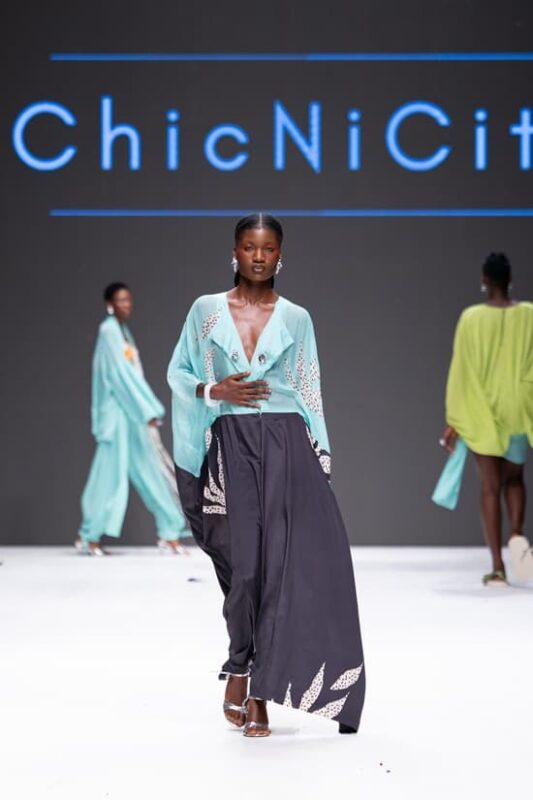
ChicNiCity brought a fresh, playful energy to the runway with fluid silhouettes, vibrant colour combinations, and sculptural details that gave its pieces a distinctive, modern appeal.
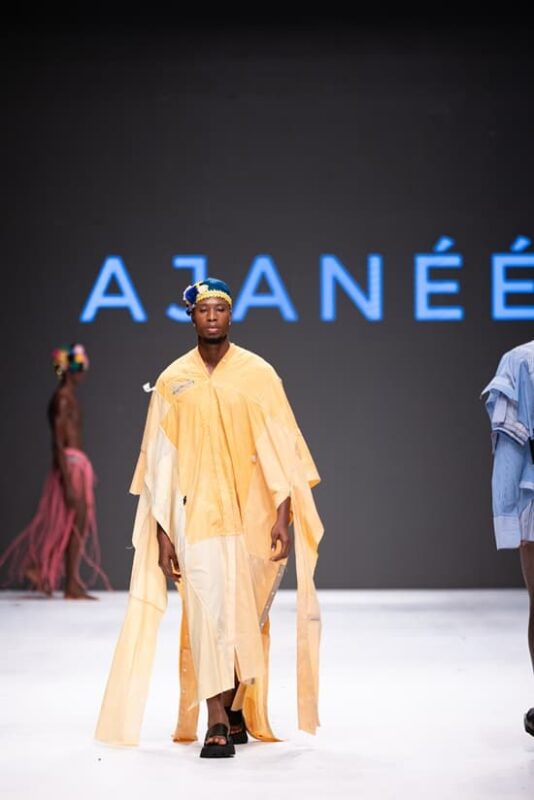
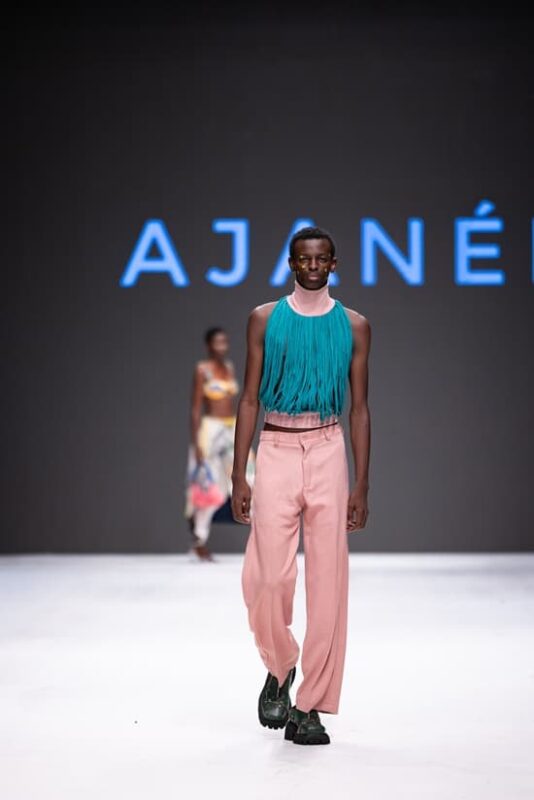
Ajanéé’s SS27 collection, Masquerading (Cloth as Spirit), approached circularity through the deconstruction and reconstruction of existing garments.
Old jerseys were transformed into dresses and paired with sheer fabrics, placing material reuse at the centre of the collection.
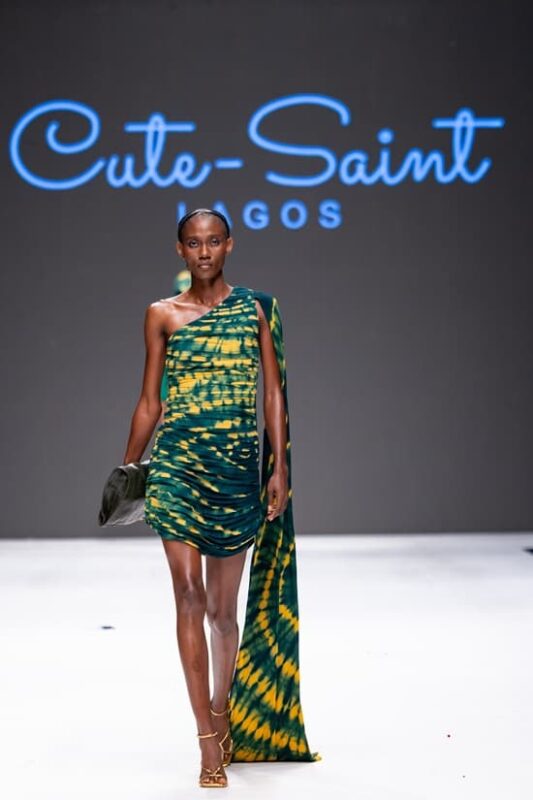
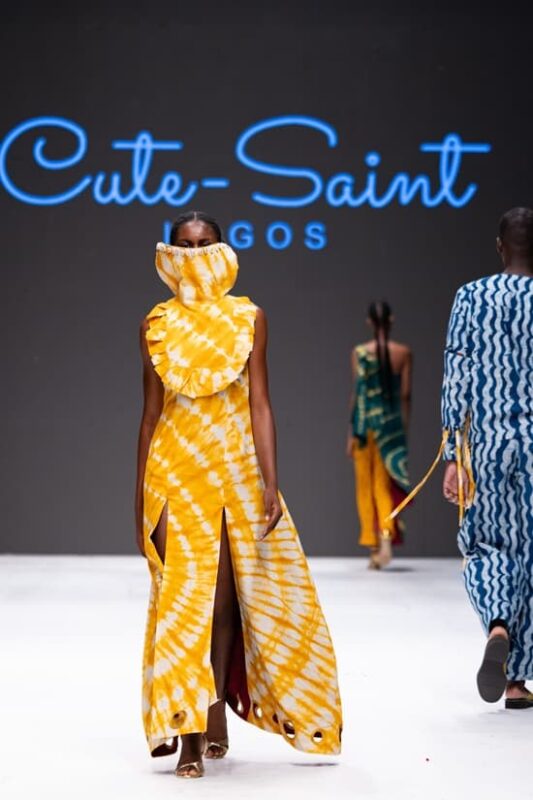
Cute-Saint also returned to traditional references, bringing adire to the forefront through cowrie embellishments and a closing masquerade performance.
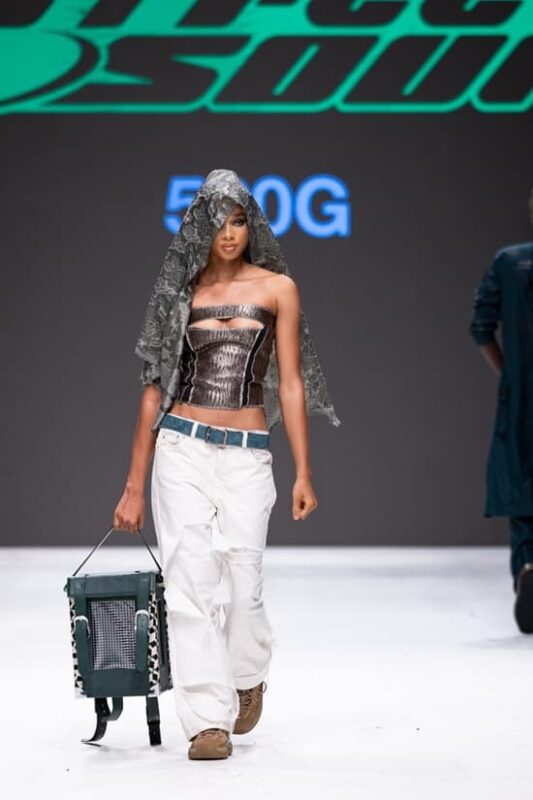
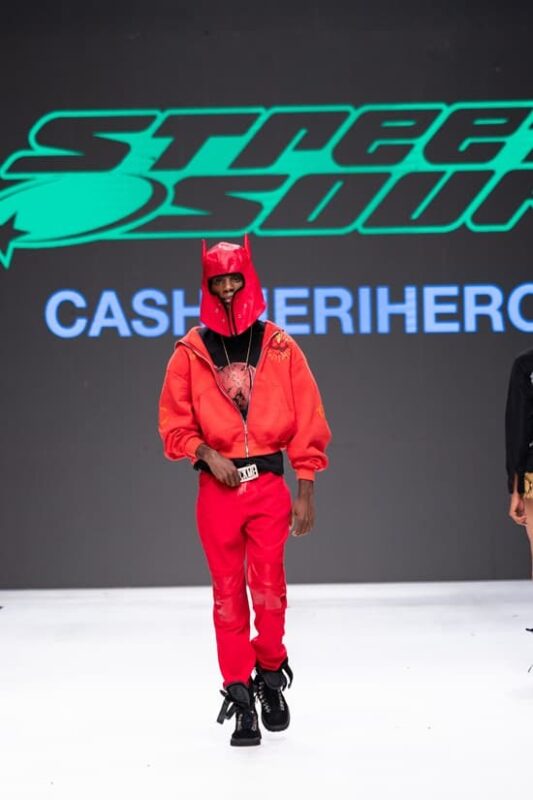
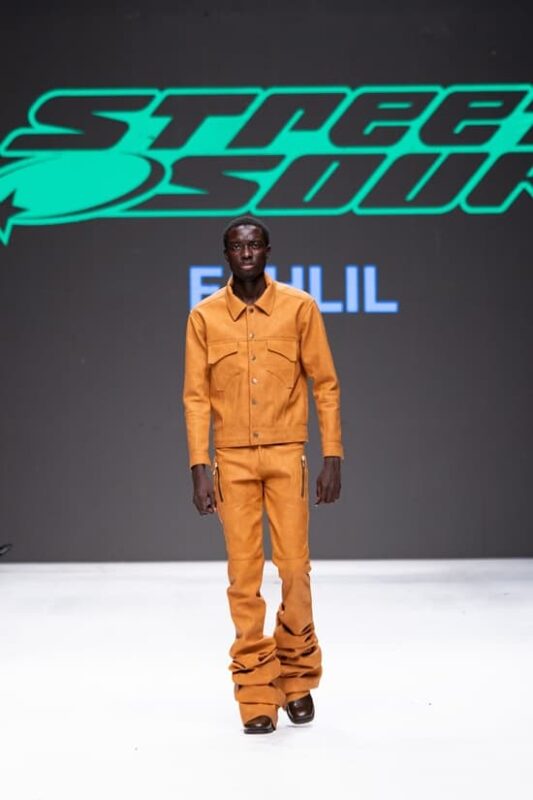
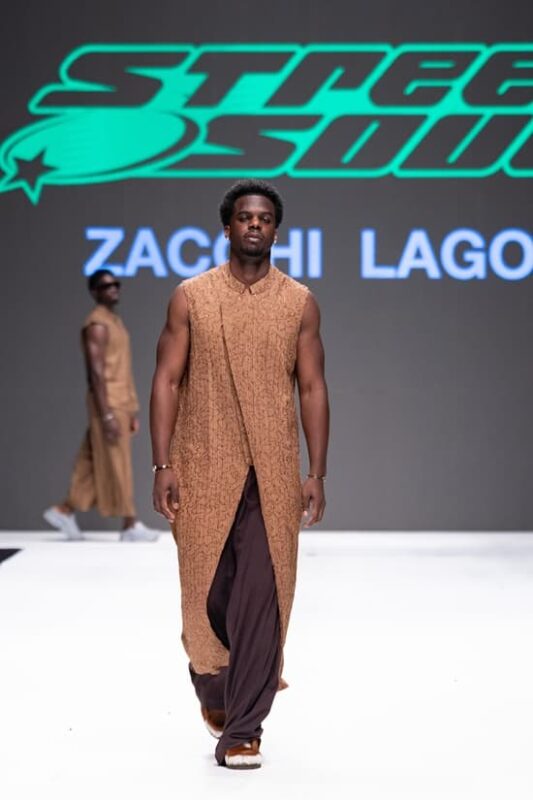
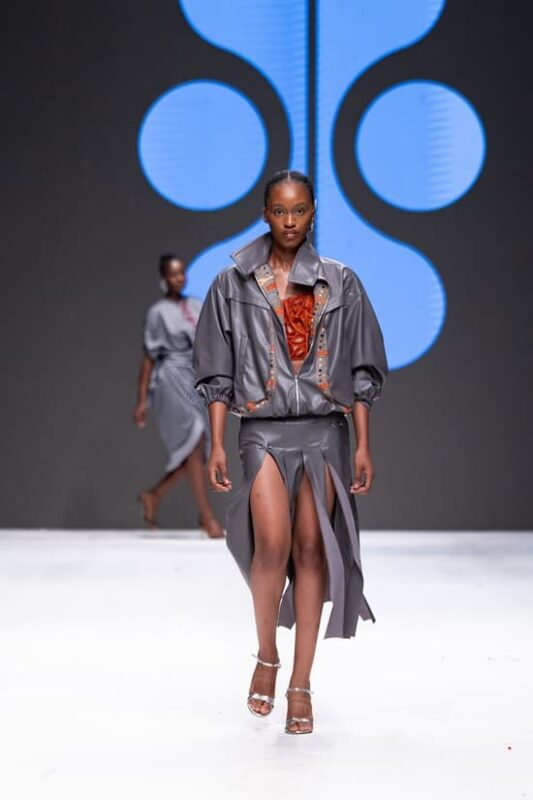
Street Souk presented work from four designers, bringing together bomber jackets, metallic finishes, experimental headwear, detachable hoodies, and leather interpretations of the traditional agbada.
The presentation offered a streetwear-led reading of familiar forms.
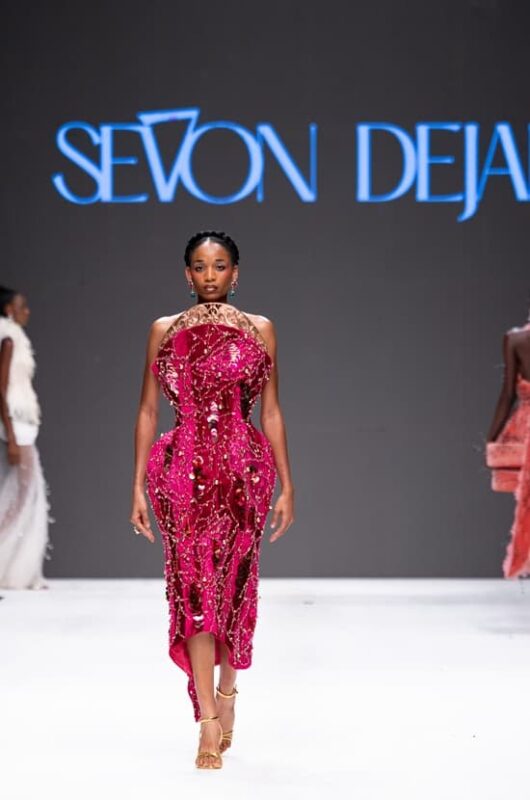
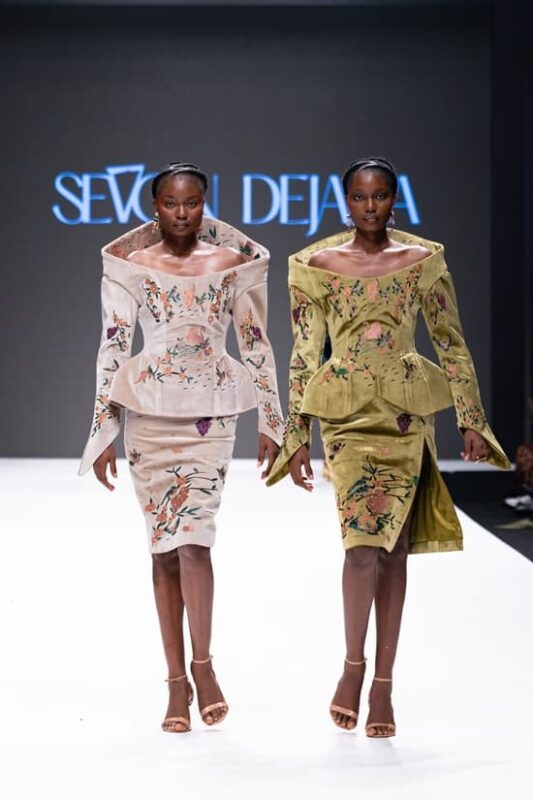
Sevon Dejana brought couture craftsmanship to the runway.
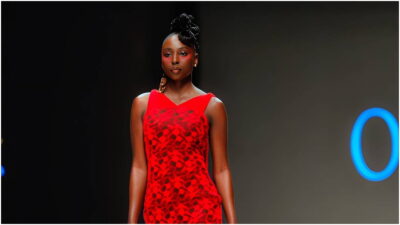
The collection showcased a beautiful blend of intricate floral embroidery, bold embellishments and structured silhouettes, with each look making its own statement.
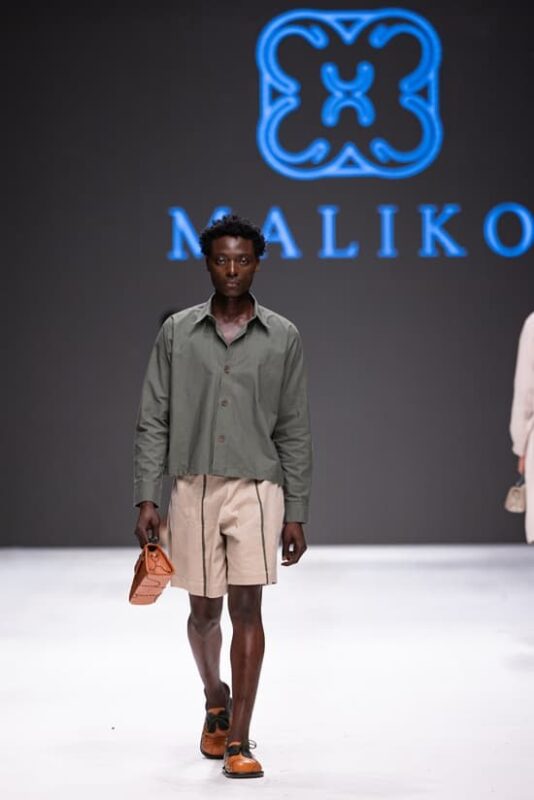
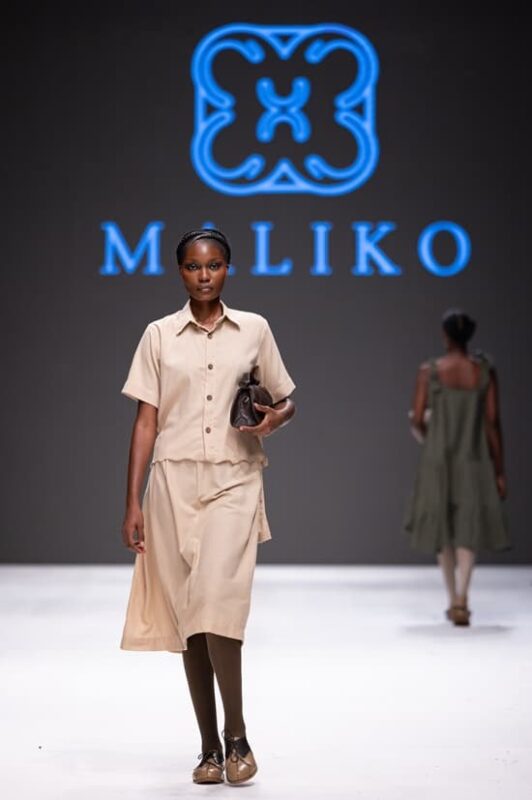
Maliko presented a relaxed, minimalist collection defined by understated tones, loose-fitting silhouettes and effortless everyday pieces, blending comfort with contemporary style.
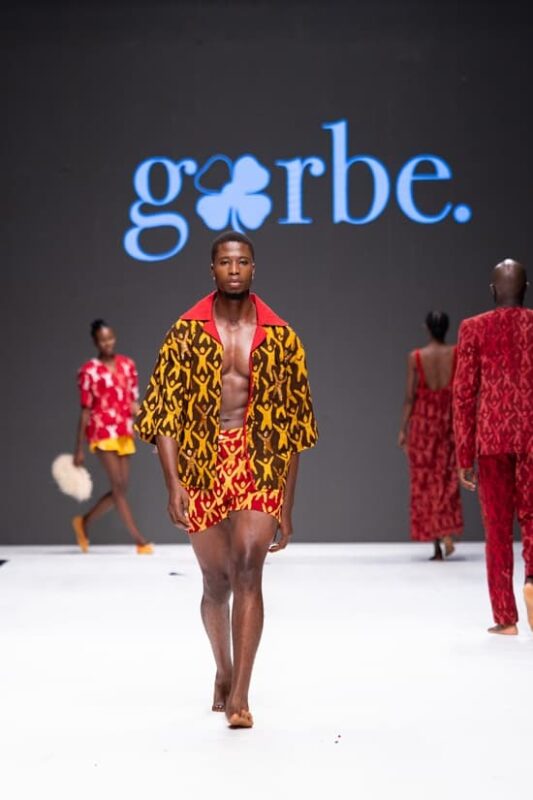
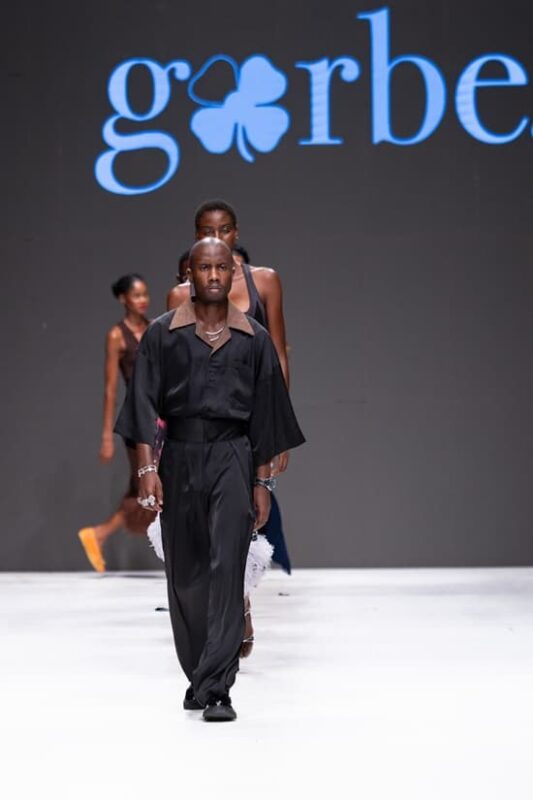
Garbe brought bold expression to the runway through vibrant prints, striking colour combinations, and playful silhouettes, delivering a collection that celebrated individuality and confident style.
The remaining collections continued to explore the relationship between material and silhouette.
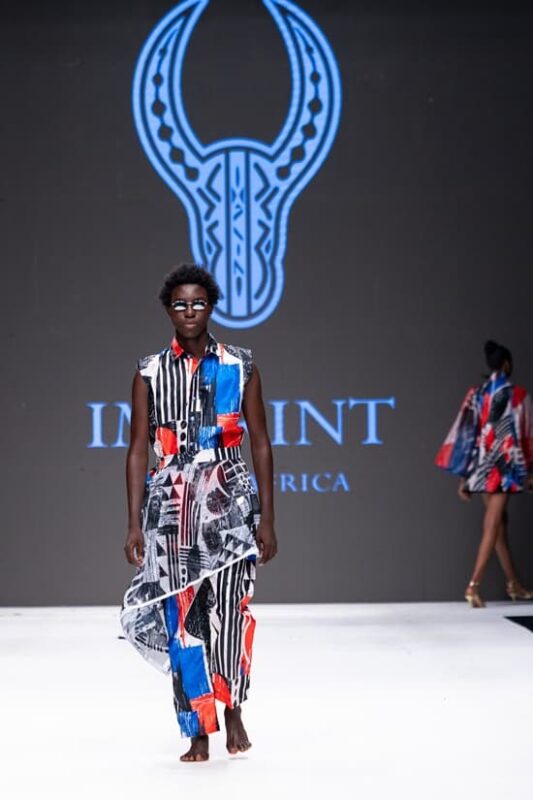
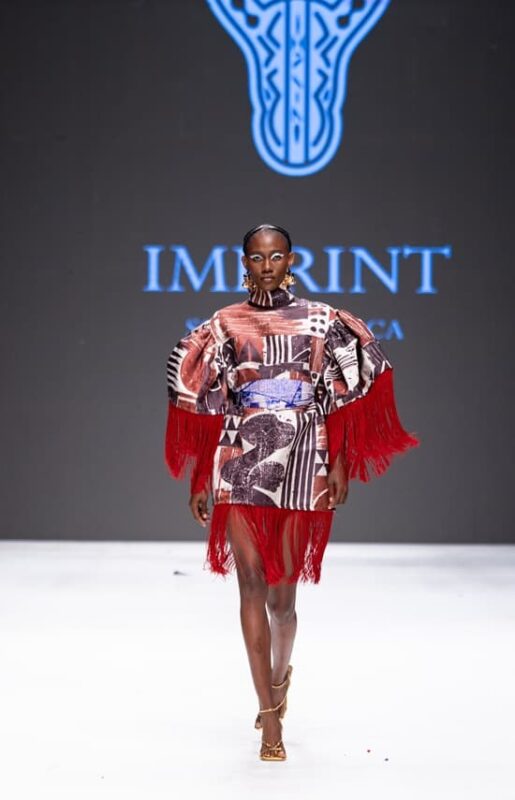
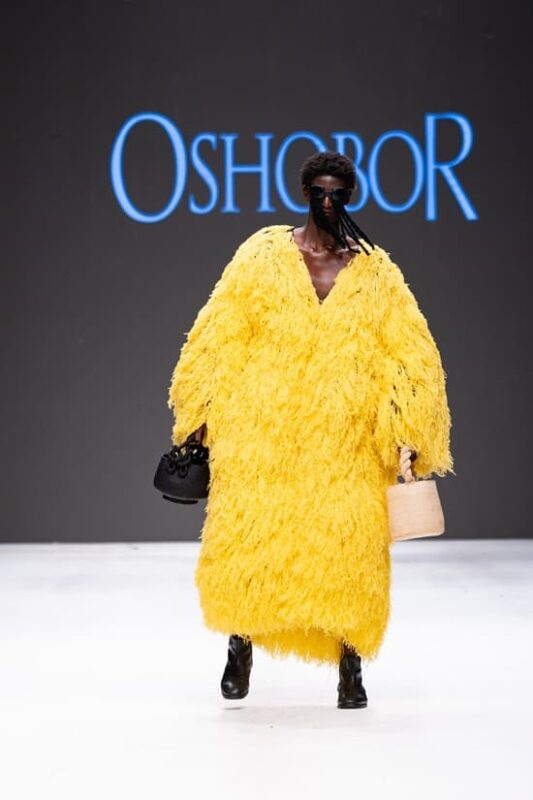
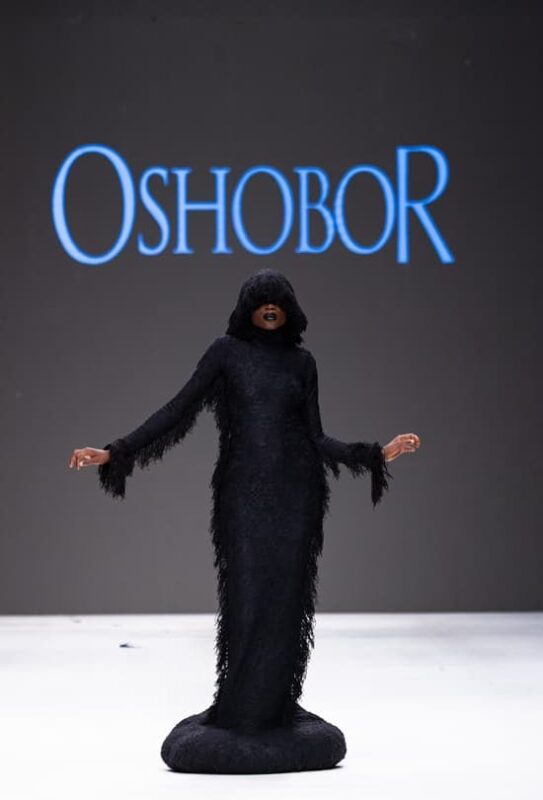
Imprint South Africa worked with graphic textiles and voluminous forms, while Oshobor introduced a theatrical approach through familiar silhouettes, textured surfaces, and a vivid palette of yellow, red, and purple.
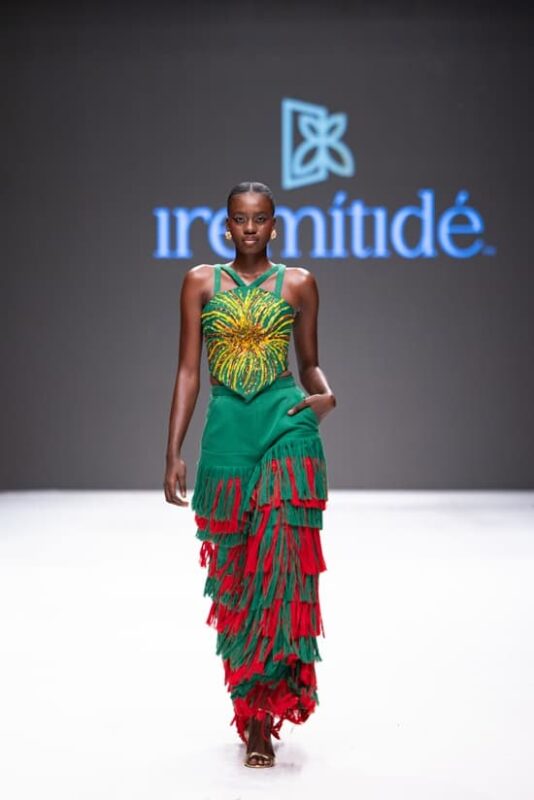
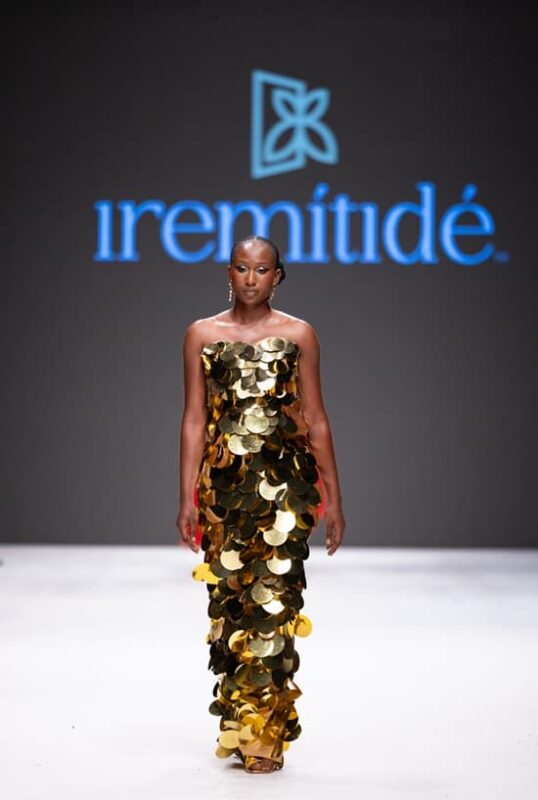
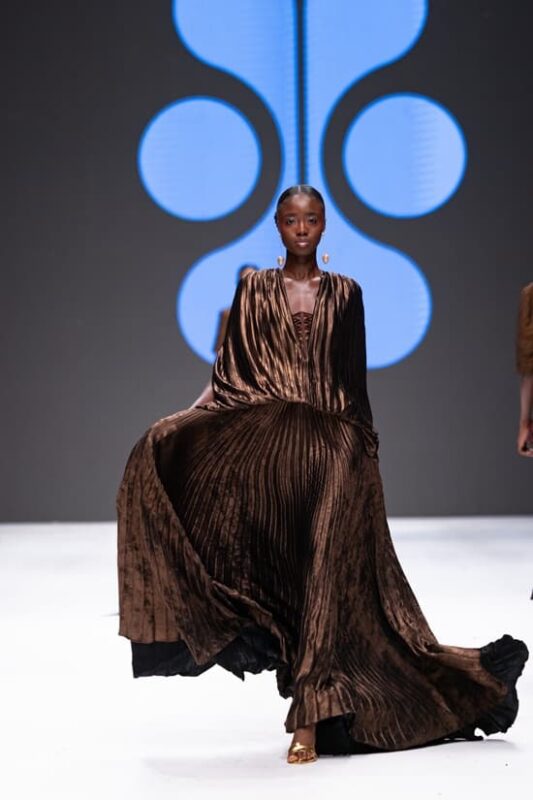
Iremitide presented occasionwear in shimmering gold and shades of bright colours, while Christie Brown combined neutral tones, chiffon prints and metallic finishes with sharp tailoring.
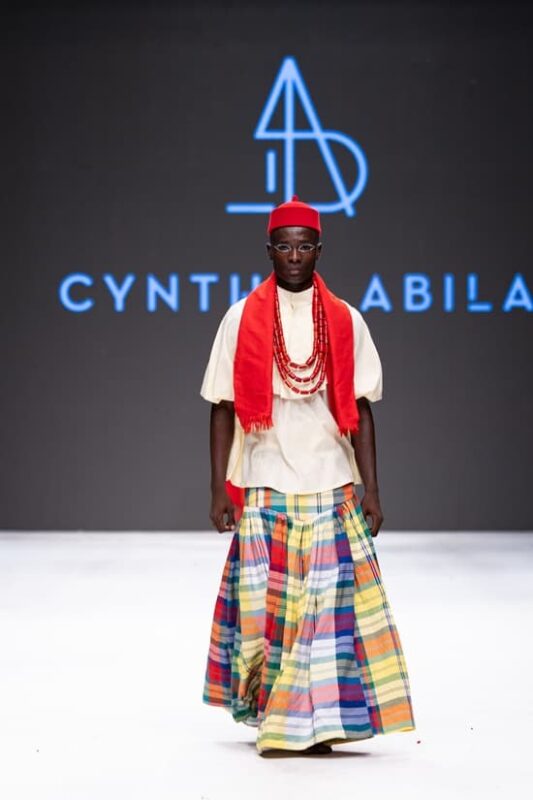
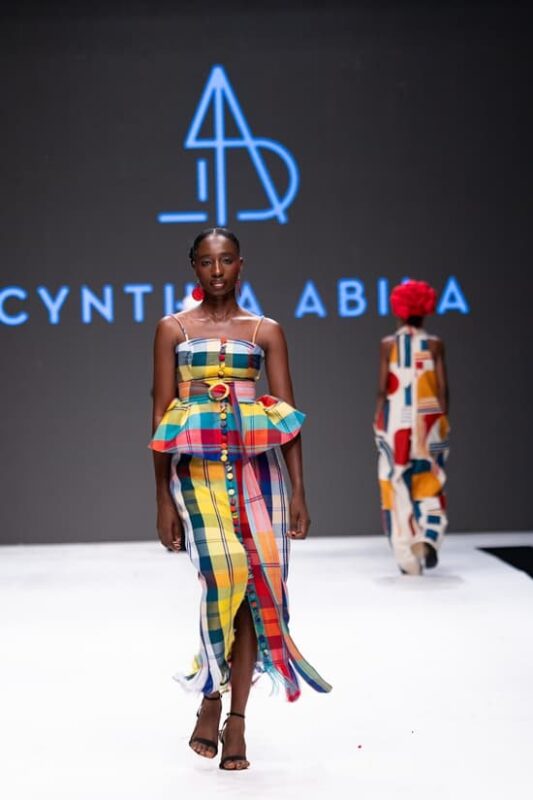
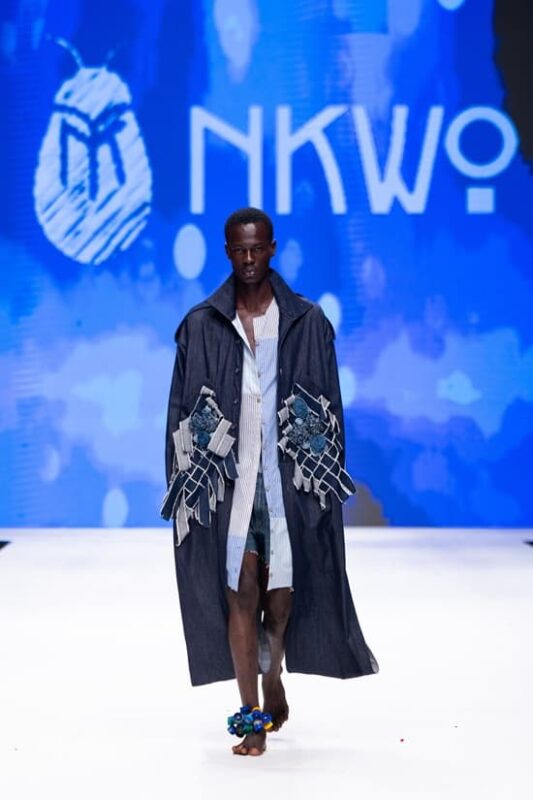
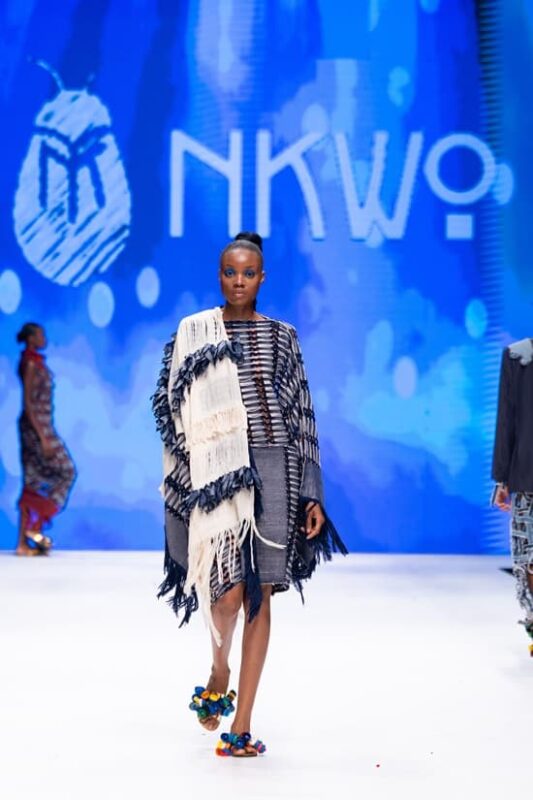
The day closed with presentations by Cynthia Abila and Nkwo.
Abila’s The Common Ground was dedicated to her father, bringing a personal point of reference to the collection.
Nkwo continued to develop her approach to sustainable design through relaxed, sharply considered silhouettes.
The presentations offered a varied reading of the season’s central ideas.
From the reconstruction of existing garments to the continued use of indigenous textiles and traditional forms, designers explored how heritage can inform new design languages without limiting their possibilities.
Photo courtesy: Lagos Fashion Week
You May Also Like:
Oshobor Reimagined Wool and Breezy Feathers into Cute Pieces at Lagos Fashion Week
Inside Kilentar's SS27 2026 Lagos Fashion Week Show
Hertunba Opens Lagos Fashion Week 2026 with Heritage and Powerful Silhouettes
Lagos Fashion Week 2026: Day 1 Conversations on the Future of African Fashion
LFJ’s Jupiter Collection Takes Lagos Fashion Week into Orbit
Atafo’s Sharp Tailoring and Empowered Elegance Kick Off Lagos Fashion Week 2026
Ejiro Amos Tafiri’s Reverie Collection Lights Up Lagos with Colourful Pieces
Why Nigerian Party Fashion Hits Different
South African Fashion Week 2026 Returns to Johannesburg with David Tlale Opening the AW27 Runway
7 Fashion Trends to Watch at the 2026 Lagos Fashion Week
Lagos Fashion Week 2026: What to Wear, Know and Expect
7 Emerging Fashion Designers We Would Love to See at Lagos Fashion Week 2026


Your number #1 fashion obsessed guy. Ubong Richmond is a fashion editor with Fashion Police NG - one who derive joy monitoring and spotting new trends. You will also find me stalking celebrity wardrobes and fashion brands that are about to blow-up.