Published: August 10, 2026 Last Updated 2 months ago by FPN
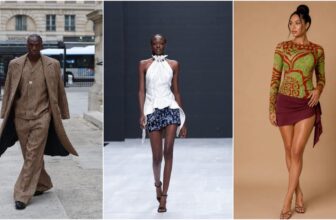
Ghana’s fashion industry has evolved beyond seeking recognition for novelty or potential. The current standard emphasizes consistent products, a clear perspective, and scalable value chains that maintain craftsmanship. Ghana now holds a central place in African fashion.
Ghanaian fashion has progressed significantly, moving from traditional styles to innovative designs featured on international runways and in major publications.
Fashion designers have advanced the global presence of Ghanaian fashion by emphasizing material integrity, cultural authorship, and sound business practices.
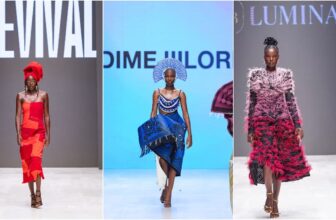
In 2026, that authority feels louder and more assured. Ghanaian fashion brands are no longer simply participating in the African fashion conversation; they are shaping its direction. Luxury houses elevate local craftsmanship into global ready-to-wear. Streetwear labels turn youth culture into international movements.
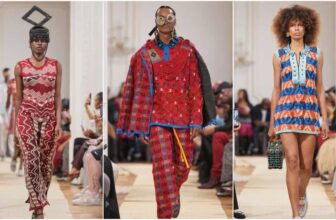
Emerging fashion designers rework heritage textiles for everyday and corporate life. The result is a fashion landscape that feels rooted, inventive, and increasingly influential.
Ahead are the best Ghanaian fashion brands redefining African style right now.
Christie Brown
Christie Brown demonstrates that timeless elegance remains essential in fashion.
Founded by Aisha Ayensu, this renowned Ghanaian fashion brand presents collections suitable for a range of occasions, offering polished style without excess.
 instagram.com/christiebrowngh
 The collections feature flowing silhouettes, breathable linens, painterly prints, and handcrafted embroidery, designed for natural movement and versatility. Pieces are intended to integrate seamlessly into various wardrobes.
Notable figures such as Beyoncé, Genevieve Nnaji, and Jackie Appiah have worn Ayensu’s designs, highlighting the fashion brand’s international influence.
Larry Jay
Larry Jay exemplifies how brand values can be translated into products. Founder Larry Jafaru Mohammed began with accessories in 2012, expanded to clothing in 2016, and later introduced ready-to-wear collections.
The Ghanaian fashion brand distinguishes itself through local sourcing, collaboration with artisans, and upcycling materials into contemporary, understated designs.
 instagram.com/larryjayghana
 Customers now seek tangible quality in construction and finishing. Larry Jay’s collections, including Nomad and subsequent releases, emphasize unisex styles, subtle colour palettes, and a consistent narrative focused on movement, culture, and community.
The fashion brand is expected to expand its international distribution and further its leadership in textile reuse.
Atto Tetteh
Atto Tetteh combines streetwear energy, menswear structure, and expertise in Ghanaian textiles.
The Ghanaian fashion brand offers sleek menswear with unisex appeal, focusing on modern interpretations of African patterns.
 instagram.com/attotetteh
 Atto Tetteh successfully adapts kente and fugu references for global markets while maintaining cultural authenticity.
Buyers value consistent product quality, which Atto Tetteh delivers. Industrie Africa has recognized the fashion brand for its elevated streetwear that prioritizes traditional fabrics, dye techniques, and motifs, with sustainability integrated into its processes.
Papa Oppong
Papa Oppong is a Ghanaian fashion designer, illustrator, and artist whose brand is founded on craft, fantasy, and heritage.
In 2023, he became the first Ghanaian fashion designer to receive a Fashion Trust U.S. Award. In 2024, the CFDA profiled his business growth, including the launch of Prologue, an 11-piece capsule marking his first ready-to-wear and wholesale collection.
 instagram.com/papaoppong
 Oppong’s fashion brand is rooted in the preservation of craft and Ghanaian cultural memory, incorporating folktales and a commitment to honoring artisans.
He advances sustainability through a strict pre-order model to minimize waste and excess inventory. His release strategy is structured and sequential, providing clarity for customers.
Sadia Sanusi
For Sadia Sanusi, dressmaking is an inherited craft reinterpreted for the present through bold, bespoke Kente designs.
Her approach reflects lessons passed down through two generations, demonstrating knowledge gained through family tradition and creative expression.
 instagram.com/saadiasanusi
 In 2016, after earning a Bachelor of Communication Design from KNUST, she established her brand, which celebrates African design through bespoke Kente creations.
The fashion designer’s work has appeared on red carpets internationally, reflecting meticulous craftsmanship and a strong connection to her heritage.
“Kente’s bold geometry speaks of identity, cultural pride, and legacy,” she says. “Those stories find a home in every piece I create.”
Ajepomaa Gallery
Ajepomaa Gallery demonstrates that luxury can convey meaningful narratives with its AHABAN Spring 2026 Capsule. Named after the Akan word for “leaf,” AHABAN pays tribute to life, renewal, and the importance of protecting Ghana’s forests and waterways.
Every garment is crafted from a blend of handwoven Aso Oke, richly textured Fugu, delicate organza, and cotton batik created from deadstock fabrics sourced from GTP’s textile mills.
 instagram.com/ajepomaagallery
 Rather than allowing quality materials to go to waste, Ajepomaa Gallery breathes new life into them. Architectural corsets curve like tree branches, while flowing layers recreate the movement of leaves dancing in the wind.
In an era when conscious fashion is redefining luxury, Ajepomaa Gallery reminds us that true elegance is rooted in heritage, craftsmanship, and respect for the environment.
DealAxis Atelier
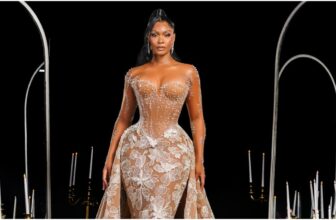
DealAxis Atelier made a strong impression at Accra Fashion Week 2025. The Ghanaian fashion brand presented an aesthetic that combined majesty and intention, blending subtle authority with understated luxury.
The collection featured flowing, sculpted silhouettes that conveyed calm strength.
 instagram.com/deal_axis
 The collection showcased rich, controlled textures and a balance between structure and fluidity.
Some pieces were form-fitting, while others featured graceful draping. The presentation commanded attention through subtlety and refinement.
Ozwald Boateng
Ozwald Boateng is a Ghanaian-British contemporary fashion designer who redefined modern tailoring.
Known for his fearless approach to menswear and bold use of colours such as deep purple and emerald, green, the fashion designer became the first designer to open a store on Savile Row in the 1990s, attracting a younger demographic while still respecting traditional craftsmanship.
 instagram.com/ozwald_boateng
 His work has graced the Met Gala and magazines such as Vogue, with celebrities including ASAP Rocky, Colin Kaepernick, and Jaden Smith wearing his designs.
Free The Youth
Originating as a social media movement celebrating Ghanaian youth culture, Free The Youth has become a leading Ghanaian streetwear fashion brand.
 instagram.com/freetheyouth_ghana
 It combines bold graphics, local references, and global street style, maintaining authenticity while appealing internationally. Collaborations and appearances in major cities have broadened its influence.
The fashion brand serves as both a creative platform and cultural connector, preserving Ghanaian identity within global streetwear.
Duaba Serwa
Nelly Hagan Deegbe’s Duaba Serwa fashion brand is recognized for innovative use of texture, volume, and structural detail.
Signature features include triangular, origami-inspired pleats that create an architectural effect.
 instagram.com/duabaserwa
 Collaborating with artisans locally and internationally, the Ghanaian fashion brand preserves and adapts traditional weaving for modern, luxurious contexts.
Duaba Serwa demonstrates that heritage craft can evolve while maintaining cultural roots, resulting in womenswear that is both experimental and wearable.
Boyedoe
David Kusi Boye-Doe has developed Boyedoe into a prominent afro-luxury label that integrates contemporary design, Ghanaian heritage, and sustainable practices.
The Ghanaian fashion brand’s bold silhouettes and considered material choices have received international recognition.
 instagram.com/boyedoe_
 Boyedoe exemplifies a new generation of Ghanaian fashion designers who engage in global luxury while remaining connected to local traditions, reflecting Accra’s increasing commercial and critical confidence.
Pistis Ghana
Sisters Sumaiya and Abena Mohammed founded Pistis Ghana, focusing on refined minimalism and ethical production.
The Ghanaian fashion brand’s clean lines and thoughtful approach provide an alternative to more maximalist African fashion.
 instagram.com/pistisgh
 By emphasizing responsible practices, Pistis helps define contemporary Ghanaian luxury beyond decorative elements.
EKASA
Winifred Edjeani’s EKASA takes handwoven kente beyond ceremonial use and into ready-to-wear for daily and corporate life.
Structured blazers, dresses, and coordinated sets prove that heritage textiles can function in contemporary wardrobes without losing their cultural weight.
 instagram.com/ekasa.co
 The Ghanaian fashion brand’s focus on practical elegance expands the possibilities for traditional cloth and supports the artisans who produce it.
Odefille and Emerging Voices
Odefille and other emerging Ghanaian fashion brands contribute to the industry with culturally grounded, refined womenswear and artisanal methods.
 instagram.com/odefille
 These fashion labels emphasize craftsmanship, storytelling, and exclusivity, frequently participating in Accra Fashion Week and collaborating across Africa. Collectively, they ensure Ghanaian fashion remains dynamic.
What unites these brands is a refusal to treat Ghanaian identity as limitation or costume. They work with local materials, techniques, and stories while meeting the technical and commercial standards of a competitive global industry.
Some prioritise luxury and longevity. Others channel youth culture and street energy. Still, others focus on sustainability, ethical production, or the quiet elevation of everyday wear.
Across these different approaches runs a shared confidence: Ghanaian fashion design does not need to explain itself. It simply needs to execute at a high level.
In 2026, leading Ghanaian fashion brands are achieving these goals. They serve clients locally and internationally, participate in global discussions, and expand the visual language of African style.
From Christie Brown’s established reputation to Free The Youth’s dynamic energy and Duaba Serwa’s innovation, these Ghanaian fashion brands affirm Accra’s and Ghana’s ongoing importance in shaping the future of fashion. Those interested in African style should follow and support these names.
Photo: Instagram/aisha_ayensu
You May Also Like:
7 Emerging Fashion Designers We Would Love to See at Lagos Fashion Week 2026
October 8, 20269 Reasons You Should Attend (or Watch) Lagos Fashion Week 2026
October 7, 2026Maxhosa Africa: The First South African Fashion Brand Showcasing at Paris Fashion Week
October 2, 2026Method Dressing Among Nigerian Celebrities: Are We Finally Getting It Right?
September 8, 2026Camcassid: The Sustainable Fashion Brand Turning Textile Waste into Wearable Art
September 2, 2026The 2026 Africa Fashion Week London was a Defining Moment for African Fashion
August 24, 2026What Does Luxury Fashion Mean to an African?
August 20, 2026African Fashion Weeks 2026: Biggest Trends and Highlights
August 20, 202610 Top Affordable Luxury Fashion Brands in Africa
August 17, 2026How to Style Ankara Dresses for Every Occasion
August 11, 202620 Best Ankara Styles for Weddings and Parties in Nigeria
August 6, 202611 Top African Fashion Trends Dominating 2026
August 6, 2026


Esther Ejoh is a Fashion Editor at Fashion Police Nigeria, where she writes all things fashion, beauty, and celebrity style, with a sharp eye and an even sharper pen. She’s the girl who’ll break down a Met Gala look one minute, rave about a Nigerian beauty brand the next, and still find time to binge a movie or get lost in a novel. Style, storytelling, and self-care? That’s her holy trinity.