Published: August 6, 2026 Last Updated 3 months ago by FPN
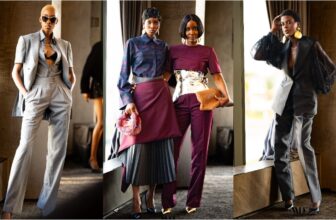
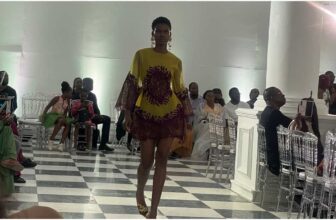
The phrase “fashion is art” no longer fully captures the achievements of African fashion designers.
At the 2026 Africa Magic Viewers’ Choice Awards, the fashion went beyond glamour, showcasing architecture, storytelling, sculpture, fantasy, and craftsmanship of remarkable detail.
One gown became a cathedral, featuring gothic-inspired structures rising from the skirt. Another replaced traditional fabric with stacked loaves of bread, sculpted into a dramatic ball gown silhouette.
African fashion consistently recognizes that getting dressed is significant. For weddings, naming ceremonies, or award shows, fashion serves as performance, pride, and storytelling.
While the global industry debates whether clothing belongs in museums, African creatives have long answered with garments that function as installations, embodying culture, ceremony, and imagination.
This is not a fleeting moment of visibility but a sustained movement reshaping perceptions of African luxury.
As Laduma Ngxokolo, the South African designer behind Maxhosa, stated: “My aim is not to be more readable to Western European cultures. I don’t want to blend in and be lost in translation; I’m travelling roads in reverse”.
Traditional textiles are being treated as high-value resources rather than nostalgia. Craft techniques once considered rustic now read as couture.
Silhouettes move fluidly across gender lines. Colour and texture arrive with intention rather than decoration. The result is a fashion language that feels both rooted and forward-looking.
Below are the top African fashion trends dominating 2026, the ones shaping wardrobes, runways, and cultural conversations across the continent and beyond.
The Adire-Lace Fusion
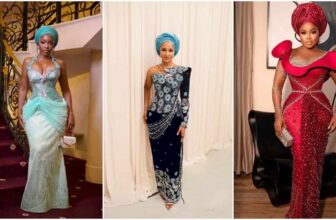
A significant cultural shift is underway in Africa’s leading fashion capital. On Lagos runways and at elite Owambe gatherings, the Adire-Lace combination has become prominent.
By blending the heritage of Yoruba tie-dye with the luxury of premium lace, Nigerian fashion designers have created an aesthetic that bridges generations, redefines luxury, and supports local economic growth.
 Photo Courtesy
 The appeal of this combination is in its textural contrast. Designers use techniques such as strategic panelling, constructing the main body of a gown or Iro and Buba from Adire silk and accenting sleeves or trains with lace.
Alternatively, vibrant Adire serves as a lining beneath open-work lace, creating visual depth as tie-dye motifs appear beneath the surface.
This African fashion trend has attracted a younger, affluent demographic to Adire. Seeing tie-dye elevated with premium lace on international runways has shifted perceptions of its value.
Beyond visual appeal, this movement is revitalising the local textile economy. By positioning Adire in luxury fashion, creative directors have increased the commercial value of artisanal work, providing sustainable income for rural women dyers and local fabric designers.
Yellow Lace
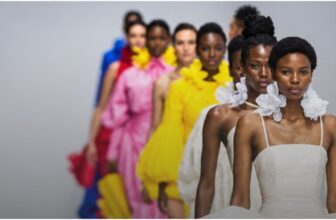
Yellow lace is becoming a leading style statement in 2026, seen at Abuja weddings, Lagos runways, and international fashion events.
Once reserved for special occasions, designers and enthusiasts now present yellow lace as a symbol of elegance, warmth, and modern African luxury.
The rise of butter yellow, mustard, and creamy yellow shades reflects a global move toward expressive, optimistic colours.
 Photo: Intagram/daffa.knt
 Lace is also experiencing a resurgence in 2026, especially in romantic, soft-textured silhouettes.
Fashion designers combine delicate lace with modern cuts, corset details, and dramatic sleeves to blend tradition with global trends.
In Nigeria, yellow lace is especially popular for aso-ebi fashion. French, beaded, and dry lace fabrics dominate events, with many women choosing fitted gowns, iro and buba, and mermaid silhouettes in vibrant yellow.
While red and black convey drama, yellow expresses freshness, celebration, and confidence. Soft butter-yellow appeals to younger women seeking subtle glamour, while mustard tones remain favoured by mature fashion enthusiasts.
Fashion as Sculpture
The 2026 red carpets have shown that African fashion leads in sculptural dressing. The AMVCA red carpet in Lagos became a showcase for innovation.
Fashion designers like Veekee James, who dressed Osas Ighodaro in a red cage-like structure, have redefined garment design.
 Photo: Instagram/veekee_james
 Nana Akua Addo wore a gothic cathedral-inspired gown, a technical achievement created with Lagos artisans.
Sculptural dresses, from stone-like forms to metallic winged designs, are created to provoke reaction, not just to photograph well.
Menswear is equally striking, featuring rich orange ceremonial robes, elaborate headpieces, and bold tailoring that balances minimalism with drama.
The Okrika Rebrand and Upcycling Movement
A decade or two ago, ‘Okrika‘ in Yaba Market, Lagos, was associated with budget-driven necessity. By 2026, the narrative has changed. Thrifting is now seen as a mark of creativity, conscious consumerism, and style.
What started as an economic necessity has become an act of creative defiance. Today, vintage pieces from Katangua Market often surpass boutique outfits.
 Photo: instagram/thriftshop_lane
 Nigerian youth, increasingly aware of fast fashion’s environmental impact, have embraced thrifting as the original “Green Fashion.” By choosing second-hand, they extend garment life cycles and reduce textile waste.
Social media has amplified this African fashion trend, with “Thrift fashion Influencers” promoting curated aesthetics like “Dark Academia,” “Y2K Lagos,” and “Old Money,” all sourced from markets once visited out of necessity.
The Return of the Hat
In Lagos and Abuja, a new trend is emerging: hats are now central to fashion ensembles. Once limited to traditional ceremonies or sun protection, hats have become a defining fashion statement for both men and women in 2026.
This is more than a seasonal fashion trend; it is a sophisticated ‘Millinery Movement.’ Men are moving beyond the traditional Fila, choosing structured, wide-brimmed Fedoras and artisanal felt boaters.
 Photo: Instagram/neefamoaccessories
 Women are embracing architectural turbans and oversized, hand-woven straw hats.
The demand for unique headwear has revived local craftsmanship, with milliners and traditional weavers incorporating indigenous fabrics such as Aso-oke and Akwa-ocha into modern hat designs.
Craft as Luxury: Raffia, Crochet, Fringe, and Texture
One of the strongest visual signatures of 2026 fashion trends is the elevation of tactile, handmade techniques.
Raffia has been transformed from humble craft material into refined runway textile, woven, dyed, and sculpted into garments and accessories that read as luxurious.
 Photo: Instagram/ruthinacrochet
 Crochet, macramé, fringe, and intricate texturing appear across collections, celebrating movement, hand skill, and surface interest.
These elements reject the idea that luxury must be smooth, industrial, or imported. Instead, they position African craft traditions as sources of high-fashion value.
The African fashion trend rewards patience and skill while giving clothes a distinctive physical presence that photographs and moves beautifully.
Gender-Fluid Silhouettes and Reinvented Menswear
Rigid boundaries in gendered dressing are fading. Wrap styles, flowing cuts, unstructured garments, and shared silhouettes now appear in collections for all genders.
In menswear, the modern agbada has been slimmed, cropped, and reimagined for contemporary life.
 Photo: Instagram/they.them.ri
 Fashion designers use traditional forms as inspiration, creating pieces that are both ceremonial and suitable for everyday wear.
This shift encourages self-expression and reflects the influence of creative communities in cities like Lagos.
Sustainable and Circular Practices
Sustainability is now a core principle for many African designers and consumers. Upcycled denim, recycled fabrics, natural fibers like cotton, hemp, and raffia, ethical production, and support for local artisans are central.
Deconstructed denim highlights reinvention, and brands emphasize transparency in materials and processes.
 Photo: Instagram/csfdgrenada
 This African fashion trend addresses environmental concerns and creates economic opportunities in local supply chains.
In 2026, choosing garments with clear origins and lower impact reflects both cultural and personal values.
Maximalist Accessories and Statement Adornment
“More is more” defines accessories in 2026. Oversized beaded jewelry, sculptural headpieces, dramatic geles, cowries, shells, and coral references carry both ancestral and aesthetic significance.
 Photo: Instagram/fanmdjanm
 These pieces do more than complete an outfit; they convey narrative and presence. The maximalist approach celebrates abundance, craftsmanship, and the tradition of adornment in African fashion.
Statement accessories allow wearers to personalize and elevate even simple outfits.
African Streetwear and Urban Codes
Streetwear continues to incorporate African influences. Ankara cargo trousers, print hoodies, culturally specific graphics, and hybrid pieces blend local identity with global youth culture.
 Photo: Instagram/therepublic_ng
 Fashion brands based in Lagos and other cities create clothing that is authentic to urban African life and resonates internationally.
This category thrives on energy, accessibility, and cultural specificity, offering an alternative to both traditional formalwear and generic global street styles.
Colour Stories: Earth Tones
Colour palettes in 2026 balance earthy and vibrant tones. Chocolate brown is a sophisticated neutral, often called the new black, seen in silk, tailoring, and layered looks.
Egg-yolk yellow, burnt orange, rust, ochre, and bright colours add energy. This mix allows for both understated luxury and bold colour play.
 Photo: Instagram/hertunba
 Fashion designers use these hues to create mood and hierarchy, showing that African fashion embraces both restraint and exuberance.
These African fashion trends are interconnected and mutually reinforcing. Fashion designers may combine raffia textures with gender-fluid cuts, incorporate adire into sustainable models, or pair Ankara with maximalist jewelry.
The unifying factor is confidence: African fashion in 2026 draws on heritage as inspiration, values craft as luxury, and expresses identity with nuance.
The resulting styles are current, culturally grounded, and increasingly influential globally.
These ideas and aesthetics will continue to shape fashion and conversations throughout the year and beyond.
Photo Courtesy
You May Also Like:
Why Nigerian Party Fashion Hits Different
South African Fashion Week 2026 Returns to Johannesburg with David Tlale Opening the AW27 Runway
7 Fashion Trends to Watch at the 2026 Lagos Fashion Week
Lagos Fashion Week 2026: What to Wear, Know and Expect
7 Emerging Fashion Designers We Would Love to See at Lagos Fashion Week 2026
9 Reasons You Should Attend (or Watch) Lagos Fashion Week 2026
Maxhosa Africa: The First South African Fashion Brand Showcasing at Paris Fashion Week
Method Dressing Among Nigerian Celebrities: Are We Finally Getting It Right?
Camcassid: The Sustainable Fashion Brand Turning Textile Waste into Wearable Art
The 2026 Africa Fashion Week London was a Defining Moment for African Fashion
What Does Luxury Fashion Mean to an African?
African Fashion Weeks 2026: Biggest Trends and Highlights


Esther Ejoh is a Fashion Editor at Fashion Police Nigeria, where she writes all things fashion, beauty, and celebrity style, with a sharp eye and an even sharper pen. She’s the girl who’ll break down a Met Gala look one minute, rave about a Nigerian beauty brand the next, and still find time to binge a movie or get lost in a novel. Style, storytelling, and self-care? That’s her holy trinity.