Published: November 9, 2026 Last Updated 2 days ago by FPN
Crochet in Nigeria has evolved from a quiet pastime into a thriving part of the country’s contemporary fashion industry.
What was once associated with homemade accessories, childhood hobbies and traditional craft is now finding its place in fashion collections, international retail stores, celebrity wardrobes and social media conversations.
Across Lagos, Abuja and other parts of the country, Nigerian fashion designers are turning yarn and a crochet hook into statement dresses, sculptural handbags, colourful knitwear, accessories and even home furnishings.
The growing interest in Nigerian crochet brands in 2026 reflects a wider change in how people approach fashion.
Consumers are paying closer attention to where their clothes come from, how they are made, and the people behind the designs.
There is also a growing appreciation for handmade pieces that offer something different from mass-produced clothing.
For Nigerian fashion designers, this presents an opportunity to turn traditional skills into businesses with local relevance and international appeal.
Social media has played an important role in this growth.
Platforms such as Instagram and TikTok have allowed independent designers to showcase their creative processes, attract customers beyond Nigeria and build communities around their work.
Some brands have gained recognition for their carefully constructed bags, while others are known for colourful garments, inclusive sizing, sustainable production and designs inspired by African culture.
What makes this movement particularly interesting is the range of approaches emerging from the industry.
Some fashion designers treat crochet as wearable art, others approach it through architecture and functionality, while a few use it to explore identity, heritage and storytelling.
Their work challenges the idea that handmade fashion should be treated as a hobby or inexpensive alternative to ready-to-wear clothing.
From established labels with international retail presence to independent creatives building their businesses one order at a time, Nigerian crochet brands are giving the craft a new commercial and cultural identity.
Here are the fashion designers and labels worth knowing in 2026.
By Ore (Ore Akinde)
Ore Akinde, founder of ByOre, began crocheting as a child before eventually turning her interest into a fashion business.
She was drawn to the technique because of the creative freedom it offered and the opportunity to introduce something different to the Nigerian fashion market.
What started as a university side business selling Ankara tops gradually developed into a brand specialising in crochet dresses, sweaters, shirts, jumpers and experimental garments.
Akinde’s designs have attracted considerable attention on social media, particularly on X, where her posts and conversations about crochet regularly generate interest.
One of ByOre’s defining characteristics is its approach to accessibility.
Rather than limiting its collections to a narrow interpretation of high-end fashion, the brand creates contemporary pieces that appeal to young Nigerian consumers while maintaining a recognisable design identity.
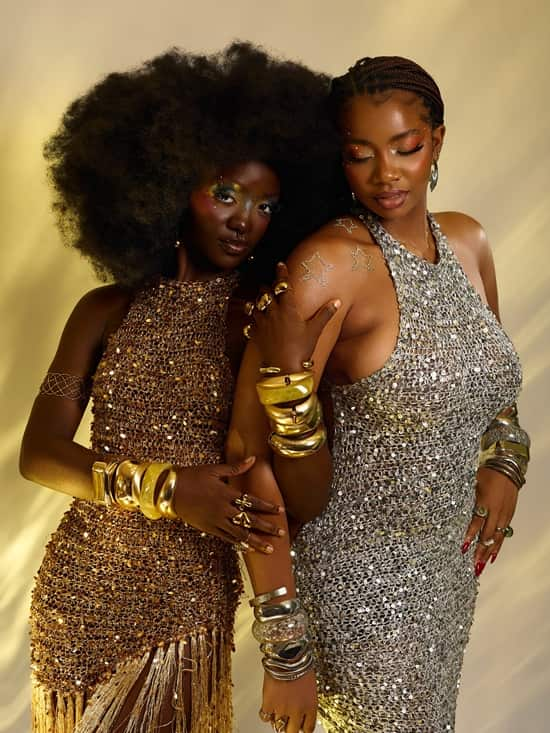 Photo: Instagram/ by_ore
Its size range also reflects a commitment to accommodating different body types, an important consideration in a market where inclusive sizing remains a challenge.
The collections cover different occasions, from beachwear and casual dresses to structured outerwear.
A collaboration with Ozzy Etomi produced the Ozzy Jumper, further demonstrating the brand’s willingness to explore new creative partnerships.
In 2025, Akinde expanded her business with the introduction of Ruggings, a home furnishings line that takes her interest in fibre art beyond clothing.
ByOre now serves customers in Nigeria, the United States, Canada and Europe.
Her ambition is to make ByOre synonymous with crochet and handcrafted wearable art in Nigeria.
Among Nigerian crochet brands, ByOre stands out for showing how a personal interest can develop into a wider creative business with room for expansion into different product categories.
Elexiay (Elyon Adede)
Founded by Elyon Adede in 2018, Elexiay is one of the Nigerian crochet brands that has helped introduce contemporary Nigerian craftsmanship to international fashion audiences.
The label is known for its intricate handmade garments, bold colour combinations and carefully constructed silhouettes that bring traditional crochet techniques into modern wardrobes.
Adede established the brand with a clear objective: to challenge the perception of crochet as something old-fashioned or limited to homemade clothing.
Her designs show what can be achieved with yarn when technical knowledge, creative direction, and an understanding of contemporary fashion come together.
An important part of Elexiay’s identity is its commitment to working with Nigerian women artisans.
The brand provides employment opportunities for skilled craftspeople while creating garments that require considerable time and attention to detail.
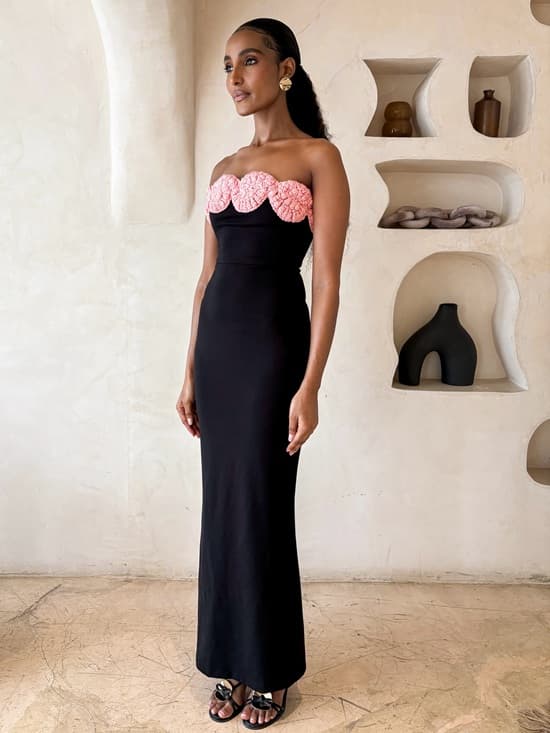 Photo: Instagram/ elexiay
In an interview with The Guardian Nigeria, Adede discussed the importance of fair wages, safe working conditions, and preserving traditional skills through commercial opportunities.
Elexiay’s international recognition grew following a collaboration with John Legend’s styling team, which selected the brand to dress backup singers for the Global Citizen Move Afrika concert in Lagos.
The opportunity introduced its work to a wider audience and demonstrated the international appeal of Nigerian-made crochet.
The brand has also attracted attention from fashion personalities, including Temi Otedola, who endorsed its Moni Cardigan and identified Elexiay as a preferred source for knitwear and crochet.
Today, Elexiay is available through Shopbop, an international fashion retail platform, with collections featuring everything from cover-ups to floor-length dresses.
Its work combines intricate construction with wearable silhouettes, proving that handmade garments can compete within the wider contemporary fashion market.
Elexiay’s story is particularly important to the growth of Nigerian crochet brands because it demonstrates how local production, skilled employment, and international distribution can operate within the same business model.
HookedbyLade (Kolade Mayowa Bolade)
Omobolade Kolade Mayowa, popularly known as Lade, describes herself as a crochet architect.
The title is closely connected to her academic background in architecture at the Federal University of Technology, Akure, and the way she approaches the construction of her designs.
HookedbyLade began during her National Youth Service Corps programme in 2017, when Mayowa returned to crochet as a form of therapy.
What began as a personal creative activity gradually grew into a business, which she pursued full-time in 2021.
The brand has since built a substantial audience on Instagram and TikTok, with more than 800,000 followers across the platforms, according to the figures provided.
It has also fulfilled more than 1,000 orders and shipped its signature bags to customers in over 15 countries.
Unlike conventional crochet accessories that often prioritise softness and flexibility, HookedbyLade focuses on structure.
Its bags feature defined shapes, carefully considered proportions and construction techniques that allow them to retain their form.
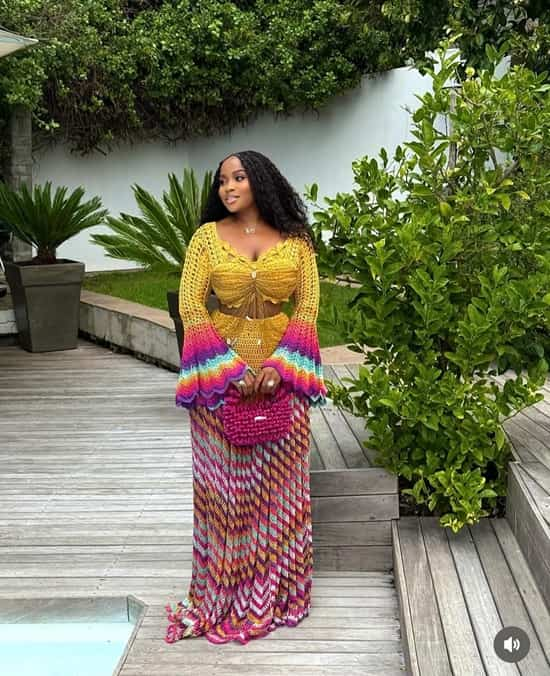 Photo: Instagram/ hookedbylade
Mayowa approaches each bag as a functional object rather than simply a decorative accessory.
The compartments, dimensions and overall construction must serve the purpose of an everyday handbag.
This attention to functionality gives the brand a recognisable position within the Nigerian crochet market.
She has also spoken about the challenges of getting consumers to understand the value of handmade work.
Crochet requires time, skill and patience, yet the technique is sometimes dismissed as an inexpensive hobby. Through her business, Mayowa is working to change that perception.
HookedbyLade is among the Nigerian crochet brands demonstrating that specialisation can be a strong business strategy.
By concentrating on handbags and developing a distinct construction approach, the label has created a recognisable identity that reaches beyond the local market.
Hooked by Titi Crochet (Titilayo Afolabi)
Titilayo Afolabi’s Hooked by Titi Crochet blends nostalgia, practical design, and contemporary styling in handmade accessories.
Her work focuses largely on crochet bags, incorporating details such as traditional wooden handles, raffia, and recycled polyester yarn.
These materials give her creations a connection to familiar West African craft traditions while allowing the finished pieces to appeal to customers looking for modern accessories.
Afolabi’s interest in crochet began in primary school in Kubwa, Abuja, after watching her classmates work with yarn.
That early curiosity eventually developed into a creative business centred on handmade products and thoughtful material choices.
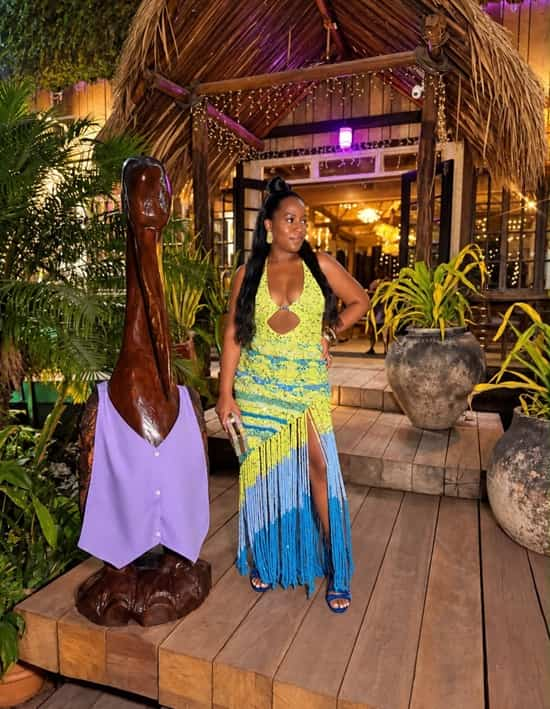 Photo: Instagram/ hooked_by_titi
One of the brand’s strongest selling points is its interest in durability.
Rather than treating crochet bags as temporary fashion accessories, Hooked by Titi places emphasis on pieces that can remain useful beyond a particular season.
This approach is relevant as consumers become more interested in buying fewer disposable fashion items and supporting independent makers.
Handmade accessories also offer opportunities for personalisation, allowing customers to select colours, materials and details that suit their preferences.
Among Nigerian crochet brands, Hooked by Titi contributes to the growing conversation around the commercial value of traditional craft.
Its designs show how familiar materials and techniques can find new audiences through contemporary product development.
Studio Imo
Founded in 2013 by Edwin Okolo and Imobong Emah, Studio Imo is one of the more established names in Nigeria’s contemporary knitwear and crochet scene.
The brand began as a remote collaboration between students in Ghana and Nigeria. Its early creative influences included Dolce & Gabbana, Valentino, Anna Sui, and Missoni.
Over time, however, crochet became central to its identity, largely shaped by Okolo’s childhood experiences learning the technique from his grandaunts.
Rather than treating crochet as an occasional design detail, Studio Imo developed it into a major creative language.
The brand explores how different techniques and materials affect the structure, texture, and movement of a garment.
Sustainability also plays an important role in its work.
Crochet has provided opportunities to experiment with alternative materials, including the upcycling of plastic waste, connecting the brand’s creative direction to wider conversations about responsible production.
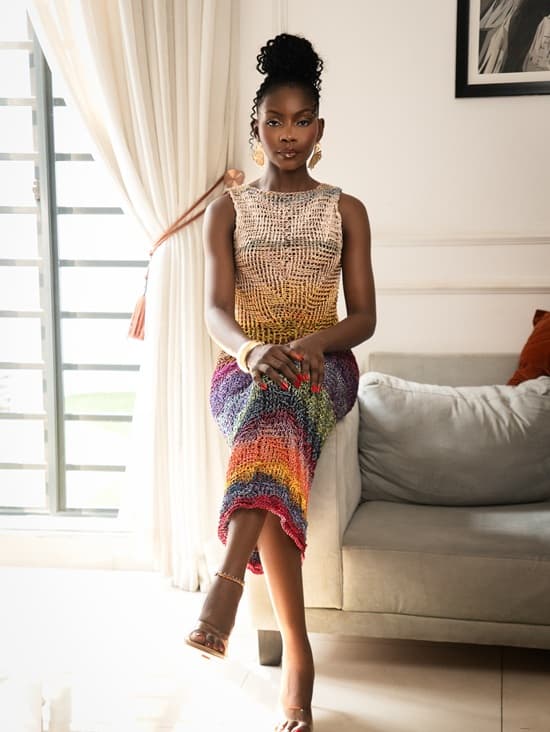 Photo: Instagram/ studio.imo
Studio Imo has collaborated with Nigerian fashion labels such as Orange Culture and IAMISIGO, contributing to collections that explore contemporary African identity through textiles and construction.
Its designs have also attracted celebrity attention, with personalities including Dakore Egbuson-Akande, Linda Ejiofor-Suleiman and Adekunle Gold wearing the brand’s creations.
The label’s aesthetic includes intricate crochet and macramé patterns, fringe details, considered necklines, and silhouettes that balance structure with movement.
Rather than relying on seasonal trends, its collections explore the relationship between traditional techniques and contemporary fashion.
Studio Imo’s longevity is particularly notable.
Maintaining a creative business for more than a decade requires more than design ability. It involves building relationships with artisans, understanding production, developing a consistent identity, and responding to changes in the fashion market.
Its contribution to Nigerian crochet brands lies in showing that the technique can support a long-term fashion business with an identifiable creative philosophy.
6Chi Crochet (Okafor Chidinma Modupe)
Okafor Chidinma Modupe, popularly known as 6Chi Crochet, has brought a different kind of attention to Nigeria’s crochet community.
Beyond running a crochet business, Modupe has become recognised for her record-breaking achievements. She holds the Guinness World Record for the longest crochet marathon, completing an extraordinary 72-hour attempt.
Her achievement highlights the concentration, patience, and physical endurance crochet demands.
Working continuously with yarn and a hook requires considerable technical skill, especially when maintaining consistency over an extended period.
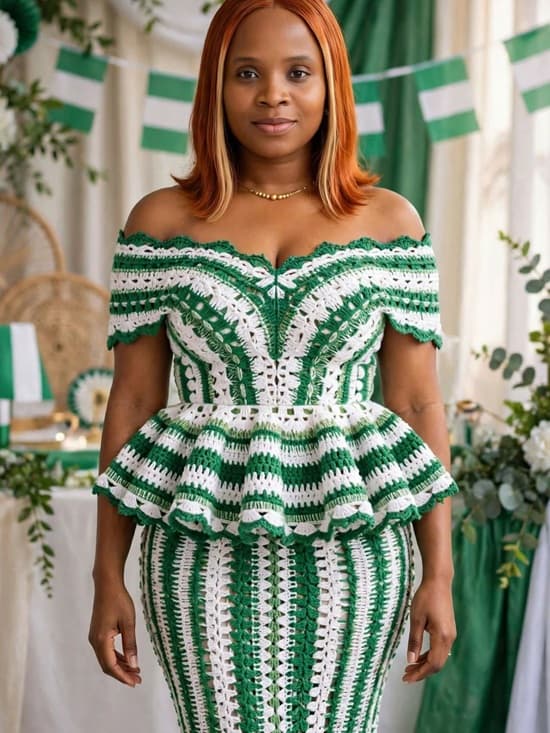 Photo: Instagram/ 6chicrochet
Modupe is also involved in crochet education and community development.
As an educator and ambassador for yarn brands such as Yeye Wool, she helps introduce more people to the craft and encourages others to explore it professionally.
Her contribution extends beyond the products themselves.
By bringing crochet into conversations about record-breaking achievements, creative entrepreneurship, and skill development, she has helped increase public interest in the technique.
Within the wider community of Nigerian crochet brands and makers, 6Chi Crochet represents the educational and performance side of the industry.
Her story also highlights the opportunities available to people who want to turn a practical skill into a recognisable professional identity.
Toluse Designs
Toluwalase Esther Aladesuyi, founder of Toluse Designs, discovered the commercial potential of crochet through an unexpected experience.
After making an item for herself, someone admired the piece and offered to pay for one. That single order encouraged her to continue creating and eventually develop a business around her skills.
Toluse Designs is a Yoruba-owned fashion brand specialising in crochet and machine-knitted products.
Aladesuyi is self-taught in crochet and formally trained in machine knitting, allowing her to work across different textile techniques.
The brand’s product range includes headwear, sweaters, rompers, scarves, baby sets and dresses.
Each category reflects an interest in practical handmade fashion, with products designed for different age groups and occasions.
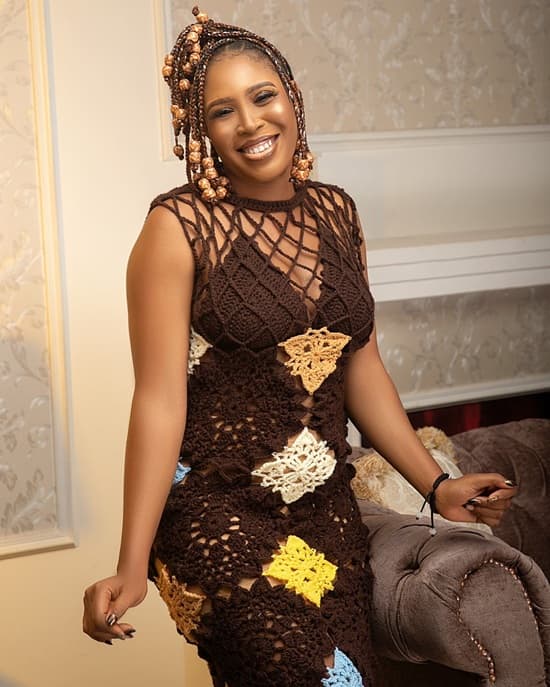 Photo: Instagram/ tolusedesigns
One distinguishing feature is its commitment to local sourcing.
Aladesuyi uses Nigerian yarn where possible, supporting the local economy while keeping production costs manageable.
This also gives the brand the opportunity to work with materials accessible in its immediate market.
Beyond selling finished products, Toluse Designs offers one-on-one crochet and knitting classes.
These sessions allow customers and aspiring makers to learn directly from the founder, creating an additional business opportunity through education.
Aladesuyi also draws inspiration from her Yoruba heritage and the cultural expressions that shaped her upbringing. Language, traditional attire, and proverbs influence the way she understands identity and creative work.
Her approach shows that crochet can preserve cultural knowledge while creating products that appeal to contemporary customers.
Toluse Designs adds an important perspective to Nigerian crochet brands by connecting local materials, heritage, and skills development.
CloveKids
Founded by Queen Uwabuofu, CloveKids International approaches crochet differently.
Rather than focusing exclusively on clothing and accessories, the business uses handmade products to promote representation, inclusion, child development, and sustainability.
Since 2017, CloveKids has produced African dolls and educational materials designed to help children see themselves represented in the toys they play with.
Uwabuofu began crocheting during a difficult financial period after becoming a mother.
When she could not afford new clothes for her infant son, she turned to online tutorials to learn the technique. She started by making baby items and eventually sold her creations to friends and family.
The business reportedly began with an initial investment of just ₦400, showing how a personal skill can become the starting point for a larger enterprise.
A personal experience involving her son’s choking incident with a plastic toy also influenced the direction of the brand.
She began exploring handmade alternatives and developed crocheted dolls designed to offer children different representations of African identity.
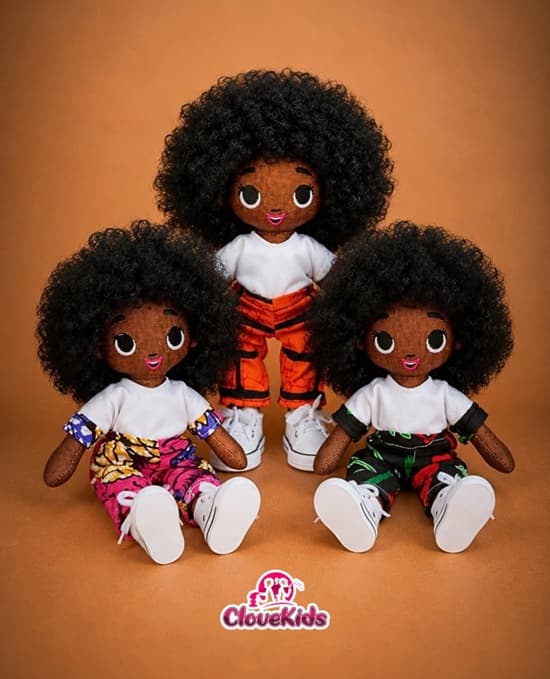 Photo: Instagram/ clovekids
CloveKids dolls feature different skin tones, indigenous hairstyles, and visible conditions such as albinism and vitiligo.
This approach encourages conversations about representation and helps children understand that differences in appearance are a natural part of society.
The business has expanded beyond Nigeria, with products shipped to countries including Ghana, South Africa, Australia, Canada, Germany, the United Kingdom, the United States, and the United Arab Emirates.
Uwabuofu also established CloveKids Academy, an online learning platform that teaches crochet and entrepreneurship to aspiring artisans in more than seven countries.
In 2021, she received the Creative Business Cup Nigeria award, recognising her work as a creative entrepreneur.
CloveKids may not fit the conventional definition of a fashion label, but its contribution to the handmade industry deserves attention.
It demonstrates how crochet can support businesses with educational, social, and commercial objectives.
Other Nigerian Crochet Brands Worth Knowing
Beyond the more established names, several independent labels and makers are contributing to the growing Nigerian crochet industry.
21 Wool Street, founded by Elizabeth Adedeji, has attracted international attention, including participation in Crochet Fashion Week in the United States.
Its presence demonstrates the opportunities available to Nigerian fashion designers who want to introduce their work to audiences outside the country.
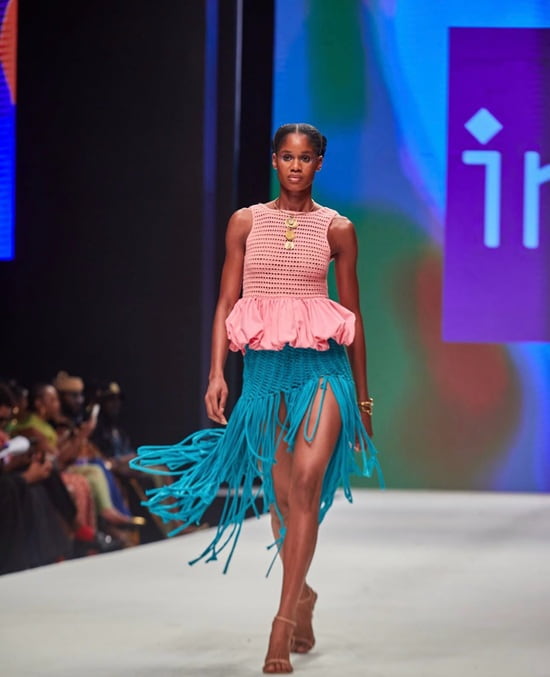 Photo: Instagram/ 21woolstreet
Gaea Lumi is another name associated with sustainability and ethical production.
The brand’s interest in responsible practices reflects a growing conversation about the environmental impact of fashion and the importance of considering how products are made.
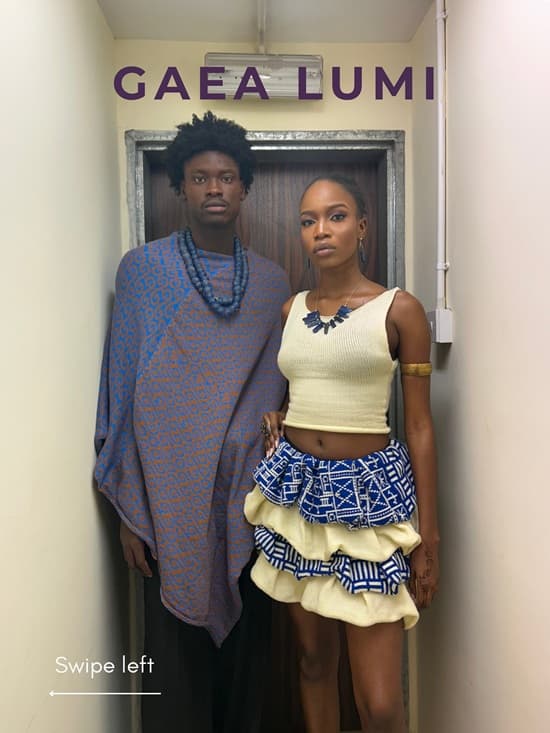 Photo: Instagram/ gaealumi
Other emerging names, including Winniescrochet and Knottyona, are contributing fresh ideas through social media.
Their work reflects the variety within the market, from colourful garments and accessories to different approaches to construction and styling.
These independent businesses may operate on a smaller scale, but they form an important part of the industry. They introduce new designs, experiment with materials, and provide customers with more options when shopping for handmade fashion.
The growing number of Nigerian crochet brands also creates opportunities for collaboration, knowledge sharing, and building a stronger creative community.
Why Nigerian Crochet Fashion Is Gaining Attention
The growing popularity of crochet in Nigeria is connected to several changes in the fashion industry.
Social media has made it easier for independent fashion designers to reach potential customers without depending entirely on traditional retail outlets.
A short video showing how a designer makes a dress or constructs a handbag can introduce them to thousands of people.
Customers can also see the time and skill involved in producing each item, helping them understand why handmade pieces may cost more than factory-produced alternatives.
There is also a growing interest in original clothing.
As fast fashion makes similar designs available across different markets, handmade pieces offer an opportunity to own something that feels more personal.
Crochet naturally supports this demand because individual items may differ slightly in texture, colour arrangement and construction.
Inclusive sizing is another important factor.
Some Nigerian fashion designers are responding to the needs of customers who struggle to find garments that accommodate different body shapes.
By producing made-to-order pieces, they can offer greater flexibility in sizing and fit.
The international appeal of Nigerian fashion has also created new opportunities.
Customers outside the country are increasingly discovering African designers through social media, fashion publications, celebrity styling, and online retail platforms.
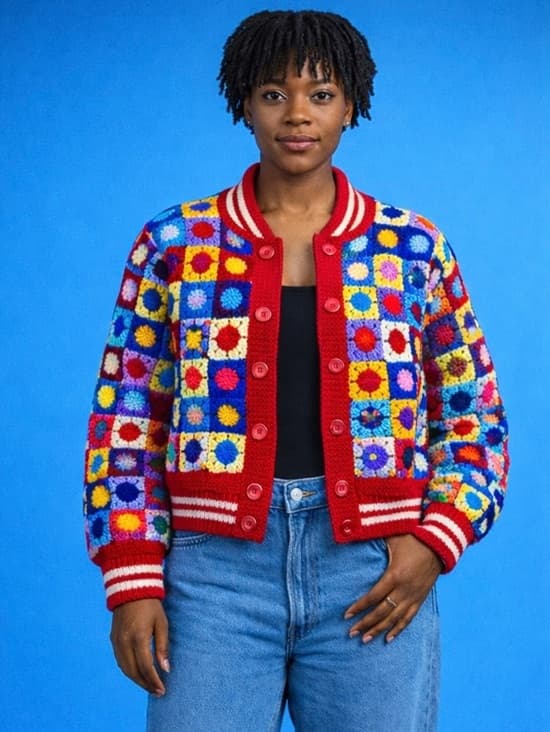 Photo: Instagram/ winniescrochet_
Nigerian crochet brands are benefiting from this attention by selling to customers across different continents.
Sustainability is another part of the conversation.
Although handmade production is not automatically sustainable, smaller production runs, local sourcing, recycled materials, and longer product lifespans can offer alternatives to disposable fashion.
However, growing a crochet business comes with challenges. Each piece requires time, and increasing production without compromising quality can be difficult.
Designers must manage material costs, delivery timelines, customer expectations, and pricing while ensuring that their artisans are properly compensated.
The brands making progress are those treating crochet as both a creative discipline and a serious business.
Their success depends on more than producing attractive pieces.
It requires reliable customer service, consistent finishing, effective marketing, and an understanding of the commercial value of skilled labour.
The growth of Nigerian crochet brands points to a wider opportunity within the country’s creative economy.
What makes this movement interesting is not simply the return of a traditional technique, but the way a new generation is finding commercial opportunities in skills that have existed for decades.
Designers are exploring different product categories, experimenting with materials and finding ways to reach customers beyond their immediate communities.
Some are building international retail relationships, others are developing educational programmes, while a few are using crochet to explore cultural identity and artistic expression.
There is also room for greater investment in production infrastructure.
Access to quality yarn, improved tools, training opportunities and reliable distribution networks could help more independent designers expand their businesses.
Collaboration between fashion labels, retailers and local artisans may also create opportunities for larger production orders without removing the handmade character of the work.
For the designers themselves, the next stage will involve balancing growth and quality.
As demand increases, maintaining consistent finishing, meeting delivery deadlines and protecting the value of handmade labour will become even more important.
From Ore Akinde’s expanding fibre-art business to Elexiay’s international retail presence, HookedbyLade’s structured handbags, Studio Imo’s experimental garments and CloveKids’ educational work, each brand contributes something different to the industry.
The Nigerian crochet movement is not built around one aesthetic or customer.
It includes clothing, accessories, children’s products, home furnishings, and wearable art. That variety gives the industry room to grow.
Ultimately, these designers are doing more than making clothes and accessories.
They are building businesses around their skills, creating employment opportunities, introducing new ideas to the fashion market and giving handmade production greater visibility.
The next time you come across a carefully constructed crochet dress, a sculptural handbag or a colourful handmade jumper, there is a growing chance that a Nigerian fashion designer is behind it.
And with more independent makers finding their audience, Nigerian crochet brands are establishing a place in the country’s fashion story that extends well beyond a passing trend.
Photo Courtesy
You May Also Like:

Kim Kardashian and Law Roach are Fashion’s Newest Power Pairing

Martine Rose Named the New Creative Director of Balenciaga

The 2027 Met Gala Theme Puts Everyday Fashion in the Spotlight
Chanel Just Held Its First-Ever Runway Show in Australia

Why Every Girl Has an Emergency Outfit
The Difference Between Online Fashion Expectations and Real Life
Andrea Iyamah Marks 15 Years with a Vibrant Show to Kickstart Lagos Fashion Week 2026
Minimalist Fashion Can Have a Maximalist POV
Bella Hadid Opened the 2026 Victoria’s Secret Fashion Show as a Blooming Spring Angel

Who is Solange Omon, the Newest Victoria's Secret Angel?
The 2026 Victoria’s Secret Fashion Show is Happening: Here’s Everything You Need to Know
Are We Done With Oversized Clothes?


Esther Ejoh is a Fashion Editor at Fashion Police Nigeria, where she writes all things fashion, beauty, and celebrity style, with a sharp eye and an even sharper pen. She’s the girl who’ll break down a Met Gala look one minute, rave about a Nigerian beauty brand the next, and still find time to binge a movie or get lost in a novel. Style, storytelling, and self-care? That’s her holy trinity.