Fashion has always moved in cycles, but the recent acceleration and volume of these cycles have diminished enjoyment for many.
Inspiration now often feels like an obligation.
New aesthetics appear weekly, microtrends vanish within days, and social media delivers a constant stream of must-have items that quickly lose their appeal.
Amid this, a growing sentiment is emerging: perhaps we do not need another fashion trend.
This is known as fashion trend fatigue: growing exhaustion from constant exposure to new styles and the expectation to adopt them. It is not a rejection of fashion or personal style.
People still care about how they dress, enjoy discovering new fashion designers, and want clothes that make them feel good. Many question the pressure to update their wardrobes every time the internet promotes a new trend.
Fashion trend fatigue is now part of a broader discussion about shopping habits, personal values, and the influence of social media on style.
This shift is evident in the popularity of de-influencing content, wardrobe challenges, and conversations about buying less.
 Photo Courtesy
Instead of immediately asking what is trending, more people are questioning whether they genuinely like the clothes presented to them.
A key reason for this change is the rapid pace of fashion trends today.
Previously, trends developed gradually through magazines, runway collections, celebrity appearances, and seasonal retail releases. A silhouette or colour could remain popular for months or even years before being replaced.
Social media has transformed this process.
Platforms like TikTok, Instagram, and Pinterest allow fashion ideas to reach millions instantly.
A celebrity wearing a shoe, an influencer styling a handbag, or a creator introducing a new aesthetic can spark widespread interest within hours.
Brands and retailers have responded by producing more collections, releasing frequent product drops, and reacting quickly to online trends. As a result, consumers are constantly introduced to new items.
Microtrends now play a major role in this cycle.
Aesthetics like cottagecore, balletcore, tomato girl, clean girl, mob wife, and coastal grandmother have all circulated on social media, each offering a distinct way to dress.
Some are creative expressions, while others fade before people can fully engage with them.
The issue is not the existence of trends.
Fashion has always borrowed ideas and experimented with different aesthetics. The problem is the expectation that everyone should participate in every new development.
One week, you are encouraged to buy a specific handbag; the next, it is labeled outdated.
Trousers considered essential last season may quickly fall out of favor. Even perfectly good clothes can feel undesirable when a new aesthetic dominates the conversation.
This constant cycle can make getting dressed unnecessarily complicated.
Another factor driving fashion trend fatigue is the link between social media and shopping.
Fashion content now extends beyond inspiration to include advertising, affiliate links, brand partnerships, product recommendations, and influencer hauls.
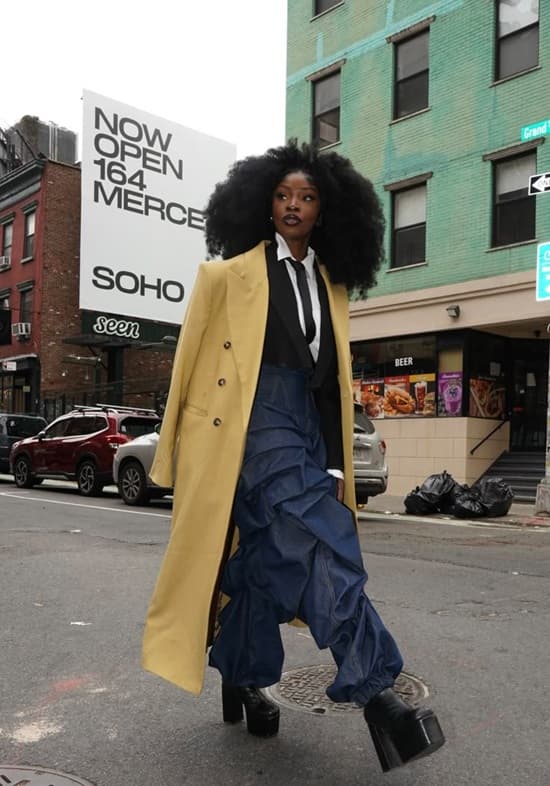 Photo Courtesy
Scrolling through social media often becomes a shopping experience.
You see a dress, discover the brand, watch a review, and encounter more recommendations before leaving the platform. This process can create the sense that something is always missing from your wardrobe.
There is also the pressure to keep up with the people you follow.
When influencers and fashion creators regularly introduce new clothing, it can create the impression that having an updated wardrobe is part of looking fashionable.
The clothes someone wore last month may not appear in their latest content, making it seem as though their personal style requires constant replacement.
However, most people’s lives do not mirror fashion content.
Work schedules, responsibilities, budgets, and daily routines do not require a new outfit every few days.
This is why more people are questioning the relationship between fashion inspiration and actual clothing needs. Enjoying fashion does not require purchasing every item that appears on your feed.
The rise of de-influencing content reflects this shift.
Rather than promoting the latest products, creators now discuss unnecessary purchases, disappointing quality, overhyped items, and products that may not deserve their popularity.
Some creators also encourage followers to shop their own wardrobes, restyle existing clothing, and consider purchases more carefully. The message is clear: you do not need to buy everything you see online to have good personal style.
This shift is also linked to discussions about fast fashion and overconsumption.
Rapid, low-cost production makes it easier for consumers to join short-lived trends, but affordability does not always mean good value.
A dress may look appealing online but lose its shape after a few washes. Trousers may have poor stitching, and a trendy top may not pair well with other items.
When clothes are bought mainly for popularity, their usefulness often becomes secondary to the excitement of something new.
The environmental impact of this cycle is another concern.
Textile production requires significant resources, such as water, energy, and raw materials. Manufacturing can contribute to pollution, and unwanted clothing increases textile waste.
The United Nations Environment Programme has highlighted the environmental pressures of the fashion and textile industry, including resource use, pollution, and waste.
These concerns have prompted more discussions about extending clothing life and reducing unnecessary purchases.
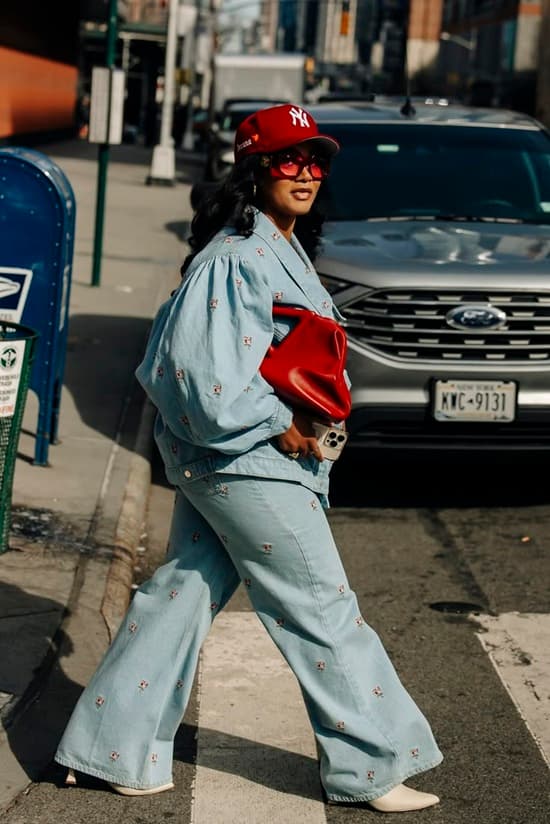 Photo Courtesy
For consumers, this does not mean never buying new clothes. It means being more mindful of why they buy them and whether those purchases serve a purpose beyond a temporary trend.
Fashion trend fatigue is also prompting people to reconsider what personal style means.
For years, the main question was, “What is trending?” Now, more people are asking, “What do I actually like wearing?”
This may seem like a small change, but it can significantly alter how someone approaches shopping.
Instead of buying an outfit because everyone is wearing it, you consider whether it suits your personality, lifestyle, and existing wardrobe. You pay more attention to colours you prefer, silhouettes that are comfortable, and fabrics you enjoy.
This approach also simplifies getting dressed.
When you understand your preferences, you spend less time trying to recreate every online aesthetic. You can recognize a trend, appreciate it, and decide it is not for you.
For example, someone who prefers tailored trousers, simple shirts, and structured handbags does not need to abandon that style when oversized clothing becomes popular.
Likewise, someone who loves colourful prints does not have to switch to a neutral wardrobe because minimalism is trending.
Personal style should not feel like a continuous assignment.
Another notable development is the growing interest in wardrobe versatility.
Instead of buying pieces that only suit one look, consumers are considering clothing that can be styled in multiple ways.
For example, a well-cut pair of trousers can be worn with a T-shirt, blouse, knit top, or structured jacket. A simple dress can be styled with sneakers for casual outings or heels for formal occasions.
A good jacket can refresh several outfits without additional purchases.
This does not mean every wardrobe must consist of neutral basics or minimalist clothing. A colourful, expressive wardrobe can still reflect thoughtful purchases.
The key is whether the clothes suit the person wearing them.
The growing appreciation for timeless fashion is also relevant.
Timeless clothing does not mean wearing the same basics forever; it means choosing garments that remain appealing beyond a single social media cycle.
A well-made white shirt, quality jeans, a tailored jacket, a flowing dress, or a distinctive traditional outfit can remain useful for years. These pieces may not always be the most discussed online, but they offer greater value through repeated wear.
Trends can complement a wardrobe built around personal style.
Without experimentation, fashion would lose its vibrancy. Trends introduce new ideas, foster creativity, and highlight fashion designers, techniques, and silhouettes that might otherwise go unnoticed.
The key is to view trends as inspiration, not instructions.
You can enjoy the return of a shoe style without buying it immediately, appreciate new colour combinations by experimenting with what you own, or invest in a trend only if it genuinely appeals to you.
Choices should be guided by personal interest, not fear of appearing outdated.
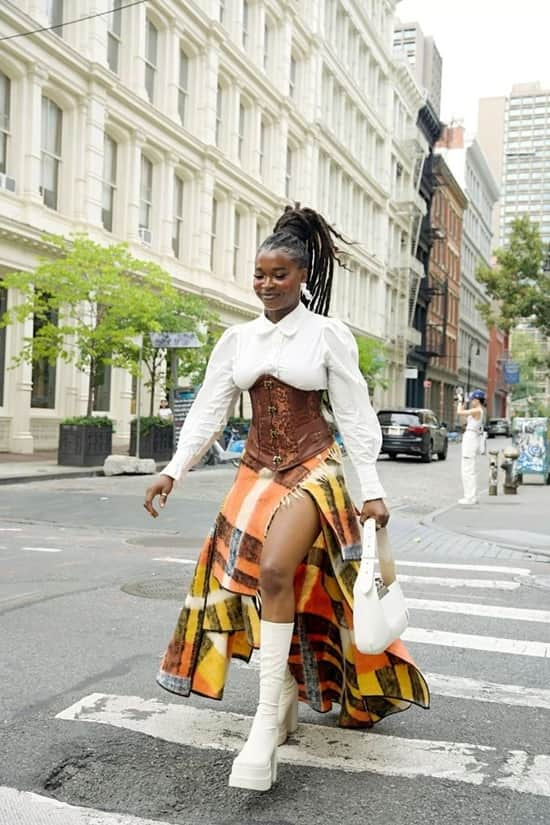 Photo Courtesy
This shift in attitude affects fashion brands.
Consumers increasingly care about what happens after purchase.
They want to know if the fabric is durable, if the garment fits well, how it can be styled, and whether the quality justifies the price.
For brands, this is an opportunity to move beyond novelty.
Instead of presenting every new product as essential, fashion designers can highlight the qualities that make their work valuable.
Craftsmanship, construction, fabric selection, fit, and versatility can become central to the conversation. A piece does not need to follow a viral trend to attract attention.
This is especially relevant for independent fashion designers and brands with a clear design identity. As consumers focus more on individual style, they may seek out distinctive labels rather than simply buying what is popular.
African fashion offers a valuable perspective.
Nigerian and other African fashion designers often use distinctive textiles, traditional silhouettes, handmade details, and contemporary interpretations of familiar clothing.
These designs have lasting appeal because their value does not depend on current social media trends.
A well-made aso-oke jacket, adire dress, tailored boubou, or carefully constructed contemporary outfit remains relevant due to its design, cultural significance, and quality.
These pieces do not need to compete with every microtrend to earn a place in a wardrobe.
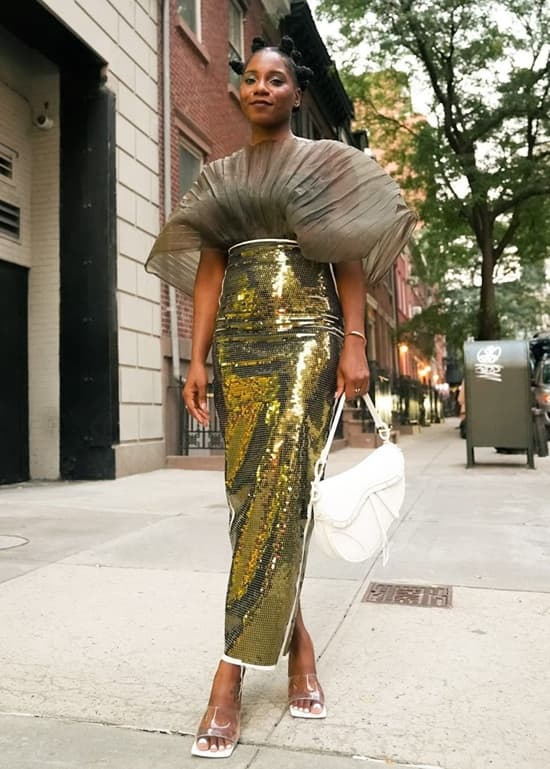 Photo Courtesy
There is also a growing opportunity to appreciate secondhand clothing, vintage fashion, and garment repair.
These practices encourage people to look at clothing differently, recognising that an item does not become useless simply because it is no longer new.
A dress worn several times can still look good.
A jacket with a loose button can be repaired.
Trousers that no longer fit may be altered rather than discarded.
Often, the most interesting outfits come from combining pieces you have owned for years.
Shopping your closet is increasingly relevant, as many people own more clothing than they wear. The challenge is often not a lack of options, but unfamiliarity with what is already available.
Trying new combinations, changing accessories, layering, and experimenting with proportions can create new possibilities without another shopping trip.
Stepping away from trends does not mean everyone should dress the same way.
Some people genuinely enjoy following fashion, collecting statement pieces and experimenting with different aesthetics. There is nothing wrong with this approach.
The issue is the pressure to participate in every trend cycle, especially when it leads to financial stress, unnecessary waste, or dissatisfaction with clothes that were previously satisfactory.
Fashion should provide enjoyment, not constant anxiety about keeping your wardrobe current.
Perhaps this is why the idea of dressing like yourself is becoming more appealing.
The most interesting people to watch in fashion are not always those wearing the newest items. Sometimes, they are the people who have developed a recognisable way of dressing and understand what works for them.
Their wardrobes may include old favourites, vintage finds, contemporary designer pieces and occasional trend-driven purchases. What unites these items is not a specific aesthetic, but the individual wearing them.
Fashion will continue to produce newness because it sells.
Designers will release collections, brands will introduce products, influencers will share shopping hauls, and social media will keep promoting new aesthetics.
This is unlikely to change.
However, consumers have more control than the fashion industry often suggests. Each decision to rewear, repair, buy secondhand, or avoid unnecessary purchases shapes a different relationship with clothing.
We may not need another fashion trend.
Many people may benefit more from the freedom to stop chasing trends and focus on developing a style they genuinely enjoy.
A wardrobe of well-fitting, lasting pieces that reflect personal taste is often more satisfying than one built around every new online aesthetic.
Looking fashionable should not require constantly replacing your identity with whatever is popular each week.
Often, the most interesting fashion choice is knowing what you like and having the confidence to keep wearing it.
Photo Courtesy
You May Also Like:
Nigerian Crochet Brands to Know in 2026

Kim Kardashian and Law Roach are Fashion’s Newest Power Pairing

Martine Rose Named the New Creative Director of Balenciaga
The 2027 Met Gala Theme Puts Everyday Fashion in the Spotlight
Chanel Just Held Its First-Ever Runway Show in Australia

Why Every Girl Has an Emergency Outfit
The Difference Between Online Fashion Expectations and Real Life
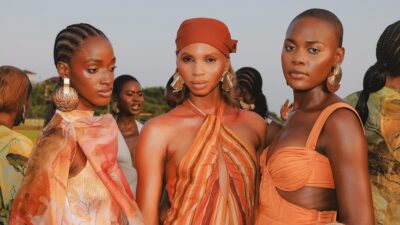
Andrea Iyamah Marks 15 Years with a Vibrant Show to Kickstart Lagos Fashion Week 2026
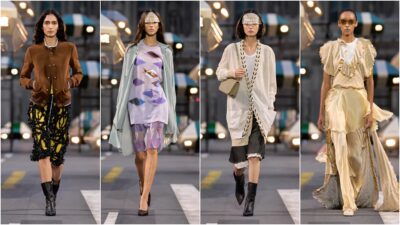
Minimalist Fashion Can Have a Maximalist POV
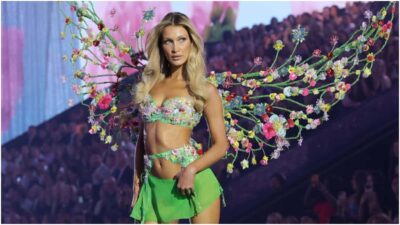
Bella Hadid Opened the 2026 Victoria’s Secret Fashion Show as a Blooming Spring Angel
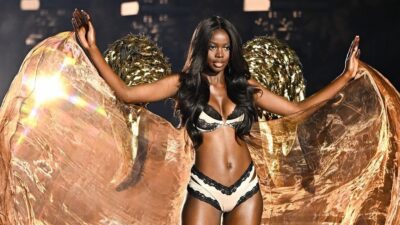
Who is Solange Omon, the Newest Victoria's Secret Angel?
The 2026 Victoria’s Secret Fashion Show is Happening: Here’s Everything You Need to Know


Esther Ejoh is a Fashion Editor at Fashion Police Nigeria, where she writes all things fashion, beauty, and celebrity style, with a sharp eye and an even sharper pen. She’s the girl who’ll break down a Met Gala look one minute, rave about a Nigerian beauty brand the next, and still find time to binge a movie or get lost in a novel. Style, storytelling, and self-care? That’s her holy trinity.