Published: June 22, 2026 Last Updated 4 months ago by Evelyn Adenike
Every summer, the same thing happens. You swap heavy clothes for lighter ones, spend more time outdoors, and suddenly your skin starts behaving differently.
A skincare routine that worked perfectly in March now leaves your face looking greasy by noon. Breakouts seem to appear out of nowhere, and sunscreen feels impossible to keep up with.
Before long, many people find themselves buying new products, hoping for a quick fix.
The truth is that summer skin rarely improves with a single miracle serum or expensive moisturizer. More often, the difference comes from a handful of habits repeated consistently.
The way you cleanse after a sweaty day, how often you reapply sunscreen, and whether you keep your skin hydrated even when it feels oily, can have a bigger impact than most people realize.
That is why dermatologists often focus less on dramatic skincare overhauls and more on small adjustments that help the skin cope with heat, humidity, sweat, and increased sun exposure. These changes may not deliver overnight results, but over weeks and months, the changes can mean fewer breakouts, less irritation, better hydration, and healthier-looking skin overall.
If your goal this season is skin that feels comfortable, balanced, and resilient rather than constantly fighting the weather, these are the summer skincare habits worth paying attention to.
Clean skin properly at night, not just quickly
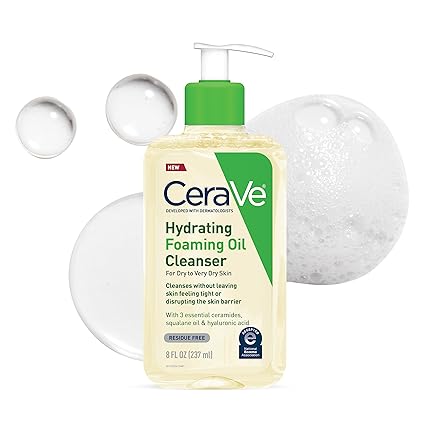
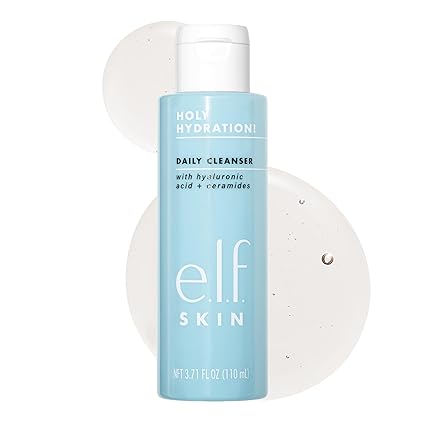
An oil-based cleanser should come first, followed by a water-based cleanser. This order matters because sunscreen, makeup, and excess sebum bind to oil, rather than water.
A single cleanse leaves residue behind, especially after SPF-heavy days. That residue mixes with sweat overnight and increases clogged pores by morning. Double cleansing removes buildup without stripping the skin barrier when done gently.
Morning cleansing should stay simple. A light cleanser is enough. Over-washing in summer triggers more oil production and creates an imbalance rather than clarity.
Treat sunscreen as a timed step, not a last-minute action
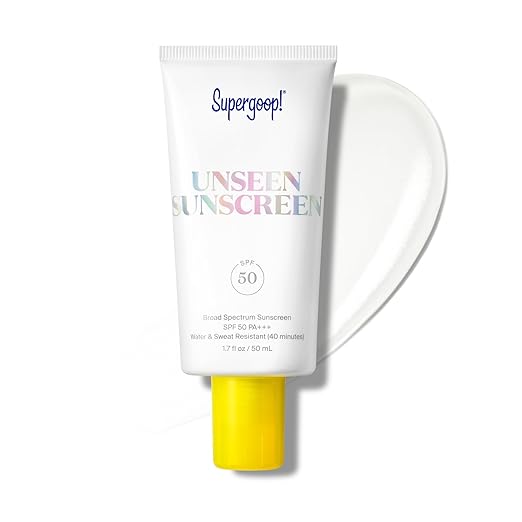
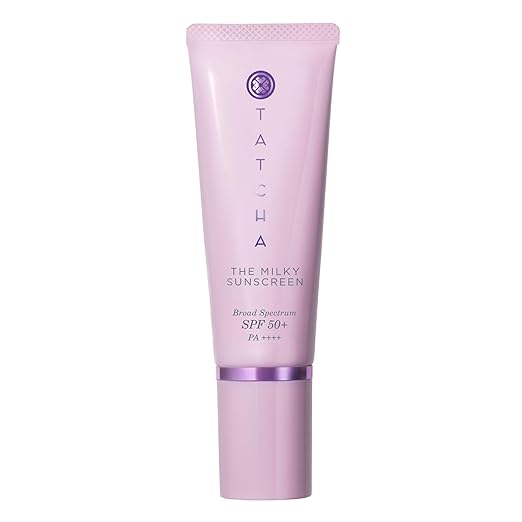
Sunscreen needs time to settle into a stable layer on the skin. Applying it just before stepping outside reduces how evenly it forms that protective film. A 15-minute window allows proper setting before UV exposure begins.
Reapplication matters more than most people expect. Sweat, friction from clothing, and the breakdown of natural oil reduce effectiveness within hours. Every two hours, protection weakens.
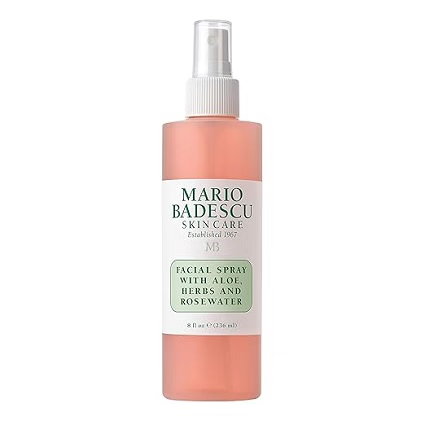
Powder SPF or mist formats help maintain coverage over makeup without disrupting the base layer.
Match moisturiser texture to weather, not habit
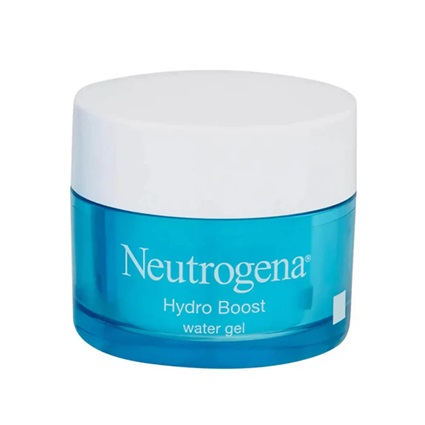
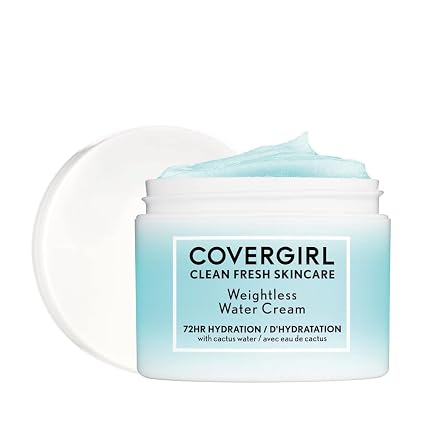
Heavy creams sit on the skin in hot conditions. These products can trap sweat and increase congestion, especially in humid environments.
Gel-based or water-based moisturisers absorb faster and support hydration without adding weight.
Skin still needs moisture in summer. Skipping moisturiser often leads to rebound oil production, where your skin overcompensates and becomes shinier by midday. Lightweight hydration keeps the balance stable without overload.
Build hydration in layers, not one thick step
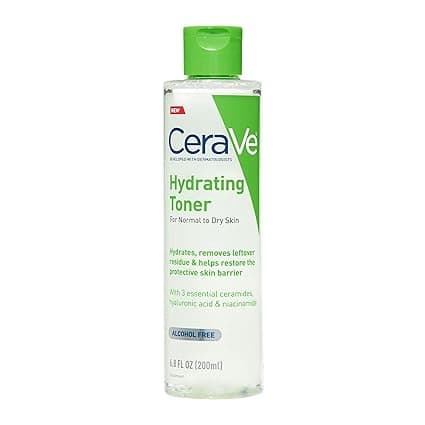
A hydrating toner or essence replenishes water in the skin after cleansing. Summer heat pulls moisture out faster, even when the skin appears oily on the surface.
Applying toner on damp skin improves absorption and reduces tightness later in the day.
Follow with a serum that targets a specific need. Vitamin C supports brightness and uneven tone from sun exposure. Niacinamide helps regulate oil production and refine texture. Hyaluronic acid draws moisture into the skin and improves surface comfort. These act as functional layers before the moisturiser seals everything in.
Control exfoliation and avoid overcorrecting skin texture
Exfoliation feels satisfying, but daily use can damage the barrier. In summer, skin is already under UV stress, so over-exfoliation increases sensitivity and can trigger more breakouts rather than fewer.
 Photo: Instagram/@alixearle
 Two times per week keeps dead skin cells in check without weakening protection. The goal is clarity without irritation. Strong scrubs or aggressive acids used too often create the opposite effect, especially under strong sun exposure.
Use temperature and environment as part of your skincare strategy
Cold skincare products reduce puffiness and calm heat-stressed skin. Storing toner or moisturiser in the fridge can create a cooling effect that supports comfort after sun exposure or long outdoor days.
Physical protection still plays a role that skincare cannot replace. Sunglasses protect the eye area from UV damage, and hats reduce direct exposure on the forehead and cheeks.
These steps reduce the amount of corrective skincare that becomes necessary later.
 Photo: Instagram/@eugeniakelcy
 Hydration from within also matters. Water intake supports skin function, but it works best alongside topical care rather than replacing it. Dehydration shows up more quickly in summer, with dullness and uneven texture.
Remove sweat quickly and avoid buildup on skin
Sweat, mixed with bacteria and product residue, stays on the skin longer in hot weather. Leaving it on increases the chance of breakouts, especially around the hairline, jaw, and back.
A quick cleanse after workouts or heavy sweating helps reset the skin’s surface. This does not require a full routine every time. A gentle rinse or mild cleanser is enough to prevent buildup from settling into pores.
Summer skincare habits improve through repetition, not intensity. No single product fixes heat, oil, or sun exposure on its own. The difference comes from habits that stay consistent across weeks, not occasional routines that change daily.
Double cleansing removes what sunscreen and sweat leave behind. Timing and reapplication of sunscreen protect skin when UV exposure is strongest. Lighter moisturisers, controlled exfoliation, and layered hydration keep skin balanced instead of overloaded. Even simple steps like washing off sweat quickly or switching product textures affect how skin behaves over time.
Summer skincare is not about doing more. It is about doing fewer things correctly, enough times for the skin to stay stable through heat and exposure.
Photo: Instagram/@jackieaina
You May Also Like:
Priscilla Mkambala Prepares to Launch Her Skincare Brand "Palmpriy"
October 21, 2026Purple Eyeshadow is Making a Case for Colourful Eye Makeup
October 18, 2026The Regenerative and Natural Face Trends Taking Over in 2026
October 11, 202610 Reasons Why Your Lips Also Need SPF Protection
September 9, 2026Suede Eyeshadow Could Be Your Fall Favourite Eye Makeup
September 3, 2026Huda Beauty x Cardi B Team Up for the New Ultra Snatched Collection
August 31, 2026How to Achieve Glowing Skin Naturally in Africa's Climate
August 28, 202610 Best Pimple Patches for Faster, Less Noticeable Breakouts
August 21, 20267 Best Face Masks for Plump, Hydrated, Smooth Skin
August 20, 2026How to Build the Perfect Skincare Routine for African Skin
August 18, 2026Your Ultimate Guide for the Best Skincare Products for Dark Skin in Nigeria and Ghana
August 13, 2026How Does Healthy Skin Look? Here's How to Tell the Difference
July 29, 2026


Evelyn Adenike is an Associate Beauty Editor at Fashion Police Nigeria, where she covers all things beauty, from the glossiest nail trends to the best skincare finds. With a soft spot for storytelling and an eye for what’s fresh, she brings creativity and just the right dash of drama to every post. If it’s bold, beautiful, and blog-worthy, Evelyn’s probably already writing about it.