Published: October 22, 2026 Last Updated 11 hours ago by FPN
You stand before an open wardrobe: hangers are crowded, drawers are full, and shoes are lined up. Yet, the thought persists with certainty: I have nothing to wear.
If this sounds familiar, understanding why you have nothing to wear despite owning plenty of clothes can help you rethink your wardrobe and your relationship with personal style.
This is a common and quietly frustrating experience.
Many people feel this way regularly, even when their wardrobes contain dozens or hundreds of items. The sensation has become a cultural joke and a frequent source of morning stress.
However, the feeling is rarely about lacking clothes.
It often reflects identity, decision-making, emotion, and the gap between who we are now and the versions we represent in our closets.
Understanding why you have nothing to wear goes beyond solving a fashion problem.
It can reveal how you relate to yourself, manage choices in an overstimulated world, and respond to the expectations surrounding personal appearance.
Getting dressed may seem like a simple daily task, but it can become emotionally complicated when your clothes no longer meet your needs, reflect your lifestyle, or make you feel comfortable.
The most obvious explanation is also counterintuitive: sometimes, having too many clothes makes it harder to decide what to wear. Psychologist Barry Schwartz’s research on the paradox of choice explores how having more options can increase anxiety and decision paralysis rather than satisfaction.
A wardrobe with a few well-fitting items that work together offers manageable combinations, while one filled with mismatched pieces creates an overwhelming number of possibilities.
The brain struggles to process these choices, especially in the morning when time and mental energy are limited.
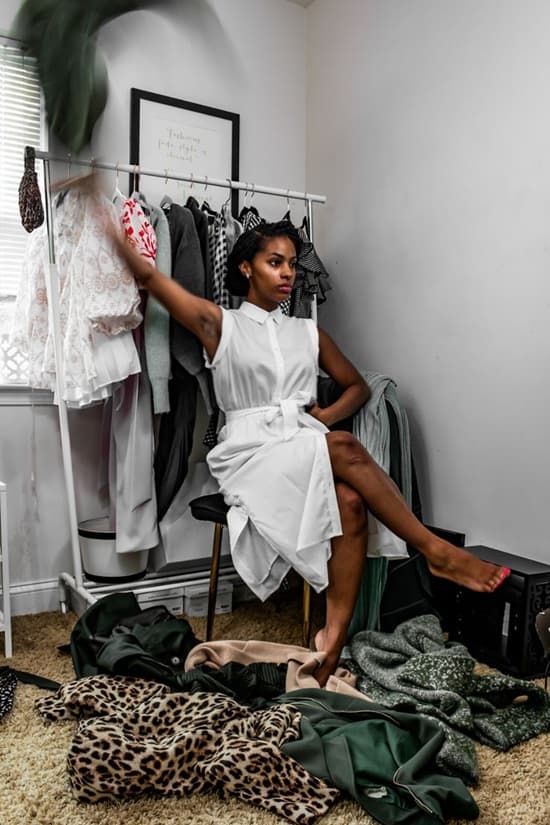 Photo: Klassically Kept
Decision fatigue adds to the challenge.
By the time you reach your wardrobe, you may have already made several decisions about work, family, errands, and other responsibilities.
Faced with a disorganized collection of clothes, you may automatically reach for familiar outfits while overlooking everything else. The result is a frustrating cycle: you own plenty of options but repeatedly wear the same few pieces.
This helps explain why people sometimes dress more easily when travelling with a small suitcase.
Limited options encourage clarity.
Each item usually has a purpose, and the clothes are selected to work together.
At home, a full wardrobe can create the illusion of endless possibilities while making it harder to identify practical combinations.
If you have ever wondered why you have nothing to wear when your closet is packed, the answer may be less about the quantity of clothing and more about how well those pieces work together.
Another reason involves the emotional history attached to clothing.
A wardrobe is not simply a collection of fabric and accessories. It can hold memories of previous jobs, relationships, body sizes, cities, and ambitions.
Some clothes belong to a period when you felt more confident, while others were purchased for an imagined future version of yourself who exercises more, attends more events, or follows a different lifestyle.
When these clothes no longer match your daily reality, choosing an outfit can become uncomfortable.
You might own dresses for occasions that rarely happen, trousers that no longer fit, or statement pieces that require more effort than you can manage on an ordinary morning.
Although these items occupy physical space, they may not feel like genuine options.
This mismatch helps explain why you have nothing to wear even when your wardrobe is full.
The clothes represent different stages of your life, but the person choosing an outfit has changed. Psychologists discuss related experiences through concepts such as self-concept and identity incongruence.
Clothing can help express and reinforce our sense of who we are. When the available options no longer reflect that identity, getting dressed can feel like trying to become someone you are not.
This experience can become especially noticeable during major life transitions, including a breakup, career change, changes in body size or health, parenthood, or adjustments in midlife.
Your old wardrobe may have been built around a previous routine, but your current responsibilities and preferences are different. Clothes that once felt appropriate might now seem uncomfortable, impractical, or out of place.
For example, someone who previously worked in a formal office may have a wardrobe full of tailored trousers, blazers, and work dresses after moving into a remote role.
A new parent may discover that several favourite outfits no longer suit the demands of daily life.
Someone who has changed careers may want to dress differently but still own clothes associated with their former professional identity.
In each case, the problem is not necessarily a shortage of garments. It is a lack of suitable choices for the life being lived now. Recognising this distinction can make it easier to understand why you have nothing to wear without immediately assuming that shopping is the answer.
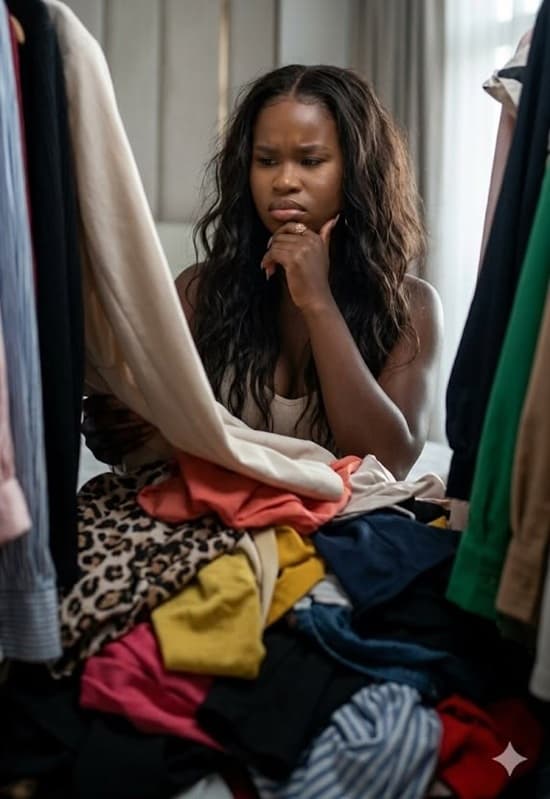 Photo Courtesy
Social media can intensify this frustration.
Constant exposure to carefully selected outfits, changing aesthetics, and edited images raises expectations about what good dressing should look like.
Fashion content often presents a steady stream of new clothes, different styling ideas, and idealised wardrobes. Even when your existing clothes are practical and attractive, repeated exposure to these images can make them seem less interesting.
Fashion psychologist Shakaila Forbes-Bell has discussed how exposure to different visual styles can affect personal style and the way people relate to clothing.
When you see several different aesthetics every day, it can become harder to identify what genuinely appeals to you. Instead of dressing according to your preferences, you may begin chasing looks that caught your attention online.
Social comparison theory, first outlined by Leon Festinger, offers another way to understand this behaviour. People naturally evaluate themselves in relation to others.
In highly visual environments, these comparisons can happen constantly.
You may compare your everyday outfits with a fashion creator’s carefully planned photographs, a celebrity’s event wardrobe, or a stranger’s street-style look.
These comparisons rarely account for differences in budget, access to clothing, professional styling, photography, or daily responsibilities. Still, they can make you feel like your wardrobe is inadequate.
You might begin to believe that you need a particular jacket, pair of shoes, or trending accessory to make your outfits feel current.
This is one reason why you have nothing to wear can become a recurring thought even when you regularly buy new clothes. Each purchase may solve a temporary styling problem, but the next wave of inspiration introduces another standard to meet.
Without a clear understanding of your preferences, it’s hard to feel satisfied with what you already own.
Visual overload also affects how you use your wardrobe.
Clothes hidden at the back of a rail or buried in drawers are easy to forget.
Items that require ironing, repairs, special undergarments, or complicated styling may be ignored because they take more effort to wear. Meanwhile, the same familiar pieces remain visible and accessible, so they become the default choices.
Over time, your wardrobe may contain many items that technically belong to you but rarely function as real options.
You might own several tops that do not work with your trousers, dresses that need alterations, or shoes that are uncomfortable after an hour. When you repeatedly reject these items, the entire collection can begin to feel useless.
Some commentators use the phrase “wardrobe dysmorphia” to describe the feeling of perceiving a full closet as though it contains nothing suitable.
It is an informal description rather than a recognised clinical diagnosis, but it captures an experience many people understand.
Cultural pressure, shopping habits, emotional attachments, and the practical difficulties of maintaining a wardrobe can shape the perception of having nothing to wear.
Small frustrations can build up over time.
A dress might fit everywhere except the waist. A shirt may look good but require careful ironing. A pair of trousers may work with only one top.
Each item creates a small obstacle, and repeated obstacles can make getting dressed feel exhausting.
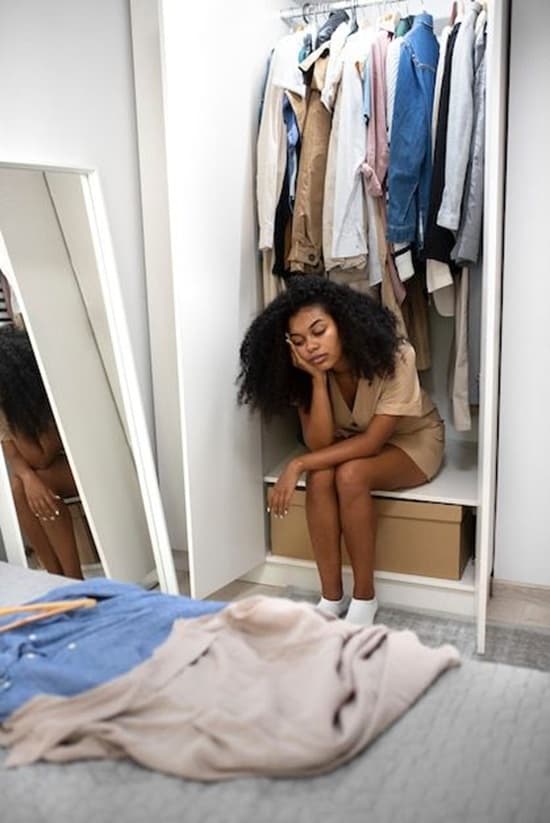 Photo Courtesy
This process often follows a predictable pattern: you choose an item, try it on, dislike how it looks or feels, and put it back.
You repeat the process with several other garments before settling on something familiar. By the time you leave the house, you may feel annoyed with your clothes or dissatisfied with your appearance.
The emotional effect can extend beyond the wardrobe.
If getting dressed becomes stressful, you may spend too much time preparing for social events, avoid wearing certain items, or feel less confident in situations where appearance matters to you.
The thought that you have nothing to wear can become connected to concerns about fitting in, looking appropriate, or being judged by others.
Shopping often appears to offer a quick solution. Buying something new can create excitement and the promise of a fresh start.
For a short time, a new dress, pair of jeans, or handbag may make getting dressed feel enjoyable again.
However, if the underlying problem remains unresolved, the new purchase may simply join the other items that rarely get worn.
This is particularly likely when purchases are made without considering the clothes already in the wardrobe. A beautiful top may not work with your existing trousers.
A pair of statement shoes may suit only one outfit.
A dress bought for an imagined occasion may remain untouched because your everyday life offers few opportunities to wear it.
The result is a cycle of buying more, struggling to create outfits, and feeling dissatisfied with the collection.
Understanding why you have nothing to wear can interrupt this pattern by shifting the focus from acquiring more clothing to making better use of what you already own.
The first step is to identify what you actually need from your wardrobe.
Consider the activities that make up a normal week. You may need clothes for work, casual outings, family responsibilities, exercise, special occasions, or time at home.
Your wardrobe should support these activities rather than an idealised lifestyle that rarely reflects your schedule.
Next, pay attention to the pieces you wear most often.
These items can reveal useful information about your preferences. Perhaps you favour relaxed trousers, simple tops, dresses that require little styling, or shoes that work for long days.
Rather than dismissing these habits as repetitive, consider what makes those garments reliable. Fit, comfort, colour, fabric, and ease of care may all play a role.
Once you understand what works, look for ways to create more combinations from your existing clothes. A wardrobe functions better when its pieces can be worn together.
Neutral trousers may work with several tops, while a jacket can make casual outfits suitable for work or dinner. Accessories can also change the appearance of familiar clothing without requiring a completely new outfit.
You don’t need a minimalist wardrobe or to follow strict fashion rules.
The goal is to make your clothes more useful. If you enjoy bright colours, prints, or statement pieces, you don’t need to remove them just to create a smaller collection.
Instead, focus on keeping items that suit your life and give you genuine options.
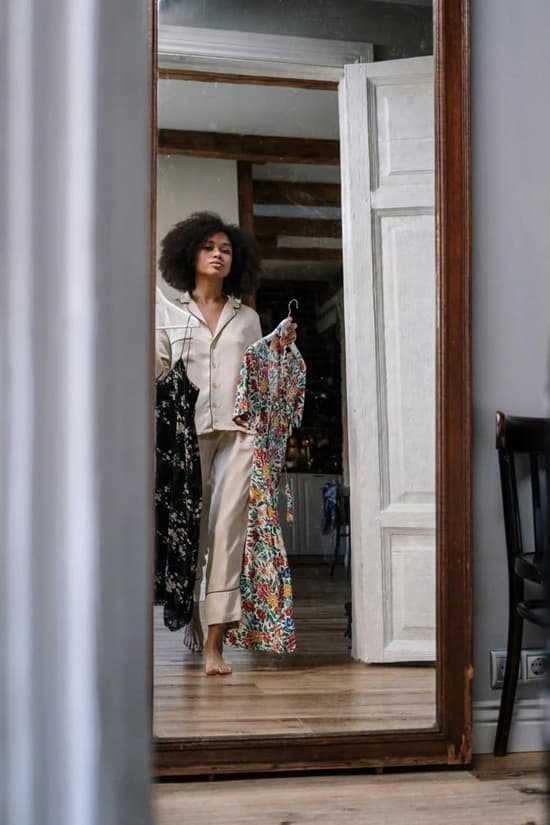 Photo Courtesy
Organization can also make a significant difference.
Arrange clothes so you can see what you own, group similar items, and place frequently worn pieces where they are easy to reach.
If you have clothes stored in several drawers or cupboards, bringing them into view can help you rediscover combinations you had forgotten.
Photographing outfits that you enjoy wearing is another practical strategy. When you find a combination that looks good and feels comfortable, take a quick picture for future reference.
A collection of outfit photographs can save time on busy mornings and reduce the pressure to invent something new every day. It also helps you see how many different looks you can create with the same garments.
Preparing a few reliable outfits in advance can be useful if you regularly struggle with morning decisions. You might set aside work outfits for the week, plan what to wear before an event, or keep a list of combinations that suit different occasions.
These small systems reduce the number of choices you need to make when time is limited.
It is also worth reviewing clothes that no longer fit properly or require alterations. If you repeatedly avoid a garment because it pulls, slips, feels uncomfortable, or needs repair, decide whether it is worth fixing.
A tailor may be able to improve the fit, while a simple repair could make an item wearable again. If the garment no longer suits your needs, you can consider selling, donating, or responsibly passing it on.
Letting go of clothes can be emotionally difficult, especially when they represent a meaningful period of your life or an expensive purchase. You do not have to discard everything that feels unfamiliar or keep only the items you wear every week.
However, it helps to recognise the difference between clothing you genuinely want to wear and clothing you keep because you feel guilty about spending money on it.
Sometimes, why you have nothing to wear comes down to holding on to a version of yourself you are no longer trying to be.
You may keep a dress because it reminds you of a happier period, trousers because you hope to fit into them again, or formal clothing because you imagine returning to a former lifestyle.
These items can carry emotional meaning, but they do not all need to remain part of your active wardrobe.
A seasonal wardrobe review can help you make these decisions without feeling pressured to change everything at once.
Look at what you wore over the past few months, which items made you feel comfortable, and which pieces stayed untouched.
Consider whether the unused garments were unsuitable for the weather, difficult to style, uncomfortable, or simply no longer your taste. The reasons can guide future decisions.
Some people also find it helpful to develop a consistent personal style.
This does not mean wearing the same outfit every day. It means recognising the colours, shapes, fabrics, and silhouettes that make you feel most like yourself.
Having a few reliable preferences can make shopping more focused and reduce the temptation to buy clothes simply because they are popular.
A capsule wardrobe may offer a similar benefit. By selecting a smaller group of clothes that work together, you can create several outfits without needing a large collection.
This approach can be adapted to any budget or personal style.
You might build a capsule around workwear, casual basics, occasion clothing, or the season’s most useful pieces. The aim is to make choosing easier, not to follow a rigid formula.
The deeper issue deserves attention because clothing can affect how people feel about themselves and participate in daily life. When your wardrobe feels disconnected from your identity, getting dressed can become a reminder of changes you have experienced or expectations you feel unable to meet.
When every outfit seems wrong, you may spend more time worrying about your appearance than enjoying the event you are preparing for.
There are also financial and environmental consequences to consider. Repeatedly buying clothes to solve the same frustration can lead to unnecessary spending and more garments that remain unused.
Using existing pieces thoughtfully can reduce waste while helping you identify which purchases genuinely improve your wardrobe.
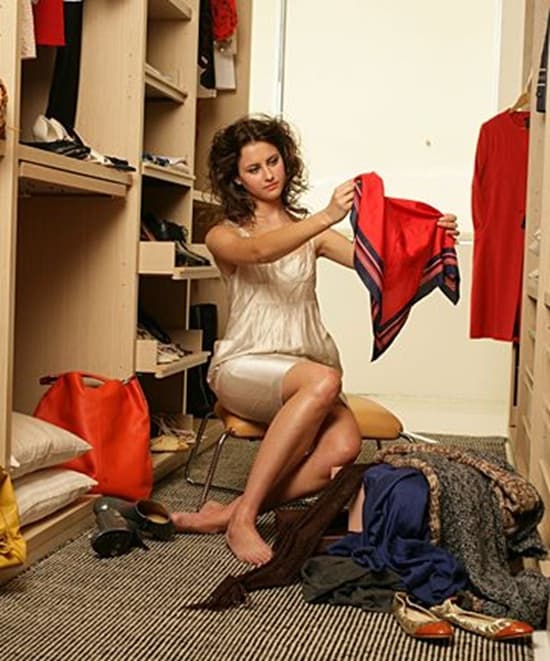 Photo Courtesy
The next time you wonder why you have nothing to wear, pause before adding another item to your shopping basket. Ask yourself what feels wrong about the clothes available to you.
Are they uncomfortable? Do they fit your current routine?
Are you comparing your wardrobe with images online? Have your preferences changed? Or are too many options making it difficult to decide?
These questions can help you identify the real problem instead of treating every difficult morning as evidence that you need more clothes. Sometimes, the answer is a practical one, such as repairing a pair of trousers or organising your tops.
At other times, it may involve reconsidering your personal style, releasing clothes connected to the past, or accepting that your current needs are different from what they used to be.
Ultimately, understanding why you have nothing to wear is about finding a better relationship between your clothes and your everyday life.
A useful wardrobe does not have to be the largest, most expensive, or most fashionable. It should contain items that fit, feel comfortable, suit your activities, and help you express who you are today.
When your wardrobe reflects your current life and your choices become easier to manage, the familiar feeling that you have nothing to wear may begin to fade.
You may still have days when an outfit does not work, but that does not mean your entire collection has failed you. The clothes are there.
The real task is making sure they serve the person standing in front of the mirror.
Photo: Instagram/Monroe steele
You May Also Like:

What Happens When Everyone Has Access to the Same Fashion Trends?
Why Do We Judge Women by What They Wear?
Fashion's Obsession With Shaping the Body Is Getting Boring

15 African Celebrity Looks Everyone Loved That I Just Couldn’t Get Behind
Why African Fashion Needs Better Fashion Journalism

I am an African Girl, 11 Celebrities Who Inspires My Wardrobe on Instagram

Naomi Osaka Has Given Birth To A Baby Girl
10 Amazing Ways to Keep Your Closet Tidy

Body Odor can be disgusting; these tips can get you out of the mess

Father's Day Most Stylish Gifts Ideas for Every Dad
The Best And Worst Colors For Interview
Midi Skirt Rules You Need To Know


Esther Ejoh is a Fashion Editor at Fashion Police Nigeria, where she writes all things fashion, beauty, and celebrity style, with a sharp eye and an even sharper pen. She’s the girl who’ll break down a Met Gala look one minute, rave about a Nigerian beauty brand the next, and still find time to binge a movie or get lost in a novel. Style, storytelling, and self-care? That’s her holy trinity.