Open the front-facing camera, select a soft-glow filter, and watch the transformation happen in real time. Pores disappear, jawlines become sharper, and eyes look brighter and larger.
Skin takes on an even glow that sleep, skincare, or makeup cannot always deliver.
The face on the screen is still recognisable, but something about it looks different. It may seem like a more polished version of the person looking back.
Then the filter comes off.
Suddenly, the same face may look tired, uneven, or less attractive. Features that never seemed like a problem before may become difficult to ignore.
A woman might begin to question her skin, nose, lips, or jawline, even though none of these features have actually changed. The difference lies in the image she has become accustomed to seeing.
This raises an important question: are beauty filters changing what women think they actually look like?
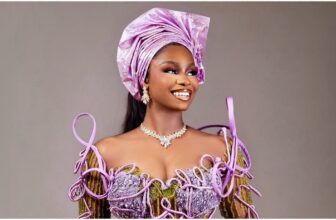
 Photo: Instagram/evangelinavar_makeup
 Beauty filters have become a regular part of taking selfies, recording videos, and sharing everyday moments online.
What began as a fun way to add colour, brighten a photo, or create a playful effect has grown into a technology capable of reshaping facial features.
Some filters make small adjustments, while others can change the face so much that the original person becomes difficult to recognise.
The conversation around beauty filters and self-image is no longer just about edited photographs. It is about how repeated exposure to digitally altered faces may affect the way women see themselves in real life.
Researchers have begun examining this relationship more closely.
Findings suggest that certain types of beauty filters can increase appearance-related dissatisfaction, encourage comparisons with an idealised version of oneself, and influence attitudes towards cosmetic procedures.
However, these effects are not identical for everyone, and filter use alone does not mean a person will develop a mental health condition.
The concern is not that every woman who uses a filter will become unhappy with her appearance. It is that constant exposure to an edited version of the face may gradually change what feels normal, attractive, or acceptable.
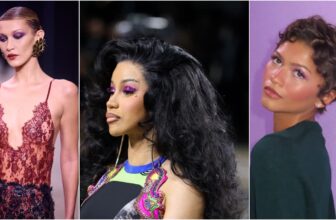
 Photo Courtesy
 One term often used in this conversation is “Snapchat dysmorphia.”
It describes the distress some people feel when their unfiltered appearance doesn’t match the face they see in edited selfies.
It is not a formal clinical diagnosis, but it has helped draw attention to the relationship between social media, appearance concerns, and cosmetic treatments.
At the heart of the issue is a simple but powerful shift: women may begin comparing their real faces not only with celebrities or influencers, but with an enhanced version of themselves.
Traditional social comparison theory explains how people evaluate their appearance by comparing themselves to others.
Social media makes this process especially common because users are constantly exposed to carefully selected photographs, beauty content, and images that may have been edited before being posted.
Beauty filters introduce another layer to this experience. Instead of comparing herself with another woman, a user can compare her natural face with a digitally modified version of her own.
A study published in Computers in Human Behavior examined how slimming beauty filters affected body image and related attitudes. The researchers found that participants who used a slimming filter on their own images compared themselves more strongly than those who simply viewed another person using a filter.
The experiment also found increased desire for weight loss and self-objectification among participants who used the slimming filter.
The findings highlight an important part of the relationship between beauty filters and self-image: the comparison can feel especially personal when the edited face belongs to you.
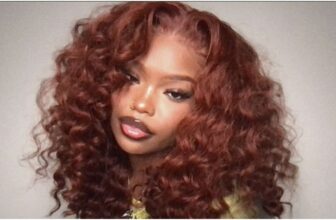
 Photo Courtesy
 The experience can be difficult to recognise because the filter may not look extreme. A small adjustment to the jawline, skin texture, or eye shape can appear harmless.
Yet when these changes repeat across dozens or hundreds of photos, they may begin to shape a person’s expectations of her own appearance.
A woman who regularly sees herself with smoother skin may become more critical of normal pores or texture. Someone who uses a filter that narrows her face may begin to feel that her natural face is too wide.
The edited image becomes a reference point, even though it was never an accurate representation of her features.
Beauty filters can change more than the lighting or colour of a photograph. Many use augmented reality technology to detect facial features and modify them.
Depending on the filter, the software may smooth skin, alter proportions, enlarge eyes, narrow the nose, lift the cheeks, or reshape the jaw.
These adjustments can happen so quickly that users may not consciously register how much has changed. The final image still looks like them, which can make it feel believable.
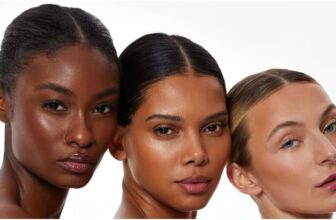
 Photo: Instagram/surrealism.world
 The more realistic a filter appears, the easier it may be to overlook the difference between digital enhancement and natural appearance. This is one reason why discussions about beauty filters and self-image have become increasingly relevant as editing tools grow more advanced.
A 2026 study published in the Journal of Obsessive-Compulsive and Related Disorders explored the effects of beauty-filter exposure on body dissatisfaction and related thoughts among women.
The researchers found that exposure to certain youth-enhancing filtered images was associated with increased body dissatisfaction and stronger feelings of being unattractive in the study conditions.
The research adds to growing evidence that digitally altered faces can affect how people feel about appearance, even after brief exposure. It also shows why the effects should be considered carefully: different filters and viewing conditions may produce different responses.
The face a woman sees through a filter is not necessarily the face she wants to have in every part of her life. But repeated exposure can make it harder to separate a digital preference from a real-world expectation.
This is where the effects may move beyond the screen.
A woman might begin taking several selfies before choosing one to post. She may reject photos that show her natural skin texture or facial proportions.
Video calls without filters may feel uncomfortable, while candid photographs may seem unflattering. Over time, she may become more concerned with how her face appears in images than with how she experiences herself in everyday life.
The connection between beauty filters and self-image is particularly important when the edited image becomes the standard against which every unedited photo is judged.
Research has also explored whether photo editing and social media use are associated with attitudes towards cosmetic surgery.
A study published in JAMA Facial Plastic Surgery examined 252 participants and found that greater investment in social media was associated with increased consideration of cosmetic surgery.
The researchers also reported associations between the use of certain photo-filtering applications and greater acceptance of cosmetic procedures.
The study does not prove that filters cause women to seek surgery.
However, it contributes to a wider discussion about how online appearance culture may influence what people consider desirable or worth changing.
You can read the research through the National Library of Medicine’s PubMed Central archive.
 Photo Courtesy
 More recent research has continued to explore this relationship.
A 2025 study published in Universitas Psychologica, involving 506 female Instagram Story filter users, found that greater filter use was associated with lower self-esteem and higher acceptance of cosmetic surgery.
Since the study was correlational, it cannot establish that filter use alone caused these outcomes. Still, its findings offer further insight into the possible links between digital beauty practices and women’s appearance-related attitudes.
These findings matter because beauty filters can quietly change the features women pay attention to. A woman may never have been bothered by the shape of her nose until a filter repeatedly made it smaller.
She may not have thought much about the area beneath her eyes until a filter erased it. A smooth, even complexion may begin to feel like the minimum requirement for looking presentable.
The concern is not that women should never want to change their appearance. Personal choices about skincare, makeup, and cosmetic treatments are individual.
The concern is whether those choices are being made freely, or under pressure from an edited standard that is difficult, if not impossible, to achieve naturally.
Beauty filters also operate within a larger visual environment.
Social media feeds are filled with carefully selected images, influencer content, beauty tutorials, and photographs that may have been retouched before publication. Users are rarely shown the full process behind the finished image.
When a woman repeatedly sees smooth skin, narrow facial proportions, and carefully shaped features, these images may begin to feel ordinary.
Natural variation can then appear unusual, even though it is a normal part of human appearance.
This can be especially challenging for younger women and adolescents, whose sense of identity and self-worth may still be developing. Social media feedback, peer acceptance, and appearance-based comments can carry considerable weight during these years.
However, the impact of beauty filters and self-image is not limited to teenagers.
Adult women may also feel pressure to maintain a particular appearance online, especially if their work, social lives, or personal brands involve frequent photos and videos.
Women who already experience appearance anxiety or low self-esteem may be more sensitive to these comparisons. At the same time, not everyone who uses beauty filters experiences lasting dissatisfaction.
Personal circumstances, frequency of use, the type of filter, and a person’s relationship with social media can all shape the experience.
 Photo: Instagram/hollybroomhall
 Cultural beauty ideals also influence which facial features filters change.
In many online beauty spaces, filters promote smoother skin, larger eyes, smaller noses, fuller lips, and narrower facial shapes.
These preferences are not universal, and beauty standards vary across cultures and communities. Yet filters can make particular ideals feel instantly achievable, at least on screen.
The result is a complicated relationship with appearance.
A woman may enjoy using a filter because it helps her feel confident enough to post a photo. At the same time, she may become less comfortable with her natural face when the filter is removed.
This does not mean that every filtered selfie is harmful. For many people, filters are simply playful tools. The important distinction is whether using them remains a choice or begins to feel necessary.
When a woman feels unable to share a photograph without changing her face, it may be worth paying attention to that discomfort.
The same applies when unedited photos trigger persistent distress, or when she spends significant time checking, comparing, or correcting perceived flaws.
Beauty filters and self-image become a concern when digital enhancement starts to shape a person’s sense of worth.
There are practical ways to create a healthier relationship with filtered images.
One starting point is to become more aware of what a filter actually changes. A filter is not revealing a hidden, more beautiful face. It is using software to modify an image according to a set of programmed preferences.
Recognising this difference can help reduce the power of the edited image as a standard.
It may also help to take occasional photographs without filters, not as a test of attractiveness, but as a reminder that natural skin texture, facial asymmetry, and changing expressions are normal.
Reducing the time spent reviewing selfies can also help.
Repeatedly zooming in on a photograph, comparing versions, or searching for flaws may increase attention to details that would otherwise go unnoticed.
Following a wider range of creators can offer another useful perspective.
Accounts that show unedited skin, different facial features, varied body types, and everyday appearances can challenge the narrow standards often presented in beauty content.
It is also worth considering how social media makes a person feel after use.
If a particular filter, account, or type of content regularly leaves someone feeling inadequate, taking a break or changing what appears in their feed may be helpful.
 Photo Courtesy
 For women experiencing persistent distress about their appearance, speaking with a qualified mental health professional may provide support.
The goal is not to shame people for using filters or to suggest that cosmetic choices are automatically wrong. It is to help individuals build a more stable and compassionate relationship with their appearance.
Platforms and beauty brands also have a role to play.
Clearer disclosures about altered images, greater awareness of how facial filters work, and more responsible beauty messaging can help users understand what they are viewing.
The technology is not going away, but people should have the information they need to recognise when an image has been changed.
Ultimately, the question of whether beauty filters are changing what women think they look like does not have one answer for every user.
Research suggests that certain filters and patterns of use can contribute to appearance dissatisfaction, self-comparison, and interest in cosmetic procedures. However, the strength and nature of these effects vary, and more research is needed to understand their long-term consequences.
What is clear is that the relationship between beauty filters and self-image deserves attention.
A digital face can be altered in seconds, but the feelings that image creates may last much longer.
The face in the mirror has not changed simply because a filter made it look different.
The skin, features, and expressions that existed before the edit are still there. What may have changed is the standard being used to judge them.
Beauty filters can be entertaining, creative, and useful for self-expression.
But they are still edits, not evidence of what a woman should look like. A filtered image is one possible version of a face, shaped by software and current beauty preferences. It is not a more truthful version of the person behind it.
Learning to recognise that distinction is an important step towards a healthier relationship with social media. Women should be able to enjoy taking photographs without feeling that their natural appearance needs to be corrected first.
The real question may not be whether beauty filters can make a face look different. They clearly can.
The question is whether women are given enough space to appreciate the face they have, without measuring it against a version that was never real in the first place.
Photo Courtesy
You May Also Like:
The Anti-Ageing Beauty Advice Women Should Stop Following
Beauty Products Are Increasingly Becoming Hybrid — Here's Why

Hold On... Are Fenty Skin, Huda Beauty, and Glow Recipe in a Packaging Drama?

The Best Beauty Looks at the 2026 Emmy Awards
Best Perfumes for Women in Nigeria and Ghana
Latest African Beauty Trends Taking Over Social Media
The Best Beauty Salons in Lagos, Accra, and Nairobi
16 African Beauty Brands You Need to Know in 2026

Beauty Trends: What’s Old is New Again
Billie Eilish Just Launched Eilish Intense, Her Most Powerful Fragrance Yet

Miss Universe Uganda 2026 Contestant is Going Viral for Her Natural Beauty
Kylie Jenner Teases the Launch of Khy Cosmetics Mood Stones Fragrances


Esther Ejoh is a Fashion Editor at Fashion Police Nigeria, where she writes all things fashion, beauty, and celebrity style, with a sharp eye and an even sharper pen. She’s the girl who’ll break down a Met Gala look one minute, rave about a Nigerian beauty brand the next, and still find time to binge a movie or get lost in a novel. Style, storytelling, and self-care? That’s her holy trinity.