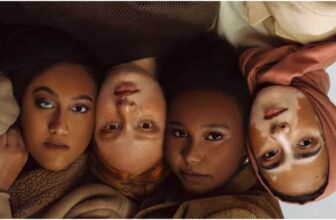
A beauty revolution is emerging on social media, led by voices from Africa.
From Lagos to Accra, Nairobi to Johannesburg, African women are redefining how beauty is represented and celebrated online. Once considered a niche segment, African beauty now influences millions through TikTok tutorials, Instagram reels, Pinterest boards, beauty campaigns, and creator-driven discussions.
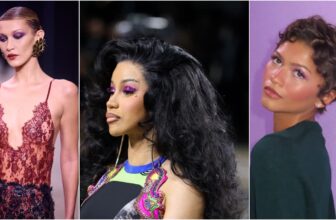
Historically, mainstream beauty trends have originated from cities such as Seoul, Paris, London, and New York.
African beauty traditions, techniques, ingredients, and approaches to self-care were often overlooked or treated as seasonal trends. In 2026, this is changing. African beauty is now actively shaping the global conversation.
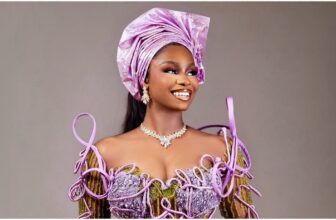
The emergence of A-beauty signals a broader shift toward beauty that is personal, culturally rooted, and relevant. Across Africa, creators highlight protective hairstyles, sculpted natural hair, bold braids, intricate gele styling, and makeup tailored for deeper skin tones.
Skincare discussions are also growing, with African-inspired ingredients, traditional practices, and locally developed products attracting global interest.
Social media has been instrumental in this transformation. A single hairstyle tutorial, makeup demonstration, or skincare routine from an African creator can reach global audiences within hours.
Nigerian creators are shaping bridal makeup trends, while Ghanaian creators highlight hair and skincare.
South African voices introduce local approaches to international audiences, and creators from Kenya, Senegal, Côte d’Ivoire, and beyond contribute diverse perspectives.
 Photo: Instagram/ assitaaa__
 A defining feature of this movement is its rejection of a single standard of beauty.
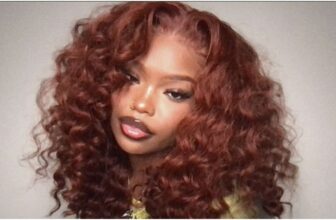
African beauty embraces natural textures, protective hairstyles, wigs, braids, locs, updos, bold makeup, glossy skin, colourful eyeshadow, and traditional adornment. It encourages women to express themselves in multiple ways, without prioritizing one form over another.
In 2026, this diversity is one of African beauty’s greatest strengths. The conversation now focuses on representation, recognition of techniques, product development for diverse skin tones and hair textures, and the integration of cultural practices within the modern global industry.
Viral hair transformations, melanin-focused makeup, and renewed interest in traditional techniques are among the African beauty trends dominating social media in 2026.
Below are the African beauty trends that are reshaping the global beauty conversation.
The Rise of A-Beauty
A-beauty stands apart from other global trends. Rather than following the polished, trend-driven approach of K-Beauty, it focuses on high-performance formulas grounded in heritage, climate realities, and regional diversity.
Unlike complex skincare routines elsewhere, A-beauty values simplicity: fewer, carefully selected products, straightforward techniques, and nourishing ingredients.
 Photo Courtesy
 The focus is on lasting, healthy, radiant skin, appealing to consumers tired of lengthy routines and unrealistic claims.
The Blush Revolution: “Painted by Esther”
Ngozi Esther Edeme, known as Painted by Esther, shaped the 2026 beauty landscape with her signature heavy pink blush technique, which went viral on TikTok and Instagram.
Based in London, the Nigerian makeup artist has worked with celebrities such as SZA, Kelly Rowland, and Doechii, and created iconic looks for the Love Island USA reunion.
 Photo Courtesy
 Her influence highlights Nigeria’s creative talent in makeup artistry and offers a refreshing alternative to European beauty standards, particularly for dark-skinned women.
The Art of Hair: Gravity-Defying Styles and the Afro Babies Movement
Self-taught Senegalese hair artist Elisabeth Anayes Niouky is gaining attention for her modern African hairstyles featured in editorial shoots, fashion shows, and celebrity events.
Her TikTok videos, which showcase both intricate hair sculptures and wearable braids or afro styles, have inspired many women to embrace their natural hair texture.
 Photo Courtesy
 In a region where long, smooth hair is often the standard, Niouky’s work is transformative. In 2025, she founded the Afro Babies Movement, which began as a small group and evolved into a global community encouraging women to reconnect with their natural hair and beauty.
Through her representation, she is “encouraging (women) to really come back to reconnect with their natural hair and their natural beauty.”
The “No-Stress” Glow-Up
Perhaps the most visible shift is the rejection of heavy, cakey makeup in favor of radiant, natural skin.
As Nigerians in the know say, the goal is “glowing, not ghosting”—a reaction to years of dealing with foundation melting off in the face of relentless heat.
 Photo: Instagram/_evewinter_
 The “Skin-First Beauty” approach is gaining traction. Rather than seeking full-coverage foundations, women are investing in Vitamin C serums, Niacinamide, and sunscreen.
This shift favours a more natural, authentic appearance. As one makeup artist noted, “Clients are now asking for the ‘Clean Girl‘ aesthetic. They want their skin to actually look like skin, not a plastered wall.”
Iconic Figures Shaping the Narrative
Behind these African beauty trends are the individuals using their platforms to amplify African excellence.
Assita Traore
Ivorian model and digital creative Assita Traore is redefining modern African beauty. With a radiant complexion, she embodies authentic elegance.
Her signature includes embracing natural hair, whether styled in a textured afro or wrapped in traditional headpieces, consistently honoring African identity.
 Photo: Instagram/tinny_hairdresser
 The model advocates for modest, culturally inspired styling, demonstrating that elegance and influence can align with dignity and cultural values.
Fikayo Bigname
Nigerian Gen Z fragrance influencer Olaiya Fikayo Temitope, known as Fikayo Bigname, has been nominated for the Youth Role Model Award 2026.
Through genuine fragrance reviews, digital content, and brand collaborations, he has shaped Nigeria’s perfume culture and become a tastemaker for young Nigerians.
 Photo: Instagram/fikayo_bigname
 His nomination highlights the increasing influence of Nigerian youth in digital media, entrepreneurship, and creative industries.
The Cultural Debate: The Natural Hair Movement 3.0
Despite progress, the discussion around African hair continues. A recent social media debate, initiated by a TikTok creator questioning the community’s relationship with wigs and extensions, revealed a key contradiction.
Many noted that wigs often receive more care than natural hair, with hours spent on installations that conceal natural strands.
 Photo Courtesy
 This debate is moving the conversation beyond personal choice, prompting reflection on why the beauty industry encourages more care for extensions than for textured hair.
Many see this as the start of the “Natural Hair Movement 3.0.”
The Future of African Beauty
The global rise of A-beauty is about leading trends, not following them. It represents a strong reclamation of identity, heritage, and excellence.
African beauty brands are gaining international recognition, with industry experts predicting it will become a global movement.
Africa’s rich biodiversity, including shea butter, baobab oil, and marula oil, combined with indigenous formulation expertise, provides potent ingredients that meet the global demand for clean, functional beauty.
Industry experts note that European consumers are increasingly attracted to these authentic, inclusive stories that align with sustainability and wellness values.
The message from Africa is clear: African beauty is meant to be celebrated, not merely consumed. Its rise on social media demonstrates that the world is finally recognizing its value.
Photo: Instagram/tinny_hairdresser
You May Also Like:
The Unrealistic Beauty Expectations Women Secretly Carry
The Anti-Ageing Beauty Advice Women Should Stop Following
Beauty Products Are Increasingly Becoming Hybrid — Here's Why
Are Beauty Filters Changing What Women Think They Actually Look Like?

Hold On... Are Fenty Skin, Huda Beauty, and Glow Recipe in a Packaging Drama?
The Best Beauty Looks at the 2026 Emmy Awards
Best Perfumes for Women in Nigeria and Ghana

The Best Beauty Salons in Lagos, Accra, and Nairobi
16 African Beauty Brands You Need to Know in 2026
Beauty Trends: What’s Old is New Again

Billie Eilish Just Launched Eilish Intense, Her Most Powerful Fragrance Yet
Miss Universe Uganda 2026 Contestant is Going Viral for Her Natural Beauty


Esther Ejoh is a Fashion Editor at Fashion Police Nigeria, where she writes all things fashion, beauty, and celebrity style, with a sharp eye and an even sharper pen. She’s the girl who’ll break down a Met Gala look one minute, rave about a Nigerian beauty brand the next, and still find time to binge a movie or get lost in a novel. Style, storytelling, and self-care? That’s her holy trinity.