Published: May 29, 2026 Last Updated 4 months ago by Esther Ejoh
Across Lagos markets, social media, and private conversations, a difficult reality persists: millions of Africans risk their health to achieve lighter skin, yet the underlying reasons remain largely unaddressed.
According to a BBC report, Fatima, a 32-year-old mother from northern Nigeria, sought fair treatment for her children and, under family pressure, used skin-bleaching products on all six, aged two to sixteen. Instead of achieving lighter skin, her children suffered wounds, discoloured patches, and permanent scars. One daughter now covers her face in public to conceal the burns.
Fatima’s experience is not unique. The World Health Organisation reports that 77 percent of women in Nigeria regularly use skin-lightening products, the highest rate in Africa. Usage rates are also high in Congo-Brazzaville (66 percent), Senegal (50 percent), Ghana (39 percent), and South Africa (32 percent).
In Mogadishu, Somalia, a 2022 survey found that 75.6 percent of women use these skin bleaching products, far exceeding continental and global averages. The reasons behind this widespread practice, and the reluctance to discuss it openly, require urgent attention.
The Colonial Roots: Where the Bleaching Conversation Begins
To understand skin bleaching in Africa, one must first understand its origins. Public health practitioner Princess Nyoni-Kachambwa traces the practice directly to the era of colonialism and slavery.
“During that time, slave masters would show favouritism to light-skinned individuals compared to darker-skinned ones,” she explains in Sputnik Africa. “They would give lighter chores to the light-skinned slaves compared to the darker ones, who were assigned harder, strenuous tasks. This created an impression that light skin was superior”.
This perception did not disappear with the end of colonialism. It evolved, seeped into cultural norms, and became intertwined with ideas about beauty, prosperity, and social status.
Across many African societies today, lighter skin is often associated with attractiveness, success, increased marriage prospects, and higher social standing.
These perspectives have become sociocultural norms, reinforced by Nollywood films, music videos, and a social media landscape where lighter-skinned influencers often receive more engagement and endorsement deals.
The Health Crisis: What Skin Bleaching Really Does to the Body
While the social drivers of skin bleaching are complex, the physical consequences are brutally straightforward. Dermatologists across the continent are sounding alarms about an impending public health crisis.
Dr Emmanuel Adama-Ajonye, a Nigerian dermatologist, outlines the severe risks associated with skin-lightening products, particularly those containing toxic substances like mercury and hydroquinone.
“Long-term use can make the skin fragile, prone to injuries and infections,” he warns. “Mercury poisoning can cause neurological problems, including memory loss and tremors, and can affect kidney function and lead to liver toxicity”.
The dangers extend far beyond cosmetic concerns. Prof. Dasetima Altraide, President of the Nigerian Association of Dermatologists, warns that bleaching can lead to diabetes, hypertension, kidney problems, reduced immunity, and even skin cancer.
 Photo Courtesy
 In Somalia, dermatologist Dr Mohamed Mude reports that approximately 60 percent of his patients suffer from skin irritation, redness, and inflammation as a direct result of using bleaching creams.
Perhaps most alarmingly, the practice is increasingly being used on children. Zainab Bashir Yau, owner of a dermatology clinic in Abuja, estimates that 80 percent of the women she has met have bleached their children or plan to do so.
Some women were bleached themselves as babies, perpetuating a cycle of harm across generations.
Why the Skin Bleaching Conversation in Africa Is So Difficult
Despite the mounting evidence of harm, skin bleaching remains a deeply entrenched practice. Dr Olufolakemi Cole-Adeife, a consultant dermatologist at Lagos State University Teaching Hospital, identifies a complex interplay of factors: social media glorification of lighter skin, low self-esteem, peer and family pressure, and a lack of effective regulation of beauty products.
One user, identified only as Mary from Rivers State, began using bleaching creams specifically to increase her chances of finding a husband. After achieving her desired skin tone, she stopped using the products, only to develop a severe skin allergy that left her with black spots and uneven skin tone.
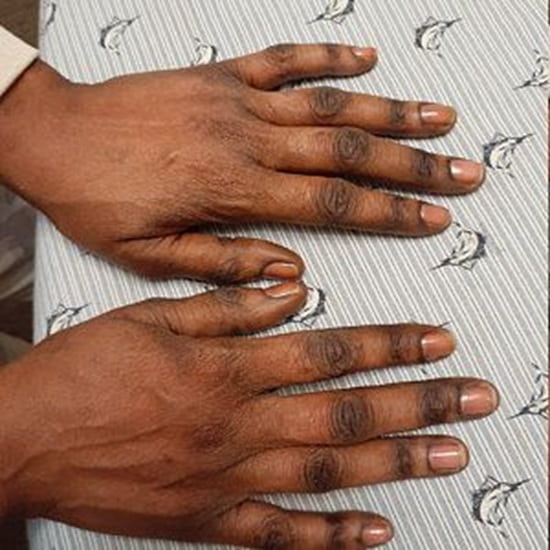 Photo Courtesy
 Another user, Kikelomo from Lagos, now suffers from stretch marks and dark spots on her breasts, knuckles, and face, but continues using the creams in a desperate attempt to reverse the damage.
A resident of Ogun State, Favour Konla, admitted that despite knowing the health risks, the pressure to look like her light-skinned friends blinded her to future repercussions.
“It’s common when most of your friends are fair-skinned,” she said to Punch. “I used bleaching cream too once. I’m glad I later realised the uniqueness of my black skin”.
The Resistance: Voices Fighting Back
Amid the crisis, there are voices of resistance. Kenyan media personality Kush Tracey has spoken publicly about reversing skin bleaching after years of struggling with its effects in the BBC report against skin bleaching.
South African influencer and software developer Masheane Sefuthi has been open about his journey to “whiten” his skin, while public health advocate Amira Adawe campaigns tirelessly against harmful products.
In Somalia, Iman Osman runs the Maariin Skincare Centre in Mogadishu, where she sells natural beauty products and works to persuade women to abandon dangerous bleaching creams. Social media campaigns with hashtags like “#UnbleachedAndUnapologetic” are gaining traction, encouraging women to embrace their natural skin tones.
 Photo Courtesy
 The Nigerian government has also taken action. In 2023, the National Agency for Food and Drug Administration and Control (NAFDAC) declared a state of emergency on bleaching, noting that Nigeria had been ranked first in bleaching cases worldwide.
However, enforcement remains a challenge, with banned products still widely available in markets and online.
The Way Forward: Changing the Conversation Around Skin Bleaching in Africa
Experts agree that addressing the skin bleaching epidemic requires more than legislation. It requires a fundamental shift in how Africans perceive beauty and self-worth.
“Learn about the harmful effects of skin bleaching on your skin and overall health,” advises Dr. Cole-Adeife in the Punch report about skin bleaching. “Embrace your natural skin tone and appreciate your uniqueness. Nigerian skin tones are diverse and beautiful. They are a reflection of our heritage and identity. Lighter skin does not define beauty, success, or worth”.
Dr Leonard Omokpariola, a director at NAFDAC, acknowledges that efforts are underway to educate people about the risks, but the scale of the problem demands a coordinated continental response.
Public health campaigns, stricter regulations, education on skin health, and the promotion of diverse beauty standards are all essential components of a solution.
The conversation about skin bleaching in Africa is not just about cream and chemicals. It is about history, identity, trauma, and the slow, difficult work of decolonizing the mind. It is about mothers who want to protect their children from discrimination and end up scarring them instead.
It is also about young women who believe their worth is tied to the colour of their skin. And it is about the millions of Africans who are beginning to say, “Enough.”
The truth about skin bleaching conversations in Africa is that they are long overdue. But these conversations are finally happening.
Photo Courtesy
You May Also Like:
Are Beauty Filters Changing What Women Think They Actually Look Like?
September 30, 2026Hold On... Are Fenty Skin, Huda Beauty, and Glow Recipe in a Packaging Drama?
September 25, 2026The Best Beauty Looks at the 2026 Emmy Awards
September 15, 2026Best Perfumes for Women in Nigeria and Ghana
August 27, 2026Latest African Beauty Trends Taking Over Social Media
August 24, 2026The Best Beauty Salons in Lagos, Accra, and Nairobi
August 19, 202616 African Beauty Brands You Need to Know in 2026
August 18, 2026Beauty Trends: What’s Old is New Again
July 28, 2026Billie Eilish Just Launched Eilish Intense, Her Most Powerful Fragrance Yet
July 27, 2026Miss Universe Uganda 2026 Contestant is Going Viral for Her Natural Beauty
July 26, 2026Kylie Jenner Teases the Launch of Khy Cosmetics Mood Stones Fragrances
July 23, 2026Beauty Trends TikTok Got Right That Are Worth Trying
July 16, 2026


Esther Ejoh is a Fashion Editor at Fashion Police Nigeria, where she writes all things fashion, beauty, and celebrity style, with a sharp eye and an even sharper pen. She’s the girl who’ll break down a Met Gala look one minute, rave about a Nigerian beauty brand the next, and still find time to binge a movie or get lost in a novel. Style, storytelling, and self-care? That’s her holy trinity.