Published: August 18, 2026 Last Updated 2 months ago by FPN
African skin is naturally resilient. Higher melanin levels offer greater protection against UV damage and often mean slower visible signs of aging.
Yet it also comes with specific needs: a tendency toward post-inflammatory hyperpigmentation (dark marks that linger after breakouts or irritation), ashiness when dehydrated, and the challenge of finding effective products that do not leave a white cast or trigger more pigmentation.
Building the perfect skincare routine for African skin is less about complicated 10-step regimens and more about consistency, barrier support, gentle brightening, and daily sun protection.
In 2026, the smartest approach is barrier-first: strengthen and calm the skin so that actives can work without triggering inflammation that leads to more dark spots.
Understanding your skin’s priorities is the starting point. Common concerns across Nigeria, Ghana, and the wider African diaspora include uneven tone, stubborn hyperpigmentation, oiliness in humid climates, dryness during harmattan, and sensitivity to harsh products.
The goal is to prevent new marks, fade existing ones, and maintain a healthy, glowing complexion.
Core Principles for Melanin-Rich Skin
Prevention of inflammation is just as important as treatment. Aggressive scrubs, high-strength acids used too frequently, or poorly formulated brighteners can worsen the very dark spots you are trying to fade.
 Photo courtesy
 Focus on gentle, evidence-backed ingredients: niacinamide (excellent for blocking melanin transfer, controlling oil, and strengthening the barrier), stable vitamin C forms for antioxidant protection and brightening, azelaic acid or alpha-arbutin for targeted hyperpigmentation, and ceramides or hyaluronic acid for hydration.
Daily broad-spectrum sunscreen remains non-negotiable — UV exposure deepens existing pigmentation and creates new marks.
Step-by-Step Morning Skincare Routine
When it comes to melanin-rich skin, treating dark spots is not simply about finding the strongest brightening product and applying it every day. In fact, doing too much can often make pigmentation more noticeable.
Skin with higher levels of melanin can be particularly responsive to inflammation, meaning irritation from harsh exfoliants, aggressive scrubbing, or unsuitable products may trigger post-inflammatory hyperpigmentation and leave behind new marks.
That is why an effective skincare routine should focus on prevention as much as correction. The goal is to keep the skin barrier healthy, reduce unnecessary inflammation, gradually fade existing pigmentation, and protect the complexion from further darkening.
Ingredients such as niacinamide, vitamin C, azelaic acid, alpha arbutin, ceramides, and hyaluronic acid can all play useful roles when incorporated thoughtfully.
And there is one step that should never be skipped: sunscreen. Daily broad-spectrum SPF helps protect against UV exposure, which can deepen existing dark spots and contribute to uneven skin tone.
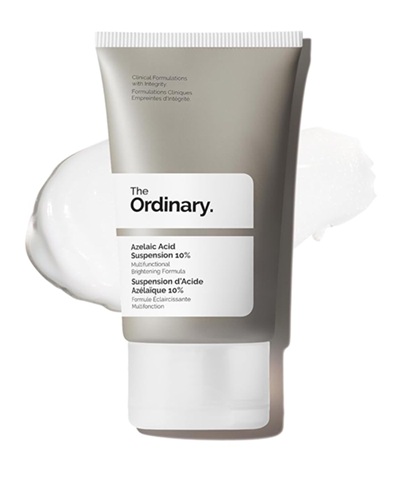
The Ordinary Azelaic Acid Suspension 10% for Uneven and Blemish-Prone Skin
With the right combination of gentle treatment, hydration, and consistent protection, managing hyperpigmentation becomes less about chasing quick fixes and more about building a routine your skin can tolerate and maintain.
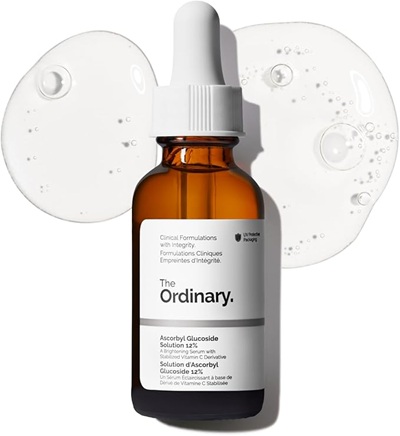
The Ordinary Ascorbyl Glucoside Solution 12% for Even Skin Tone and Antioxidant Protection
Here is how to put those principles into a simple morning skincare routine for African skin.
- Gentle Cleanse
Use a mild, pH-balanced, sulfate-free cleanser. Gel formulas work well for oily or combination skin common in tropical climates; cream or hydrating cleansers suit drier skin. The aim is to remove overnight oil and impurities without stripping the skin’s natural barrier. - Treatment Serum
Apply a vitamin C serum (preferably a stable derivative such as ascorbyl glucoside or magnesium ascorbyl phosphate if pure L-ascorbic acid feels irritating) or a niacinamide serum. Vitamin C provides antioxidant defense and helps brighten; niacinamide addresses multiple concerns at once. Allow it to absorb for a minute or two. - Moisturizer
Even oily skin needs hydration. Choose a lightweight, non-comedogenic moisturizer that supports the barrier. Look for ceramides, glycerin, or niacinamide. Apply while skin is still slightly damp for better absorption. - Sunscreen
This is the most important step for preventing and managing hyperpigmentation. Use SPF 30 or higher every day, even indoors or on cloudy days. Opt for formulas designed for darker skin — tinted mineral sunscreens with iron oxides or modern chemical filters that leave no white cast. Reapply every two to three hours if you are outdoors.
Step-by-Step Evening Skincare Routine for African Skin
Evening skincare is when your routine can do more than simply cleanse away the day.
After hours of exposure to heat, sweat, pollution, makeup, and environmental stressors, your skin needs a routine that restores moisture, supports the skin barrier, and targets concerns such as dark spots, uneven tone, breakouts, and dryness.
For African and melanin-rich skin, the focus should be on consistency and balance rather than using several strong products at once.
A good nighttime routine does not need to be complicated. The right combination of gentle cleansing, targeted treatments, hydration, and barrier support can help the skin look clearer, smoother, and more even over time.
It is also important to pay attention to how your skin responds, particularly if you are prone to post-inflammatory hyperpigmentation, because irritation can leave behind the very marks you are trying to reduce.
 Photo courtesy
 Whether your main concern is stubborn pigmentation, acne, dullness, dryness, or simply maintaining healthy-looking skin, the following evening routine breaks each step down in a simple order, including what to use, why it matters, and how to introduce active ingredients without overwhelming your skin.
- Double Cleanse (if needed)
If you wore sunscreen or makeup, start with an oil-based cleanser or micellar water to dissolve them, then follow with your regular gentle cleanser. This ensures actives can penetrate properly. - Treatment
This is the time for targeted work. Options include niacinamide, azelaic acid (excellent for both acne and PIH), alpha arbutin, or a gentle retinoid introduced slowly. Chemical exfoliants such as lactic or mandelic acid can be used two to three times a week — these are generally better tolerated than stronger glycolic acid on melanin-rich skin. Never layer too many strong actives at once. - Moisturizer or Barrier Repair Cream
Finish with a richer moisturizer or one containing ceramides to support overnight repair. Facial oils can be added if your skin feels particularly dry.
Weekly and Supporting Habits
Incorporate gentle exfoliation once or twice a week and consider a hydrating mask. Avoid physical scrubs that can create micro-tears and trigger pigmentation.
Consistency matters more than intensity — results for hyperpigmentation typically appear after 8–12 weeks of steady use.
 Photo courtesy
 Adjusting for Skin Type and Climate
- Oily or acne-prone: Prioritize niacinamide, lightweight gels, and salicylic acid used carefully.
- Dry or ash-prone: Emphasize hydrating layers, richer moisturizers, and occlusives.
- Sensitive: Introduce one new product at a time and lean on barrier-supporting ingredients.
In humid weather, keep textures light. During dry harmattan seasons, increase hydration and sealing.
Common Mistakes to Avoid
Skipping sunscreen, using hydroquinone long-term without professional guidance, over-exfoliating, layering too many brightening actives at once, and expecting overnight results all undermine progress.
Fake or poorly formulated products remain a risk in many markets — choose reputable brands and check ingredient lists.
Start simple: cleanser, moisturizer, and sunscreen. Once that feels consistent, add a serum. Track how your skin responds. Patch-test new products and give each addition at least two to four weeks before judging results.
If you have persistent acne, melasma, or severe hyperpigmentation, consult a dermatologist experienced with skin of colour.
The perfect skincare routine for African skin is not about chasing trends or collecting dozens of bottles. It is about respecting the unique strengths and needs of melanin-rich skin: protecting the barrier, preventing inflammation, supporting even tone with proven ingredients, and never skipping sun protection.
With patience and consistency, this approach delivers clearer, more radiant, and healthier-looking skin that reflects both science and the beauty of African complexions. Begin with the basics, stay consistent, and let your skin’s natural resilience do the rest.
Photo: Getty Images
You May Also Like:
The Regenerative and Natural Face Trends Taking Over in 2026
October 11, 202610 Reasons Why Your Lips Also Need SPF Protection
September 9, 2026Suede Eyeshadow Could Be Your Fall Favourite Eye Makeup
September 3, 2026Huda Beauty x Cardi B Team Up for the New Ultra Snatched Collection
August 31, 2026How to Achieve Glowing Skin Naturally in Africa's Climate
August 28, 202610 Best Pimple Patches for Faster, Less Noticeable Breakouts
August 21, 20267 Best Face Masks for Plump, Hydrated, Smooth Skin
August 20, 2026Your Ultimate Guide for the Best Skincare Products for Dark Skin in Nigeria and Ghana
August 13, 2026How Does Healthy Skin Look? Here's How to Tell the Difference
July 29, 2026Refillable Lipsticks are the Beauty Investment Worth Making
July 24, 2026The Makeup Trends I'm Happily Leaving Behind This Summer
July 22, 2026Why My Makeup Application Always Sucks
July 18, 2026


Esther Ejoh is a Fashion Editor at Fashion Police Nigeria, where she writes all things fashion, beauty, and celebrity style, with a sharp eye and an even sharper pen. She’s the girl who’ll break down a Met Gala look one minute, rave about a Nigerian beauty brand the next, and still find time to binge a movie or get lost in a novel. Style, storytelling, and self-care? That’s her holy trinity.