Published: July 6, 2026 Last Updated 3 months ago by Evelyn Adenike
Retinol was unavoidable for many women at some point, but it appears the conversation is beginning to change.
Every skincare routine seemed incomplete without a vitamin A serum tucked somewhere between cleanser and moisturizer. Dermatologists recommended it, beauty editors praised it, and social media crowned it the ingredient capable of tackling everything from acne to fine lines.
For many people, buying their first retinol product became a milestone, a sign that skincare had moved beyond the basics.
The conversation looks different today. While retinol in skincare remains one of the most researched and widely recommended ingredients in dermatology, a growing number of consumers are choosing to slow down, simplify, or pause its use altogether.
Instead of asking which retinol product to buy next, many are asking whether their skin actually needs one right now.
That shift doesn’t mean retinol has suddenly stopped working. Rather, skincare has become more thoughtful. Greater awareness of skin barrier health, ingredient compatibility, and individual skin needs has encouraged people to question routines that once felt universal.
The goal is no longer to use the strongest active available. Increasingly, the focus is on building routines the skin can comfortably tolerate over the long term.
A break from retinol in skincare is rarely about rejecting science or following another passing trend. For many people, it’s simply an opportunity to repair an irritated skin barrier, reassess what their skin truly needs, or make room for ingredients better suited to their current concerns.
The result is a more balanced conversation, one that recognises that healthy skin isn’t built from a single ingredient, but from choosing the right products at the right time for the right skin.
Why are more people taking a break from Retinol in their skincare routines?
Retinol in skincare hasn’t fallen out of favour because it suddenly stopped working.
The ingredient remains one of the most extensively studied topical treatments for acne, uneven skin tone, and visible signs of aging. What’s changing is the way people use it. Instead of treating retinol as a mandatory step, many consumers are beginning to see it as one option among many.
One reason is the growing emphasis on skin barrier health. Over the last few years, skincare has shifted away from piling on multiple active ingredients every night. Many people discovered that combining retinol with exfoliating acids, strong vitamin C formulas, or frequent exfoliation left their skin dry, irritated, or more sensitive than expected.
Rather than pushing through discomfort, consumers are choosing to pause, repair their skin, and introduce actives more thoughtfully.
 Photo: iStock
 Another factor is education. Dermatologists have long explained that retinol is not essential for everyone. Younger people not struggling with acne or premature signs of aging may not need it, while those with naturally sensitive skin often benefit from gentler routines.
Pregnancy and breastfeeding are also periods when retinoids should generally be avoided, leading many people to explore different skincare approaches during that time.
Minimalist skincare has also influenced this shift. Instead of chasing long ingredient lists and complicated routines, many people now prefer a handful of products that address their primary concerns without overwhelming their skin.
In many cases, using fewer products consistently produces better results than rotating through several powerful actives.
Has Retinol become the villain?
If social media is anything to go by, you might think retinol has become skincare’s latest ingredient to avoid. Claims that retinol permanently thins the skin, rapidly ages the face, or causes serious health problems have spread widely online. Many of those claims, however, leave out important context.
Retinol can cause temporary dryness, peeling, redness, or sensitivity, particularly during the first few weeks of use. Dermatologists often refer to this adjustment period as retinization.
For some people, these effects are mild. Others may find the irritation significant enough to reduce how often they apply the product or stop using it temporarily. Neither response means the ingredient is inherently harmful.
 Photo: Dang Lifestyle
 One topic that generated confusion was the European Union’s 2024 decision to limit the maximum concentration of retinoids in cosmetic products.
The regulation introduced concentration limits for consumer cosmetics as a precautionary measure based on overall vitamin A exposure, not because evidence showed that retinol causes cancer or should be banned.
Unfortunately, much of that nuance disappeared once the news reached social media.
The reality is more balanced than many headlines suggest. Retinol remains one of the most effective over-the-counter ingredients for improving fine lines, uneven pigmentation, and certain forms of acne.
The difference today is that skincare professionals increasingly encourage people to use it based on their skin’s needs rather than assuming every routine must include it.
Who may benefit from taking a break from Retinol in skincare?
Taking a break from retinol in skincare can sometimes be the healthiest decision, particularly when skin is showing signs of stress rather than improvement.
People with a damaged skin barrier often benefit from simplifying their routine before introducing additional active ingredients. If your skin feels persistently tight, stings after applying basic products, or develops unusual redness, barrier repair usually deserves attention first.
 Photo: iStock
 Individuals experiencing eczema flare-ups, rosacea, or unusually reactive skin may also find that temporarily stopping retinol allows inflammation to settle.
That doesn’t necessarily mean retinol can never return to the routine, but it may need to be reintroduced gradually or replaced with a gentler alternative.
Pregnant and breastfeeding women are generally advised to avoid topical retinoids unless specifically instructed otherwise by their healthcare provider. This recommendation has encouraged many consumers to discover effective alternatives during those stages of life.
Finally, some people simply realise they introduced retinol before they actually needed it. If the primary goal is maintaining healthy, hydrated skin rather than treating acne or visible signs of aging, other ingredients may be more appropriate for the time being.
What people are using instead
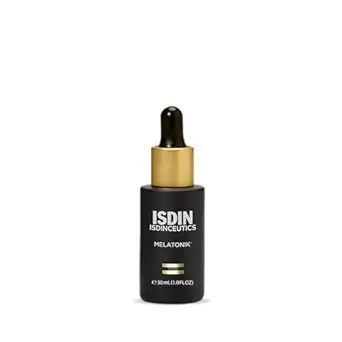
Stepping away from retinol doesn’t mean abandoning skincare altogether. In many cases, consumers are replacing skincare products with ingredients that address their immediate concerns while placing less stress on the skin.
Ceramides have become one of the biggest priorities because they strengthen the skin barrier and reduce moisture loss. Rather than aggressively targeting wrinkles or pigmentation, ceramide-rich moisturizers help the skin function as it should.
Peptides have also gained attention for supporting firmer-looking skin while remaining suitable for many sensitive skin types. Although peptides don’t work the same way retinol does, they fit well into routines focused on gradual improvement.
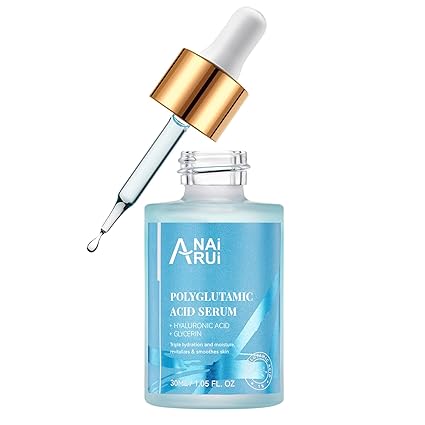
Hydration-focused ingredients continue to dominate skincare shelves. Hyaluronic acid remains popular, while polyglutamic acid has emerged as another favorite because it helps attract and retain moisture on the skin’s surface, leaving the complexion looking smoother and plumper.
Niacinamide remains one of the most versatile ingredients available, helping improve uneven skin tone, excess oil, redness, and barrier function all at once. Azelaic acid is another option frequently recommended for people dealing with acne, post-inflammatory pigmentation, or rosacea.
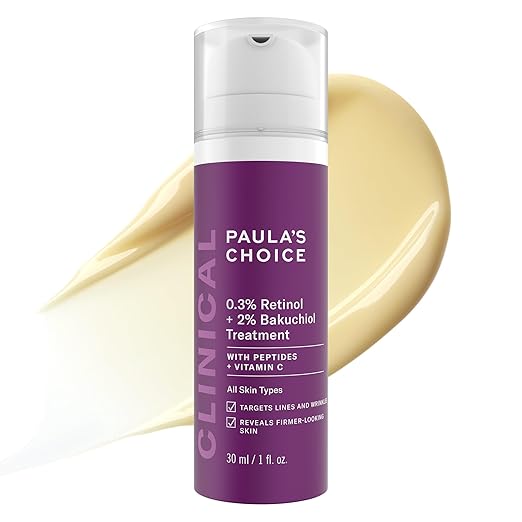
Bakuchiol often appears in conversations about retinol alternatives because it may offer some similar cosmetic benefits with less irritation for certain users.
While research continues to grow, experts generally agree that bakuchiol should not be viewed as a direct replacement for retinol, but rather as a different ingredient with its own strengths.
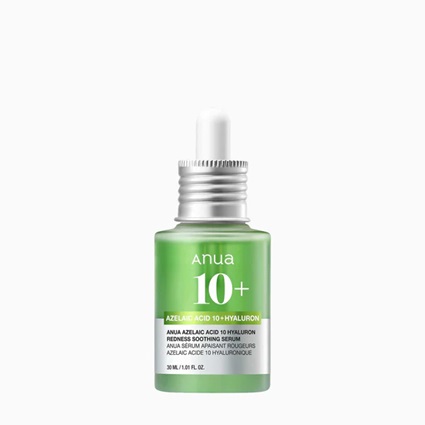
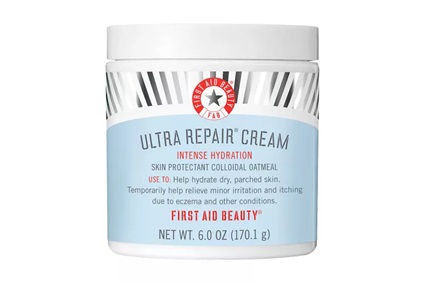
So… Should Everyone Stop Using Retinol?
The short answer is no.
Retinol in skincare continues to earn its place because decades of research support its effectiveness in managing acne and reducing visible signs of photoaging. For many people, the skincare product remains one of the most valuable products in their routine.
The more useful question isn’t whether everyone should stop using retinol. It’s whether retinol is the right ingredient for your skin right now. Skin changes with age, seasons, hormones, lifestyle, and overall health.
A routine that worked perfectly two years ago may no longer be the best fit today.
Instead of treating skincare as a set of universal rules, many experts now encourage flexibility.
Some people use retinol several nights each week without any issues. Others apply it less frequently, alternate it with barrier-repair nights, or pause altogether when their skin needs recovery. None of these approaches is inherently better than another. The best routine is the one your skin can comfortably sustain.
Photo: iStock
You May Also Like:
The Regenerative and Natural Face Trends Taking Over in 2026
October 11, 202610 Reasons Why Your Lips Also Need SPF Protection
September 9, 2026Suede Eyeshadow Could Be Your Fall Favourite Eye Makeup
September 3, 2026Huda Beauty x Cardi B Team Up for the New Ultra Snatched Collection
August 31, 2026How to Achieve Glowing Skin Naturally in Africa's Climate
August 28, 202610 Best Pimple Patches for Faster, Less Noticeable Breakouts
August 21, 20267 Best Face Masks for Plump, Hydrated, Smooth Skin
August 20, 2026How to Build the Perfect Skincare Routine for African Skin
August 18, 2026Your Ultimate Guide for the Best Skincare Products for Dark Skin in Nigeria and Ghana
August 13, 2026How Does Healthy Skin Look? Here's How to Tell the Difference
July 29, 2026Refillable Lipsticks are the Beauty Investment Worth Making
July 24, 2026The Makeup Trends I'm Happily Leaving Behind This Summer
July 22, 2026


Evelyn Adenike is an Associate Beauty Editor at Fashion Police Nigeria, where she covers all things beauty, from the glossiest nail trends to the best skincare finds. With a soft spot for storytelling and an eye for what’s fresh, she brings creativity and just the right dash of drama to every post. If it’s bold, beautiful, and blog-worthy, Evelyn’s probably already writing about it.