Published: August 20, 2026 Last Updated 2 months ago by FPN
Luxury fashion has traditionally been presented through a very specific lens.
Parisian couture, Italian leather, Swiss watches, limited production, and four-figure price tags have shaped much of what the world recognises as luxury.
But ask an African what luxury means, and the answer can become much more layered.
For many African consumers, luxury is not simply wearing a recognisable European label. Instead, it can be about craftsmanship that takes hours to complete, fabric connected to a particular community, locally made leather, handwoven textiles, intricate beadwork, or a garment that carries a sense of place. The value can sit as much in the making as in the name on the label.
This distinction matters as African fashion continues to gain greater visibility internationally. Designers from across the continent are increasingly presenting African craftsmanship and design language as part of the global luxury conversation.
African Luxury Goes Beyond a Price Tag
Price still matters in luxury. So do quality, scarcity, craftsmanship, and design. But African luxury can add another layer to those familiar definitions: Provenance.
Consider Aso-oke, the handwoven Nigerian textile traditionally associated with the Yoruba tribe.
Its value is not simply found in the finished fabric. The weaving process, skill, cultural history, and time involved in producing the fabric contribute to what makes the textile special.
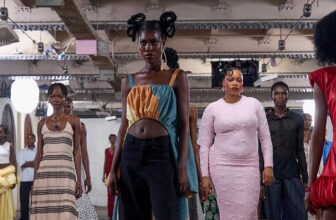
 Photo: Instagram/@hertunba
 The same principle applies to many craft traditions across the continent. Techniques that have existed for generations can produce pieces that require considerable skill and patience.
Yet African craftsmanship has often been treated as a source of inspiration for international fashion rather than as luxury in its own right.
Designers such as Imane Ayissi, Kenneth Ize and Thebe Magugu demonstrate different ways African creativity occupies the international fashion system while retaining a clear sense of authorship.
Ayissi, for example, has incorporated materials such as raffia, bark cloth and handwoven textiles into couture. His work places African materials and craftsmanship within a luxury framework without reducing those elements to decorative references.
Kenneth Ize has brought Nigerian weaving traditions, particularly Aso-oke, into contemporary international fashion. His work demonstrates how a heritage textile can hold value on the global stage without losing its connection to its origin.
South African designer Thebe Magugu offers another perspective. His work draws from South African culture and experiences while operating within an international fashion market.
The African context remains part of the design rather than something removed to make the work more commercially familiar elsewhere.
African luxury can mean recognising the value that already exists in the continent’s creative traditions.
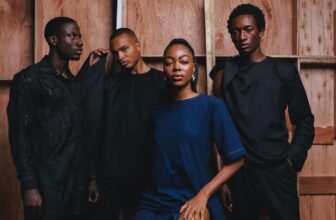
 Photo: Instagram/@knanfe
 For years, global fashion has borrowed African textiles, silhouettes, patterns and craft techniques. The conversation around luxury therefore cannot stop at how beautiful a particular technique looks.
It also needs to consider who created it, where it came from, who owns the knowledge, and who benefits when that work enters a more expensive international market.
That is where provenance becomes particularly important.
A luxury piece can carry a story about where its materials came from, who made it, and how the craft was developed. For African fashion, such information can give consumers a clearer understanding of what makes a piece valuable beyond its price.
There is also a practical side to this conversation. A stronger luxury industry in Africa requires more than international attention. It needs investment in production, skilled artisans, manufacturing, distribution, and fashion infrastructure across the continent.
Without those systems, African fashion risks remaining valuable mainly as an aesthetic resource while much of the commercial benefit happens elsewhere.
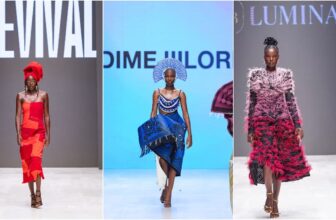
 Photo: Instagram/@ruksalamode
 For African consumers, this makes the definition of luxury increasingly interesting. Buying an African designer can mean investing in design, craftsmanship, and local creative economies at the same time.
The purchase becomes connected to who made the piece and where the value was created.
African consumers can appreciate a Dior bag or an African-made leather tote in the same wardrobe. Luxury does not have to belong to one geography. The more important shift is recognising that Africa does not need to borrow credibility from European fashion before its craftsmanship can be considered luxurious.
The future of African luxury may therefore be less about proving that African fashion can compete with established luxury houses and more about defining its own standards.
Quality and craftsmanship matter, and so do design, heritage, authorship, provenance and the ability to create lasting value for the people and communities behind the work.
This makes African luxury a much bigger conversation than logos and price tags. It asks us to look at what we value, who created the masterpiece, and why certain forms of craft have been allowed to carry prestige while others have been treated as mere inspiration.
Perhaps the most important question is no longer whether Africa belongs in the global luxury conversation. It is what happens when Africa gets to define what luxury means on its own terms.
Photo: Instagram/@blush_by_lamims
You May Also Like:
7 Fashion Trends to Watch at the 2026 Lagos Fashion Week
October 13, 2026Lagos Fashion Week 2026: What to Wear, Know and Expect
October 12, 20267 Emerging Fashion Designers We Would Love to See at Lagos Fashion Week 2026
October 8, 20269 Reasons You Should Attend (or Watch) Lagos Fashion Week 2026
October 7, 2026Maxhosa Africa: The First South African Fashion Brand Showcasing at Paris Fashion Week
October 2, 2026Method Dressing Among Nigerian Celebrities: Are We Finally Getting It Right?
September 8, 2026Camcassid: The Sustainable Fashion Brand Turning Textile Waste into Wearable Art
September 2, 2026The 2026 Africa Fashion Week London was a Defining Moment for African Fashion
August 24, 2026African Fashion Weeks 2026: Biggest Trends and Highlights
August 20, 202610 Top Affordable Luxury Fashion Brands in Africa
August 17, 2026How to Style Ankara Dresses for Every Occasion
August 11, 202614 Best Ghanaian Fashion Brands Redefining African Style
August 10, 2026


Evelyn Adenike is an Associate Beauty Editor at Fashion Police Nigeria, where she covers all things beauty, from the glossiest nail trends to the best skincare finds. With a soft spot for storytelling and an eye for what’s fresh, she brings creativity and just the right dash of drama to every post. If it’s bold, beautiful, and blog-worthy, Evelyn’s probably already writing about it.