For nearly a decade, the oversized clothes trend became a standard rather than a passing fashion moment.
Dropped shoulders, oversized coats, wide-leg trousers, loose shirts, and exaggerated tailoring became part of the modern wardrobe.
Streetwear helped push the look into the mainstream, while pandemic-era comfort dressing made generous proportions even more appealing. Designers also embraced volume, turning excess fabric into a deliberate fashion statement.
But fashion is beginning to move again.
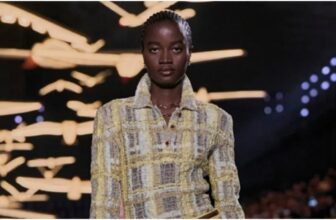
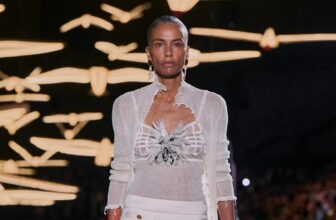
Across runways in Milan, Paris, New York, and London, a different silhouette is gaining attention.
Defined waists, structured shoulders, slim trousers, fitted knitwear, and sharper tailoring are appearing alongside the relaxed shapes that have dominated recent seasons.
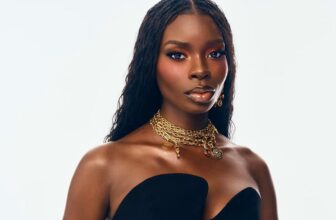
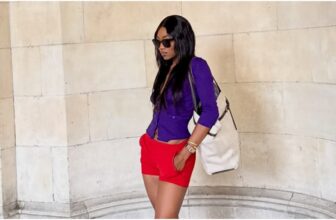
Celebrities are also experimenting with clothes that follow the body more closely, creating a noticeable contrast with the oversized clothes trend that has shaped much of the past decade.
The question, then, is not whether oversized clothing has disappeared. It clearly has not. The more interesting question is whether oversized fashion is losing its position as the default silhouette.
The answer appears to be more complicated than a simple yes or no.
Lyst reports a 12 percent increase in demand for oversized silhouettes between 2025 and 2026, while Fortune Business Insights estimates that the oversize apparel market will reach $136.74 billion in 2026 and grow to $221.22 billion by 2034.
These figures suggest that consumers are not abandoning loose-fitting clothes. Instead, the conversation around proportion is becoming broader.
The oversized clothes trend is still very much alive, but fitted silhouettes are finally getting room to speak again.
The Long Reign of Volume
Oversized fashion didn’t emerge overnight.
Its popularity developed through several different movements that eventually merged into one dominant aesthetic.
Streetwear played a major role.
Oversized hoodies, wide-leg denim, loose cargo trousers, boxy jackets, and large graphic T-shirts became staples for a generation that valued comfort as much as visual impact. Fashion designers then took those proportions into luxury fashion, transforming casual volume into carefully constructed runway pieces.
The early 2020s accelerated the shift.
As people spent more time at home, restrictive clothing lost some of its appeal. Soft trousers replaced structured pants. Oversized shirts became everyday uniforms. Sweaters became larger and longer. Dressing for comfort was no longer considered a compromise.
The oversized clothes trend also offered something beyond comfort.
It created a sense of freedom. A large blazer could be worn over almost anything. Wide trousers allowed movement. An oversized shirt could work with denim, leggings, shorts, or a skirt.
 Photo: Instagram/kathlenn.c
 For some people, the look also offered distance from the body-focused fashion standards of the 2000s and early 2010s.
Instead of emphasising the waist, hips, or bust, oversized clothing allowed the wearer to decide how much of their shape they wanted to reveal.
That cultural shift helped turn oversized dressing into much more than a passing trend.
Now, however, fashion appears ready for contrast.
After years of exaggerated proportions, fashion designers are once again exploring the body’s natural outline. Slim trousers, waist-defining jackets, fitted knits, structured tops, and streamlined coats are returning to the conversation.
The goal is not necessarily to eliminate comfort. Instead, it is about bringing more precision back into the wardrobe.
Why Fitted Silhouettes Are Making a Comeback
One reason the oversized clothes trend feels less dominant in 2026 is that fashion naturally moves through cycles. When one silhouette becomes almost unavoidable, its opposite eventually starts to feel fresh.
For years, the fitted silhouette was associated with restrictive dressing.
Skinny jeans, body-conscious dresses, narrow blazers, and fitted tops dominated the early 2010s. The arrival of oversized fashion offered a welcome change.
Now that consumers have spent years surrounded by volume, a sharper silhouette feels new again.
At Hermès, fashion designer Nadège Vanhée explored sleek leather, streamlined suits, and form-fitting pieces.
The collection showed how clothing can follow the body without returning to the highly restrictive styles of previous decades.
 Photo Courtesy
 Gucci has also moved toward leaner proportions.
Demna’s arrival at the house marked a notable departure from the exaggerated silhouettes of his earlier work at Balenciaga. His first Gucci collection introduced more body-conscious shapes, suggesting a broader shift in how designers are thinking about proportion.
At Balenciaga, Pierpaolo Piccioli has also explored a different relationship with volume, moving the conversation away from extreme exaggeration.
These changes do not mean fashion designers have rejected the oversized clothes trend. Rather, they are introducing alternatives.
That distinction matters.
Fashion does not usually replace one trend with another overnight. Instead, silhouettes begin competing for attention. What was once dominant becomes one option among several.
The Influence of Changing Beauty Standards
There is another factor influencing the conversation around clothing proportions: the changing discussion around body shape.
The growing use of GLP-1 medications has influenced conversations about weight, body image, and clothing sizes.
Retailers and designers have also noticed the shift, with some reporting changes in customer sizing and increased demand for smaller garments.
Fashion designer Tanya Taylor has spoken about seeing clients move from larger sizes into smaller ones, saying that “shapes are getting slimmer.”
However, this development should be viewed carefully.
Fashion trends shouldn’t be reduced to changes in body size, and fitted clothing isn’t automatically more fashionable just because it represents smaller bodies.
 Photo Courtesy
 What is happening is broader.
The fashion industry is responding to a changing cultural conversation about the body, while consumers are simultaneously demanding greater choice in how clothing fits.
That is where the current movement becomes interesting.
The return of fitted silhouettes does not necessarily mean that everyone wants tight clothes again.
Instead, many people are looking for clothes with more definition. A jacket can have a waist without being restrictive. Trousers can be straight rather than extremely wide. A dress can follow the body without being skin-tight.
This is where the new fashion conversation differs from the old one.
Why Oversized Fashion Is Not Going Anywhere
Despite the growing interest in fitted clothing, reports suggesting the death of oversized fashion are premature.
Walk through cities such as Lagos, London, New York, Johannesburg, or Paris, and oversized clothing remains everywhere. Baggy jeans, large shirts, oversized sweatshirts, relaxed tailoring, and wide trousers continue to appear in street style and everyday wardrobes.
The reason is simple: people still like wearing them.
The oversized clothes trend is closely tied to comfort, practicality, and personal identity. It has also developed a long cultural history.
Oversized clothing has appeared in fashion since at least the 1920s, changing meaning across different eras. It became connected to hip-hop and rap culture, grunge, high-fashion deconstruction, and gender-fluid dressing.
 Photo Courtesy
 Today, oversized fashion still carries some of those associations.
A huge blazer can communicate confidence. Baggy jeans can create a relaxed attitude. A floor-length coat can make a dramatic statement. Volume can be the entire point of an outfit.
That is why the current shift should not be described as the end of oversized clothes.
It is better understood as the end of oversized clothing having a monopoly on modern fashion.
In Africa, the oversized clothes trend has taken on its own character.
Fashion across the continent has never been limited to one silhouette.
Designers and style-conscious consumers regularly move between fitted tailoring, flowing garments, traditional shapes, contemporary streetwear, and exaggerated proportions.
At the 2026 South African Music Awards, Bonang Matheba demonstrated how oversized tailoring can still look highly considered. She wore a head-to-toe slate-grey look featuring wide-leg trousers, a matching shirt, and a relaxed coat.
The outfit used volume as its main visual language, but it was not shapeless. A sculptural gold buckle around the waist introduced structure and gave the large proportions a focal point.
 Photo: Getty Images
 That styling choice is important because it demonstrates where oversized fashion is heading.
Volume works best when there is intention behind it.
Nigerian actress Bimbo Ademoye also embraced an exaggerated silhouette, stepping away from the body-conscious looks she has worn in the past. Her oversized neutral-toned suit featured broad shoulders and wide-leg trousers that extended toward the floor.
The result connected with the broader history of Black dandyism, where clothing has long been used to communicate identity, status, creativity, and self-expression.
For African fashion, oversized clothing is therefore more than a temporary trend. It can be part of a much larger conversation about presence and identity.
The “Baggy Blindness” Problem
However, there’s a point where oversized fashion can lose its impact.
The phrase “baggy blindness” has emerged to describe the growing sense that some oversized clothing has become too loose, too exaggerated, or simply too large to feel intentional.
Social media has made this especially visible.
Creators have posted examples of enormous waistbands, extremely wide trousers, sleeves that extend far beyond the hands, and hems that drag across the floor.
The criticism is not necessarily directed at oversized clothes themselves. It is about proportion.
 Photo Courtesy
 When everyone is wearing oversized pieces, going even bigger can become the easiest way to stand out. Eventually, the exaggeration becomes the point rather than the clothing.
That is where the oversized clothes trend risks becoming repetitive.
There is a difference between a deliberately oversized garment and clothing that looks oversized because the proportions have not been considered carefully.
The most successful oversized looks usually have some form of visual balance.
A large blazer might be paired with a fitted top. Wide trousers might be worn with a cropped jacket. A voluminous dress might have a defined neckline or waist.
The strongest outfits understand proportion.
The Rise of Tailored Volume
Perhaps the most interesting fashion development of 2026 is not the return of skinny clothing or the continuation of oversized dressing. It is the rise of what you might call tailored volume.
This middle ground allows clothing to remain comfortable and relaxed without becoming overwhelmingly large.
At Celine, Michael Rider explored straight, cropped trousers and slim-line overcoats.
These pieces are not skin-tight, but they are also far removed from the extreme proportions associated with some versions of the oversized clothes trend.
This approach gives the wearer room to move while maintaining a clear shape.
 Photo Courtesy
 The same idea can be seen in contemporary streetwear.
Young celebrities have been wearing baggy jeans and oversized hoodies, but the styling often feels more deliberate. The clothes may be large, but the footwear, accessories, hair, or fitted layers create contrast.
The result is a wardrobe that allows volume without letting it take over.
In Africa, fashion designers are also exploring this balance.
A belt can anchor a large garment. A wide trouser can be paired with a structured top. An oversized jacket can be worn with a narrower skirt.
This creates a more flexible approach to fashion.
How to Wear Both Trends in 2026
The easiest way to approach the current shift is to stop thinking about oversized and fitted clothing as competing categories.
They can work together.
Try pairing oversized trousers with a fitted tank or structured bodysuit. Wear a cropped jacket with relaxed denim. Style an oversized blazer over a slim dress. Pair a fitted skirt with a roomy shirt.
The contrast creates balance.
If you’ve spent years building a wardrobe around the oversized clothes trend, you don’t need to replace everything. Start with one or two fitted pieces.
Straight-leg trousers can be an easy introduction. A fitted knit can replace an oversized sweater on certain days. A tailored blazer can offer a sharper alternative to a boxy jacket.
The point is not to follow another rigid fashion rule.
It is to give yourself more options.
Are We Done with Oversized Clothes?
So, are we done with oversized clothes?
Not quite.
The oversized clothes trend is not disappearing.
The numbers alone make that clear, and its presence across streetwear, celebrity fashion, and African style confirms it.
What is changing is its position.
For years, oversized clothing was the obvious answer to almost every fashion question. Need a blazer? Make it oversized. Looking for jeans? Choose the widest pair. Buying a shirt? Size up. Want a modern coat? Go bigger.
That formula no longer feels as automatic.
In 2026, fitted silhouettes are providing a new alternative.
Slim trousers can look fresh because they contrast with years of wide-leg styles.
A fitted blazer can feel modern because oversized tailoring has been everywhere. A waist-defining dress can make a statement precisely because volume has dominated for so long.
This is not a rejection of oversized fashion.
It is a return to choice.
Photo: Instagram/chinelo_nwaa
You May Also Like:
Who is Rachel Ojuromi, the Lagos Street Model who Walked the Chanel SS27 Show?
October 6, 2026Chanel SS 2027 Collection: A Fresh Flight Through Heritage and Freedom
October 6, 2026The Unexpected Colour Combination Taking Over 2026 Fashion
October 5, 2026Tom Ford Spring 2027 Pushes Seduction Closer to Danger
October 1, 2026Saint Laurent SS27 Delivered Golden Decade Celebration Under the Eiffel Tower
September 30, 2026Dior Spring/Summer 2027 Finds Romance in Nature’s Imperfections
September 30, 2026Kendall Jenner Opened L’Oréal Paris Runway Show in Sheer Black Dress
September 29, 2026Bottega Veneta’s Spring/Summer 2027 Show is About the Enduring Power of Craft
September 27, 2026Fendi Reclaims Body-Conscious Dressing with Freedom, Sensuality, and Italian Flair
September 24, 2026Burberry Spring 2027: Joyful Florals and a Modern Approach to the Iconic Trench
September 22, 2026Onalaja Turns Devastation Into a Triumphant London Fashion Week Debut
September 21, 2026McQueen Brings Savile Row Precision Back to London Fashion Week
September 21, 2026

Esther Ejoh is a Fashion Editor at Fashion Police Nigeria, where she writes all things fashion, beauty, and celebrity style, with a sharp eye and an even sharper pen. She’s the girl who’ll break down a Met Gala look one minute, rave about a Nigerian beauty brand the next, and still find time to binge a movie or get lost in a novel. Style, storytelling, and self-care? That’s her holy trinity.