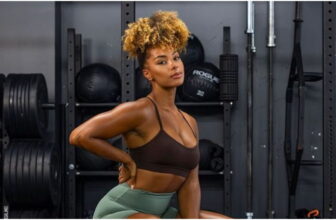
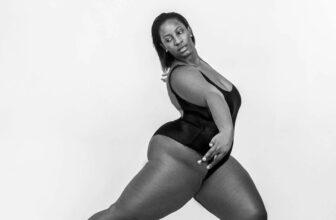
Across social media, medical offices, and personal conversations, women are increasingly discussing the effects of Ozempic and similar GLP-1 medications beyond weight loss.
Ozempic face and hair loss have become two of the most talked-about concerns, alongside changes in body shape, muscle mass, and skin elasticity.
Terms such as “Ozempic face,” “Ozempic hair,” and “Ozempic body” have entered everyday conversations as more women share before-and-after photos, compare experiences, and look for ways to manage unexpected changes.
For some women, losing a significant amount of weight can bring major health benefits while also changing their appearance in ways they did not anticipate.
The face may look thinner or more hollow, hair may begin shedding several months after weight loss begins, and areas such as the stomach, arms, breasts, and buttocks may lose some of their previous fullness.
This has sparked a bigger conversation about what happens to the body during rapid weight loss and whether those changes are temporary or long-lasting.
 Photo Courtesy
 The growing interest in Ozempic face and hair loss does not necessarily mean the medications directly cause every change being discussed.
In many cases, experts believe the effects are connected to rapid weight loss, reduced calorie intake, nutritional changes, and the loss of both fat and lean tissue.
Understanding that distinction is important for anyone considering or currently using a GLP-1 medication.
Ozempic, which contains semaglutide, and related medications such as Wegovy, Mounjaro, and Zepbound are GLP-1-based drugs initially developed to treat conditions including type 2 diabetes.
They work partly by reducing appetite, slowing gastric emptying, and helping regulate blood sugar.
These medications can also lead to substantial weight loss, which has made them increasingly popular among people managing obesity and related health conditions.
The health benefits can be significant, but rapid changes in body composition can also affect the way a person looks and feels.
For women in particular, concerns about facial volume, hair density, skin elasticity, and muscle definition have become an important part of the conversation.
Understanding “Ozempic Face”
“Ozempic face” is not a formal medical diagnosis.
It is a popular term for facial changes that can occur after significant weight loss while taking Ozempic or another GLP-1 medication.
People often discuss Ozempic face and hair loss together online, but they have different underlying mechanisms.
The most noticeable signs of Ozempic face can include hollow-looking cheeks and temples, deeper lines around the mouth and nose, more visible under-eye hollows, thinner-looking lips, fine lines, and looser skin around the jawline and neck.
Some people describe the result as a “deflated” appearance because the face has lost some of the fullness that previously supported the skin.
The main explanation is straightforward: when the body loses fat, some of that fat naturally comes from the face.
Facial fat is not simply excess tissue. It is distributed across several compartments that add volume and support the skin.
As those fat compartments shrink, the face can appear more angular or hollow.
 Photo Courtesy
 Researchers have also examined facial volume changes after weight loss.
Some imaging research has found measurable reductions in midface and superficial facial volume among people taking GLP-1 medications.
The extent of change varies by person and depends on factors such as age, starting weight, total weight lost, genetics, skin elasticity, and the speed of weight loss.
This is especially noticeable in women already experiencing age-related changes in collagen and elastin. From the late thirties onward, collagen production naturally declines.
Around menopause, hormonal changes can further affect skin thickness, elasticity, and facial fat distribution.
As a result, a woman in her forties or fifties may notice facial changes after weight loss that are less obvious in someone younger.
But it is important to remember that Ozempic-related face and hair loss isn’t unique to Ozempic.
Significant weight loss from bariatric surgery, restrictive diets, illness, or other causes can produce similar effects.
The medication does not selectively remove facial fat. Rather, the weight loss it helps produce can make changes in facial volume more noticeable.
For some women, the emotional impact can be considerable.
Losing weight may improve health, mobility, blood sugar levels, or confidence, but seeing a face that suddenly looks more tired or aged can be difficult. This tension helps explain why the term “Ozempic face” has become so prominent online.
Ozempic Hair: The Reality of Hair Shedding
Hair loss is another concern frequently mentioned alongside Ozempic face and hair loss.
Women who have never experienced significant shedding may suddenly notice more strands in their shower drain, on their pillow, or caught in their hairbrush.
One possible explanation is telogen effluvium, a temporary form of diffuse hair shedding that can occur when the body experiences physiological stress.
Rapid weight loss, reduced calorie intake, nutritional deficiencies, illness, major hormonal changes, and other stressors can push more hair follicles into the resting phase of the hair-growth cycle.
The key point is that this shedding often doesn’t happen immediately.
Hair loss associated with telogen effluvium can become noticeable several weeks or months after the triggering event.
That means someone may begin noticing significant shedding after they have already lost a considerable amount of weight.
Clinical trial data for semaglutide-based weight-loss treatment have reported hair loss among a small percentage of participants.
Researchers and clinicians generally believe that rapid weight loss and changes in nutritional intake may play a larger role than direct toxicity to the hair follicle.
 Photo: Instagram/lizzobeeating
 Appetite suppression is an important factor.
When someone eats substantially less, it can become harder to consume enough protein, iron, zinc, vitamin D, and other nutrients involved in healthy hair growth.
This does not mean everyone taking a GLP-1 medication will develop a deficiency, but inadequate nutrition can contribute to shedding.
Women may be especially concerned because hair has a strong connection to identity, femininity, and appearance. Even temporary thinning can feel significant, particularly when it happens alongside facial or body changes.
The good news is that telogen effluvium is usually temporary.
Once you address the underlying trigger and weight and nutrition stabilize, hair follicles can return to their normal growth cycle. However, visible recovery can take several months because hair grows slowly.
Anyone experiencing persistent, severe, or patchy hair loss should speak with a healthcare professional.
Not every case of hair loss is related to weight loss or medication. Thyroid problems, iron deficiency, hormonal changes, androgenetic hair loss, scalp conditions, and other factors can also contribute.
Body Changes Beyond the Face
The conversation around GLP-1 medications has expanded beyond Ozempic face and hair loss to include changes throughout the body.
“Ozempic body” and “Ozempic butt” are informal online terms used to describe changes such as loose skin, reduced muscle definition, flatter buttocks, and loss of fullness in the breasts, arms, and thighs.
Again, these changes are largely connected to weight loss and changes in body composition rather than a medication specifically targeting those areas.
When someone loses a significant amount of weight, the body loses fat. Depending on the individual, they may also lose some lean tissue, including muscle.
The proportion varies based on factors such as diet, exercise, starting body composition, age, and the rate of weight loss.
 Photo: Getty Images
 Muscle plays an important role in body shape.
Losing muscle alongside fat can make certain areas appear softer or less defined.
This is why resistance training has become an important part of conversations about maintaining body composition during weight loss.
Loose skin is another issue.
Skin stretches as the body gains weight, and when underlying volume decreases quickly, the skin may not retract immediately.
Younger skin with greater elasticity may adapt more easily, while age, genetics, sun exposure, smoking, and how much weight is lost can influence how much loose skin remains.
For women, these changes can affect more than appearance. Loose abdominal skin may change how clothing fits.
Changes in breast volume can alter proportions. Reduced gluteal volume can change the silhouette.
These experiences can be surprising, especially when someone expected weight loss to produce a specific aesthetic outcome.
Why Women Are Talking About Ozempic Face and Hair Loss
The conversation around Ozempic-related face and hair loss has grown partly because women are publicly documenting their experiences.
Social media has made it easier for people to compare before-and-after photos, discuss side effects, and share strategies they use to manage changes.
Women also tend to be highly aware of changes involving facial appearance and hair.
Facial volume is closely connected to perceived age, while hair density can influence how youthful or healthy someone feels they look.
Age is another factor.
Women taking GLP-1 medications in their forties and fifties may already be navigating hormonal changes associated with perimenopause or menopause.
 Photo: Getty Images
 These changes can affect skin, hair, muscle, and body composition on their own.
When rapid weight loss happens at the same time, it can become difficult to determine which changes are related to the medication, weight loss, aging, or a combination of factors.
There is also a psychological component.
Weight loss is often presented as a straightforward before-and-after transformation. But the reality can be much more complicated.
A person may feel healthier and stronger while simultaneously adjusting to a different face, body shape, or hair density.
That is why the discussion surrounding Ozempic face and hair loss is important.
It helps people approach weight loss with more realistic expectations, rather than assuming every physical change will automatically feel positive.
What Can Be Done to Support Hair, Skin, and Muscle During Weight Loss?
No method can guarantee prevention of facial volume loss, hair shedding, or loose skin during significant weight loss.
However, several strategies can support overall health and may help reduce some of the unwanted effects.
First, nutrition matters.
Eating enough protein is especially important because it supports muscle maintenance and provides the amino acids needed for hair production.
A balanced diet containing adequate calories, vitamins, minerals, healthy fats, fruits, vegetables, and whole grains can help support the body during weight loss.
Don’t treat nutrient deficiencies blindly with supplements.
If hair loss is significant, a healthcare professional can determine whether blood tests are appropriate to check for issues such as iron deficiency or thyroid problems.
Resistance training can also help preserve muscle during weight loss.
Strength exercises stimulate the muscles and can support a firmer, stronger body composition. This can be particularly useful when someone is losing weight quickly.
 Photo: Getty Images
 Adequate hydration and sun protection are also important for maintaining skin health.
While neither can prevent facial fat loss from weight loss, protecting the skin from excessive sun exposure can help preserve collagen and reduce premature skin aging.
For women experiencing significant Ozempic face and hair loss, medical guidance is important.
A doctor may review your rate of weight loss, nutrition, medication dose, other medications, and underlying health conditions.
For facial volume changes, dermatologists and plastic surgeons can discuss options such as dermal fillers, collagen-stimulating treatments, energy-based procedures, or, in more significant cases, surgery.
These treatments should be considered carefully and ideally after weight has stabilised.
Hair treatment depends on the cause.
If shedding is related to telogen effluvium, the primary approach is usually to address the underlying trigger.
In some cases, clinicians may recommend treatments such as minoxidil, depending on the individual’s circumstances and diagnosis.
The Bigger Picture: Looking Beyond Weight Loss
The conversation around Ozempic, face, and hair loss does not mean we should dismiss the health benefits of GLP-1 medications.
For many people, these medications have meaningfully improved weight management, blood sugar control, cardiovascular risk factors, and quality of life.
Instead, the conversation highlights the importance of looking at weight loss as a whole-body process.
A lower number on the scale is only one measure of progress.
Maintaining muscle, eating adequately, protecting bone health, supporting skin and hair, and feeling comfortable with changes in appearance are also important parts of the experience.
 Photo: Getty Images
 Women should not feel that they have to choose between improving their health and caring about how they look.
Both concerns can be valid.
The key is to make informed decisions and discuss unexpected changes with qualified healthcare professionals.
Ultimately, Ozempic face and hair loss describe experiences many women are trying to understand, but they should not be treated as universal or inevitable outcomes of GLP-1 treatment.
Facial volume loss, hair shedding, and body composition changes can have several causes, and each person’s experience will be different.
As more people use GLP-1 medications and longer-term research becomes available, our understanding of these changes will continue to develop.
For now, the most useful approach is to focus on sustainable weight loss, adequate nutrition, muscle preservation, healthy skin and hair practices, and appropriate medical support.
The conversation is not simply about looking different after losing weight.
It is about understanding what happens to the body during major physical change and ensuring health, appearance, confidence, and quality of life stay part of the same conversation.
Photo Courtesy
You May Also Like:
Why Do We Think We Look Better After Losing Weight?
October 1, 2026How My Workout Wardrobe Inspire My Fitness Habit
February 14, 2026The Best Exercises to Try in 2026 for Realistic Fitness Goals
February 6, 2026Why You Should Include Tai Chi Walking in Your Fitness Regimen
January 14, 2026Kim Kardashian's SKIMS and Nike Unveil a Collection Featuring Serena Williams and Other Female Athle...
September 23, 2025Serena Williams Gets Real About Her Weight Loss Journey With The GPL-1 Drugs
August 22, 2025The Best Workout Ideas to Kickstart the New Year
January 13, 2025Find Your Balance: How Often Should You Exercise?
December 18, 202410 Ways to Reach Fitness Goals This Year
November 11, 202411 Exercises To Help Sculpt Your Body Like a Pro
August 19, 2024Why You Should Try The CorePower Yoga
April 8, 2024Essential Yoga Poses for Optimal Mind-Body Connection
February 23, 2024


Esther Ejoh is a Fashion Editor at Fashion Police Nigeria, where she writes all things fashion, beauty, and celebrity style, with a sharp eye and an even sharper pen. She’s the girl who’ll break down a Met Gala look one minute, rave about a Nigerian beauty brand the next, and still find time to binge a movie or get lost in a novel. Style, storytelling, and self-care? That’s her holy trinity.