Published: August 17, 2026 Last Updated 3 months ago by FPN
Natural hair represents identity, heritage, and beauty for African women. Regardless of curl type, Afro-textured hair care should focus on moisture, gentle handling, and protection.
Across Africa and the diaspora, climate impacts hair health. The right hair care routine helps prevent breakage and dullness while promoting length and shine.
For years, many African women felt pressured to relax or hide their natural hair to meet narrow beauty standards. Today, more women are embracing their natural texture, learning proper care, and celebrating their hair.
Transitioning from relaxed to natural hair can be challenging. Afro-textured hair often faces dryness, breakage, and shrinkage.
Experts note that scalp oils (sebum) have difficulty traveling along coily strands, making African hair more prone to dryness and breakage than straighter hair types.
Understanding your hair’s structure is essential. Afro-textured hair has curved follicles, which limit the movement of scalp oils and cause dryness unless moisture is added and sealed. High porosity is common, so hair absorbs and loses water quickly.
Consistent hydration, minimal manipulation, and protection from environmental stress should be the focus of every routine.
This guide covers essential aspects of natural African hair care, including washing techniques and protective styling.
Prioritize Moisture Above Everything
Moisture is essential. Dry hair becomes brittle and breaks easily.
Use the LOC or LCO method: apply a liquid (water or water-based leave-in) to damp hair, then apply an oil (such as baobab, jojoba, grapeseed, or light castor blends) or a cream, and finish by sealing.
Some prefer cream before oil (LCO) for softness, while others use oil before cream. Experiment to find what best retains moisture for your hair’s porosity and density.
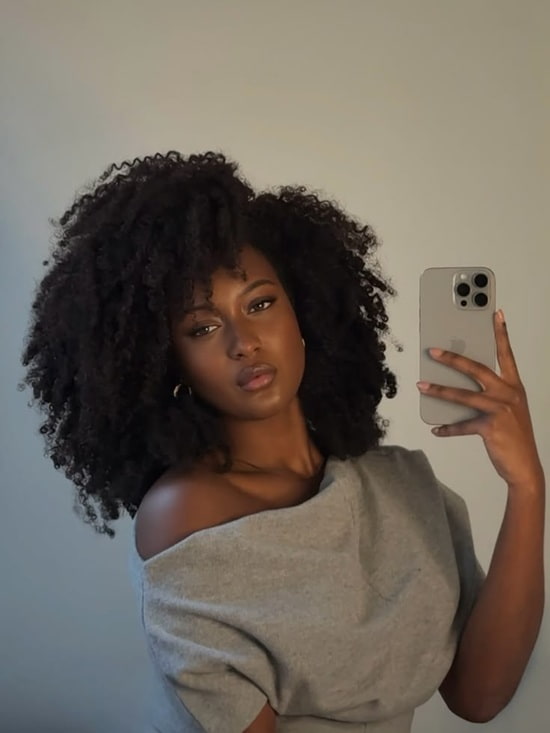 Photo: @dojahenshaw
Deep condition weekly or biweekly with moisturizing treatments containing shea butter, avocado, honey, or aloe vera.
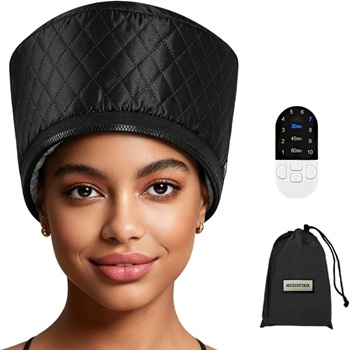
Use a hooded steamer or warm towel to enhance penetration. Between washes, refresh hair with a water and leave-in conditioner mist, then seal ends with oil.
Hair Steamer for Natural Hair
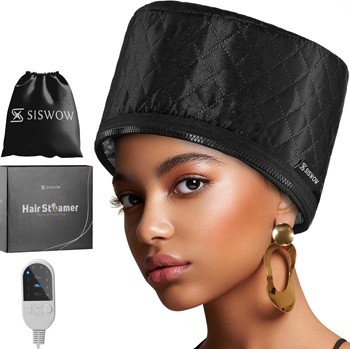
Hair Steamer Cap for Deep Conditioning
Cleanse Gently and Regularly
Contrary to common myths, natural hair benefits from weekly or biweekly cleansing with sulfate-free shampoo to remove buildup and prevent scalp issues.
Focus shampoo on the scalp, letting lather cleanse the lengths. African black soap shampoos are gentle options. Clarify monthly if you use heavy butters or silicones.
Co-washing can be used occasionally, but should not fully replace shampoo, as it may not thoroughly cleanse the scalp.
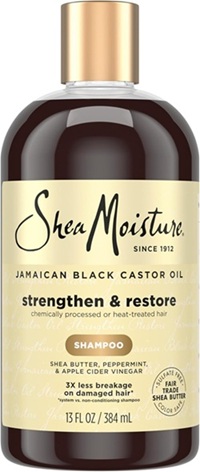
Shea Moisture Strengthen and Restore Shampoo for Damaged Hair
Master Protective Styling Without Damage
Protective hairstyles like twists, braids, cornrows, Bantu knots, and low-manipulation updos reduce handling and protect ends. Use these hairstyles in moderation. Avoid tight styles at the hairline to prevent traction alopecia.
Keep hairstyles for no more than four weeks, and moisturize scalp and hair regularly. If using synthetic hair, oil your scalp and ends consistently.
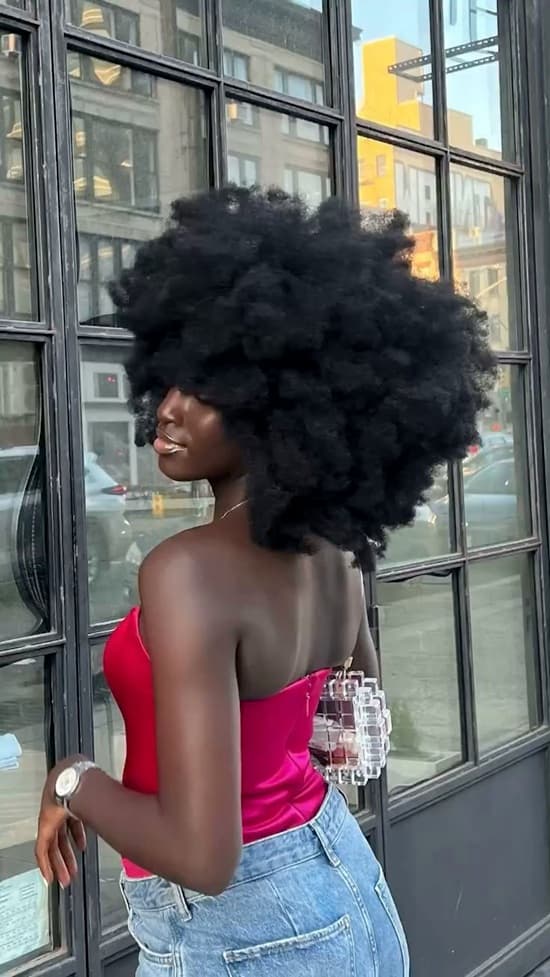 Photo Courtesy
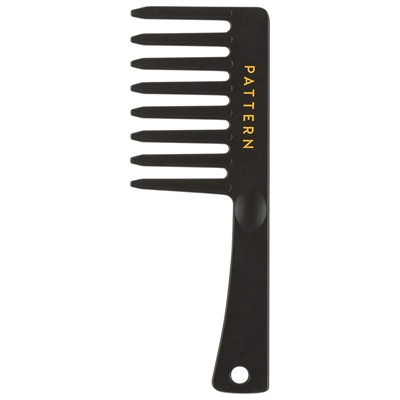
When removing hairstyles, detangle gently on damp, conditioned hair with fingers or a wide-tooth comb, starting at the ends and working upward.
Do not force through knots on dry hair.
PATTERN by Tracee Ellis Ross Wide Tooth Comb
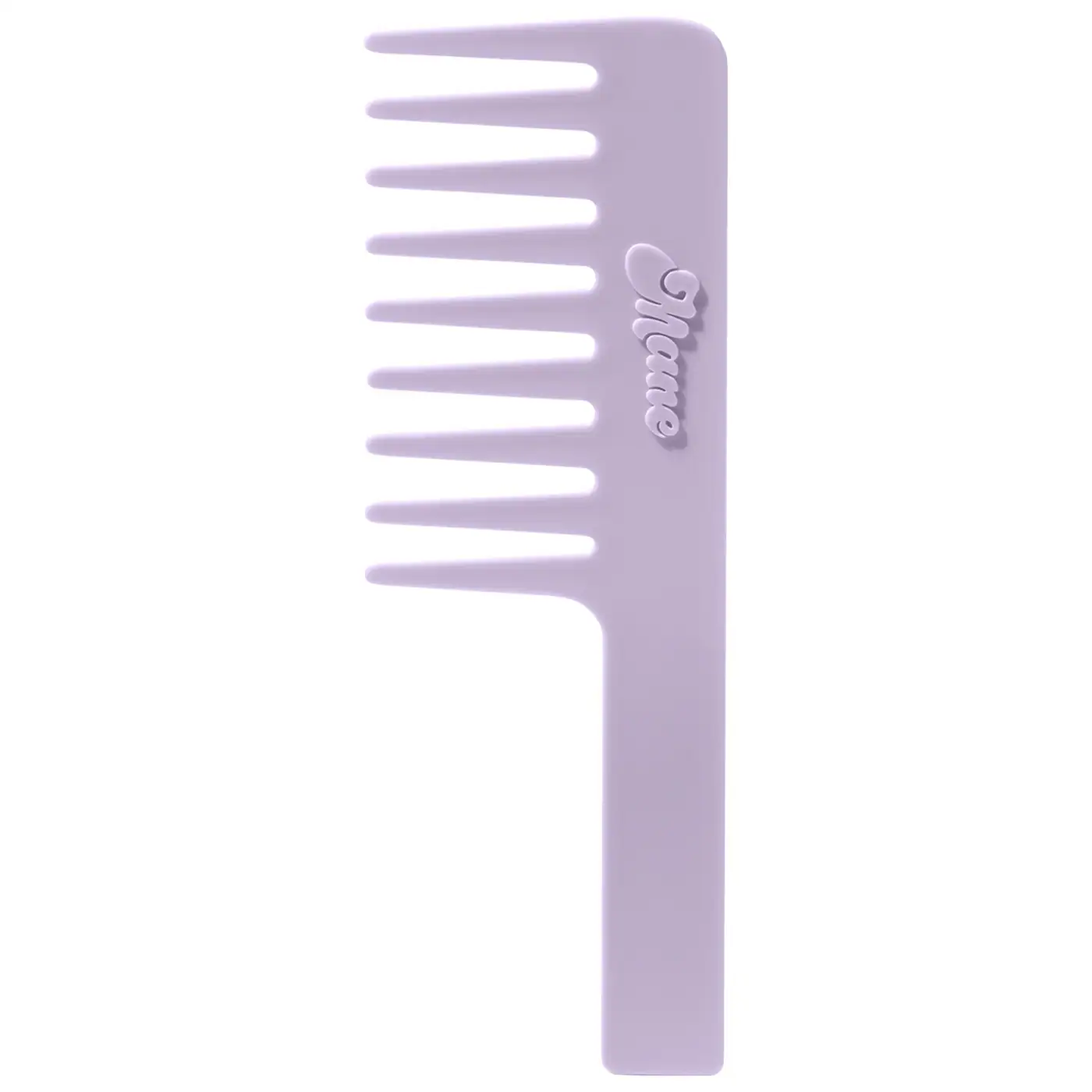
Mane Knot Ur Avg Wide-Tooth Hair Comb
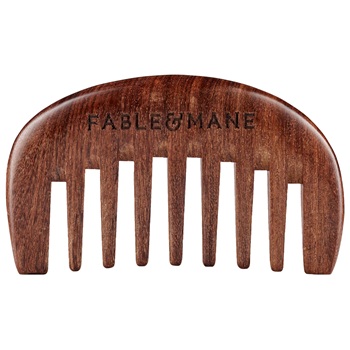
Fable & Mane Scalp Massager Comb
Protect Hair at Night and From the Environment
Cotton pillowcases cause friction, leading to breakage and frizz. Use a satin or silk bonnet, scarf, or pillowcase to preserve moisture and reduce tangles.
During dry seasons or in air-conditioned spaces, increase sealing with butters and oils. In high humidity, use lighter products and anti-frizz gels or serums to maintain definition.
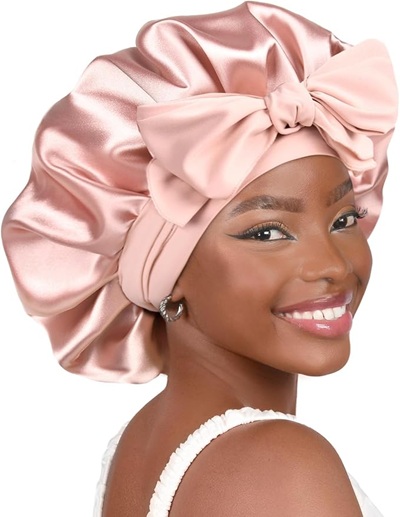
YANIBEST Adjustable Silk Bonnet for Sleeping
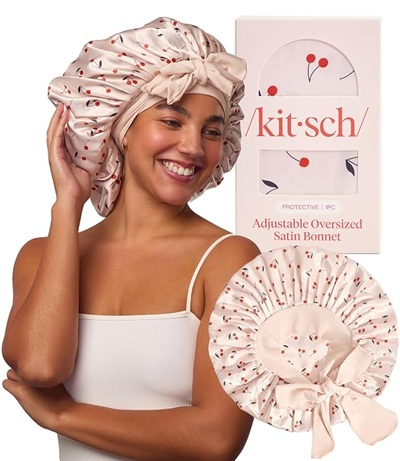
Kitsch XL Satin Bonnet for Sleeping
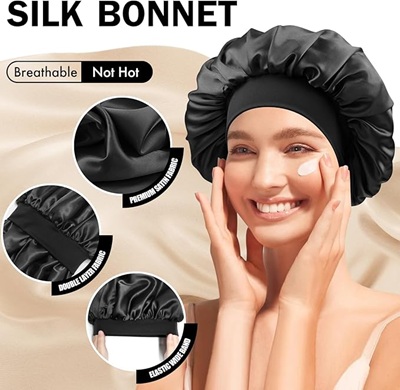
Satin Silk Bonnet for Hair
Embrace African Botanicals
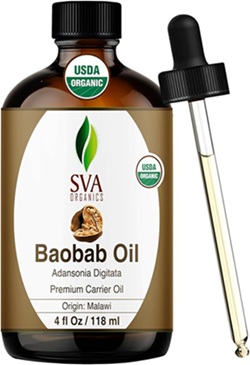
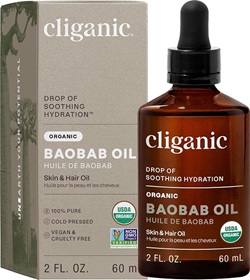
Traditional ingredients are highly effective. Unrefined shea butter seals moisture and softens hair. Baobab oil provides lightweight, vitamin-rich nourishment.
Neem and rosemary support scalp health, while hibiscus and moringa improve conditioning. Many modern brands now incorporate these ingredients into contemporary routines.
SVA ORGANICS Baobab Seed Carrier Oil with Dropper
Cliganic Organic Baobab Oil
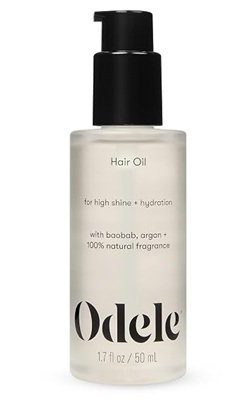
Odele Hair Oil with Baobab & Argan Oils
Avoid Common Mistakes
Certain habits hinder progress. Over-manipulation, such as frequent combing or styling, causes breakage.
Leaving protective hairstyles in too long leads to matting and scalp neglect. Using heavy products without clarifying creates buildup.
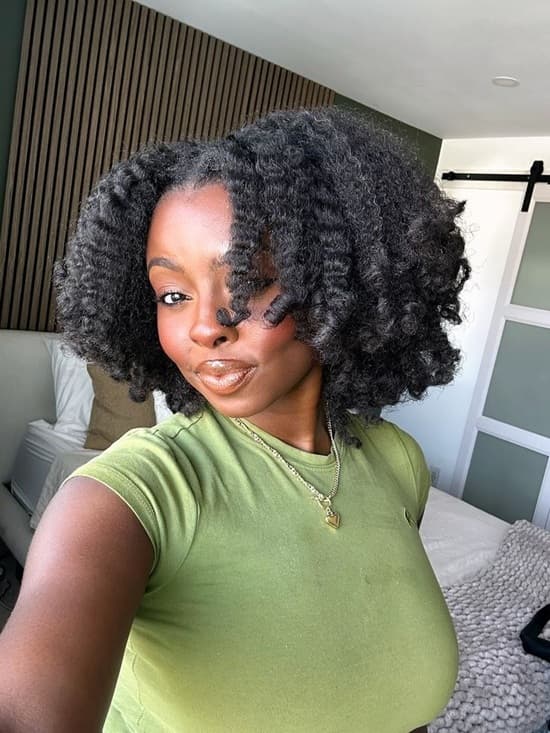 Photo Courtesy
Applying heat without protection or using tight styles for extended periods damages the hairline. Focusing only on length while neglecting moisture and scalp health results in weak hair.
Build a Simple, Sustainable Routine
A practical weekly routine includes:
- Wash day every 7–14 days: pre-poo if desired, gentle cleanse, deep condition, detangle, moisturize, and style.
- Midweek: light misting and sealing as needed.
- Daily: minimal handling, night protection, and scalp checks.
- Monthly: clarifying wash and assessment of edges and overall health.
Nutrition and wellness are important. Sufficient protein, iron, zinc, vitamins, and water support hair growth. Managing stress and getting enough sleep also promote healthier hair.
Listen to Your Hair
No single routine suits everyone. Porosity, density, climate, lifestyle, and colour treatments all affect results.
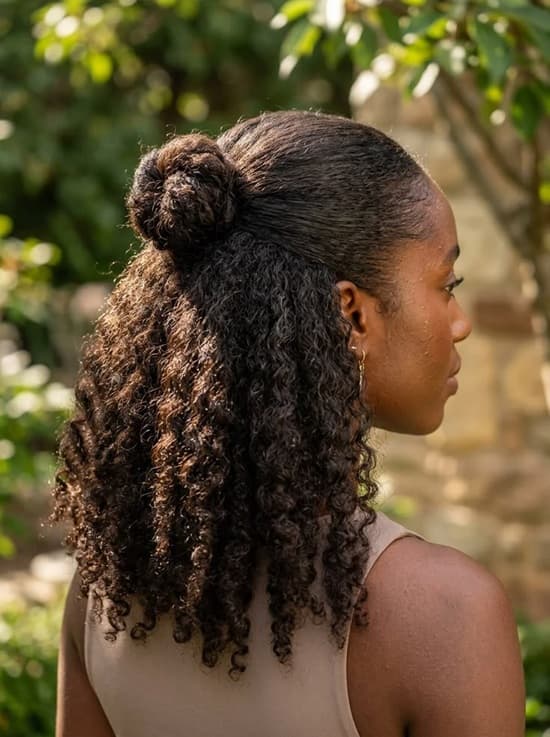 Photo Courtesy
Monitor your hair’s response. Softness, elasticity, reduced breakage, and scalp comfort are better indicators of success than length alone.
The Return to Natural Hair Culture
There’s a growing movement across Africa encouraging women to embrace their natural hair.
Natural haircare brand Natures Gentle Touch has been holding quarterly workshops to empower Nigerian women to maintain and appreciate their natural hair.
CEO Chijioke Anaele encourages women to “embrace their natural hair as the true African women that we are,” noting that “your hair is your crown, and if you care for it well, it will give you what you want”.
Yvonne Chaka Chaka, the veteran South African musician fondly known as the “Princess of Africa,” has also relaunched her natural haircare collection, rooted in the belief that haircare should enhance, not strip away, the beauty of natural hair.
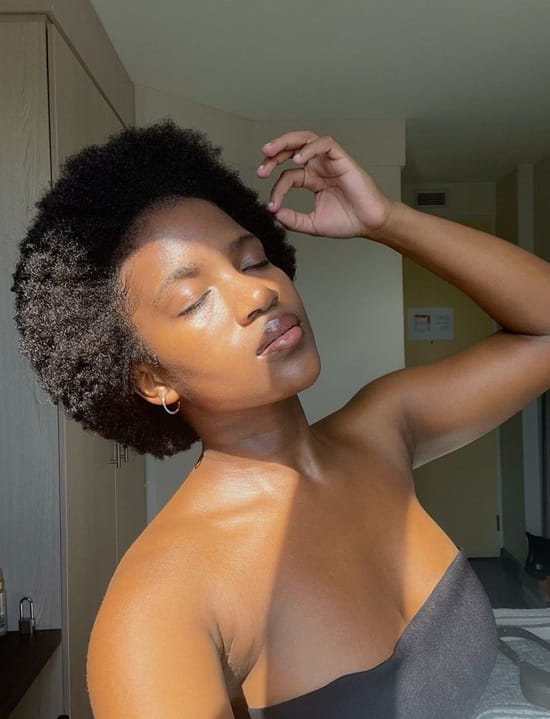 Photo: Instagram/thokozaniii_cele
Her range, Princess of Africa Haircare, features locally sourced Aloe Ferox and other natural ingredients designed to nourish and celebrate natural hair.
The natural hair journey requires dedication, but it is rewarding. As one enthusiast says, “If you’re on your own natural hair care journey, remember to be patient, experiment, and most importantly, love the hair that grows out of your head.”
Whether you are transitioning or refining your routine, consistency and patience are essential. With the right knowledge and products, you can achieve healthy, thriving hair that reflects your beauty and heritage.
Photo Courtesy
You May Also Like:

How to Dry Your Hair Without Causing Unnecessary Damage

The Hair Appointment Struggle Every African Woman Understands
Cherry Cola Hair is Back, and Brunettes are Trying Out the Glossy Red Hairstyle

Crimped Hair Is Back, But It Looks Nothing Like the Version You Remember

The Gamine Pixie is Giving the Classic Crop a Softer, More Modern Update
Hair Mistakes That Can Make an Expensive Hairstyle Look Basic
Why Does Getting Your Hair Done Feel Like a Reset Button?

The Celebrity Hair Transformations Nobody Saw Coming in 2026

The New Hair Goal Is Fullness, Not Just Length
Frontal Hairstyle Trends: When Does It End?
Is Long Hair Still the Ultimate Beauty Standard?

Are Heatless Curls Actually Better for Your Hair?


Esther Ejoh is a Fashion Editor at Fashion Police Nigeria, where she writes all things fashion, beauty, and celebrity style, with a sharp eye and an even sharper pen. She’s the girl who’ll break down a Met Gala look one minute, rave about a Nigerian beauty brand the next, and still find time to binge a movie or get lost in a novel. Style, storytelling, and self-care? That’s her holy trinity.