Published: September 8, 2026 Last Updated 1 month ago by FPN
Heatless curls have become one of those beauty trends that seem almost too sensible to question.
Instead of reaching for a curling iron, you wrap your hair around a robe belt, use soft rollers, braid it overnight, or try one of the many methods that have taken over TikTok and Instagram. By morning, the promise is simple: curls without the heat.
It sounds like a win for your hair.
After all, excessive heat is one of the easiest ways to make hair more vulnerable to dryness, brittleness, and breakage. Dermatologists have long recommended reducing the use of curling irons, flat irons, and other hot tools because repeated heat can damage the hair shaft.
But there is a reason to look beyond the word heatless.
Removing heat from your haircare routine does not automatically make a hairstyle gentle. Hair can still experience stress from pulling, wrapping, twisting, brushing, or other manipulation.
The real question, then, is not simply whether heatless curls are better for your hair. It is what kind of stress you are replacing the heat with.
The Case for Heatless Curls
The biggest advantage of heatless curls is also the most obvious: you eliminate direct heat.
A curling iron changes hair shape using high temperatures. Used often, that heat can weaken hair and make it more susceptible to breakage. The American Academy of Dermatology recommends using curling irons and flat irons sparingly and keeping heat settings low or medium when you do.
Heatless styling takes a different approach. Instead of using temperature to reshape the hair, this technique relies on tension, setting, and time.
That makes it particularly appealing for anyone who regularly curls or straightens their hair and wants to use a hot tool less often.
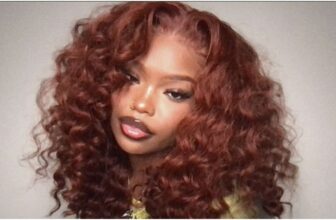
 Photo: Instagram/@emmanuellek_
 For people with curly, coily, or textured hair, reducing unnecessary heat can be especially useful. Curly and tightly coiled hair is more prone to dryness and breakage, so gentle handling matters.
This is also part of why heatless curls have become so appealing beyond the trend itself. The curling method fits into a beauty routine that is increasingly interested in doing less to the hair. You can set your hair before bed, go to sleep, and wake up with a finished style instead of spending another morning holding a hot curling iron against your strands.
But there is a catch.
A heatless curl can still be too tight.
If you have ever taken out a curling method and found your hair pulled into a curl far tighter than you wanted, you already know how much tension can be involved.
Wrapping the hair repeatedly around a small rod, tying it tightly, or securing it with an uncomfortable band may create a longer-lasting curl, but it is not necessarily kinder to the hair.
 Photo: Pexels
 The same principle applies to the scalp. Repeated hairstyles that pull tightly on the hair can cause breakage and, over time, contribute to traction alopecia. The AAD specifically warns against styles that create persistent tension.
That doesn’t mean your overnight curls will cause hair loss. It means you should not mistake tightness for effectiveness.
The best heatless curl is not the one that leaves your hair looking as though it has been wrapped around the smallest possible roller. It is the one that gives you the shape you want without making your hair or scalp uncomfortable.
How to Make Heatless Curls Better for Your Hair
The technique matters more than the trend.
Start with how wet your hair is. It can be tempting to wrap freshly washed, soaking-wet hair around a curling tool because the curls seem to set more firmly that way. But wet hair is more delicate and can break more easily.
The AAD recommends treating wet hair gently and adjusting how you detangle based on your hair type.
Slightly damp hair is usually a more sensible starting point than hair that is dripping wet. You want enough moisture for the hair to take shape, without spending hours with wet strands tightly wrapped around your head.
The wrapping itself should also be comfortable. If the method feels painful, gives you a headache, or pulls noticeably at your roots, loosen it. A hairstyle should not have to hurt to work.
Your hair texture matters here, too. Fine hair may not need as much tension to hold a curl, while thicker, curlier, or coarser hair may respond differently. No universal heatless curling method works perfectly for everyone.
The goal is to find one that gives your hair enough structure without requiring excessive manipulation.
 Photo: Pexels
 The material you use can matter as well. Avoid anything that creates unnecessary friction, especially if your hair is already dry or prone to tangling.
This is one reason softer curling methods and satin or silk accessories are often preferred for overnight styling.
For curly hair, dermatologists also recommend reducing friction while sleeping to help minimise frizz and breakage.
And perhaps most importantly, do not turn heatless curls into another form of over-styling.
Any hairstyle that makes life easier tempts you to repeat it constantly. If a method works, why not do it every night, right?
However, your hair still needs a break from manipulation. Taking down the curls gently matters just as much as putting them in. Pulling at knots, brushing aggressively through a set style, or repeatedly restyling the same sections can create the very breakage you were trying to avoid by giving up heat.
This is particularly relevant for Black women, whose hair can be more vulnerable to damage from certain styling practices. The AAD recommends minimising excessive tension and using the lowest effective heat when heat styling textured hair.
So, are heatless curls actually better for your hair?
Yes, heatless curls can be better for your hair. If your usual routine involves frequent curling irons or other hot tools, switching some of those styling sessions to a gentle heatless method can reduce your exposure to direct heat, which is a meaningful benefit.
But heatless curls are not a treatment for damaged hair, and they are not completely damage-proof. Tight wrapping, rough removal, excessive manipulation, friction, and handling fragile wet hair can still leave your strands worse off.
The smartest way to think about the trend is not as a magical alternative to heat, but as another styling option.
Use less heat when you can. Wrap your hair gently. Do not pull tightly. Pay attention to how your hair responds, and if a method leaves your scalp sore or your hair breaking, it is probably not right for you.
The best heatless curls are not the ones that promise perfect curls overnight, but the ones that let you style your hair without making your hair pay the price for it.
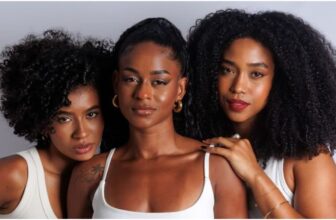
Photo: Instagram/@iamdesirich
You May Also Like:
Cherry Cola Hair is Back, and Brunettes are Trying Out the Glossy Red Hairstyle
October 14, 2026Crimped Hair Is Back, But It Looks Nothing Like the Version You Remember
October 2, 2026The Gamine Pixie is Giving the Classic Crop a Softer, More Modern Update
September 29, 2026Hair Mistakes That Can Make an Expensive Hairstyle Look Basic
September 24, 2026Why Does Getting Your Hair Done Feel Like a Reset Button?
September 21, 2026The Celebrity Hair Transformations Nobody Saw Coming in 2026
September 21, 2026The New Hair Goal Is Fullness, Not Just Length
September 17, 2026Frontal Hairstyle Trends: When Does It End?
September 14, 2026Is Long Hair Still the Ultimate Beauty Standard?
September 9, 2026Miss America 2027 Regan Hutsell Makes History as First Winner Crowned in Natural Hair
September 8, 2026Are We Entering the Era of the Low-Effort Hairstyle?
September 2, 20267 Celebrities Who Sparked My Strong Affection for Pink Hair
August 28, 2026


Evelyn Adenike is an Associate Beauty Editor at Fashion Police Nigeria, where she covers all things beauty, from the glossiest nail trends to the best skincare finds. With a soft spot for storytelling and an eye for what’s fresh, she brings creativity and just the right dash of drama to every post. If it’s bold, beautiful, and blog-worthy, Evelyn’s probably already writing about it.